

THE PUNCH LIST
The Punch List 2026
Impactful Dining in Bali
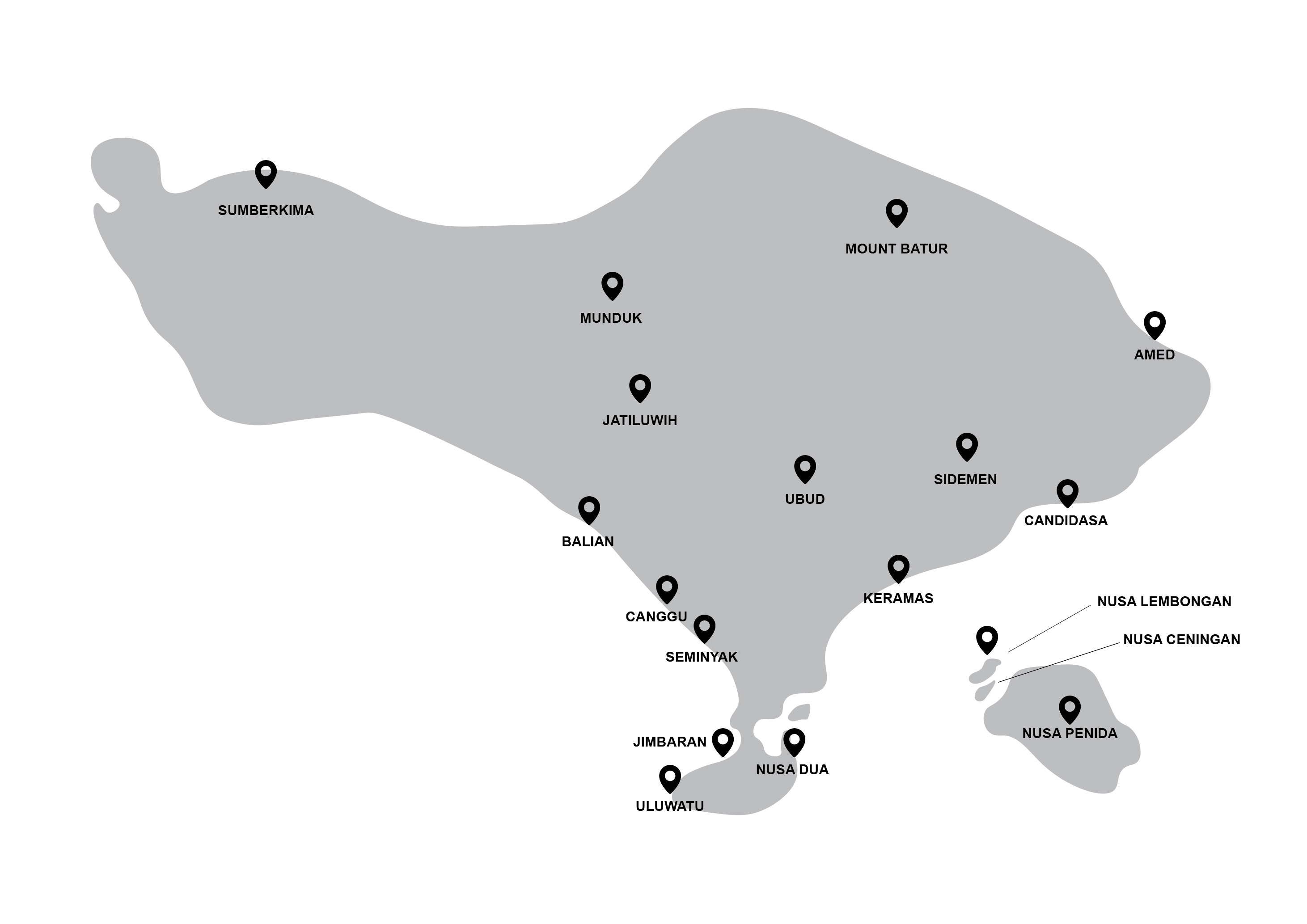
From neighbourhood cafés and beachfront tables to chef-led kitchens, cocktail bars and destination restaurants, The Punch List brings together the places across Bali where great food and drink meet a more considered way of doing business. Every venue is selected through The Punch Method and judged on two counts: Excellence, the quality of the cooking, the drinks and the experience, and Impact, the good it brings to the people and places around it. Impact is measured across 15 commitments in five pillars: Purpose, Upstream, Nature, Circularity and Humanity. The bar is progress, not perfection. For diners, it is a simple way to choose where to eat and drink by what lands on the table and by what happens behind the kitchen door.
Canggu & Pererenan
In Canggu and Pererenan, ACME brings a relaxed neighbourhood spirit to generous, comforting food. Long-standing staff relationships, continuous training and a family-like working culture sit alongside thoughtful efforts to reduce environmental impact, creating a café that feels warm, familiar and genuinely connected to community.
Canggu & Uluwatu
In Canggu & Uluwatu, Analog channels the slower rhythm of 1970s surf culture through vinyl, simple food and thoughtful design. Rainwater harvesting, reverse-osmosis filtration, passive cooling, low-impact packaging and community composting quietly support a café where atmosphere, connection and considered daily choices matter equally.
Ubud
At Viceroy Bali, Apéritif revives the glamour of the 1920s through a refined tasting experience that moves from pre-dinner drinks into globally inspired cuisine. Local sourcing and responsible kitchen practices sit behind the elegance, beautifully balancing theatricality, precision and a strong sense of occasion
Ubud
Inside Capella Ubud, Api Jiwa turns dinner into an intimate encounter with fire. Surplus rice straw fuels the Wara cooking technique, while Asian-inspired courses, seasonal ingredients and an open kitchen create an immersive evening where smoke, storytelling, ritual and shared conversation shape the experience.
Around Bali
BAKED has built a following around sourdough, pastries and carefully crafted coffee, served across several Bali neighbourhoods. Bakers, baristas and chefs work with locally sourced and organic ingredients whenever possible, bringing consistency, curiosity and genuine craftsmanship to a café culture centred on everyday pleasure.
Pererenan
In Pererenan, Bar Vera brings the spirit of contemporary Parisian wine bars to Bali through French techniques, locally influenced produce and European wines. Earthy interiors and shareable plates encourage long lunches, sunset glasses and unhurried dinners in a setting that feels social and intimate.
Uluwatu
In Uluwatu, Bartolo is a neighbourhood bistro built around small share plates, European flavours and a polished but easy atmosphere. Seasonal local sourcing, zero-waste cocktails and support for Indonesian talent give the restaurant substance beyond style, making evenings feel considered, convivial and quietly confident.
Ubud
In Payangan, Begawan Biji connects regenerative farming with Indonesian culinary heritage through seasonal, farm-to-table dining. Live-fire cooking, heritage ingredients, reclaimed materials and close relationships with local growers shape a restaurant where food, land, culture and community are treated as parts of the same conversation.
Canggu & Pererenan
Bokashi blends Indonesian ingredients with Japanese influence across a café and grocery concept in Canggu. Local sourcing, health-conscious cooking and thoughtful waste practices reflect the meaning behind its name, while the space brings together food, retail and everyday sustainability in an approachable neighbourhood setting.
Ubud
Above Ubud’s rooftops, Copper Kitchen & Bar brings together Asian and international influences with locally sourced, ethically produced ingredients. The open-air setting adds a sense of ease, while careful sourcing and expressive cooking create a dining experience that feels contemporary and connected to place.
Seminyak
In Seminyak, Da Maria channels the easy energy of the Amalfi Coast through wood-fired pizza, handmade pasta and classic Italian flavours. Striking interiors, an open bar and nights that drift into music give the restaurant its unmistakable rhythm: social, lively and made for sharing.
Seminyak
At Desa Potato Head, DÔME pairs modern shared plates with natural, biodynamic and low-intervention wines in a relaxed all-day setting. Local and organic produce guide the kitchen, while the social atmosphere and creative drinks programme make the restaurant feel easygoing, contemporary and distinctly communal.
Uluwatu
Part surf café, part community meeting point, Drifter serves organic whole foods, plant-based and pescatarian dishes alongside Indonesian coffee. A free water refill station encourages reusable bottles, while the relaxed Uluwatu setting reflects an active lifestyle shaped by surfing, nourishment and environmental awareness daily.
Pererenan
At Ettore, traditional Italian gelato making is approached with precision and restraint. Small batches, seasonal produce and carefully chosen ingredients keep flavours clean and direct, while classic combinations sit beside more unexpected infusions, creating a gelateria defined by craft, texture, balance and quiet confidence.
Around Bali
Expat. Roasters places Indonesian coffee and the people who grow it at the centre of its work. Most beans come from within the country, with close relationships supporting dozens of farming families, while careful processing, responsible packaging and rigorous roasting shape each distinctive cup.
Ubud
A long-standing Ubud favourite, Indus looks across the Campuhan ridge from an open, breezy dining room. Indonesian heritage meets modern Asian influence through seasonal ingredients and local produce, creating a menu that moves comfortably between familiar Balinese flavours and lighter, more contemporary expressions.
Seminyak
At Desa Potato Head, Kaum explores Indonesia’s culinary diversity through recipes, ingredients and techniques gathered from communities across the archipelago. Deep cultural research informs the menu, while local sourcing and zero-waste thinking support a dining experience that celebrates heritage without turning tradition into nostalgia.
Ubud
At Kappa Senses Ubud, Kokokan Restaurant celebrates Indonesian flavours through seasonal produce, local ingredients and refined presentation. Surrounded by rice fields and tropical greenery, the setting feels calm and immersive, while thoughtful sourcing and polished service give the dining experience a strong sense of place.
Nyanyi
Near Nyanyi, Little Spoon Café follows the seasons through produce grown at its own regenerative farm in Tabanan. Vegetables arrive close to harvest, menus respond naturally, and calm surroundings encourage unhurried meals, creating a café where soil health, farming knowledge and everyday dining meet.
Ubud
In Ubud, Locavore NXT pushes local dining beyond the plate through hyper-local ingredients, experimentation and circular systems. Solar energy, closed-loop water, composting and an organic wellness centre support a restaurant where sustainability becomes infrastructure, allowing creativity, farming and hospitality to evolve together with purpose.
Canggu
Luigi’s keeps Canggu nights simple: pizza, music, DJs and an atmosphere that becomes more social as the evening unfolds. Italian comfort food anchors the experience, while the easy, high-energy setting has made it a familiar meeting point for long dinners that rarely end early.
Canggu
In the heart of Canggu, Lulu Bistrot brings Parisian bistro culture to Bali through classic French cooking, seasonal local ingredients and neighbourhood energy. Behind the polished dining room, a strong focus on developing Indonesian talent gives the restaurant warmth, depth and a human character.
Ubud
At Mana Kitchen in Ubud, nourishment guides everything from ingredient choice to preparation. Japanese superfoods meet Indonesian flavours, fermentation and probiotic dishes, with heirloom vegetables grown in the on-site permaculture garden creating food that feels restorative, seasonal, simple and closely connected to the land.
Uluwatu
Perched within Uluwatu Surf Villas, Mana combines nourishing food, ocean views and an infinity pool above the jungle. Local land-and-sea ingredients, reclaimed teak furnishings and its involvement in Project Clean Uluwatu connect an easygoing dining experience with practical action protecting the surrounding coastline.
Canggu & Uluwatu
Masonry approaches Mediterranean-inspired cooking through restraint, craft and fire. Dishes are made from scratch using smoking and wood-fired techniques, while natural materials shape the setting. Local employment, reduced plastics and responsible packaging add substance to a restaurant built around simplicity, generosity and honest flavour.
Around Bali
Milk & Madu has become a Bali staple for generous breakfasts, relaxed lunches and easy gatherings. Local produce, reduced single-use plastics, food-waste partnerships and community fundraising sit behind its familiar atmosphere, creating neighbourhood cafés that balance comfort, consistency and an evolving sense of responsibility.
Canggu
In Berawa, Mosto lets seasonality and natural wine set the pace. The menu shifts with available produce, favouring minimal intervention and shareable plates, while a tightly curated wine list guides the experience. Social and produce-led, it makes casual dining feel thoughtful without becoming precious.
Seminyak, Canggu & Uluwatu
Motel Mexicola turns Seminyak dining into a full-sensory celebration of tacos, agave drinks, colour and music. Behind the exuberance, waste separation, staff training and long-term sourcing relationships support a more considered operation, proving that high-energy hospitality and responsible systems can comfortably coexist each night.
Ubud
An Ubud institution, Mozaic pairs Indonesian ingredients and spices with contemporary fine-dining technique. Seasonal produce from farmers, fishermen and artisans drives the tasting menus, while composting, waste reduction and reduced plastics support an approach where refinement and environmental care are treated with equal seriousness.
Canggu
In Canggu, Numero Quattro keeps Italian dining generous and straightforward. Fresh ingredients anchor handmade pasta, grilled dishes and classic desserts, while friendly service and an easy atmosphere make the restaurant feel equally suited to a casual dinner, a shared table or a lingering evening.
Around Bali
From a small Seminyak café opened in 2012, Revolver grew into one of Bali’s defining coffee names. Australian-style espresso, all-day food and energetic spaces remain central, while waste management, reduced single-use plastics and thoughtful packaging support a brand that still feels proudly independent today.
Canggu
Riviera Bistro brings Mediterranean seafood, cocktails and a touch of the French Riviera to Berawa and Cemagi. The mood moves easily from intimate dinners to lively gatherings, with fresh ingredients, thoughtful wines and relaxed service creating the kind of restaurant people naturally settle into.
Ubud
In Ubud, Room4Dessert transforms dessert into a long-form dining experience led by chef Will Goldfarb. A multi-course menu, inventive cocktails and deep Balinese hospitality unfold within an intimate setting, where creativity, biodiversity, local ingredients and responsible operations are considered part of the same craft.
Canggu
In Canggu, Sababa draws on Middle Eastern traditions through generous sharing plates, bold spices and slow-cooked flavours. Fresh local ingredients keep the menu vibrant and approachable, while the lively setting encourages the kind of communal dining where dishes move freely and conversation lasts longer.
Pererenan
Shelter Pererenan interprets Middle Eastern and Mediterranean cooking through a contemporary Bali lens. Natural materials, flavours and produce from local suppliers shape both menu and setting, creating a restaurant that feels lush yet relaxed, expressive without excess and especially suited to long shared meals.
Seseh
In Seseh, Sienna places an open basketball court at the centre of the experience, letting dining, movement and neighbourhood life overlap naturally. Meals unfold beside pickup games and conversation, creating a social setting where food feels informal and community becomes part of the atmosphere.
Canggu
In Batu Bolong, Skool Kitchen cooks almost everything over natural wood and charcoal, giving fire a central role in the menu. Local line-caught seafood and daily ingredients keep dishes grounded in place, while the oceanfront setting adds energy to an experience built for sharing.
Ubud
Spice by Blake brings modern Indonesian cooking into sharp, playful focus in Ubud. Local spices, seasonal produce and ingredients sourced from farmers, fishermen and team families drive the menu, while zero-waste practices and talent development give this lively restaurant both depth and clear purpose.
Ubud
At Syrco BASÈ in Ubud, traceability and craftsmanship guide a fine-dining experience grounded in Bali. Seasonal menus are developed with farmers, fishermen and artisans, while circular thinking and cultural respect connect contemporary technique with the people, ingredients and landscapes behind every carefully considered plate.
Ubud
Inside Bambu Indah, Tembaga treats dining as an expression of growing, transforming and sharing. Organic produce comes from on-site permaculture gardens and a mushroom farm, while creative presentation and communal spirit turn local ingredients into a restaurant experience closely tied to nature and regeneration.
Canggu
In Canggu, The Avocado Factory built an entire café concept around one ingredient without losing sight of balance. Locally sourced organic produce, accessible pricing and an industrial-style setting support playful avocado-led dishes, while community initiatives and responsible operations give the idea lasting substance.
Canggu
The Common captures Canggu’s easygoing rhythm through comfort food, Cali-Mex flavours, tacos and margaritas. Behind the relaxed atmosphere, local sourcing, food-waste reduction, plastic elimination and community partnerships shape daily operations, making it a familiar all-day gathering place with more intention than first appears.
Pererenan
In Pererenan, The Hula brings together freshly roasted coffee, homemade baking and a polished island atmosphere. Local sourcing, responsible building choices, waste management and community support sit quietly behind the experience, creating a neighbourhood café that feels both relaxed and carefully put together.
Seminyak
At John Hardy Seminyak, The Long Table revives a tradition from the brand’s original workshop through communal dining. Seasonal Indonesian dishes arrive family-style in an open-air setting overlooking gardens and a temple, turning local ingredients, regional recipes and shared tables into the main event.
Canggu
Facing the Indian Ocean beneath Pura Dalem trees, Times Beach Warung celebrates the simplicity of the traditional neighbourhood warung. Local stories, surfers, fishermen and long afternoons shape the atmosphere, creating a beachfront gathering place where food, community and unhurried ease of Bali naturally meet.
Sanur
In Sanur, Tsune brings Japanese precision to Bali’s coast through its distinctive Sushi River concept, fresh seafood and refined grilling. Ocean views, careful presentation and a calm, welcoming atmosphere frame a dining experience centred on craftsmanship, balance and the natural character of each ingredient.
Canggu & Munduk
Ulekan brings recipes from across Indonesia into an inviting contemporary setting, with turmeric, clove, ginger and slow-cooked flavours carrying the story. Local employment and continuous staff training give the restaurant a strong community foundation, while familiar dishes remain generous, aromatic and proudly traditional.
Uluwatu
Surrounded by greenery in Uluwatu, Ulu Garden is designed for slow meals and easy conversation. Plant-forward dishes follow seasonal produce, while the open-air garden creates a relaxed pause between surf, work or wandering, making nourishment, simplicity and atmosphere feel naturally connected throughout the day.
Canggu & Uluwatu
Warung Local keeps Indonesian everyday food direct and familiar, with buffet-style dishes, sambals and slow-cooked staples served in relaxed tropical spaces. Local staffing and sourcing sit alongside waste and recycling practices, creating an approachable place for honest flavours without unnecessary reinvention or ceremony.
Seminyak & Ubud
Watercress has long balanced generous, feel-good food with the easy familiarity of a neighbourhood restaurant. Seasonal produce comes through relationships with local farmers, while plastic reduction, waste initiatives, community fundraising and staff support give its bright, approachable dining style a deeper sense of care.
Canggu & Uluwatu
Zali brings the warmth of Lebanese hospitality to Bali through generous sharing plates, vibrant herbs, spices and fresh local produce. Vegan-friendly dishes sit naturally beside traditional favourites, while community engagement and responsible sourcing support a restaurant built around the simple pleasure of eating together.
EXPLORE THE PUNCH
Celebrating Remarkable
Businesses with Impact