

FEATURES • DESTINATIONS
Mana Earthly Paradise:
The Hotel That Refuses
to Take More Than It
Gives
Words & Photography by The Punch
Just beyond Ubud’s performative gloss, where scooters thin out and rice-field roads take over, Mana Earthly Paradise feels like a quiet rebuttal. Not an “eco” concept dressed up in leaf logos and linen uniforms, but a place where low-impact living is built directly into the structure of daily life.
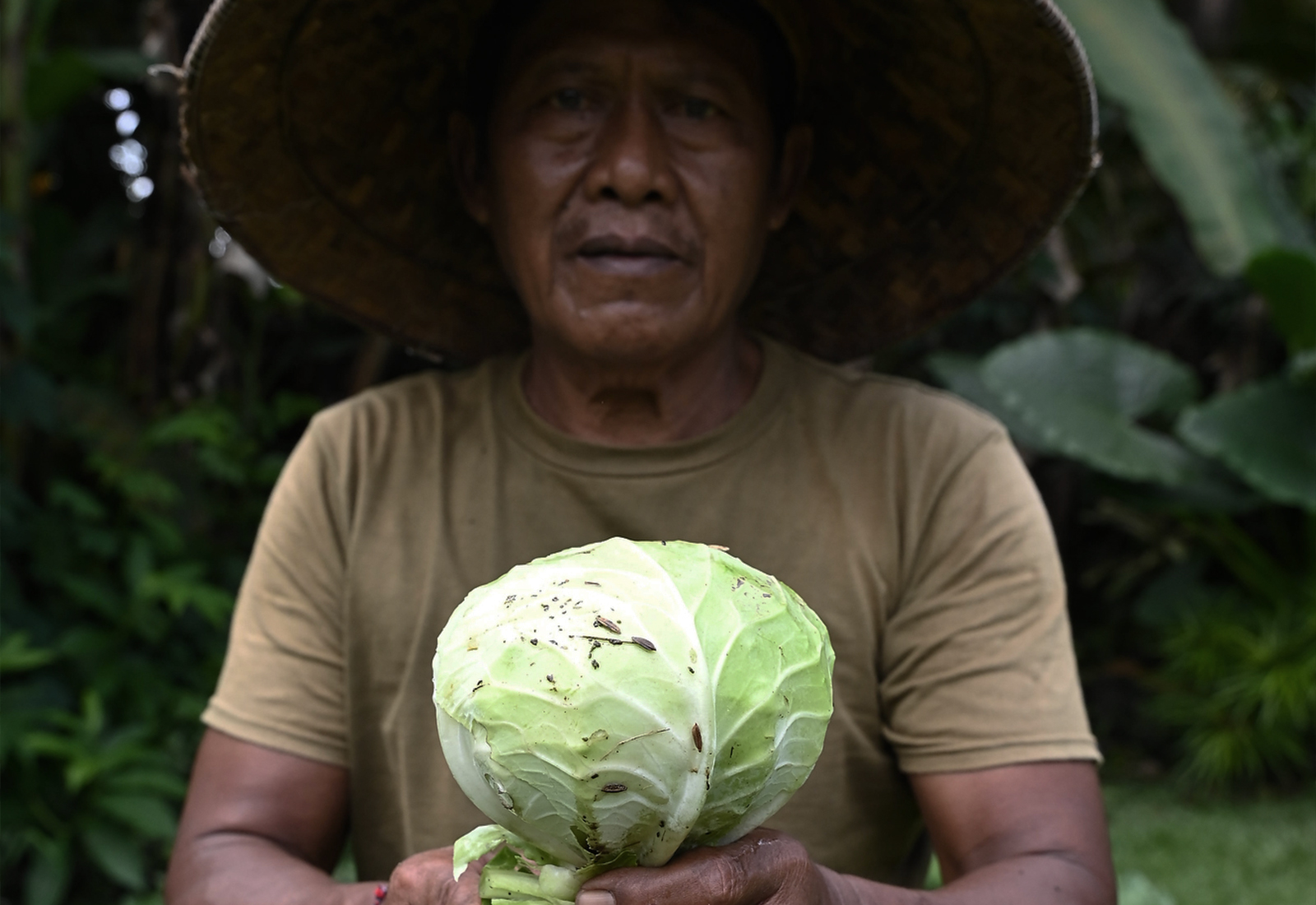
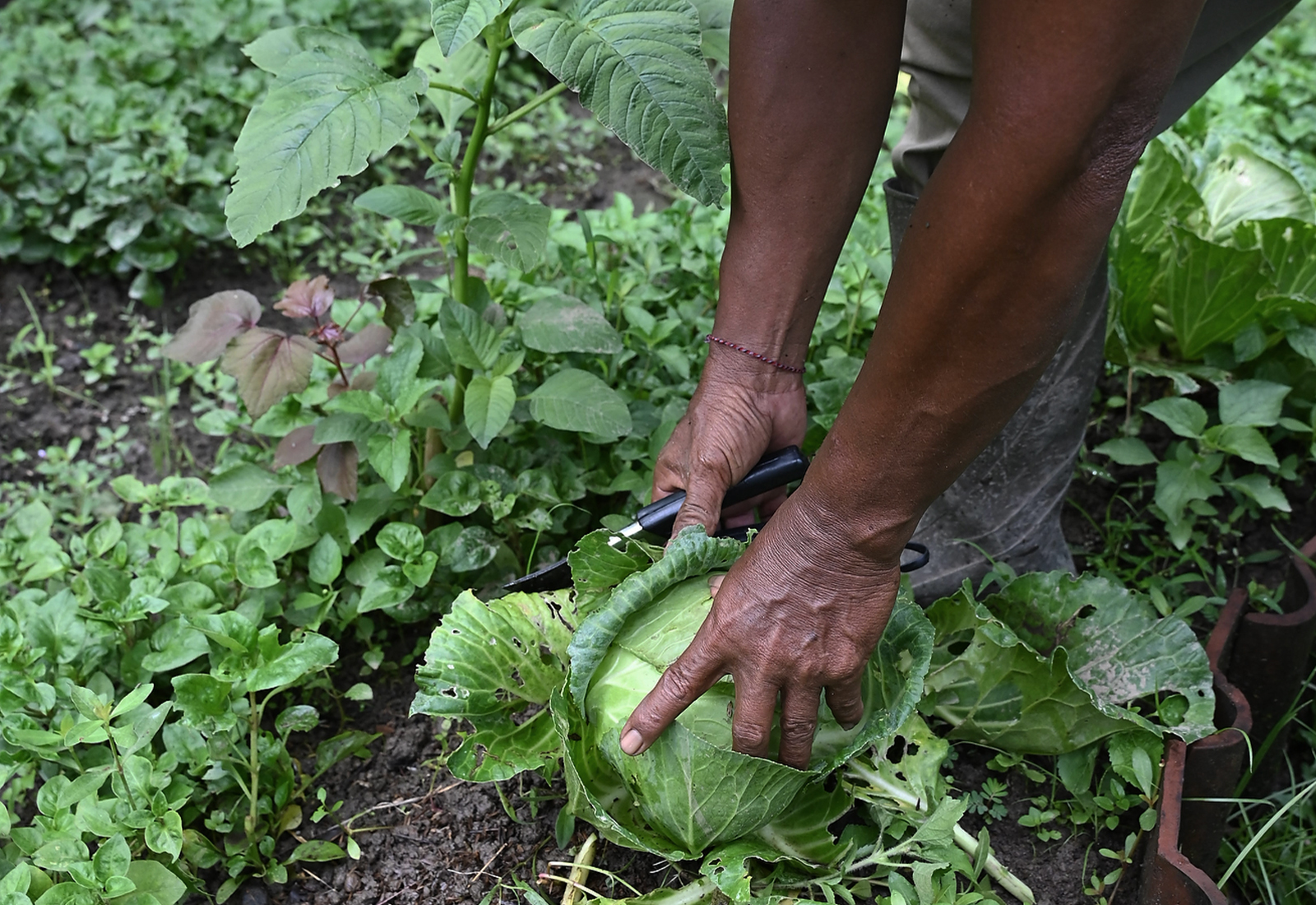
Earth-bag villas rise from the land instead of flattening it. Food is treated as nourishment rather than novelty. A small store makes spending feel intentional, almost political. This is not sustainability as branding. It’s sustainability as infrastructure.
Mana is run by Earth Company, a Japan-and-Indonesia-based NGO and social enterprise focused on regeneration, education, and systemic change. In other words, this isn’t a hospitality group chasing trends. It’s an organization testing whether regeneration can move from theory into practice without collapsing under its own idealism. In October 2022, Mana became a Certified B Corporation, joining a global network of businesses held to higher standards of social and environmental accountability.

Learning the Cost of Imbalance
Mana doesn’t begin in Bali. It begins in Tokyo.
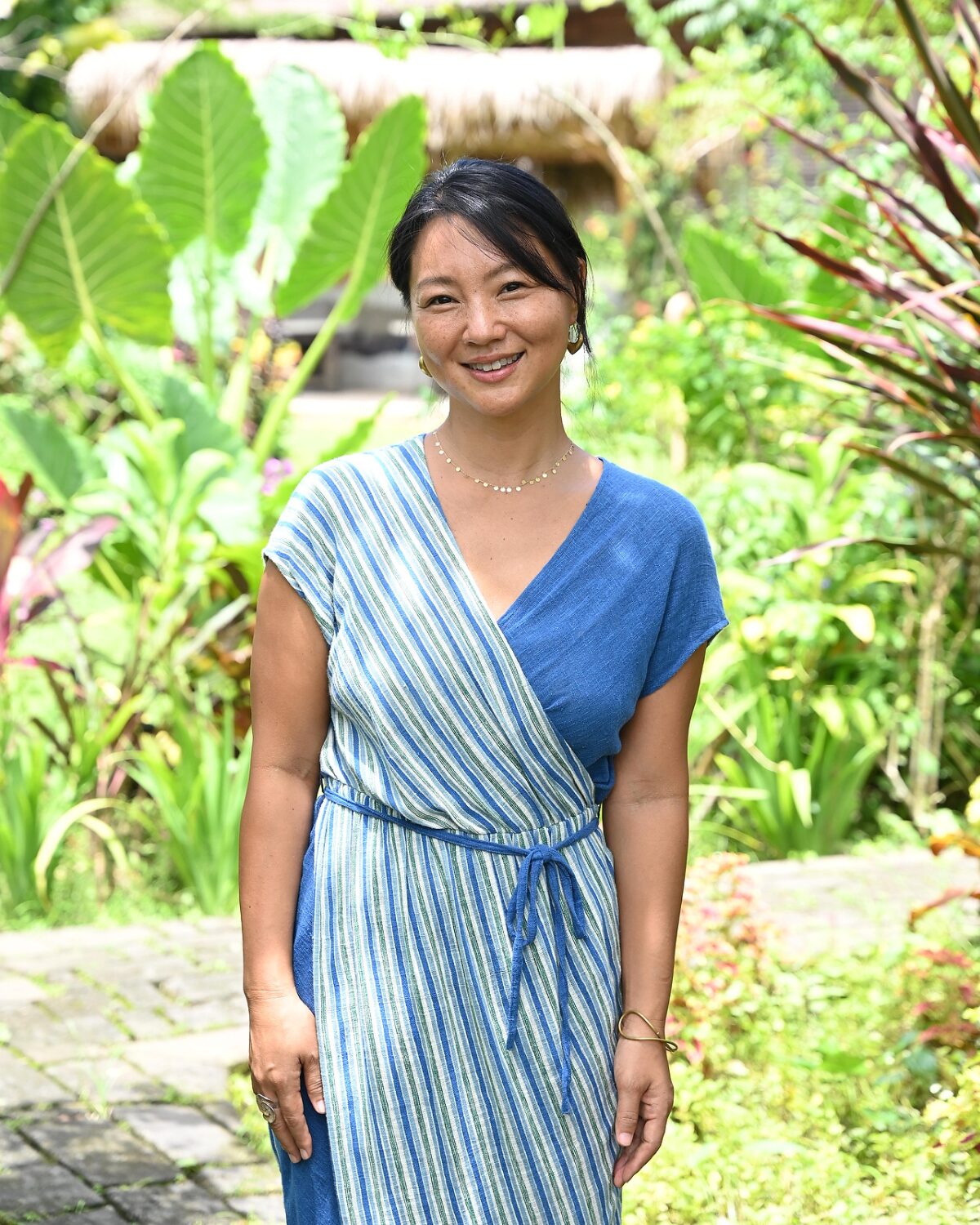
For Aska Hamakawa, growing up in the center of the city felt like living inside a timetable. Fast, rigid, and unforgiving. She didn’t fit easily into it. Drawn more toward nature than structure, she eventually left Japan to study in the United States, searching for a way of living that felt more aligned with her instincts.
The shift came in her early twenties while backpacking through the Pacific Islands. In Samoa, she encountered a way of life governed by land, not schedules. Food followed seasons instead of convenience. Community wasn’t curated; it was assumed. Joy came from connection, not accumulation.
Then she watched that balance unravel.
Climate change arrived without subtlety. Rising tides. Flooded villages. Waves slamming into raised homes along the coastline. Communities that lived most lightly on the land were absorbing the greatest impact. The injustice was impossible to ignore.
Rather than stepping away from the systems causing the damage, Aska chose to understand them. She worked in business consulting to learn how capital functions from the inside, then pursued graduate studies in climate change and sustainability. Years followed working across NGOs, disaster management, and climate initiatives in vulnerable regions. Advocacy mattered. Education mattered. But progress felt slow. Too slow.
Mana emerged from that frustration. Not as a manifesto, but as a physical experiment. A place designed to show that regeneration could be operational, not aspirational.

Why Mana Exists
Earth Company launched in 2014 with initiatives supporting changemakers and delivering sustainability education to schools and organizations. Over time, the limits of advocacy became clear. Awareness wasn’t translating into behavior fast enough.
Mana was built as a “walk-the-talk” project. A working model of regenerative hospitality intended to prove that tourism doesn’t have to operate as extraction in disguise. That a hotel could function as a living system rather than a drain on resources.
It’s less about perfection and more about proof.
Built From the Earth, Not Bulldozed Into It
Architecture is where Mana makes its first serious argument.
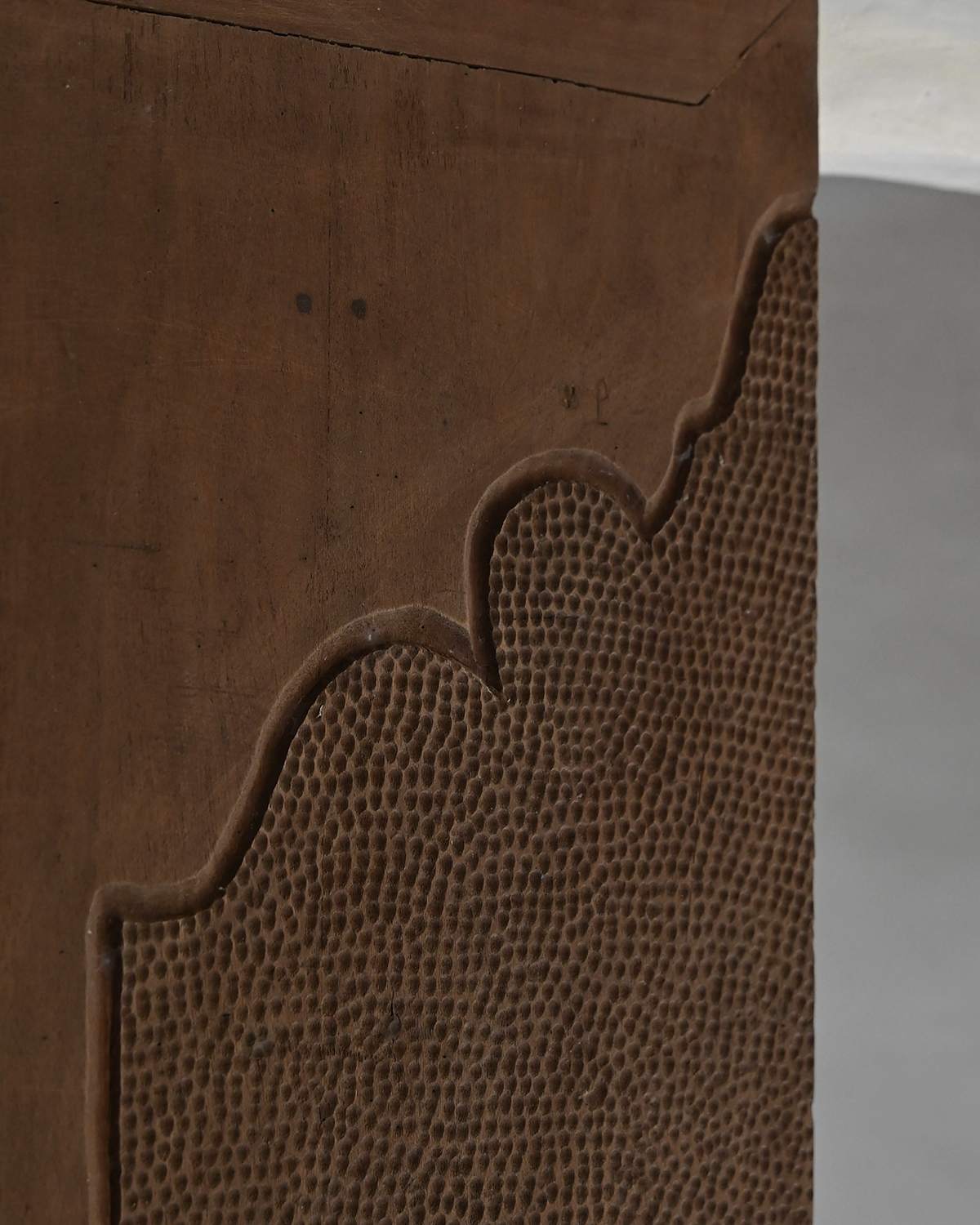
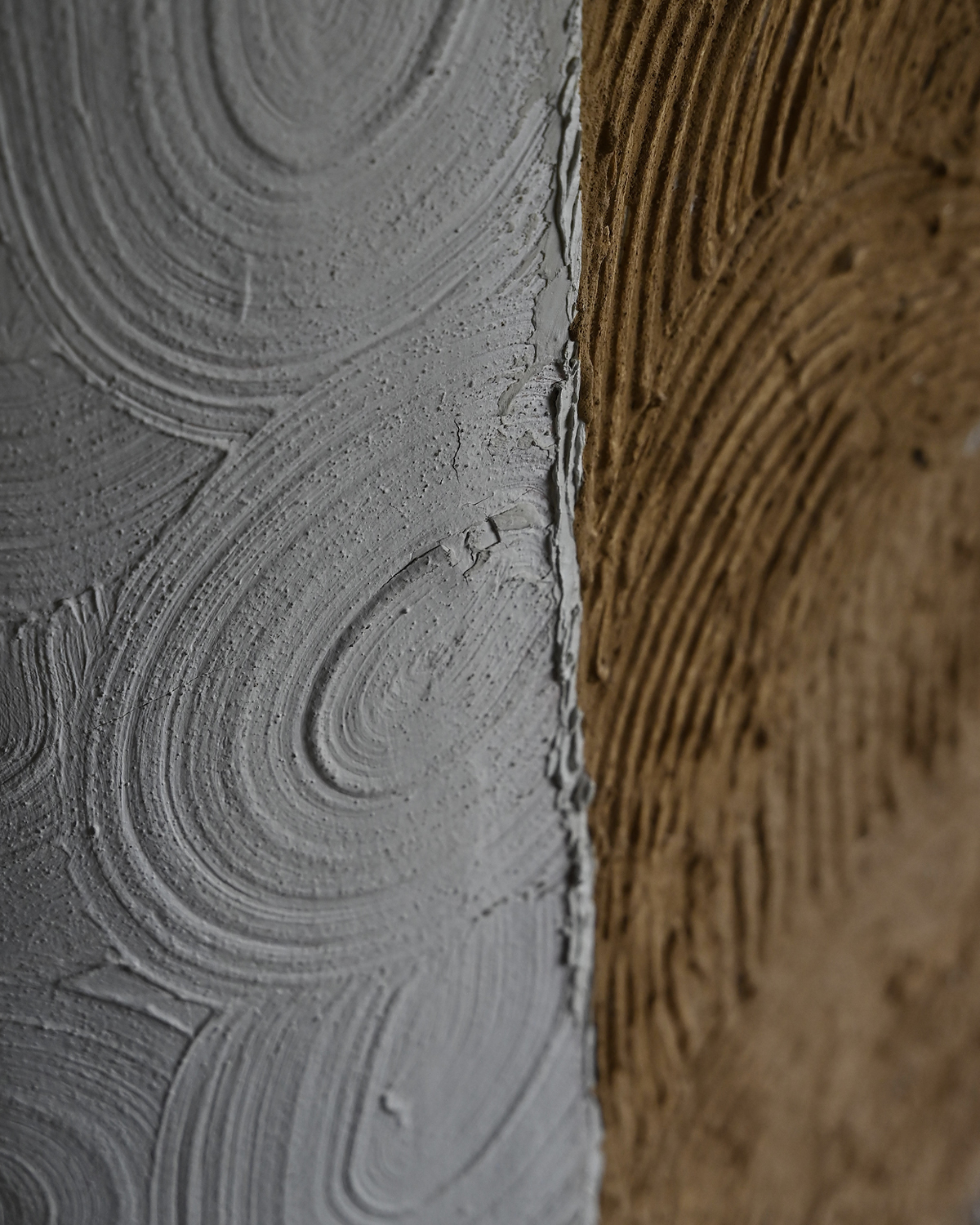
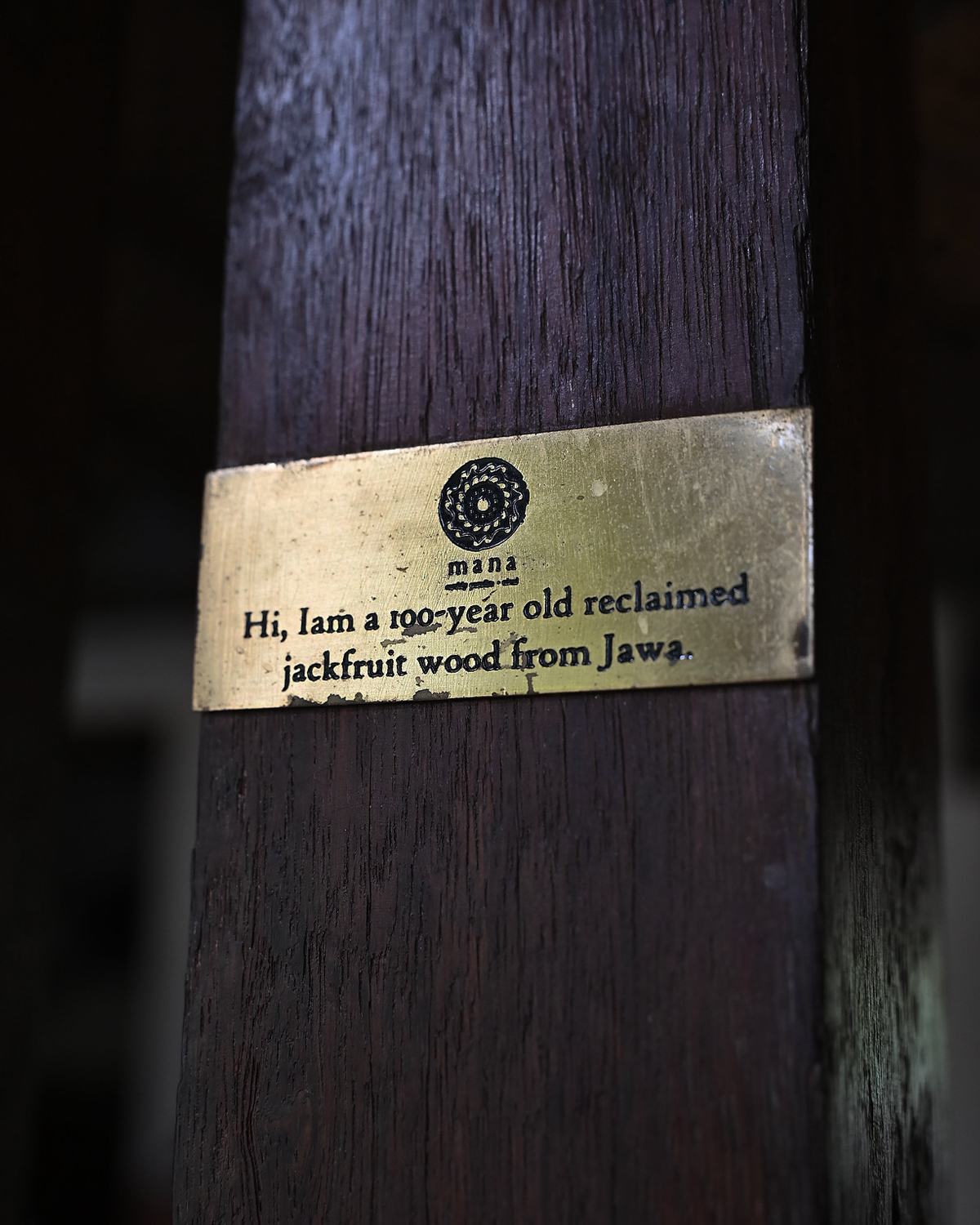
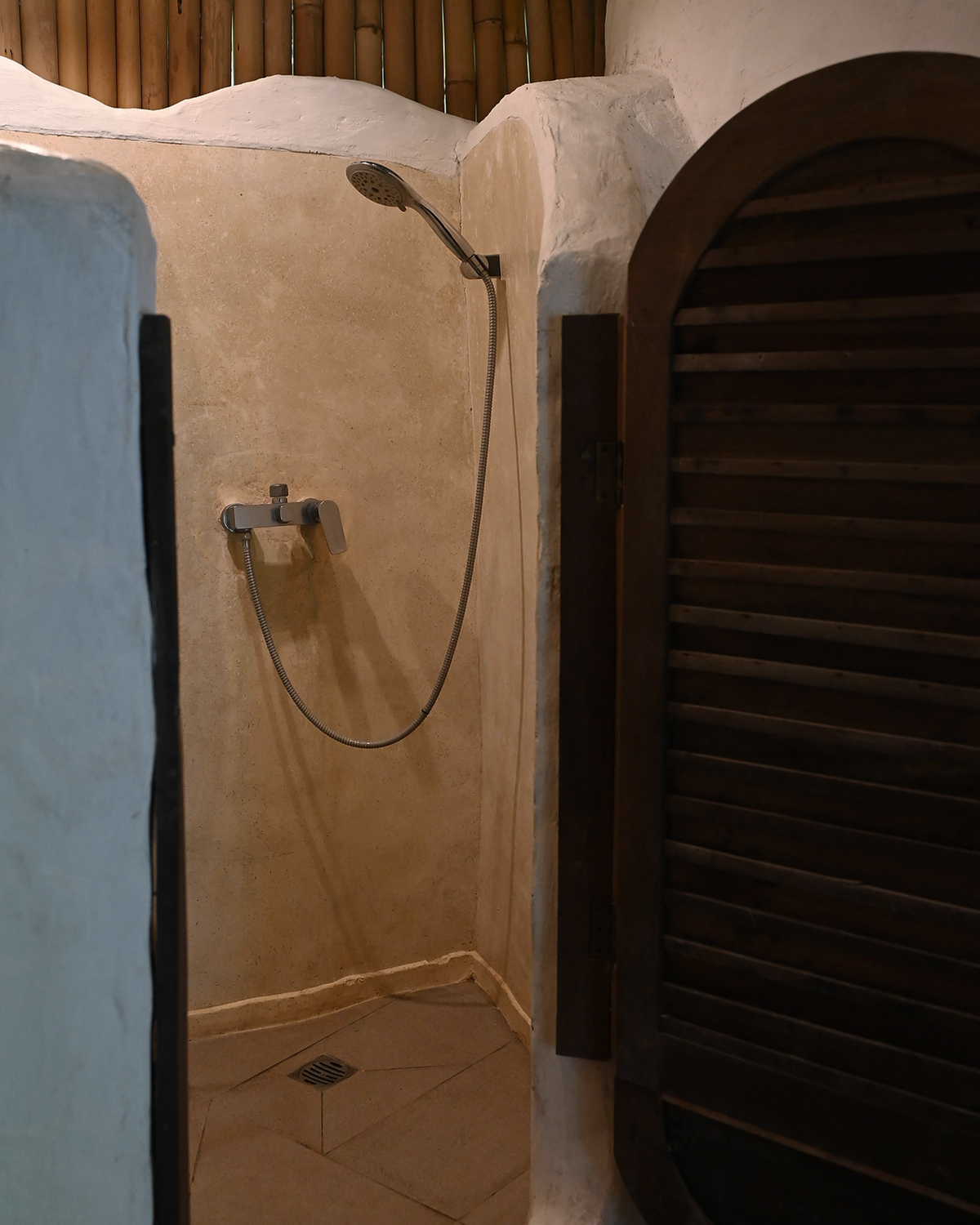
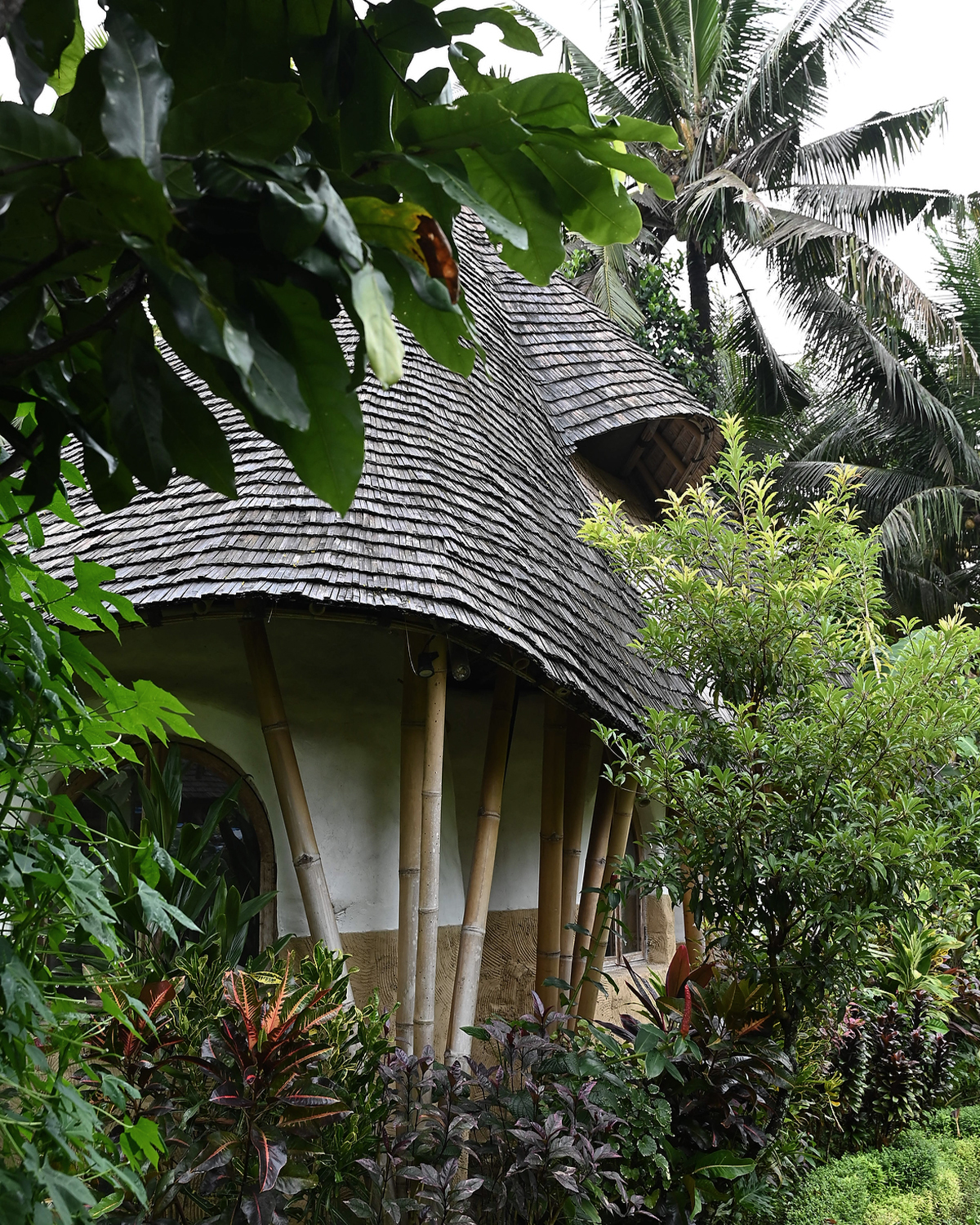
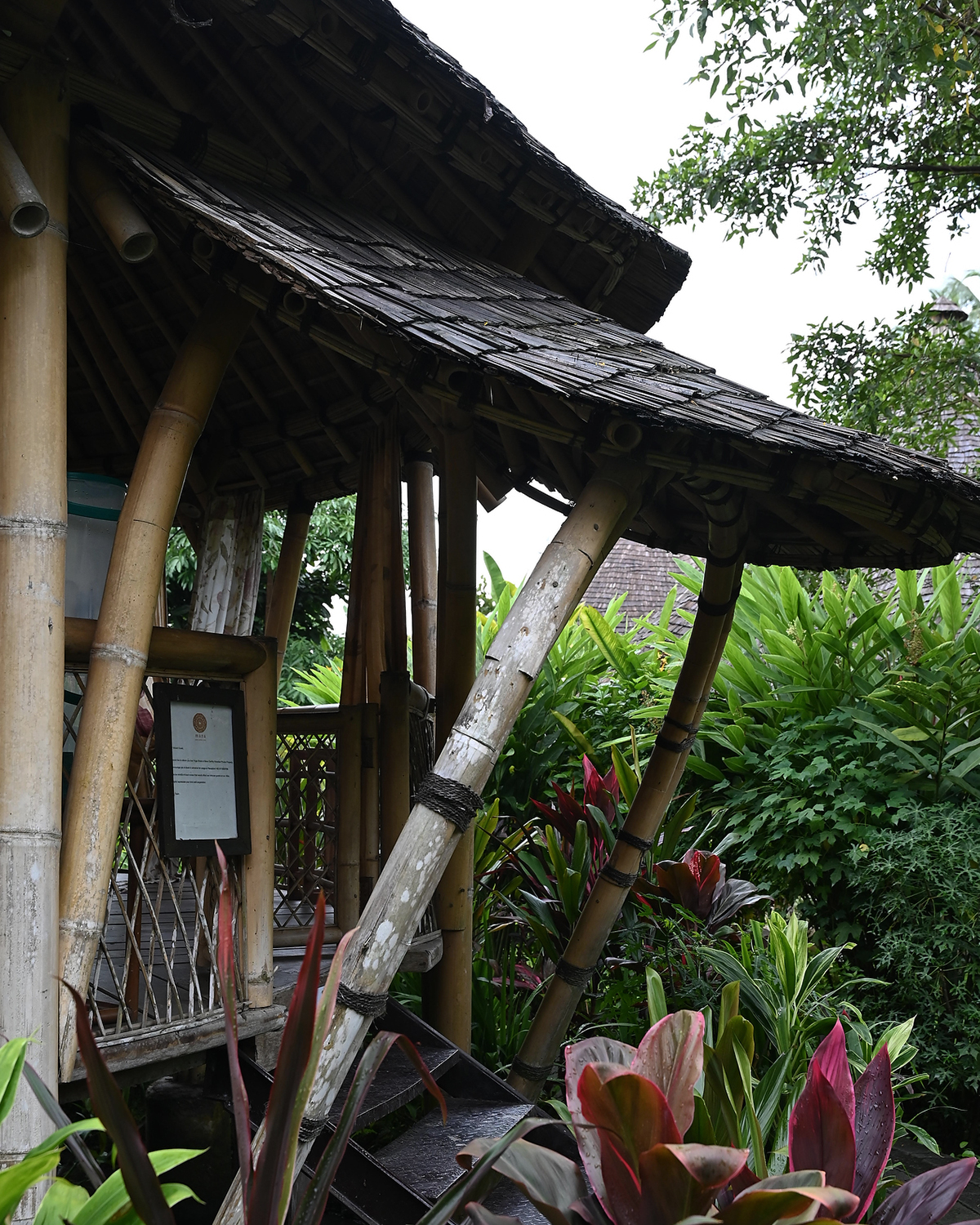
The villas are constructed using earth-bag building techniques, where earth-filled bags form durable walls with significantly lower environmental impact than conventional methods. No trees were cut for construction. Reclaimed wood is used throughout, not as aesthetic nostalgia, but as material responsibility.
This isn’t minimalism for mood. It’s restraint by design.
The property is also guided by Tri Hita Karana, the Balinese philosophy of harmony between people, the spiritual realm, and the environment. Here, that philosophy shows up quietly in how buildings sit on the land and how systems are designed to cooperate rather than dominate.
The Water System That Actually Means Something
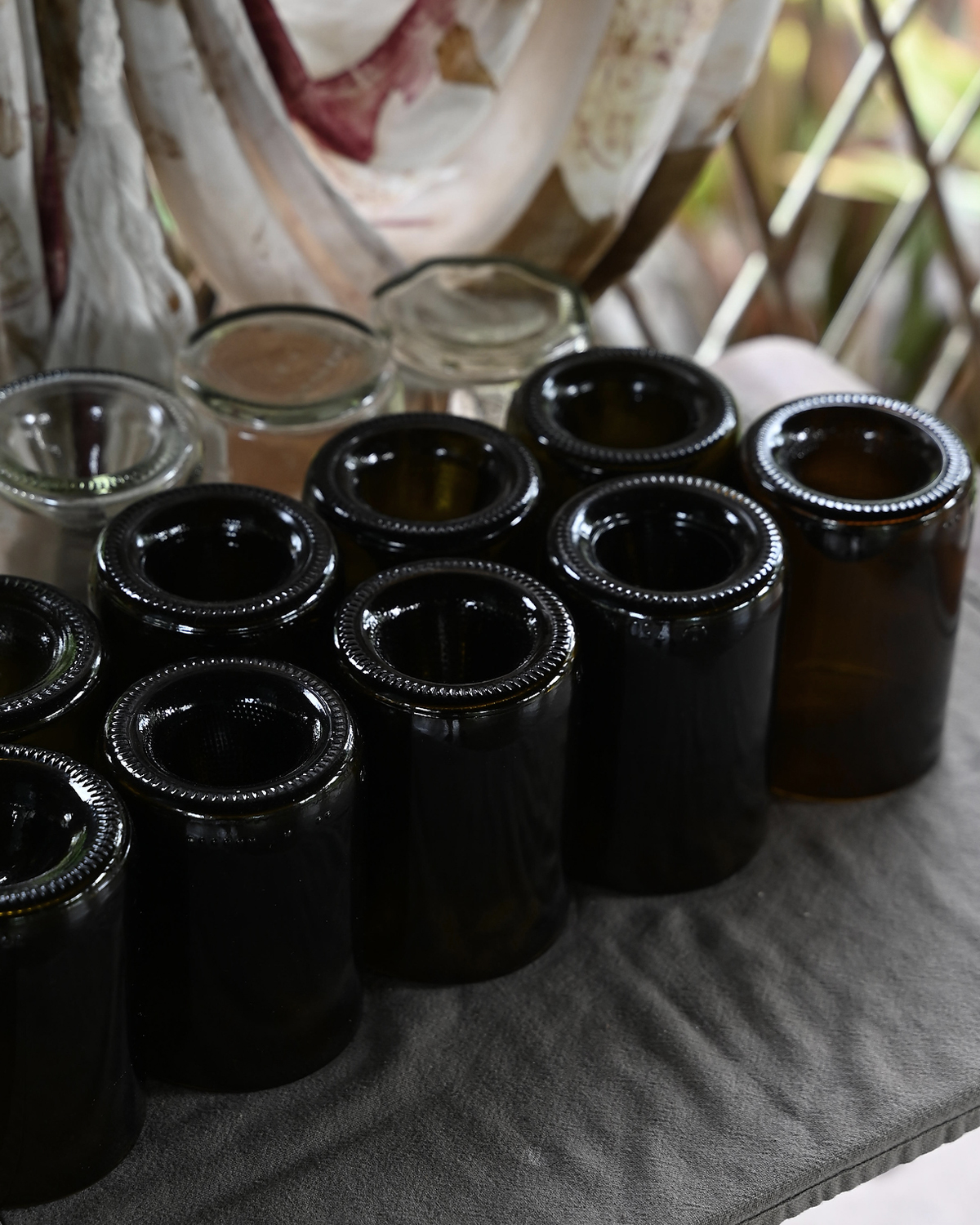
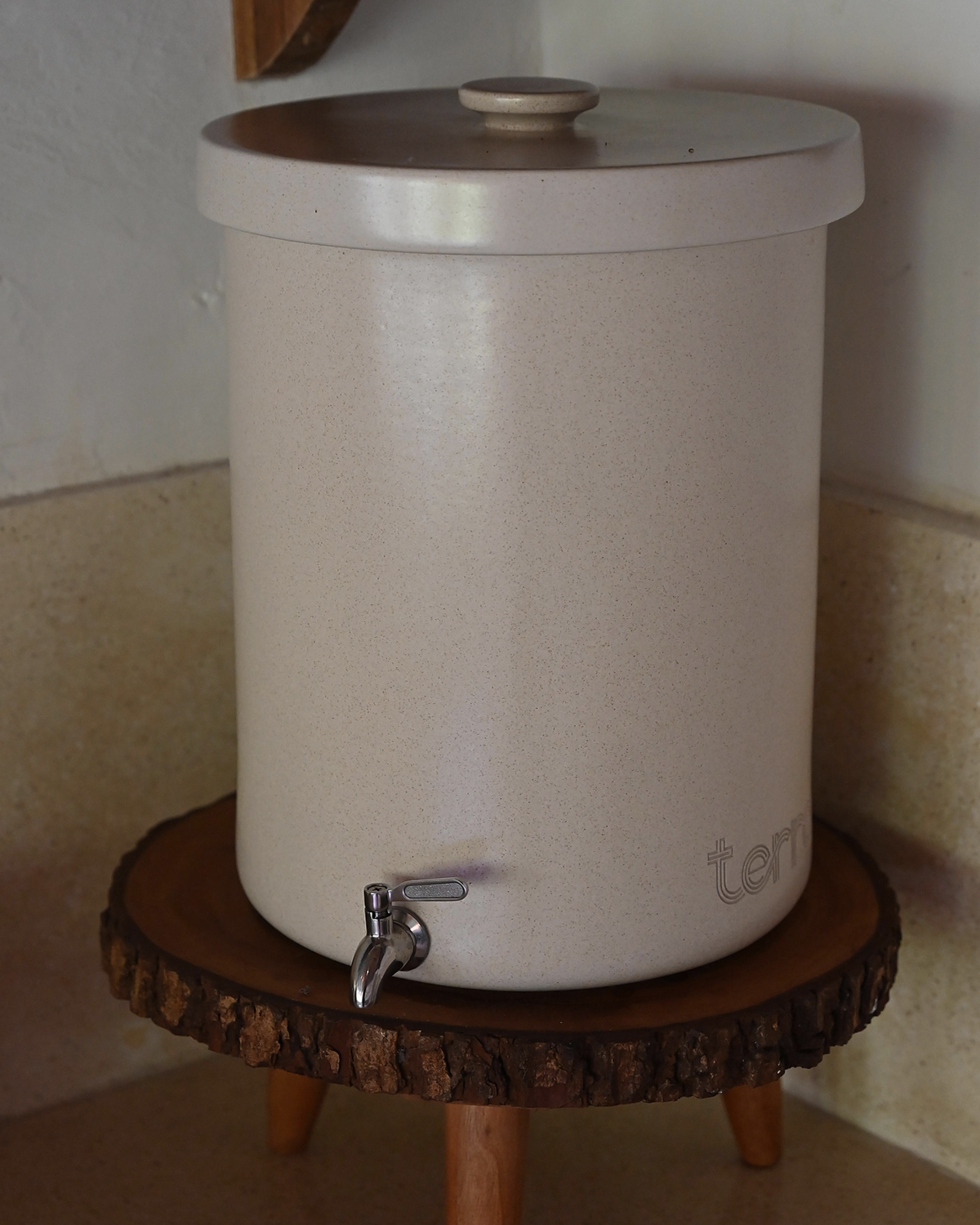
Most hotels talk about water as if it appears by magic. Mana treats it like the finite resource it is. Rainwater is harvested, filtered, stored underground to limit bacterial growth, and used as the primary water source across the property. After use, wastewater moves through treatment and planted garden systems before returning to the land. Nothing disappears. Everything cycles. This isn’t decorative sustainability. It’s plumbing-level accountability.
Solar, Compost, and the Messy Reality of Trying
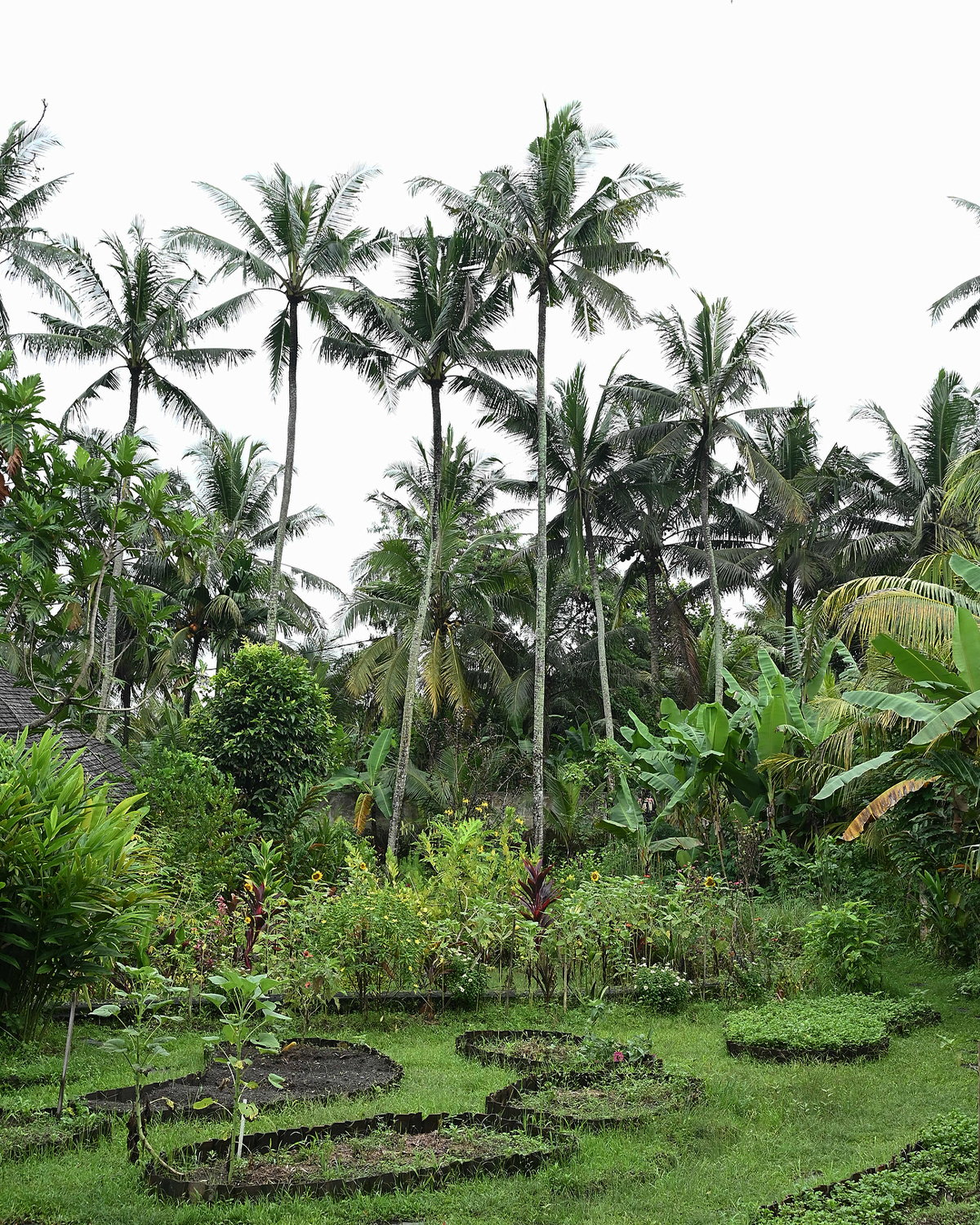
Solar power is used for lighting, with the understanding that renewable systems are a beginning, not a finish. Scaling sustainability costs money. Progress comes with trade-offs, compromises, and financial tension. Food waste is treated as part of a loop rather than something to hide. Organic scraps return to compost. Compost feeds soil. Soil grows food. The theory is simple. The execution is stubborn. That’s the point.
Food That Isn’t Punishment
Mana’s restaurant describes itself as probiotic and locally sourced, but the deeper philosophy is more pragmatic. Sustainable food has to taste good. Otherwise, it stays niche. The menu avoids beef to reduce emissions, but isn’t rigidly dogmatic. It leans organic where possible, avoids white sugar, and keeps food close to its source. Often harvested and cooked on the same day. This is hospitality as persuasion, not preaching.
A Store Where Spending Is Meant to Improve the World
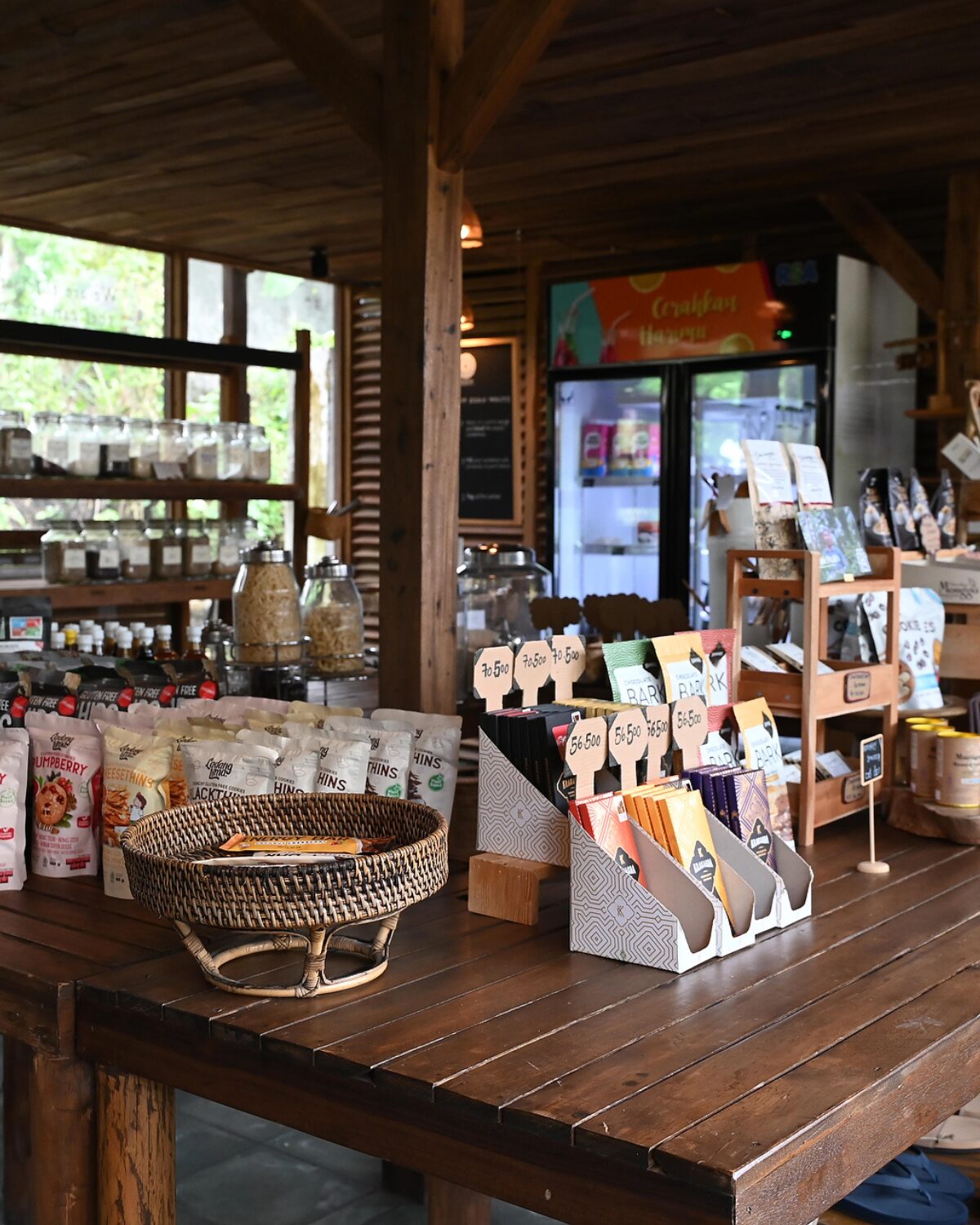
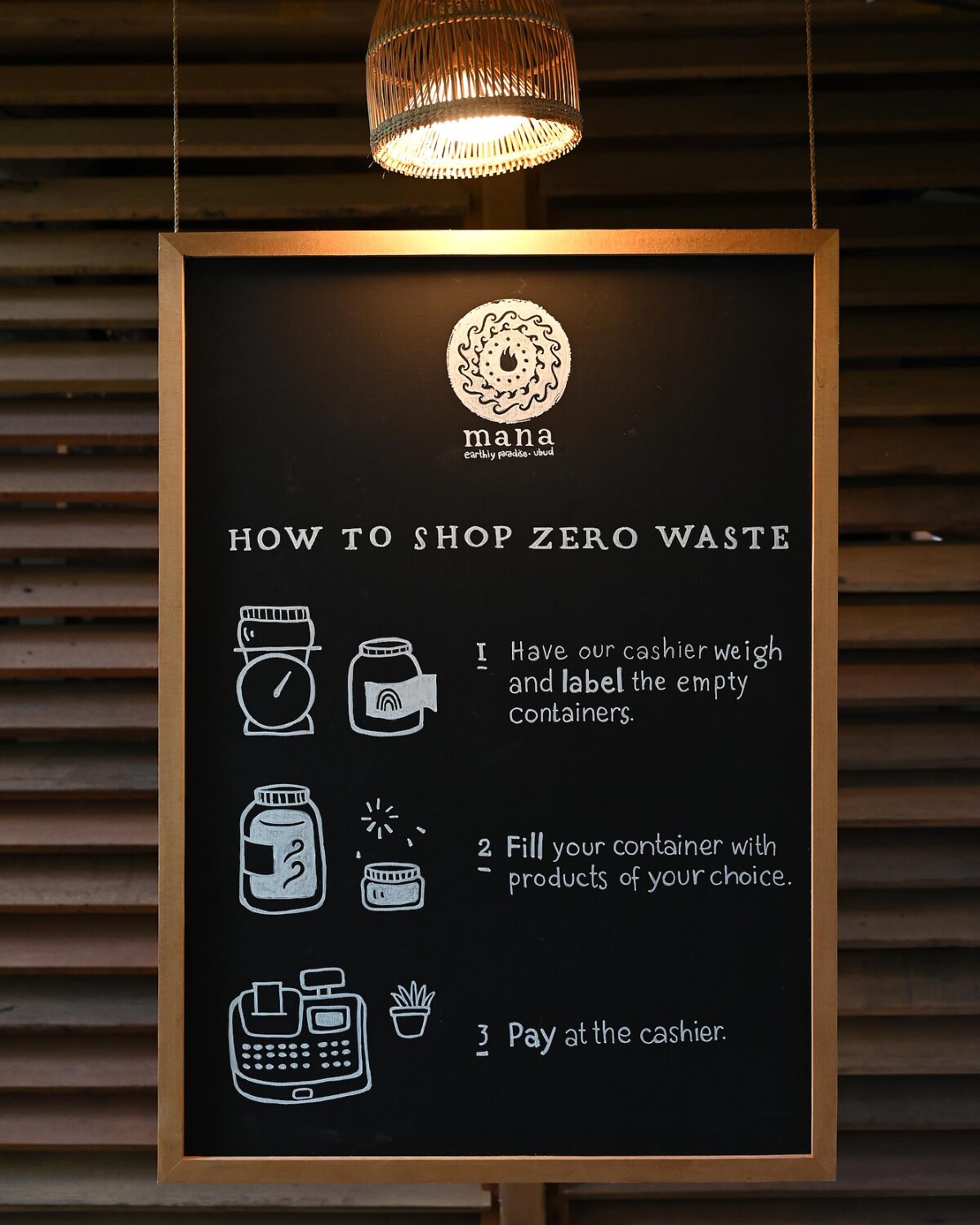
Mana’s conscious store operates on a straightforward idea: money should make things better, not worse. Products are selected based on local sourcing, ethical production, organic materials, ecological impact, and social responsibility. Supply chains are questioned. Decisions are deliberate. Perfection isn’t claimed, accountability is. It’s an attempt to turn consumption into participation rather than contradiction.
Community, Not Just Guests
Mana isn’t designed as a sealed-off retreat. It aims to function as a community node. Staff are largely drawn from the local banjar, with an emphasis on extending regenerative practices beyond the property gates. The goal is the ripple effect rather than isolation. Workshops, events, and collaborations are held intentionally, not constantly. Mana wants people to arrive, learn something useful, and leave changed in ways that extend past checkout.
What This Really Means
Mana Earthly Paradise isn’t claiming to be the answer. It’s a working attempt. Built by someone who’s seen what happens when global systems treat smaller communities as expendable, Mana chooses demonstration over outrage. It shows that alignment with the earth can feel generous rather than restrictive.
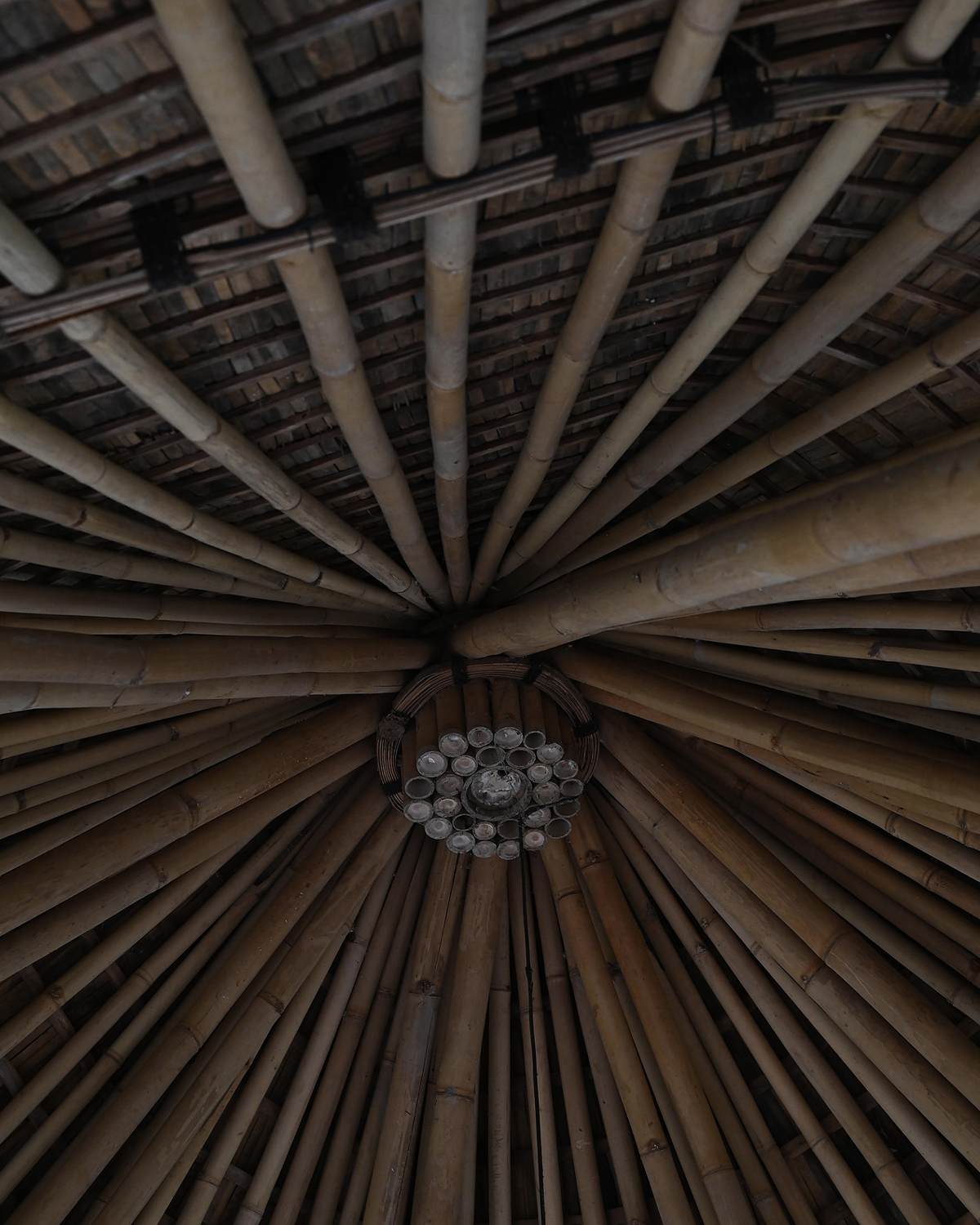
And, if you listen closely beneath the bamboo, reclaimed wood, and rainwater pipes, the origin story is still there. Samoa. Rising seas. And a decision that refusing injustice can also look like building a hotel.
EXPLORE THE PUNCH