





THE PUNCH • BRAND DOCUMENTARY

Buahan, A Banyan Tree Escape

No Walls, No Doors, No Pretence

A Brand Documentary by The Punch

AT A GLANCE

Punch Commitments: 15/15
Category: Luxury Jungle Resort
Location: Payangan, Gianyar, Bali
Structure: 16 Private Pool Bales
Design Philosophy: Naked Architecture
Certification: EarthCheck, Travelife
Local Team: 80%+ Balinese / 100% Indonesian
Recognition: Two MICHELIN Keys
Distance: 90 min from Airport

THE EDITOR'S NOTE

Bali does not lack for beautiful hotels. It has, at this point, a surplus of infinity pools and considered minimalism, most of it interchangeable by the third property. What it lacks is nerve — the willingness to build something that could, quite easily, fail.

Buahan took that risk. A resort with no walls and no doors is either a masterstroke or a mistake, and there is no middle version of that idea. Fifteen years into Bali's luxury boom, this is one of the only properties still asking a genuinely difficult question of its guests: what happens if you take away everything meant to protect you from where you are, and let the place do the work instead.

This documentary is our answer to that question, told in full. The story, the people who run it, the architecture and the food and the impact behind it, and our own unvarnished read of what it's actually like to stay. It is built for a discerning audience — travellers deciding where their next journey leads, and the press, partners, and industry who need the complete picture before they put their name next to it.

THE ARRIVAL

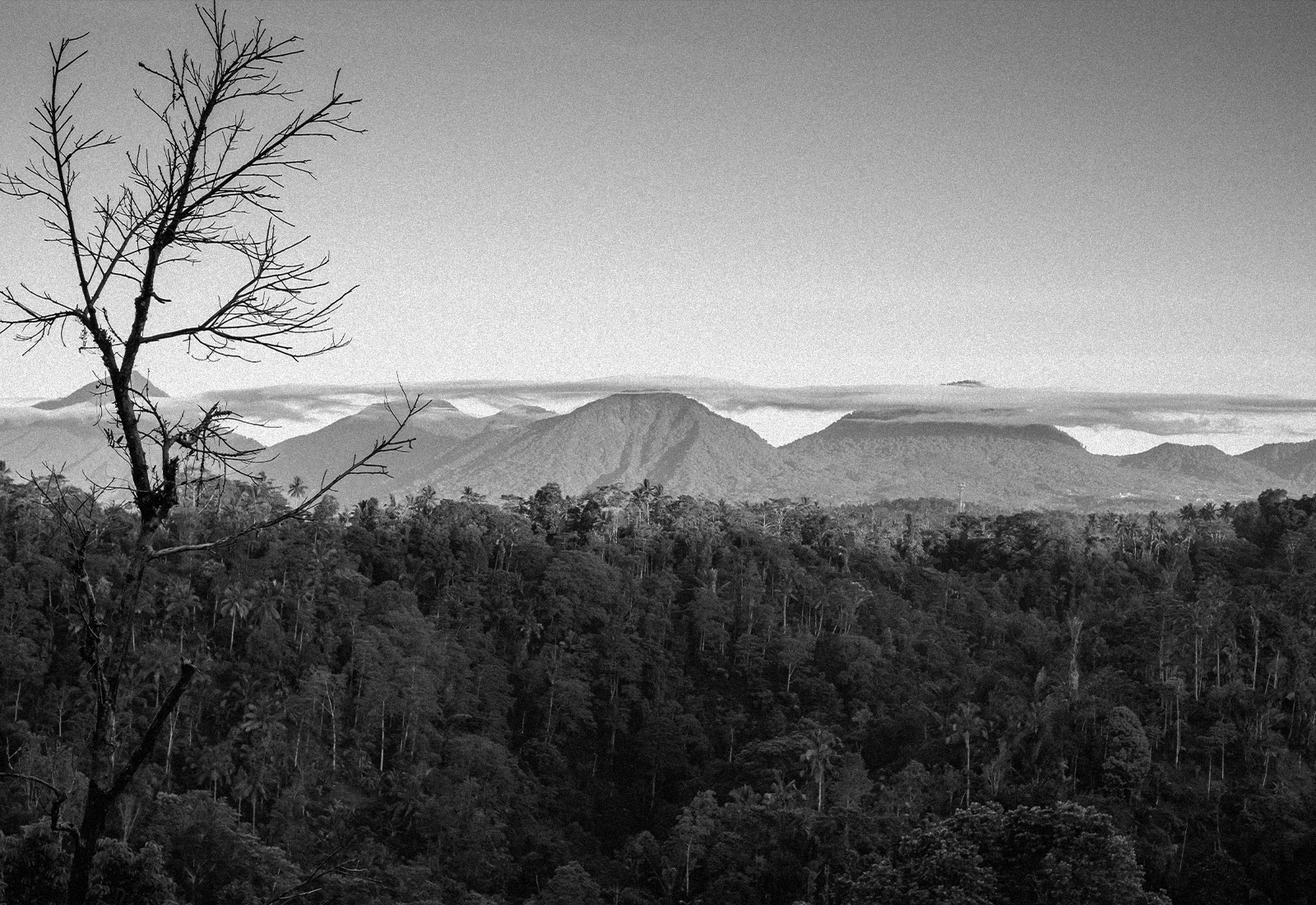
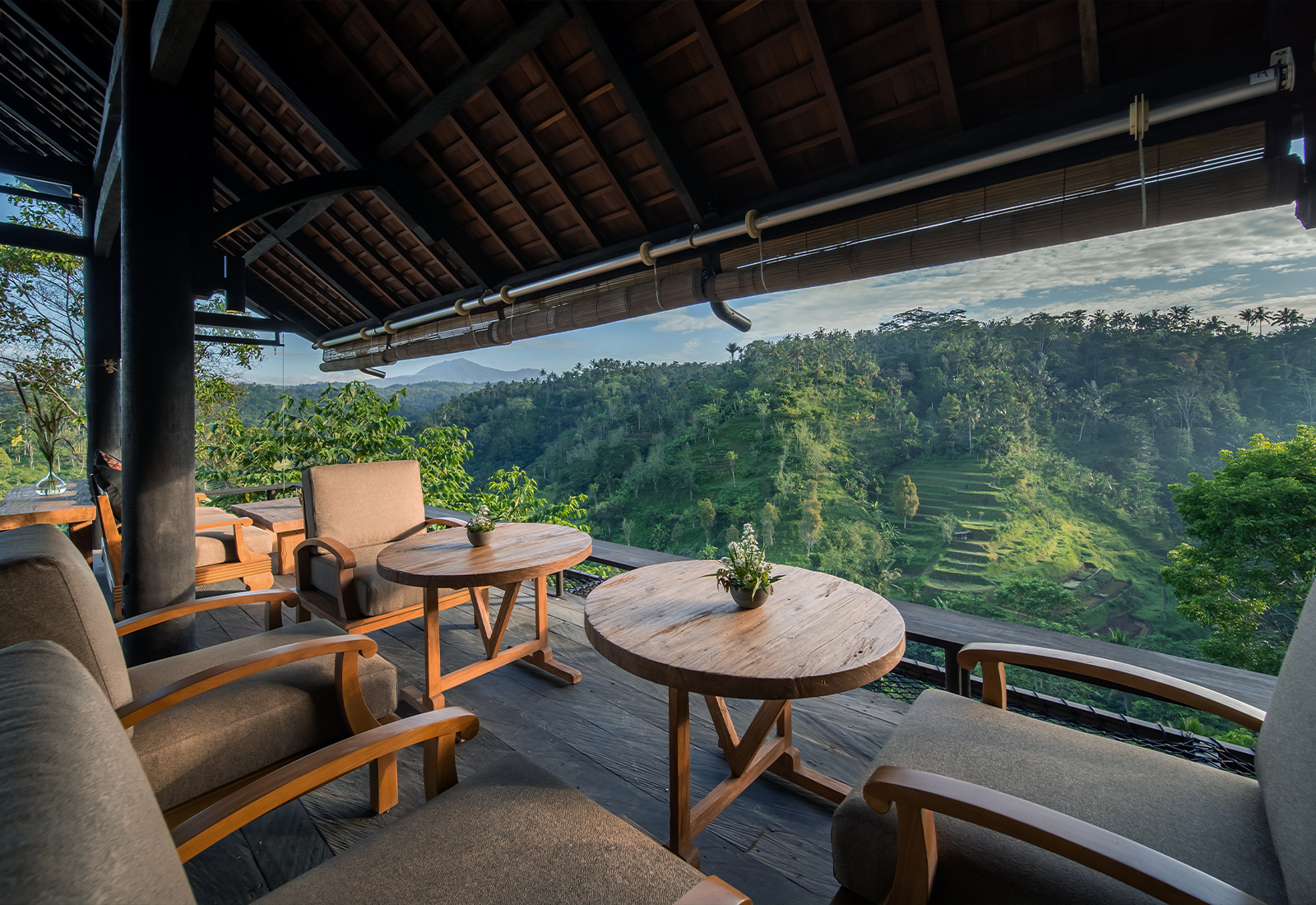
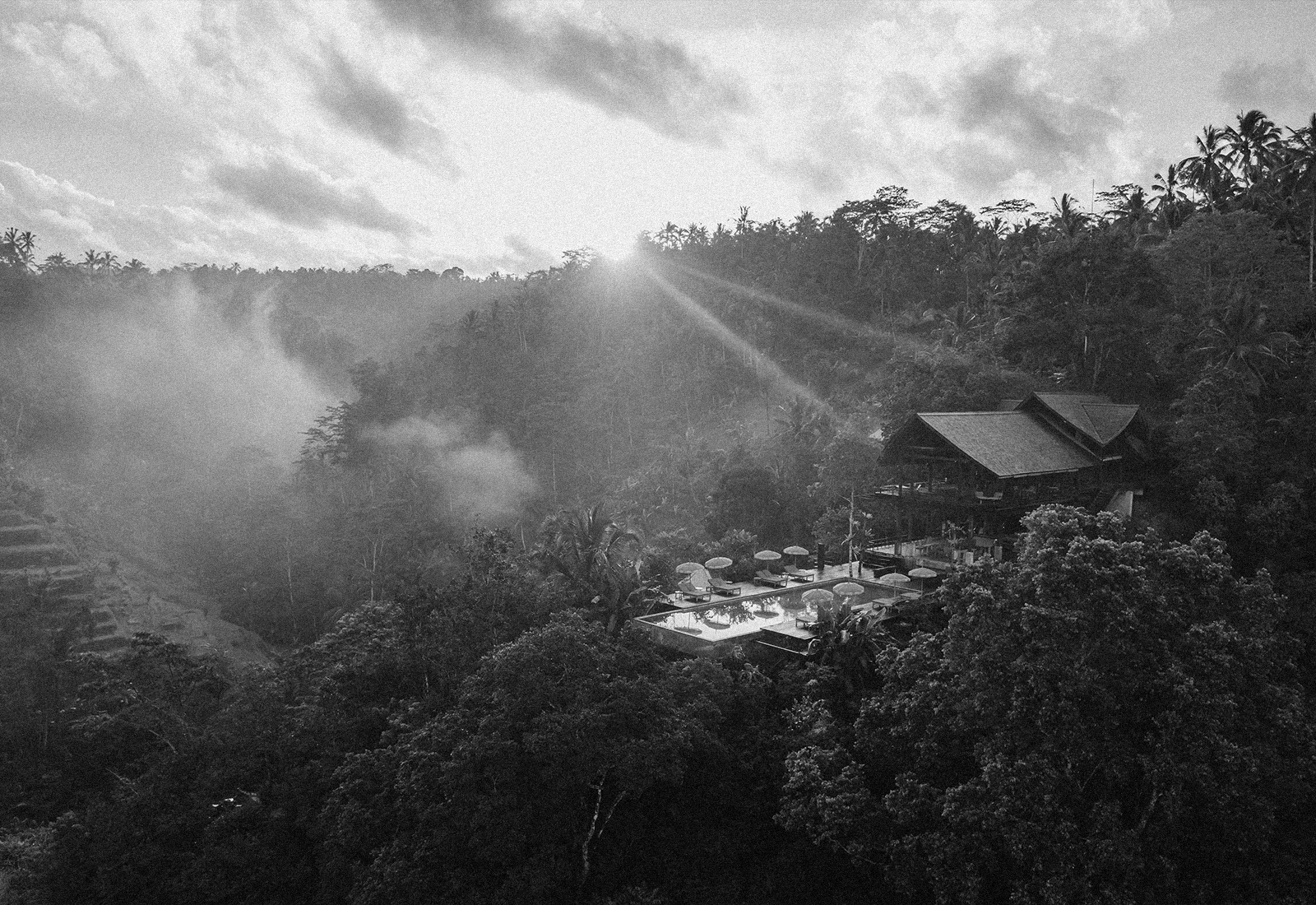
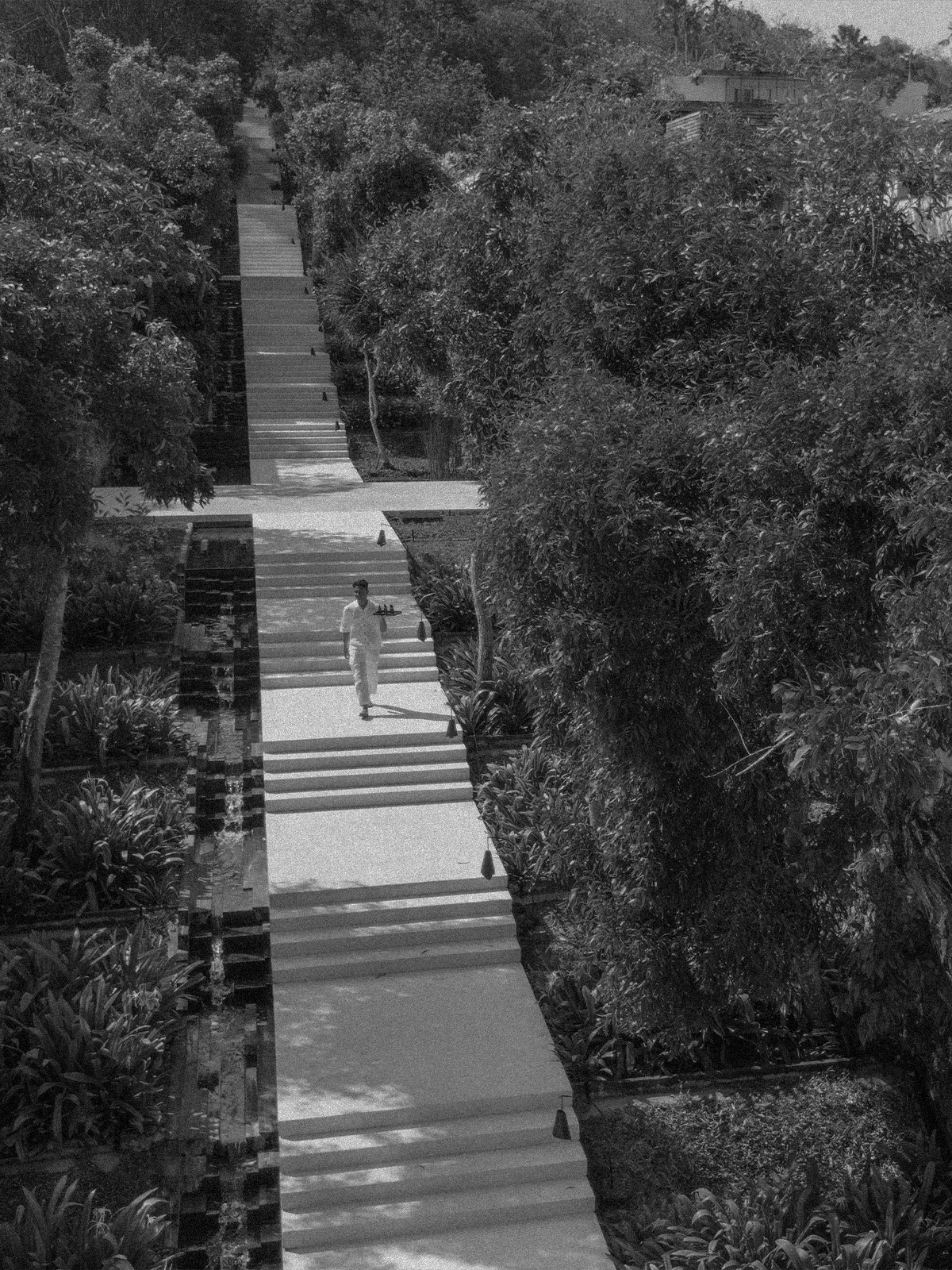
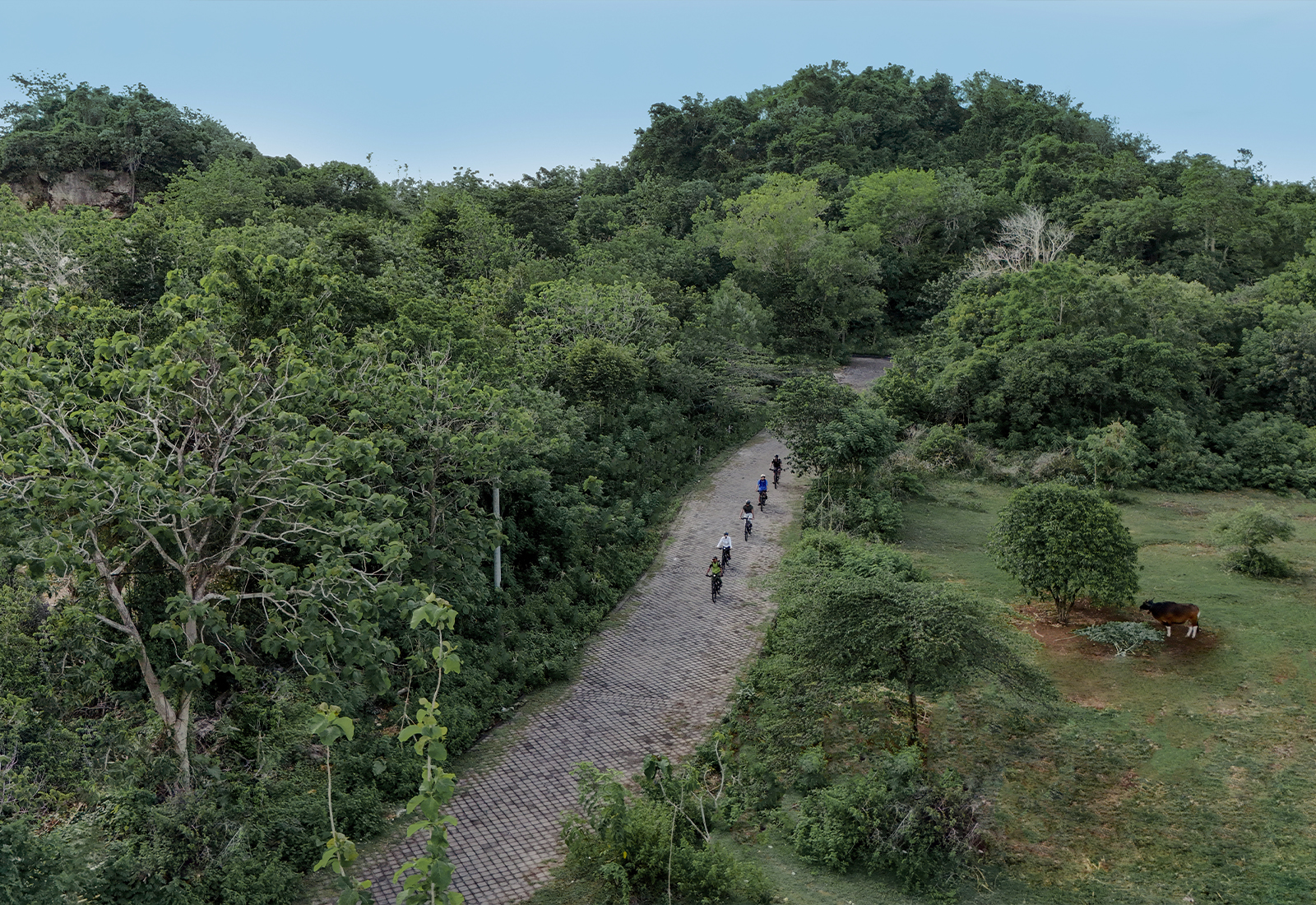
The road north from Ubud doesn't ease you in. It climbs through rice paddies and village temples, past warung smoke and school children on motorbikes, until the world as you know it starts to feel like a memory. By the time you reach Payangan, a highland pocket of Gianyar regency that most visitors to Bali never find, you've already started to let go of something. You're just not sure what yet. Buahan sits at the edge of this altitude like it has always been there. The Ayung River valley drops away below. Seven volcanic peaks rise in the middle distance. The jungle doesn't frame the property so much as absorb it. There are no gates to speak of, no grand lobby, no fanfare. You simply arrive, and the resort receives you.

THE ARCHITECTURE

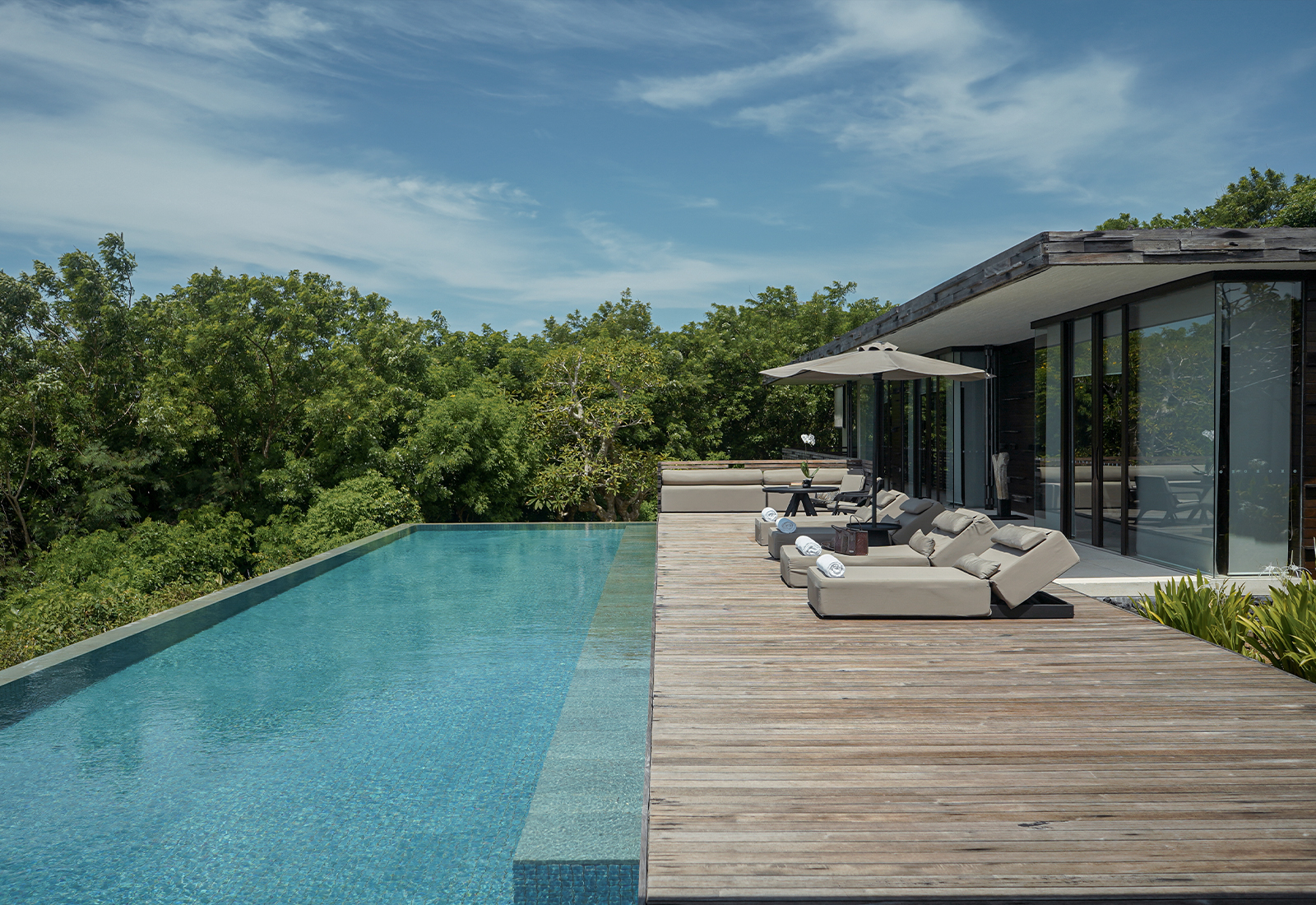
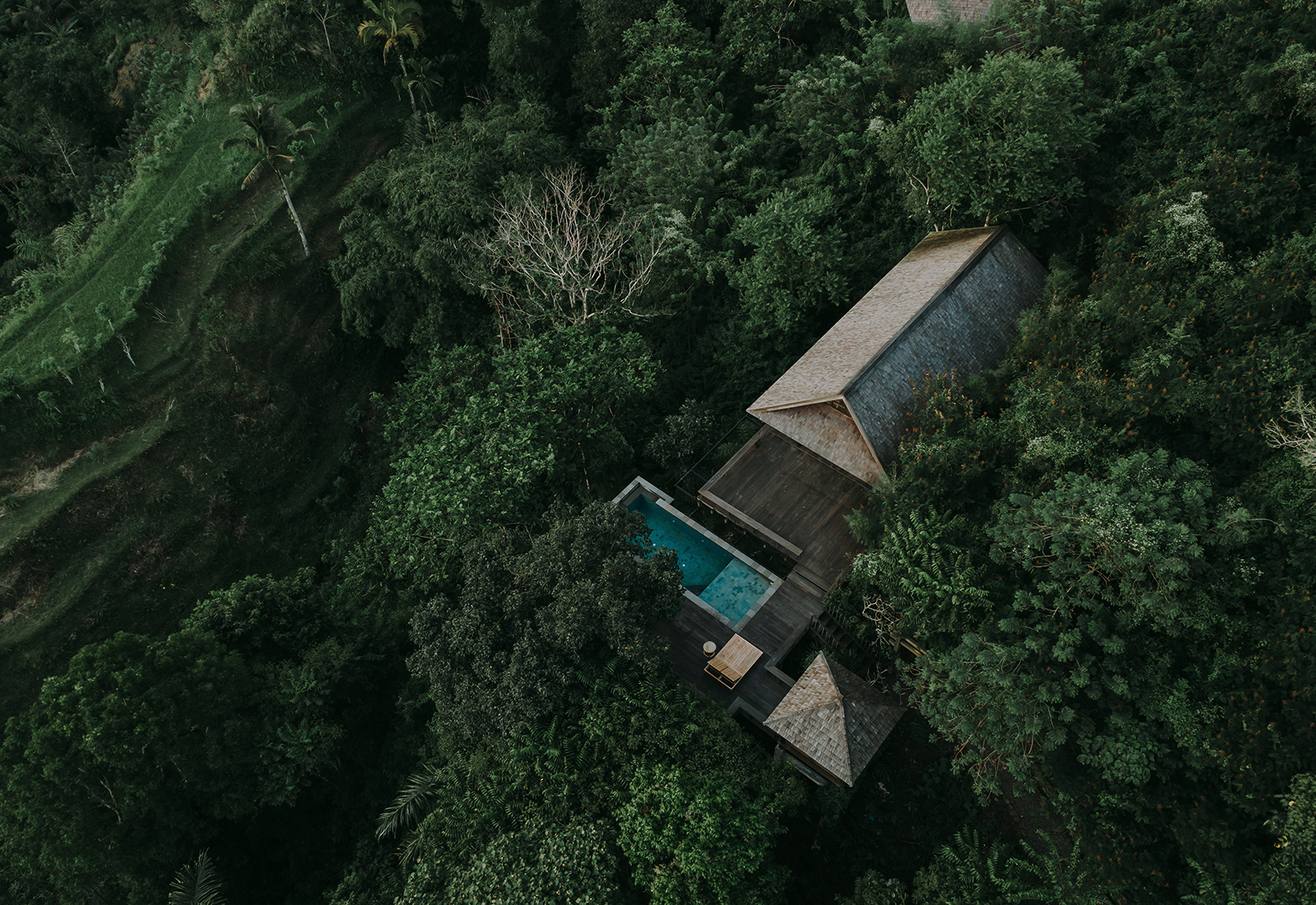
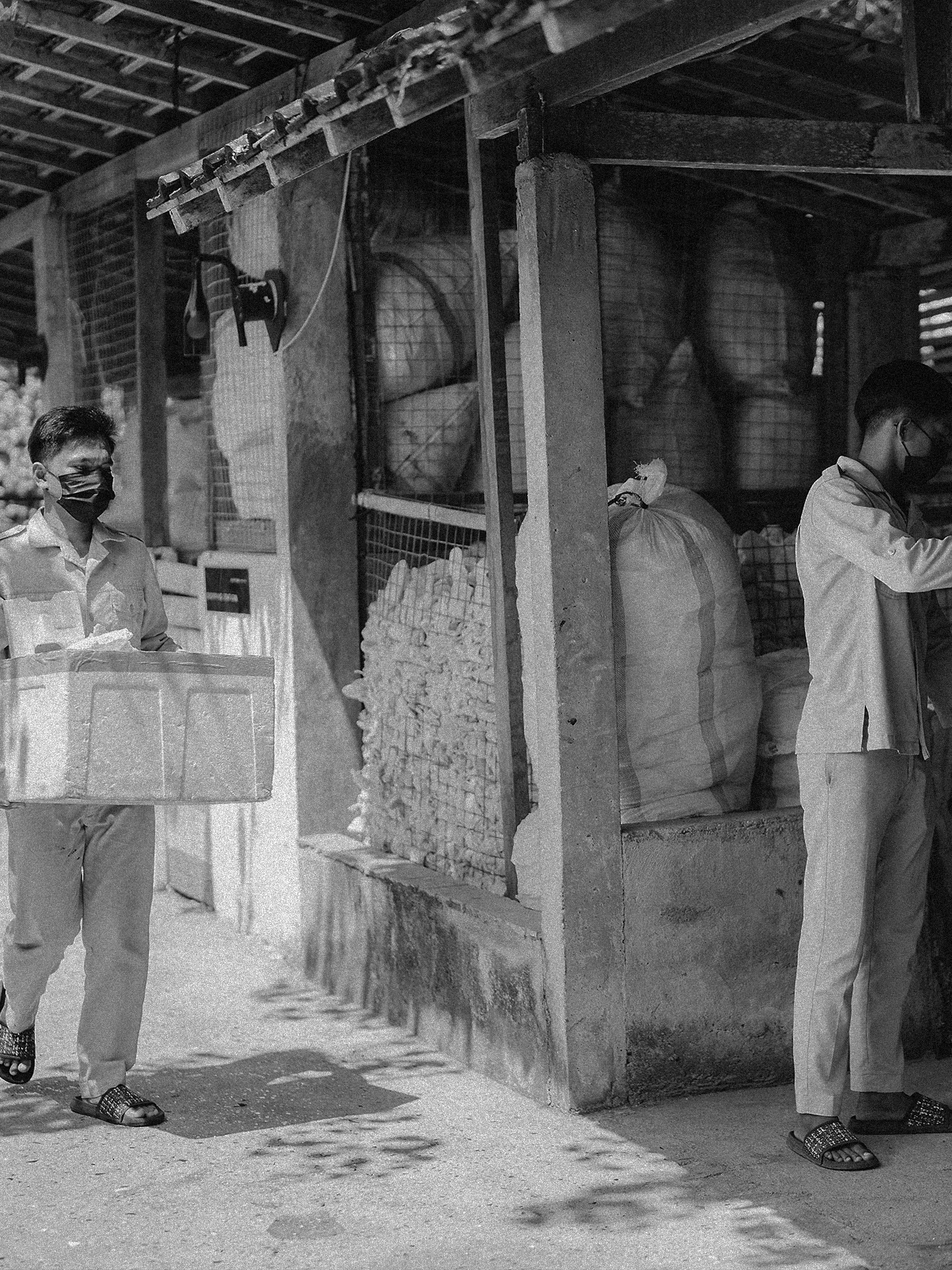
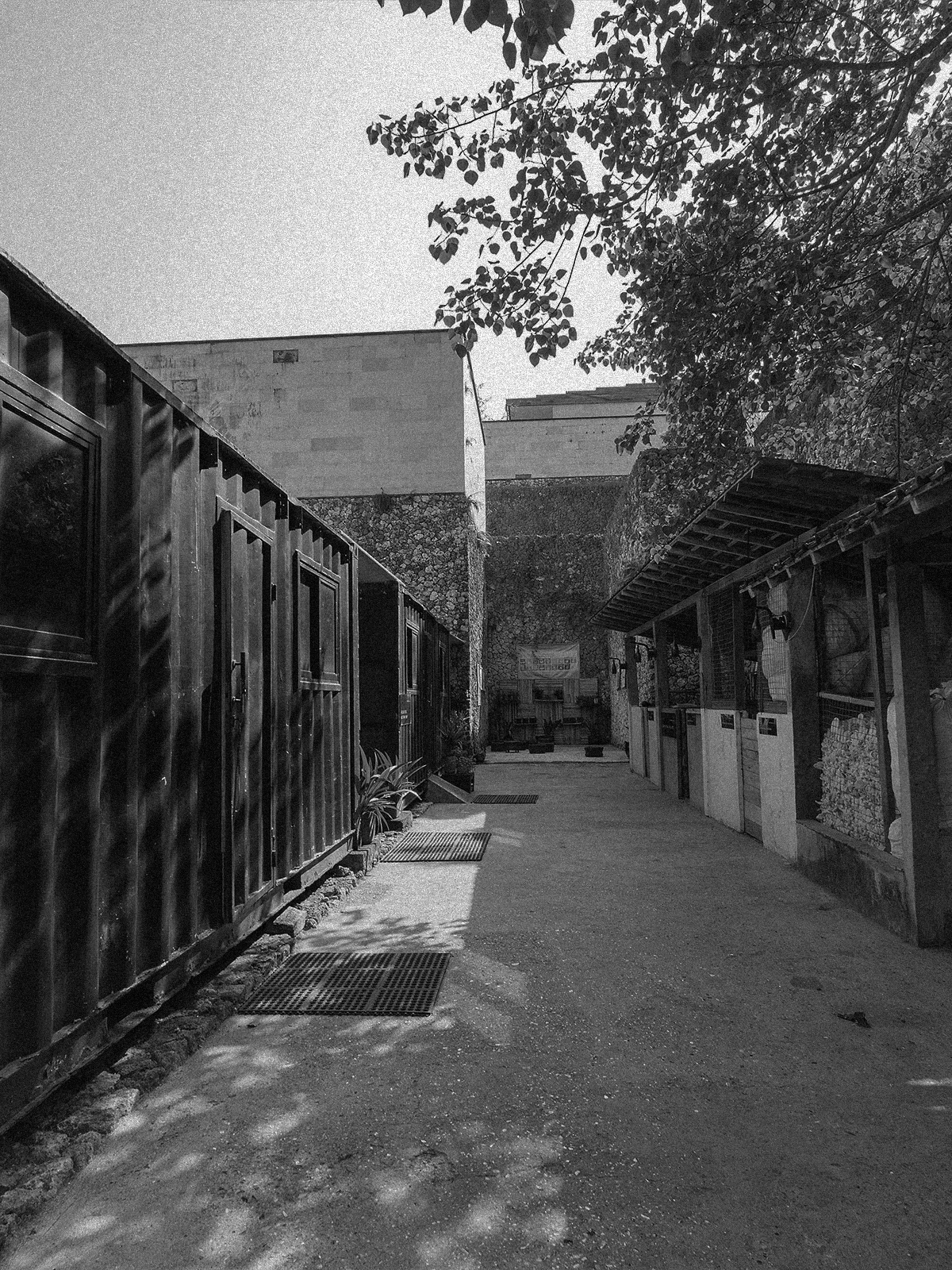
Accommodation is organised into 16 private pool bales, each 160 square metres and built to dissolve any real distinction between interior and exterior. The Rainforest Pool Bale sits among mountain and jungle canopy. The River Valley Pool Bale holds a front-row position above the Ayung. The Seven Peaks Pool Bale opens toward Bali's volcanic horizon. Every bale shares the same generous footprint, the same king bed, the same private pool — the differentiation is entirely in what the landscape offers. Over 80 percent of the resort is built from recycled timber, including Ulin wood salvaged from old boatyards and given a second life in the highlands. Hand-carved beds and mirrors, ceramic sinks by local artisans, and handwoven, plant-dyed fabrics from Tarum complete each space — design intended to carry meaning as much as aesthetics, so that a hand tracing the grain of a reclaimed beam is touching something with a history that belongs to Bali.

THE PHILOSOPHY

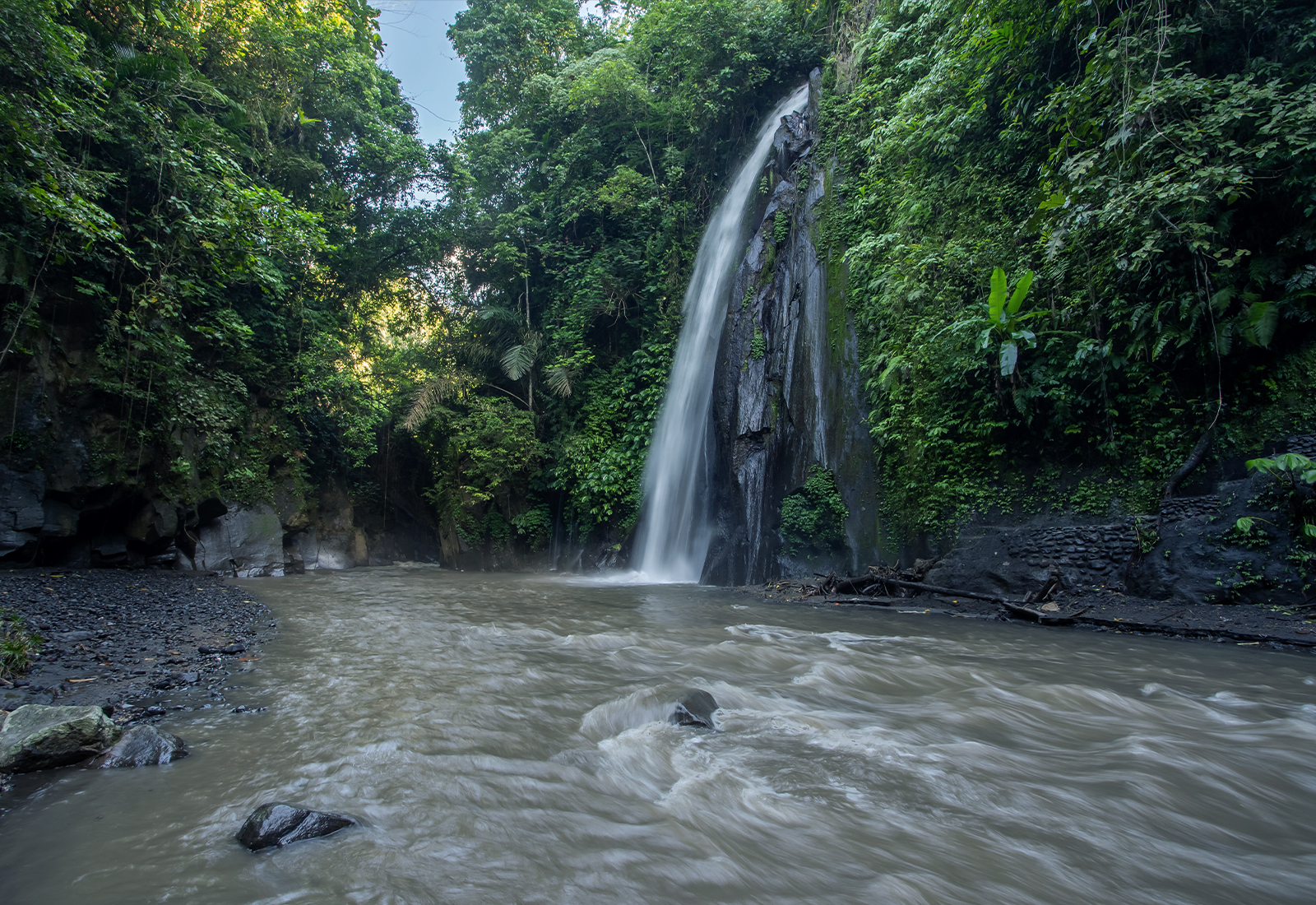
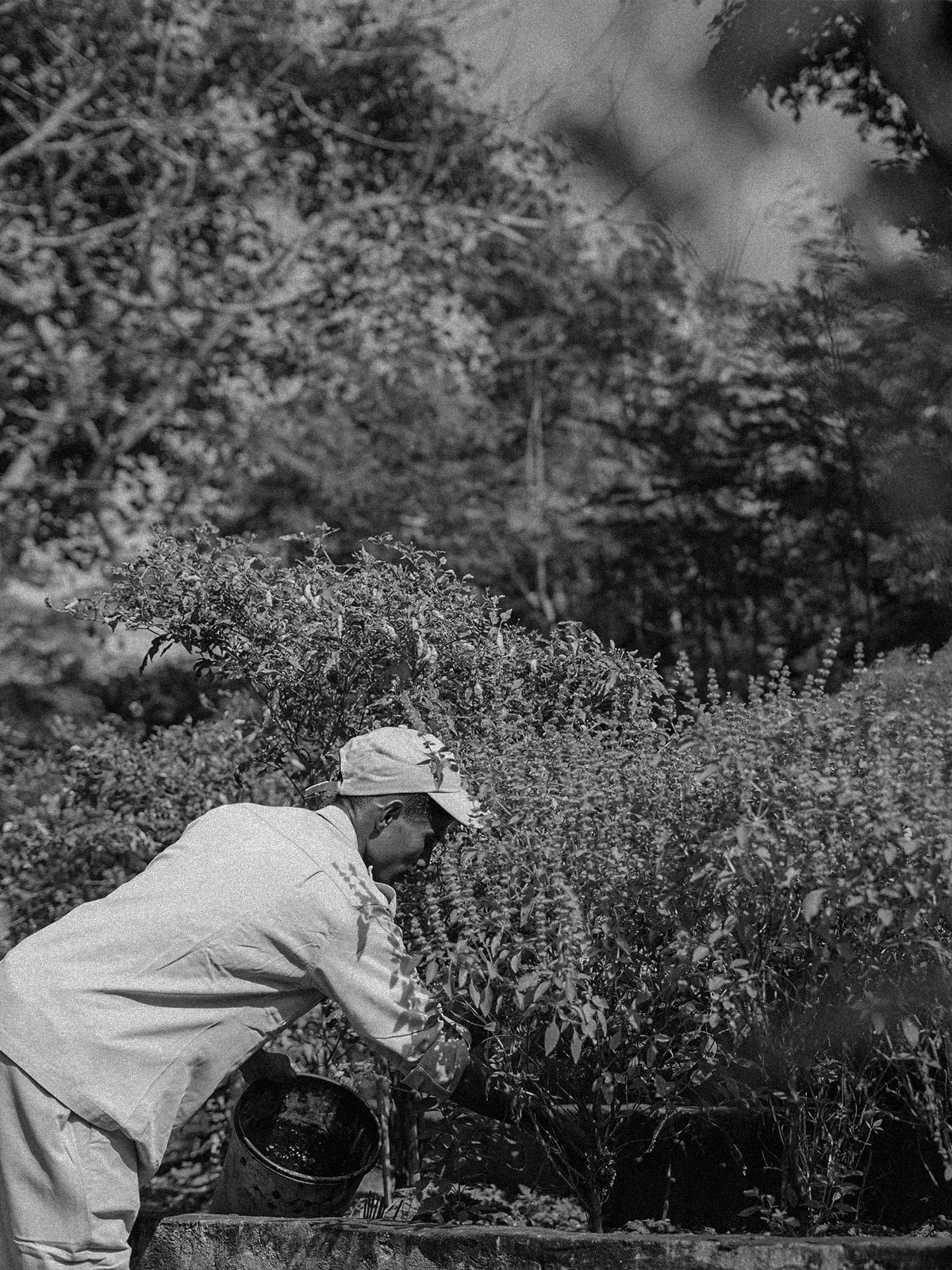
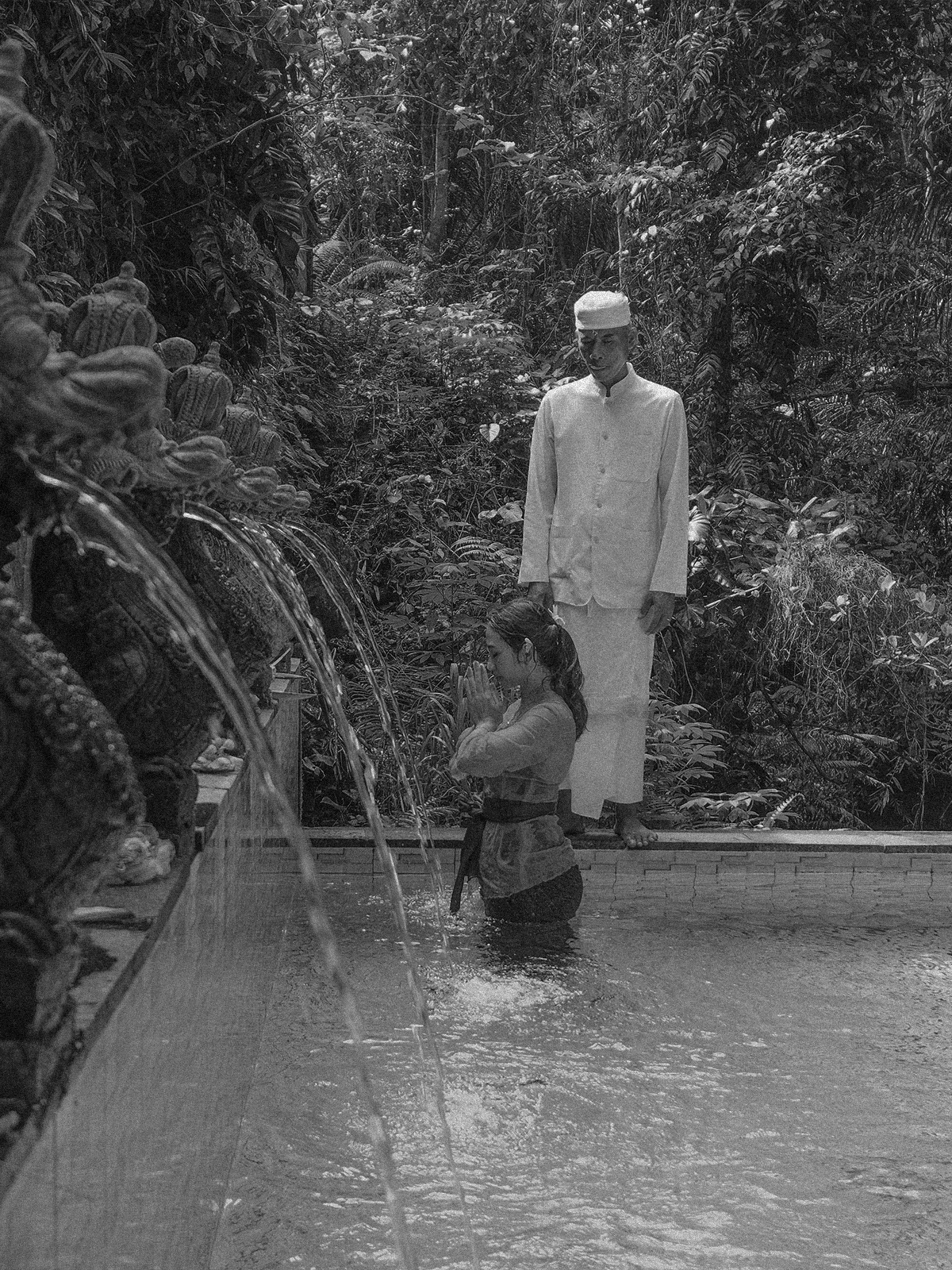
Tri Hita Karana — the Balinese philosophy of harmony between people, nature, and spirit — is invoked often enough in the region's hospitality industry to risk becoming wallpaper. At Buahan it operates instead as a framework for daily decisions. The Bring Back the Light campaign, developed with conservationist Wayan Wardika and the community of Tegal Dukuh, promotes chemical-free farming to restore the firefly populations that once defined the Payangan nights, dimming and timing the resort's lighting even while guests sleep. Through the Ngadas Project, livestock is provided to local farmers on a profit-sharing basis, closing a loop from waste to compost to farmland to kitchen. The Dukuh Asri regenerative centre extends this into foraging experiences and farm lunches, where farmers, healers, and artisans aren't cultural exhibits — they're the actual hosts of the place.

MEET Hengki Adnyana

Nature may be what first brings guests here.
Meaningful human connection is what they remember

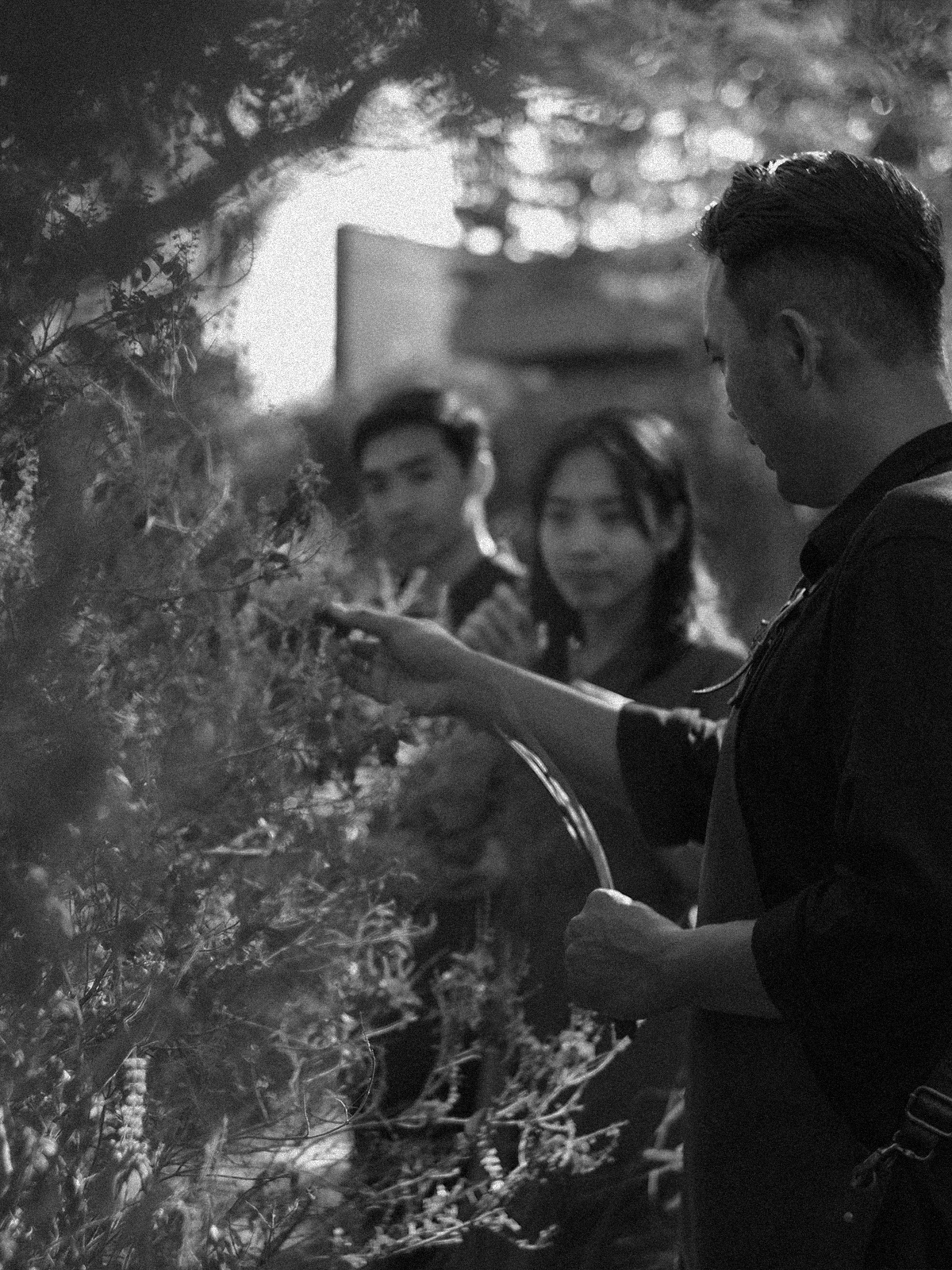
Leading Buahan is Hengki Adnyana, a Balinese hotelier whose own path — from the cliffs of Ungasan, through training at the Oberoi Centre in New Delhi, to some of the island's most thoughtfully designed properties — reads like a homecoming. He took on the resort's management drawn by a founding philosophy already in place: embrace the environment, empower the people around it. What he brings is the discipline to run it that way daily, not just describe it that way in a brochure. We sat down with Hengki to talk about guiding a hotel by Tri Hita Karana, not as a marketing line but as the philosophy he grew up inside.

WATER

The resort's approach to water begins before a single tap is turned on. A rainwater catchment system with soak-away tanks collects and stores water across the entire property, feeding a recyclable grey water system that directs used water through reverse osmosis tanks for full reuse throughout the resort. Landscaping across the 14.4-hectare property relies almost entirely on native Uluwatu savannah species, chosen specifically for their ability to thrive without irrigation while actively reducing water wastage at every point across the grounds.

ENERGY

Every one of the resort's 65 villas was conceived as a passive energy system long before the term became fashionable. Flat volcanic lava rock roofs absorb ambient heat throughout the day, significantly reducing the thermal load on each structure without mechanical intervention. Bamboo ceilings draw warm air upward and encourage natural circulation through the open-plan living spaces. Window placement across every villa was calculated precisely during the original design process to harness the prevailing coastal breeze and eliminate the need for constant artificial cooling and lighting.

MATERIALS

The material palette of Alila Villas Uluwatu reads as a map of the Indonesian archipelago. Walls are constructed from batu palimanan stone sourced from Yogyakarta. Bamboo ceilings and rattan interiors are locally sourced and hand-crafted by Balinese artisans. Volcanic lava rock harvested directly from the Uluwatu landscape forms the resort's distinctive villa roofs. Garden walls are built from limestone cut from the site itself during the original construction. Structural wood throughout the property, from walkways to bridges, is reclaimed from decommissioned railway sleepers and telephone poles, giving purposeful second life to materials that would otherwise have been discarded.

CIRCULAR SYSTEMS

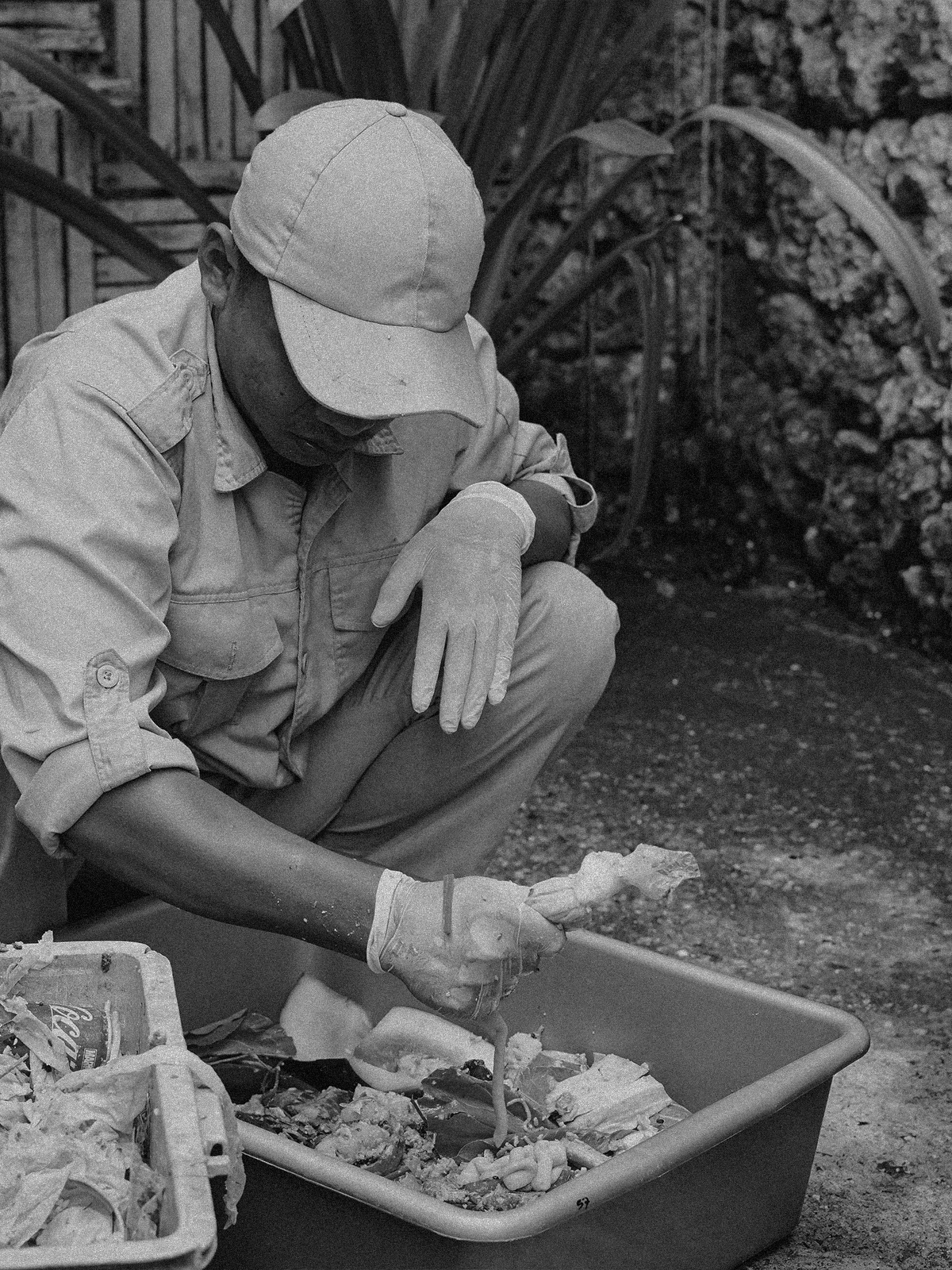
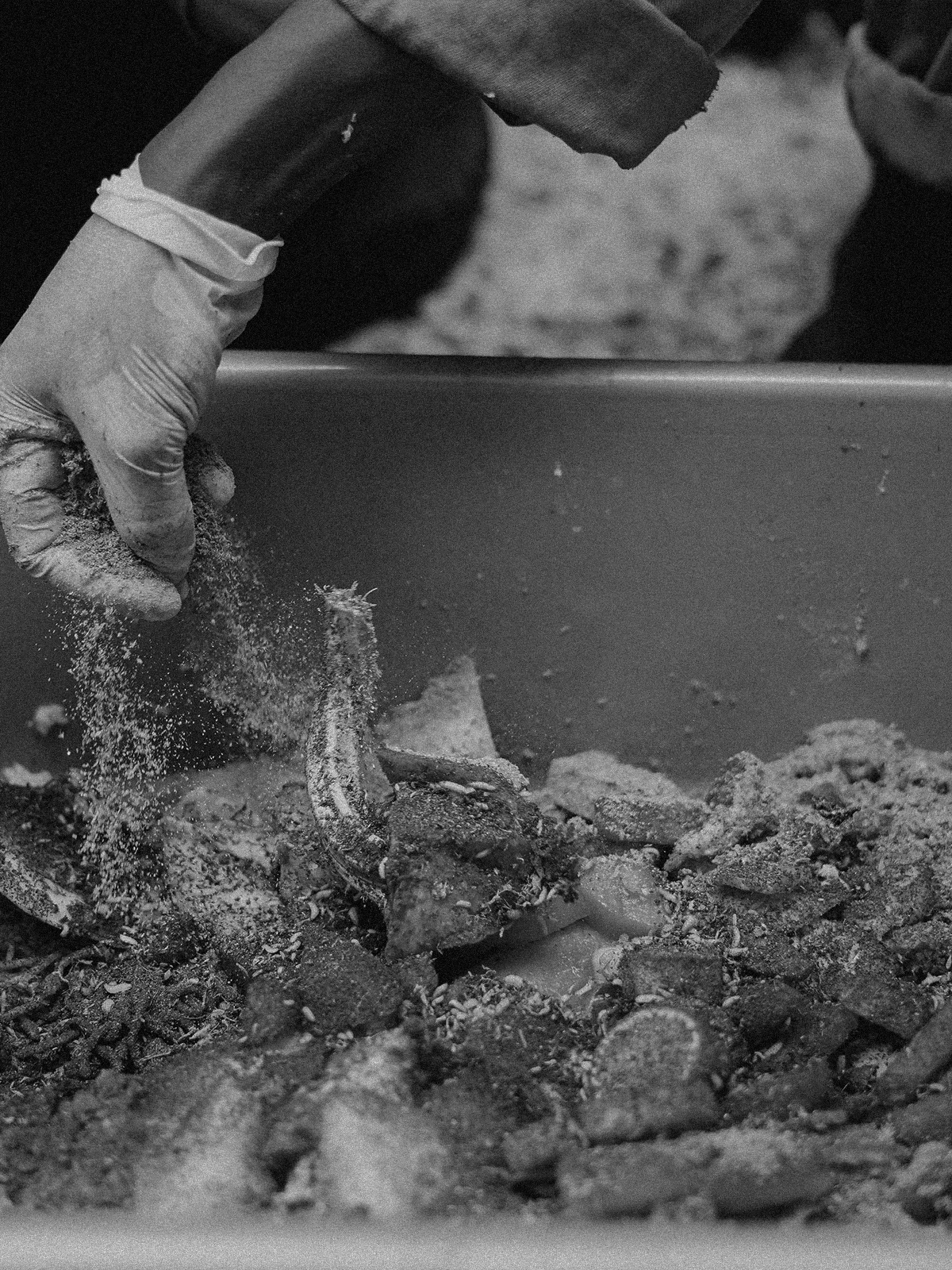
At the heart of Alila's daily operations is a dedicated on-site Sustainability Lab where waste is treated not as an endpoint but as a resource in its own right. Through proven mechanical and biological processes, organic waste is transformed into nutrient-rich compost that feeds the resort's organic gardens. Glass is recycled on-site through an active programme rather than sent off-property. A dedicated upcycling workshop operates alongside the lab, giving materials a second life through creative reuse rather than disposal. The entire system operates in close daily connection with Uma Bukit Farm, creating a fully integrated circular cycle from kitchen to compost to cultivation and back to the table — closed, continuous, and completely on-site.

BIODIVERSITY

Alila Villas Uluwatu's landscaping and architectural forms were derived directly from the local Bali savannah environment, designed to exist within rather than impose upon the wild and seasonal surroundings of the Bukit peninsula. Local plants from the Uluwatu Bali savannah ecosystem are propagated in a dedicated on-site nursery and used throughout the resort's grounds, actively encouraging the return and continued presence of native bird and animal species. The resort's terraced architectural planes, directly inspired by Bali's ancient rocky terrace fields and lush gulleys, protect cool shaded gardens below and create natural micro-habitats within the property itself.

COMMUNITY

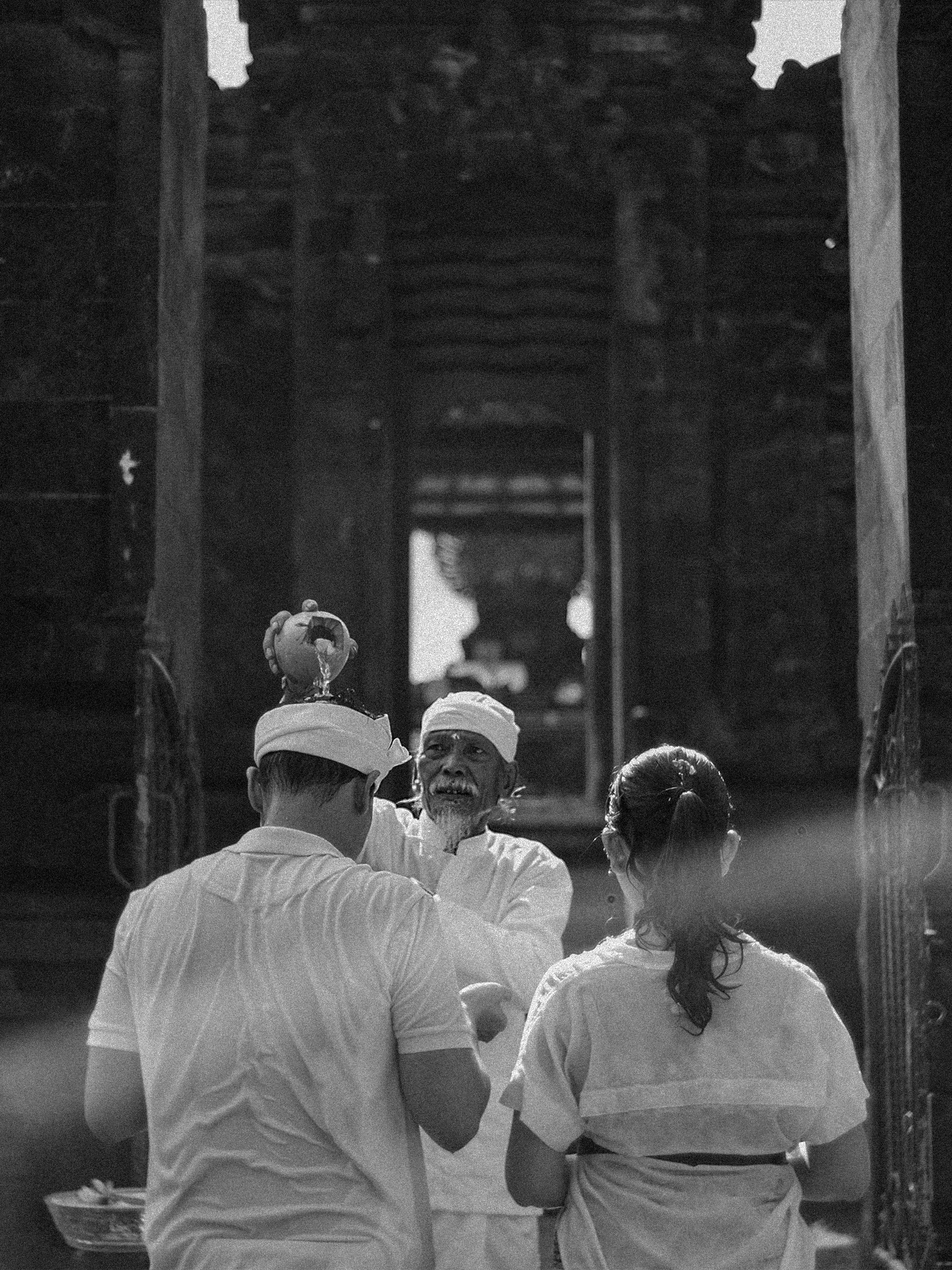
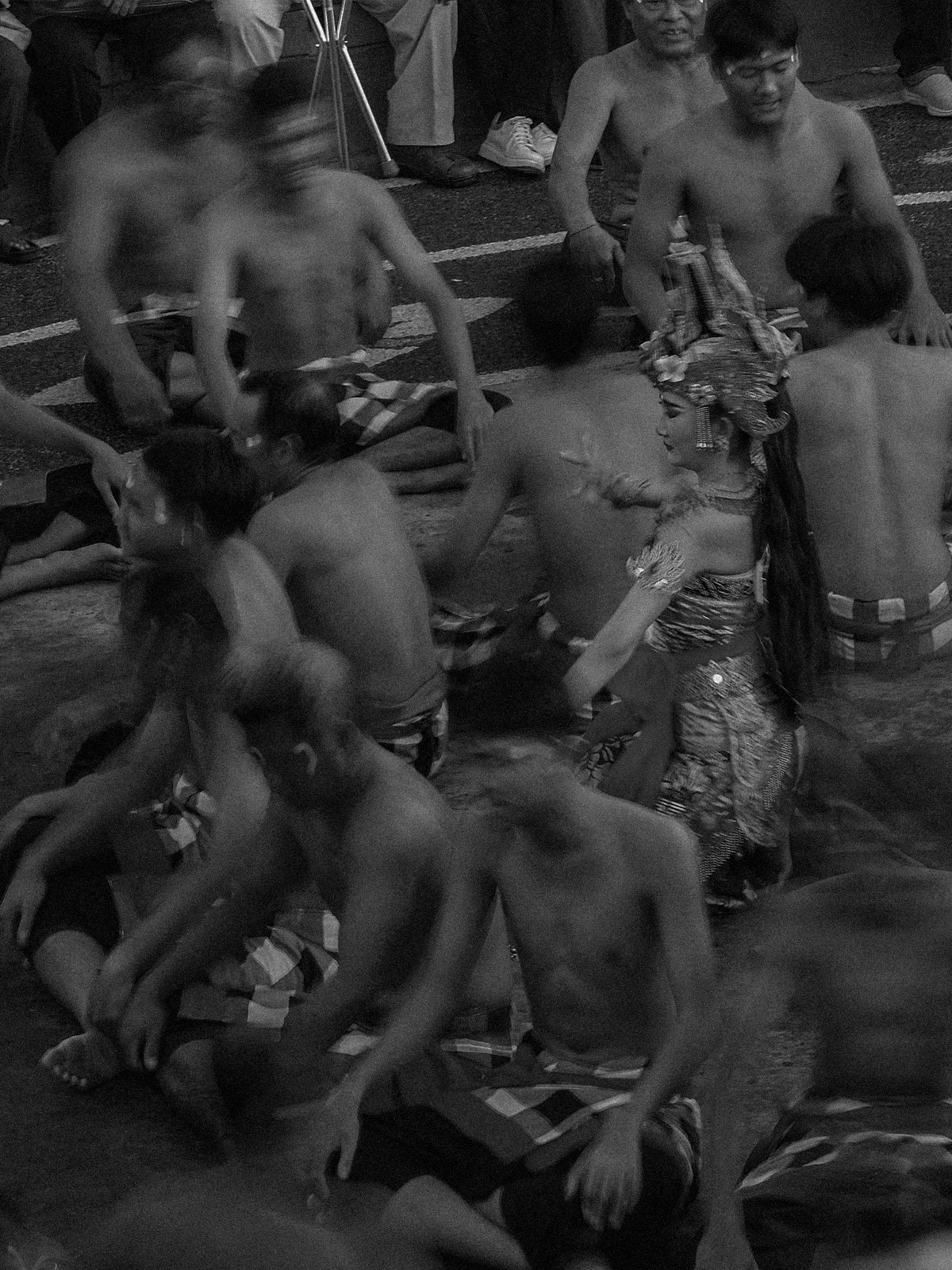
More than 40 percent of the Alila Villas Uluwatu team are drawn from the local Uluwatu community, a deliberate and sustained employment commitment that shapes the guest experience in ways that no training programme can manufacture. Team members who grew up in the surrounding villages carry with them a living fluency in local ceremonies, sacred traditions, seasonal rhythms, and cultural customs that transforms every interaction throughout a guest's stay. Cultural experiences offered by the resort, from temple visits to Balinese dance lessons to time spent with local artisans, are led by people with genuine personal connections to the traditions they are sharing, ensuring that every encounter remains authentic rather than performed.

THE RESORT

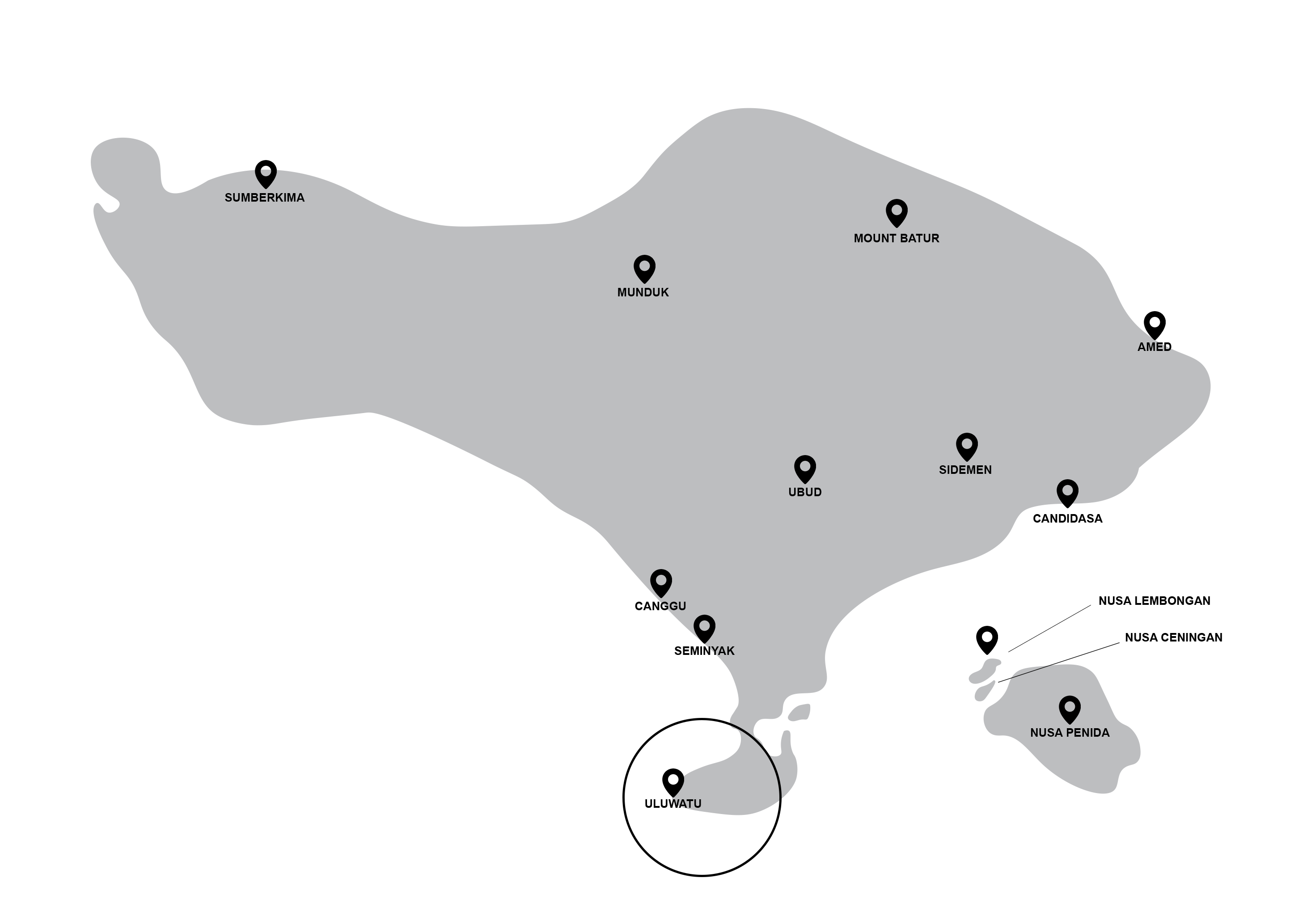
Alila Villas Uluwatu occupies 14.4 hectares of elevated clifftop plateau on the Bukit peninsula, poised where limestone cliffs sweep down to the Indian Ocean. Located 45 minutes from Ngurah Rai International Airport and 15 minutes from the Uluwatu Temple, the resort sits just moments from Savaya Bali, one of the island's most celebrated cliffside destinations. An in-house medical team is available daily with a doctor on call 24 hours.

THE VILLAS

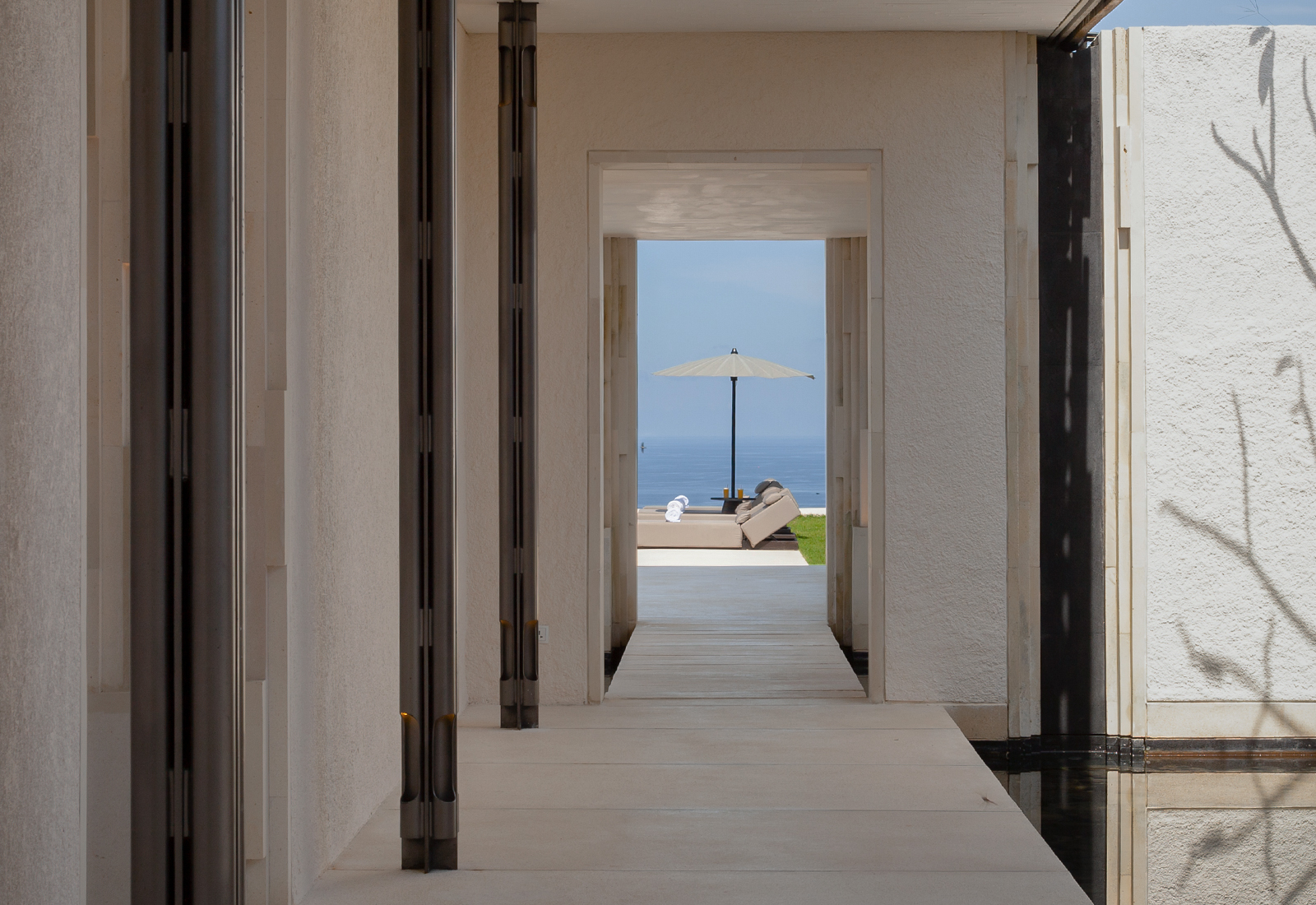
65 private pool villas across six categories, each individually designed and constructed to an environmentally sustainable framework. Every villa features its own pool and private cabana with uninterrupted Indian Ocean views, open-plan living areas connected by walkways and bridges, flat volcanic lava rock roofs, bamboo ceilings, and the resort's signature natural ventilation throughout. Contemporary interiors are enhanced with traditional Balinese accents reflected in planes of wood, water, stone, and rattan.

IN-VILLA AMENITIES

• Private infinity pool and cabana
• Outdoor dining area Espresso machine and tea-making facilities
• Indoor and outdoor rain shower and jet shower
• Bathtub
• Locally sourced organic Alila bathroom amenities
• Handcrafted beeswax candles and bath ritual experience
• Linens by Ploh, 300 thread count
• Outdoor activity kit including sun block, after-sun gel and face spritzer
• Doctor on call 24 hours

DINING

CIRE leads with the sea, serving fresh seasonal seafood alongside local produce through simple, honest preparations open from breakfast through to dinner. The Warung offers wholesome traditional Indonesian and Balinese fare in a warm convivial atmosphere throughout the day and evening. Batique is a hidden speakeasy lined with over 100 premium and rare whiskies from across Asia, complemented by a curated humidor, open from late afternoon into the night. The Sunset Cabana Bar sits directly over the cliff edge with unparalleled ocean views and the sound of waves below — artisanal cocktails and an Uluwatu sunset, open from midday.

WELLNESS

Spa Alila offers soulful, personalised wellness journeys in a serene contemporary setting, guided by intuitive therapists and built around handmade products crafted from pure, natural ingredients. Daily yoga is available on the property. The resort's position above the limestone cliffs and within a carefully maintained natural landscape makes it one of the most genuinely restorative environments in Bali.

• Spa Alila: Open daily 9am to 10pm
• Personalised treatments
• Natural and handmade products
• Daily yoga
• Clifftop wellness setting

WEDDING & EVENTS

Seven distinct spaces for weddings, celebrations, and corporate retreats, from the intimate Library accommodating 25 guests and the Three Bedroom Cliff Villa Living Room for 20, to the Cliff Edge Cabana and its outdoor lawn for up to 400 guests, the Clifftop Outdoor Lawn for 40, and the Pavilion Outdoor Lawn for 150. Every event unfolds with the Indian Ocean as backdrop.