

FEATURES • DESTINATIONS
Land Over Legacy:
Vincent Durier & the Vision
of Alila Villas Uluwatu
Words & Interview by The Punch
Photography by Alila Villas Uluwatu
There is a particular kind of hotelier who arrives at a great property and immediately wants to leave their mark on it. Vincent Durier is not that kind. The General Manager of Alila Villas Uluwatu came to the Bukit peninsula after two decades leading exceptional properties across Bora Bora, Hong Kong, the Maldives, and Phuket, carrying with him a clear and hard-won understanding of what separates a truly great hotel from a merely impressive one.
What he found at Alila was a property with a soul already fully formed: an architecture born from the land, a team deeply connected to the surrounding community, and a commitment to environmental responsibility that had been operational since the day the resort opened. His response was not to reinvent any of it. It was to listen, to understand, and then to protect. In this conversation, Vincent talks about growing up in Gascony, the lessons of twenty years across Asia and the Pacific, and what it means to lead a place whose greatness was built before you arrived.

What is your story and how did your background lead you to hospitality?
I grew up in Gascony, in southwest France, and as a child I wanted to become a baker like my grandfather. Later, my passion for food led me to hotel school, where I initially planned to become a chef.I loved spending time in local markets with my mother and helping her cook at home. From a young age I developed a fascination for ingredients, flavours, and the stories behind them. To be honest, I was often more interested in the products themselves, and in eating them, than in the cooking techniques.Food and wine were an important part of family life. Sunday lunches were sacred, and being allowed a small taste of Bordeaux wine at the family table was always the highlight of the week.
Looking back, I was already an epicurean long before I knew the word. During an internship as a waiter, I discovered the human side of hospitality and quickly fell in love with creating memorable experiences and connecting with people. My dream then became to travel, discover new cultures, and meet people from around the world. I left France as soon as I graduated and have been living and working overseas ever since. Hospitality has allowed me to combine that passion for people, cultures, gastronomy, and travel throughout my entire career.

Twenty years across Bora Bora, Hong Kong, the Maldives, Phuket. What did that journey teach you about what a truly great hotel is?
The destinations were very different, but the lesson was surprisingly consistent. Great hotels are never defined by their buildings alone. Beautiful architecture, exceptional design, and impressive facilities can attract guests, but what makes them return is how a place makes them feel.
The best hotels have a strong sense of identity. They belong to their destination rather than trying to compete with it. They understand their surroundings, respect local culture, and create meaningful connections between people and place.
Over the years I have learned that people make the difference. Guests may remember the view or the villa, but what stays with them are the interactions, the kindness, the authenticity, and the emotional connection they experience during their stay.
When you arrived at Alila Villas Uluwatu for the first time, what struck you immediately?
The kindness of the people was the first thing that struck me.
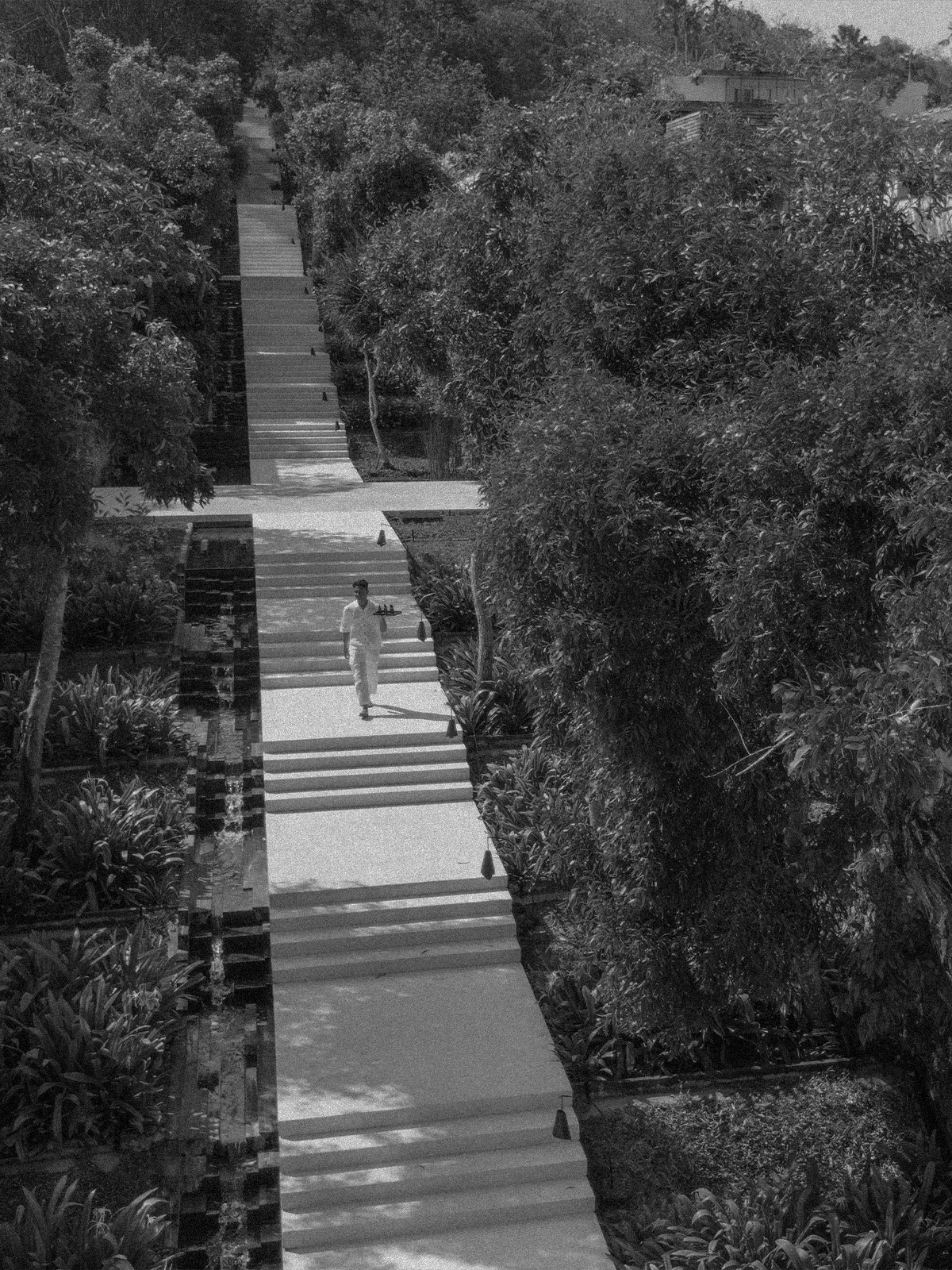
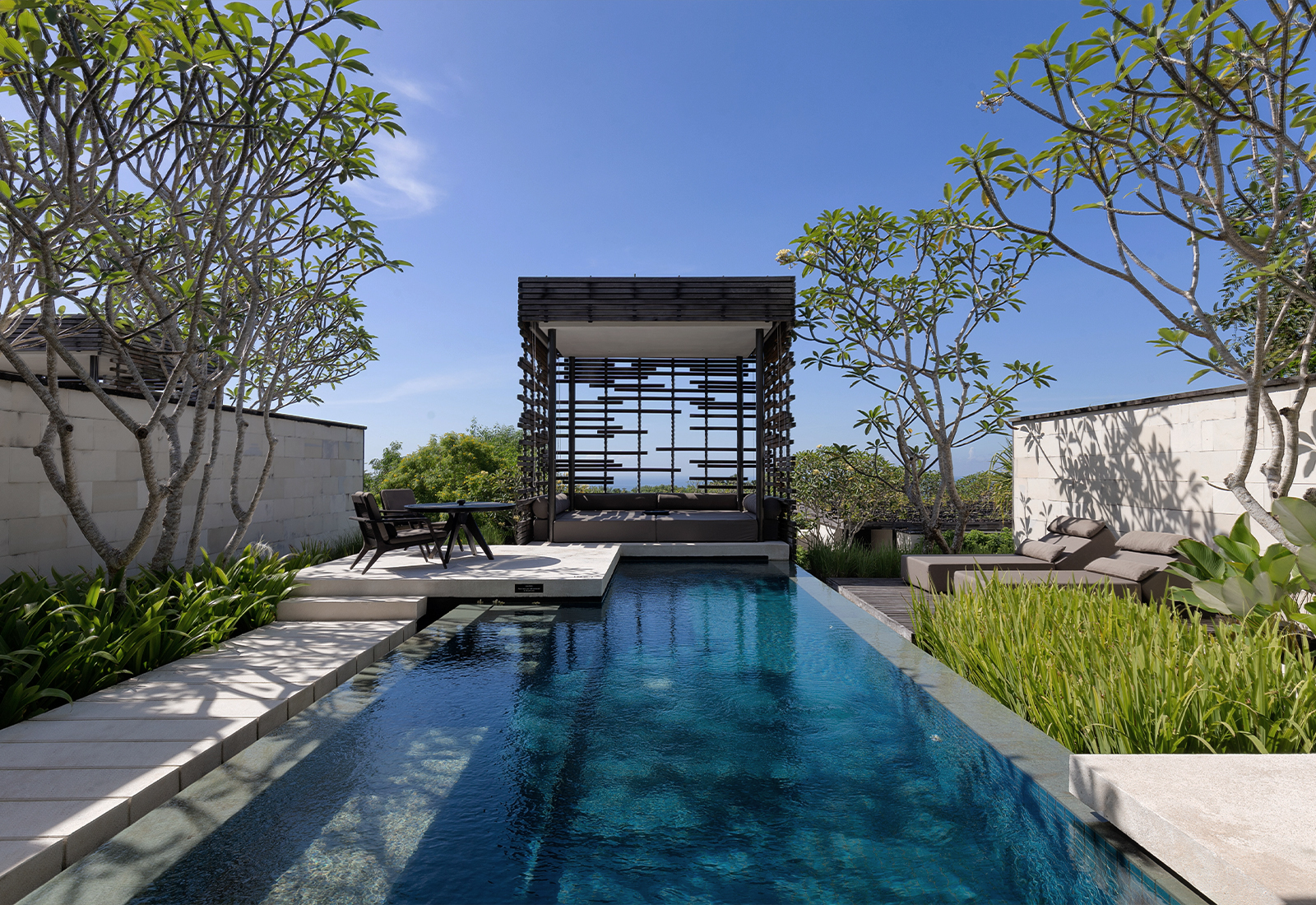
Then came the architecture and design. It felt as though the resort had been created by someone who was well-travelled, deeply understood true luxury, and had exceptional taste. I have always appreciated understated luxury and minimalist design, and Alila Villas Uluwatu embodies both beautifully.
The resort blends seamlessly into its natural environment.
Nothing feels excessive or out of place. The architecture enhances the spectacular cliffside setting and allows nature to remain the centrepiece of the experience.
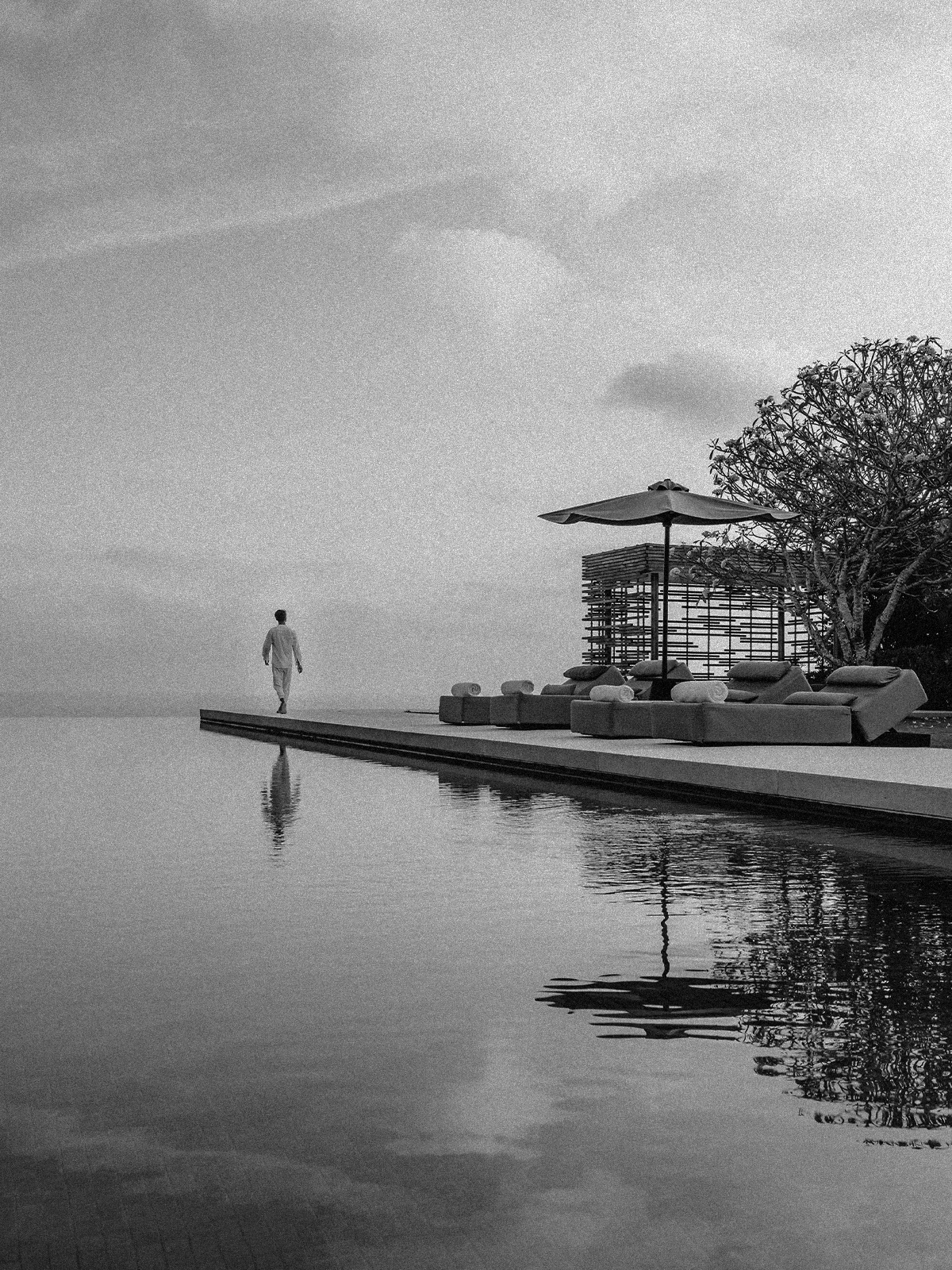
Standing on the edge of the limestone cliffs overlooking the Indian Ocean is a truly magical experience.
I was equally struck by Uluwatu itself. The destination is incredibly dynamic and has evolved into one of Bali's most exciting lifestyle destinations, combining wellness, surfing, gastronomy, culture, and creativity in a way that feels genuinely authentic.
How would you describe Alila Villas Uluwatu to someone who has never been? Not the brochure version. what it actually feels like to be here.
Alila Villas Uluwatu offers a unique blend of holistic wellness, sleek modern design, and integrated lifestyle experiences.
What I love about the resort is that it allows guests to shape their stay according to their own rhythm. Some come here to completely disconnect: days by the pool overlooking the Indian Ocean, wellness experiences and spa treatments, yoga, and memorable meals with spectacular views.
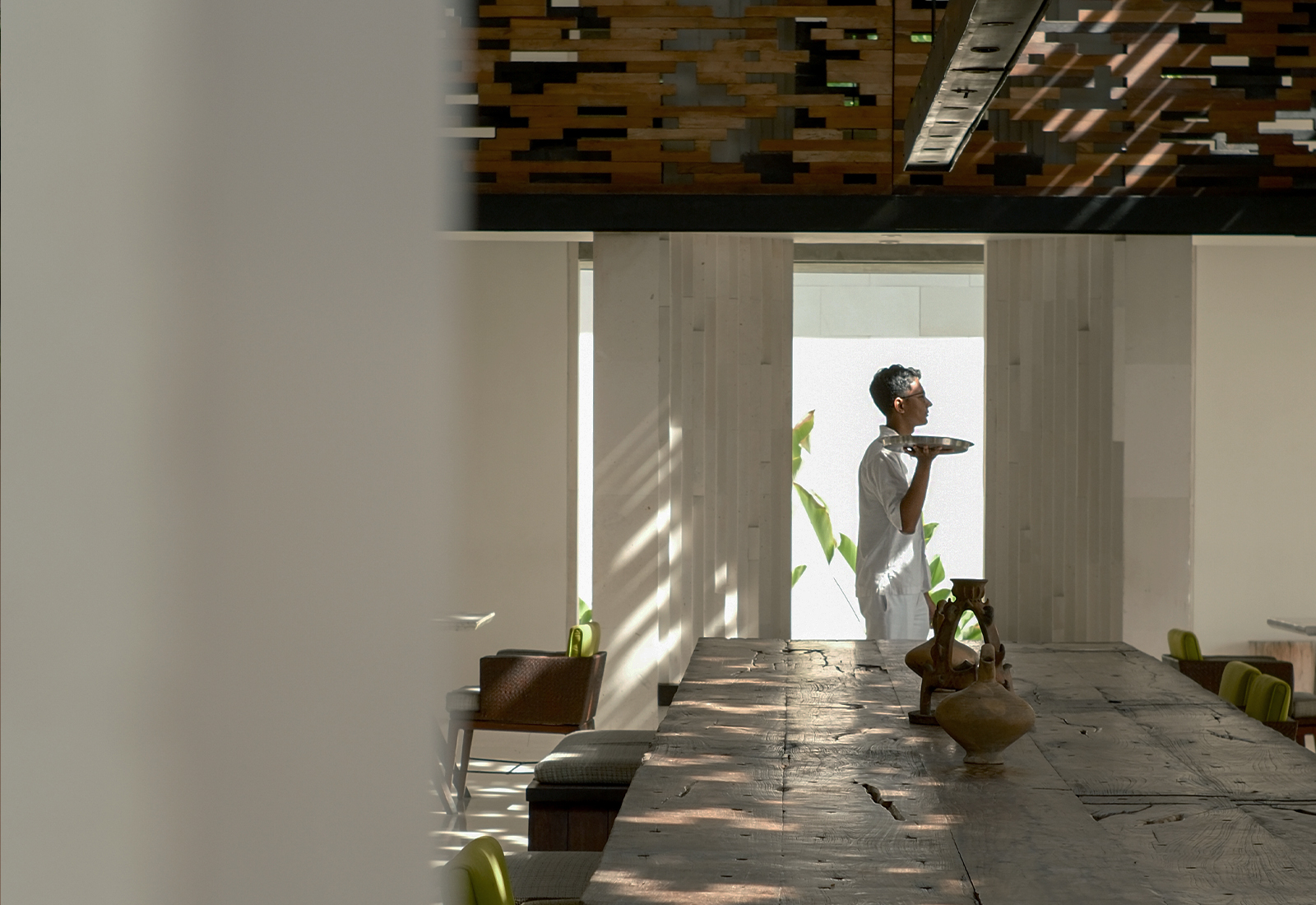
Our culinary philosophy reflects the same approach. We focus on authenticity, seasonality, and locally sourced ingredients. Less is often more. Rather than overly complicated concepts, we focus on genuine flavours, exceptional produce, and a strong connection to place.
At the same time, the resort is not isolated from the destination. Guests can easily access some of Bali's most celebrated restaurants, beach clubs, surf breaks, wellness studios, and cultural attractions within minutes.
What makes the experience special is this balance.
Guests can enjoy the privacy and serenity of a luxury sanctuary while remaining fully connected to the energy and creativity that define modern Bali. It feels sophisticated but never pretentious, luxurious yet deeply connected to its surroundings.
Alila was built from local limestone, volcanic lava rock, plants from the Balinese savannah. How does a guest experience that in practice, even if they do not know the story behind it?
Good design works on a subconscious level.
Most guests will never know where every material comes from, but they instinctively feel the authenticity of the environment. The textures, colours, and natural elements belong to this part of Bali. At the same time, the resort also incorporates materials and craftsmanship from other parts of Indonesia, reflecting the richness and diversity of a truly extraordinary country.
Nothing feels imported or disconnected from its surroundings.
The result is that guests often describe the resort as feeling timeless, calm, and grounded. Even without knowing the details, they are experiencing the intention behind every design decision. The architecture creates harmony with the landscape rather than competing with it, and guests naturally respond to that.
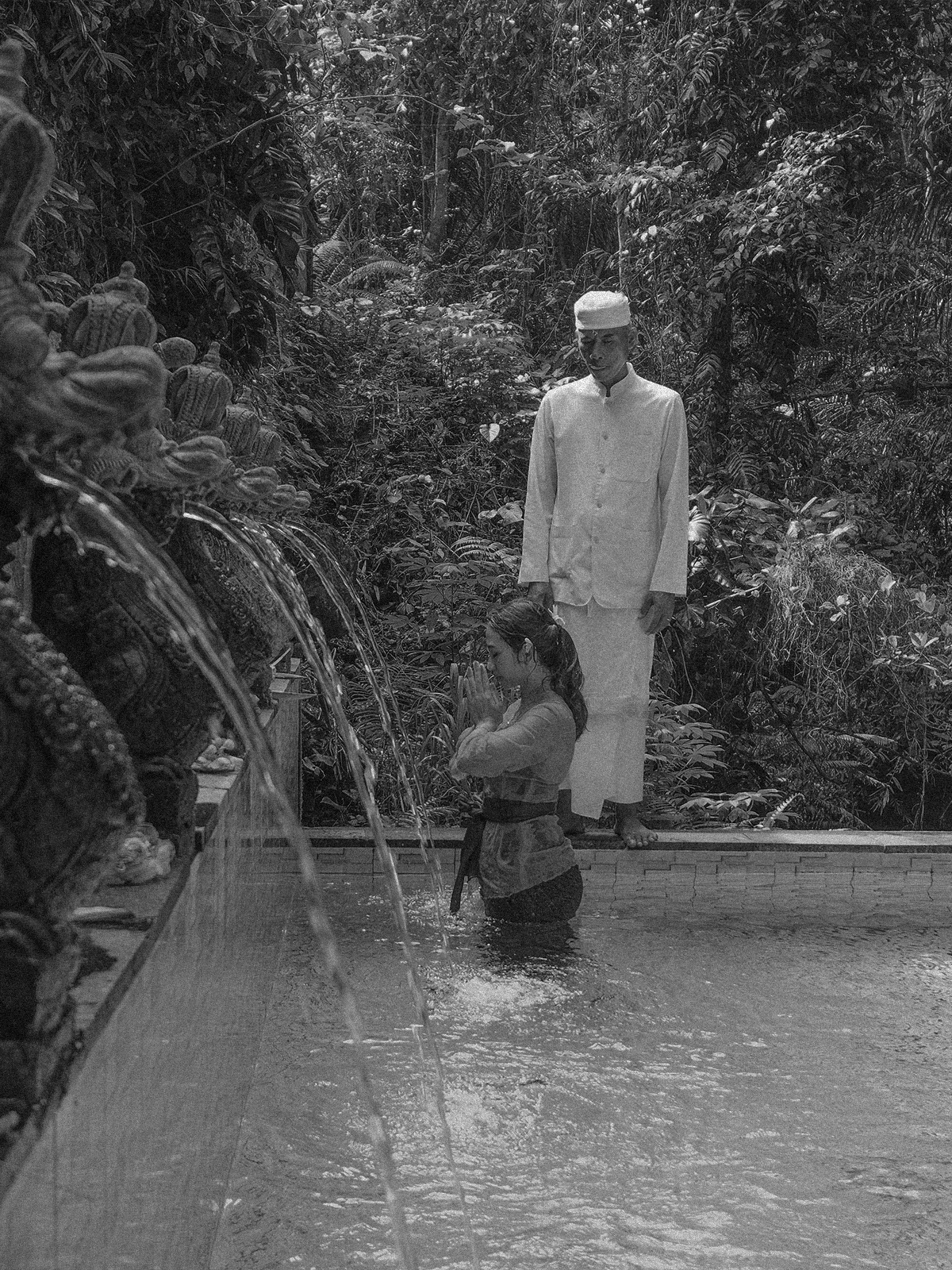
The resort gives guests access to lesser-visited temples, Balinese dance lessons, time with local artisans. How do you make sure that kind of cultural connection stays genuine and does not become a performance?
The starting point is respect.
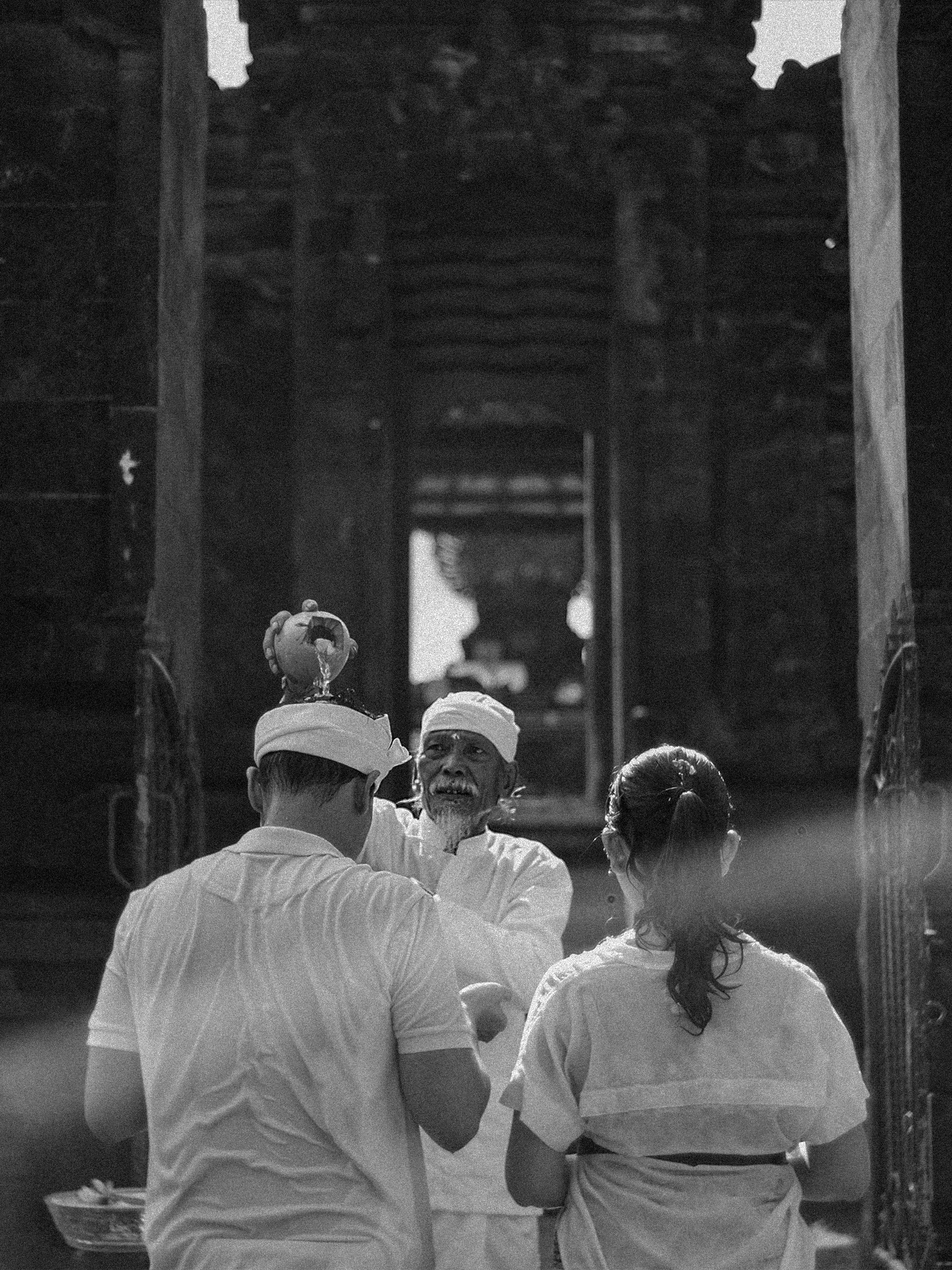
We do not create experiences simply for entertainment. We work with local communities, artisans, and cultural practitioners who are sharing traditions that are already part of their daily lives. Our role is to create opportunities for meaningful encounters. We want guests to learn, understand, and appreciate rather than simply observe.
When experiences are built on genuine relationships and mutual respect, they remain authentic. Guests are surprisingly good at recognising the difference between something real and something created purely for show. The most memorable moments often happen naturally, when people connect through curiosity, respect, and shared experience.


A lot of people still think luxury and sustainability pull in opposite directions. What does Alila Villas Uluwatu prove about that?
I believe that perception is changing rapidly.
True luxury today is not about excess. It is about quality, longevity, authenticity, and thoughtful choices. Sustainability should never feel like a compromise. In many ways, it enhances the guest experience.
At Alila Villas Uluwatu, sustainability is deeply integrated into our culture and daily operations. We are not interested in greenwashing. We do not pursue sustainability because it is fashionable or because it generates marketing opportunities. We do it because we genuinely believe it is the right thing to do.
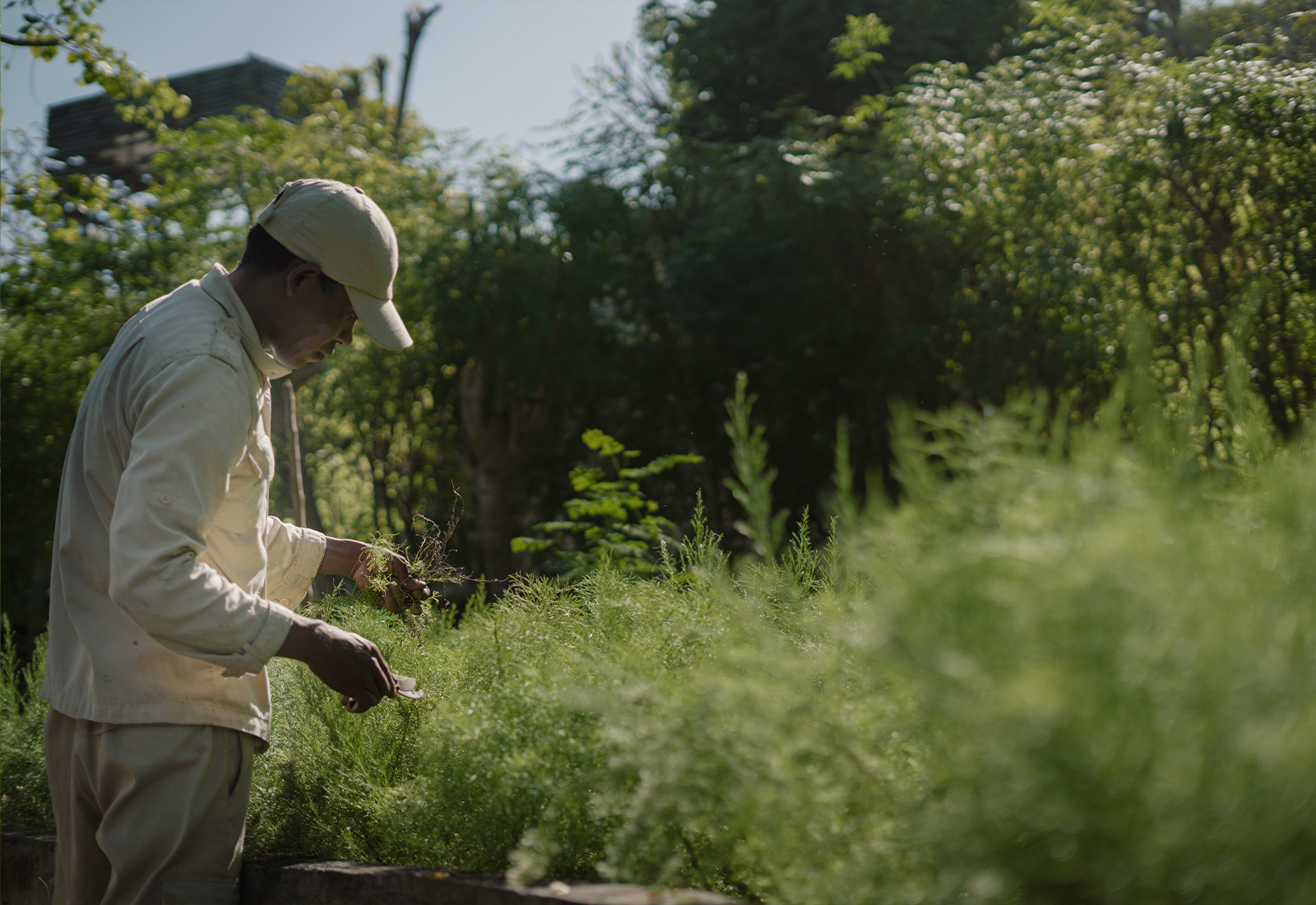
We operate a small farm with chickens, ducks, goats, and other animals. We process organic waste on-site and have developed an upcycling workshop where materials are given a second life. Guests are welcome to visit and learn about these initiatives, but we prefer to remain humble and discreet. Sustainability is not a marketing campaign for us. It is simply part of who we are.
More than 40 percent of your team come from the local Uluwatu community. How does that shape the experience for a guest staying here?
It brings a level of authenticity that simply cannot be taught.
Many of our colleagues have deep roots in this community. They understand local traditions, ceremonies, customs, and stories because they live them every day. Guests benefit from that knowledge through countless interactions throughout their stay. Whether recommending a hidden beach, explaining a ceremony, or sharing local insights, our team helps create a far stronger connection to the destination.
It also strengthens our relationship with the surrounding community, which I believe is essential for any hotel that wants to truly belong to a destination rather than simply operate within it.
As General Manager, how do you lead a place whose soul was built before you arrived?
With humility and care.
Alila Villas Uluwatu has a remarkable legacy and a very clear identity. My responsibility is not to reinvent it but to protect what makes it special while ensuring it continues to evolve thoughtfully. When I arrived, I spent a great deal of time listening, observing, and understanding the culture of the property. Before making changes, it is important to understand why things are done a certain way and what guests truly value.
At the same time, Bali and Uluwatu are evolving rapidly. New directions continue to emerge in wellness, culinary experiences, technology, and guest expectations. It is important that we continue to innovate and remain relevant without losing our essence.
The challenge is finding the right balance between preservation and progress. The goal is not to change the soul of Alila Villas Uluwatu but to ensure it continues to thrive for future generations of guests and colleagues.
The Bukit is changing fast all around you. What is your responsibility as a place that has been here since the beginning?
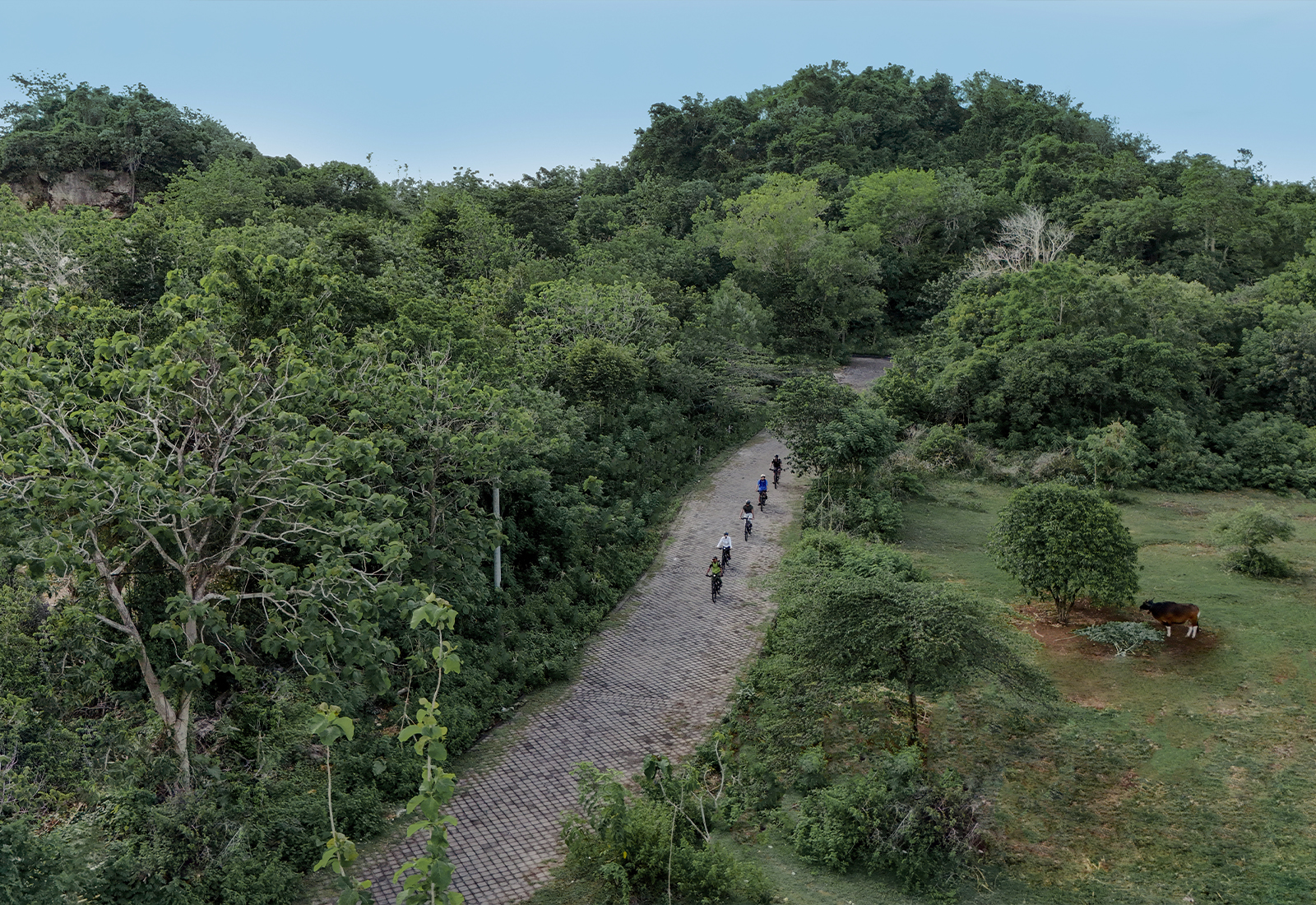
To remain a responsible custodian of this landscape. Development creates opportunities, but it also creates responsibilities. We have a duty to help protect the environmental and cultural qualities that made people fall in love with this destination in the first place. That means supporting local communities, operating with genuine environmental care, creating meaningful employment, and demonstrating that tourism can contribute positively to a destination rather than simply consume it. The long-term success of Bali depends on finding the right balance between growth and preservation.
What is the one thing about Alila Villas Uluwatu that no review has ever quite managed to capture?
The emotional connection people develop with the place. Reviews can describe the architecture, the villas, the views, and the service. What is much harder to capture is the feeling guests leave with. Many return years later and tell us they still remember a particular sunrise, a conversation with a team member, or simply how they felt during their stay. Those emotional memories are difficult to measure, but they are probably the most important thing we create.
What does the future of Alila Villas Uluwatu look like?
The future is about continuing to deliver personalised, genuine, and meaningful experiences while remaining true to our identity.
Some guests come here seeking a quiet sanctuary. Others are looking for wellness, culinary discovery, cultural immersion, or adventure. Our role is to create experiences that reflect those different aspirations while maintaining the sense of authenticity that defines Alila.
We see exciting opportunities to further elevate our wellness and culinary offerings, two areas that are increasingly important to modern luxury travelers. We also continue to explore new ways to strengthen our environmental commitments and deepen our connection with the local community.
Ultimately, our ambition is simple: to remain one of Asia's most inspiring resorts while continuing to evolve in a thoughtful and responsible way.
EXPLORE THE PUNCH