







THE PUNCH ORIGINS • PROFILE
Alila Villas Uluwatu
Built to Belong
Curated by The Punch Editors
Punch Commitments: 15/15
Category: Luxury Hotel
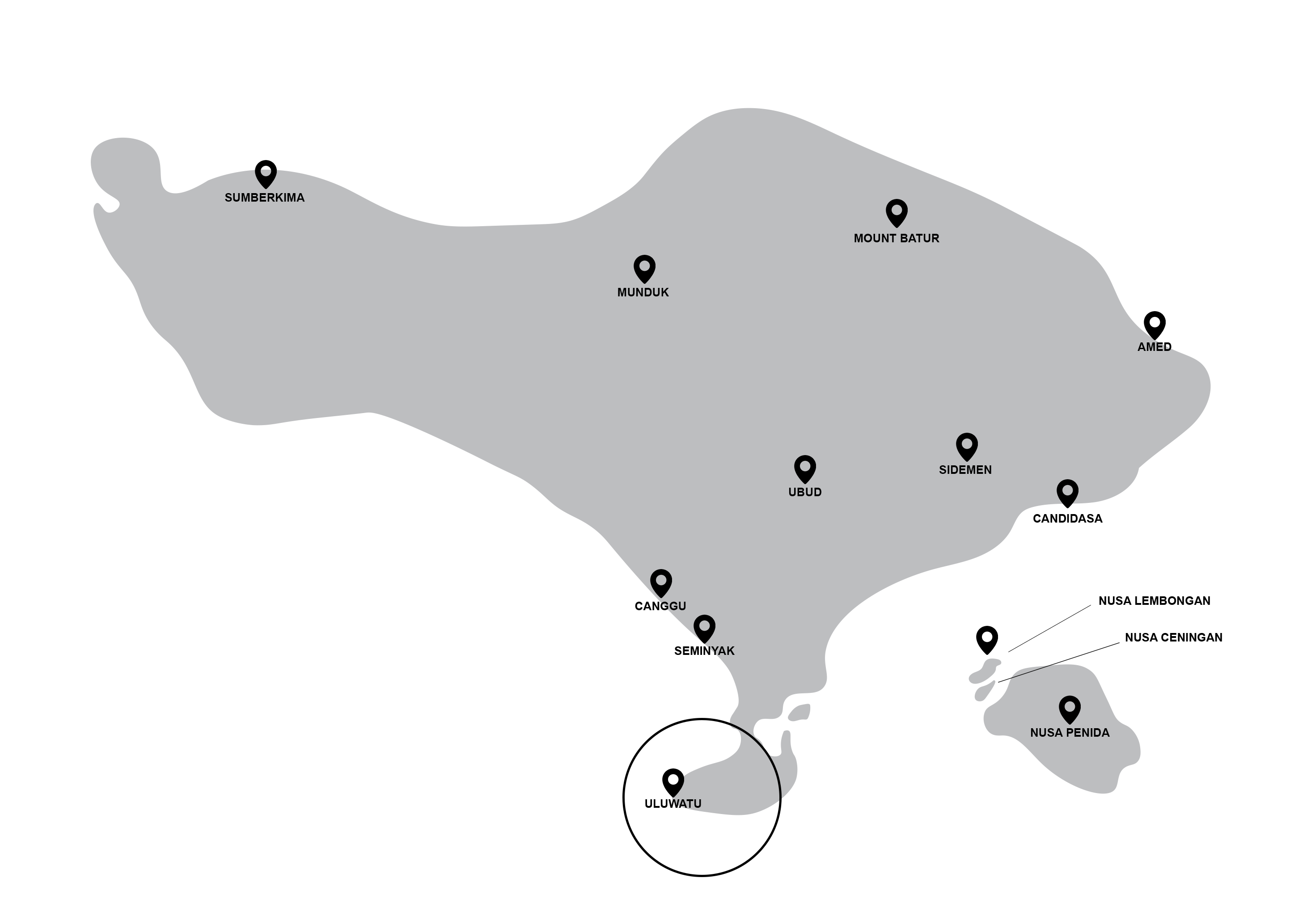
Location: Uluwatu, Bali
Since: 2010
Structure: 65 Private Pool Villas
Architect: WOHA Architects
Certification: EarthCheck Platinum
Local Team: 40% Uluwatu Community
Distance: 45 min from Airport
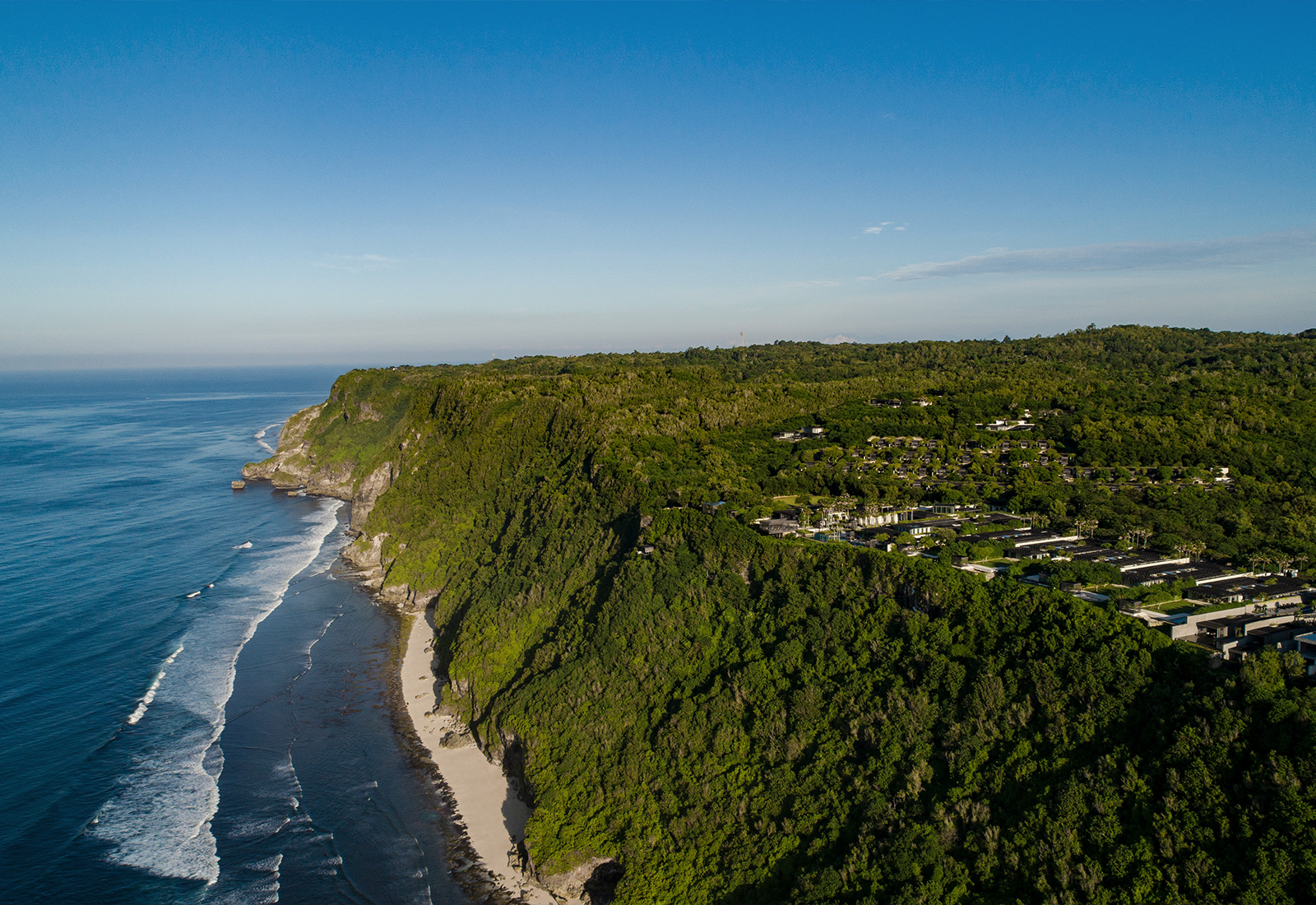
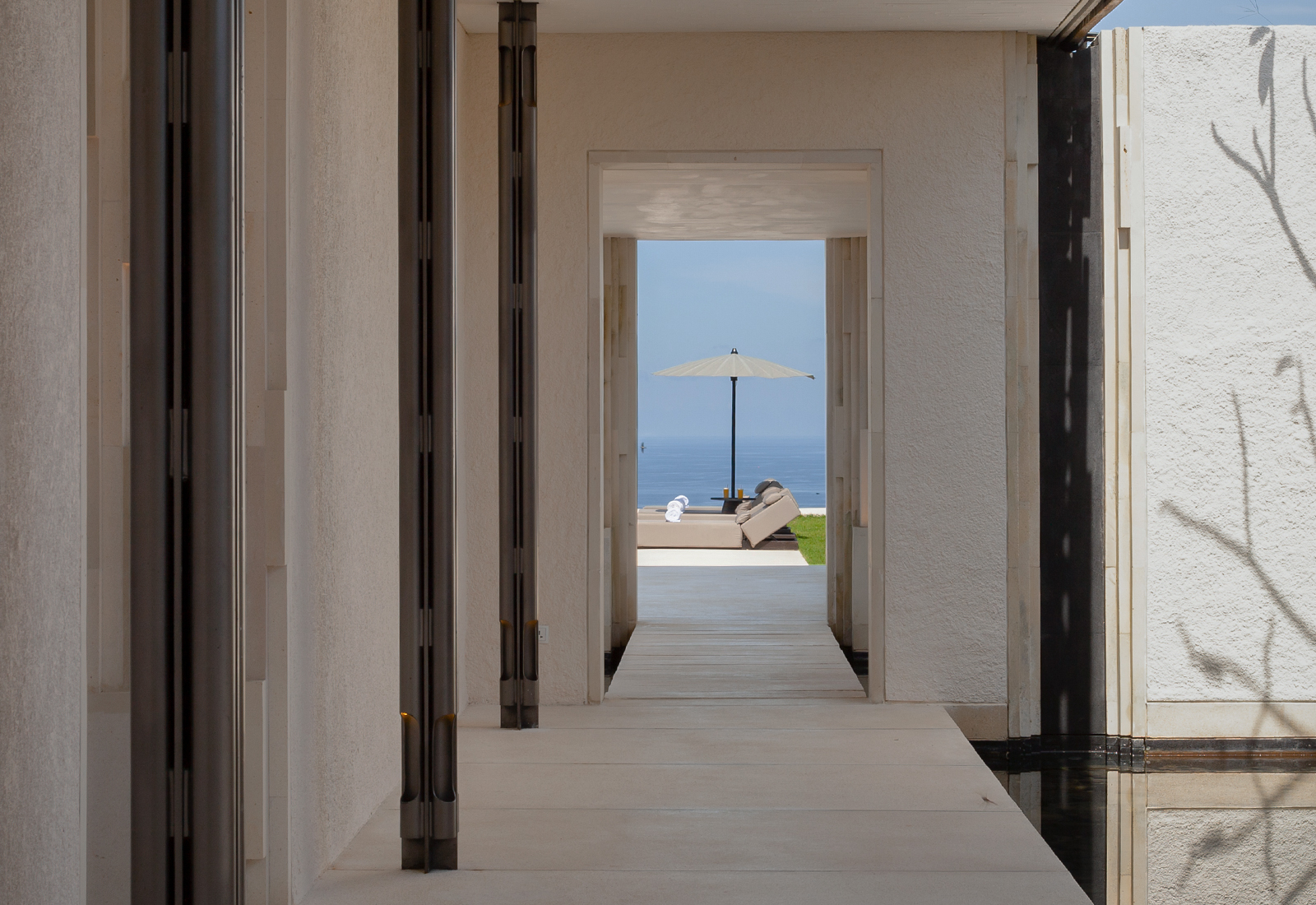
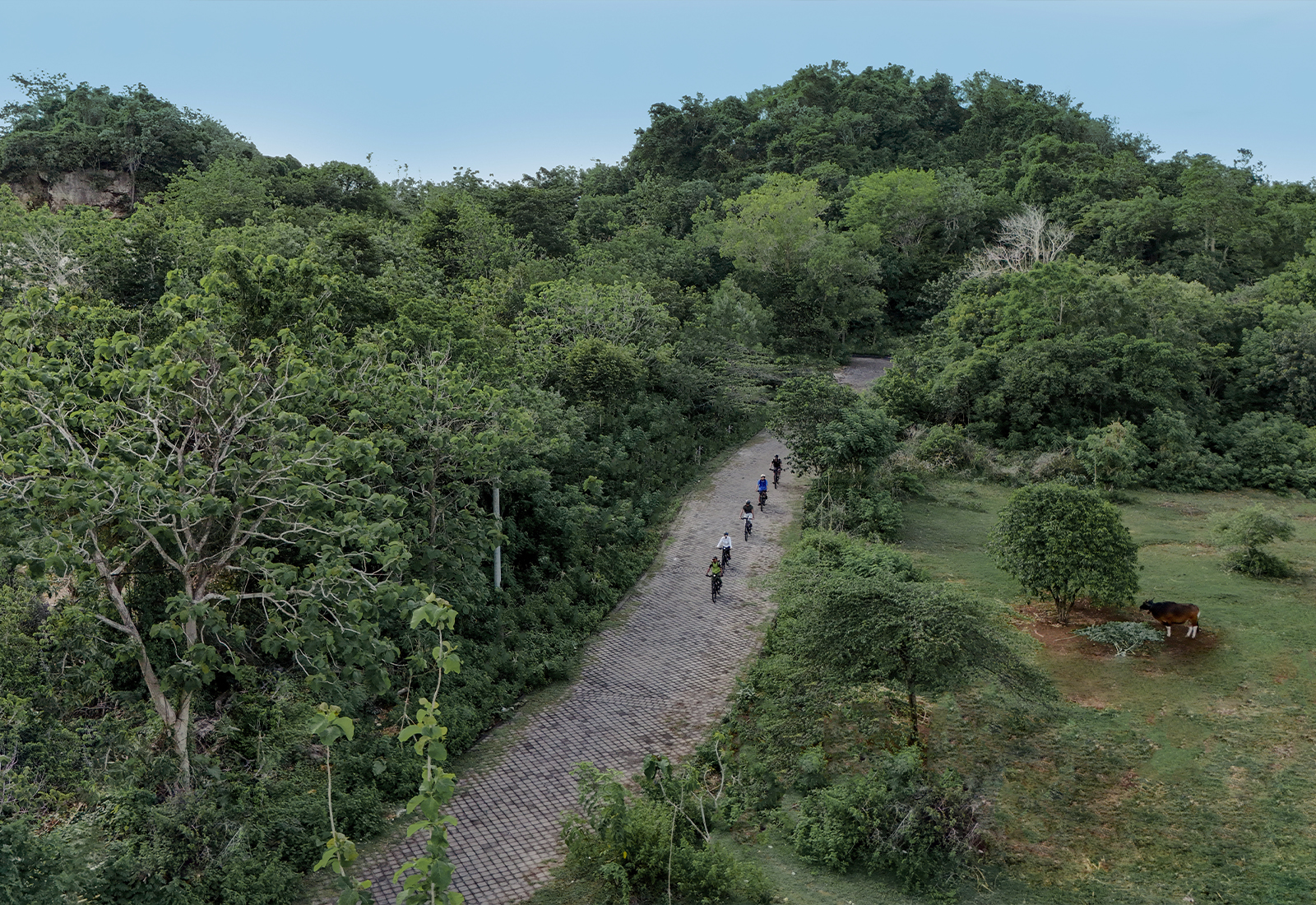
There are hotels that arrive in a landscape and there are hotels that belong to one. Alila Villas Uluwatu has always been the second kind. Perched on the limestone cliffs of the Bukit peninsula, just moments from Savaya Bali and fifteen minutes from the ancient Uluwatu Temple, the resort commands one of the most dramatically beautiful positions in Southeast Asia. The Indian Ocean stretches to the horizon in every direction. The savannah drops away below the cliff edge. The air carries the particular stillness of a place that has earned its quiet.
What makes this property remarkable is not the view, extraordinary as it is. It is the conviction behind every decision that shaped it. A resort conceived not as an intervention in the landscape but as an extension of it. Built from the materials of its own site. Staffed by the community that surrounds it. Measured annually against the highest standard of environmental certification in the global hospitality industry. This is what considered luxury looks like when it is taken all the way.


THE VISION
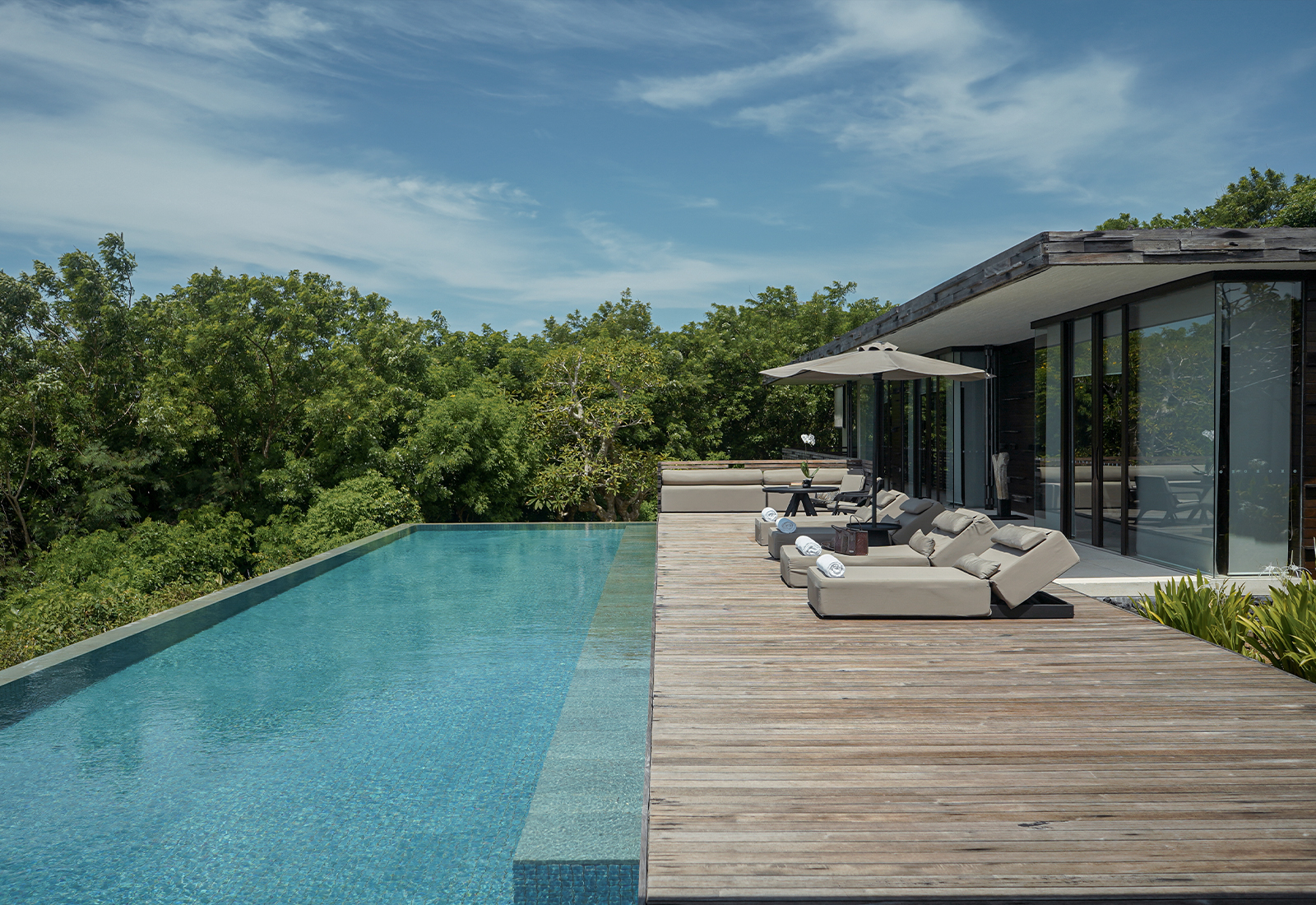
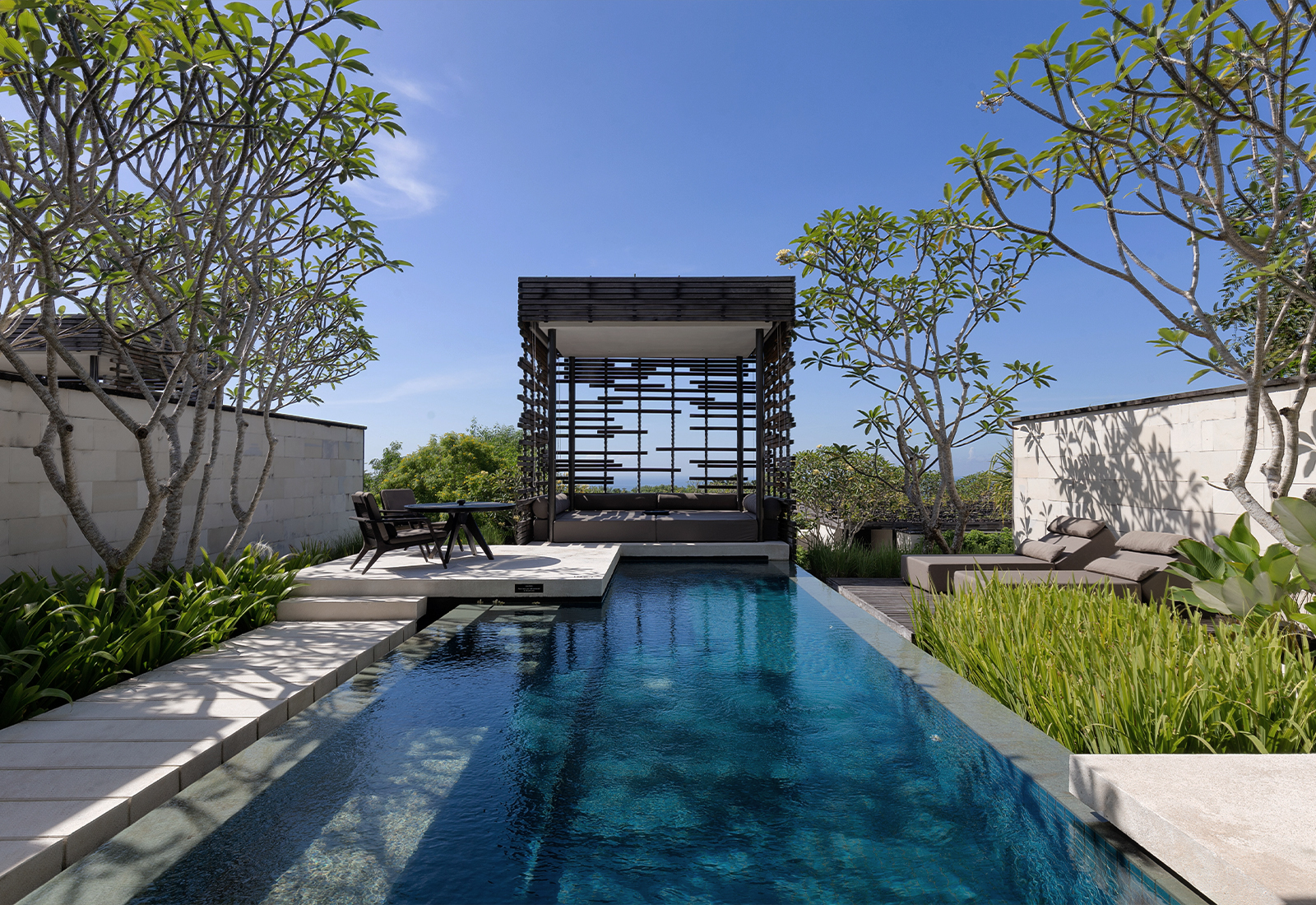
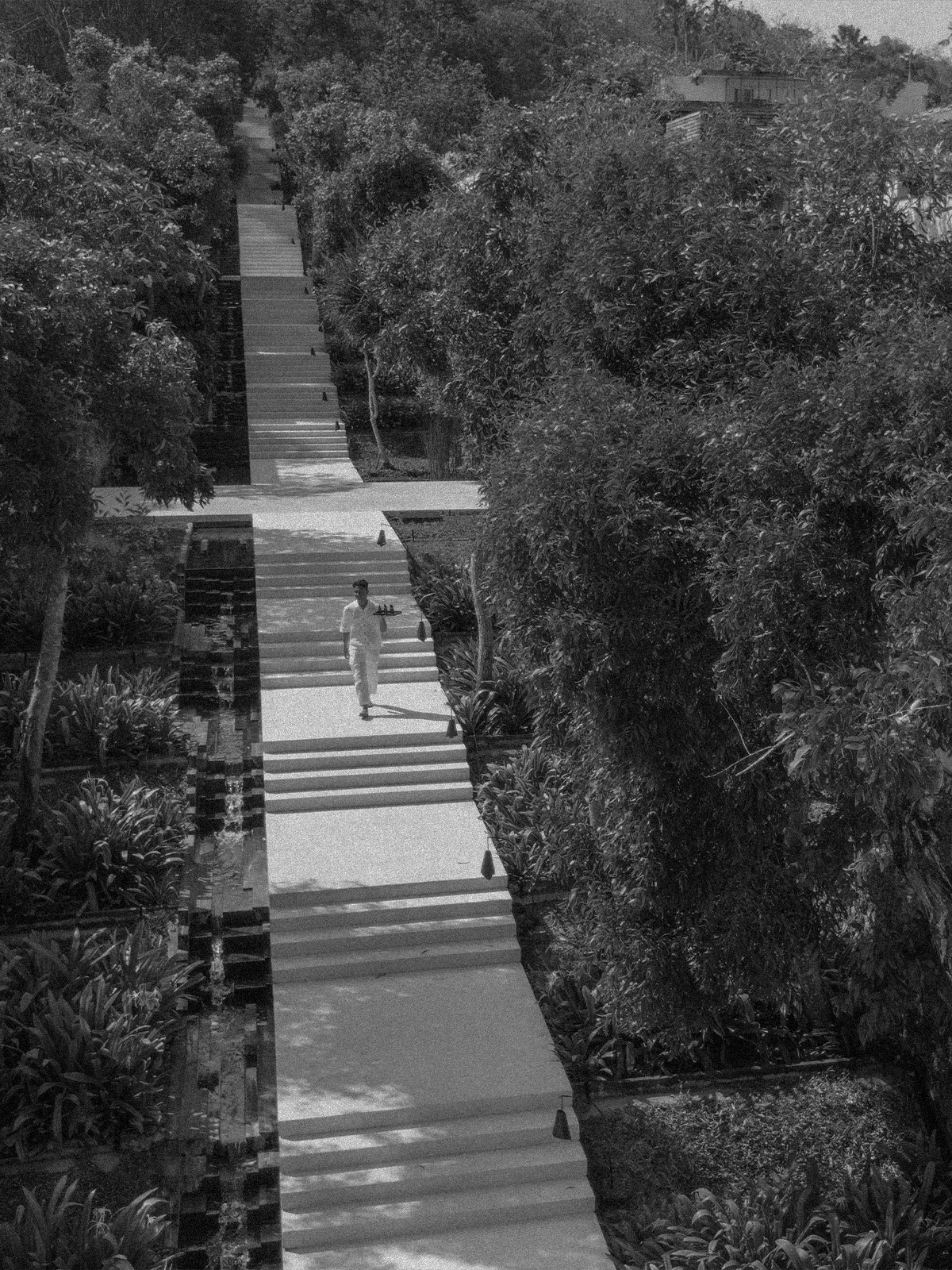
When WOHA Architects began designing Alila Villas Uluwatu in the mid-2000s, the brief was unusual for the luxury hotel industry: build a resort that belongs to its landscape rather than competing with it. The result, which opened in 2010, was a property unlike anything Bali had seen. Terraced planes inspired by the island's ancient rice fields. Architecture that followed the natural contours of the clifftop plateau. Gardens designed to protect rather than replace the native Uluwatu savannah ecosystem. Before its first guest arrived, the resort had already received EarthCheck certification for sustainable planning and design, the first of its kind ever awarded to a resort in Indonesia.
THE ARCHITECTURE
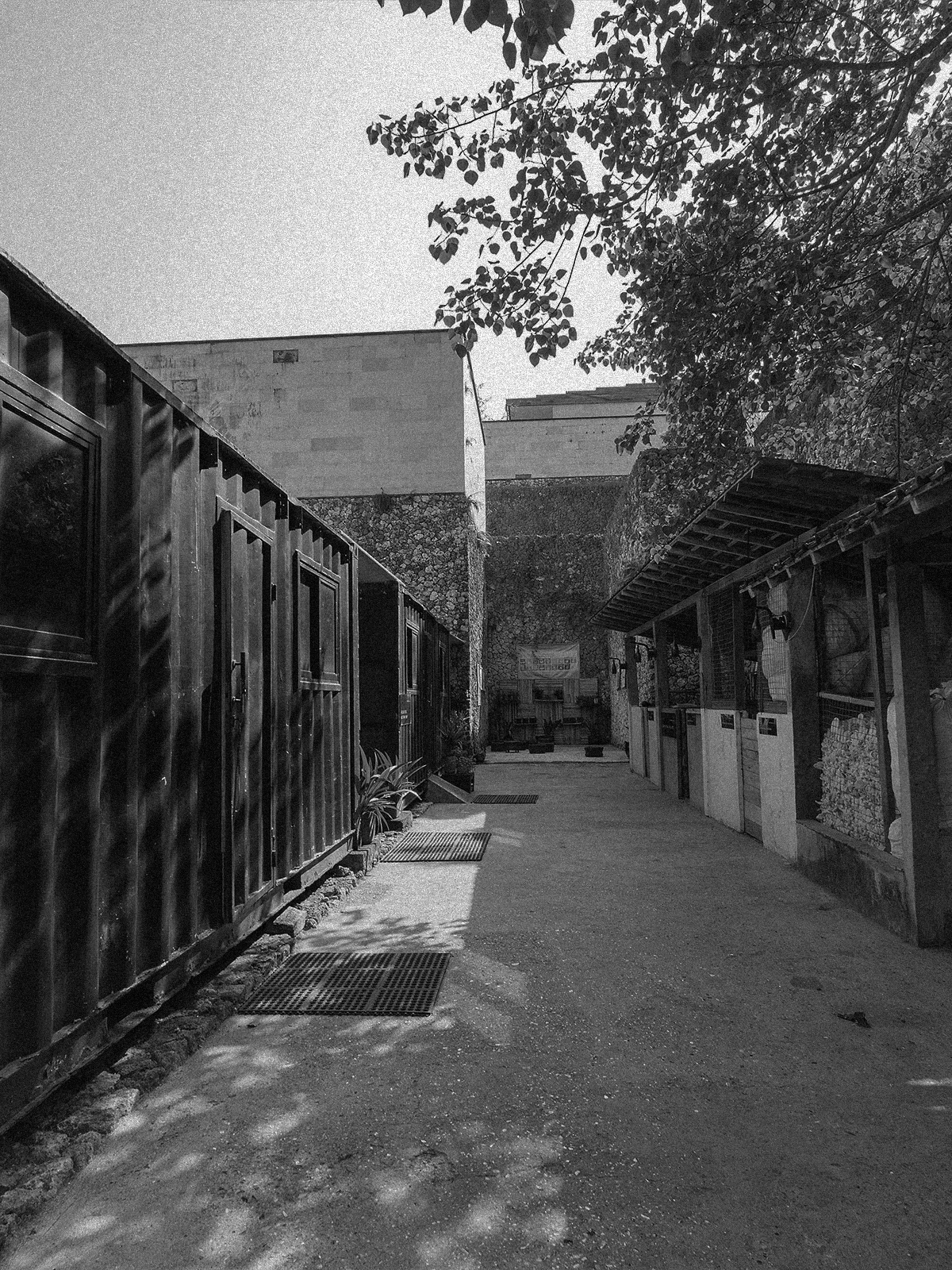
Every material decision at Alila Villas Uluwatu was made in honest dialogue with the local environment. The resort's walls are constructed from batu palimanan stone from Yogyakarta. Bamboo ceilings and rattan interiors are locally sourced and crafted in Bali. Flat volcanic lava rock roofs absorb heat naturally, eliminating the need for additional insulation. Hand-cut limestone from the site itself forms the garden walls. Wood throughout the property is recycled from railway sleepers and telephone poles. Strategic window placement across all 65 villas was calculated to maximise natural ventilation and minimise dependence on air conditioning. Nothing was imported when a local or reclaimed alternative of equal quality existed anywhere in the archipelago.
THE LEGACY
More than fifteen years after opening, Alila Villas Uluwatu now holds EarthCheck Platinum status, the highest certification available in the global hospitality industry. Today part of Hyatt's Alila brand, the property has never required reinvention because the founding idea was right from the beginning: that exceptional design and genuine environmental responsibility are not in tension but the same pursuit. Every new initiative, from the Sustainability Lab to the working farm to the community employment programme, is an expression of that original conviction rather than a departure from it.


MEET VINCENT DURIER
"True luxury today is not about excess.
It is about quality, longevity, authenticity,
and thoughtful choices."
Vincent Durier arrived at Alila Villas Uluwatu after two decades leading exceptional properties across Bora Bora, Hong Kong, the Maldives, and Phuket. A Gascon by upbringing, an epicurean by instinct, and a hotelier by deep vocation, he leads with the kind of humility that only comes from having seen what greatness looks like from the inside. As a child he wanted to be a baker like his grandfather. As a young man he discovered in a waiter's internship that hospitality was really about human connection.
What he found at Alila Villas Uluwatu was a property with a soul already fully formed, asking only to be protected and deepened. Before he changes anything, he listens. It is, he says, the only honest way to lead a place whose soul was built before you arrived.


WATER
The resort's approach to water begins before a single tap is turned on. A rainwater catchment system with soak-away tanks collects and stores water across the entire property, feeding a recyclable grey water system that directs used water through reverse osmosis tanks for full reuse throughout the resort. Landscaping across the 14.4-hectare property relies almost entirely on native Uluwatu savannah species, chosen specifically for their ability to thrive without irrigation while actively reducing water wastage at every point across the grounds.
ENERGY
Every one of the resort's 65 villas was conceived as a passive energy system long before the term became fashionable. Flat volcanic lava rock roofs absorb ambient heat throughout the day, significantly reducing the thermal load on each structure without mechanical intervention. Bamboo ceilings draw warm air upward and encourage natural circulation through the open-plan living spaces. Window placement across every villa was calculated precisely during the original design process to harness the prevailing coastal breeze and eliminate the need for constant artificial cooling and lighting.
MATERIALS
The material palette of Alila Villas Uluwatu reads as a map of the Indonesian archipelago. Walls are constructed from batu palimanan stone sourced from Yogyakarta. Bamboo ceilings and rattan interiors are locally sourced and hand-crafted by Balinese artisans. Volcanic lava rock harvested directly from the Uluwatu landscape forms the resort's distinctive villa roofs. Garden walls are built from limestone cut from the site itself during the original construction. Structural wood throughout the property, from walkways to bridges, is reclaimed from decommissioned railway sleepers and telephone poles, giving purposeful second life to materials that would otherwise have been discarded.
CIRCULAR SYSTEMS
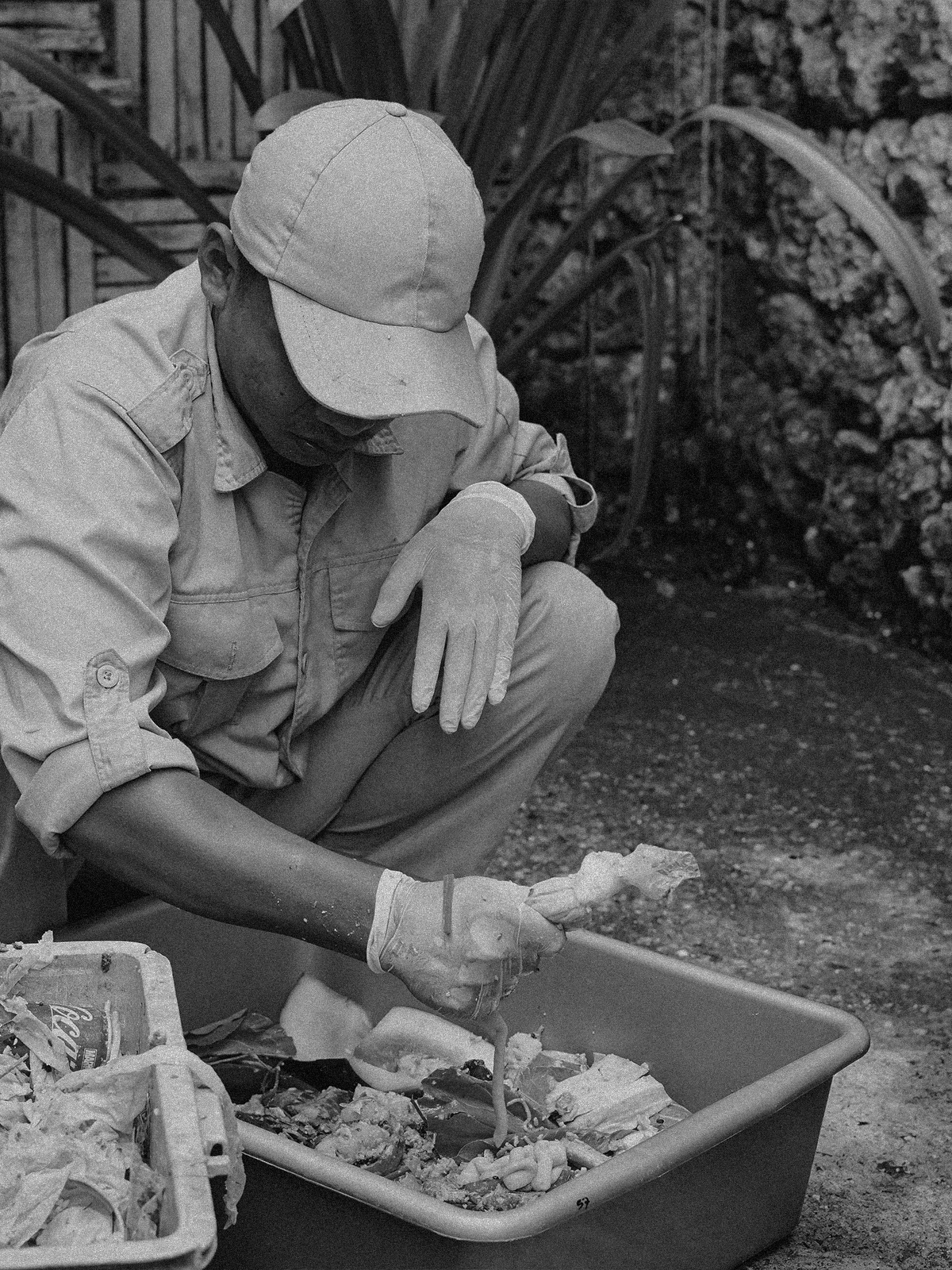
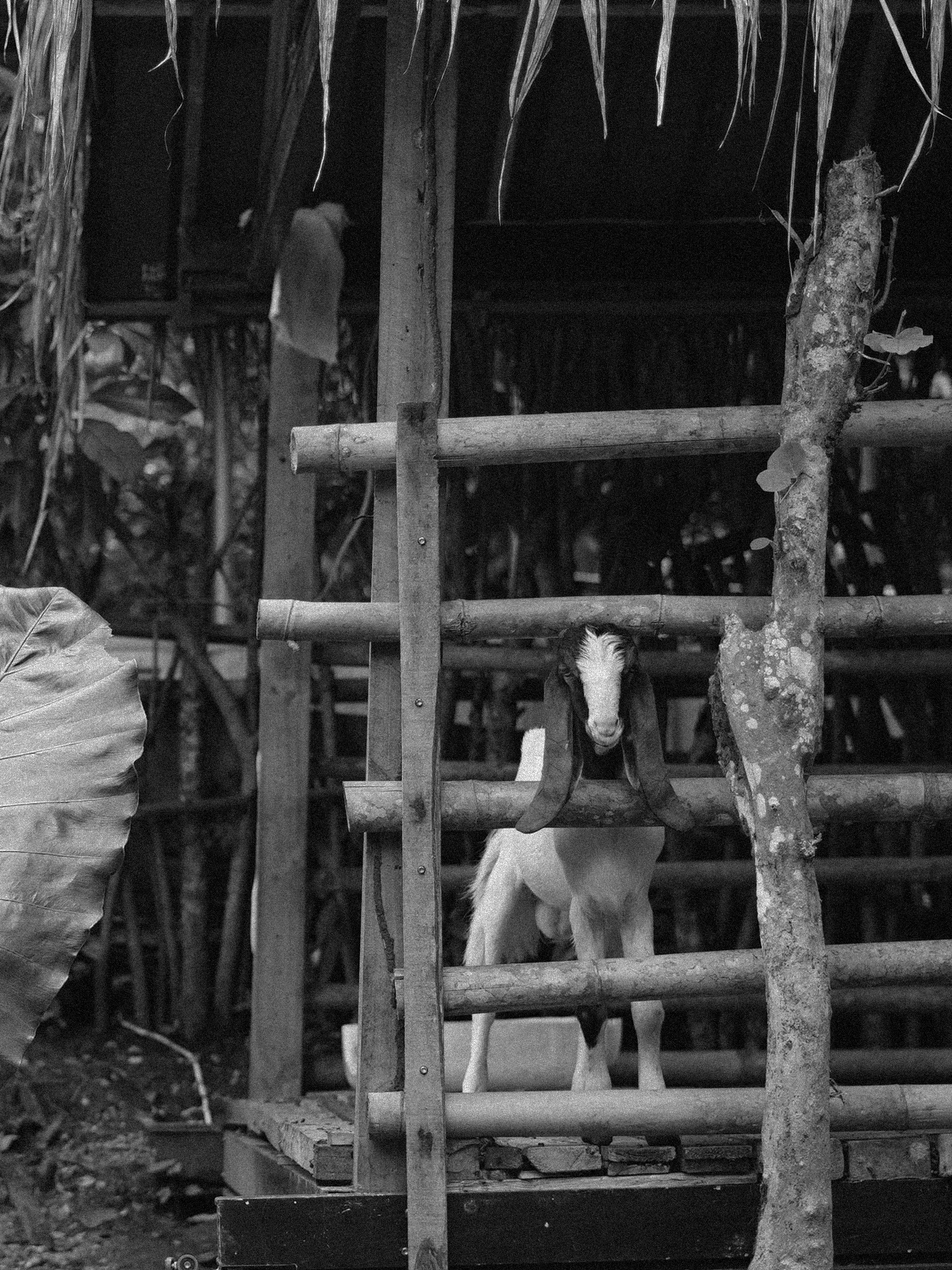
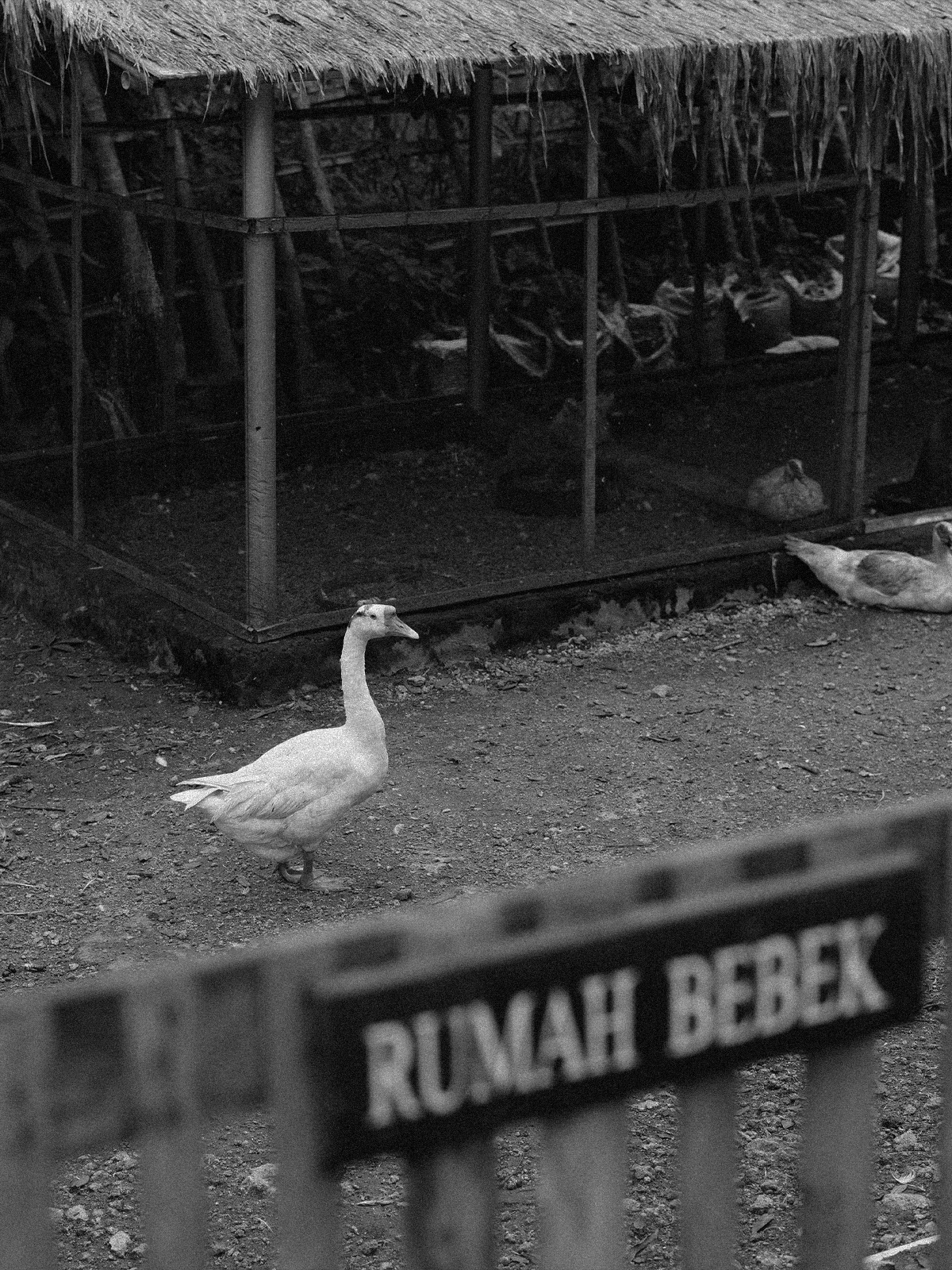
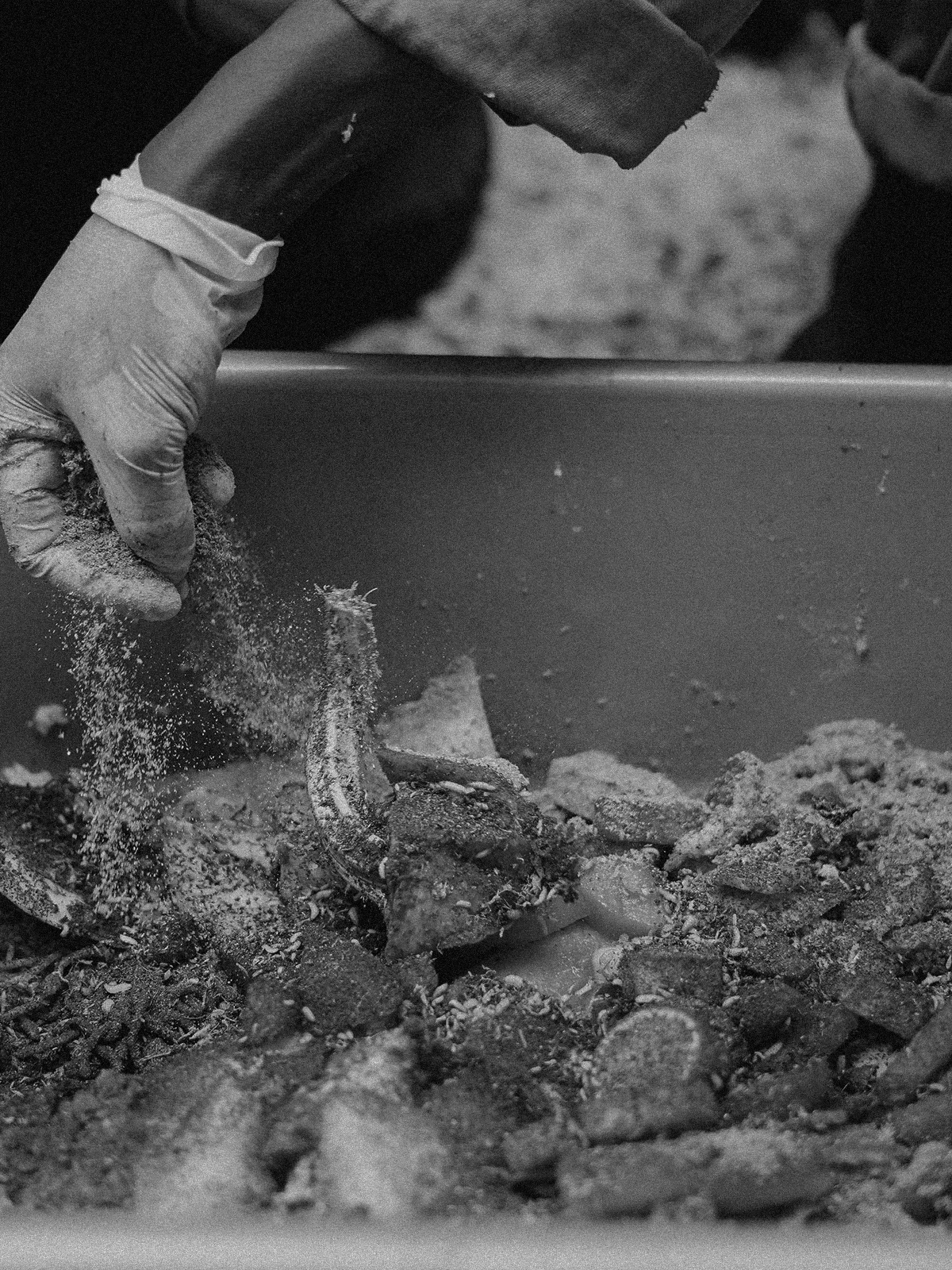
At the heart of Alila's daily operations is a dedicated on-site Sustainability Lab where waste is treated not as an endpoint but as a resource in its own right. Through proven mechanical and biological processes, organic waste is transformed into nutrient-rich compost that feeds the resort's organic gardens. Glass is recycled on-site through an active programme rather than sent off-property. A dedicated upcycling workshop operates alongside the lab, giving materials a second life through creative reuse rather than disposal. The entire system operates in close daily connection with Uma Bukit Farm, creating a fully integrated circular cycle from kitchen to compost to cultivation and back to the table — closed, continuous, and completely on-site.
BIODIVERSITY
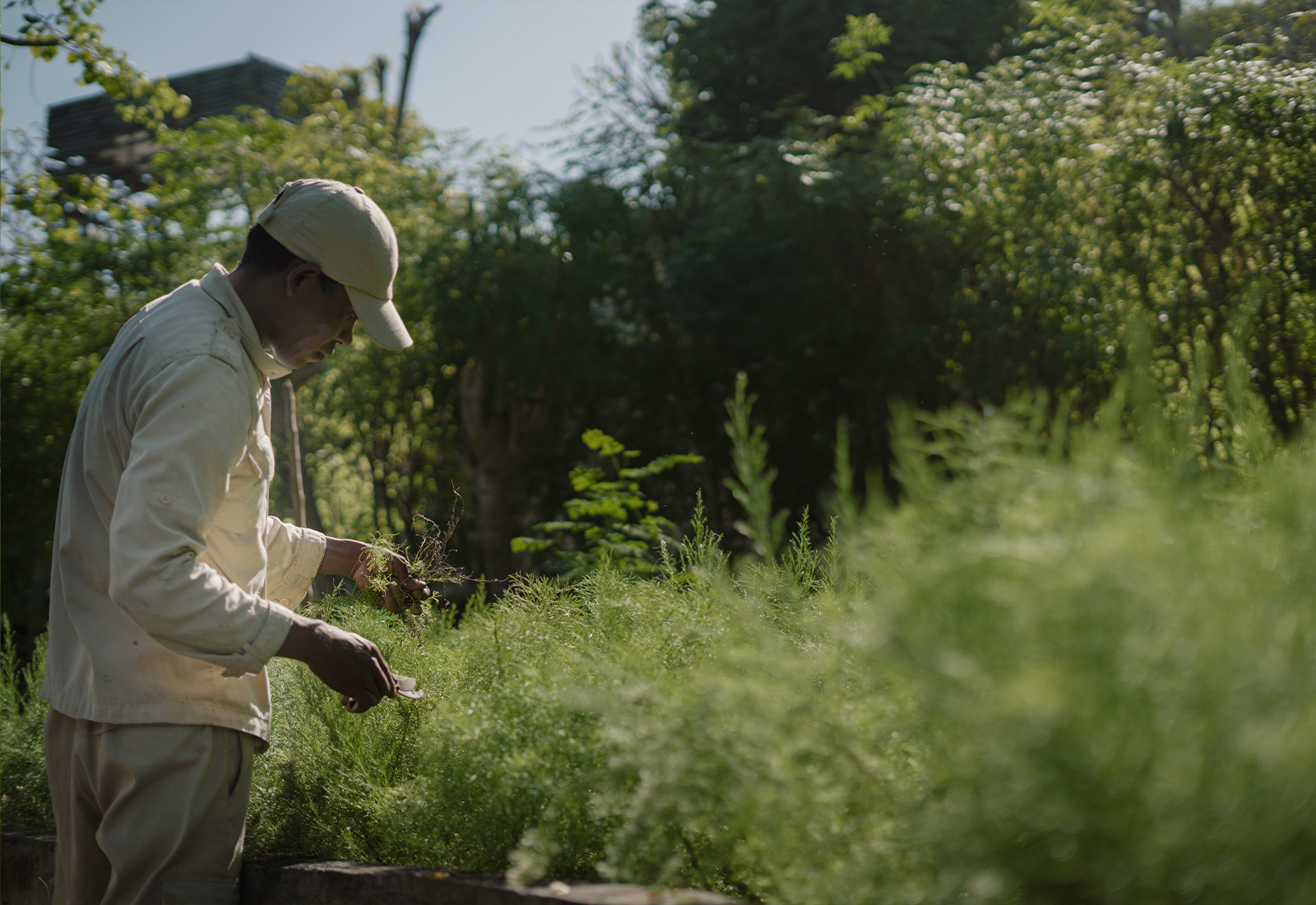
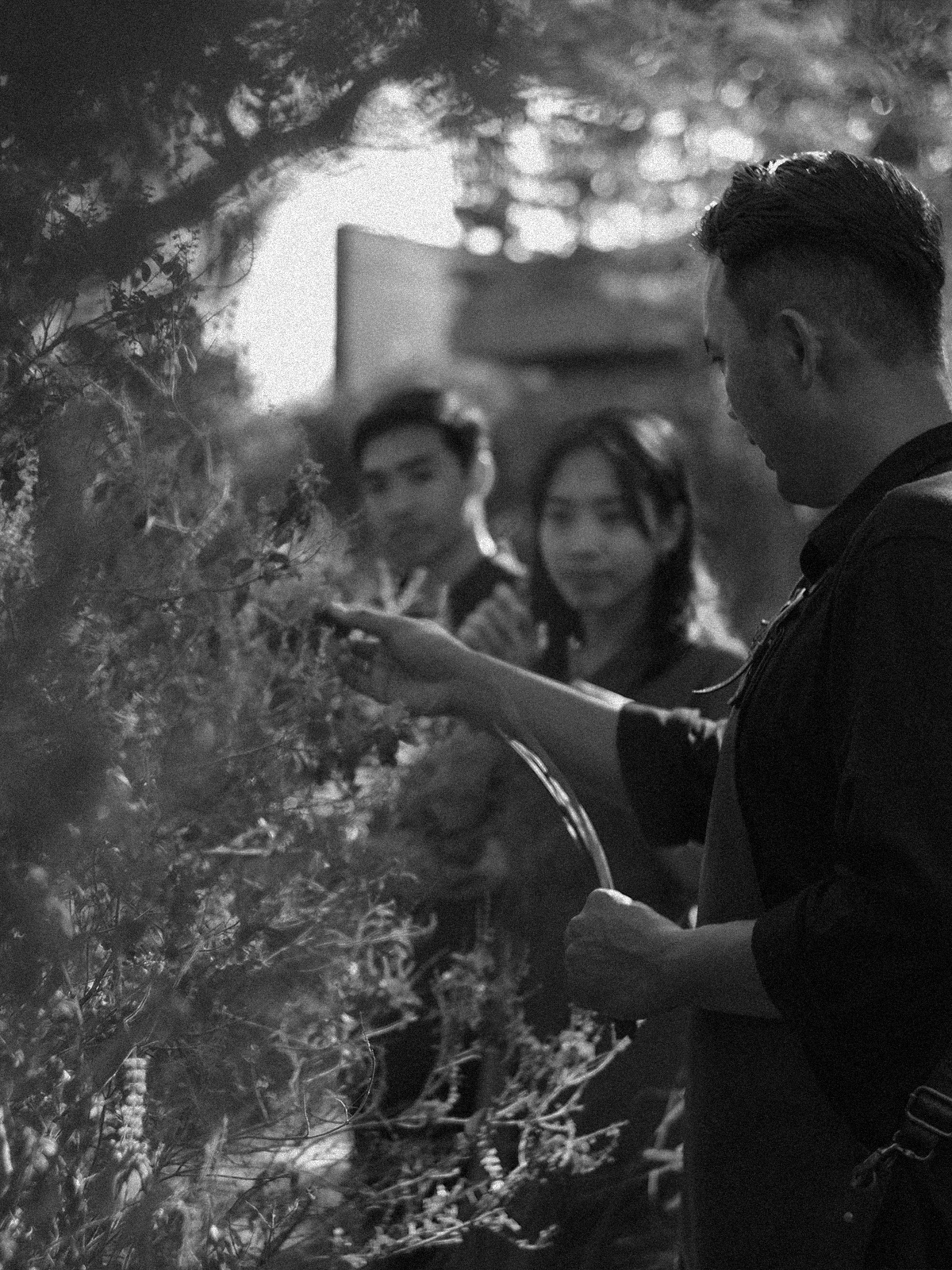
Alila Villas Uluwatu's landscaping and architectural forms were derived directly from the local Bali savannah environment, designed to exist within rather than impose upon the wild and seasonal surroundings of the Bukit peninsula. Local plants from the Uluwatu Bali savannah ecosystem are propagated in a dedicated on-site nursery and used throughout the resort's grounds, actively encouraging the return and continued presence of native bird and animal species. The resort's terraced architectural planes, directly inspired by Bali's ancient rocky terrace fields and lush gulleys, protect cool shaded gardens below and create natural micro-habitats within the property itself.
COMMUNITY
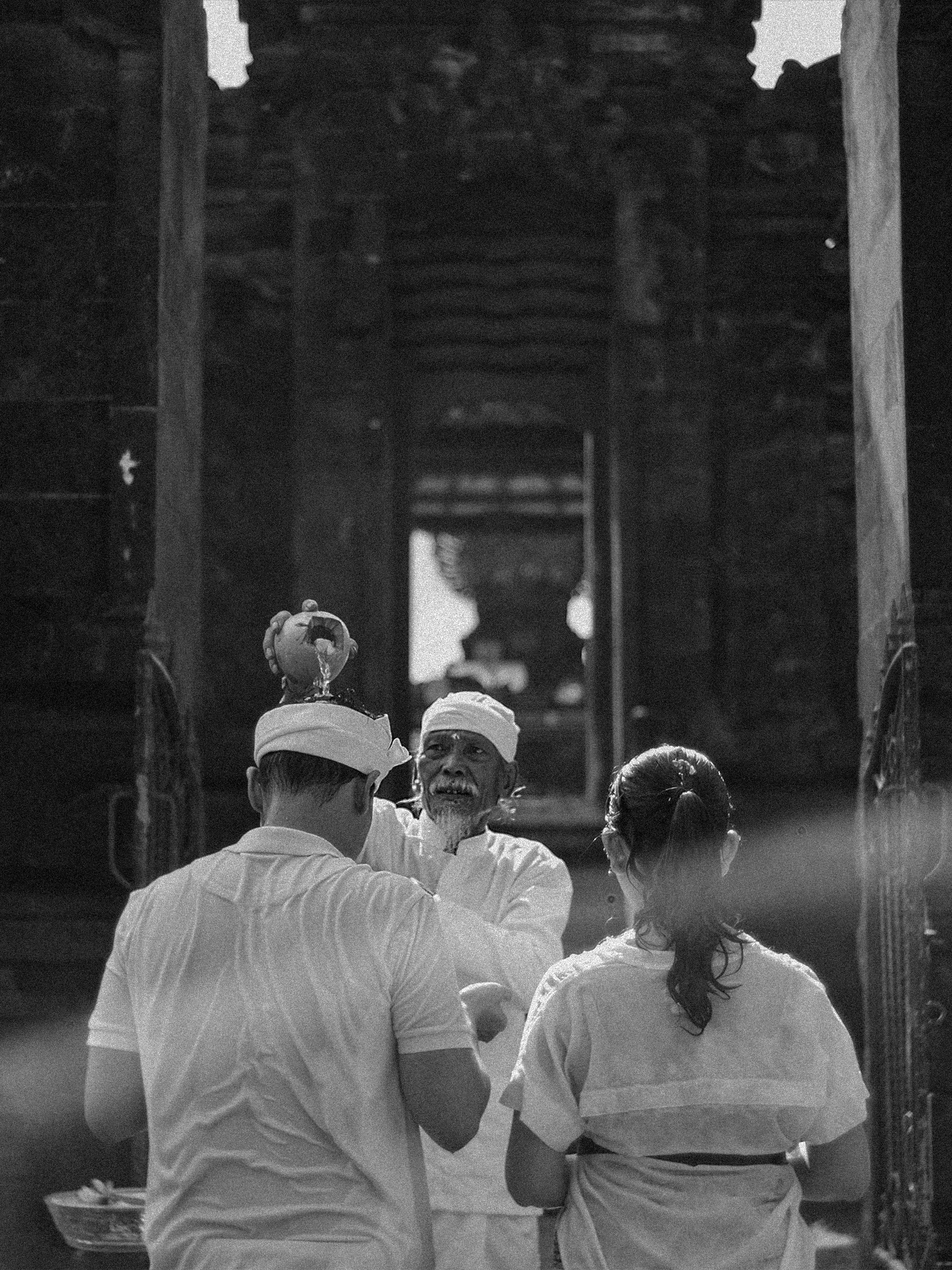
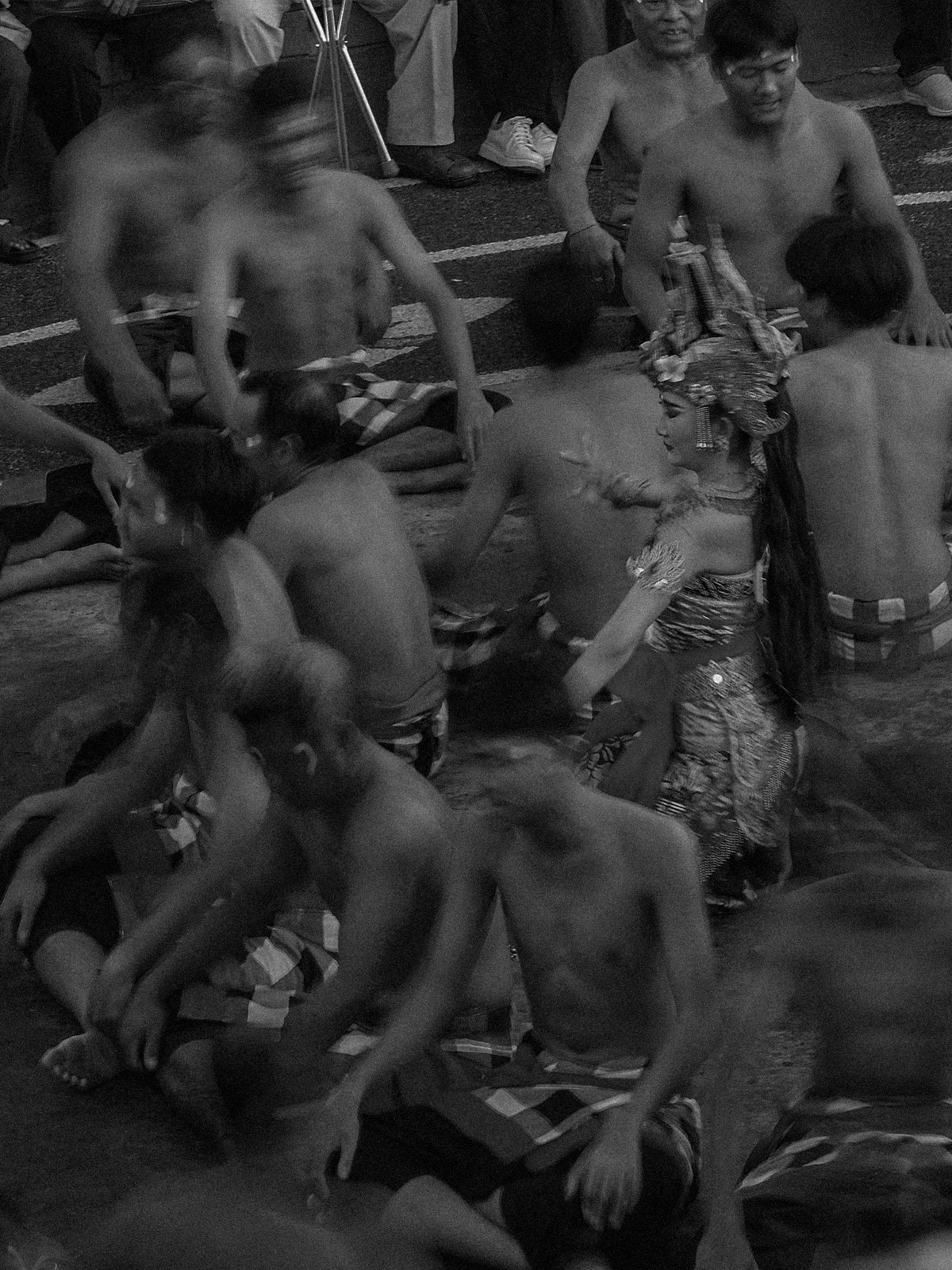
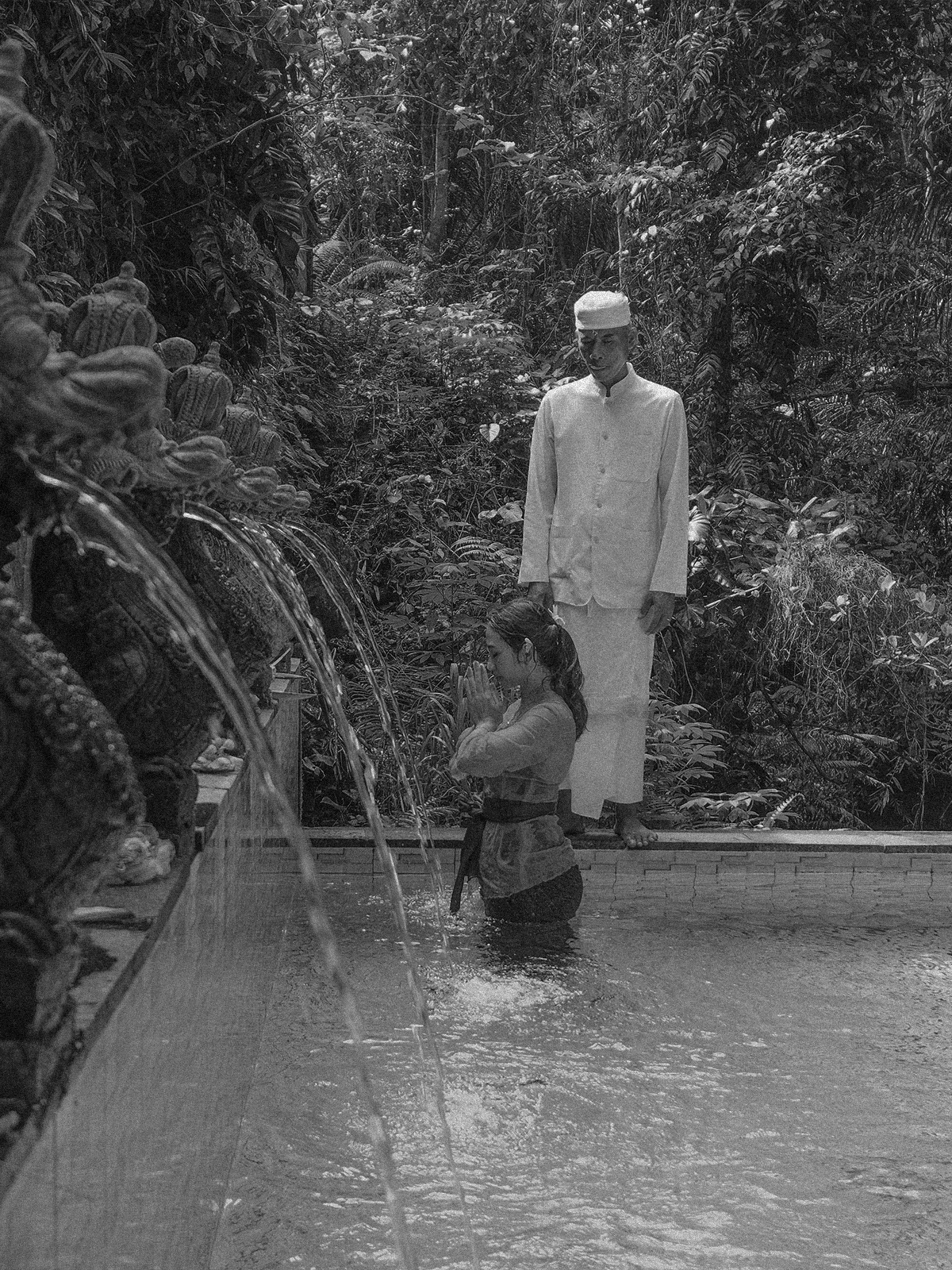
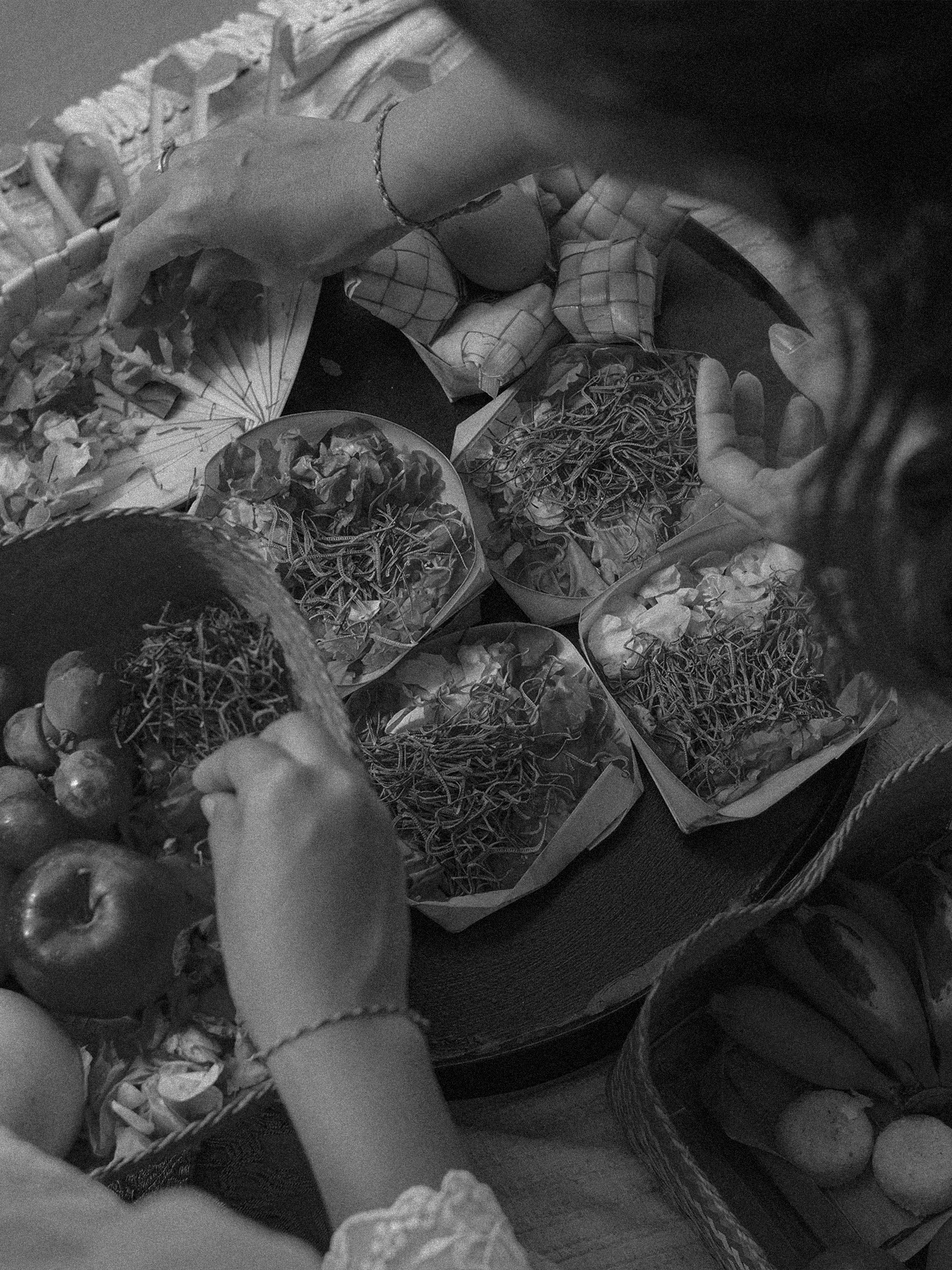
More than 40 percent of the Alila Villas Uluwatu team are drawn from the local Uluwatu community, a deliberate and sustained employment commitment that shapes the guest experience in ways that no training programme can manufacture. Team members who grew up in the surrounding villages carry with them a living fluency in local ceremonies, sacred traditions, seasonal rhythms, and cultural customs that transforms every interaction throughout a guest's stay. Cultural experiences offered by the resort, from temple visits to Balinese dance lessons to time spent with local artisans, are led by people with genuine personal connections to the traditions they are sharing, ensuring that every encounter remains authentic rather than performed.