

UNCOVERED SERIES • SINGAPORE
Capella Singapore:
A Conversation
Between Time &
Tranquility
Reviewed by Audrey Petrelluzzi
Photography by Capella Singapore
Long before Capella Singapore became a sanctuary of calm, this hillside was part of Singapore’s colonial defense network. The two Tanah Merah bungalows at its heart once housed British Royal Artillery officers and their families–known then as Blocks 48–51 Ironside Road.
These quarters overlooked Keppel Harbour, a strategic post guarding the Strait of Malacca. During World War II, as Japanese forces advanced, legend says silverware from the officers’ mess was buried on the lawn to keep it from capture. Today, the same verandahs that once echoed with military formality open instead to silence, banyan shade, and the sound of peacocks crossing the lawn–a reminder of how history can soften, but never quite disappear.
THE BACKSTORY
Set on 30 acres of tropical hillside on Sentosa Island, Capella Singapore feels both suspended and grounded: a sanctuary where colonial legacies meet contemporary calm. Since opening in March 2009, this celebrated resort has stood as a conversation between the 19th and 21st centuries: between heritage and modernity, between silence and spectacle.
At its core are two Tanah Merah colonial bungalows from the 1880s, once the officers’ quarters and mess halls of the British Royal Artillery. These buildings formed part of Singapore’s southern coastal defense network, a strategic outpost that watched over Keppel Harbour and the Malacca Strait. Officers lived and entertained here, their verandahs open to sea winds and protocol, their evenings marked by the sounds of clinking glassware and colonial life.
The bungalows were home to British officers and their families until the 1950s. During World War II, when Sentosa was still called Pulau Blakang Mati, these structures bore witness to Singapore’s darkest hours. As legend tells it, silverware from the officers’ mess was buried on the lawn before the Japanese invasion–a small act of preservation amid chaos.
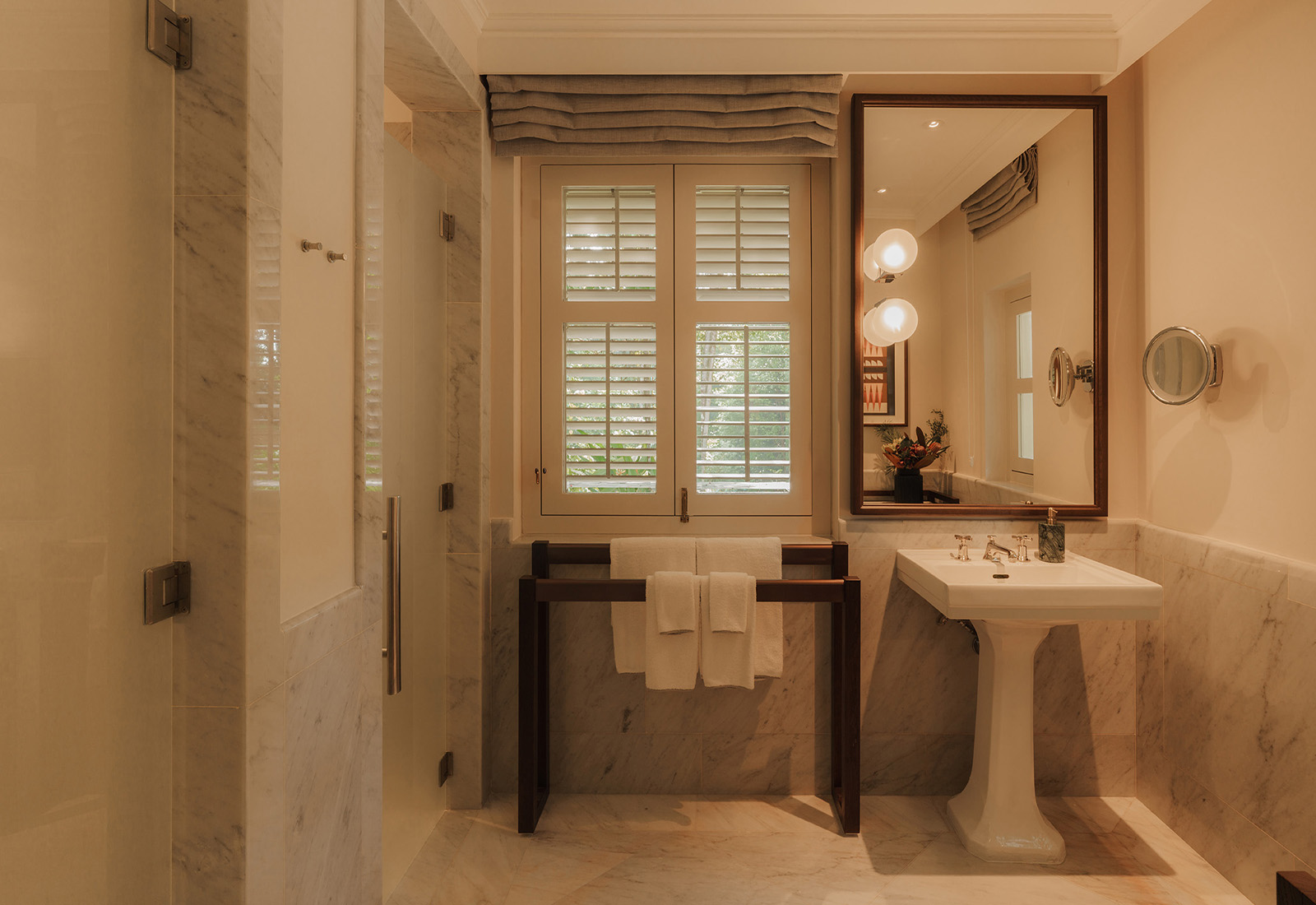
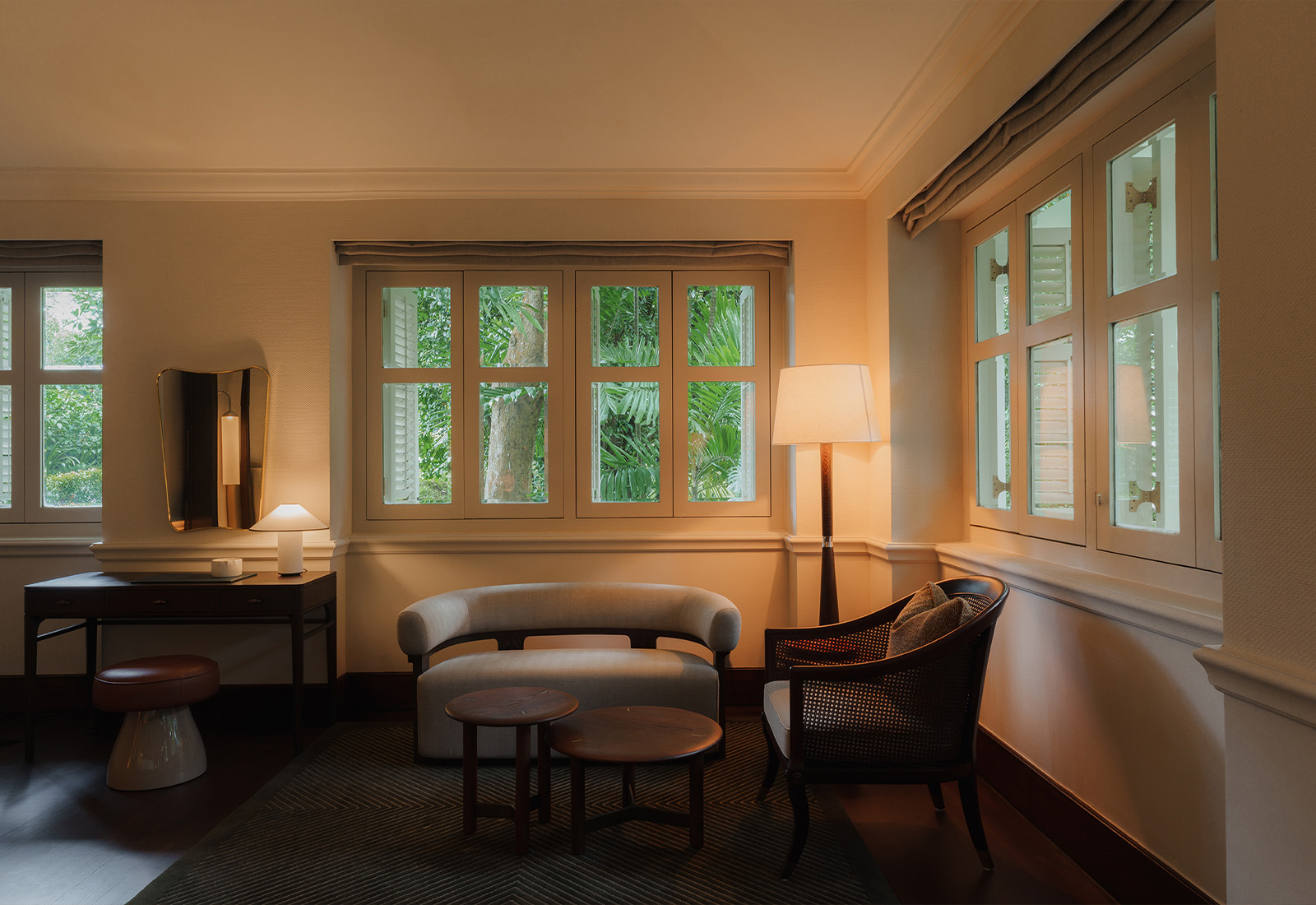
Their whitewashed arches, red-terracotta roofs, and deep verandahs are tropical-colonial architecture at its most graceful, designed for shade, breeze, and ceremony. Rather than erase their past, Capella Singapore restored these bungalows, allowing history to breathe within walls once built for command.
“At Capella Singapore, we see our heritage as the foundation of our identity,” shares Paul Jackson, General Manager. “The two colonial bungalows are not just architectural landmarks; they pay homage to the history of Singapore and Sentosa Island. Preserving this history guides everything we do, from conservation of the façade to integrating local culture through Capella Curates, experiences that immerse our guests in heritage and place.”

Developed by Pontiac Land, the resort was designed by Foster + Partners and later refined by André Fu Studio, following the original interiors by Jaya Ibrahim. The result is an interplay of restored colonial geometry and contemporary curves–a design that holds the weight of memory and the ease of modern life.
When I arrived, the first thing that struck me was the quiet, a kind of cultivated stillness rare in Singapore. The drive up the hill, surrounded by banyan trees and the scent of rain, built a sense of anticipation. Stepping into the lobby, I felt the past settle softly around me. It wasn’t nostalgia; it was continuity, handled with the grace of a swan.
In 2018, Capella hosted the historic U.S.–North Korea Summit, an event that placed the resort firmly on the world stage. Yet its greatest achievement remains quieter–its ability to make guests feel that time, somehow, slows down here.
DESIGN & ATMOSPHERE
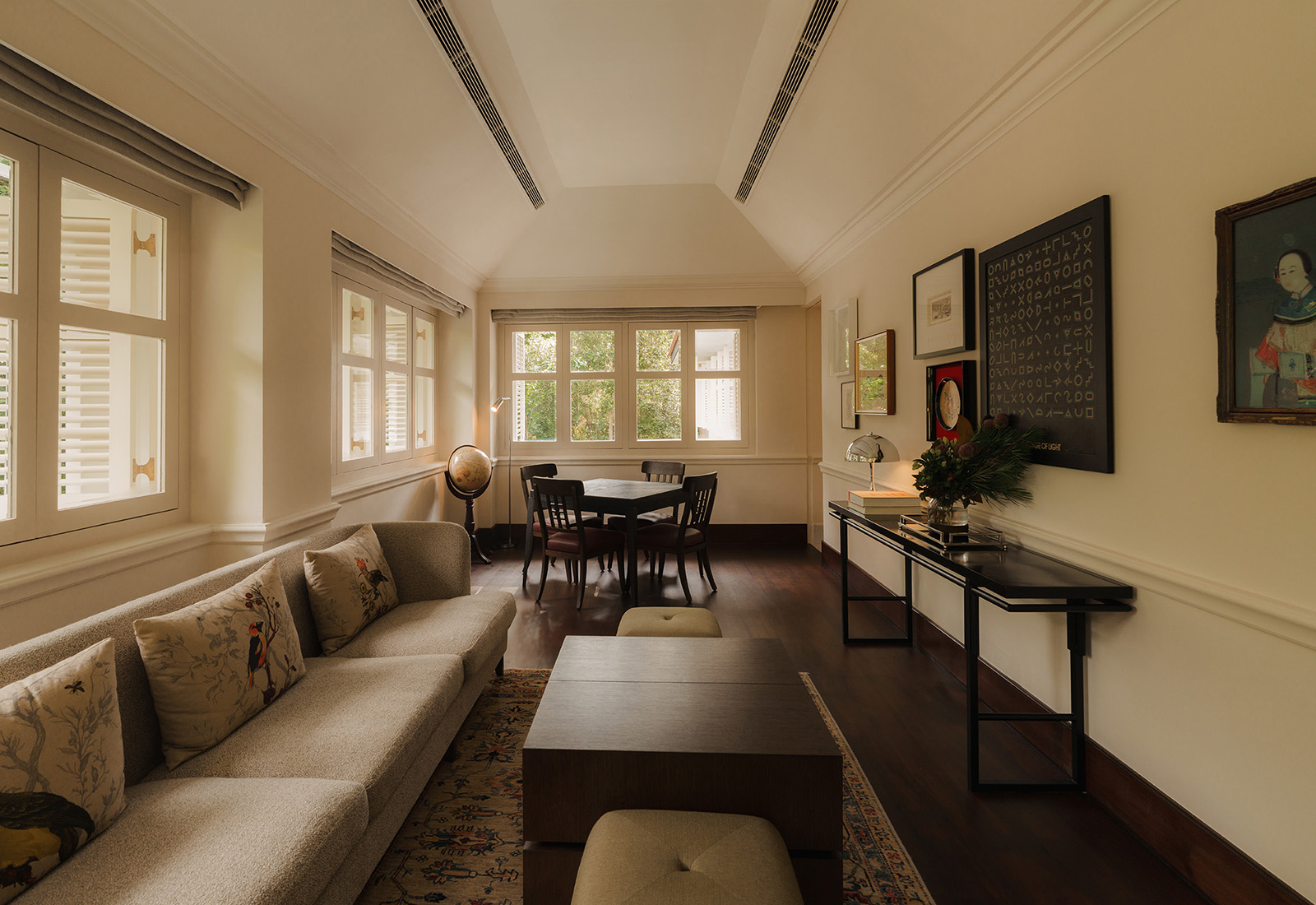
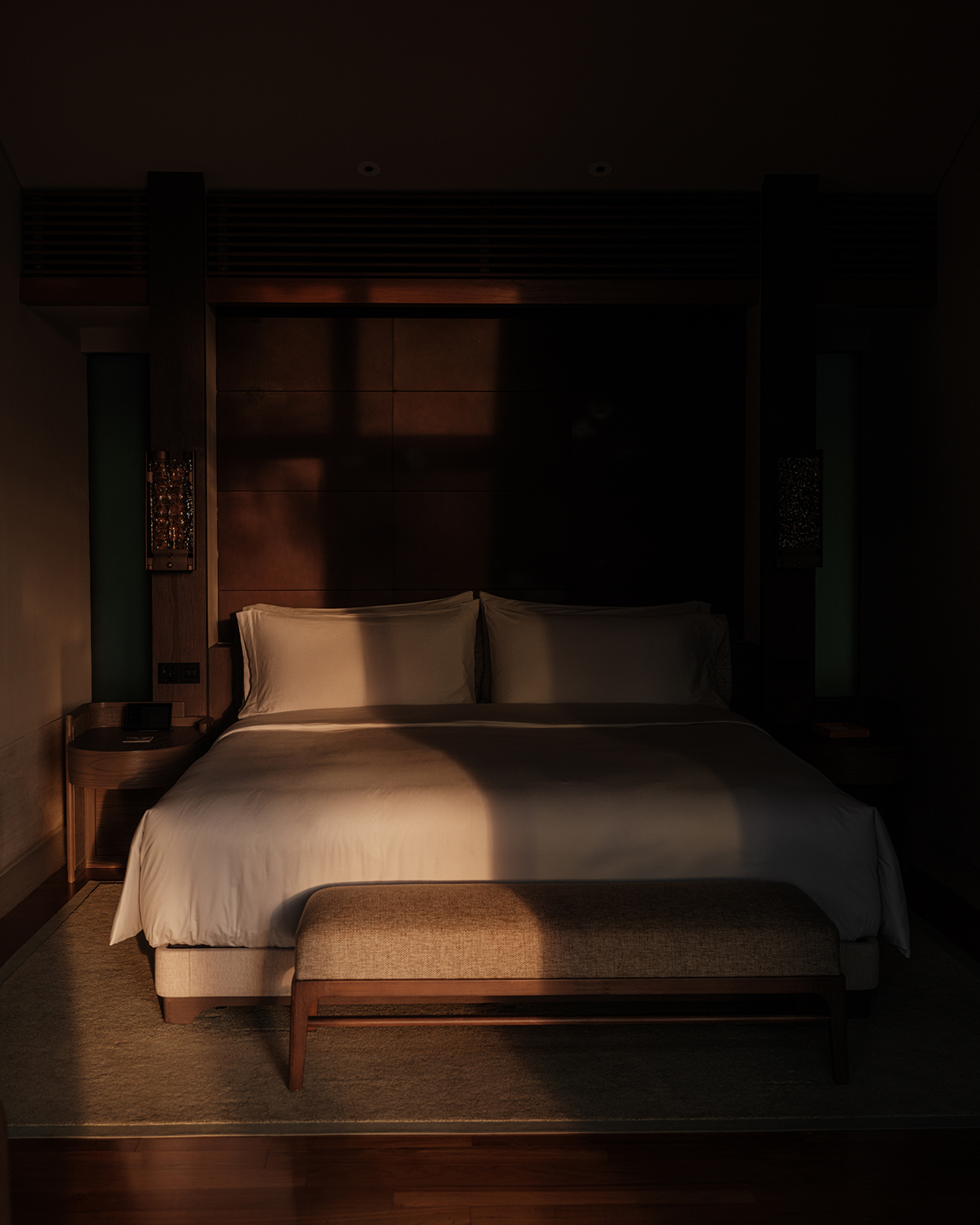
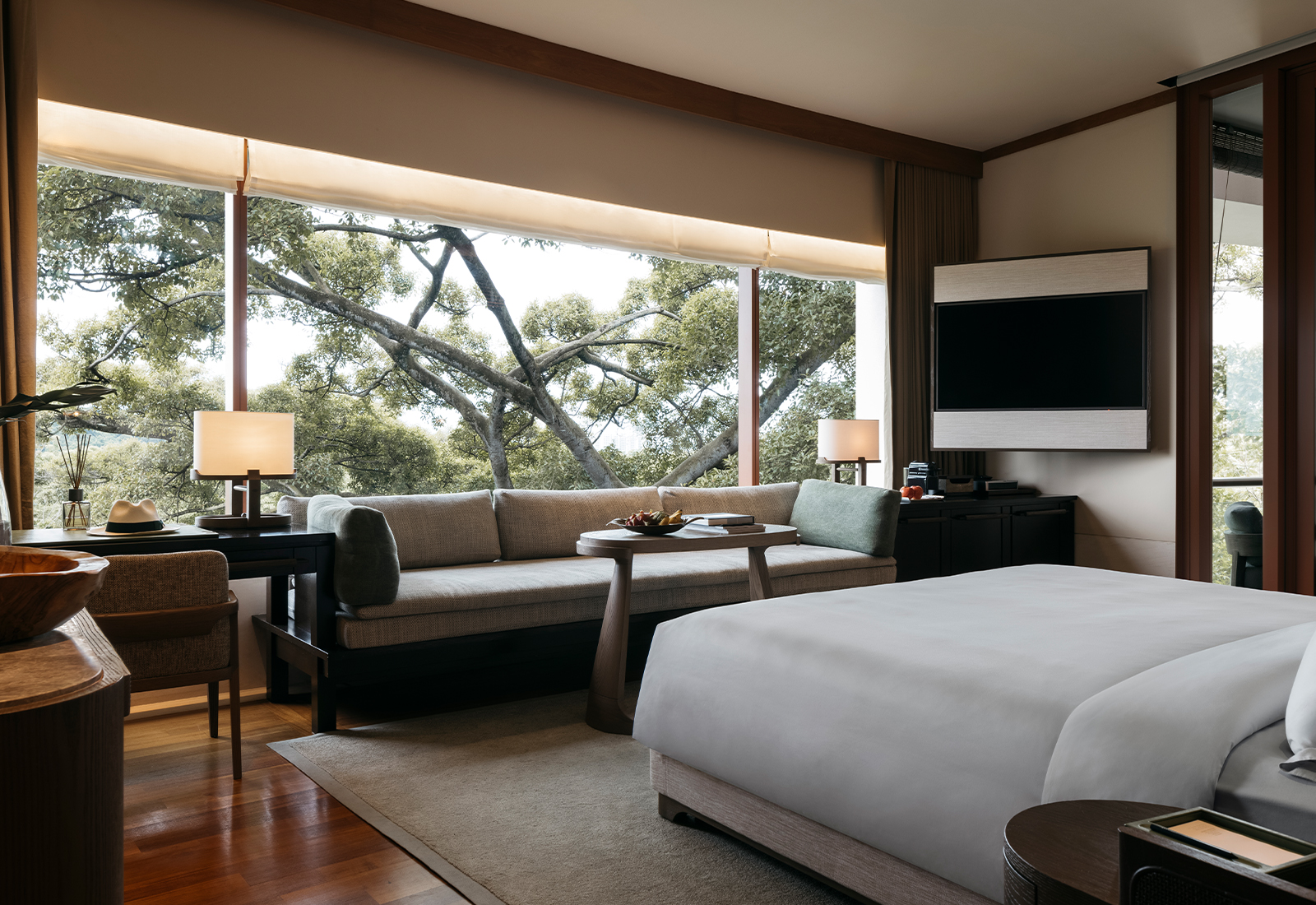
Capella Singapore unfolds through 112 rooms, suites, villas, and manors, each balancing openness with intimacy. The Premier Rooms open to garden and sea views, while the Villas offer private plunge pools surrounded by tropical green. The Colonial Manors, meticulously restored from the original 19th-century buildings, stand as luxurious private residences filled with story and character–where once officers dined and strategized, guests now linger over morning coffee or evening champagne.
“The design of Capella Singapore is, in many ways, a dialogue between past and present,” Jackson reflects. “The heritage bungalows embody tradition and history, while the modern architectural curves introduce fluidity and luxury. This interplay defines who we are–a sanctuary that respects its roots while embracing innovation.”
Even the soil tells a story. Tanah Merah, meaning “red earth” in Malay, inspired the property’s identity. “Lord Norman Foster designed the resort to sit in harmony with nature,” says Jackson. “We want guests to experience a stay that feels not only luxurious but also authentic, purposeful, and rooted in our heritage.”
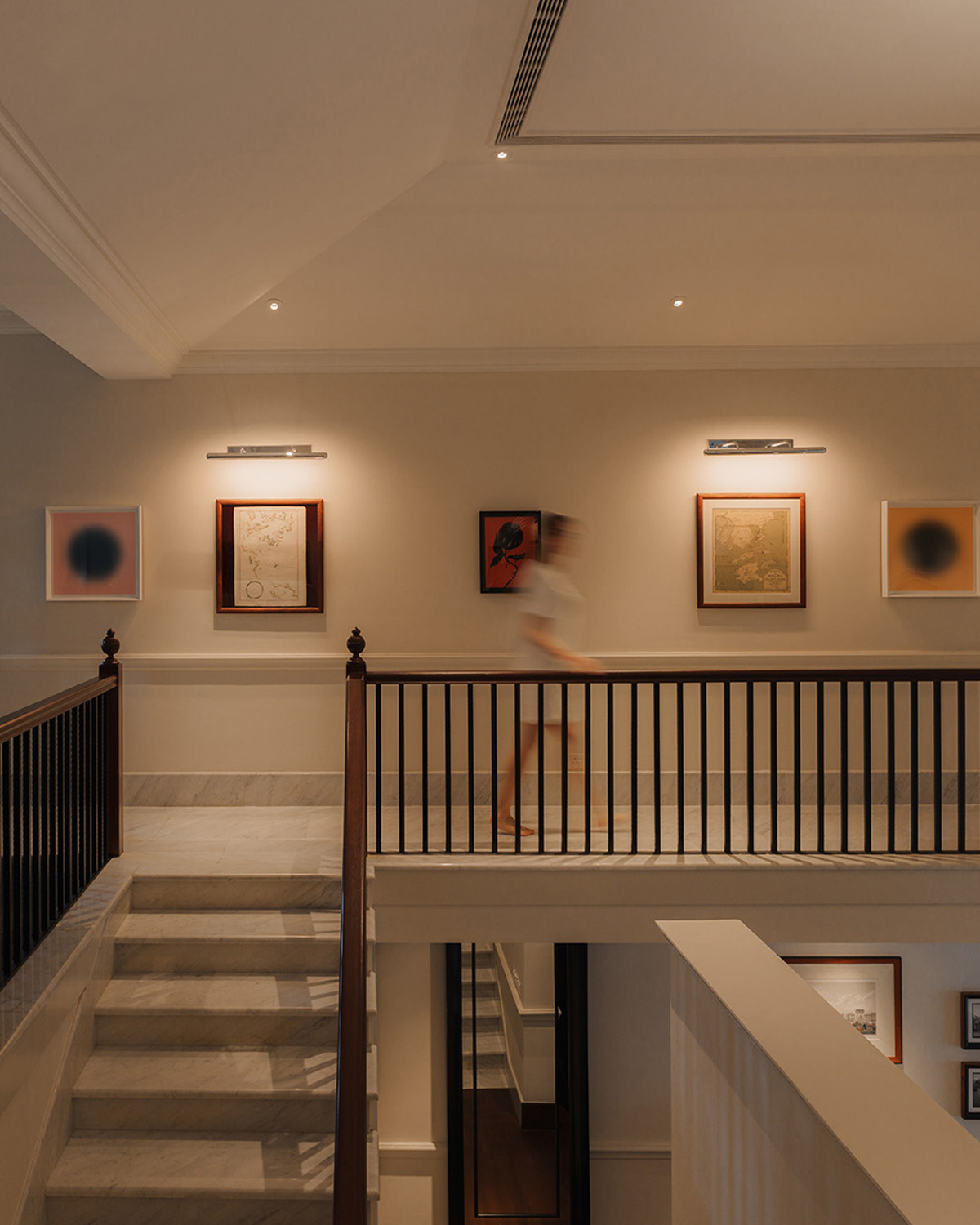
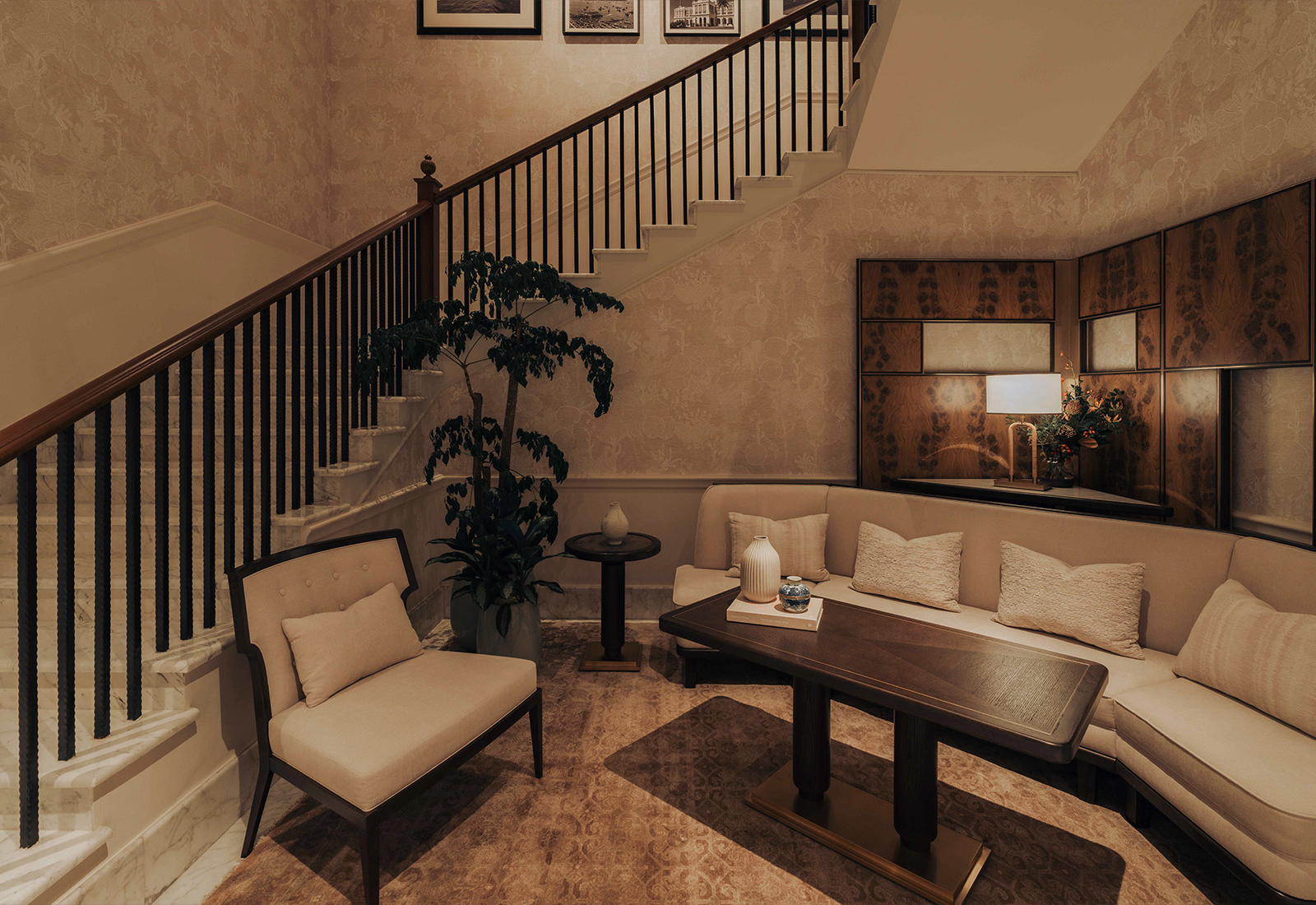
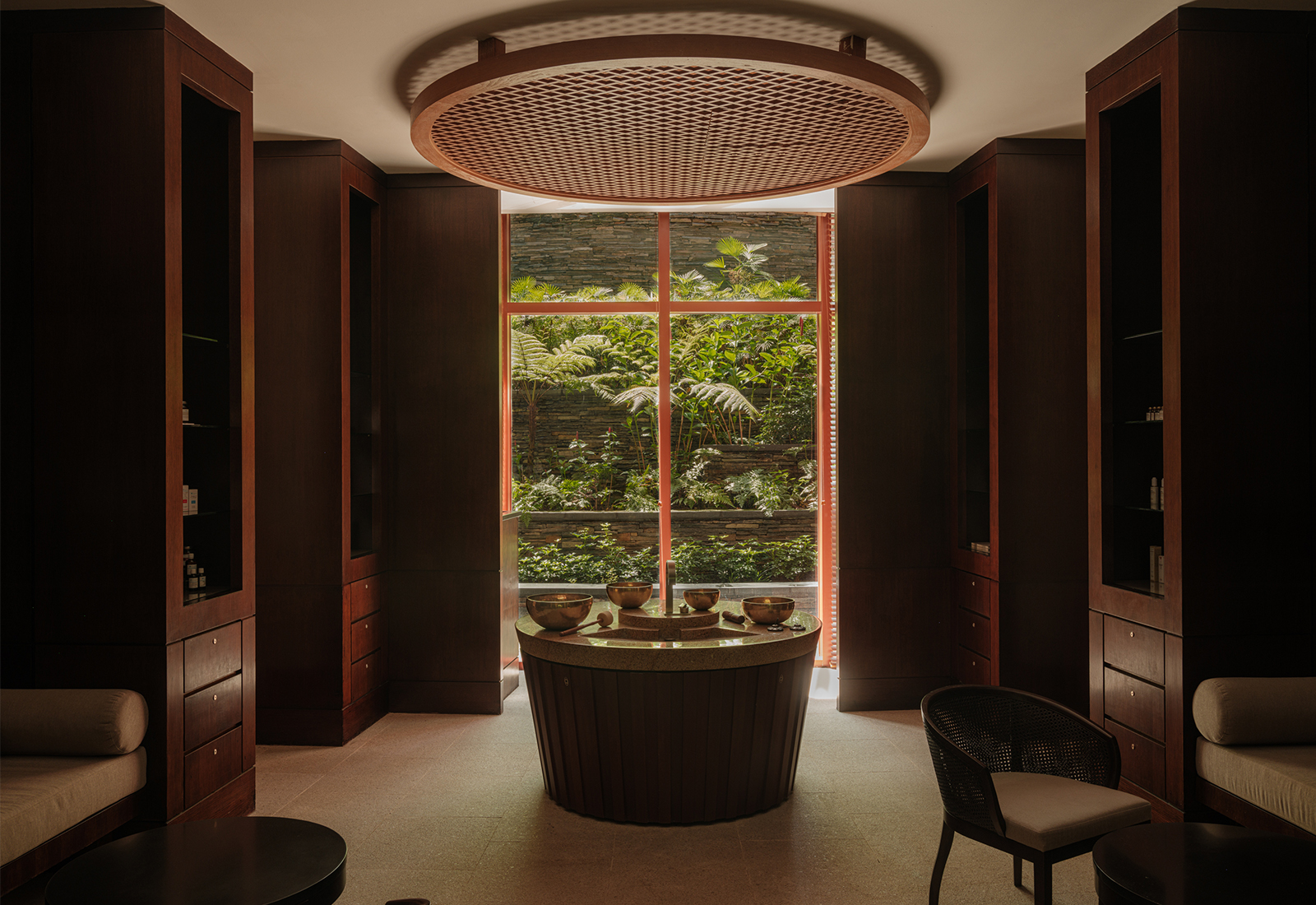
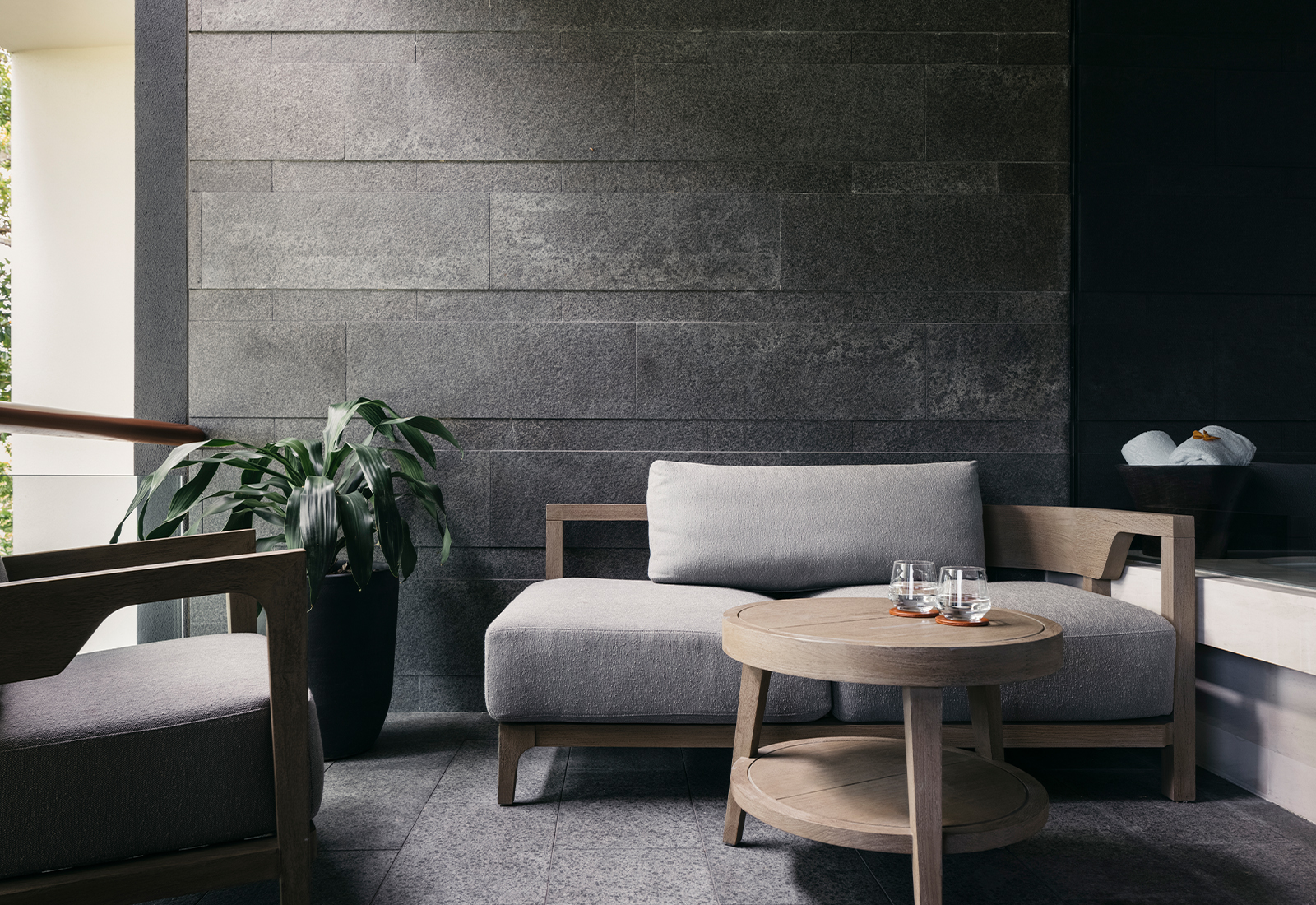
Walking through the property, I noticed how each curve, each turn of the corridor, seemed to frame nature rather than hide it. Light filtered through wide windows onto terracotta floors, the air still carrying the warmth of the afternoon. The space feels designed to make you slow down: to listen, to look, to breathe. From the balcony of the main building, sipping tea at sunset, I watched peacocks wander across the lawn—unhurried, as if time truly belonged to them.
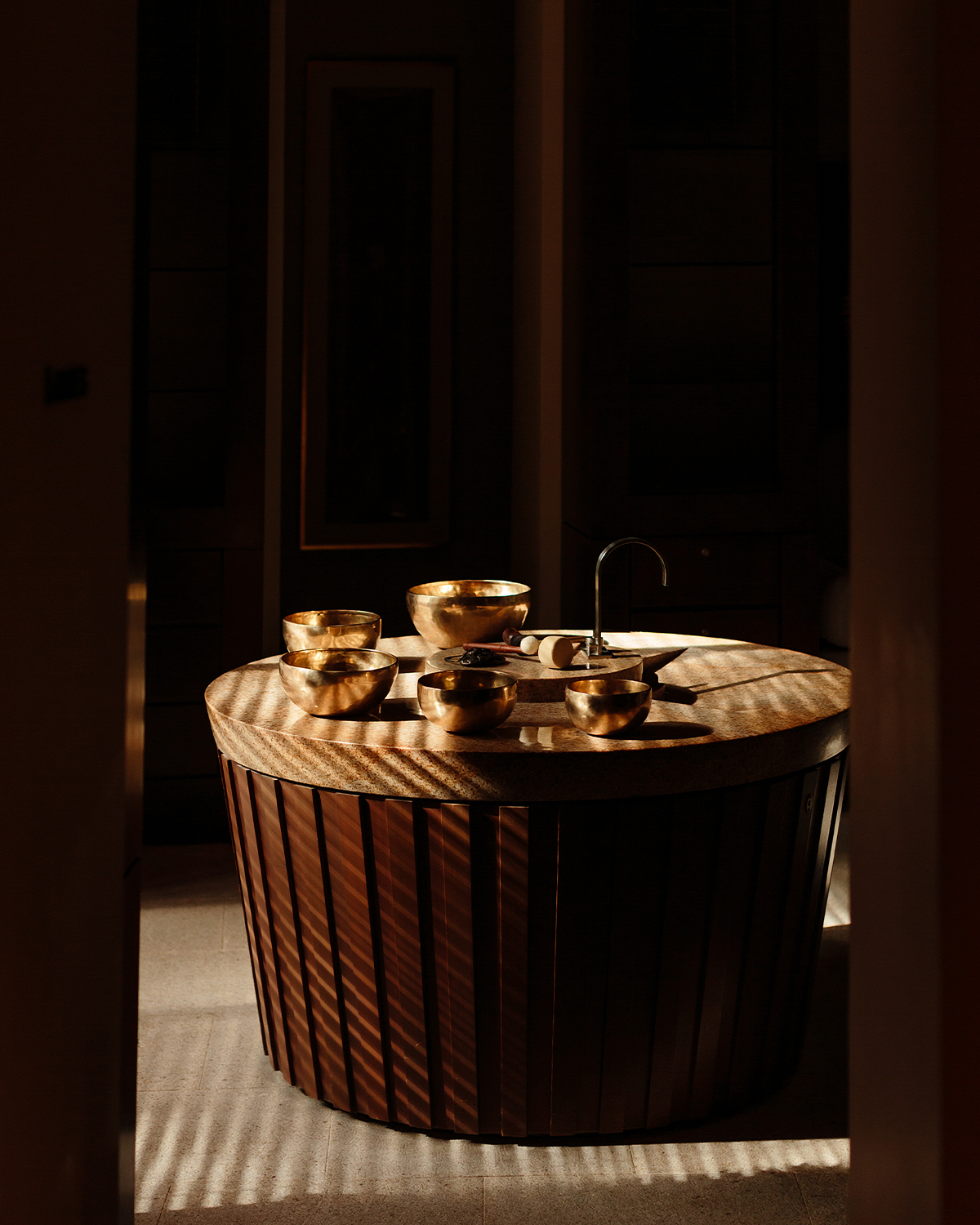
Spread across wide lawns and palm-lined paths, the resort feels spacious yet deeply personal. Three cascading pools invite moments of reflection, while the Auriga Spa, a Forbes Five-Star retreat, offers rituals inspired by lunar phases. “True luxury,” says Jackson, “is not about accumulation–it’s the stillness to absorb it.”
That line stayed with me. Later, as I sat by the quietest of the three pools, I understood exactly what he meant.
Sustainability & Stewardship
Capella Singapore’s commitment to the planet is as tangible as its architecture. The resort has achieved EarthCheck Gold Certification for two consecutive years, alongside the Responsible Hospitality Verified Ribbon by Forbes Travel Guide, rare distinctions in Singapore’s luxury landscape.
“It’s both an honor and a commitment,” Jackson explains. “Achieving net-zero consumption is challenging, but we remain devoted to reducing our impact–from investing in renewable energy to protecting biodiversity. For our team, it’s not simply about meeting standards; it’s about living our values each day.”
Solar panels now power its residences, contributing to a six percent reduction in grid energy consumption in 2024. Rainwater is harvested for irrigation and cleaning. A food digester converts organic waste into water. Single-use plastics have been phased out, replaced by refillable amenities and woven laundry bags.
Capella Singapore also earned the Highest Tier in the SG Farm to Table Recognition Program, sourcing over 15% of its produce from local farms. “Luxury and sustainability can coexist harmoniously,” Jackson says. “By inspiring guests and colleagues to adopt a conscious mindset, we show that small actions create meaningful impact.”
What impressed me most was how quietly this ethos is lived. There are no loud signs declaring “eco”, just thoughtful gestures: filtered water in glass bottles, solar power you don’t notice, and lush gardens fed by rainwater. Sustainability here isn’t a marketing tool; it’s muscle memory. You feel it in the way the space breathes.
Through the Capella Youth initiative, the hotel partners with APSN to provide internships for young individuals with special needs. Accessibility features such as ramps and a dedicated room ensure inclusivity. “Accessibility is more than practical,” Jackson adds. “It’s about ensuring that every guest, regardless of ability, can experience the beauty and comfort of our resort. Inclusivity shapes how we care.”
Culture & Connection
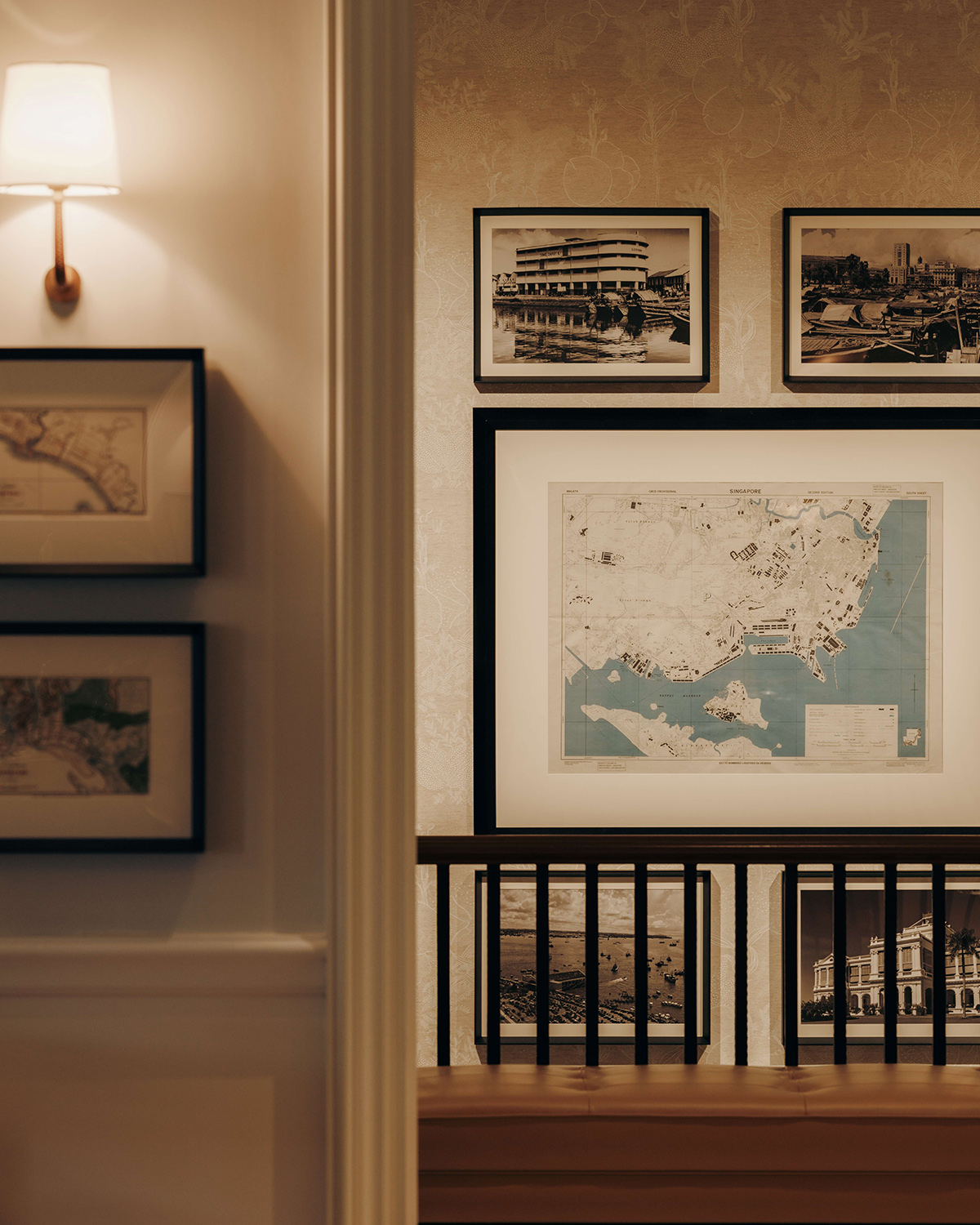
Heritage at Capella Singapore is not a static exhibit; it’s a living narrative. The newly unveiled Pineapple Room pays homage to Sentosa’s lesser-known past as a pineapple plantation in the 1880s. Adorned with archival photographs by heritage conservationist Marjorie Doggett, the space blends history and design into a sensory experience.
“The Pineapple Room isn’t just a bar,” says Jackson. “It’s a cultural narrative that honors Sentosa’s history.”
Standing there, I could see how the story unfolded: golden light against old photographs, brass details that whispered of the tropics. Every element felt deliberate but not performative–a rare balance between design and sincerity.
Beyond that, Capella Singapore curates collaborations with TASCHEN and The Argillet Collection by Salvador Dalí, and hosts intimate guest workshops like Peranakan tile-painting or dim sum masterclasses–creating bridges between culture and modern hospitality.
At Cassia, contemporary Cantonese cuisine reimagines tradition through refined artistry. Bob’s Bar, overlooking the South China Sea, evokes the golden age of Havana, where evenings linger over rum cocktails and sunset light. Each experience reflects a careful balance between indulgence and intention. There’s something deeply human in how Capella approaches culture–not as a spectacle for guests, but as a conversation. It’s felt in the way staff share local stories, in the sincerity of every detail.
Legacy & Forward Vision
Named #33 in The World’s 50 Best Hotels 2024 and a Forbes Five-Star property for over a decade, Capella Singapore continues to define timeless hospitality. Yet, as Jackson notes, its purpose goes beyond accolades.
“The refresh of our two Colonial Manors by Matthew Shang Design Office pays homage to their past as British military quarters in the 1880s,” he shares. “Guests can enjoy cultural moments within private spaces steeped in history. Our goal is to transform every guest touchpoint into a story-rich experience.”
Future plans build on this foundation: hosting cultural exhibitions, expanding heritage programming, and deepening ties to Singapore’s creative community. Each evolution is approached with the same care that has shaped Capella since its beginning–an enduring respect for history, design, and the rhythm of place.
On my last morning, I walked the winding path between the villas, the sea glinting faintly in the distance. The staff I passed greeted me with quiet warmth–familiar, unhurried. There’s something profoundly comforting about a place that honors where it comes from while staying so present in its care.
For those who come here, Capella is more than a destination. It is a feeling of stillness beneath banyan trees, of footsteps echoing through restored corridors, of stories carried forward through light and time. A living archive of Singapore’s grace, Capella Singapore remains one of the rare places in the world where luxury whispers, and heritage speaks.
EXPLORE THE PUNCH