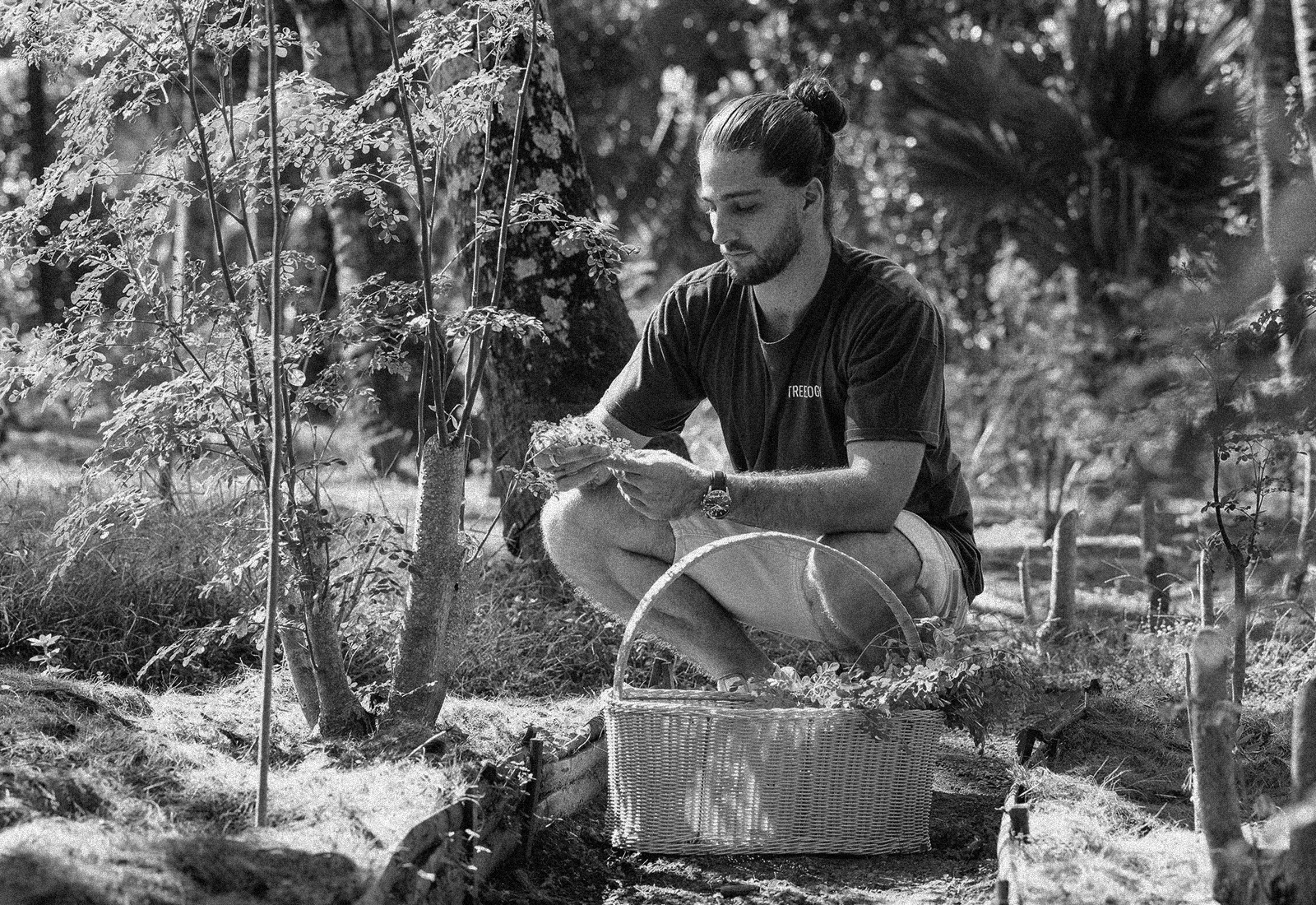
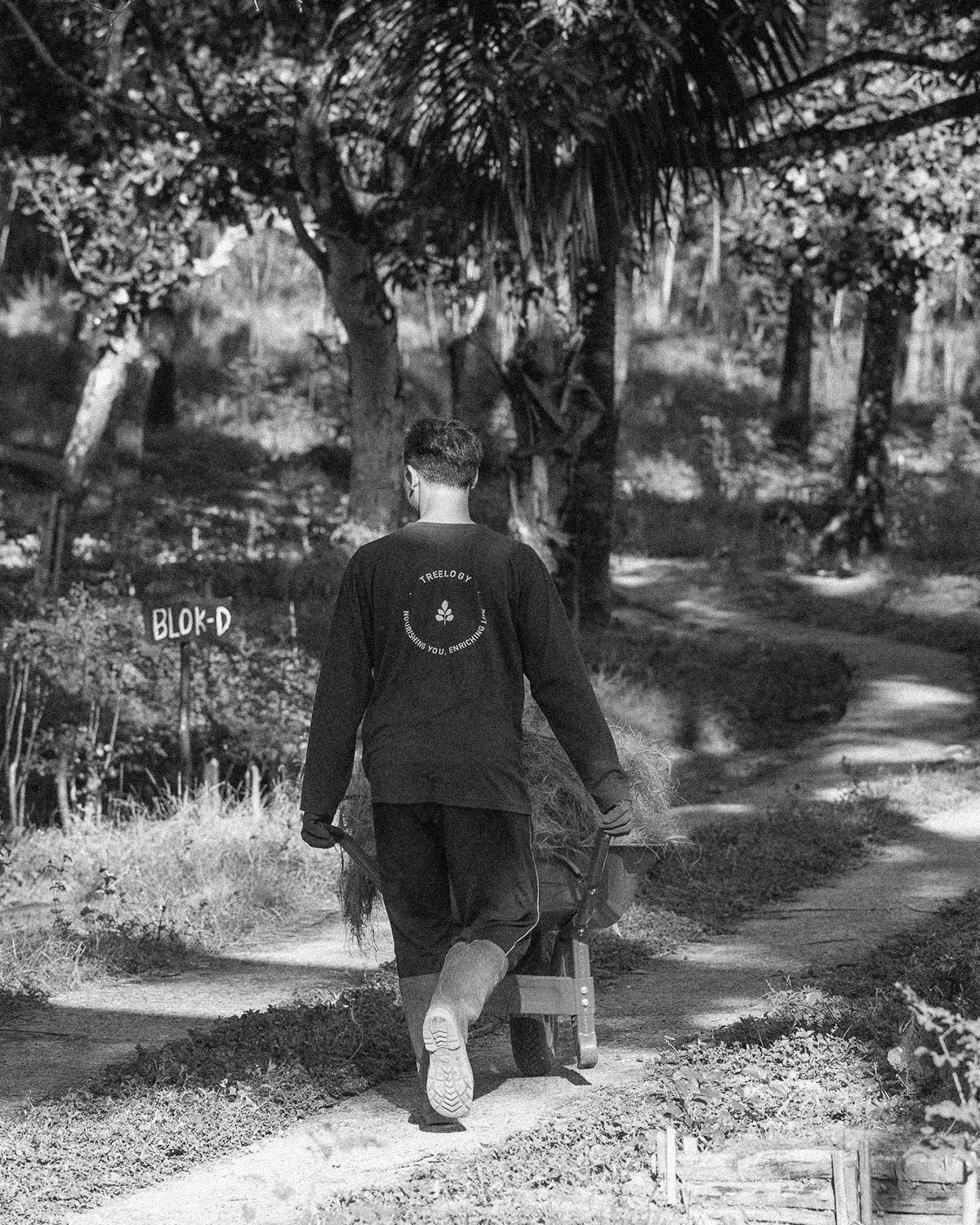
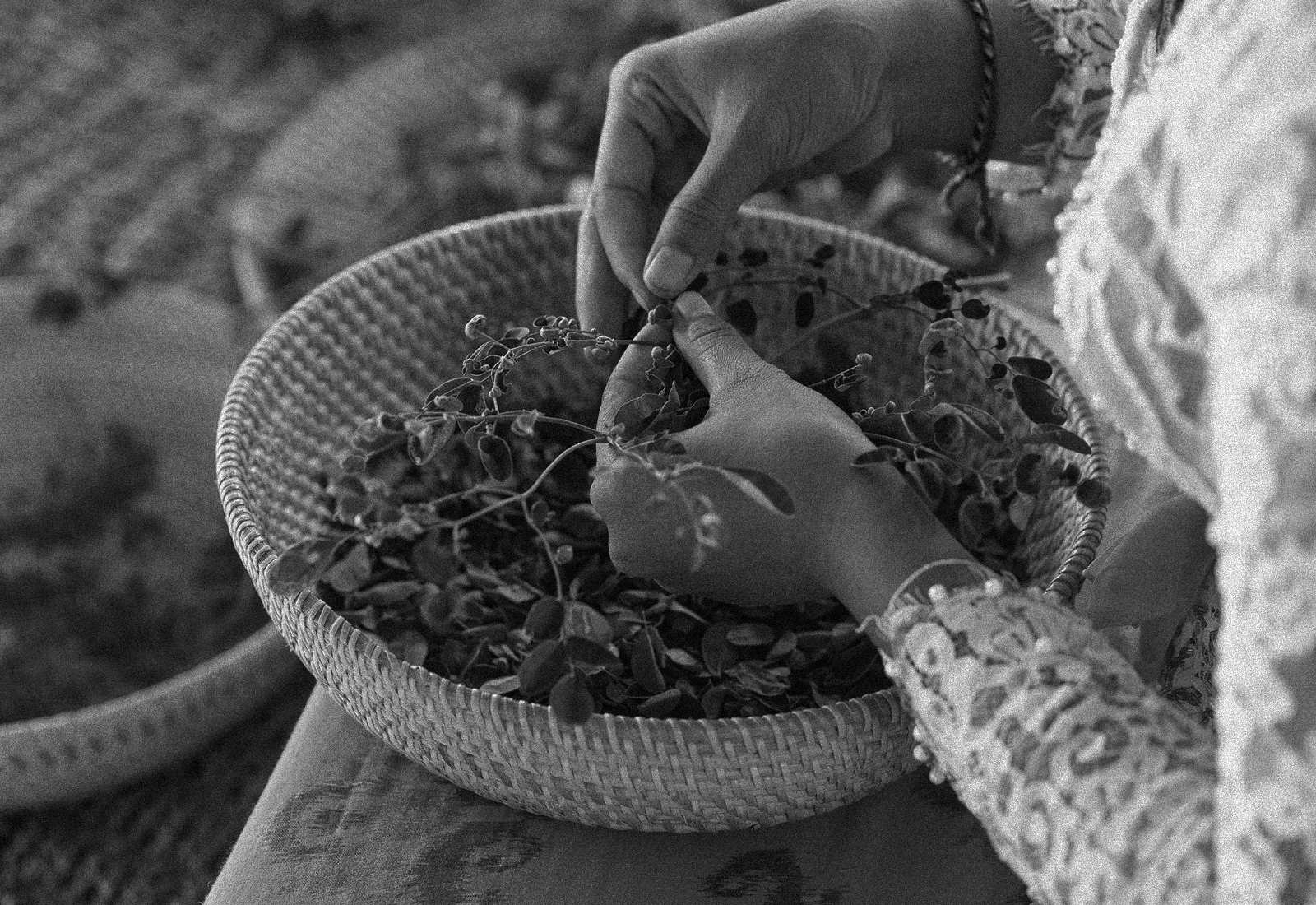
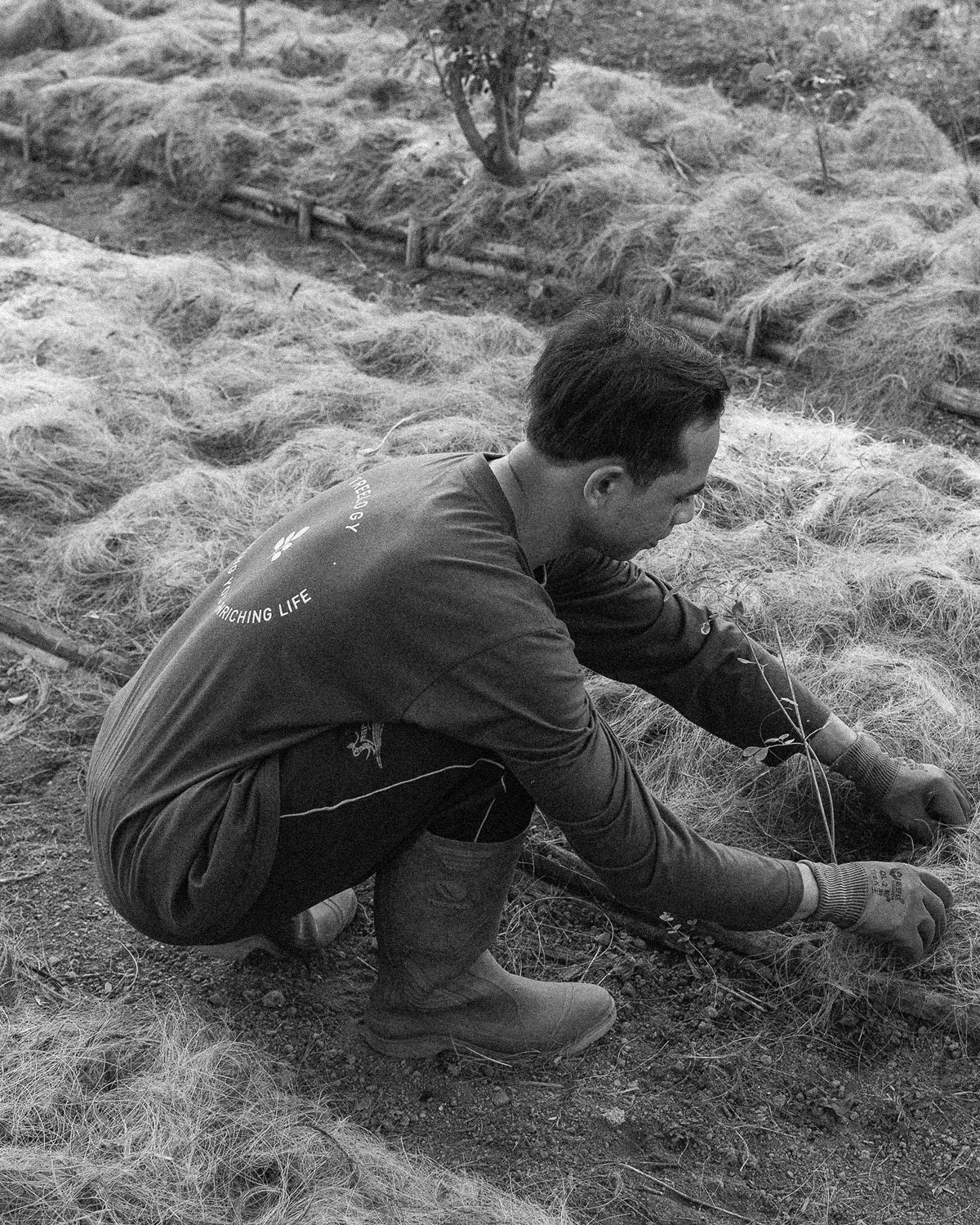
The Asa Maia is a boutique luxury wellness resort in Uluwatu, Bali, created as a sanctuary for guests to rest, reset, and renew physically, emotionally, and mentally. Nestled within beautifully restored 100-year-old Javanese Gladak houses, the resort fuses heritage architecture with modern, low-impact design. Every detail reflects a deep commitment to conscious living and eco-responsibility, ensuring that luxury here is both restorative and sustainable.
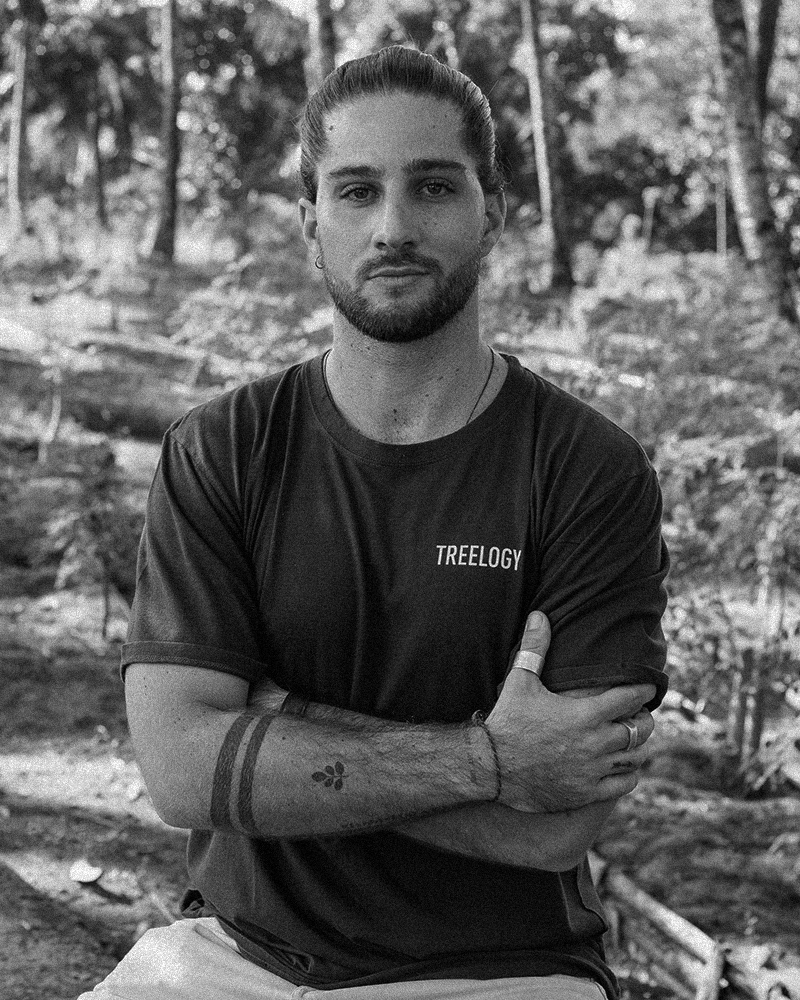
"I have always had a fascination with traditional wooden houses in Indonesia and dreamed of creating a project that celebrated them."
The Asa Maia blends heritage architecture with low-impact design — what inspired you to bring these two elements together?
I have always had a fascination with traditional wooden houses in Indonesia and dreamed of creating a project that celebrated them. One of my most memorable moments while building the hotel was the purchasing of the buildings from their original locations in East Java. It was important to me to preserve their integrity, as so many that have been relocated to Bali are modified. Blending heritage architecture with low impact design went naturally hand in hand.
With 90% of your wood reclaimed, what are the main challenges and benefits of working with upcycled materials?
Honestly the biggest challenge for me was actually making peace with the 10% that wasn’t up cycled. Once you have a taste for reclaimed wood, it’s hard to appreciate anything else. The reclaimed wood not only has character but also has an energy that new materials can not replicate.
How has sourcing local, organic ingredients shaped your food, spa, and sustainability goals?
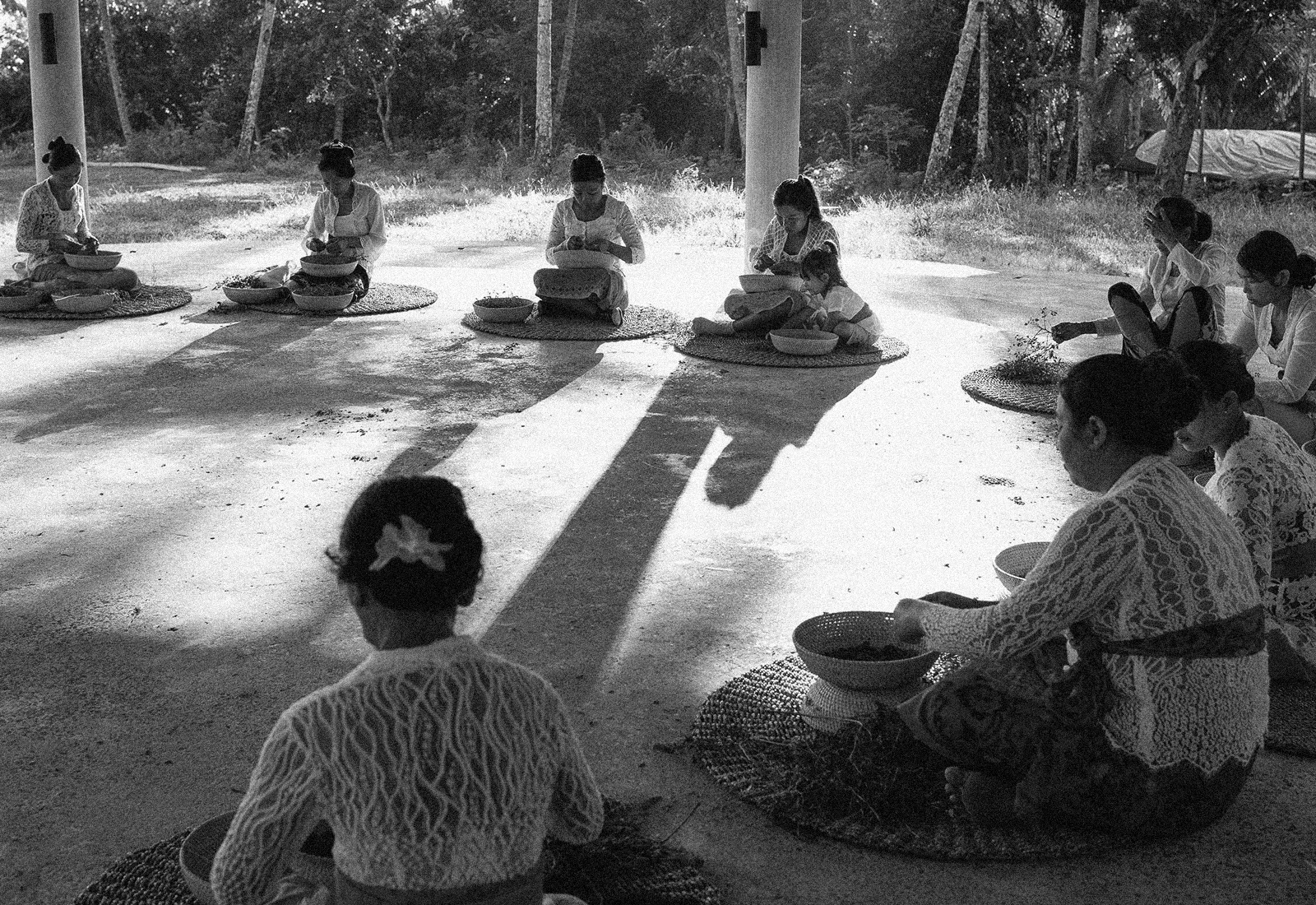
It was never going to be any other way. We are so fortunate in Bali to have access to such an abundance of organic and exotic ingredients, from fresh produce to coconut oil for cooking. Using good, non-seed oils makes Indonesian cuisine not only layered and flavorful, but also leaves you feeling energized and healthy afterwards. I find it nearly impossible to eat local food cooked in vegetable oils now. While our menu includes a range of items, this philosophy remains at its heart. It was initially challenging to get our staff on board to not use flavor packets but I can assure you that we have succeeded and everything is made from scratch.
"In my opinion, luxury and sustainability do not collide, they complement each other."
What does it take to stay plastic-free in every detail of the guest experience, and what challenges have you faced?
It is actually not as difficult as it seems to be plastic free regarding the guest experience, but of course it costs a little more. For example we make our own reusable makeup pad removers from traditional cloth. Small details like that not only reduce waste but also give guests something memorable to take home.
How do you bring sustainability into your staff training and long-term growth?
Initially it took some time and gentle repetition, but now everyone fully understands who we are and why we do things this way. My best-case scenario is that our team carries these sustainable habits into their homes. Whether they do or not, I know that they hear my little voice in their ears.
What habits or mindsets do you hope guests take home after experiencing your eco practices?
First, I hope they feel the difference that comes from eating clean, natural food. Second, I hope they make choices about the products they use and the impact it has on their health and environment.
When luxury and sustainability collide, how do you make decisions and find balance?
In my opinion, luxury and sustainability do not collide, they complement each other. True luxury lies in the quality of your food and your environment. I can not think of a single compromise we have had to make in that regard.
Which future projects at The Asa Maia excite you most, and why?
Right now, our focus is on The Asa Maia Sumba. It’s my ultimate dream project, set in a jungle, with a pristine beachfront and a private waterfall. We are using reclaimed wood, glass, copper and stone as our primary building materials, which align with our current property. With enough land to maintain peace and privacy, free from construction noise and music venues, the setting itself has a natural healing quality. We will also have a permaculture farm to provide food for guests, staff and the local community. It feels like all my ducks are finally in a row! 😉