

THE PUNCH • PEOPLE
Janet DeNeefe:
Connection Over Division
Interview by The Punch
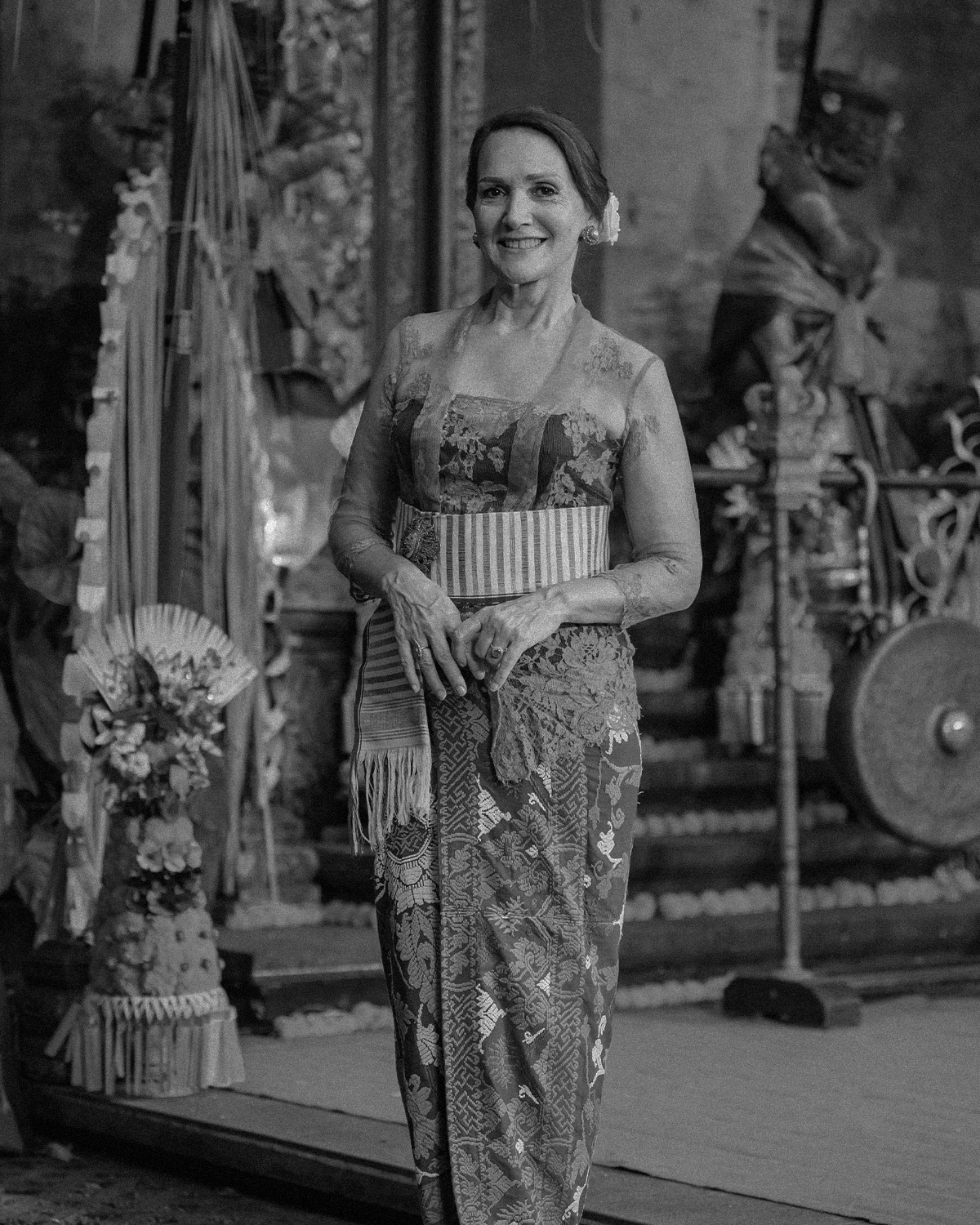
Twenty-three years ago, in the raw aftermath of the first Bali bombing, Janet DeNeefe gathered a handful of writers in Ubud and asked them simply to talk. It was a small, almost instinctive act of faith, that words, shared honestly and in person, might help a community find its way back to itself. That gathering grew into the Ubud Writers & Readers Festival, now one of the world's most loved literary events and a fixture on Bali's cultural calendar, drawing Booker Prize winners, war correspondents, and thousands of readers to sit shoulder to shoulder in temple courtyards and open-air stages.
Two decades on, DeNeefe has watched the festival grow far beyond that first intimate circle of friends, even as Ubud itself has changed around it, the rice fields giving way to traffic, the town's old magic guarded more fiercely than ever. Ahead of this year's edition, guided by the theme Samarasā: Awareness. Empathy. Action., she spoke to The Punch about what that growth has cost her, what she refuses to ever compromise on, and why, in a year of wars, economic strain and environmental grief, she still believes a room full of strangers trading ideas in person can change the way people see the world.
Take us back to the beginning: what made you believe Ubud needed a writers’ festival, and what did you hope it would become?
I have always believed the pen is mightier than the sword and Ubud Writers & Readers Festival was born out of that conviction, tested at its most painful moment. In 2002, in the raw aftermath of the first Bali bombing, I watched a community searching for a way to breathe again and I felt certain that gathering writers, from every corner of Indonesia and the world, to sit together and speak honestly could be part of that healing. I hoped it would become a place where words pulled people towards each other instead of tearing them apart. Twenty-three years later, that hope has become the festival’s very heartbeat: a gathering that still, every year, chooses connection over division.

Ubud was already known for its art, spirituality and culture. What did you see in the town that made you believe it could also become a meeting place for writers and thinkers from around the world?
Ubud has always been the beating heart of Balinese culture and that is what convinced me a festival could take place here. I have never stood anywhere else on earth where religion moves so visibly, so beautifully, through daily life. Ubud never needed transforming into a meeting place for writers and thinkers. It already was one, waiting. All the festival ever did was hand that spirit a microphone.
Two decades on, the festival has grown enormously. What have you had to let go of to make room for that growth, and what have you refused to compromise on?
Growth has cost us the smallness of those early years, a time when I could still recognise almost every face in the crowd, when the whole festival felt like one long conversation between friends. That intimacy is gone, and I won’t pretend I don’t grieve it a little. But what I have never, and will never, compromise on is the proximity that made the festival matter in the first place: the chance to sit across a long table from a Booker Prize winner, or trade ideas over a cocktail with a political analyst who has just come from a warzone, rather than watching them from row twenty. No matter how large we grow, it must stay a once-in-a-lifetime collision of people and ideas, never a spectacle, always an encounter.
Ubud itself has changed dramatically over that same time. How has that shifted what you think the festival’s role should be?
When I first came to live in Ubud, back in 1984, life was quieter. Astonishingly, the old rhythms are still here today, even as traffic and concrete replace the rice fields. That has changed the festival’s role. We no longer just celebrate Ubud, we guard it. Every year, we make the same promise: this magic isn’t going anywhere.
This year’s edition: what’s the idea or thread running through it, and why did it feel like the right one for right now?
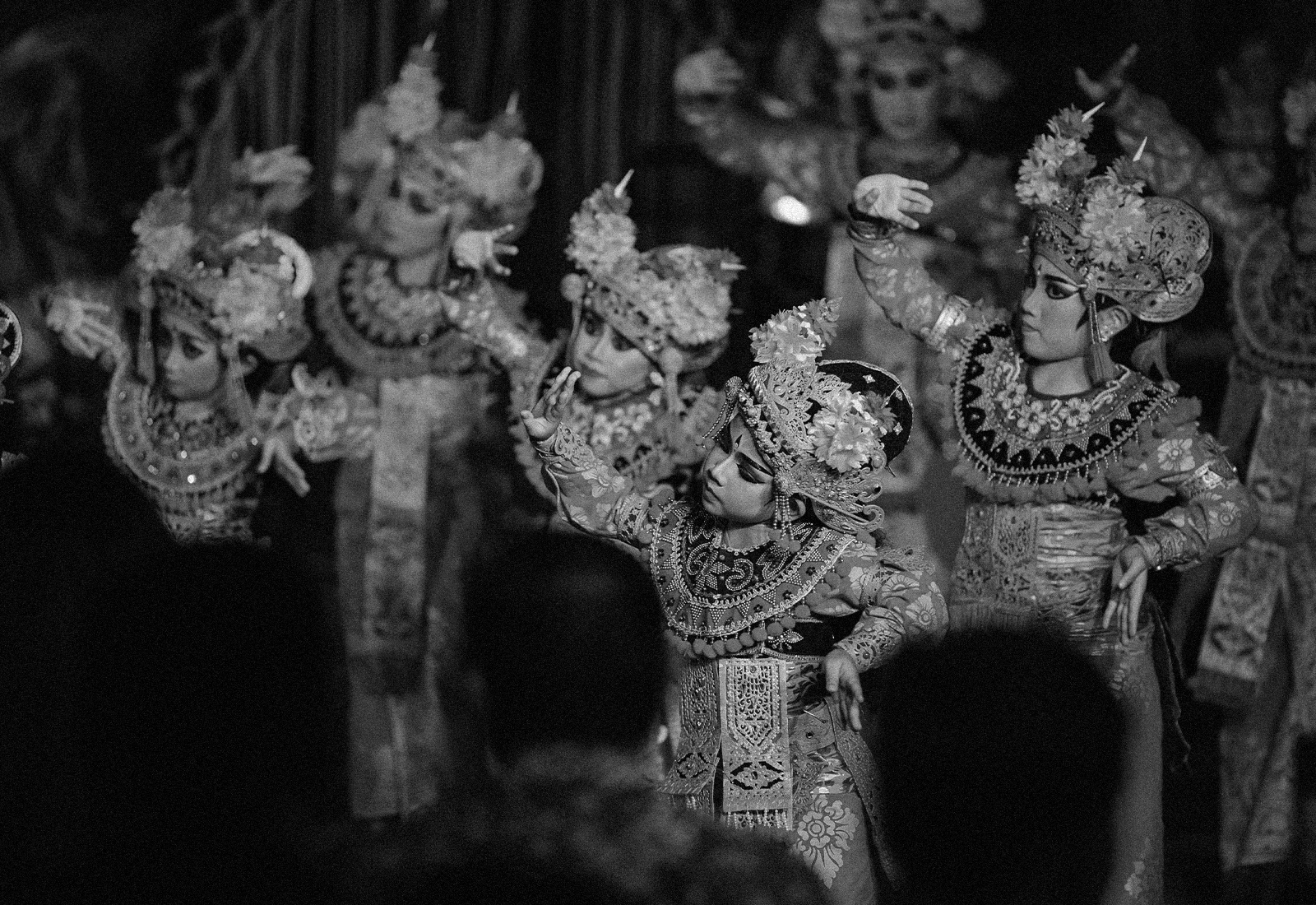
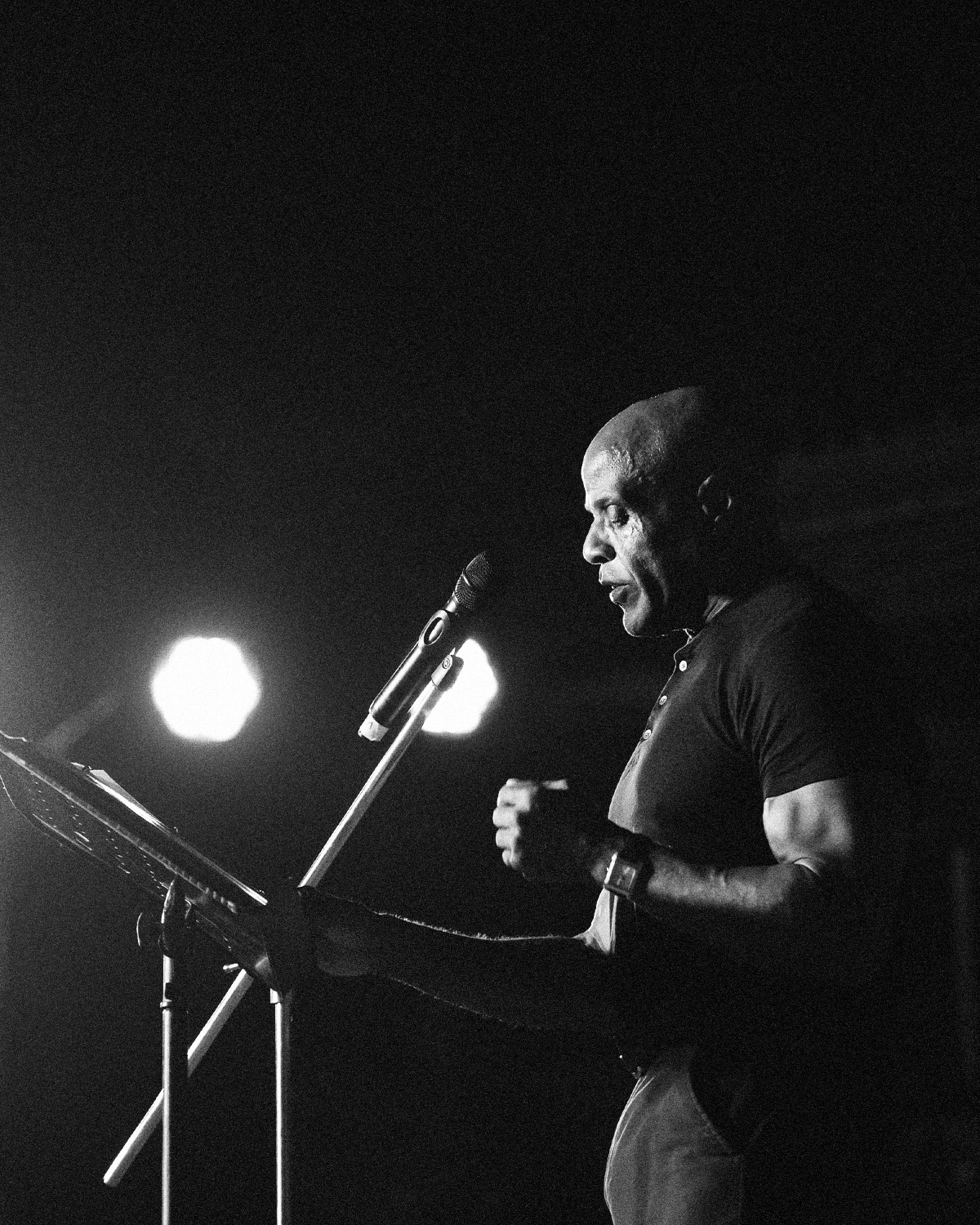
This year’s Festival is guided by the theme Samarasā: Awareness. Empathy. Action., drawn from Sanskrit philosophy and the harmony between Citta (mind), Rasa (heart) and Karsa (action). In a world this fractured, it felt like the only honest thread to pull. Awareness gives us clarity when everything feels blurred by noise. Empathy builds the bridges we keep failing to build ourselves. And action is what turns all that feeling into something that actually moves the needle. That spirit runs through every corner of this year’s programme: the author talks, the panel discussions, the workshops, the literary lunches, the live performances, the late-night spoken word galas that spill into the small hours.
A festival like this brings very different cultures and perspectives into the same room. What conversation do you most want people to leave this year’s edition having had?
I want people to leave refusing to believe our world is broken beyond repair. It is easy to conclude otherwise: climate catastrophe, gas shortages, Russia’s war grinding on in Ukraine, political and economic collapse in country after country, and here at home, our own share of economic strain and environmental grief. But I want festival-goers to have sat, in person, with the people actually in the trenches of these crises, and to have heard, in their own words, how they keep going. Not a conversation that wallows in how broken things feel, but one that leaves people fiercely, stubbornly hopeful about what comes next.
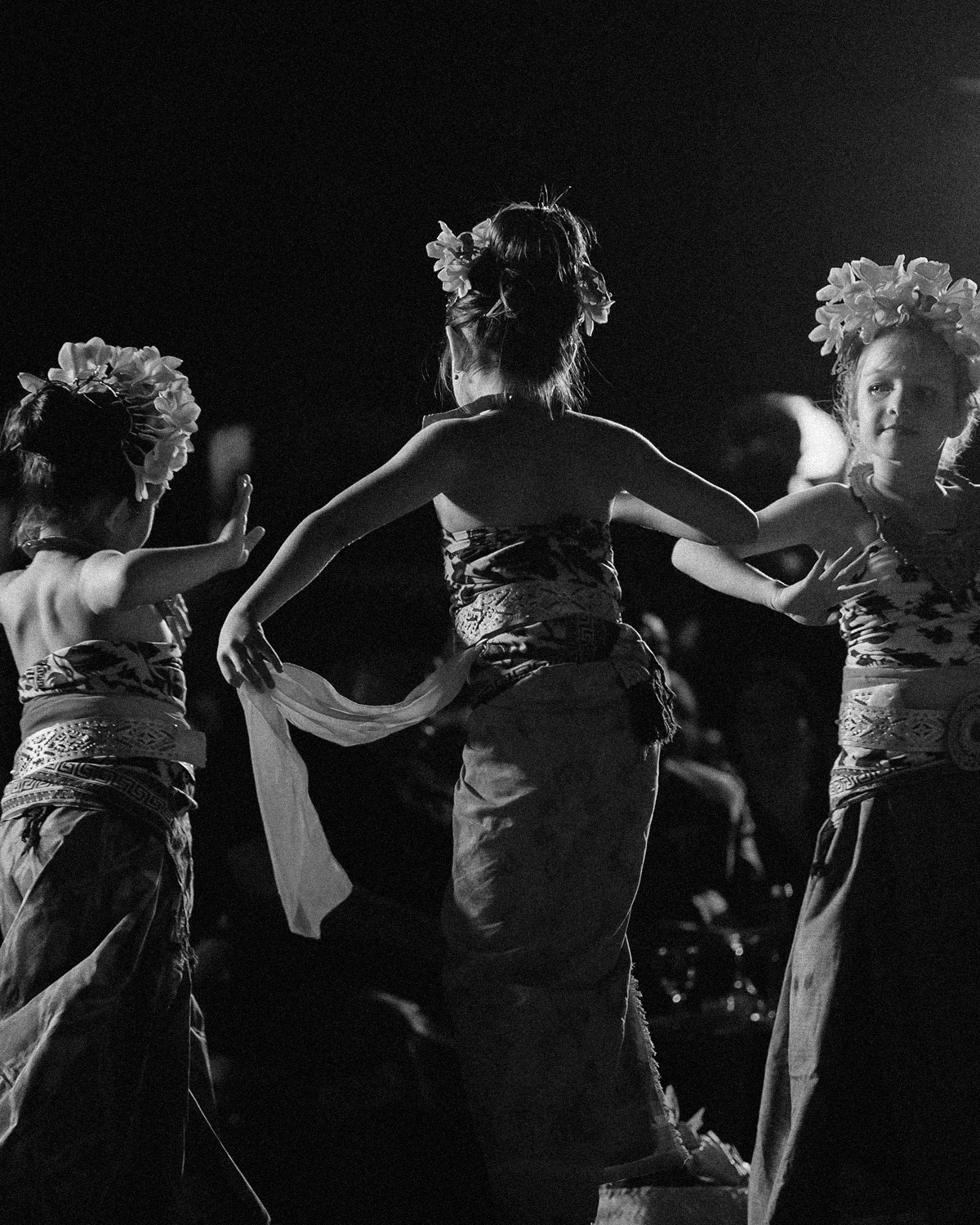
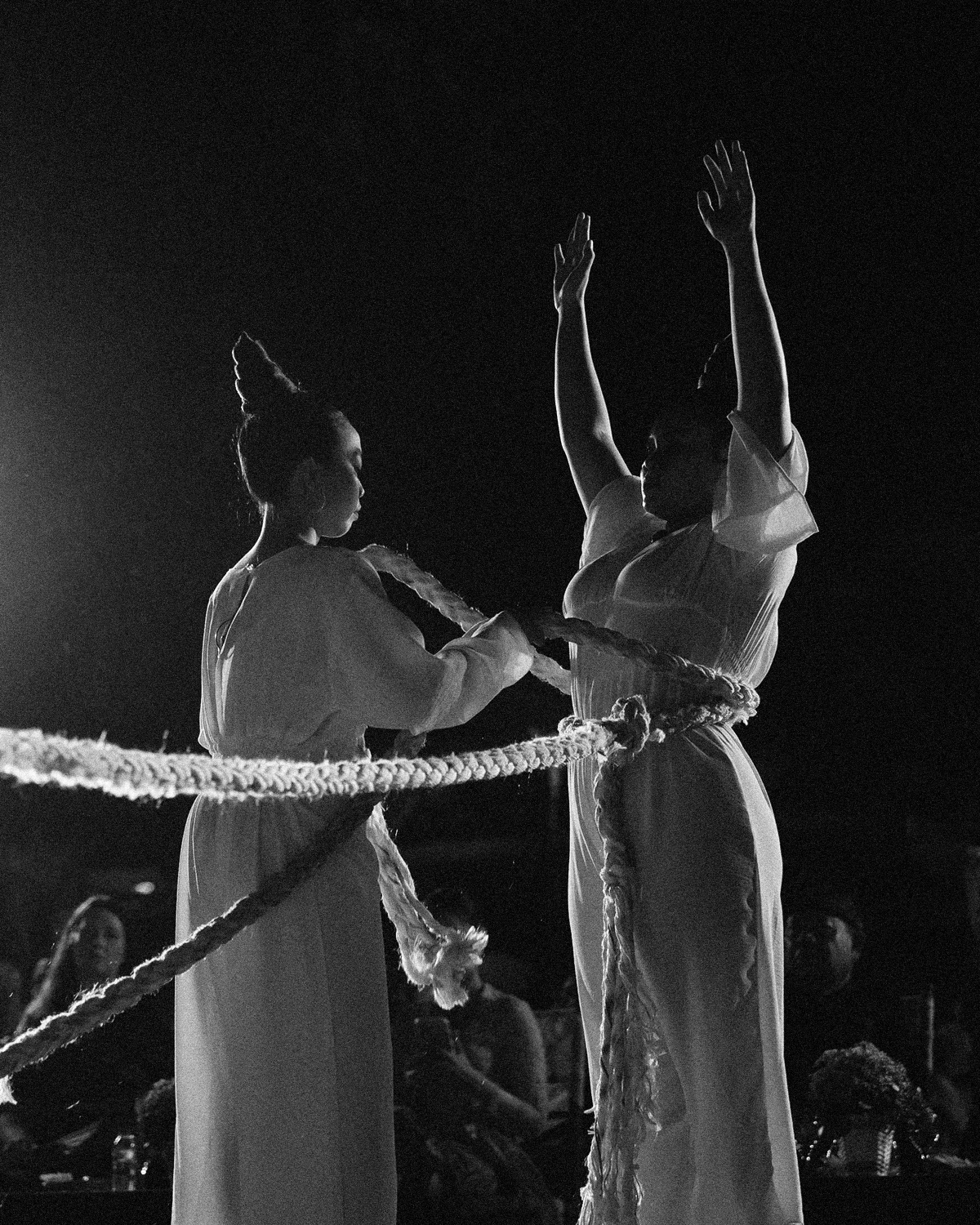
There’s often tension between celebrating a place and contributing to the kind of tourism that changes it. How do you hold that tension through the festival?
That tension is real, and I won’t pretend otherwise, but it isn’t new, and I hold it by insisting, fiercely, that the festival celebrates Bali rather than consumes it. Westerners have been calling Bali a lost Eden since at least 1930, and tourism has reshaped huge parts of this island in the decades since. And yet the Island of the Gods still carries its old romance, because Bali has always known how to absorb change without surrendering its soul. So instead of adding weight to that tension, I want the festival to showcase exactly what makes this island so magical, through a programme that honours Balinese culture on its own terms, never as mere scenery for visitors passing through.
After more than twenty years of listening to writers and artists from around the world, has anyone changed the way you personally see Bali?
Countless Balinese scholars and writers have reshaped how I see this island. But no one more than my husband, Ketut. His knowledge of Balinese philosophy, of local wisdom, spirituality and identity, runs so deep it has quietly rewritten how I understand this place, and it is no accident that his ideas keep finding their way, year after year, into the very themes that define our festival.
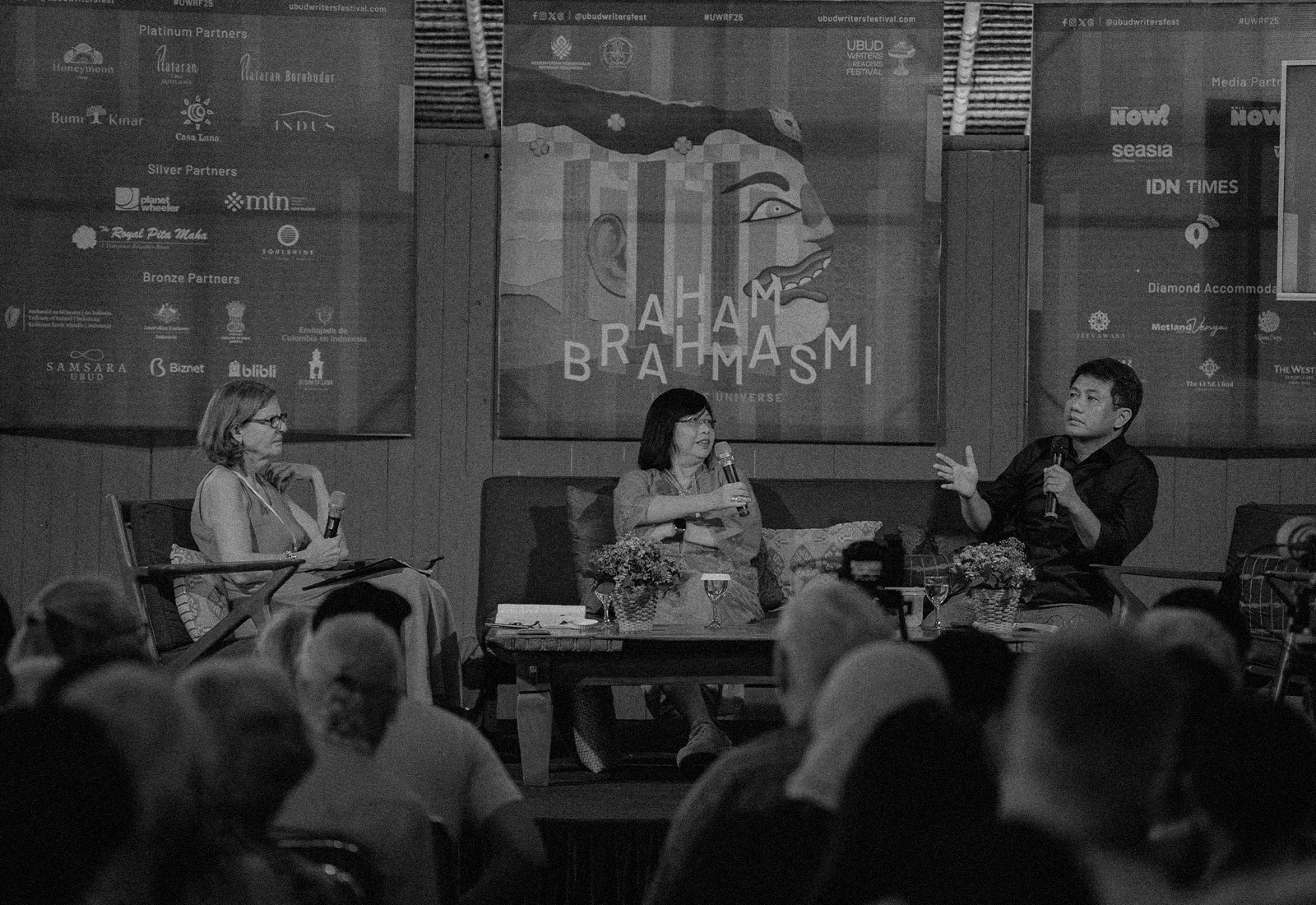
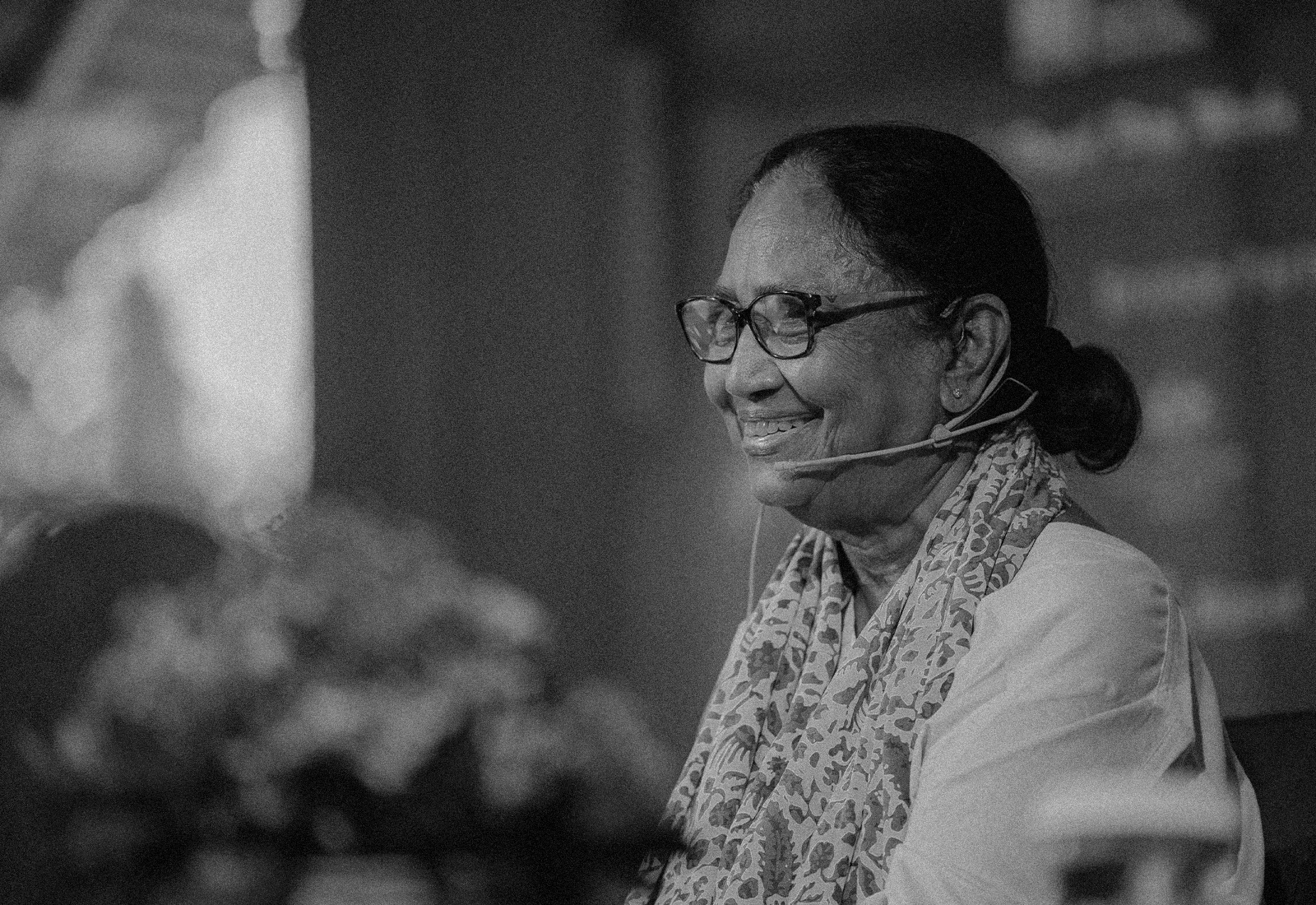
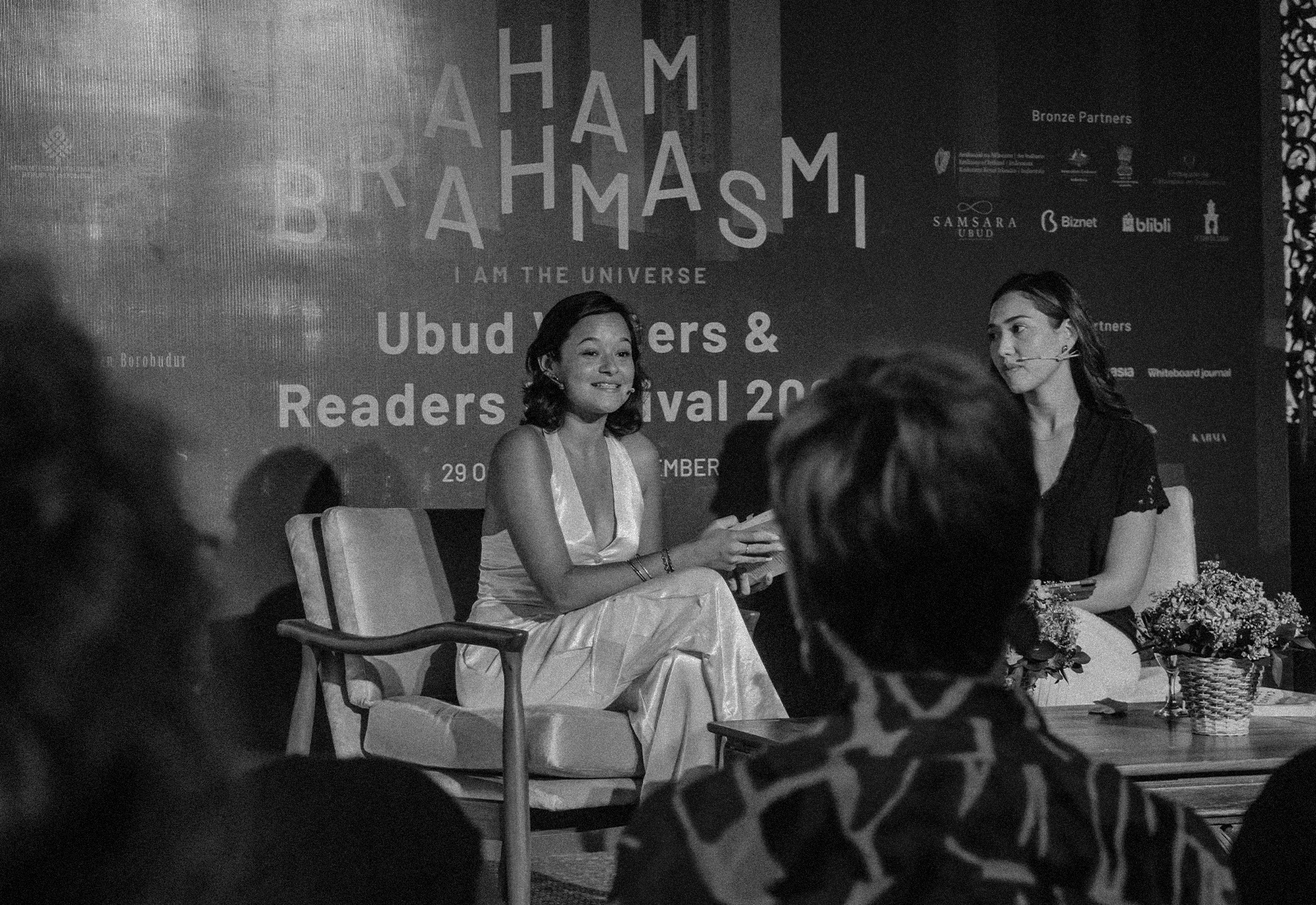
What do most visitors get wrong about Bali when they only encounter it as a destination?
Most visitors mistake Bali for a backdrop, somewhere to photograph rather than somewhere to actually feel, and Ubud exists to prove them wrong. Our festival-goers come searching for something unfiltered, uncommercial, distinctly Balinese, and we choose our venues to honour exactly that: ancient temple courtyards, open-air stages where the jungle presses right up against the walls and the air is thick with frangipani. Ubud is not a backdrop. It is the experience itself, and there is nowhere else on earth you can sit shoulder to shoulder with the world’s greatest writers in a place this achingly alive.
Looking at the next generation of Balinese writers and cultural voices, what excites you, and what worries you might be lost?
What excites me most is watching young Indonesian artists and writers build an industry more alive than I have ever seen it, one that fuses the old with the new rather than forcing a choice between them. They are not abandoning tradition to seem contemporary; they are carrying it forward, on their own terms, into new forms, new platforms, new conversations the rest of us are only just learning to have. That, to me, is proof the culture isn’t just surviving. It’s thriving.
EXPLORE THE PUNCH
Celebrating Remarkable
Businesses with Impact