

THE PUNCH • JOURNAL
Luxury, Reconsidered
What today’s guests really want
Words by The Punch Editors
November 2026
Picture the moment of arrival at one of the world’s great hotels. The car door opens onto a view that seems to have been waiting for you. Someone greets you by name. The air smells of salt, or pine, or rain on warm stone. For most of the last century, this was the whole promise of luxury: a perfect setting, flawless service, and the feeling of being, for a few days, entirely taken care of.
The questions a luxury traveller asked were simple. How beautiful is the view? How soft are the sheets? How quickly does someone appear when you need them? Luxury was measured by exclusivity, by abundance, by how completely a hotel could shield its guests from the world outside its gates.
Those questions still matter. The view, the service and the meal you will remember for years remain the foundations of any exceptional stay. But the world outside the gates has changed, and so have the people walking through them. Travellers now arrive knowing more about the places they visit, and about the footprint they leave behind. They read, they compare, they ask.
And quietly, a new question has joined the old ones. It is rarely asked at the reception desk, yet it guides where people choose to go, what they remember, and what they tell their friends when they come home. What does this place give back?
To understand what that question means in practice, we turned to the research, and to a place we know well. Since opening as a beach club on Seminyak’s shore in 2010, Desa Potato Head has grown into one of Bali’s most celebrated destinations. In September 2026, it was ranked No. 21 in The World’s 50 Best Hotels, the highest-placed hotel in Indonesia. Its story, pictured throughout these pages, shows what each of these ideas looks like in real life.
A shift in numbers
The change is no longer anecdotal. Booking.com’s 2026 research, conducted with around 32,500 travellers across 35 markets, found that 85% consider more sustainable travel important. That is not a niche of eco-minded backpackers. It is the mainstream of how people now think about travel.
The company’s previous edition, published in 2025 and based on 32,000 travellers in 34 countries, went further into what that means in practice. 73% of travellers said they want the money they spend to benefit local communities. 77% said they seek experiences that represent local culture. And 69% said they want to leave the places they visit in better condition than they found them.
For the first time in that research, more than half, 53%, said they were aware of travel’s impact on communities and the environment.
Read together, these figures describe a guest who is better informed, more curious and more conscious than ever before: a guest who wants to know.
At Desa Potato Head, that guest can see for themselves. A free tour called Follow the Waste runs every day, open to anyone who wants to see what happens to everything a hotel throws away.

What a hotel stands for
This guest does not want less luxury. They want luxury that means something. The most remarkable hotels have understood that sustainability, on its own, is no longer a story. Solar panels, refillable bottles and recycling programmes are becoming the expected minimum. What sets a hotel apart today is something deeper: a core purpose, a reason for being that belongs to it alone. For one hotel, it is a forest it exists to protect. For another, a craft it keeps alive, a community whose future it shares, or a reef it has watched return to life. This purpose is not a programme added to the business. It is the business: it guides how the hotel is built, who works there, what is served at the table and how guests spend their days.
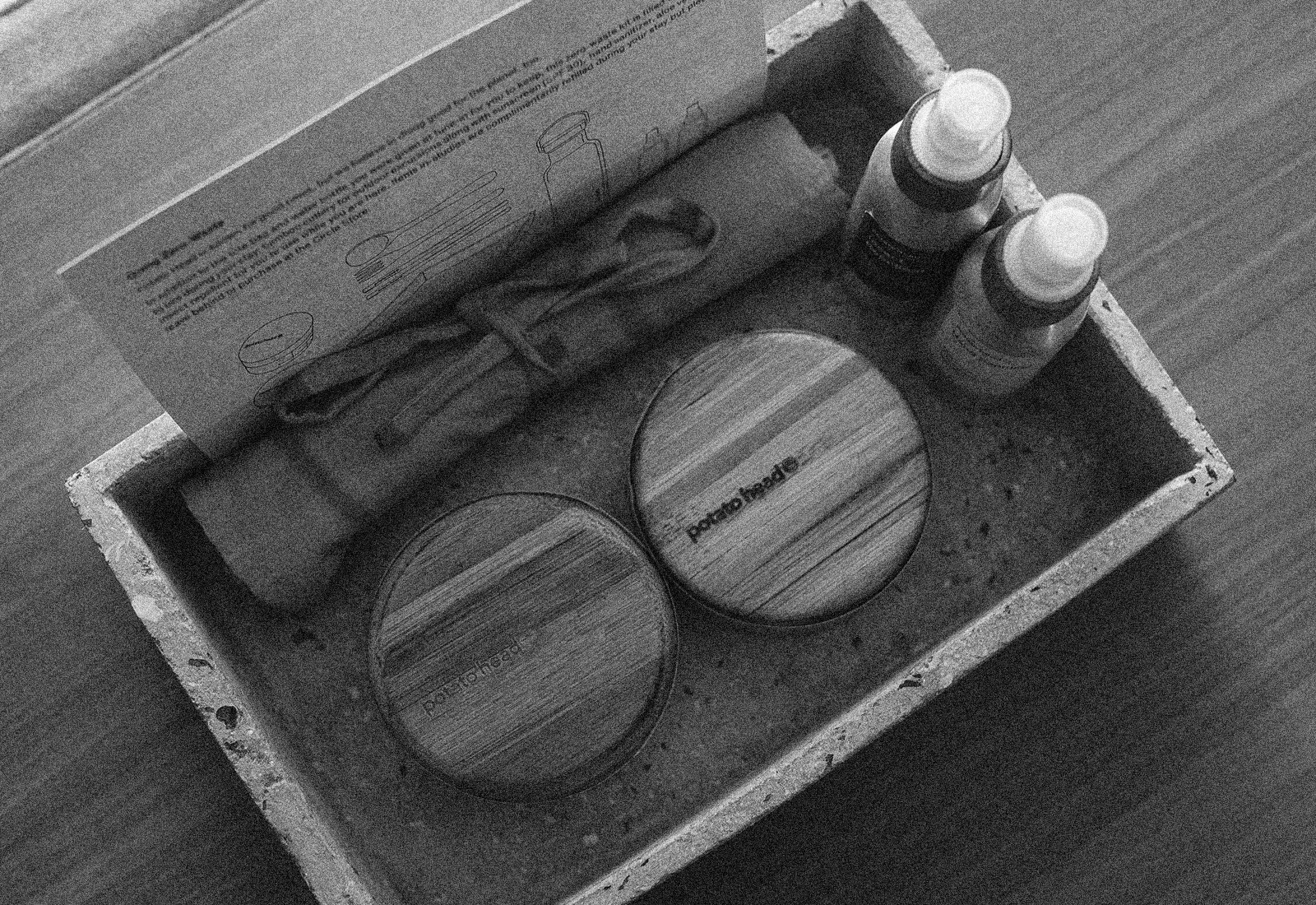
At Potato Head, that purpose became a single, demanding goal. In 2016, founder Ronald Akili committed the company to zero waste, and from 2017 single-use plastics were banned for guests, suppliers and staff alike. Today a dedicated Waste Lab turns what cannot be avoided into objects and décor, and every team has its own eco-champion. When a hotel knows what it stands for, guests feel it immediately. Impact becomes an experience, not a disclaimer.


From sustaining to regenerating
For years, the ambition was to do less harm: to use less water, less energy, less plastic. That remains essential. But a growing number of hotels are moving beyond sustaining what exists, towards regenerating what has been lost. The difference is profound. A sustainable hotel aims to leave no trace. A regenerative hotel aims to leave a place better than it found it, which is exactly what 69% of travellers now say they want for themselves. It replants forests, restores reefs, rebuilds soil, and measures its success in what comes back to life.
At Potato Head, regeneration begins in the soil that feeds its kitchens. During Bali’s lockdown in 2020, members of the team turned two empty plots into farms, the start of what became the Sweet Potato Project. Today the hotel works with 163 farmers who have moved 393 hectares to chemical-free farming, and the rice it serves is entirely organic. The harvest also reaches far beyond the hotel: in 2025, its foundation distributed 43,691 food packs to orphanages and community groups across the island.
Heritage, the rarest luxury
When 77% of travellers seek experiences that represent local culture, they are asking for something no amount of marble can provide. In a world where many luxury hotels could, with their eyes closed, be anywhere, the places that belong unmistakably to their landscape, traditions and community have become the most precious of all. A ryokan carried by one family across generations. A tea planter’s bungalow among working estates. A historic estate restored rather than replaced. Their value lies precisely in what cannot be copied.
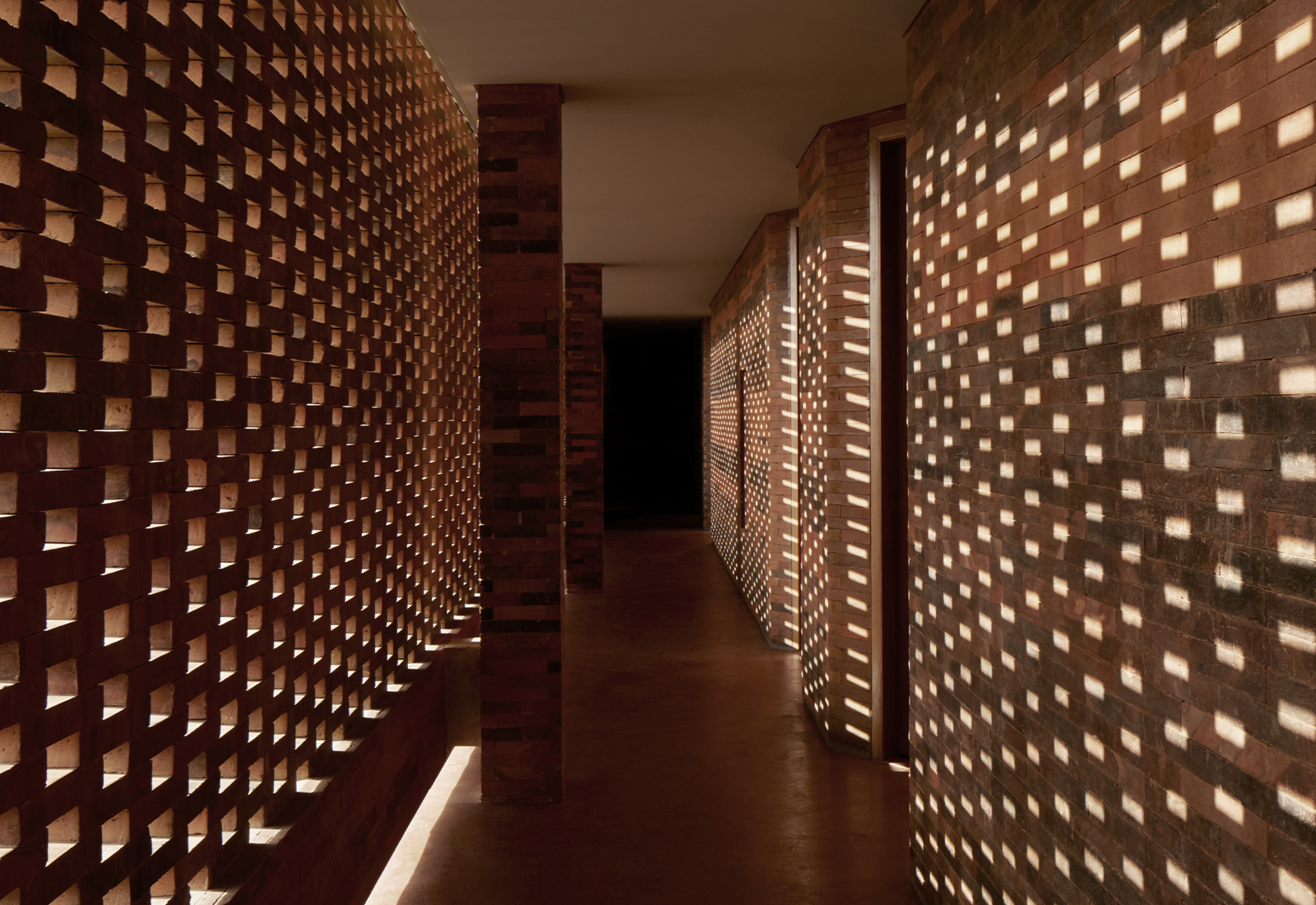
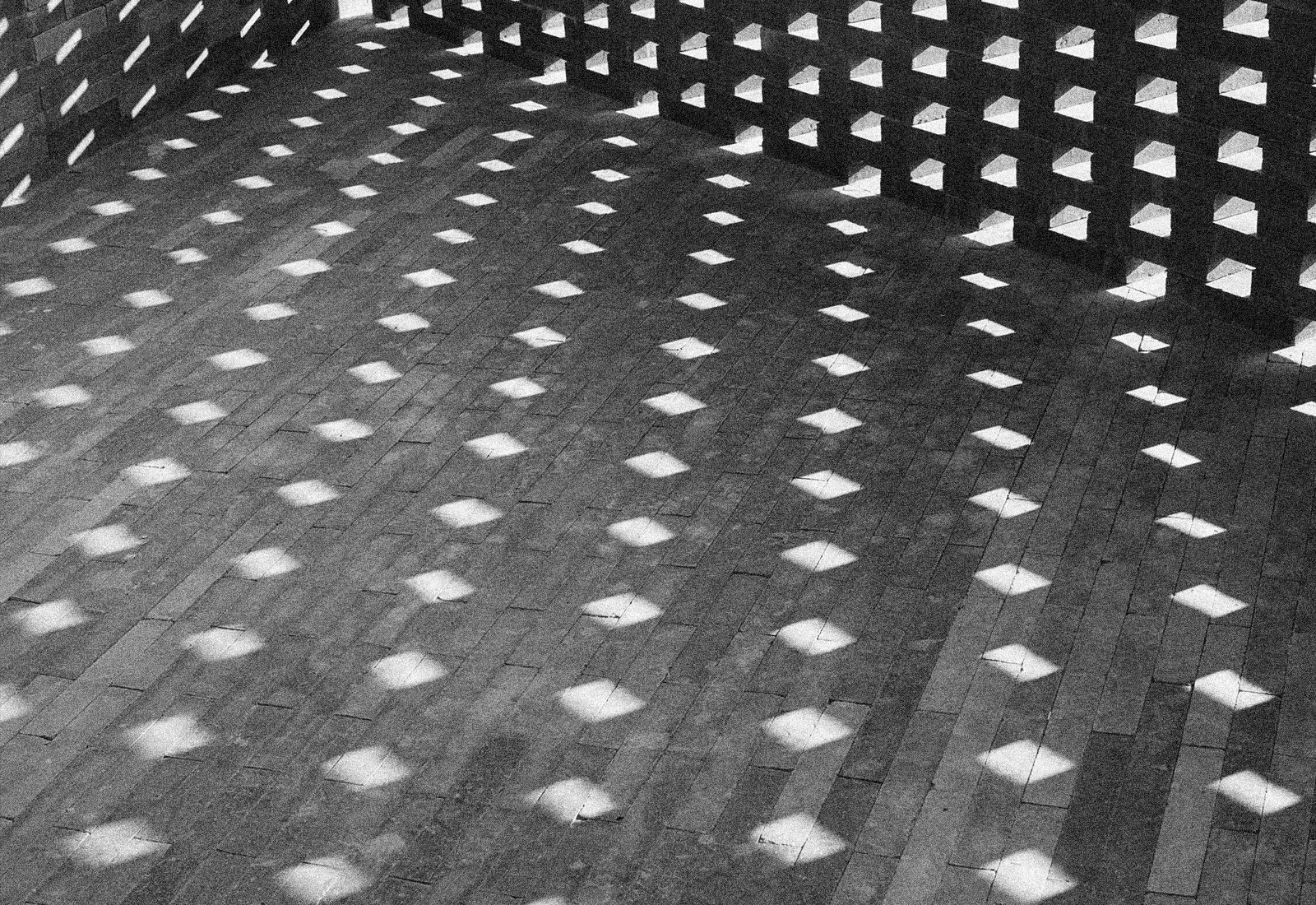
At Potato Head, heritage is built into the walls. Its rooms were made with hand-pressed temple bricks, a traditional Balinese method, giving a contemporary building the texture of the island’s oldest architecture. Heritage, in this sense, is not nostalgia. It is a living commitment to the craftspeople whose skills would otherwise disappear and to the traditions that give a destination its soul. The guest who wants to know is, above all, a guest who wants to feel somewhere.
The risk of saying too much, or too little
As expectations rise, so does the temptation to overstate. Travellers have grown wary of vague promises and green-tinted marketing. The hotels earning trust are those that speak with precision. They share figures, not adjectives. They name their partners, their programmes and their results. They acknowledge what is still in progress, and that honesty is often what makes the work credible.
Potato Head offers a clear example. It publishes a sustainability report and shares its methods openly so that others can learn from them. When it speaks about waste, it speaks in numbers: landfill waste reduced to 0.5%, with more than 1,000 guests a day. And it has looked beyond its own gates. Hotels and businesses are estimated to produce around 11.5% of Bali’s waste, so in October 2024 Potato Head opened a Community Waste Project with other local businesses, able to process up to 10 tonnes of waste a day. For the guest who wants to know, honesty has become a form of service.
What this means for the future of luxury
If the last era of luxury was defined by excess, the next one is being defined by meaning. The finest hotels will still be measured by their beauty and their service. But they will also be measured by what they stand for, and by the difference they make to the people and places around them.
This is not a trend that will pass with the season. It reflects a deeper change in how people understand the world, and their place in it when they travel. The question what does this place give back? is here to stay. The hotels that already have a good answer are not simply responding to a market. They are showing the rest of the industry where it is going.
At The Punch, this is the story we have been telling since our beginnings in Bali: that excellence and positive impact belong together. It is the story we are now taking to the world. Introduced in January 2027, The New Luxury brings together twenty hotels, one per destination, that show what this looks like around the world.
Photography by The Punch & Desa Potato Head
EXPLORE THE PUNCH
Celebrating Remarkable
Businesses with Impact