

THE PUNCH • IMPACT PROFILE
Buahan, A Banyan Tree Escape
No Walls, No Doors, No Pretence
Curated by The Punch Editors
Punch Commitments: 15/15
Category: Luxury Boutique Hotel
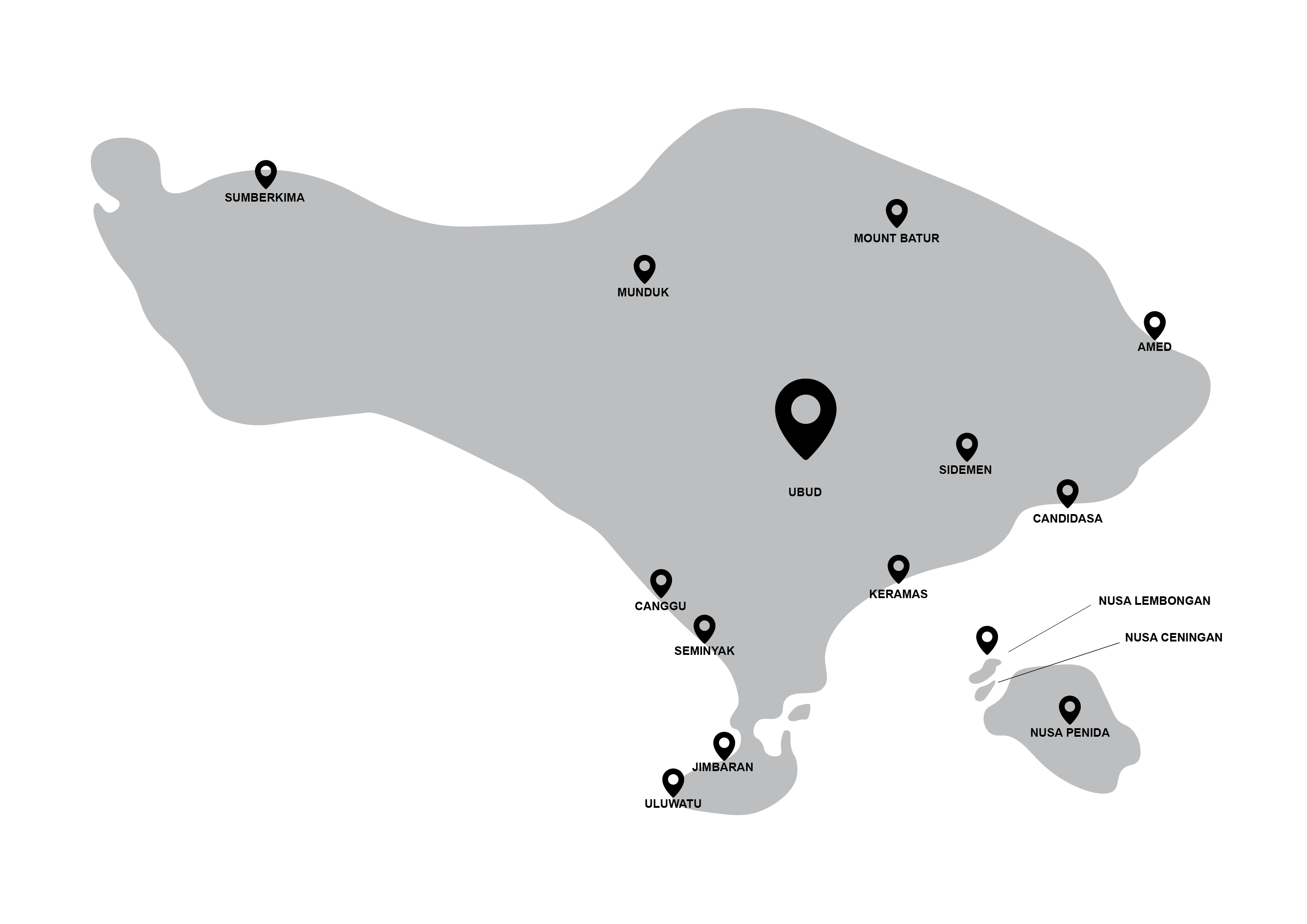
Location: Payangan, Gianyar, Bali
Since: 2022
Structure: 16 Private Pool Bales
Architect: Gede Kresna & Dharmali Kusumadi
Certification: EarthCheck, Travelife
Local Team: 100% Indonesian / 80%+ Balinese
Distance: 90 min from Airport
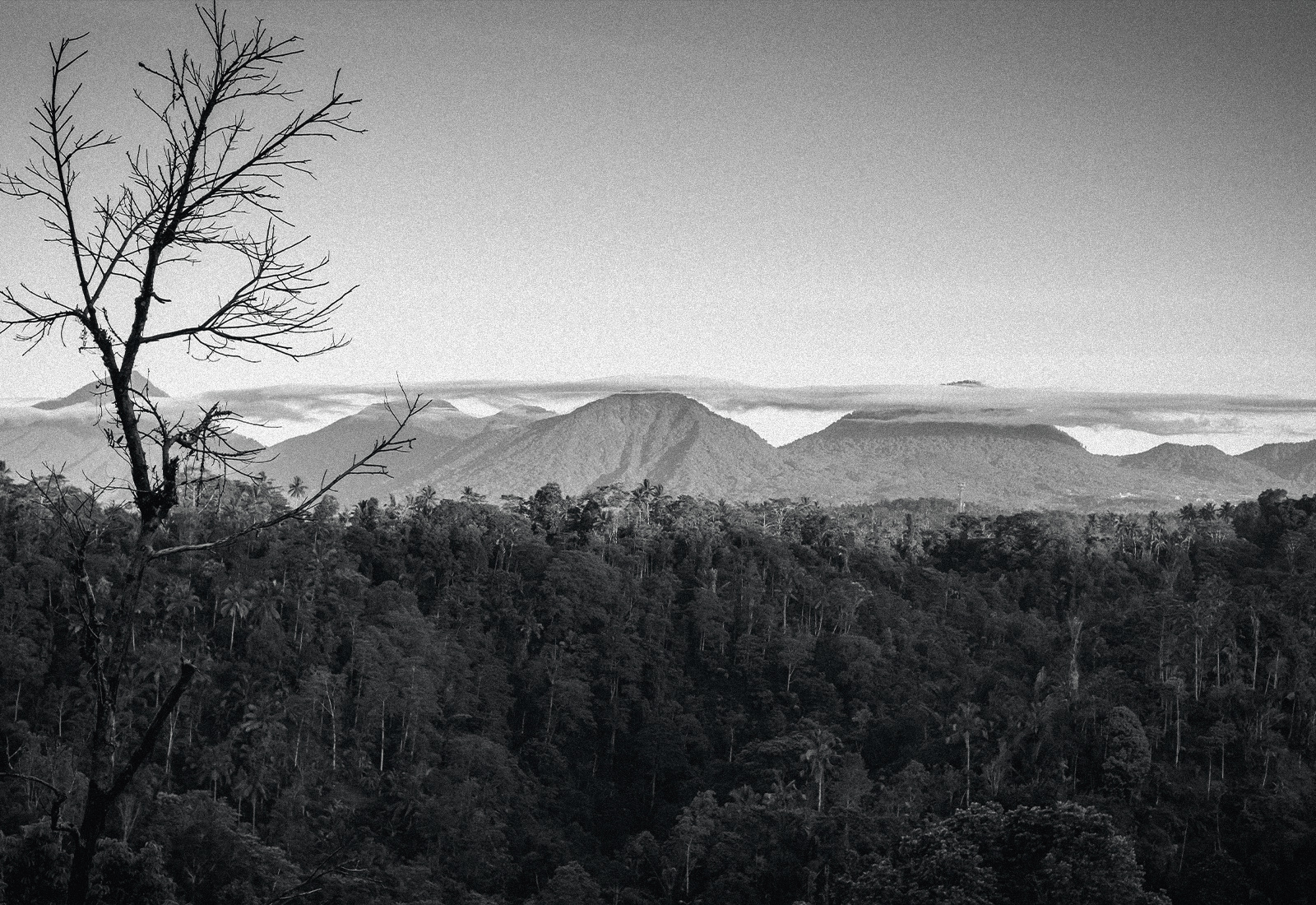
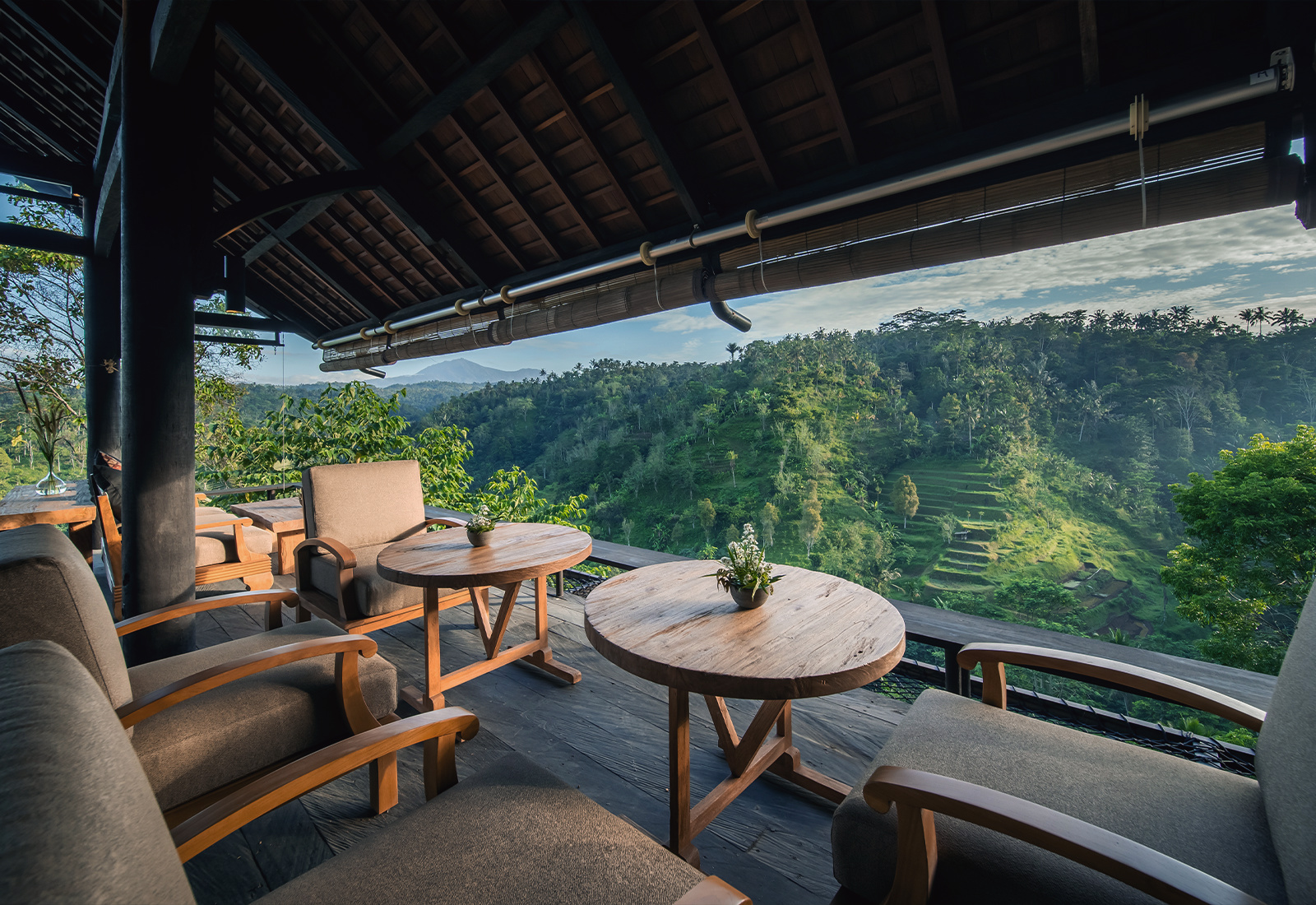
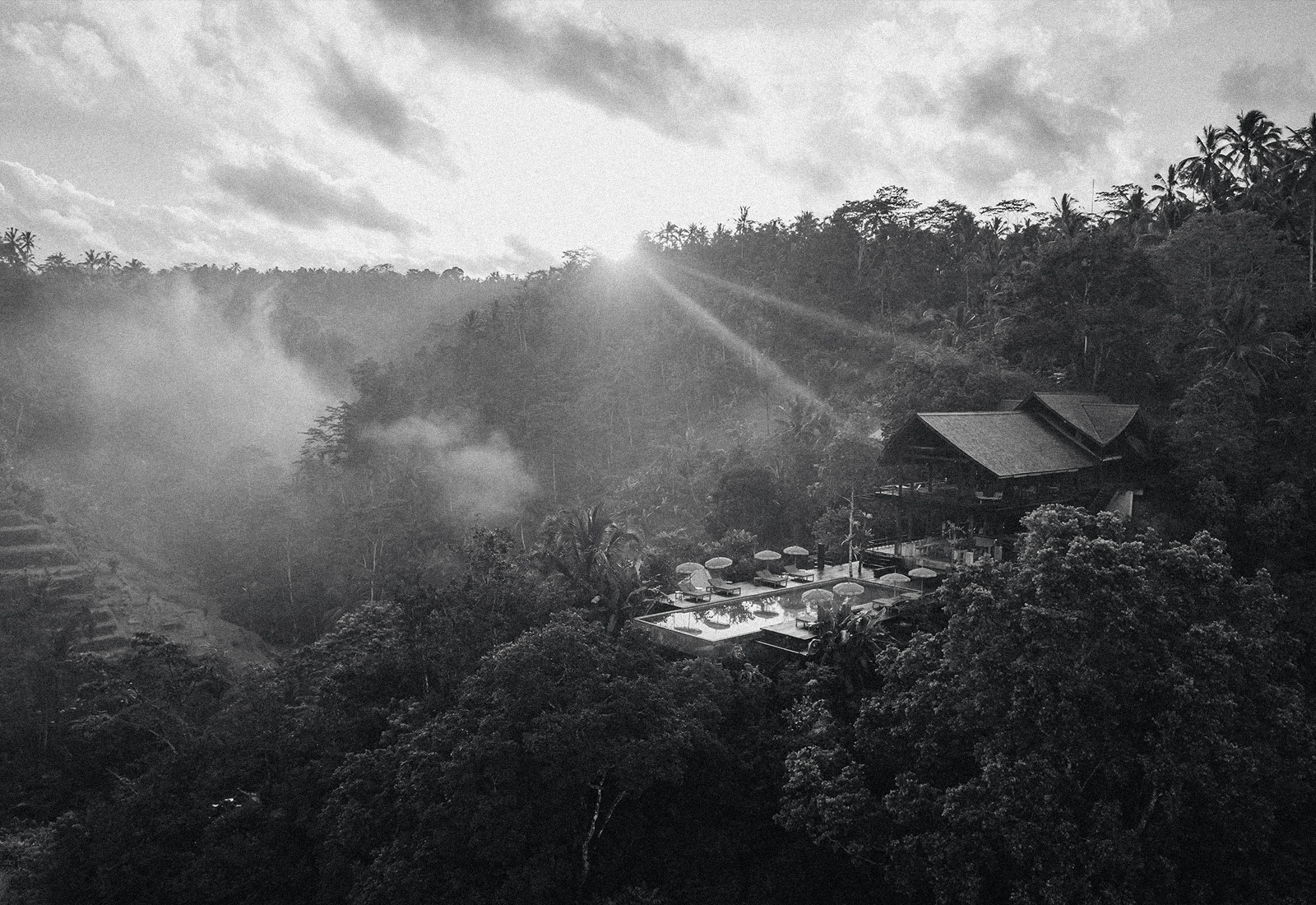
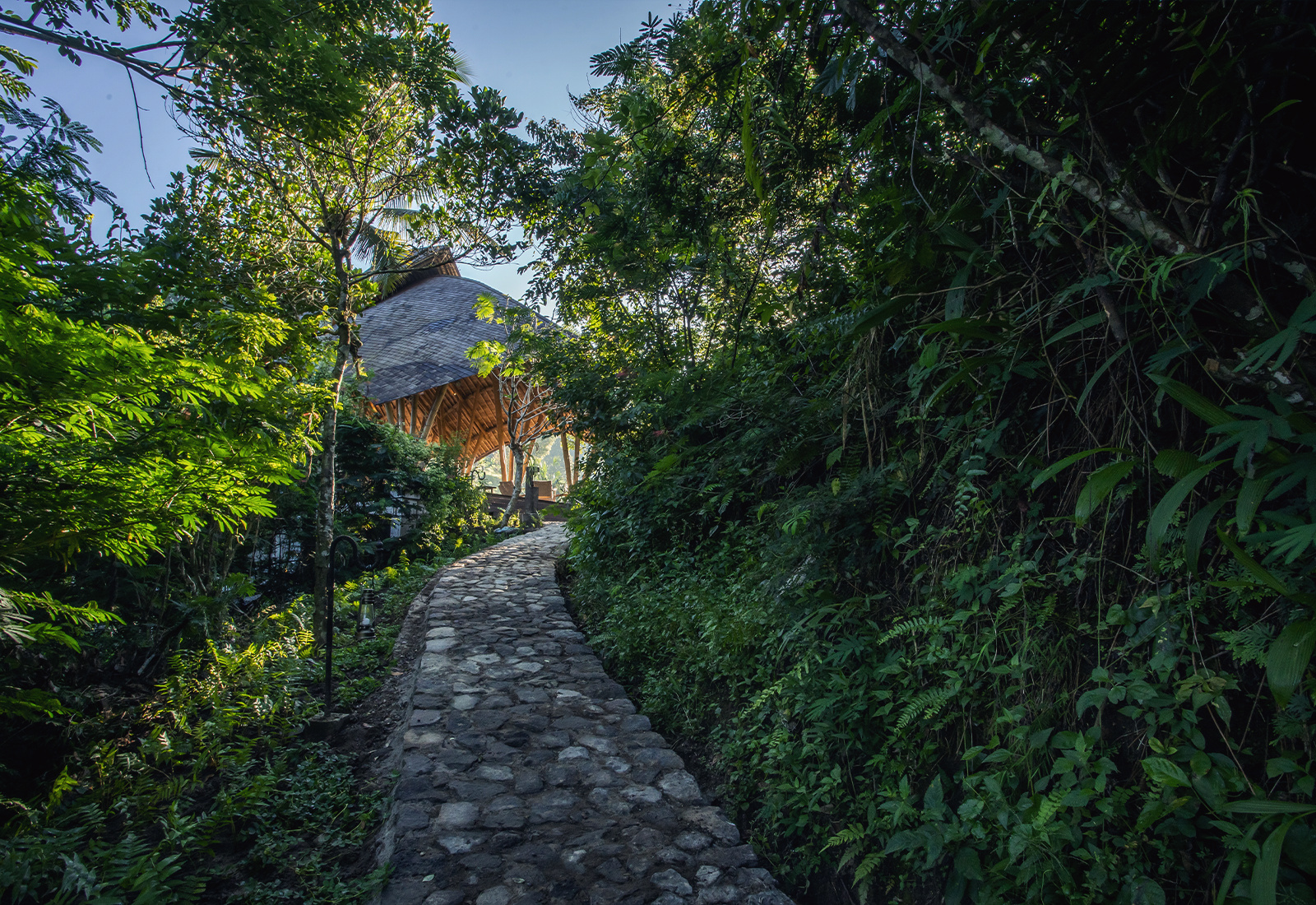
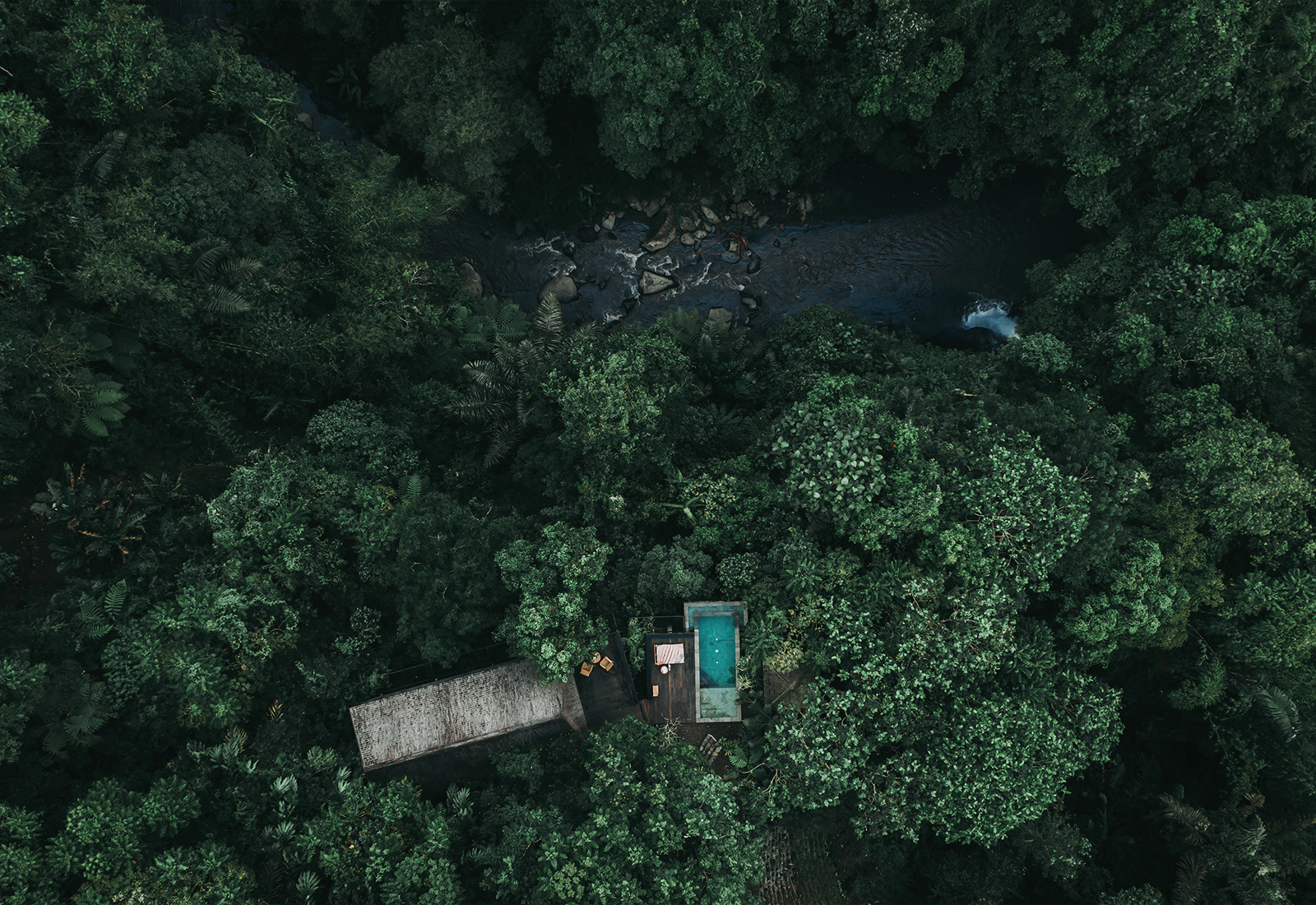
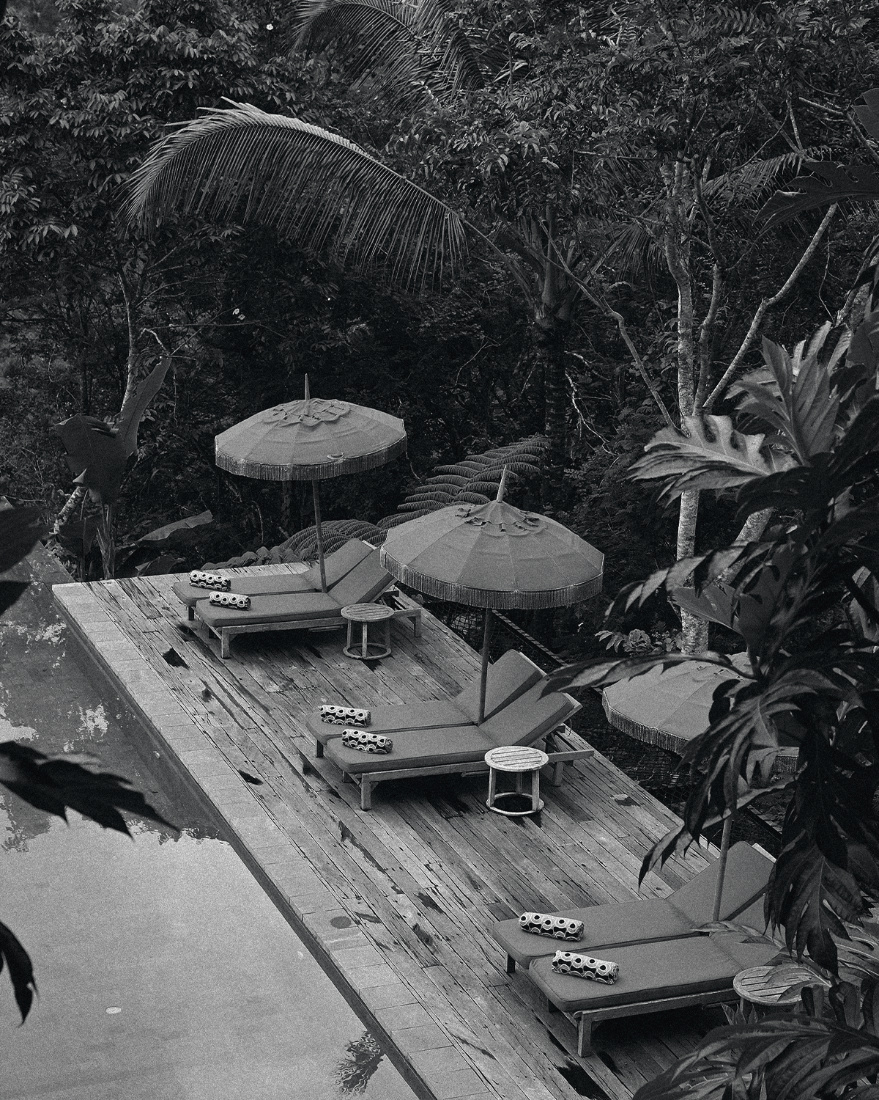
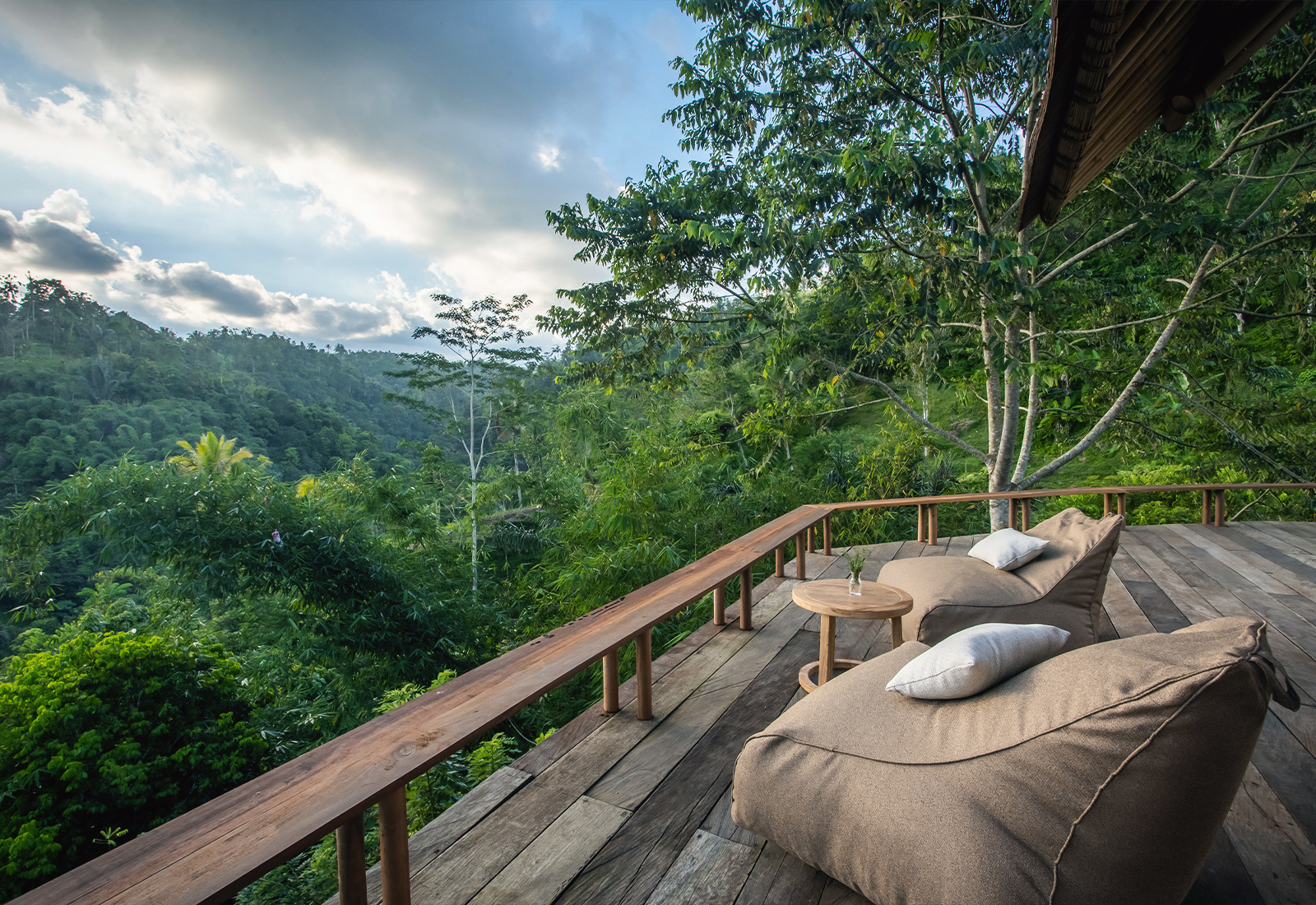
There are resorts that build a view and there are resorts that borrow one entirely. Buahan, A Banyan Tree Escape, sits in the highlands of Payangan, above the Ayung River valley, with Bali's seven volcanic peaks rising in the middle distance, and holds nothing back from the guest, not a wall, not a door, not a pane of glass. The jungle isn't framed here. It's simply let in.
What makes this property remarkable is not the openness itself, radical as it still is in Bali's luxury landscape. It is the discipline behind that openness: a resort built on 12 acres the ownership had held for nearly two decades before ever breaking ground, designed by a Balinese architect working from Balinese building philosophy, staffed entirely by an Indonesian team, and measured not by how much it adds to the land but by how little it needed to.
The Story
A Quiet Kind of Conviction
THE VISION
When Banyan Tree conceived Buahan as the first property under its new Escape brand, the brief was closer to a philosophical position than a design spec: strip hospitality back to a single question, what happens when you remove the barriers, physical and psychological, that keep guests from actually being present in nature. The land itself had waited for this. Banyan Tree had held the 12-acre site in northern Ubud for nearly two decades before development began, giving the eventual design time to be shaped around the valley rather than imposed on it. The resort opened in June 2022 as the first property in the Escape collection, built entirely around a "no walls, no doors" concept applied without exception across all 16 bales.
THE ARCHITECTURE
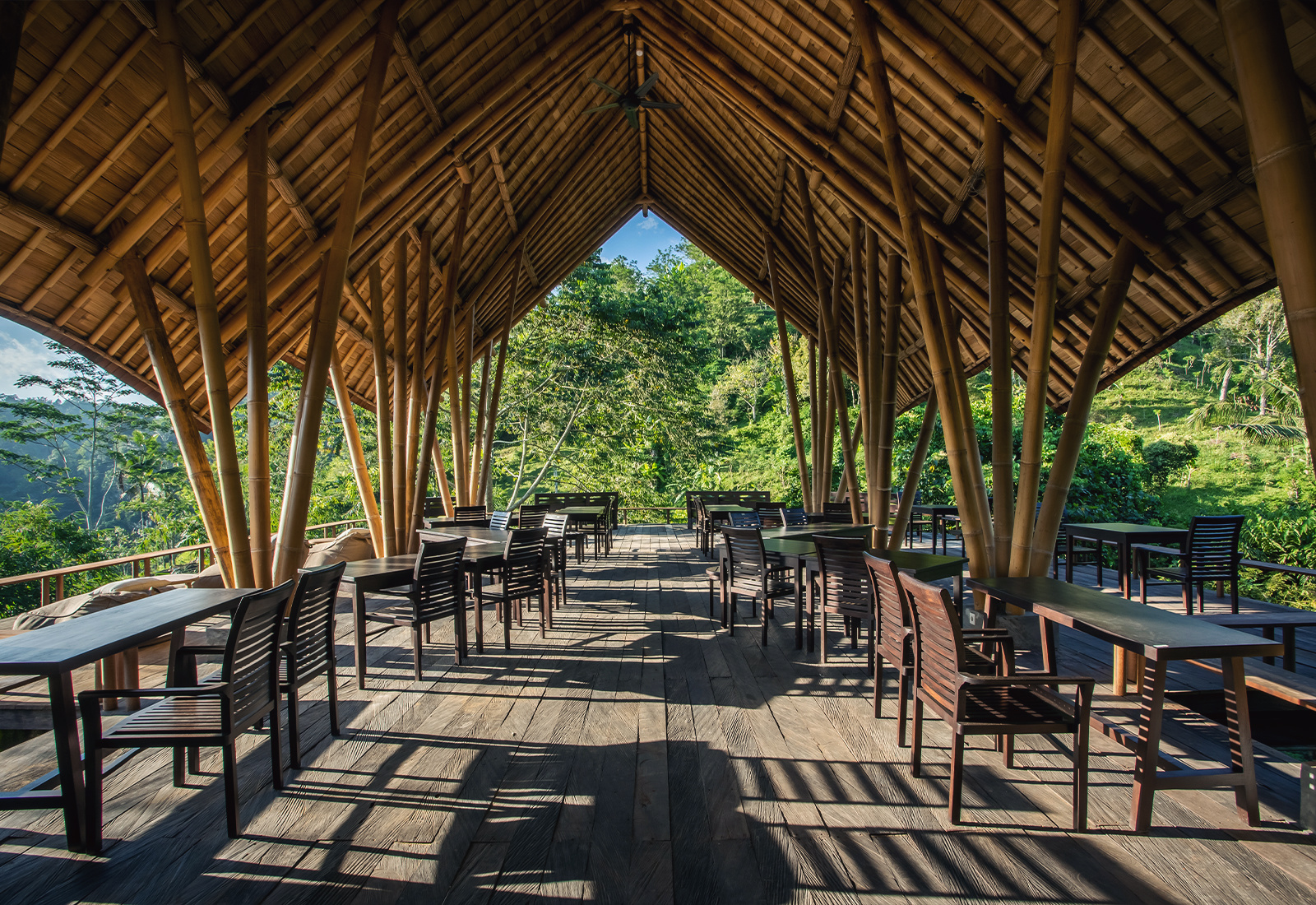
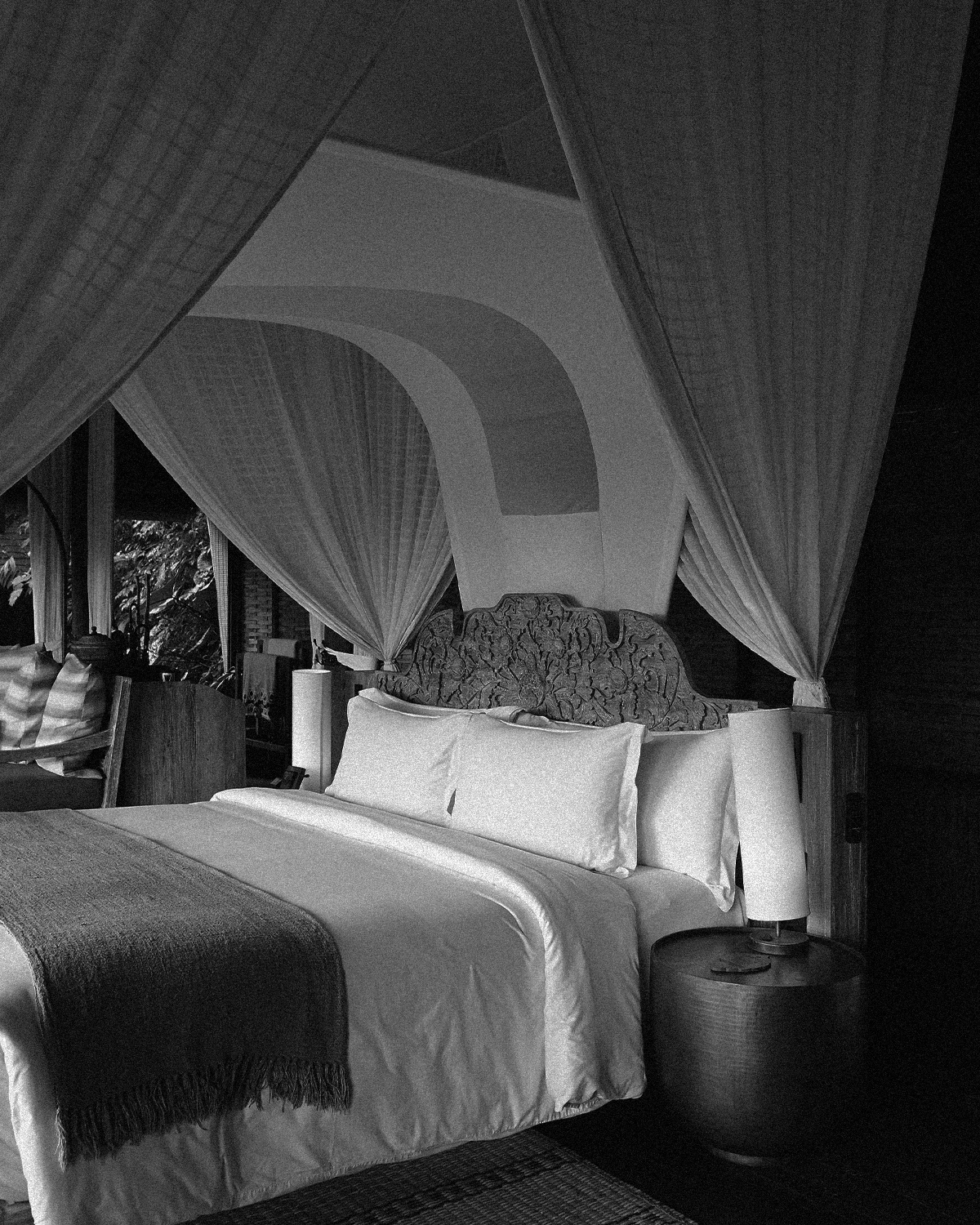
Buahan's design came from Gede Kresna, a Balinese architect known for building in dialogue with the land rather than against it, working in close collaboration with Banyan Tree's own Head of Architecture, Dharmali Kusumadi. The result is what the resort calls "Naked Architecture": three bale typologies, Rainforest, River Valley, and Seven Peaks, each roughly 160 square meters, each oriented so the jungle becomes the interior finish. Over 80 percent of the resort's construction uses recycled timber, including reclaimed Ulin wood salvaged from old boatyards and jetties, a hardwood originally built to withstand open water and now repurposed as structural material with decades of history already in the grain. Furnishings continue the same logic: hand-carved wooden beds and mirrors, hand-smithed copper bathtubs, ceramic sinks made by local artisans, and soft furnishings hand-dyed by Tarum using traditional plant-based techniques. Nothing in a bale was chosen for its polish. Everything was chosen for what it already carried.
THE LEGACY
Buahan holds Two MICHELIN Keys and sits in Condé Nast Traveler's Triple Crown, a distinction earned through recognition across the Condé Nast Traveler Readers' Choice Awards, Travel + Leisure's Luxury Awards Asia Pacific, and Tatler's Best 100 Hotels, held by only a handful of properties worldwide. EarthCheck certification and Travelife accreditation sit alongside these as independent verification of the environmental and social claims behind the design, not replacements for them. Three years since opening, the resort's original premise, that removing barriers between guest and jungle would be the luxury rather than a compromise on it, remains the same idea it launched with. Nothing about the model has needed softening.
The Interview
Meet Hengki Adnyana
"Nature may be what first brings
guests here, but meaningful human
connection is what they remember."
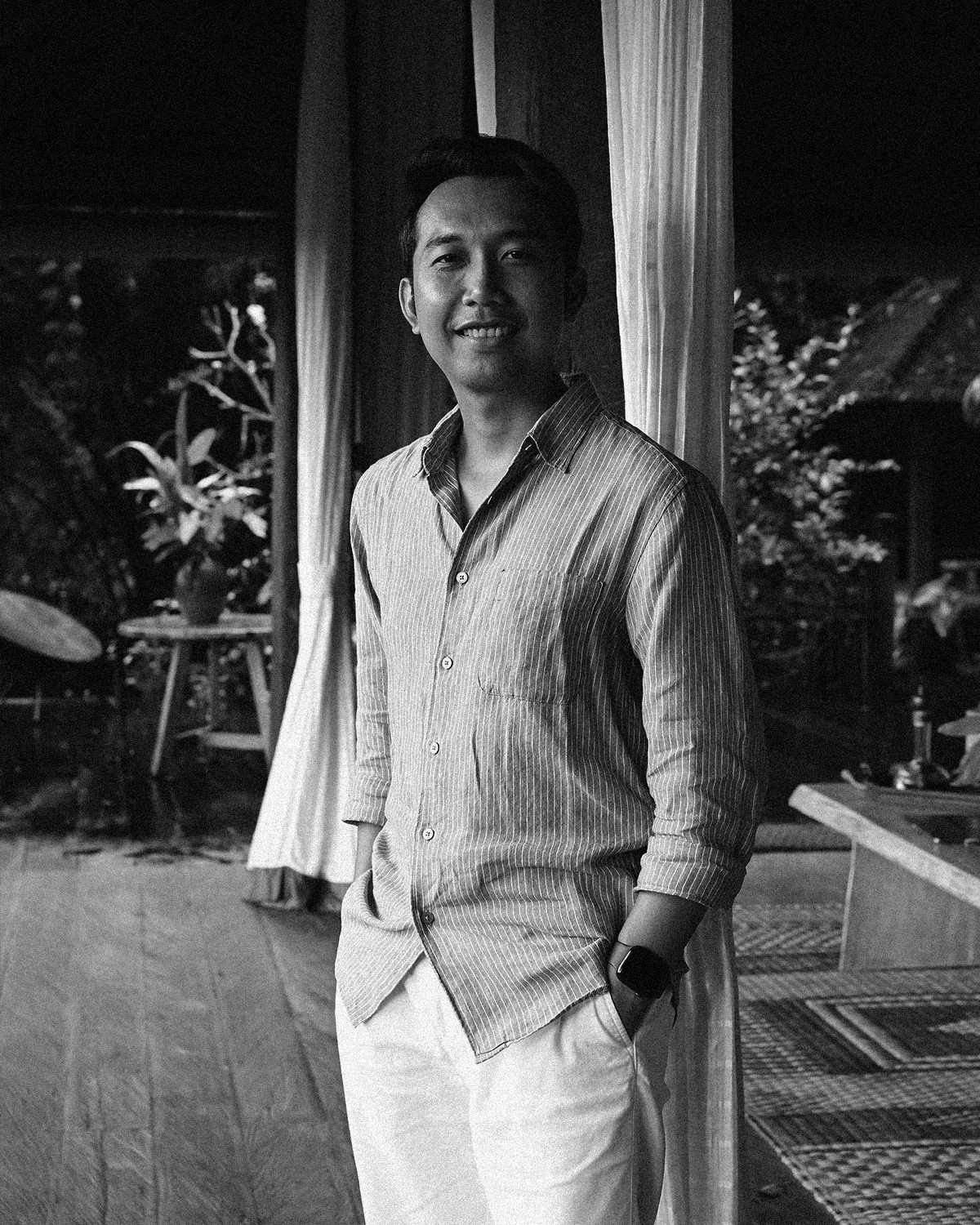
Hengki Adnyana is a Balinese hotelier whose own path traces the arc Buahan asks its guests to make in miniature. Raised between the limestone cliffs of Ungasan and the beach culture of Legian, trained at the Oberoi Centre in New Delhi, and shaped by properties across some of the region's most considered addresses, he came to Buahan looking, in his words, for purpose rather than a promotion. What he found was a resort that wasn't talking about sustainability so much as actively building a regenerative one, a 100% Indonesian team, and a founding philosophy of embracing the environment and empowering people that matched what he'd always believed hospitality should be. He still remembers his own first night in an open bale: no walls, no alarm clock, just birdsong and river sound at 5:30am. He slept, in his words, like a log.
Impact in Action
Naked by Design
MATERIALS
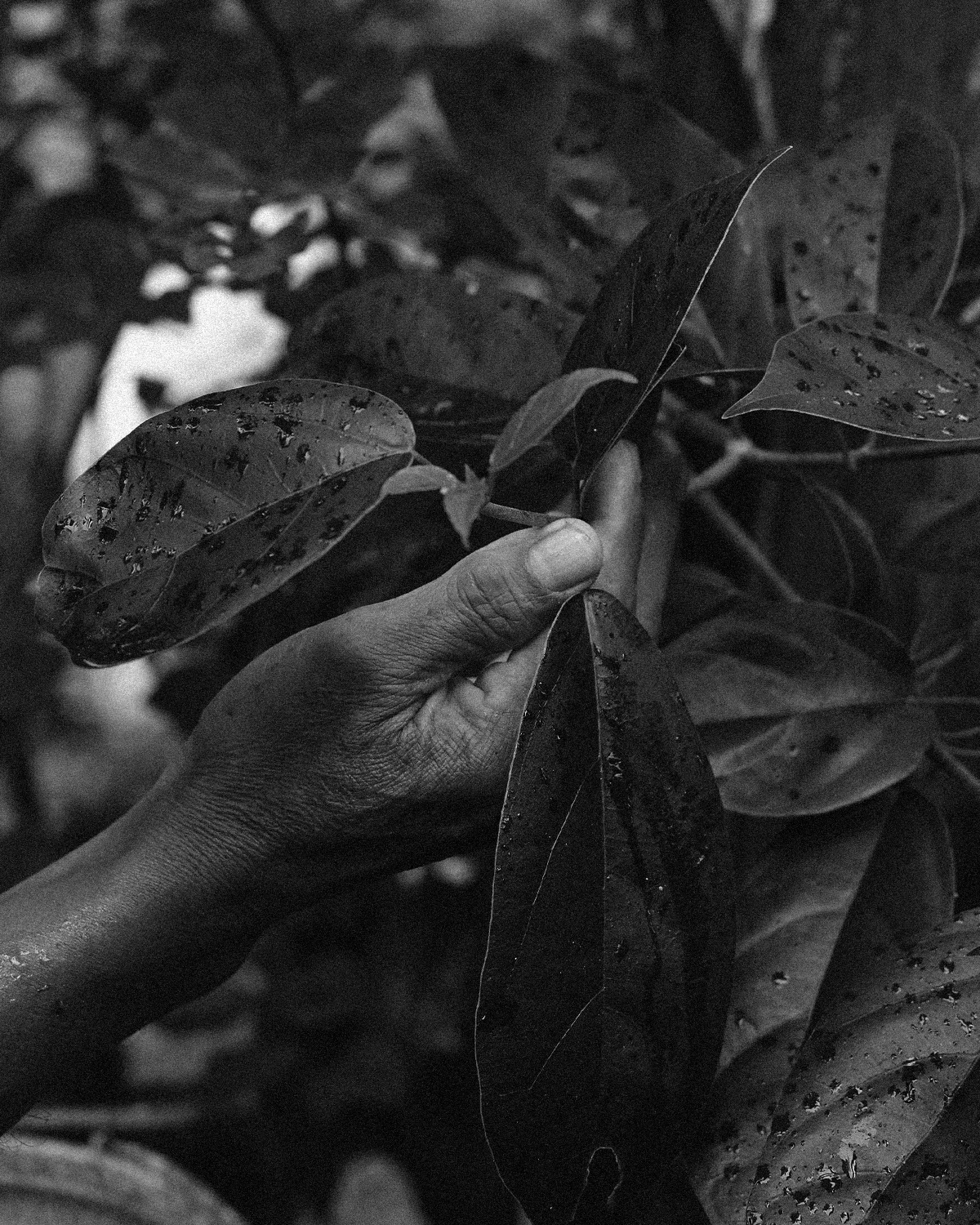
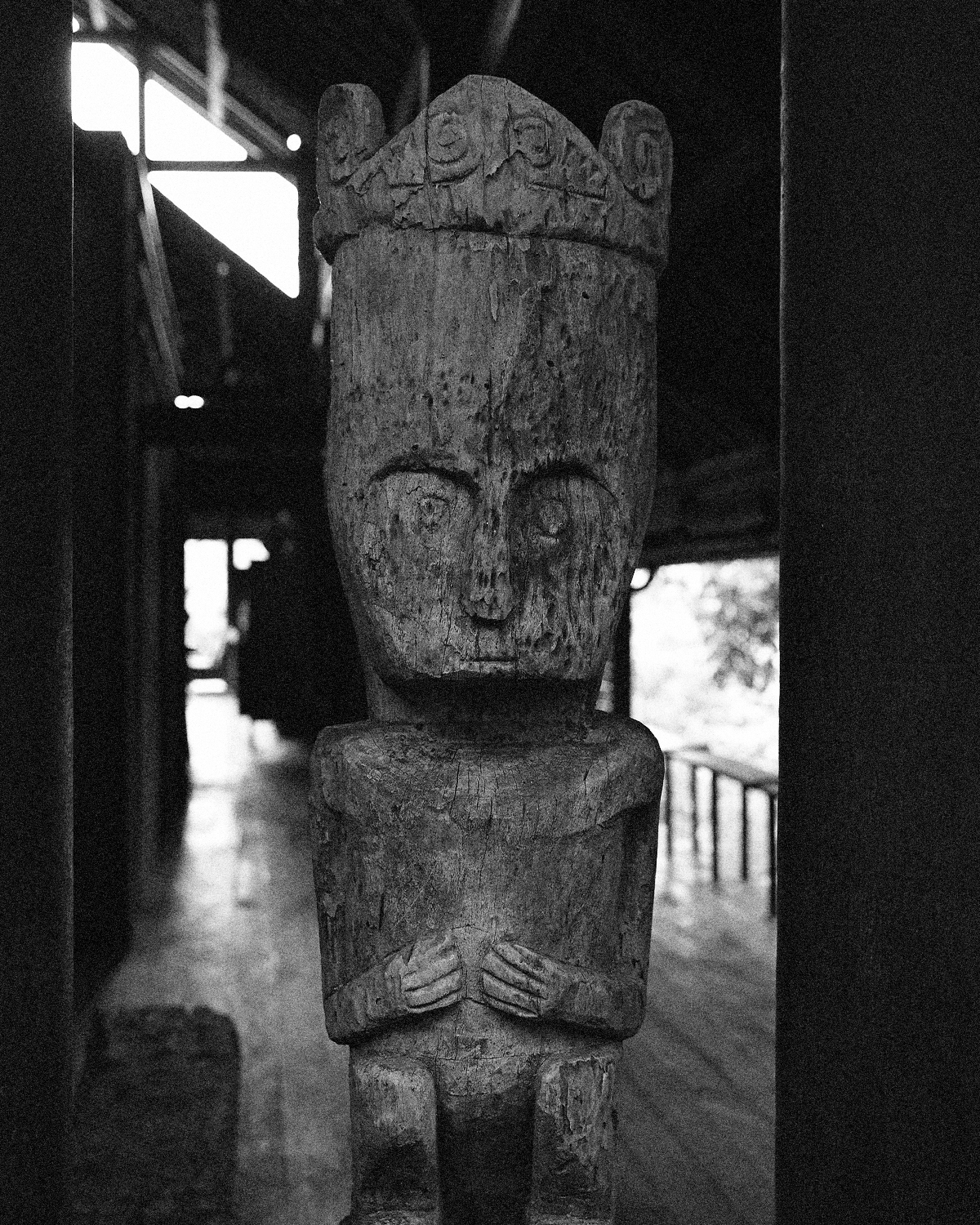
More than 80 percent of Buahan's built environment uses recycled and reclaimed material. Ulin wood, an ironwood hard enough to have once served as pilings and jetties in open water, was salvaged from old boatyards and rebuilt into structural beams and flooring across the property. Beds and mirrors are hand-carved rather than machined. Bathtubs are hand-smithed from copper. Soft furnishings are dyed using Tarum's traditional plant-based techniques rather than synthetic pigment. Every material decision favors a piece with a documented past over one without.
CIRCULAR SYSTEMS
Through the Ngadas Project, Buahan runs a circular farming model built on relationship rather than transaction: the resort provides livestock to local farmers under a profit-sharing arrangement, organic waste from the kitchen becomes compost, compost enriches the farmland, and the farmland supplies the kitchen again. The loop closes on-site, and the community inside it grows stronger with each cycle rather than simply supplying a resort from a distance.
BIODIVERSITY
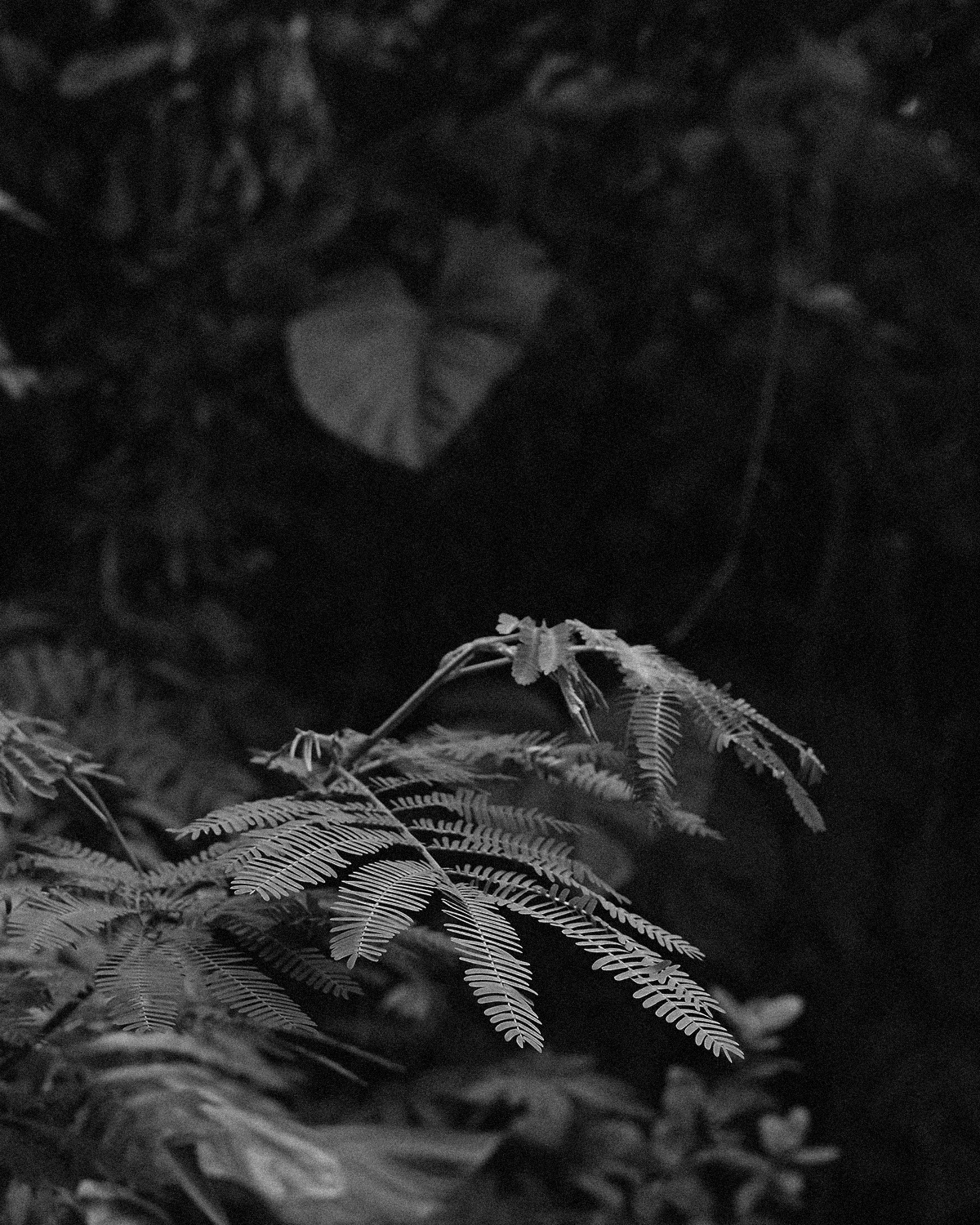
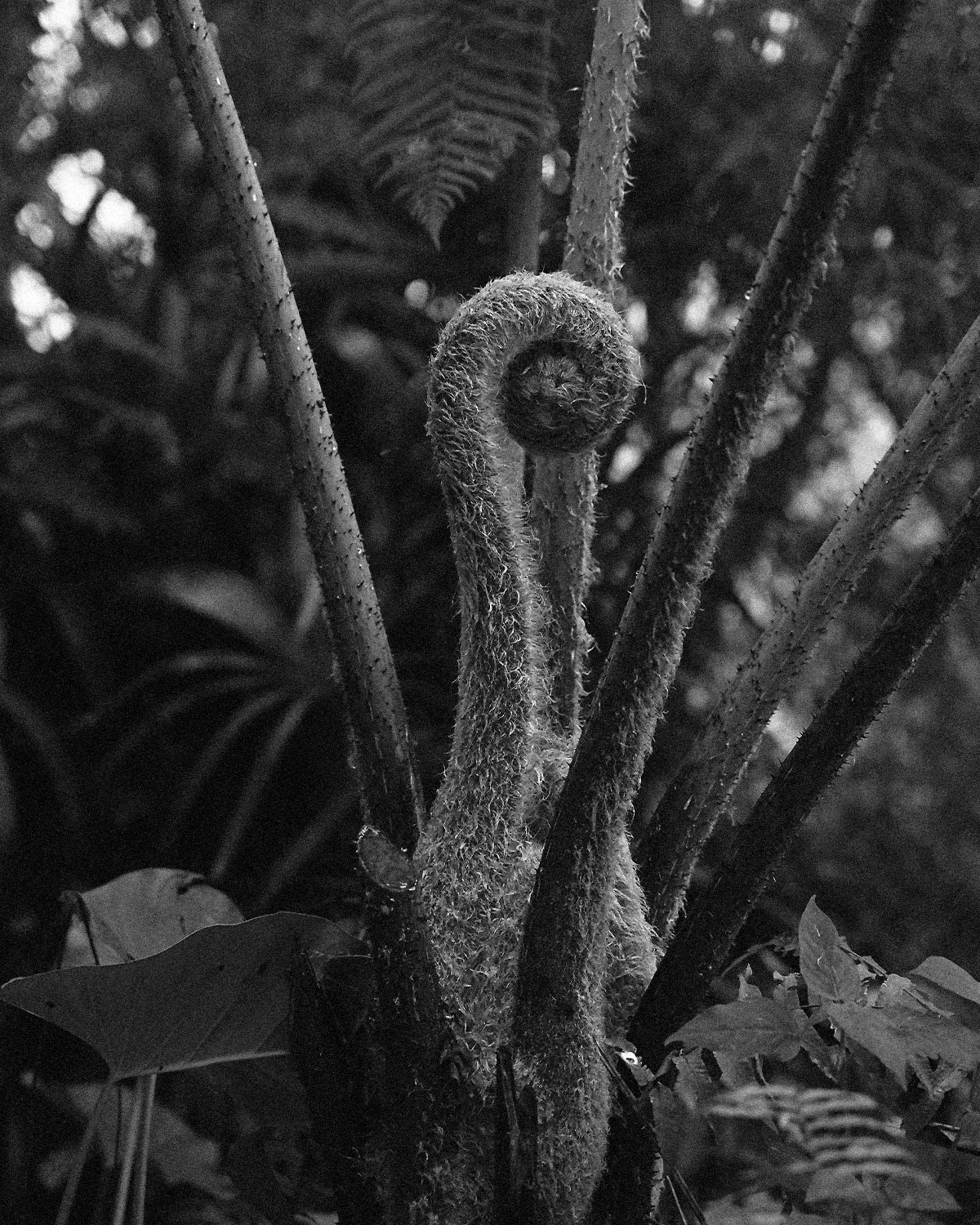
The Bring Back the Light initiative, developed with conservationist Wayan Wardika and the community of Tegal Dukuh, promotes organic, chemical-free farming specifically to restore the firefly populations that once defined Payangan's nights. Fireflies are a recognized ecosystem indicator, so their return is treated as a direct signal of habitat health. Lighting across the property is dimmed and timed even while guests sleep, in direct support of that recovery.
COMMUNITY
Buahan operates with a 100% Indonesian team, with more than 80 percent of staff coming from Gianyar and its surrounding villages. Farmers, healers, foragers and traditional artisans, among them Pak Ketut, who has championed organic farming for decades, and Ibu Munanti, whose knowledge of local wellbeing traditions now shapes the guest experience, aren't presented to guests as programming. They appear as themselves, sharing lived expertise rather than a script written for visitors.
Hotel Features
Comfort, Reconsidered
THE RESORT
Buahan occupies a 12-acre site in the highlands of Payangan, Gianyar, roughly 90 minutes from Ngurah Rai International Airport and 40 minutes from central Ubud. The property is designed for adult guests only, a deliberate choice that shapes the pace and atmosphere throughout the stay.
THE BALÉS
16 private pool bales across three typologies: Rainforest Pool Bale, set among mountain and jungle canopy; River Valley Pool Bale, positioned above the Ayung; and Seven Peaks Pool Bale, opening toward Bali's volcanic horizon. Each bale runs roughly 160 square meters with an identical footprint, king bed, and private pool, so the differentiation is entirely in what the surrounding landscape offers rather than in amenity tiers.
IN-BALE FEATURES
• Private pool, gazebo, fire pit and open terrace
• Hand-carved wooden bed and mirror
•
Hand-smithed copper bathtub
•
Ceramic sink by local artisans
•
Plant-dyed soft furnishings by Tarum
•
No walls, no doors, no air conditioning by design
DINING
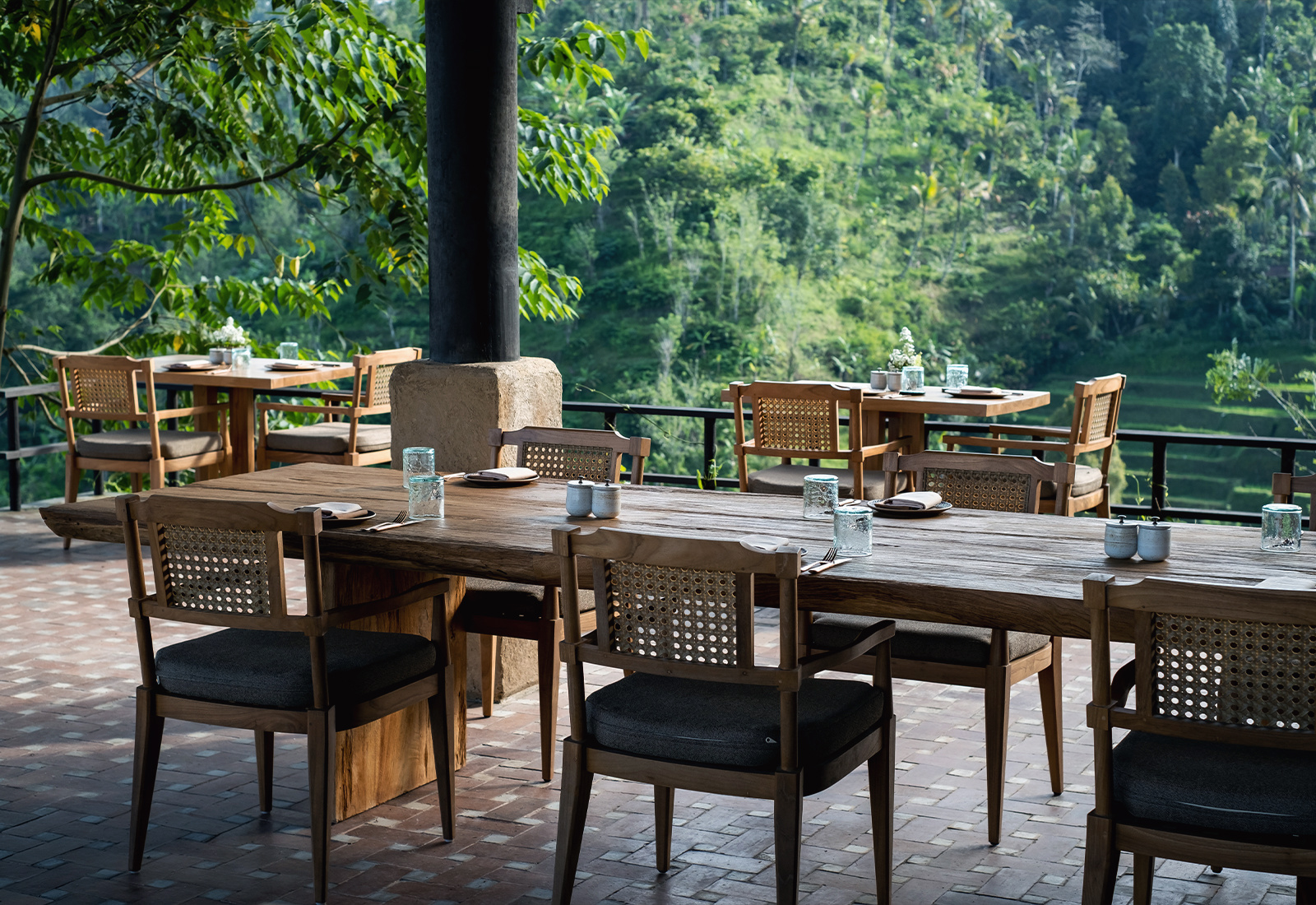
Open Kitchen serves a five-course dinner experience built on a zero-waste, farm-to-table philosophy, with a menu that runs roughly 70 percent plant-based, sourced from producers within an hour's drive and the resort's own organic garden. The Botanist Bar draws on freshly picked herbs and botanicals grown on-site for kombuchas, sodas, ciders and house infusions, including loloh, the traditional Balinese herbal tonic. A growing number of Open Kitchen and Botanist Bar experiences are now open to non-resident guests by advance reservation.
WELLNESS
Toja Spa is certified by the Banyan Tree Spa Academy and built around an open-garden concept that extends Buahan's wider philosophy into treatment, drawing on wellbeing traditions rooted in Buahan village itself rather than an imported spa menu.
EXPERIENCES
• Tri Hita Karana Walk through village life and land
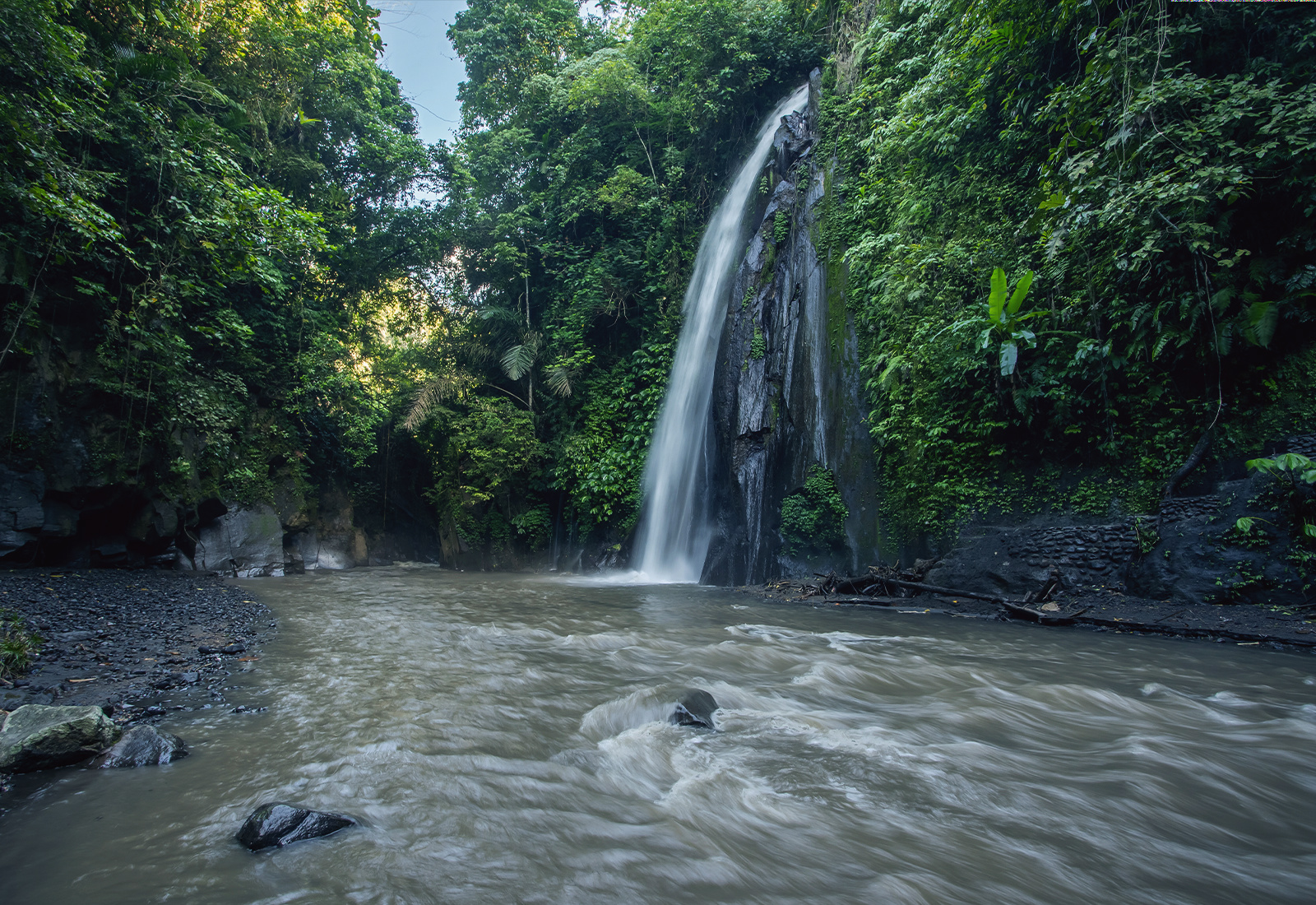
• Soul Freedom Journey, a waterfall purification ritual
•
Sandikala Walk at twilight
•
Ibu Workshop series
•
Mount Batur sunrise trek
•
Ride for Resilience highland cycling route
• Rice field walks and jungle foraging sessions
EXPLORE THE PUNCH
Celebrating Remarkable
Businesses with Impact