

FEATURES • DESTINATIONS
Ulu Garden:
A Harmony between
Earth, Art, and Soul
Words & Photography by The Punch
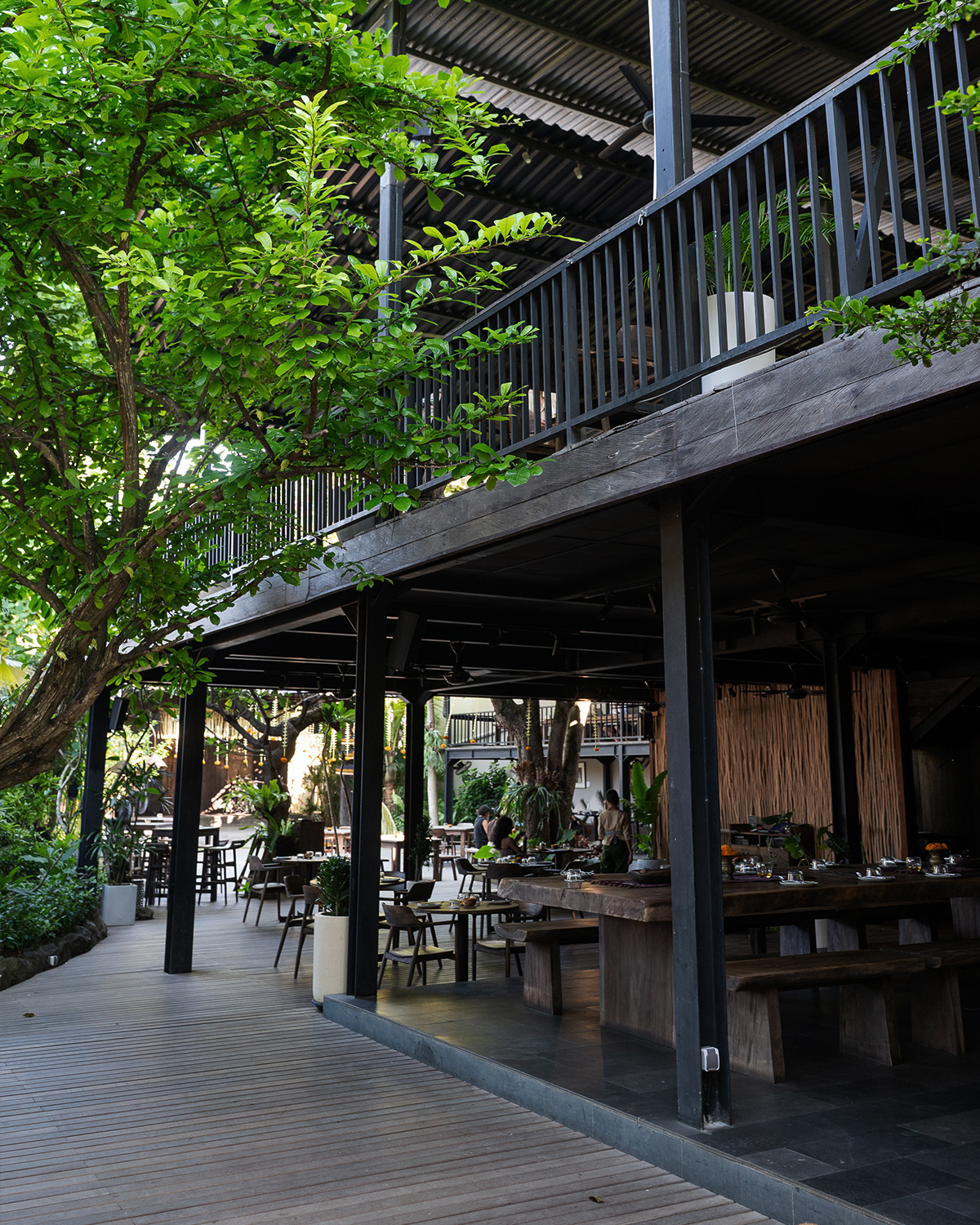
Beneath the sea in Uluwatu, there is a garden that breathes in rhythm with the island. Ulu Garden is not a restaurant, nor a music venue, nor a café in the ordinary sense. It is a living, evolving space, where creativity, nourishment, and human connection converge. A place built not from ambition, but from reflection.
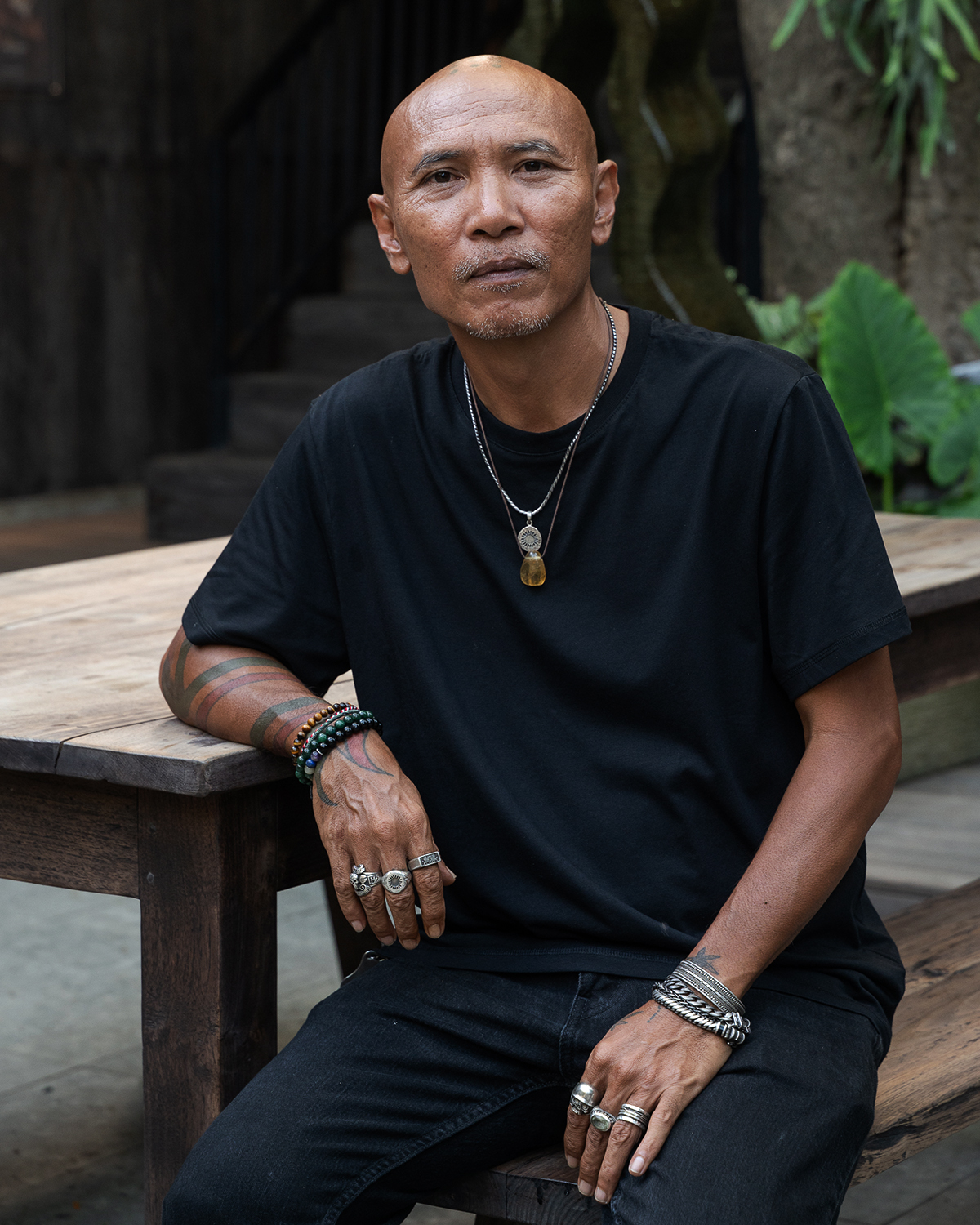
Its founder, Wayan Armina — known to most as Armi —, carries the energy of an artist more than an entrepreneur. Trained in tourism, he had once followed the industry’s familiar path before realizing it left him feeling empty. “I didn’t feel alive,” he says. It was music that reawakened him, his old companion from college days, and a small homestay that gave him a glimpse of what tourism could truly mean.
Each guest who passed through his doors was met with the same question: Why are you traveling? Some came for escape, some for discovery, others for peace. But the deeper he listened, the clearer it became, everyone was searching for essence.
The Beginning
In 2014, Armi built the first thing he ever needed: a stage. A wooden platform under an open sky, surrounded by palms and laughter. He didn’t have a product, just a stage, music, and intention. Each month he celebrated something different: Earth Day, Poetry Day, Water Day. Any reason to gather people, to create, to exchange.
He named it Ulu Garden, drawn from ulu, meaning “source” or “origin,” and the timeless idea of a “Garden of Harmony”--a space that exists between good and bad, where all dualities fade and only balance remains.
“Everyone who travels is looking for a place like that,” he says. “A place between worlds.”
The stage became a meeting point for travelers, artists, and locals seeking something beyond entertainment. It was never about copying trends or performing covers; it was about original music, spoken word, and genuine conversation. Guests would linger late into the night, talking about philosophy, spirituality, and the disappearing purity of the Balinese smile.
“People told me, ‘I’ve been across Asia, but the Balinese smile is different–it’s so pure.’ That stayed with me,” he says. “We have to preserve that purity, because it’s part of who we are.”

A Meeting of Souls
That same spirit of curiosity eventually led him to his life partner, a woman whose language of expression was food. She came from a background of pure business, managing a restaurant in her hometown, but beneath the surface was the same artistic soul, the same question: What is the essence of food?
For her, food was not a commodity; it was a ritual. Together, they found harmony, he with his music, she with her cooking, and from this alignment, Ulu Garden began to take shape. Theirs was not a union of convenience, but of consciousness. He laid his vision bare right from the start: “This is what we’re going to do. If you’re okay with that, let’s go together.”
The kitchen became her stage, and the stage became his kitchen. Both expressions of creation, both rooted in the same spirit.
The Philosophy of Food
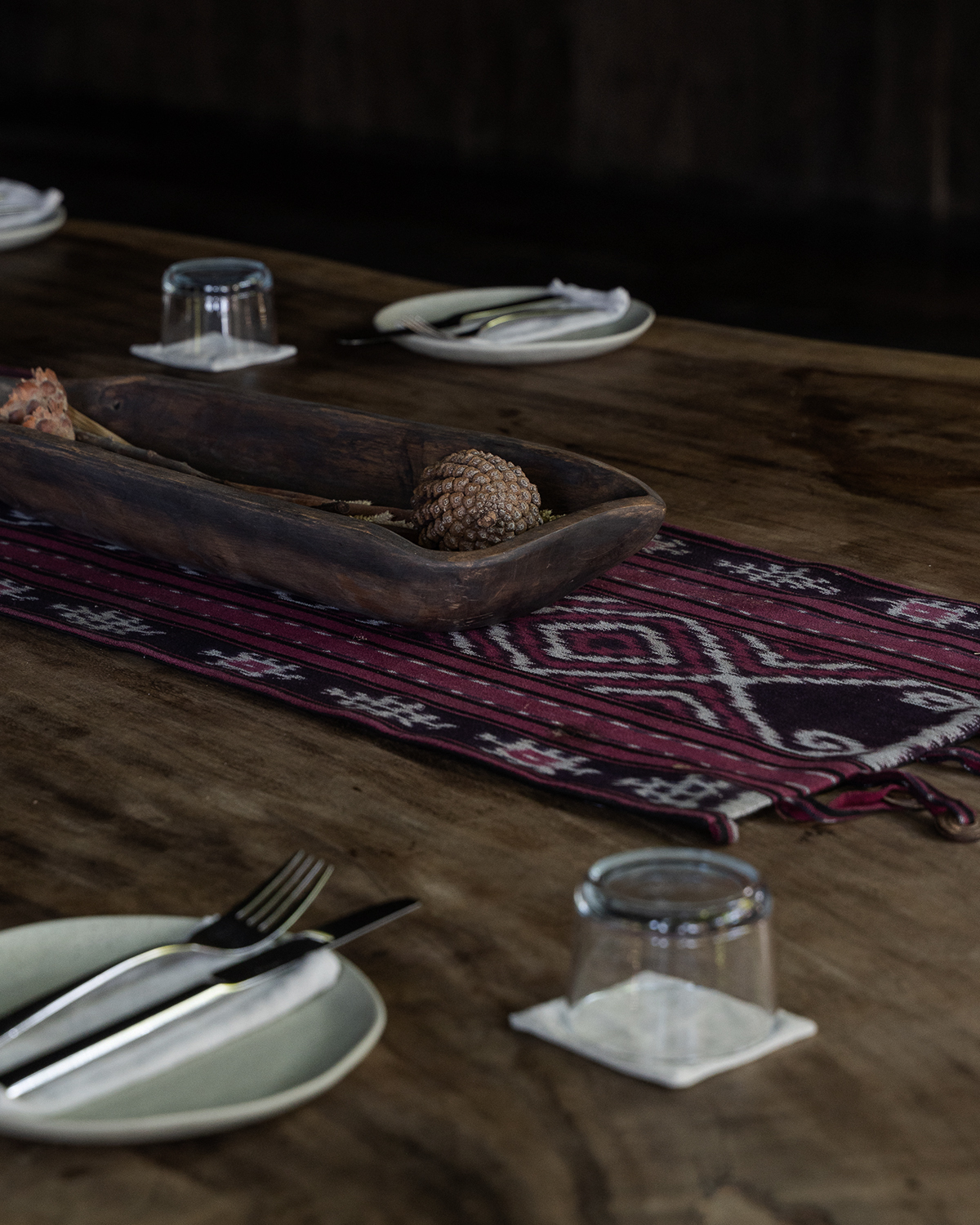
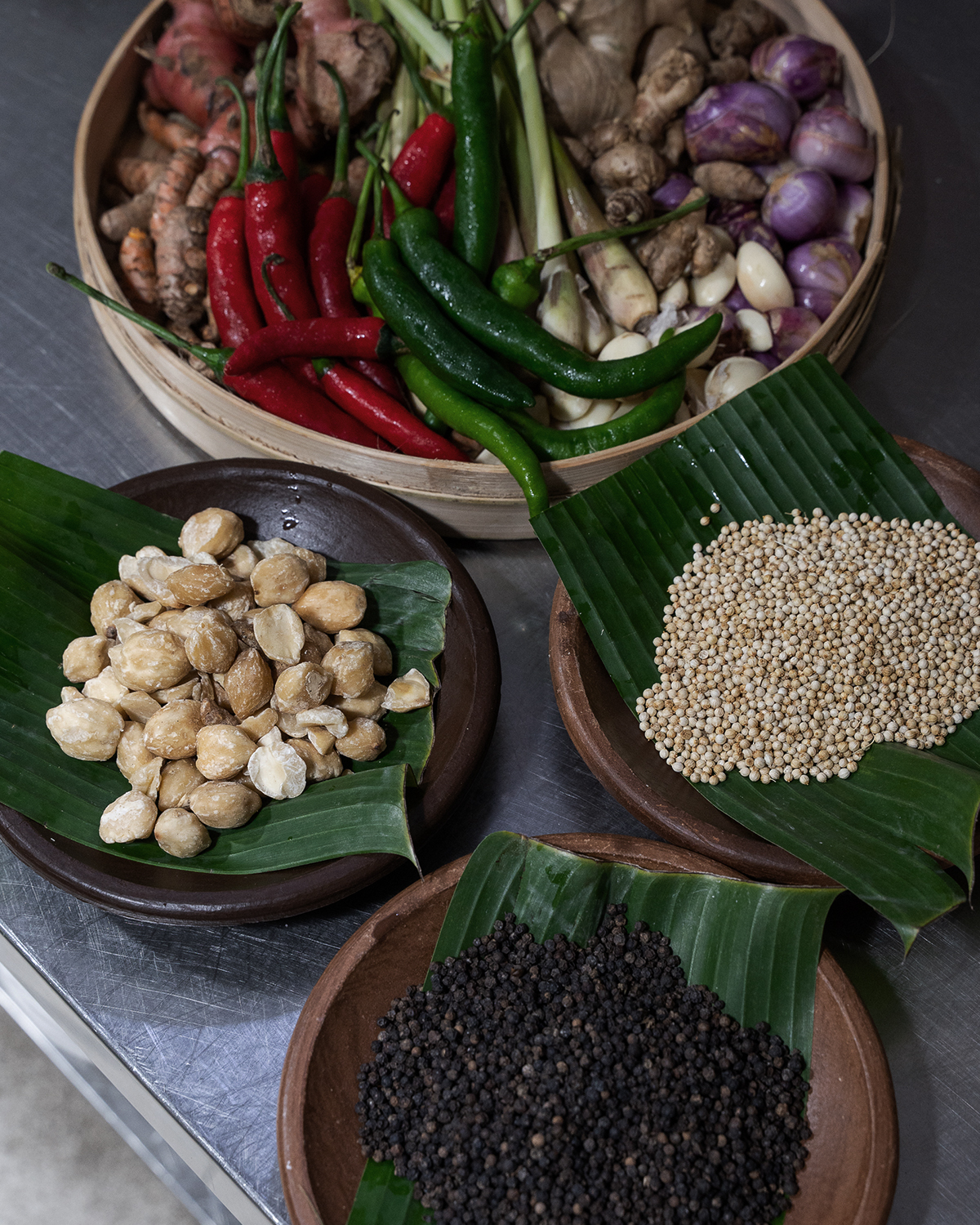
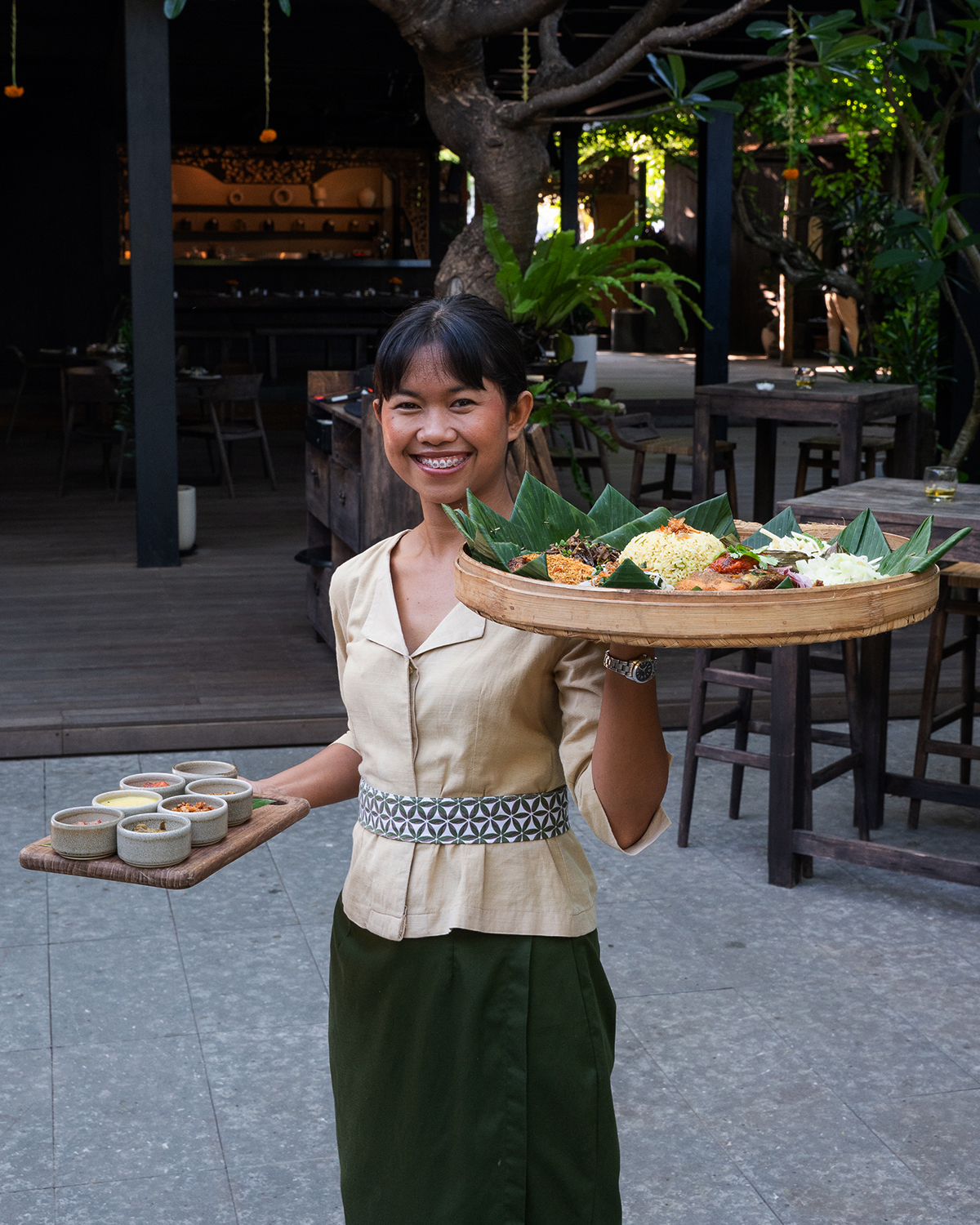
Today, the menu at Ulu Garden is a dialogue between East and West, between earth and sky. Its dishes are grounded in Indonesian and Balinese traditions yet crafted with sensitivity for global travelers.
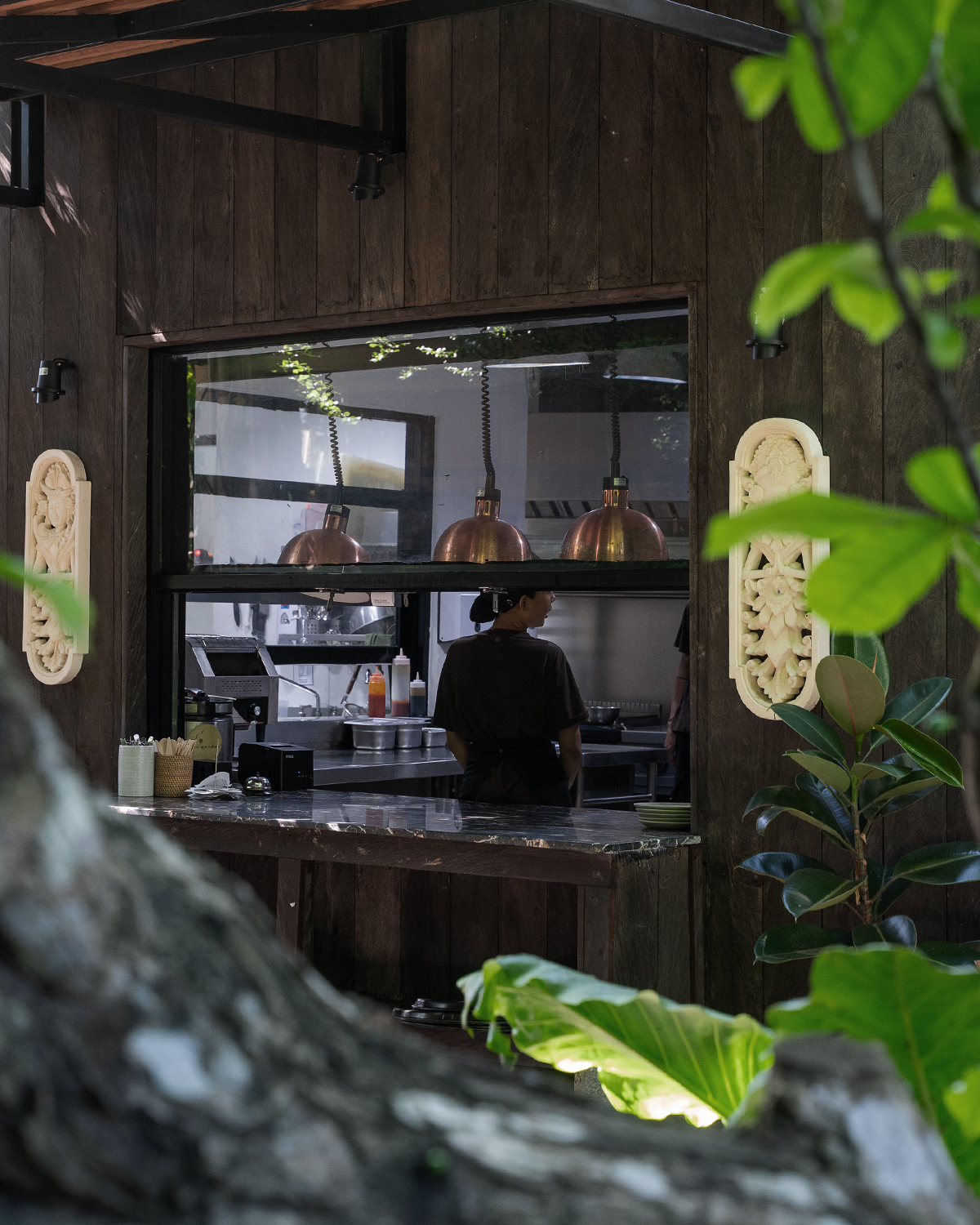
There’s roasted chicken with kelor (moringa) and urab, a fragrant mix of vegetables and coconut; market-style snacks inspired by the old villages; and plates that carry the depth of ritual rather than the gloss of modern plating. That belief goes beyond ingredients to the rhythm of how food is served and shared.
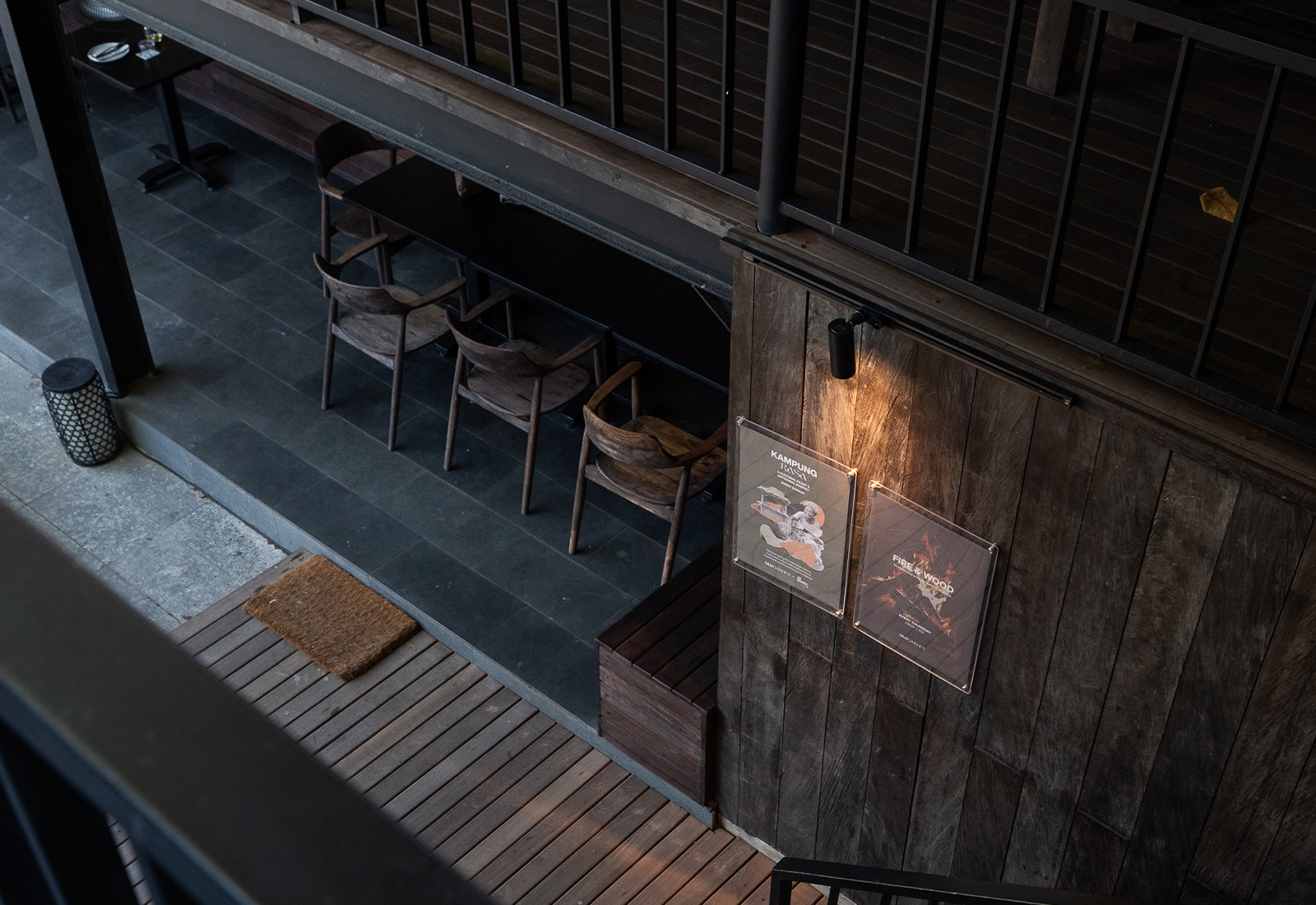
On Sundays, the garden transforms for Kampung Rasa–a lively tribute to Bali’s past. Stalls line the space, serving traditional snacks, fruits, and home-cooked dishes. But here, payment isn’t made with cash–guests exchange uang bolong, the old “hole coins” once used in Bali’s temples and markets.
It’s playful, nostalgic, and meaningful all at once. “It’s our way of blending the old and the new,” Armi says. “Just like in a modern festival where people use wristbands or cards–only ours comes from tradition.”
In every sense, Ulu Garden’s food mirrors its philosophy: a fusion born of respect, where sustainability isn’t a marketing word, but a lived practice.
The Collective
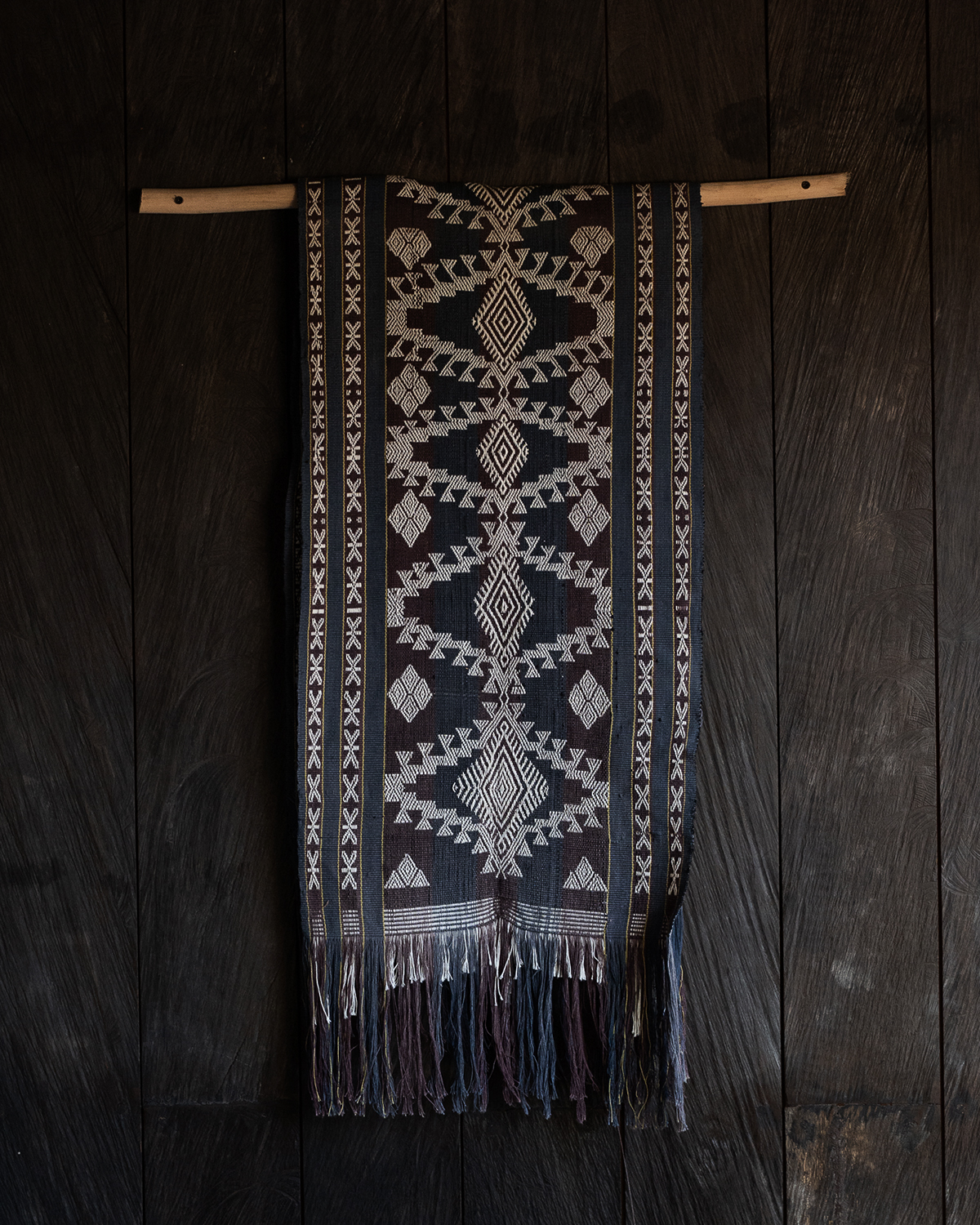
Art runs through the veins of Ulu Garden–not as decoration, but as lifeblood. The open-air space doubles as a community stage and rotating gallery, where local painters, photographers, and sculptors display their works. Exhibitions shift every few months, breathing new life into the walls.
It’s here that Armi and his uncle founded Himpunan Seniman Pecatu: the Pecatu Artists’ Association–to preserve and support local creativity. “Not every artist has a gallery,” he says. “But they still need a place to express themselves. That’s what we offer.”
Through this collective, musicians are encouraged to perform their own compositions. “Play your originals,” he tells them. “Even if it’s just two songs–it’s enough. Don’t copy. Be yourself.”
The same philosophy is in every craft within the garden. Painters, sculptors, and performers collaborate freely, uniting traditional techniques with modern mediums. In this way, Ulu Garden has become a sanctuary for authenticity and a reminder that creation and preservation can coexist.
A Space of Reflection
When the pandemic struck in 2020, Ulu Garden–like the world–paused. But the stillness only deepened Wayan’s resolve. “It gave us time to return to essence,” he says. When the garden reopened, it wasn’t about returning to business; it was about returning to meaning. The music became more intentional. The food grew more reflective of Indonesia’s natural diversity. Everything felt distilled; a condensation, as he puts it, “a meeting point between East and West, between the modern and the timeless.”
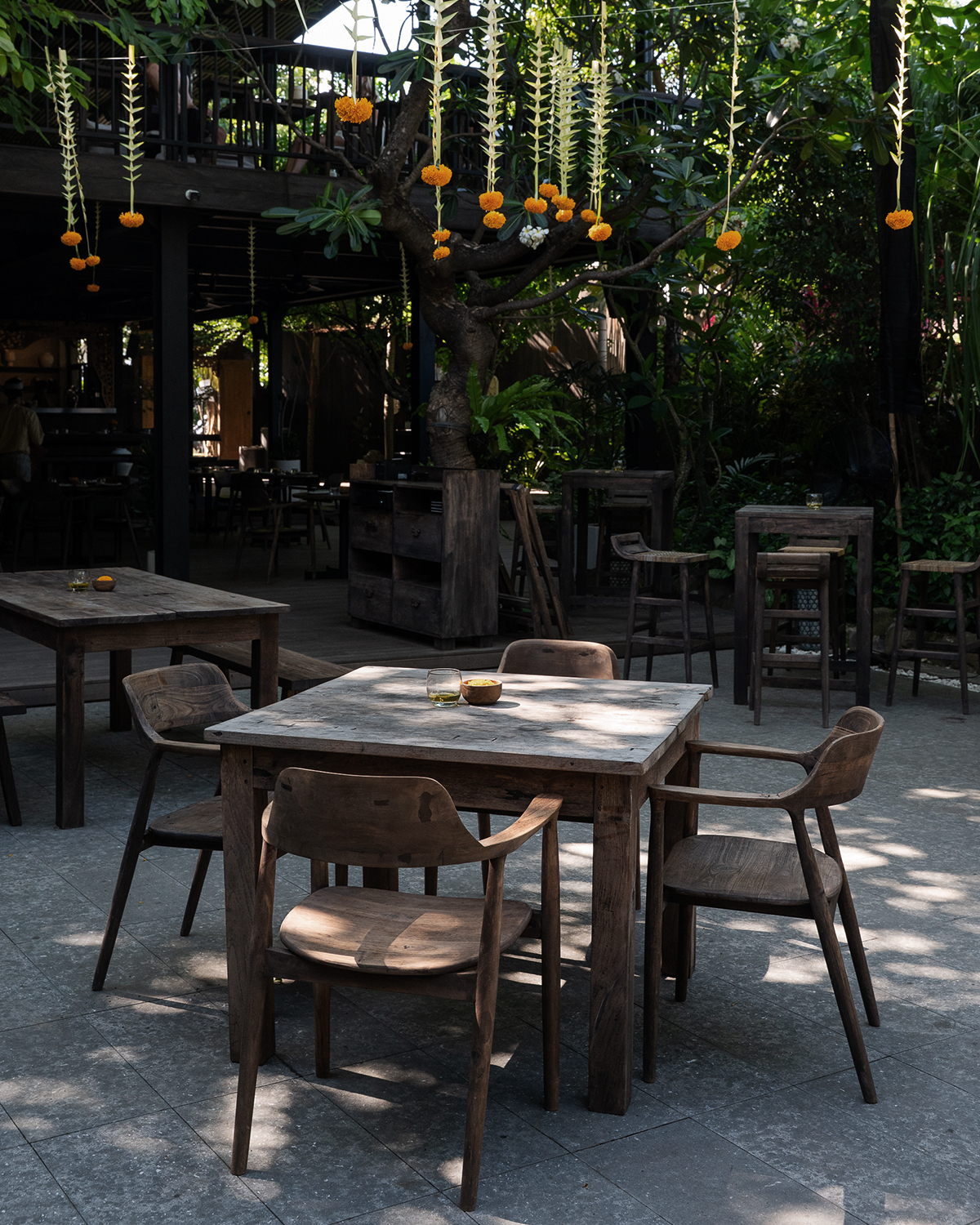
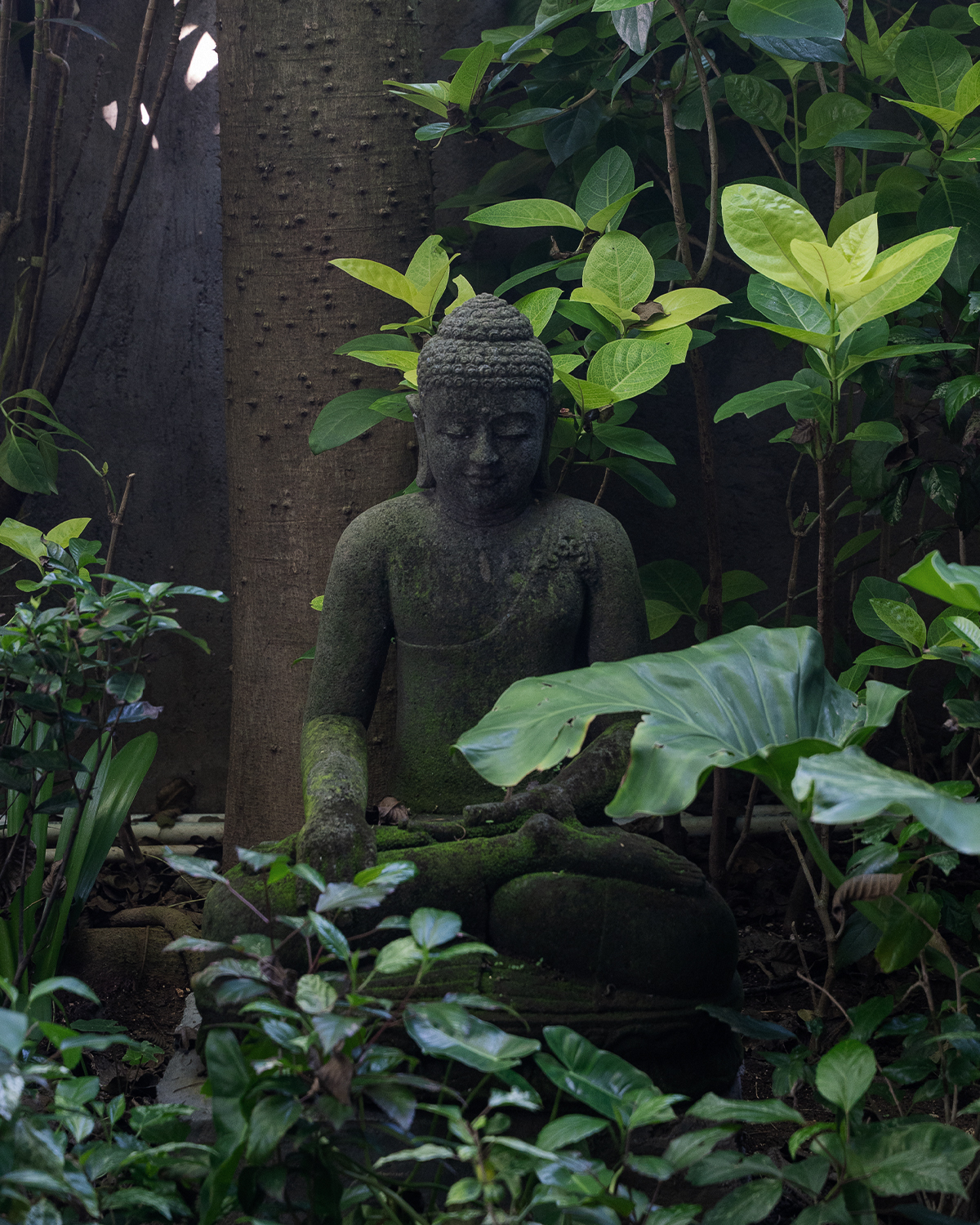
To enter Ulu Garden is to step into that condensation. The sound of live instruments floats through the trees. The scent of freshly roasted coconut mingles with salt air. There’s a quiet rhythm to it all, between the hum of conversation, the rustle of leaves, and the gentle clink of uang bolong. It feels less like dining and more like participating in something larger–a cultural dialogue, a shared ritual of remembering.
The Essence of Being Human
Ulu Garden continues to evolve, but its purpose remains constant: to promote harmony. Harmony between people, nature, art, and spirit. Harmony between East and West, tradition and innovation.
Armi often speaks of essence–the essence of being human. Through his music, he channels ancestral teachings; through his food, he honors the act of sustaining life; through community, he ensures that the purity of the Balinese smile lives on.
Late at night, when the stage lights soften and the crowd thins to whispers, he sometimes sits with travelers who stay until the early hours. Conversations stretch until dawn: about art, culture, the universe. “People are thirsty for that,” he says. “They want to feel something true.” And, that is what Ulu Garden offers: truth through harmony. Not loud, not hurried, not performative. Just human.
EXPLORE THE PUNCH