

FEATURES • DESTINATIONS
Titik Dua:
The Sacred Space
Between Tradition
and Tomorrow
Words & Photography by The Punch
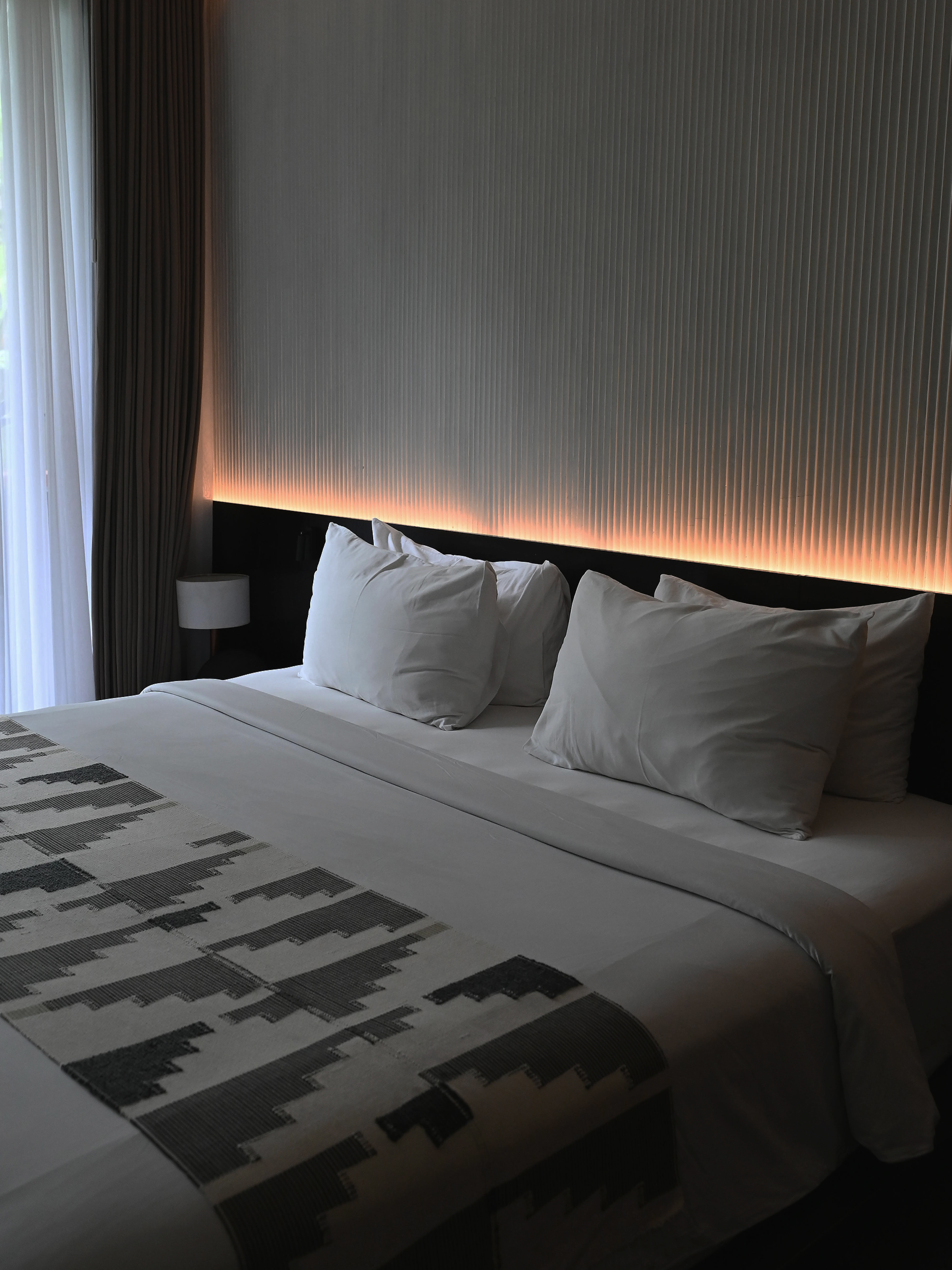
In a town that has long been Bali’s spiritual and creative epicentre, Titik Dua stands slightly apart. Not louder. Not grander. Just sharper in its intent. The name means ‘colon’ in Bahasa Indonesia. A pause. A continuation. A mark that signals something more is coming. And that, in many ways, is the entire philosophy distilled into punctuation. Titik Dua is not simply a boutique hotel in Ubud. It is a platform. A bridge. A deliberate space between tradition and modernity where something new can unfold.
Founded with the intention of creating a creative space within a hospitality setting, Titik Dua was never meant to be just accommodation. The original idea was simple but ambitious: provide a place where people could stay, yes, but also create, connect, brainstorm, and collaborate. A hotel as a living room for ideas. A cultural junction where artists, travellers, filmmakers, musicians, and thinkers could cross paths without it feeling staged.
A Creative Current Running Through Bali
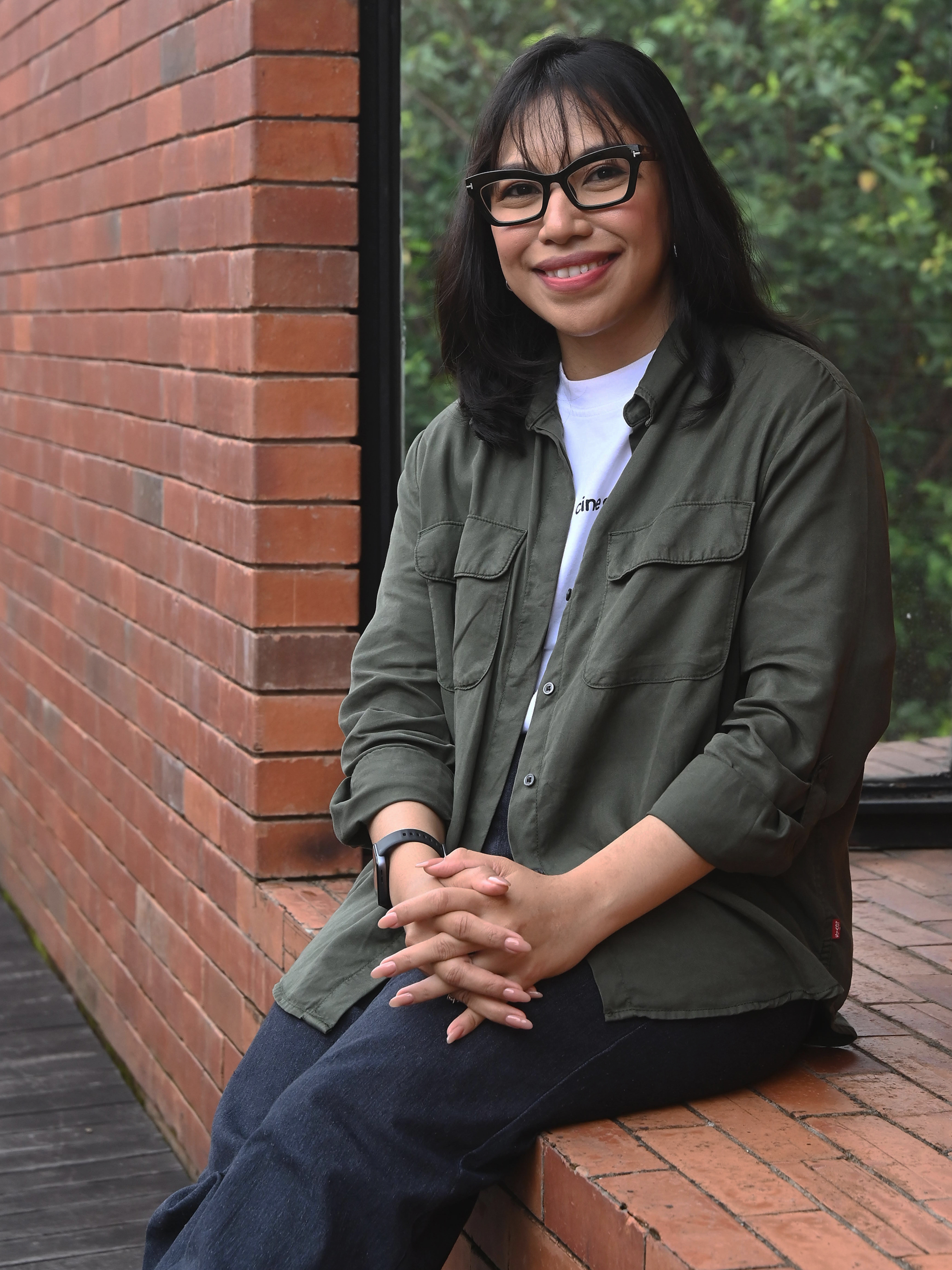
General Manager Fonny Makatita has watched Bali’s creative pulse migrate over the past decade and a half. Born and raised on the island, with 15 years in hospitality and a parallel life in the creative community, she has seen Kuta’s surf-era edge, Seminyak’s expansion, Canggu’s rise during ‘The Slow’ years, and now Ubud’s renewed relevance. Creativity, she notes, never disappears. It shifts. It adapts. It finds new rooms to inhabit.
For the past six years, that room has increasingly been Ubud again. And Titik Dua has positioned itself not as a spectator, but as an active participant in that evolution. The hotel’s mission is clear: create genuine connections between people, ideas, and Indonesian culture. That mission is not a tagline. It shows up in programming, in the way exhibitions are curated, in the decision to collaborate rather than dominate.

Architecture as Dialogue
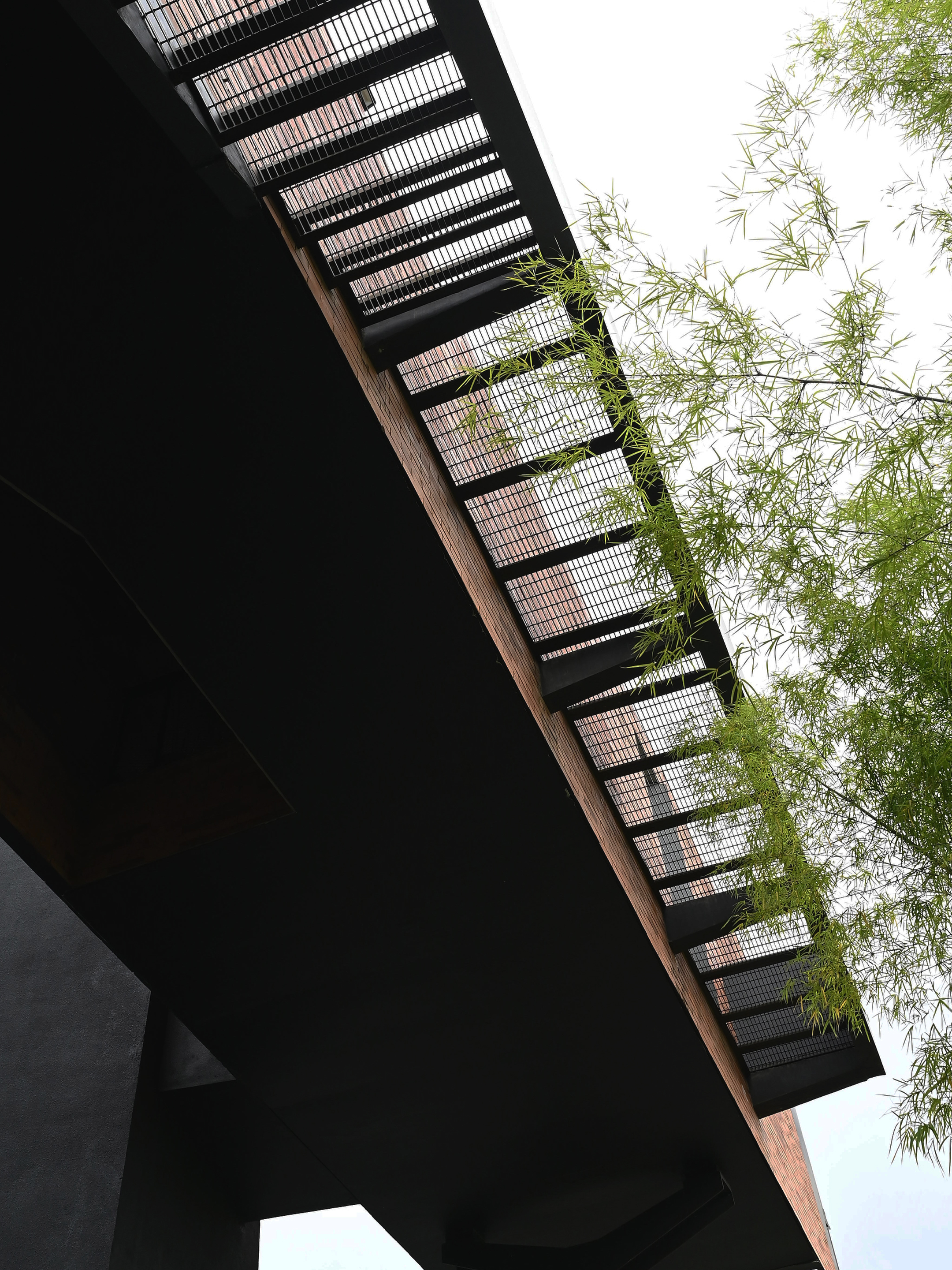
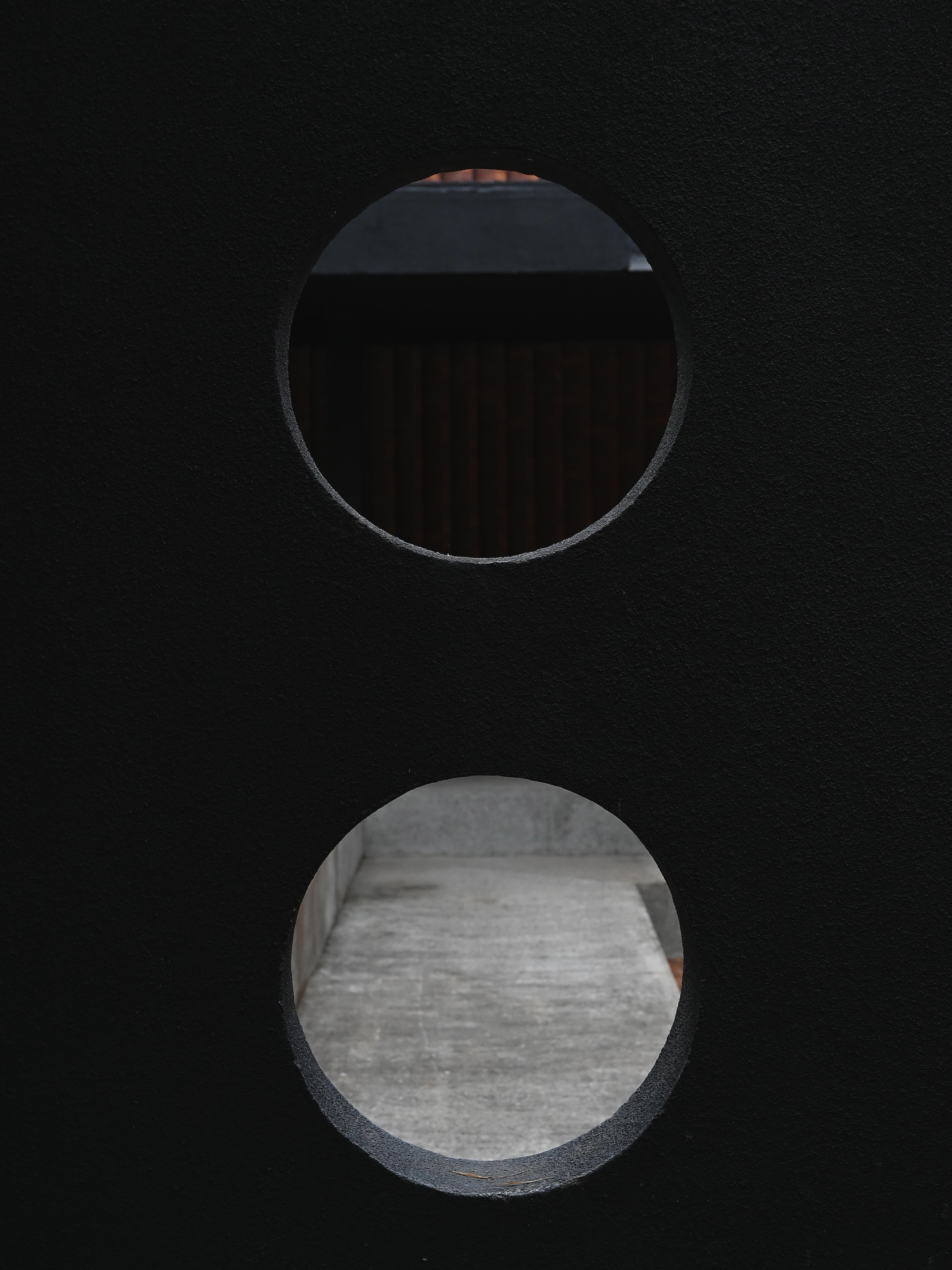
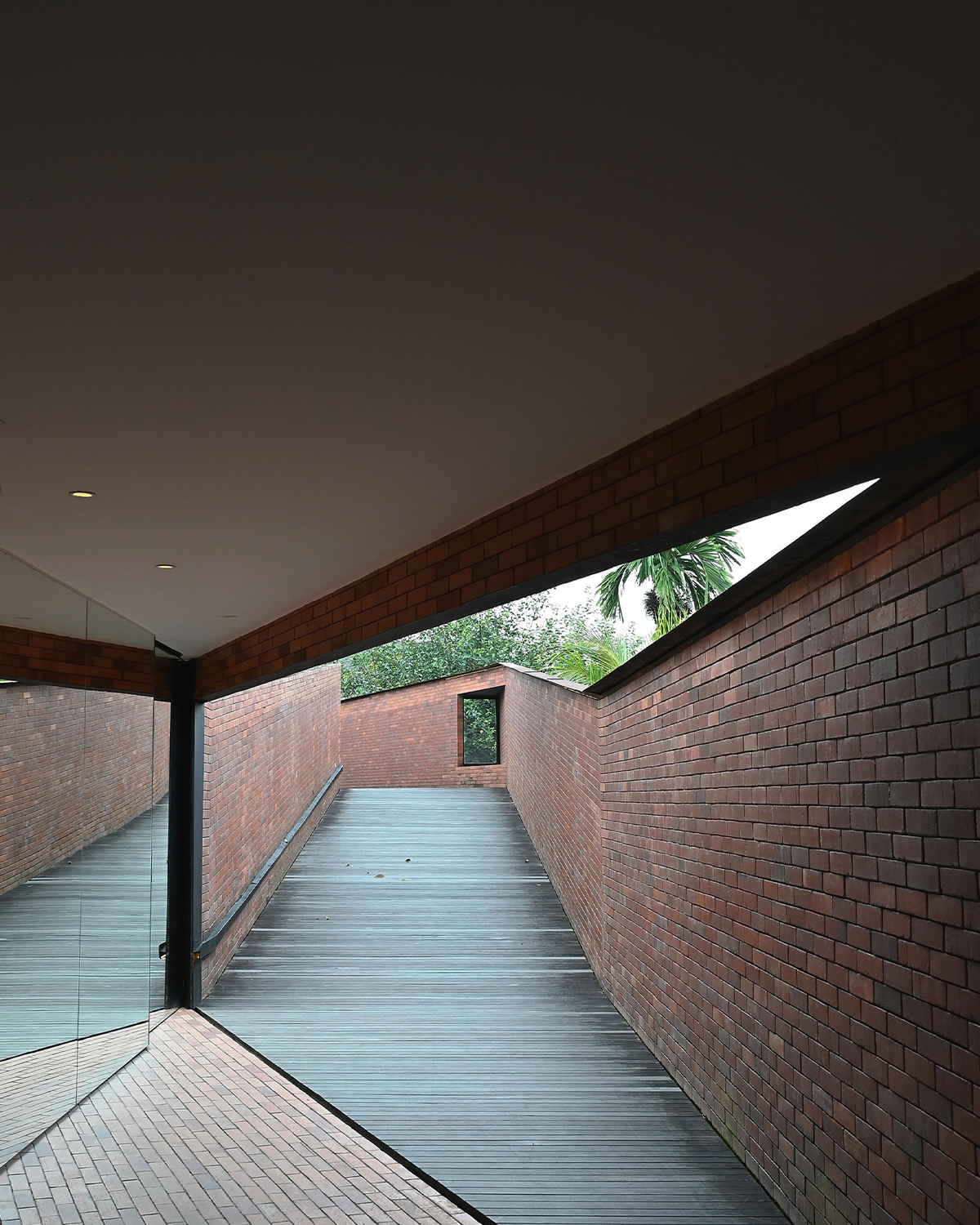
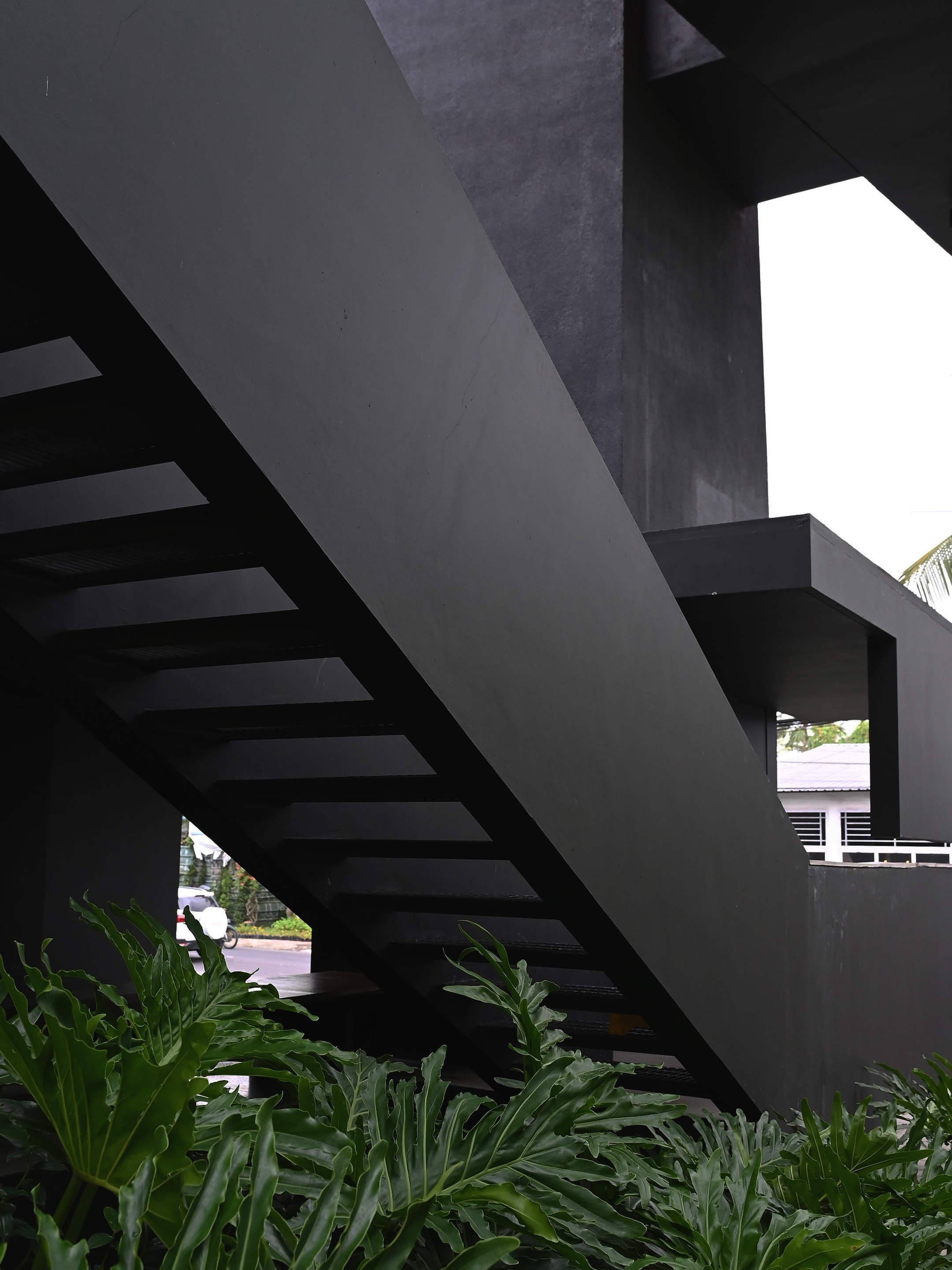
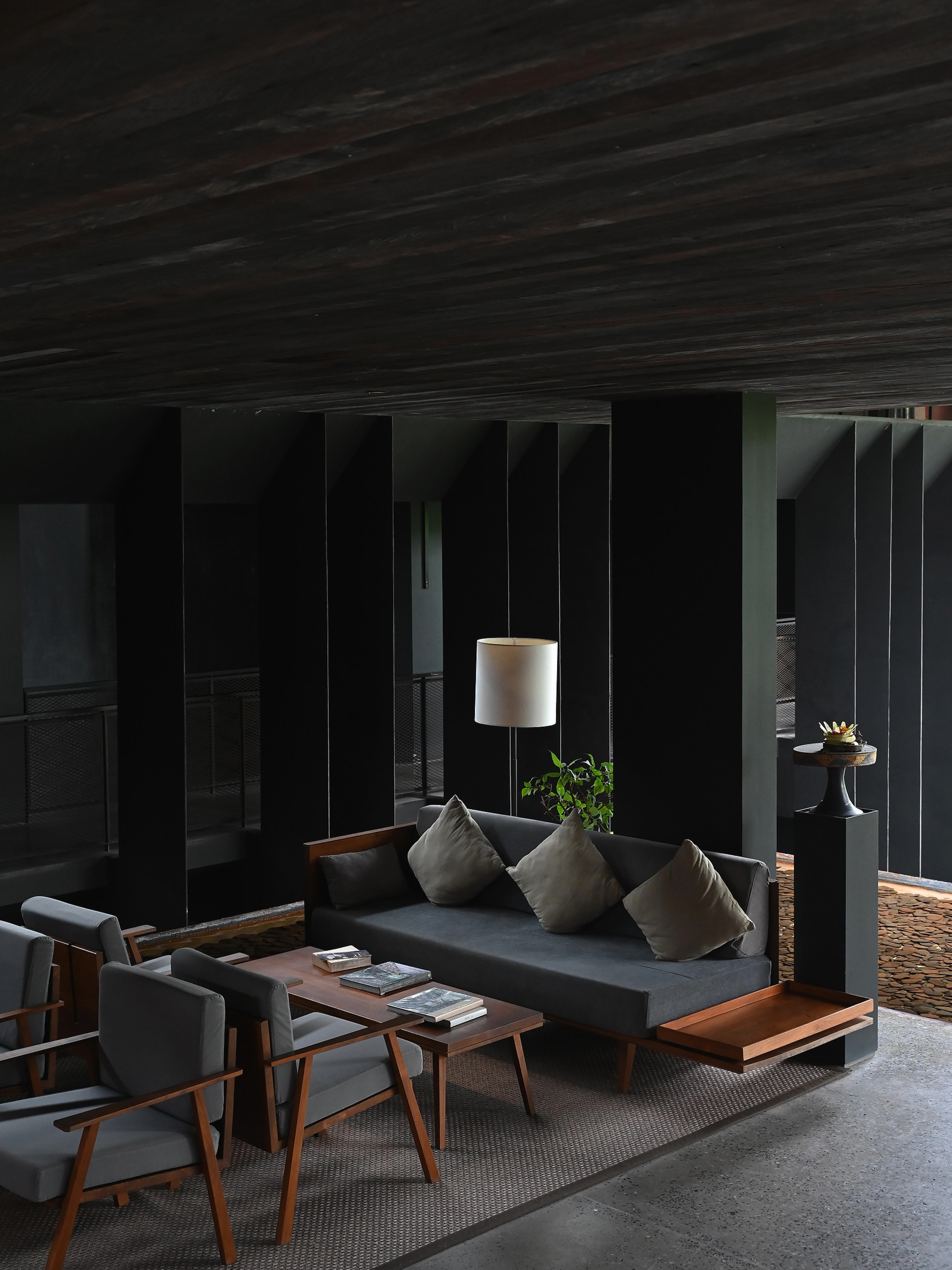
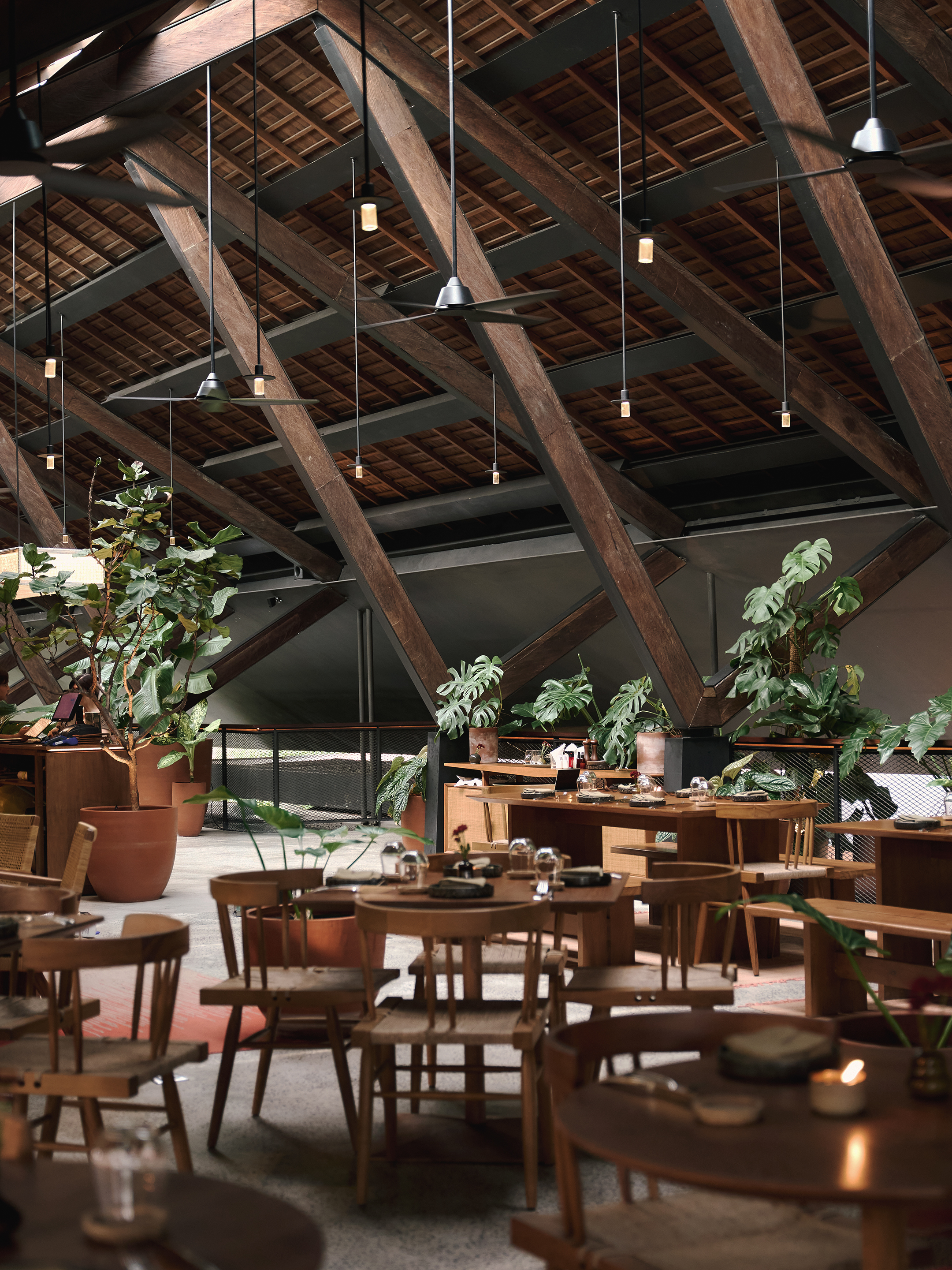
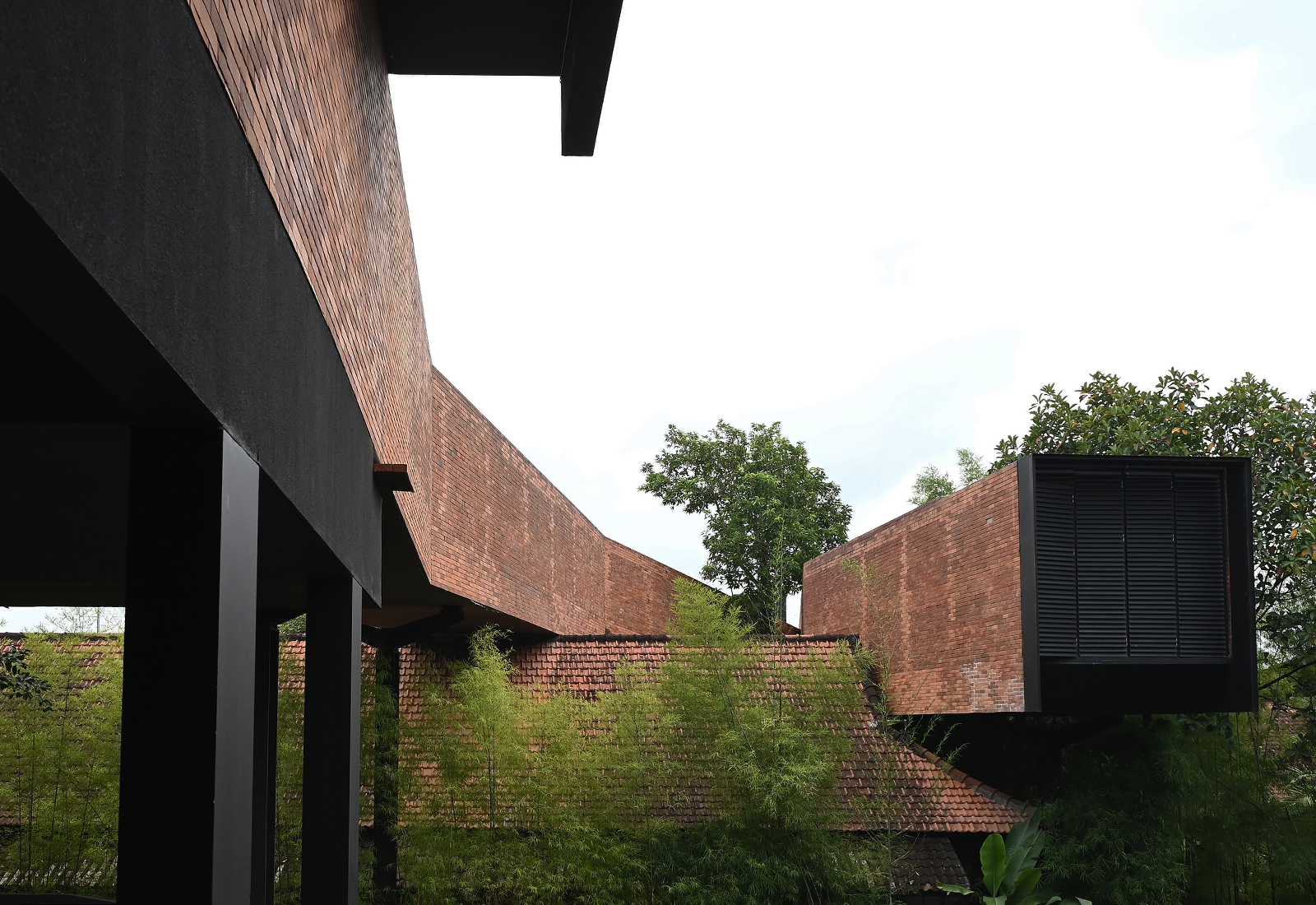
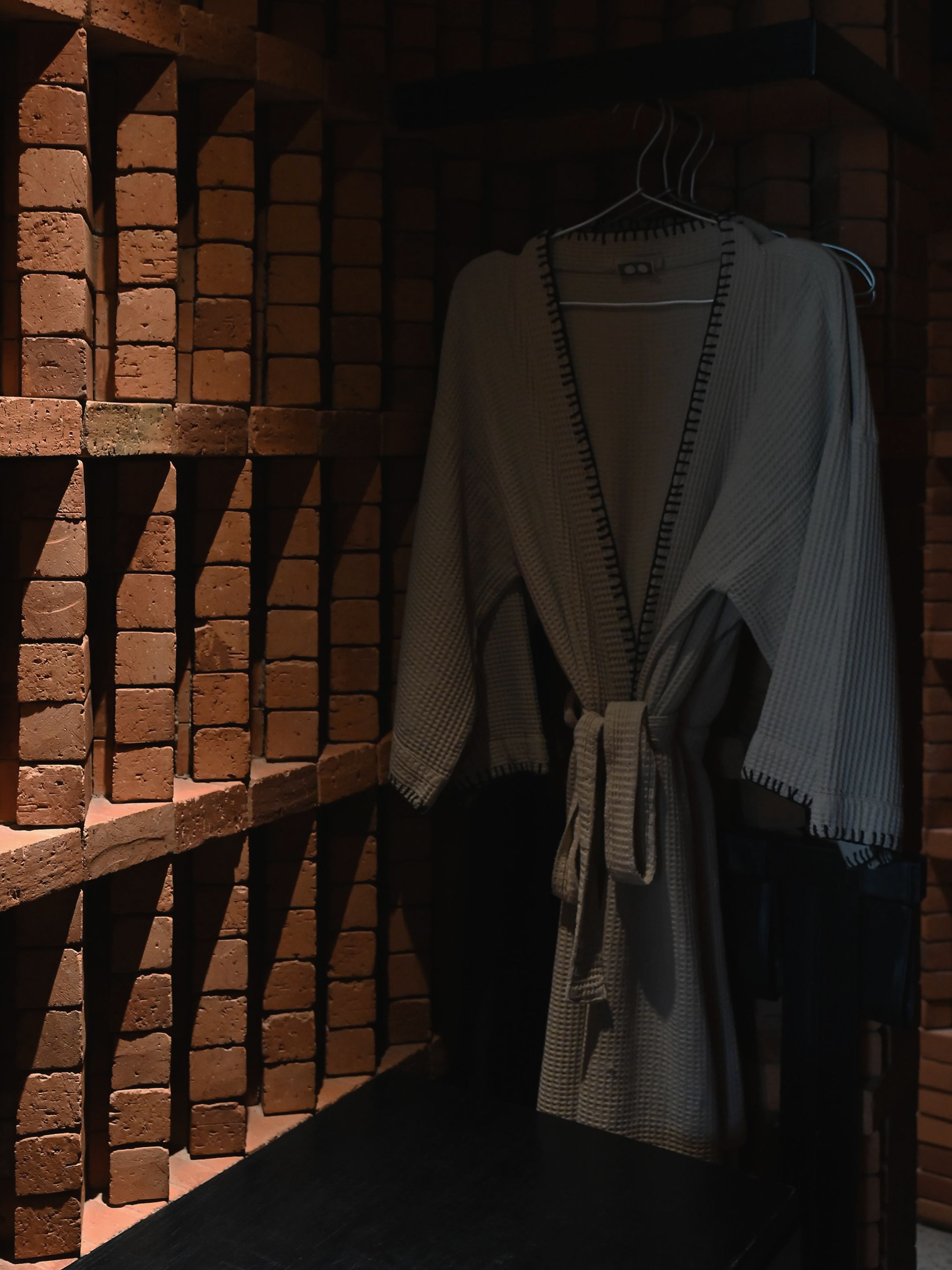
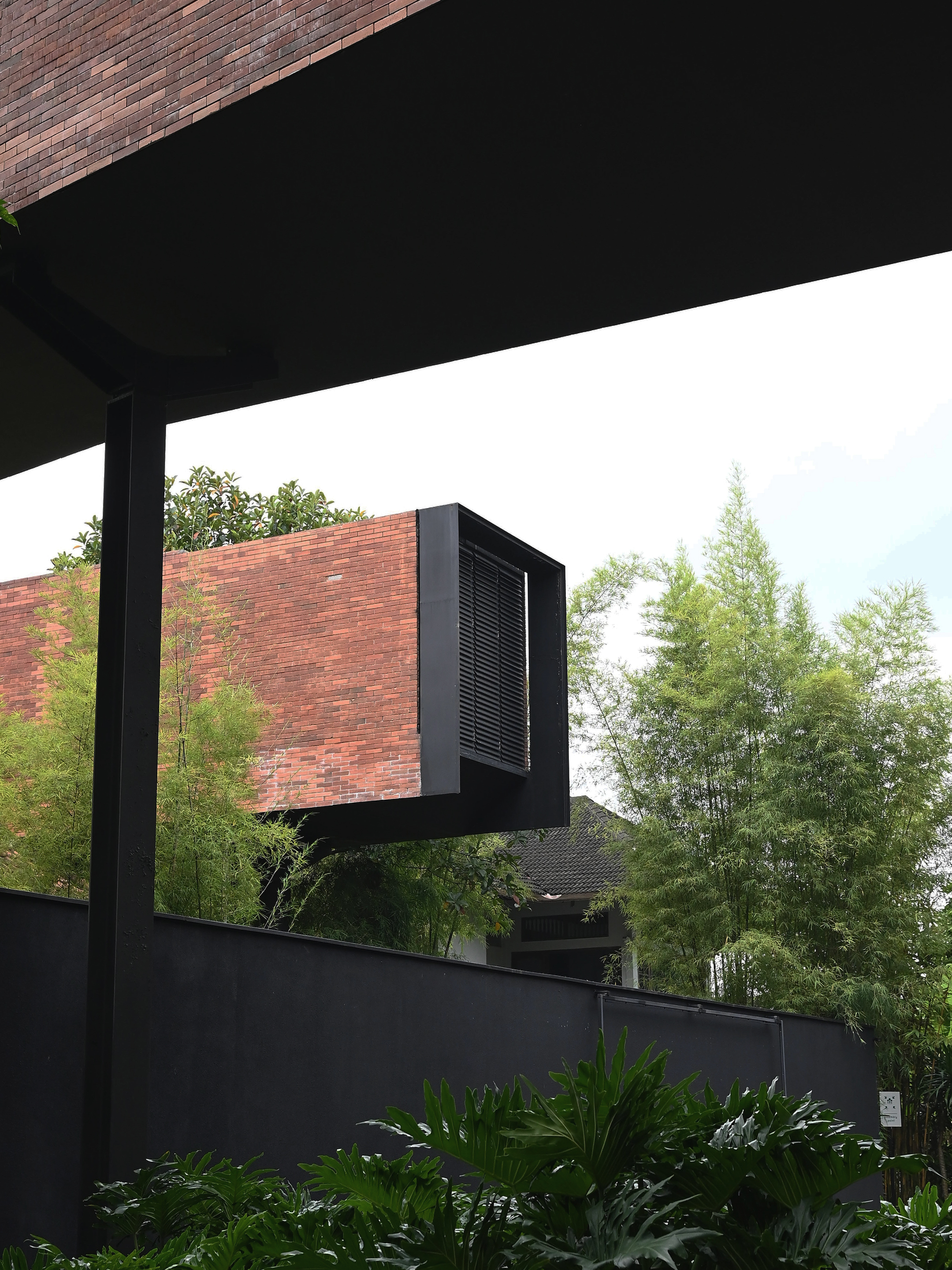
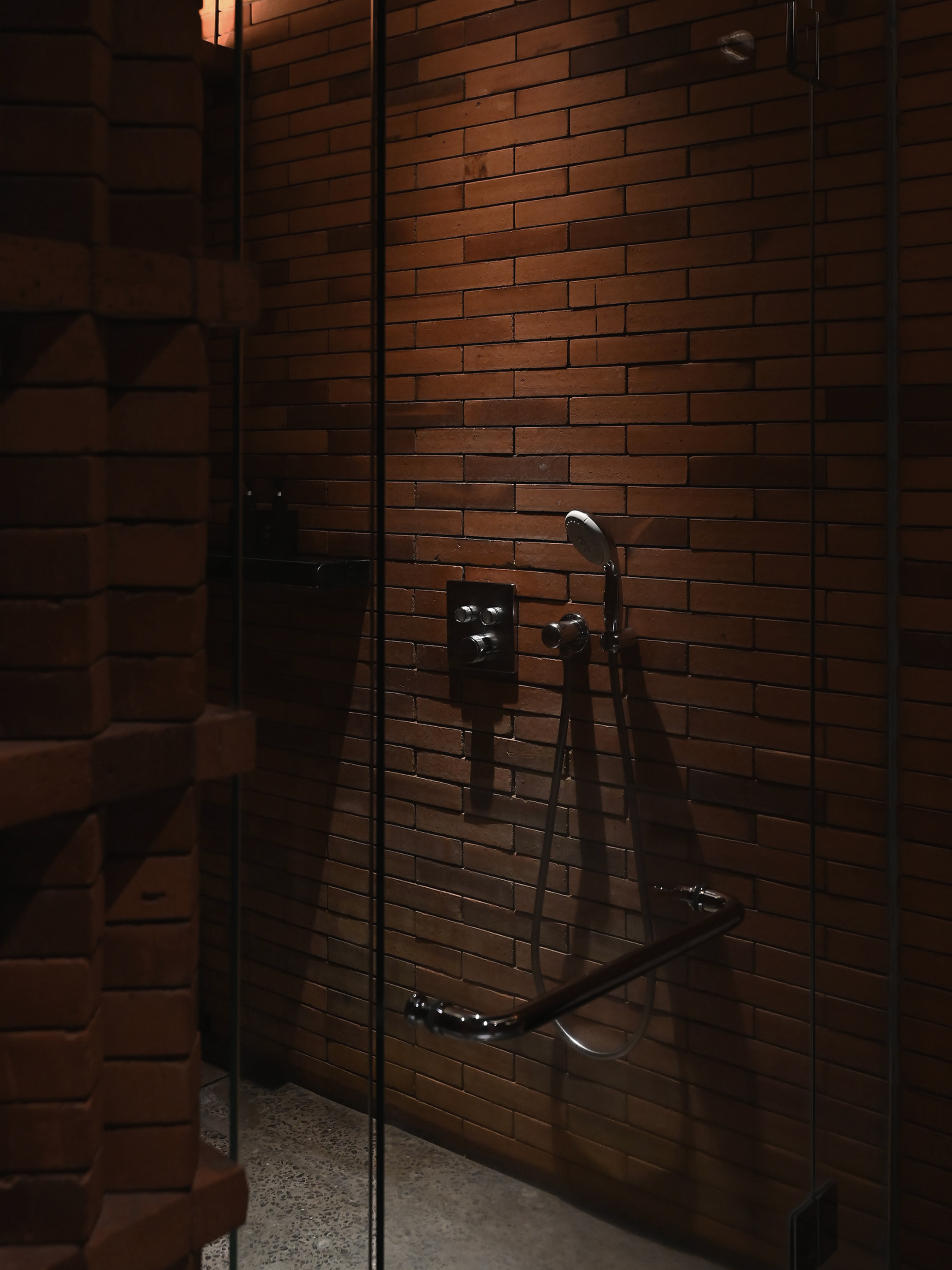
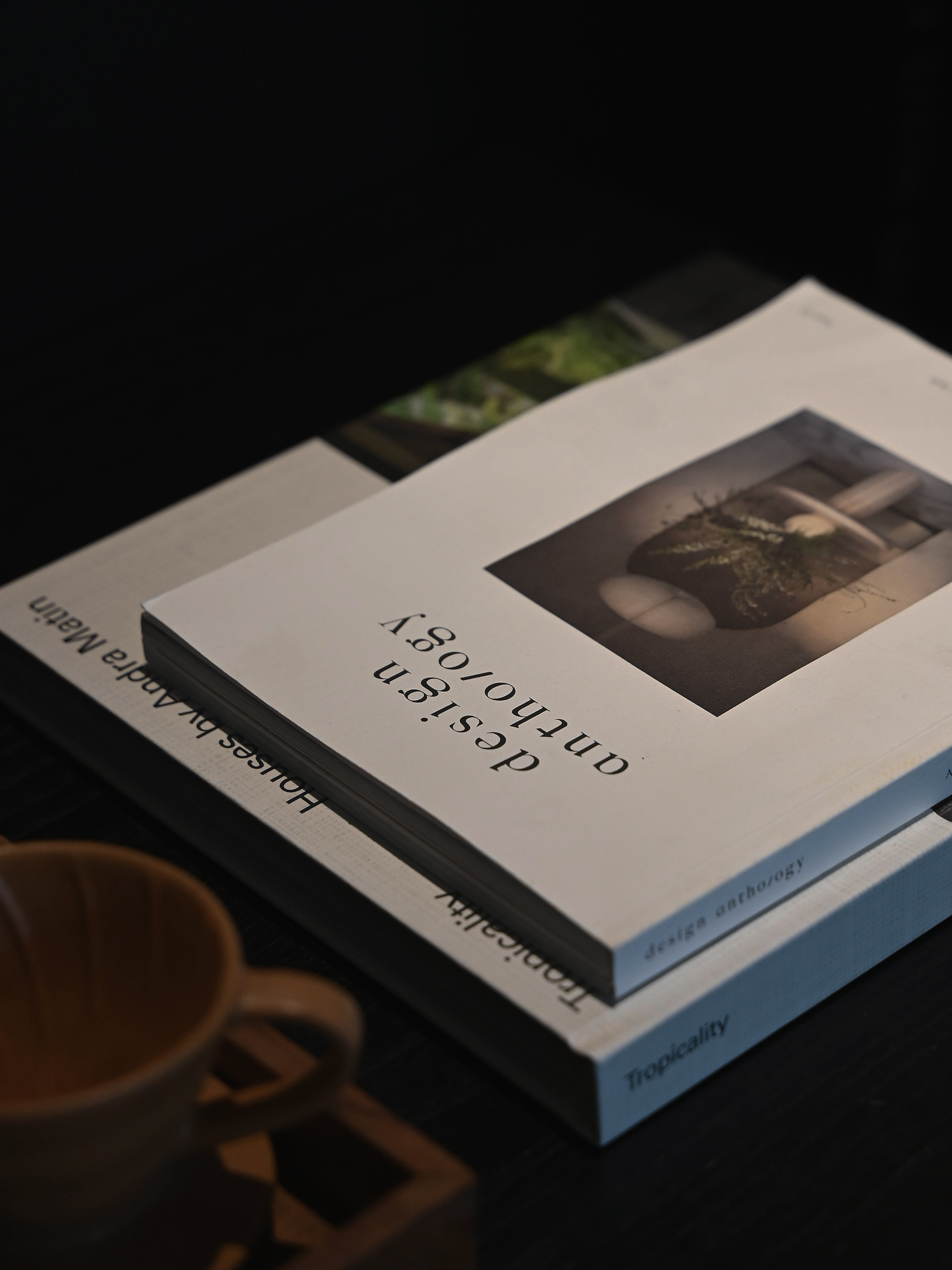
The building itself speaks before anyone does. Designed by renowned Indonesian architect Andra Matin, Titik Dua’s structure is contemporary and restrained, yet deeply rooted in traditional Balinese philosophy. The bold use of black creates a blank canvas, allowing the red brickwork to assert itself. Those bricks, the rooflines, the proportions, the airflow and light circulation all draw from vernacular Balinese architecture.
Nothing is ornamental for the sake of it. The philosophy runs deeper: movement, ventilation, orientation, and material choices carry meaning. The architecture does not mimic tradition. It moves in harmony with it. Tradition is the foundation; modernity is the evolution. This balance reflects a broader belief: culture should not be frozen. It should be supported. Allowed to grow without losing its roots.
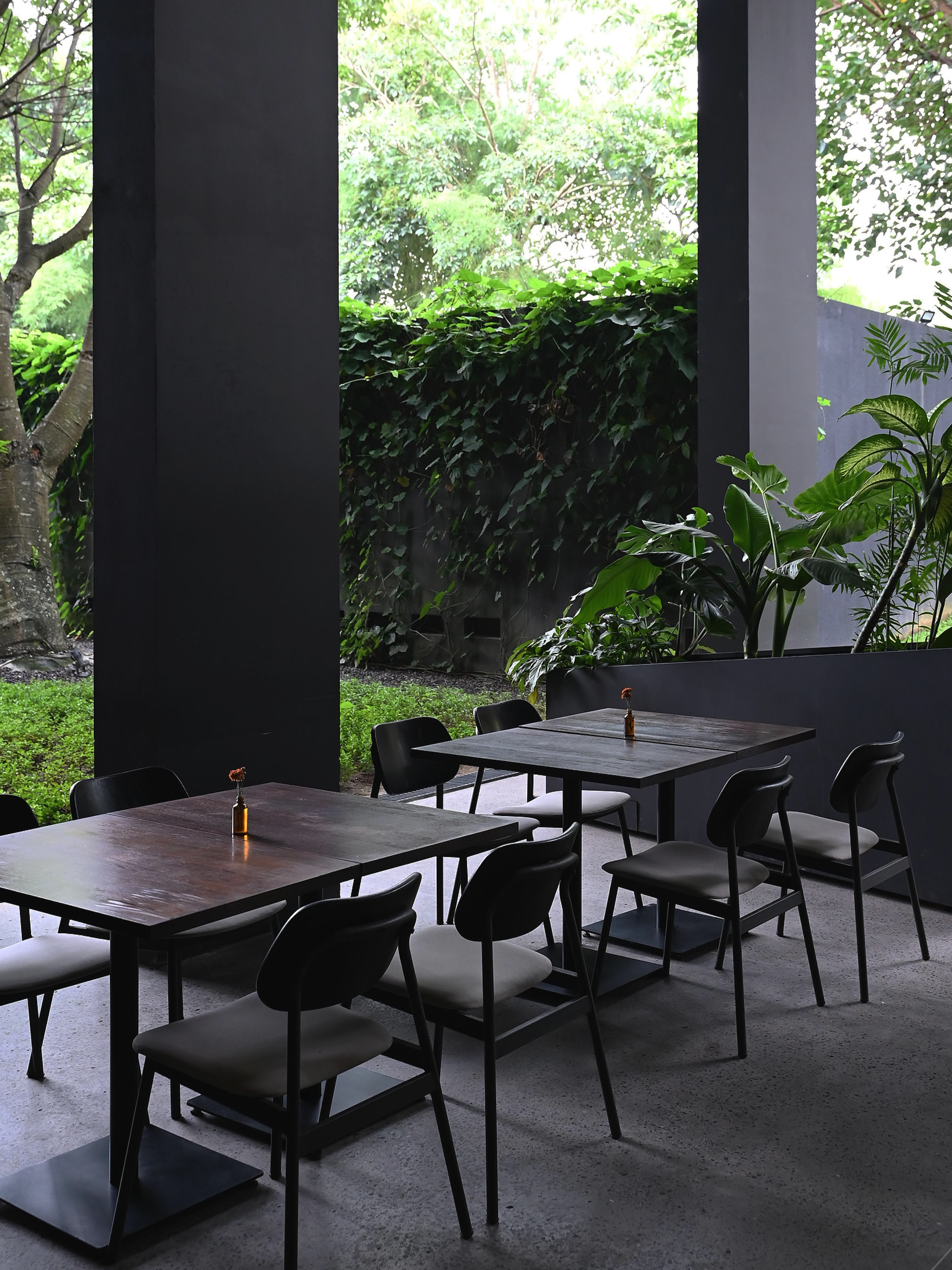
The surrounding greenery continues to expand, not as aesthetic garnish but as part of an ecosystem plan. Absorption areas, biodiversity, and the intention to attract birds and other species into the environment point to a longer-term vision that extends beyond the hotel walls.
Hospitality as Creative Platform
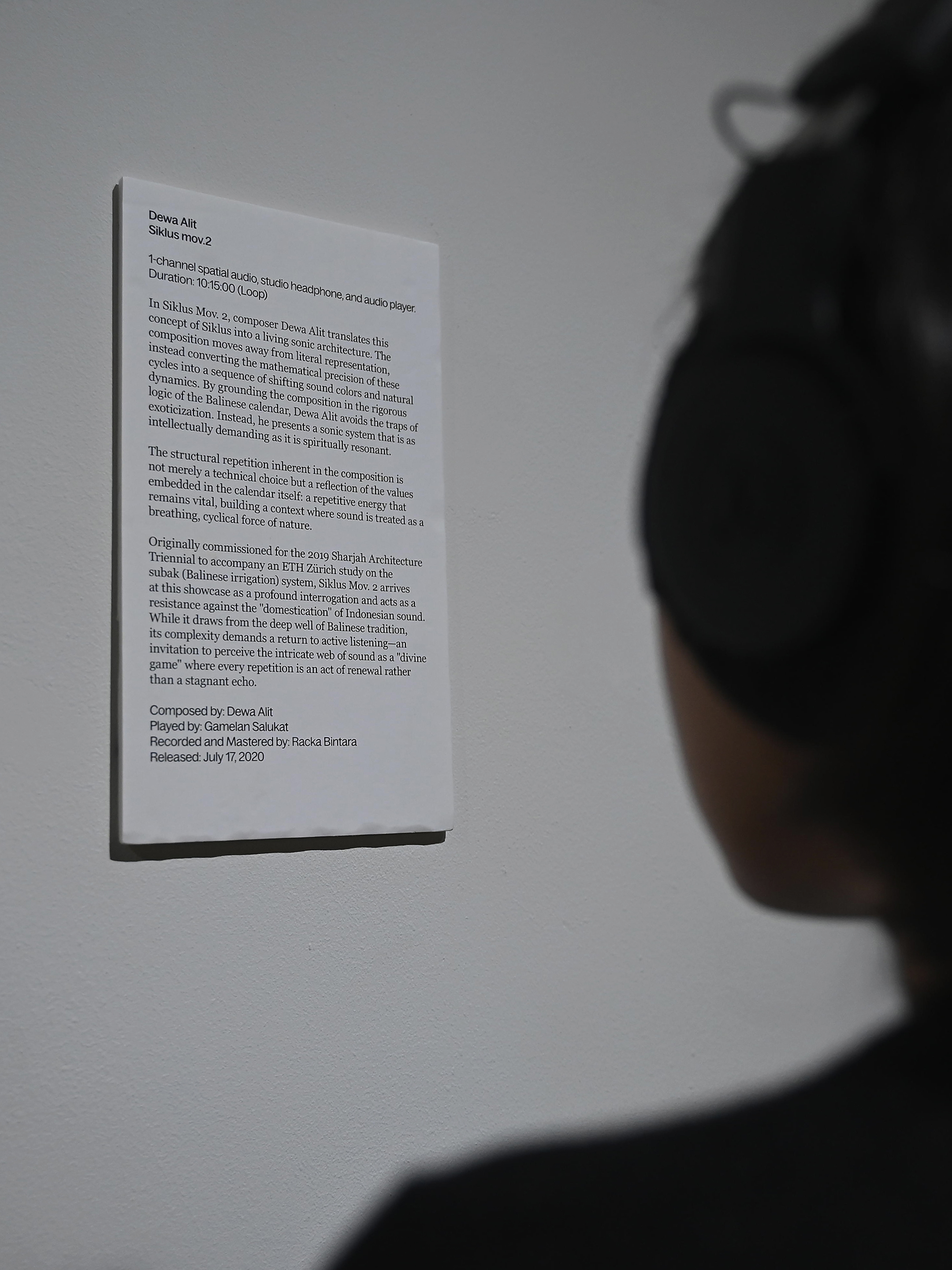
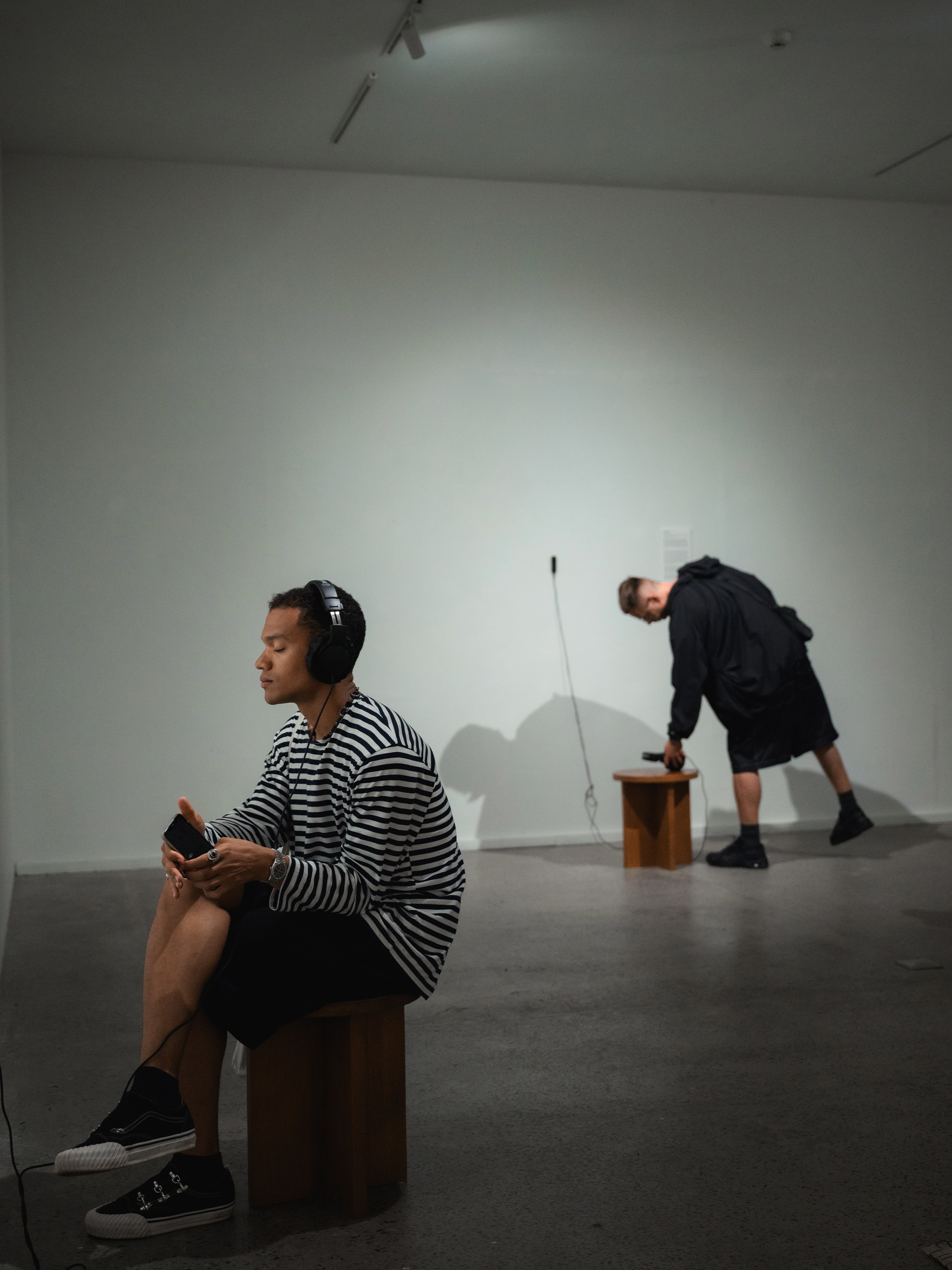
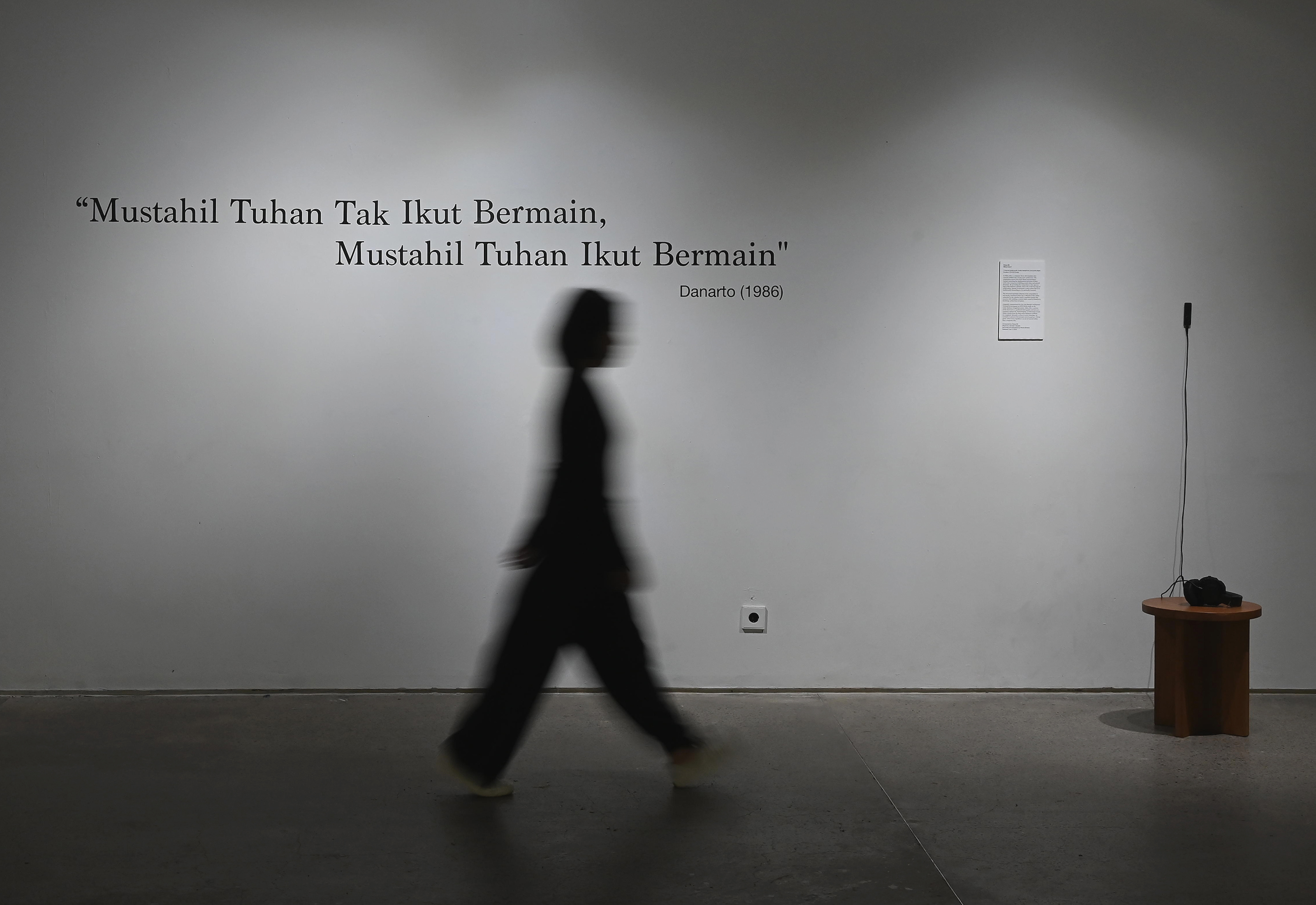
Titik Dua describes itself as a creative ecosystem, and it earns that title. Art and expression are central to its identity. The on-site gallery hosts rotating exhibitions, and collaborations with curators such as Non Frasa ensure that the space remains in dialogue with contemporary Indonesian voices. The curatorial approach is grounded in community. Attend events. Support peers. Invite collaboration. “Stay represent,” as it’s often framed in street culture. Show up. Keep the movement alive.
This balancing act between exclusivity and inclusivity is deliberate. The aim is not to create an inaccessible art bubble, nor a diluted cultural program. Instead, Titik Dua positions itself as a bridge: between emerging and established artists, between local communities and international guests, between tradition and experimentation. That message extends into its culinary and nightlife concepts.
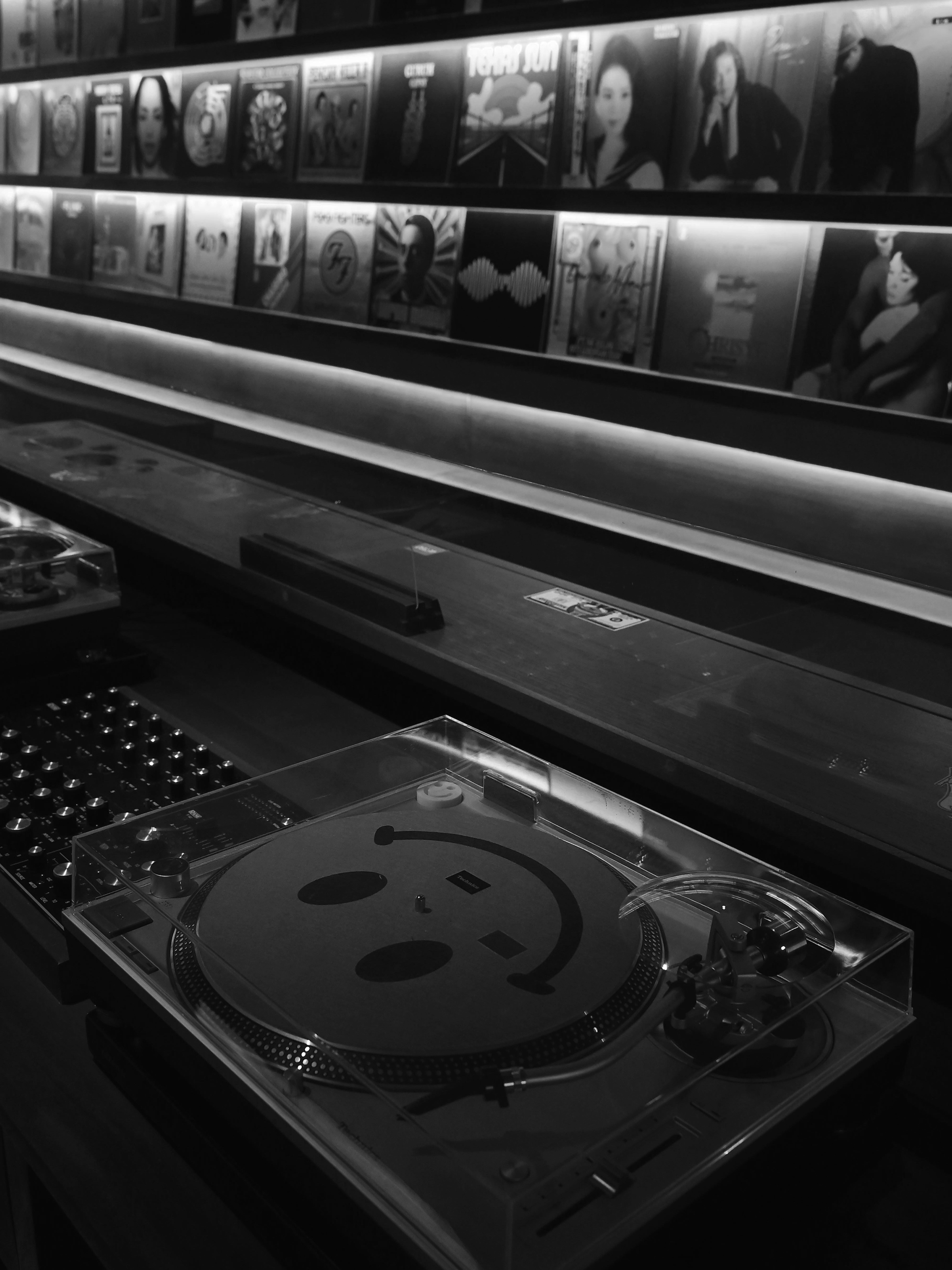
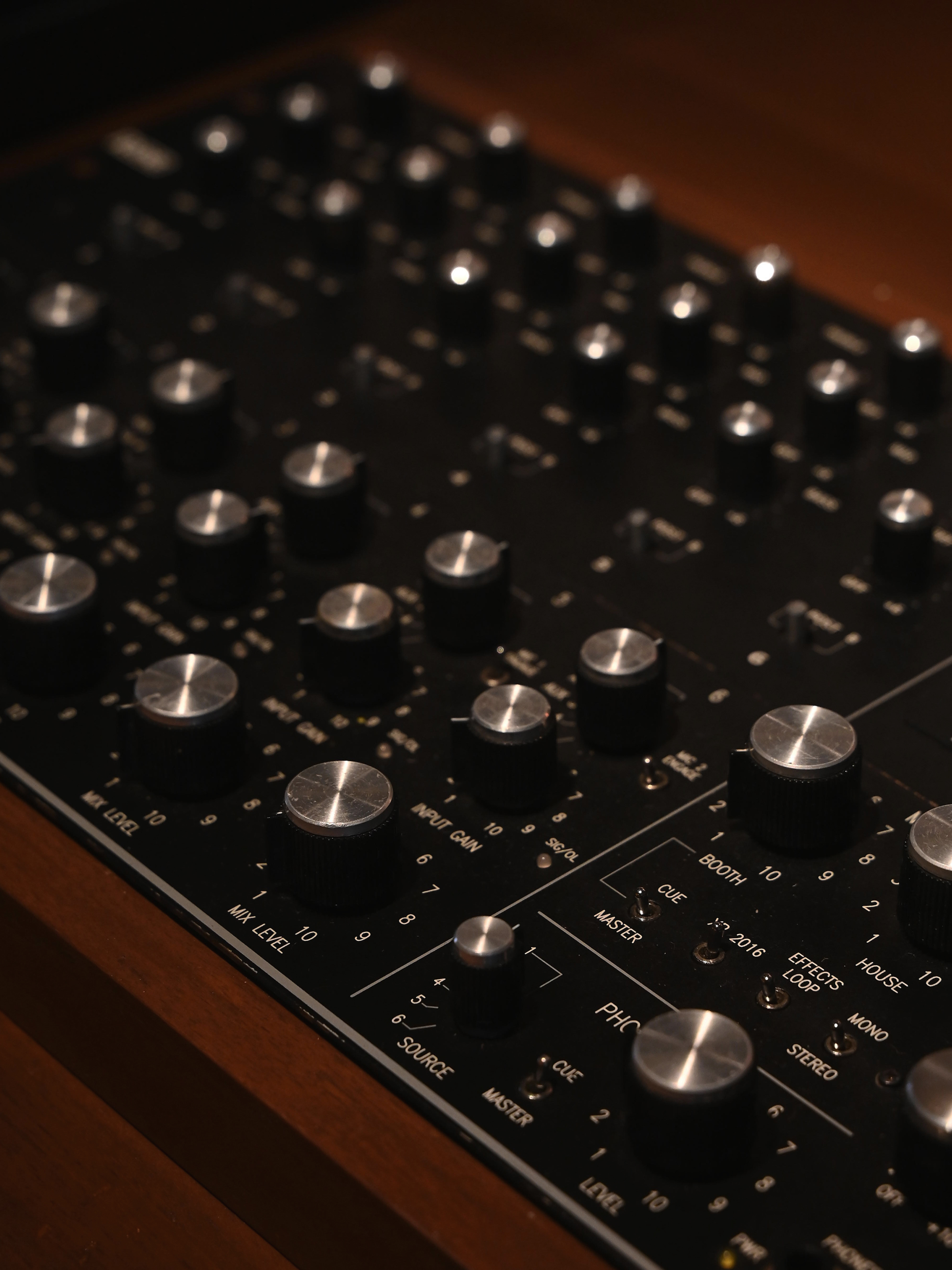
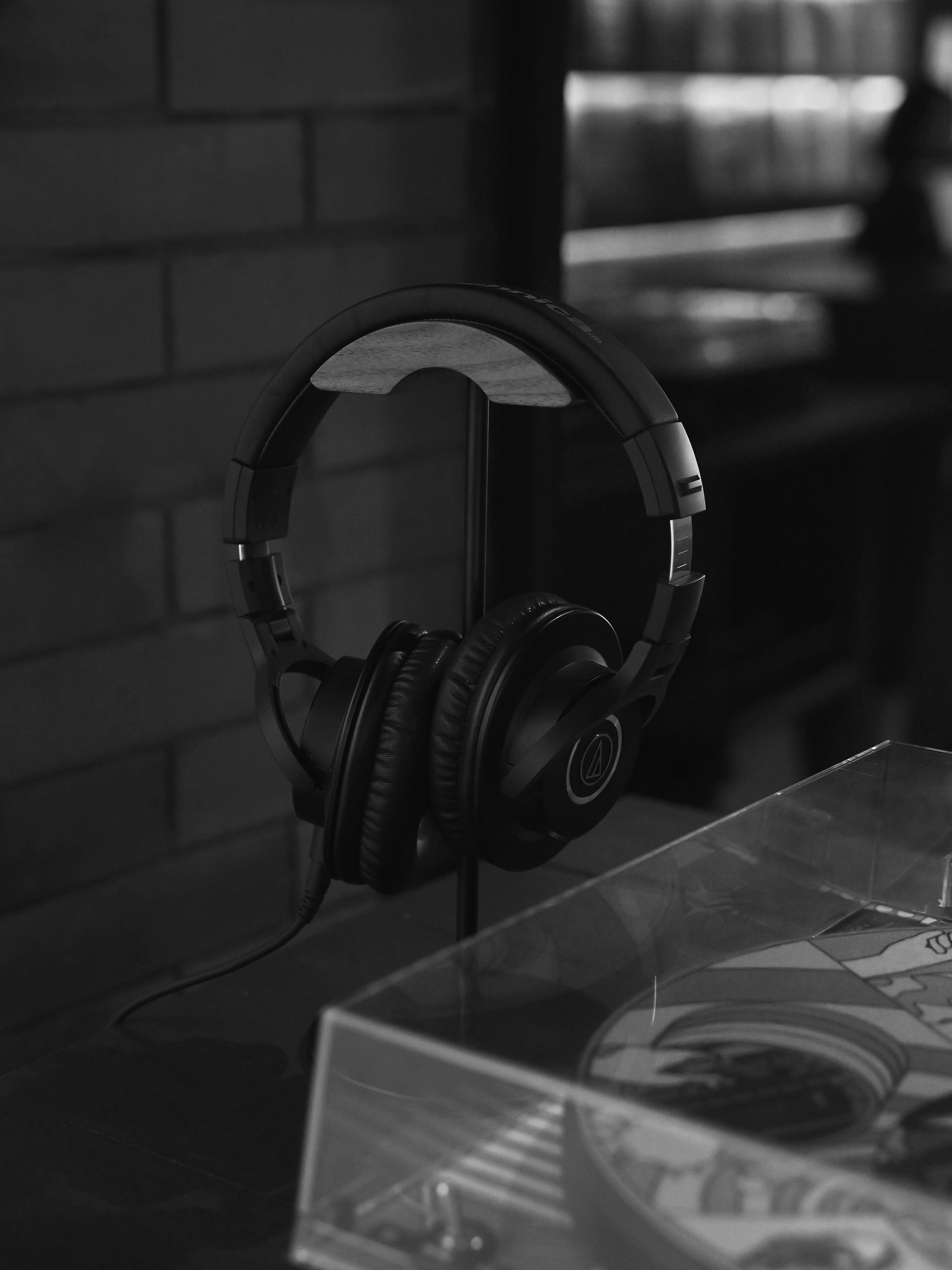
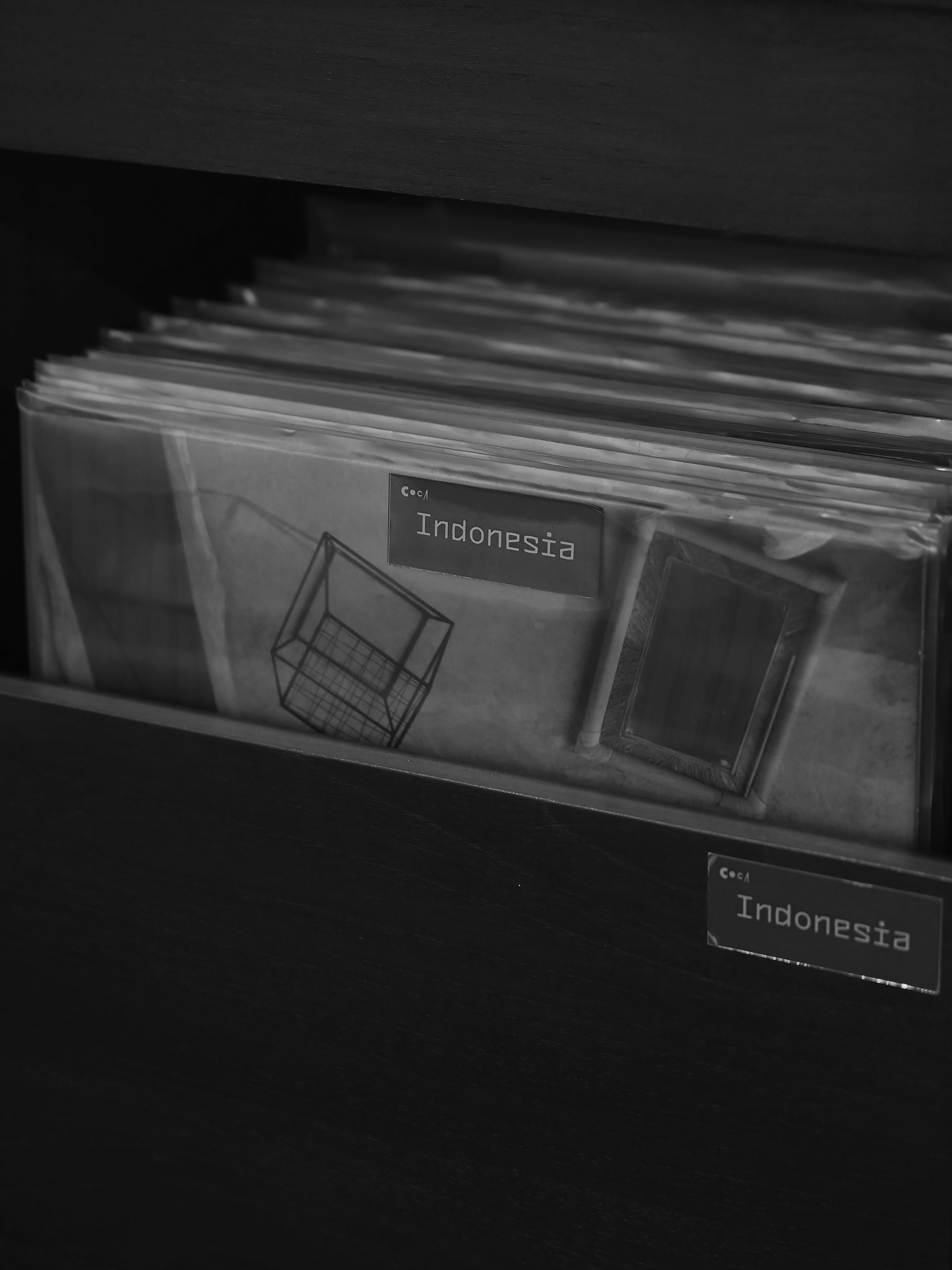
Coca Selekta, described as Ubud’s first vinyl listening bar, invites guests to slow down and listen deeply. The cocktails are playful but considered, designed to harmonize with the room’s sound orchestration. It is less about nightlife excess and more about sensory immersion.
Forest to Table, Interpreted
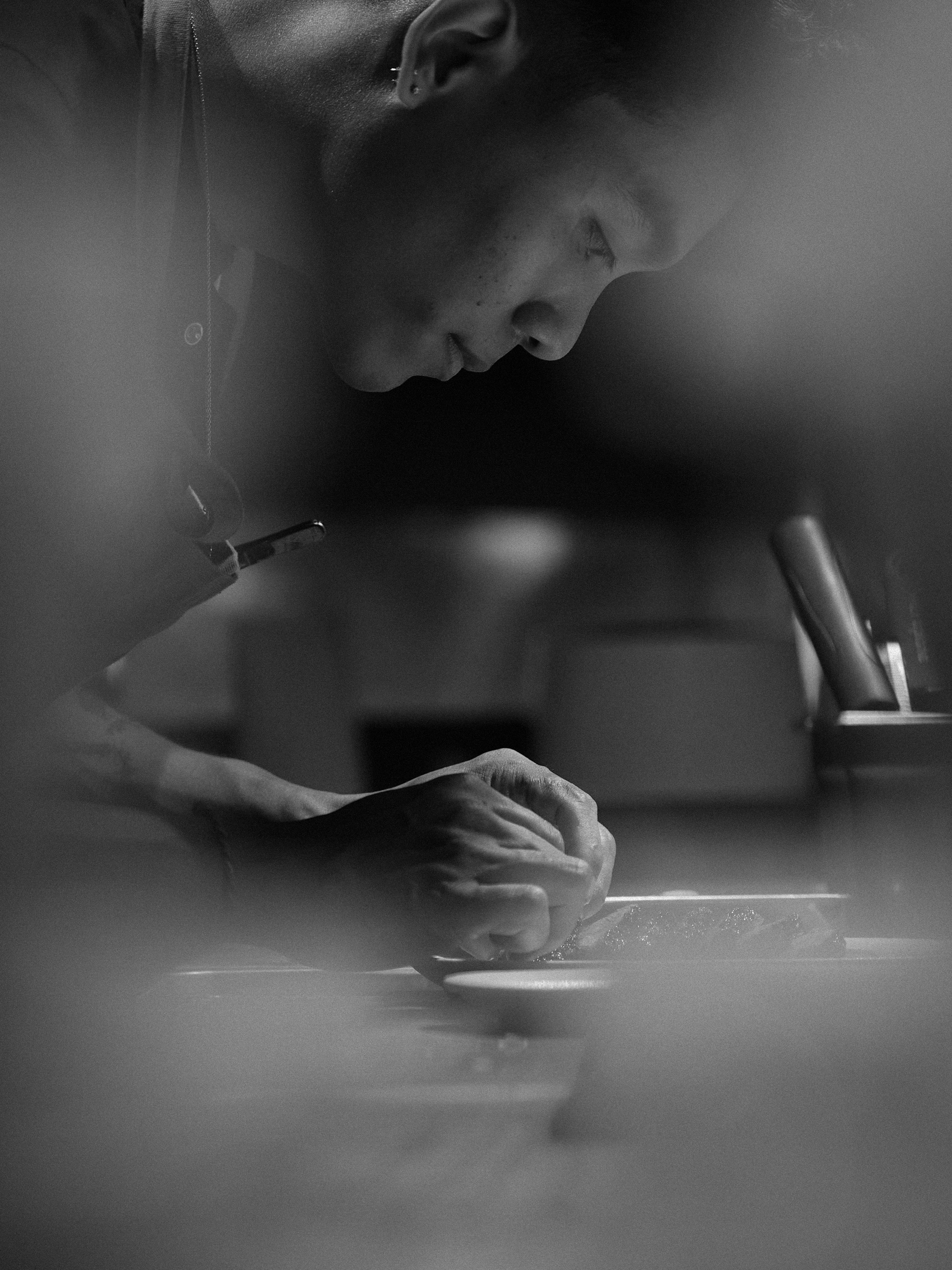
Part of the Titik Dua experience, Ramu Kitchen sits above the treetops, where the surrounding forest becomes part of the atmosphere. The menu brings together a fusion of modern Pan-Asian flavors and Indonesian influence, with a subtle touch of ingredients drawn from the surrounding landscape.
Rather than blending everything into something indistinct, each dish retains its clarity. Local elements—wild herbs, torch ginger, banana blossom—anchor the experience in place, while familiar flavours are interpreted through a more contemporary lens.

Sustainability Beyond the Green Checklist
Sustainability at Titik Dua is framed as a continuum between people, place, and purpose. It is not limited to environmental metrics. Environmental practices are part of the DNA, as they increasingly must be in Bali. But the conversation moves further. Are local human resources sustainable? Are staff developing? Are they paid fairly? Are they given opportunities to grow and understand how the world is shifting?
Every team member is Indonesian. The focus is on elevating local talent to global standards while maintaining dignity and cultural grounding. Knowledge-sharing, internal development, and collaboration are treated as long-term investments rather than short-term operational costs. In that sense, sustainability becomes mindset. It is about endurance. About keeping dialogue alive between tradition and modernity, so neither becomes obsolete.
The Coca Creative Complex and What Comes Next
Growth, for Titik Dua, is not about scale for its own sake. It is about listening closely.
In 2026, the property will unveil the Coca Creative Complex, expanding its cultural footprint with Coca Dining, Coca Artspace, Coca Selekta, and Coca Theater. The latter will become home to Ubud: Cinecurious, a program dedicated to cinematic storytelling, dialogue, and film culture.
Plans include indoor screenings, masterclasses, and panel discussions that bring together emerging and senior filmmakers.
An additional 38 rooms are also set to debut, responding to guest feedback calling for larger spaces. Yet the intention remains to stay intimate, keeping the total room count under one hundred. The philosophy is clear: hospitality should sustain experience, not consume space.



An Indonesian Brand Built From Zero
There is no illusion about the challenge of building an Indonesian brand from scratch. It demands long-term vision, alignment between founders and team, and sustained collaboration. It demands patience. But that is precisely the point.
Titik Dua is not trying to replicate a global template. It is attempting to articulate something distinctly Indonesian, rooted in local culture yet confident enough to converse on an international stage. Creativity, as Fonny sees it, is unstoppable. It evolves across eras. And tradition exists because creativity once shaped it. Titik Dua sits in that in-between space, holding both truths at once.
In Ubud, where so much is marketed as spiritual or soulful, Titik Dua offers something slightly different. Not performance. Not nostalgia. But a working ecosystem. A colon in the middle of a sentence.
A pause that invites you to look closer.
And then, continue.
EXPLORE THE PUNCH