

FEATURES • DESTINATIONS
The Asa Maia:
Heritage Architecture,
Reimagined Luxury
Words by The Punch
Photography by The Asa Maia & The Punch
At The Asa Maia, sustainability is not a headline or a marketing hook. It is the logic behind every decision, from the buildings that frame the retreat to the ingredients that arrive in the kitchen each morning. Set in Bali, the property brings together preserved Indonesian wooden architecture and low-impact design in a way that feels deliberate rather than decorative, rooted rather than trend-driven.
This is a place built from conviction. One that resists shortcuts and instead leans into time, patience, and material honesty. The Asa Maia does not attempt to redefine luxury through excess. Instead, it strips the idea back to its essentials: quality, integrity, and an environment that supports both physical and mental wellbeing.
A long-held respect for traditional Indonesian homes
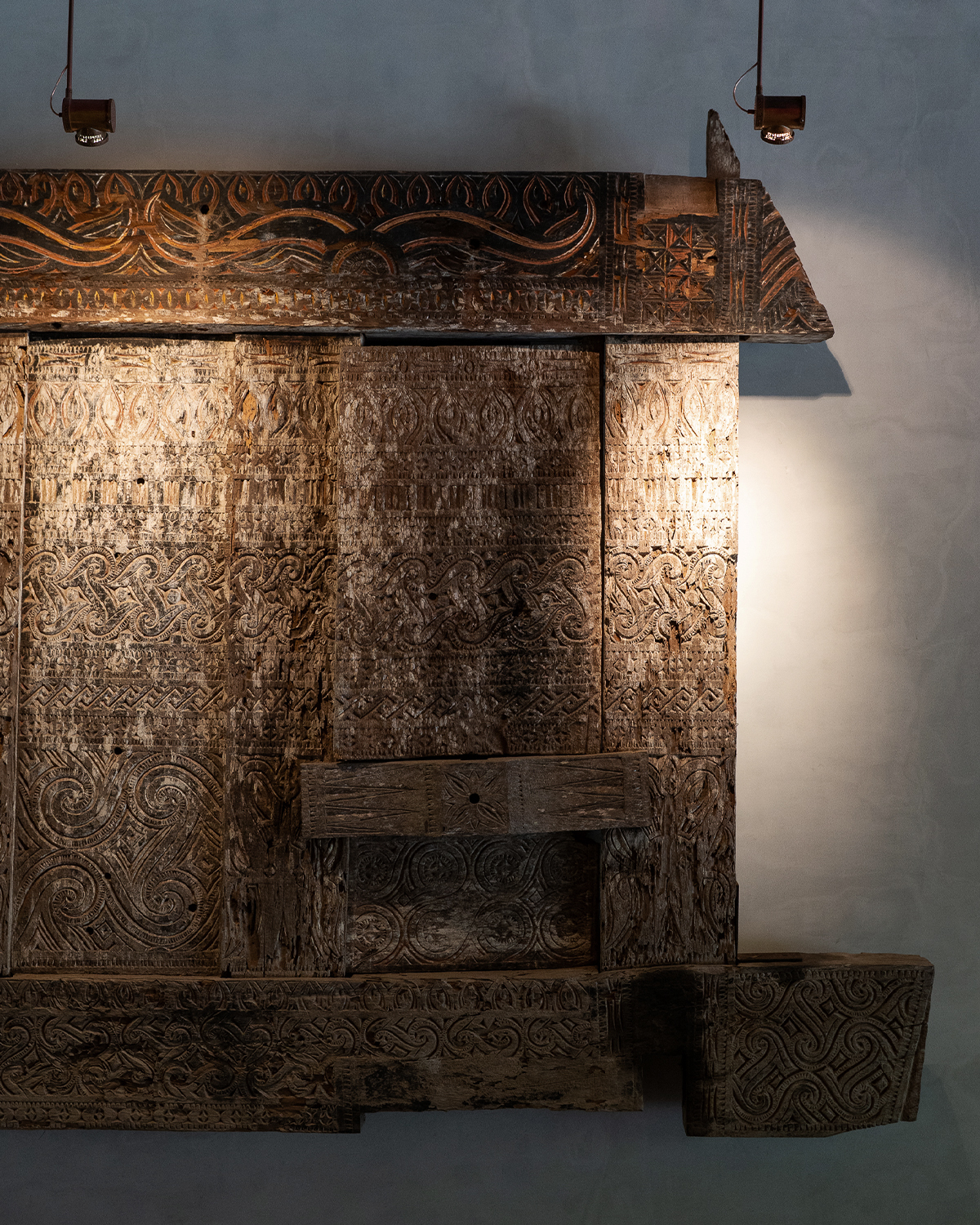
The foundation of The Asa Maia begins with a deep fascination for traditional wooden houses in Indonesia. Long before the retreat took shape, its founder dreamed of creating a project that celebrated these structures not as replicas, but as living pieces of architectural heritage.
That dream came true through the careful sourcing of original wooden buildings from East Java. Rather than constructing imitations, the decision was made to purchase existing houses and relocate them with their integrity intact. This process required restraint. Many traditional structures moved to Bali are heavily modified or modernized along the way. At The Asa Maia, preservation was non-negotiable.
Each building carries its own history. Its proportions, joinery, and materials remain largely untouched, letting the architecture speak for itself. Blending this heritage approach with low-impact design was not a conceptual exercise. It happened naturally, guided by the belief that respect for the past and responsibility to the future can exist comfortably side by side.

Building with reclaimed materials
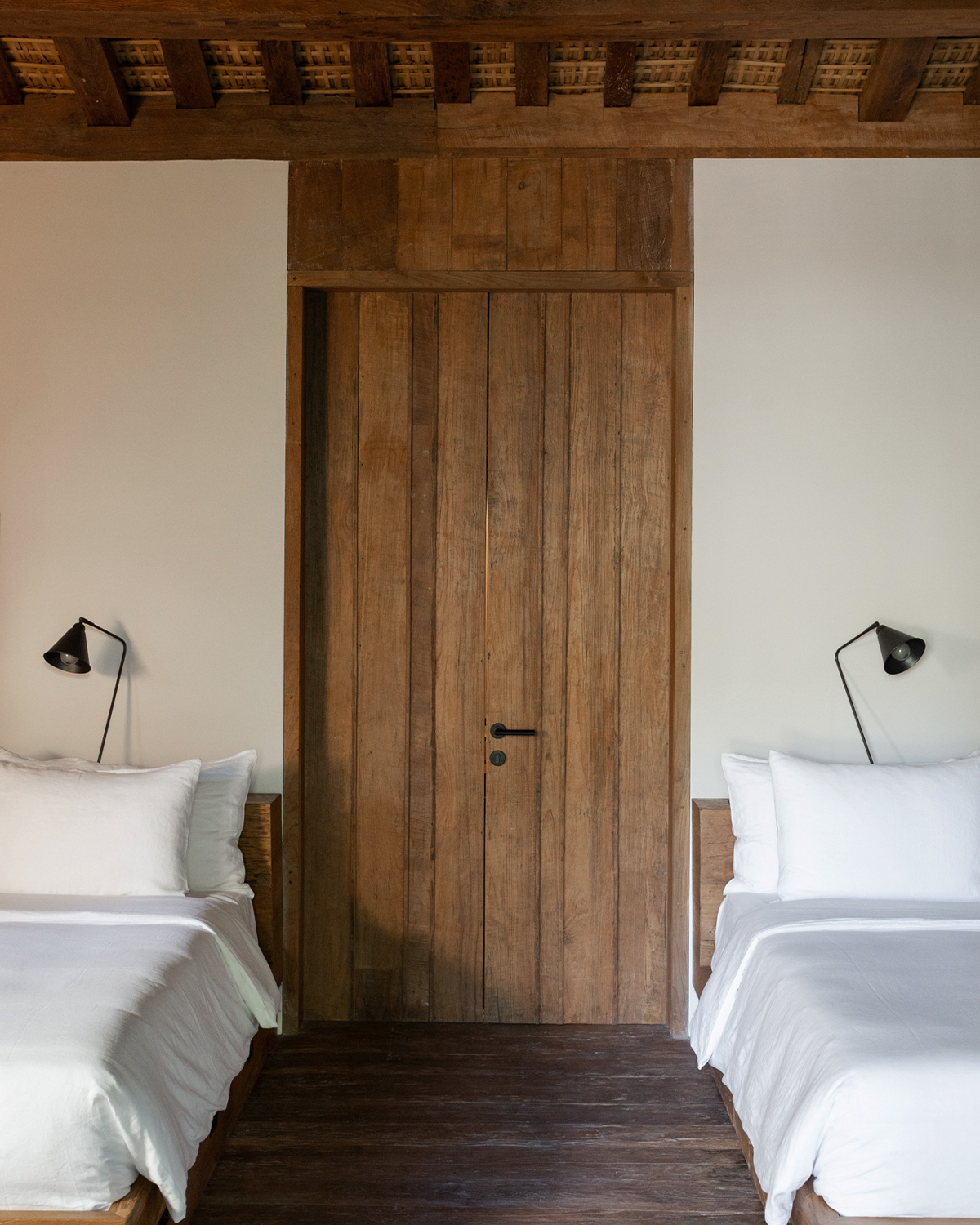
Material choice plays a central role in how The Asa Maia operates. Around 90 percent of the wood used throughout the property is reclaimed, a decision that brings both complexity and reward.
Working with upcycled materials requires flexibility. Reclaimed wood does not behave like new timber. It arrives with imperfections, inconsistencies, and limitations that demand patience and problem-solving. Yet it is precisely these qualities that give the space its depth.
For the founder, the challenge was not working with reclaimed wood, but accepting the small percentage of materials that could not be upcycled. Once immersed in the textures and presence of reclaimed timber, new materials can feel flat by comparison. Reclaimed wood carries character and an energy shaped by time and use, something that cannot be replicated or manufactured.
Throughout The Asa Maia, this approach results in spaces that feel warm and grounded rather than polished or pristine. The architecture does not try to erase the marks of age. It allows them to remain visible, reinforcing a sense of continuity rather than perfection.
Clean food as a foundation for wellbeing
Long-term responsibility at The Asa Maia extends well beyond architecture. It is deeply embedded in how food is sourced, prepared, and served, as well as how wellness is approached across the retreat.
Using local, organic ingredients was never treated as an optional upgrade. Bali offers an extraordinary range of fresh produce and natural resources, from fruits and vegetables to coconut oil used for cooking. Leaning into this abundance allows Indonesian cuisine to express itself fully, with flavors that are layered, nourishing, and satisfying without being heavy.
A key principle in the kitchen is the avoidance of seed oils in favor of traditional alternatives. Food prepared this way not only tastes different, it feels different. Meals are designed to leave guests energized rather than weighed down, an effect the founder now finds difficult to compromise on elsewhere.
Everything served at The Asa Maia is made from scratch. Moving away from flavor packets and pre-prepared ingredients required time, training, and persistence. Initially, this shift was challenging for staff, but it has since become second nature. While the menu itself offers variety, the underlying philosophy remains consistent: real ingredients, handled properly, without unnecessary additives.
A practical approach to staying plastic-free
Remaining plastic-free across the guest experience is often perceived as complicated. At The Asa Maia, it has proven to be more achievable than expected, though not without cost considerations.
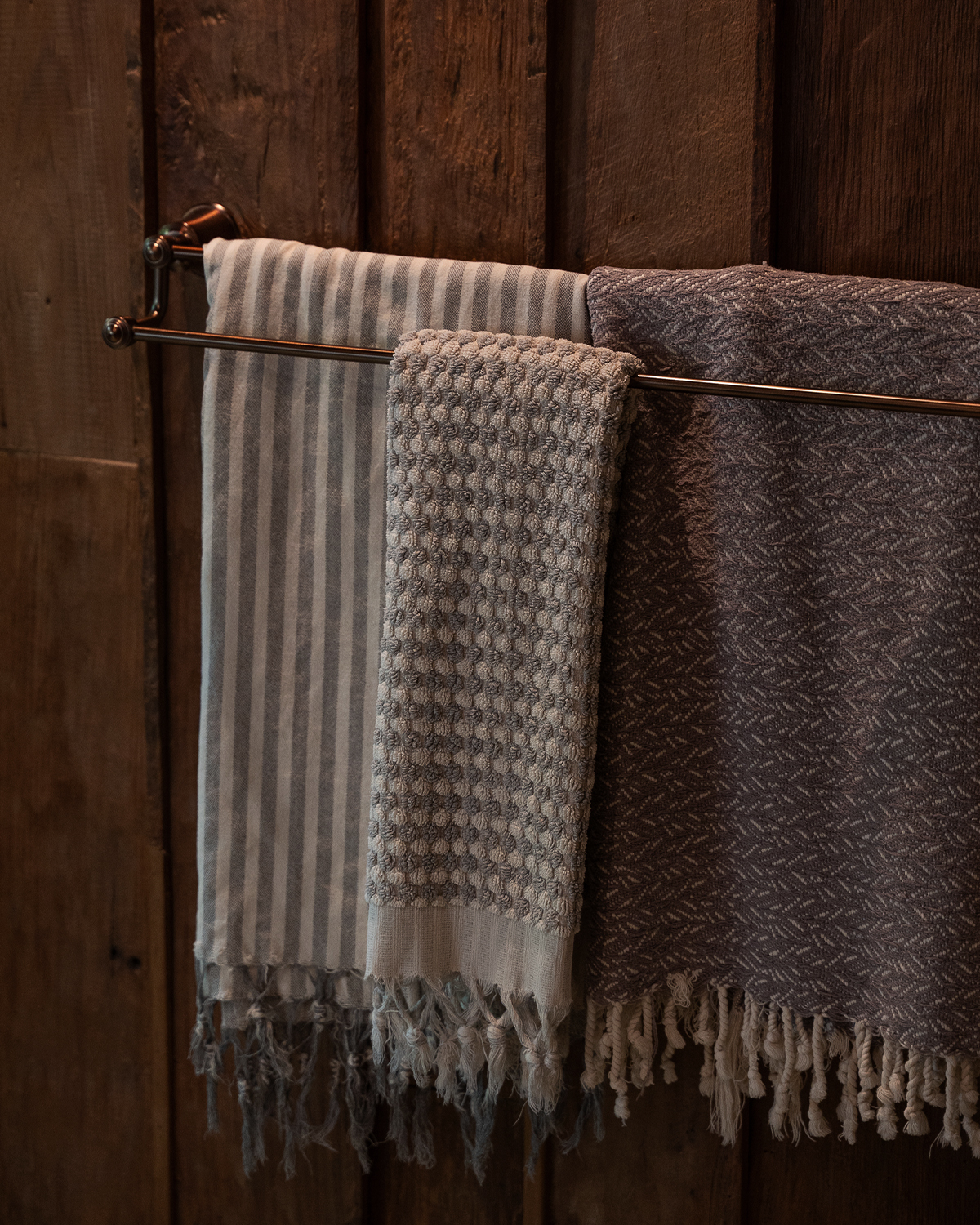
The main barrier is financial rather than logistical. Sustainable alternatives often require greater investment, but the team has chosen to prioritize long-term impact over short-term savings. Small, thoughtful details make a difference. Reusable makeup remover pads, for example, are made in-house using traditional cloth.
These items serve a dual purpose. They reduce waste while also offering guests something tangible to take home. Rather than disposable amenities, guests leave with objects that carry a sense of care and intention, reinforcing the values of the retreat in everyday use.
Plastic reduction here is not treated as a statement. It is implemented quietly, through consistent choices that align with the overall philosophy of the space.
Embedding sustainability into team culture
Low-impact practice at The Asa Maia is not limited to systems or materials. It is also a shared mindset, shaped through staff training and daily practice.
Introducing these values required time and repetition. At first, not everyone fully understood why certain decisions were being made. Over time, clarity replaced confusion. The team now understands not just what is done, but the reasoning behind it.
The long-term hope is that these habits extend beyond the workplace and into personal lives. Whether or not that happens consistently, the message has been absorbed. Closed-loop thinking is no longer an external directive; it is part of the identity of the retreat and those who operate it.
Luxury, reconsidered
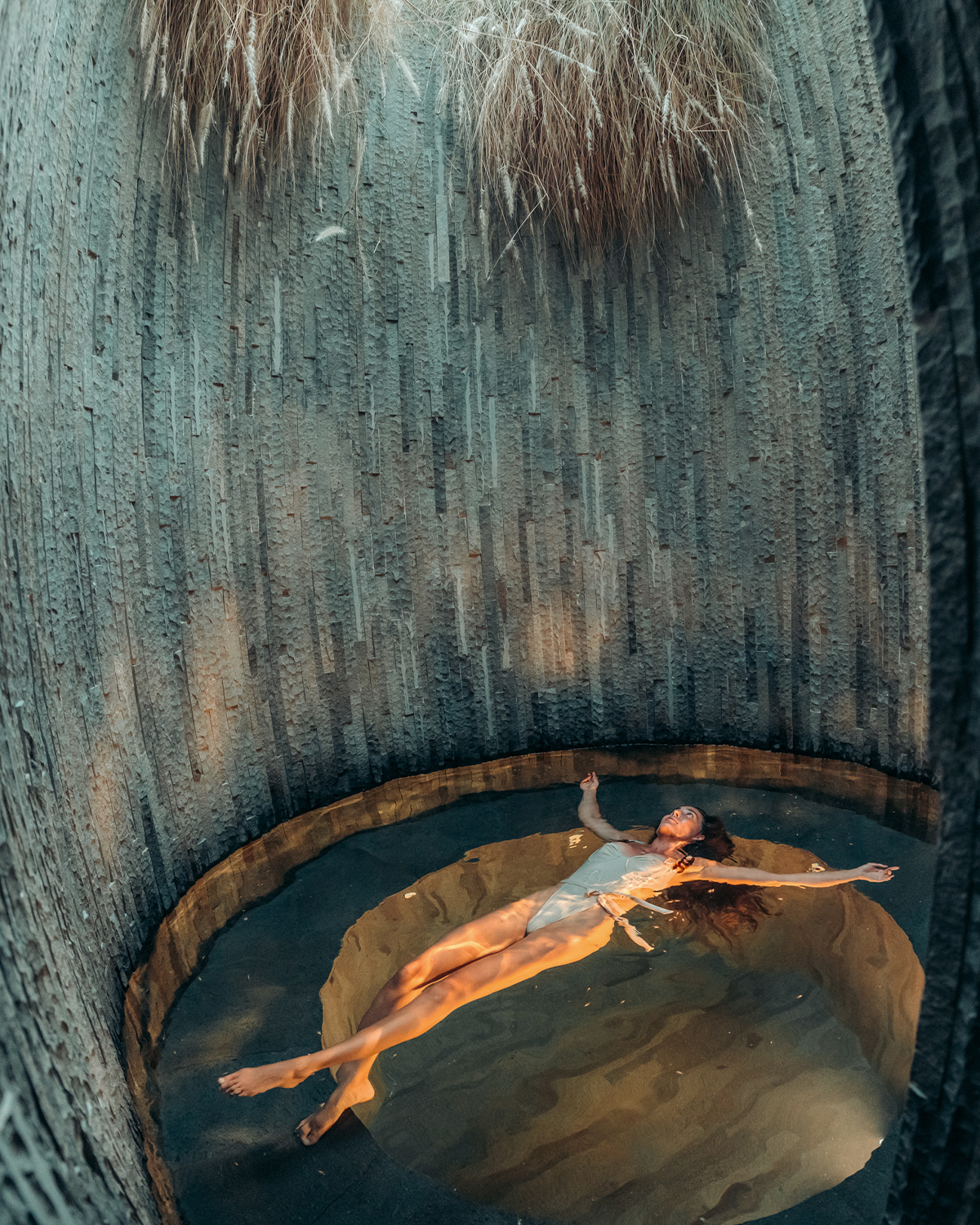
At The Asa Maia, luxury and material responsibility are not seen as competing priorities. They are viewed as complementary forces. True luxury, in the founder’s view, lies in the quality of food, the health of the environment, and the way a space supports wellbeing. Choosing clean ingredients, natural materials, and thoughtful design has not required compromise. On the contrary, these decisions have elevated the experience. There is no sense here of sustainability as sacrifice. Comfort, beauty, and care remain central, simply expressed through more considered means.
What guests carry with them
Beyond rest and restoration, The Asa Maia hopes guests leave with a heightened awareness of how everyday choices affect both health and environment. Experiencing clean, natural food often creates an immediate contrast that guests notice. The same is true of living in a space shaped by reclaimed materials and low-impact decisions.
Rather than prescribing behavior, the retreat offers exposure. Guests are invited to feel the difference and draw their own conclusions, whether that leads to changes in diet, product choices, or simply a renewed appreciation for quality over convenience.
Looking ahead to The Asa Maia Sumba
The next chapter for The Asa Maia is already underway. The upcoming Asa Maia Sumba project represents the founder’s most ambitious vision to date.
Set within a jungle landscape that opens onto a pristine beachfront, the site also includes a private waterfall. The project will continue the same material philosophy as the Bali property, using reclaimed wood, glass, copper, and stone as primary building materials.
With sufficient land to maintain peace, privacy, and distance from construction noise and entertainment venues, the environment itself becomes part of the healing experience. A permaculture farm will supply food for guests, staff, and the surrounding community, reinforcing a commitment to long-term accountability and shared benefit.
For the founder, this project feels like a natural culmination of years of intention and learning. A place where architecture, environment, and philosophy align without compromise.
EXPLORE THE PUNCH