

FEATURES • DESTINATIONS
Tanah Gajah: A Living
Legacy That Sustains
the Land
Words & Photography by The Punch
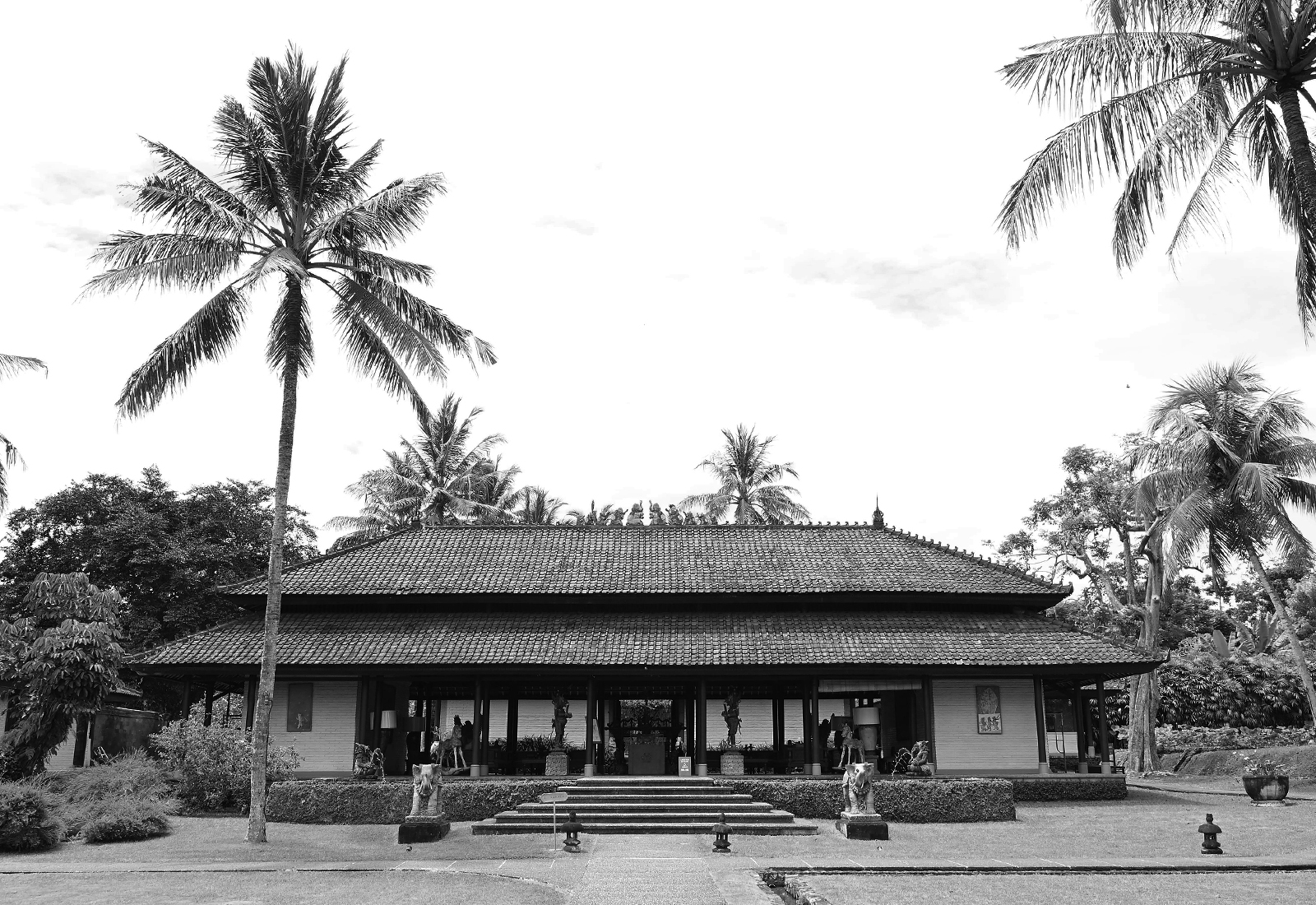
Here’s the thing about Tanah Gajah, a Resort by Hadiprana: it doesn’t perform culture. It practices it. Set across six hectares of working rice fields on the edge of Ubud, this family-owned estate is less a resort and more a living ecosystem. One where architecture, art, hospitality, and land move together at a human pace. No rush. No excess. Just intention, carried forward across generations.
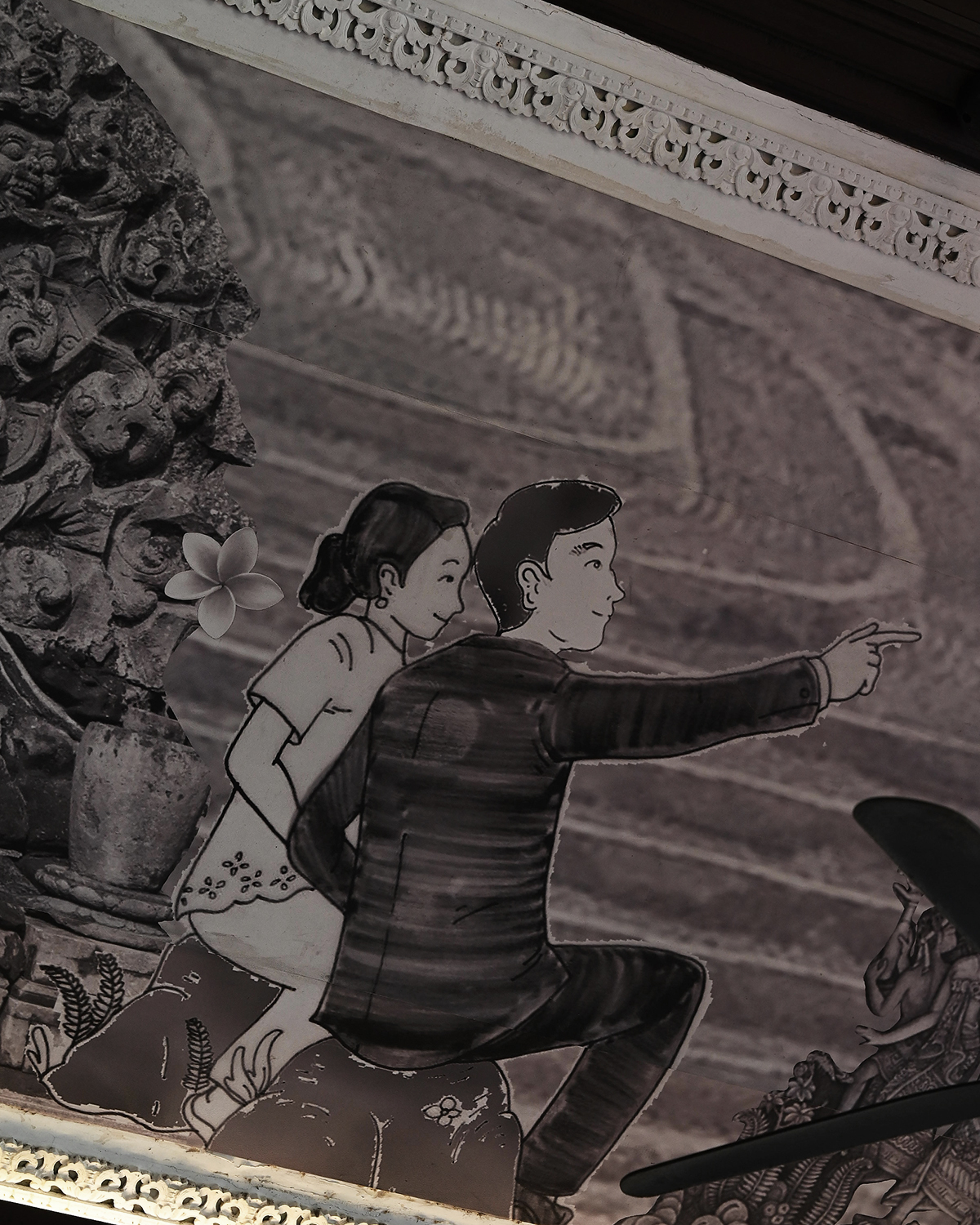
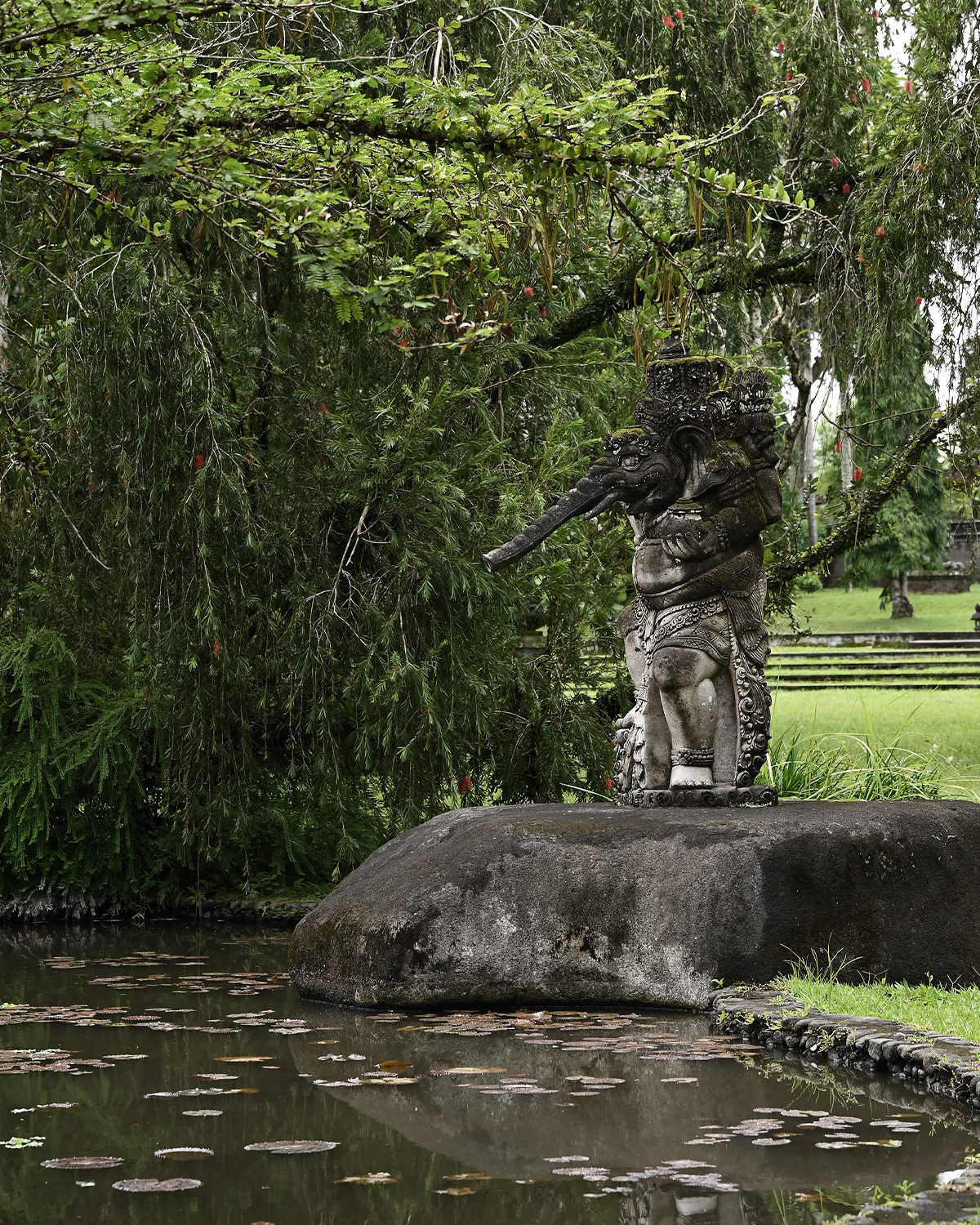
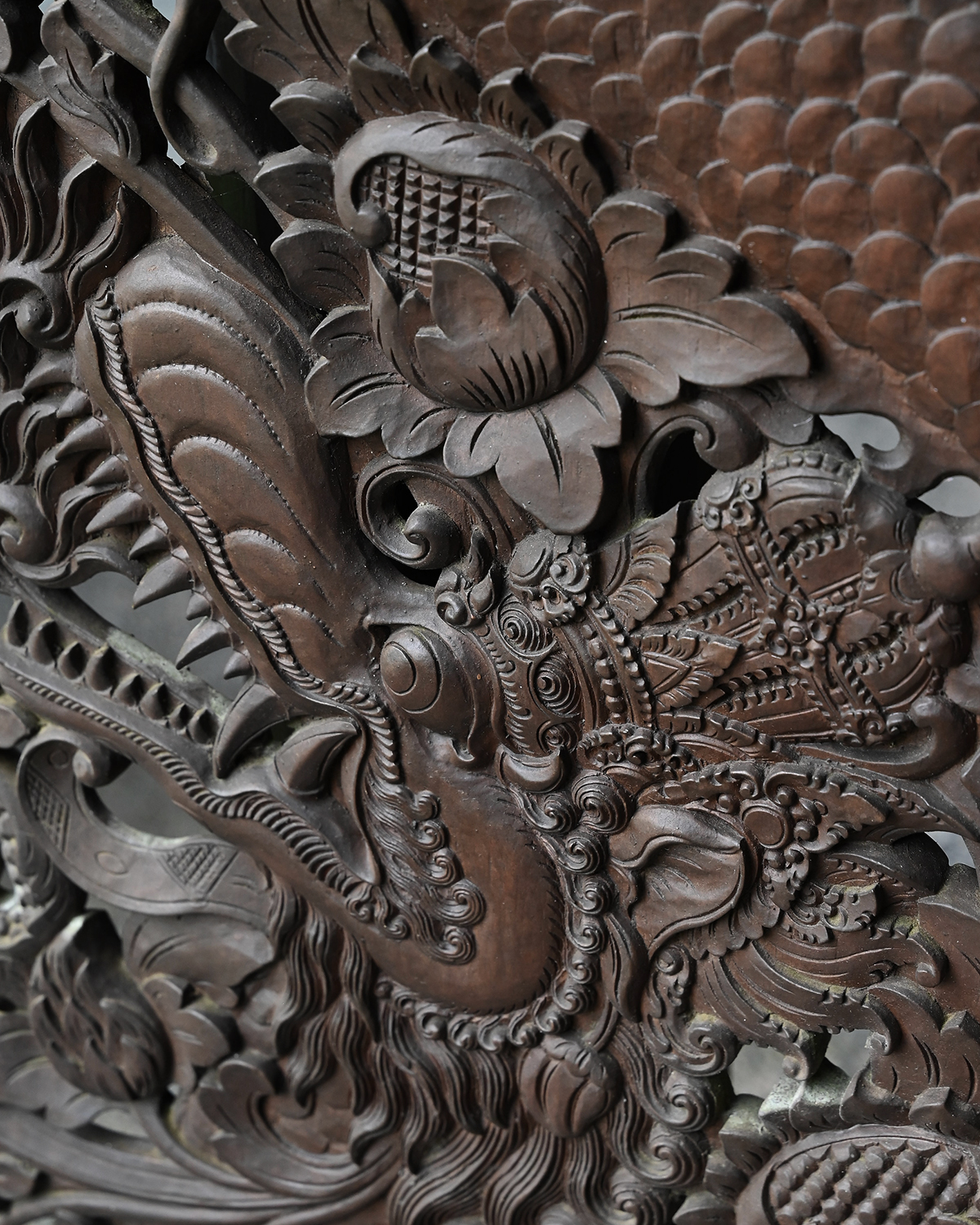
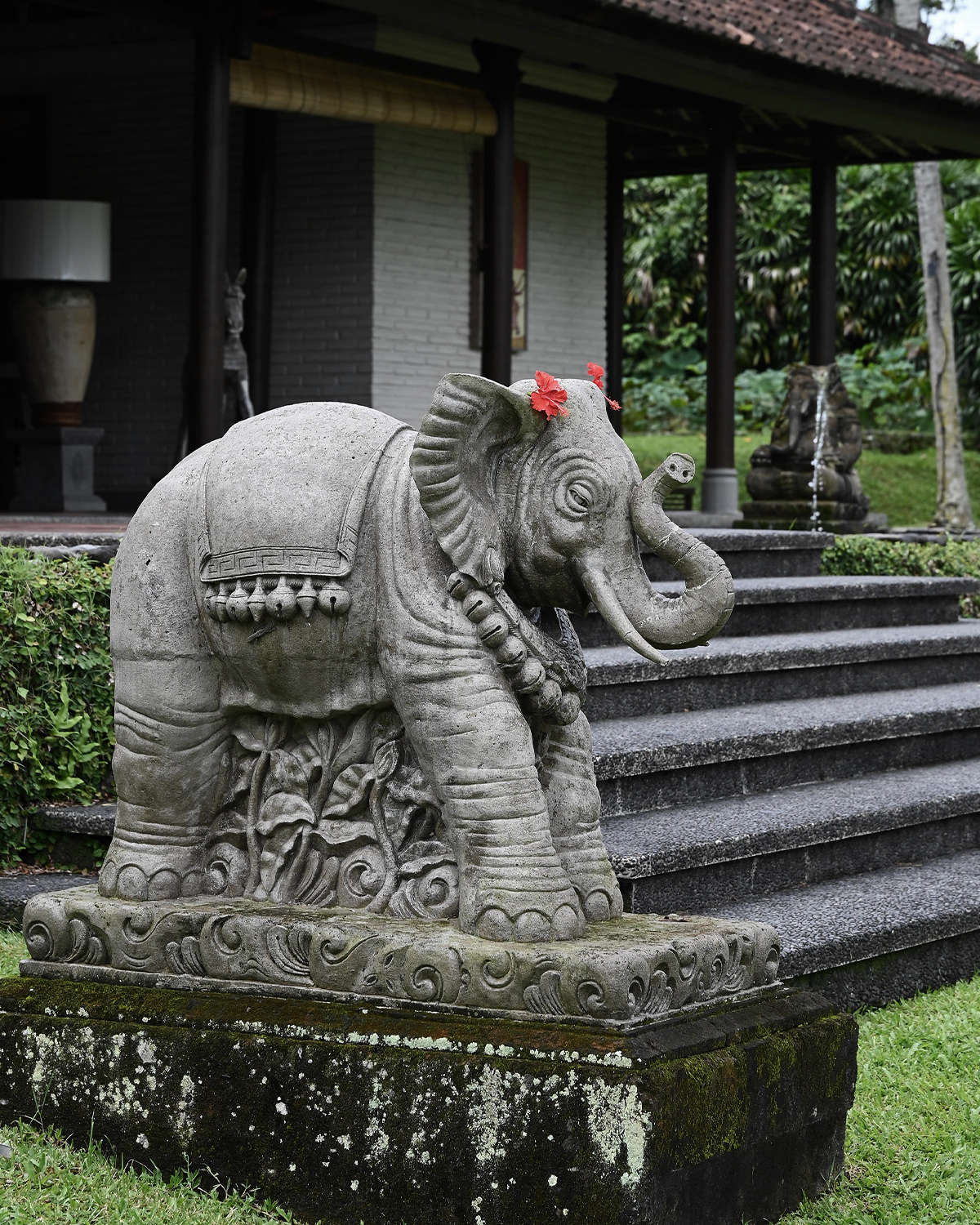
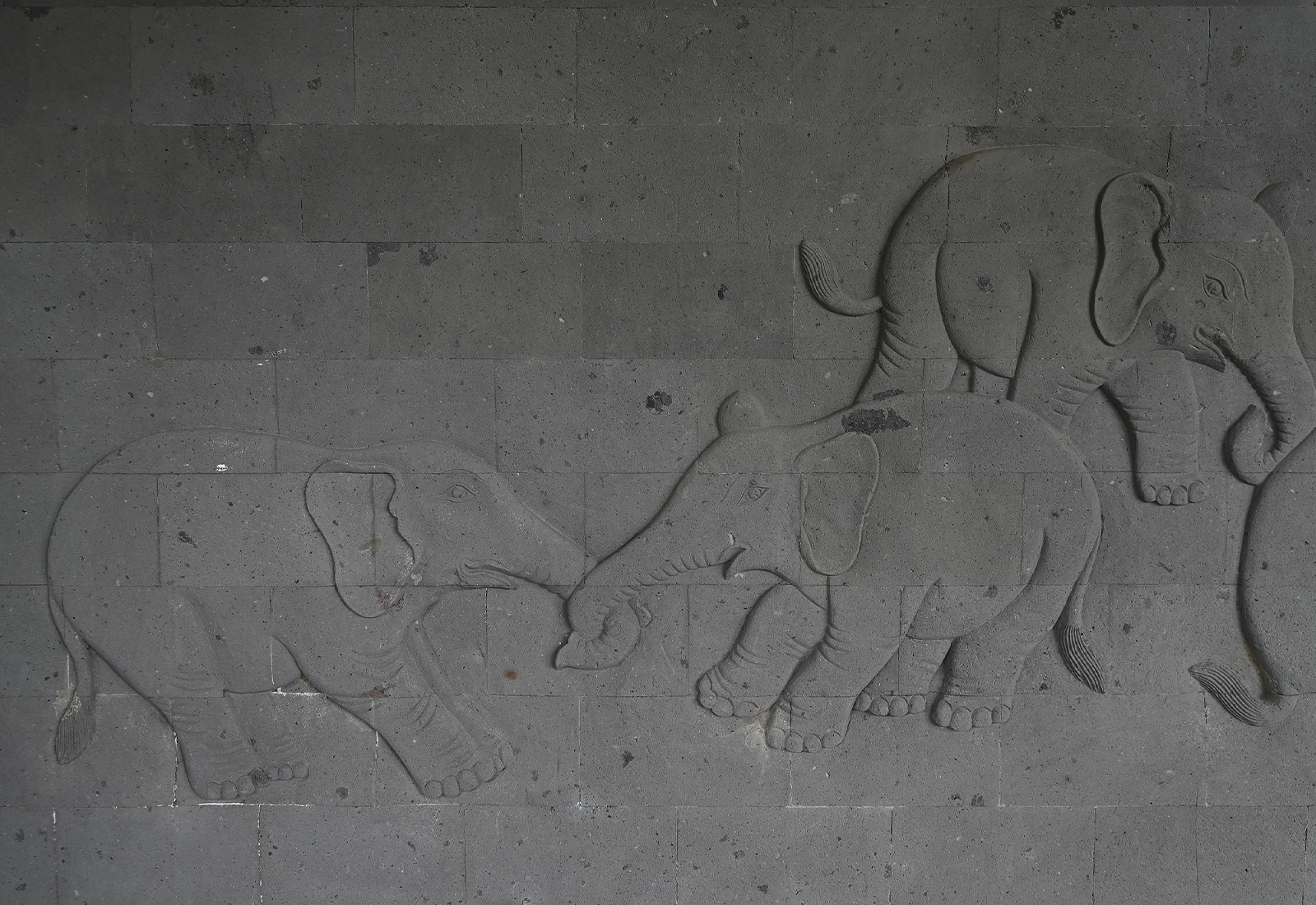
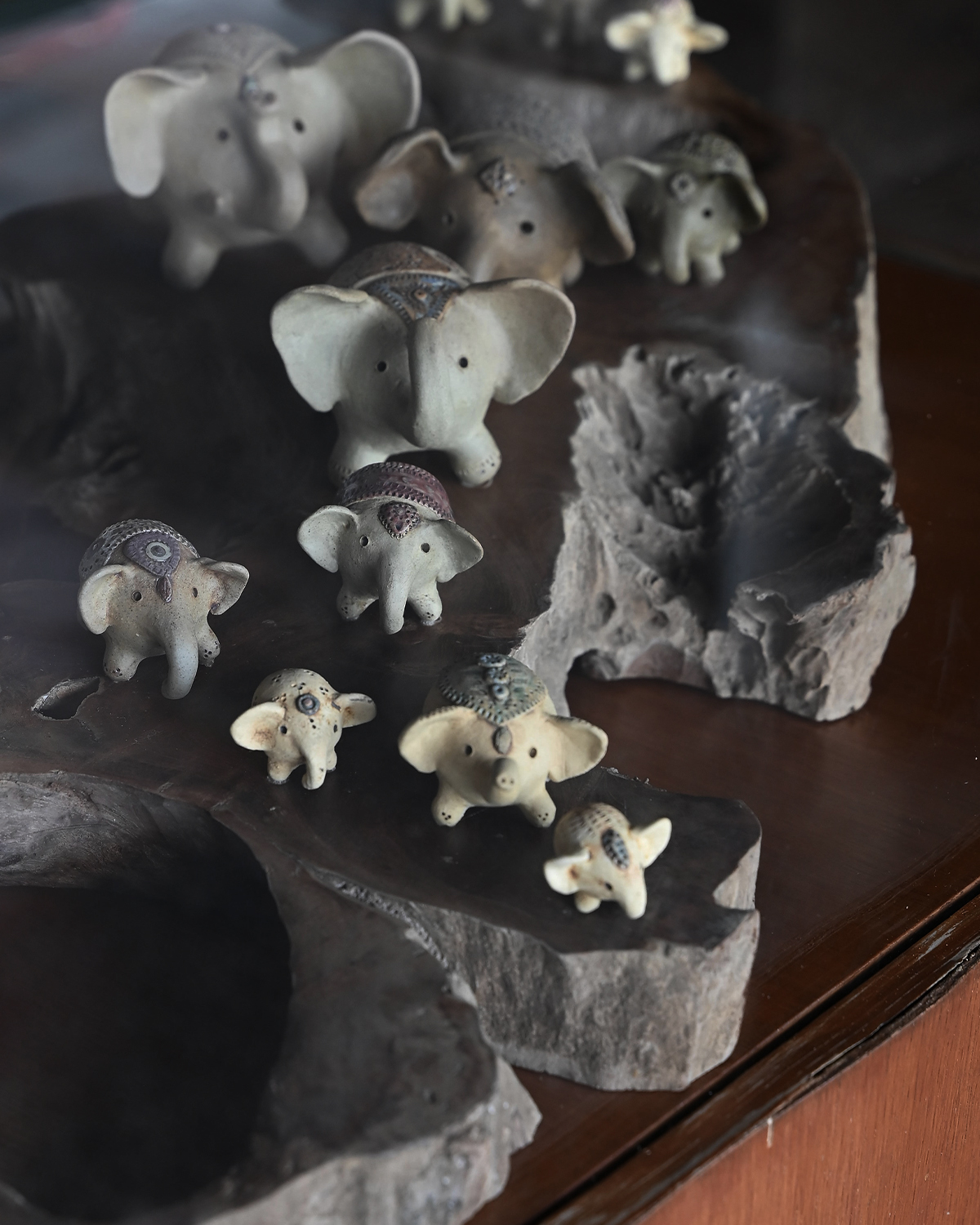
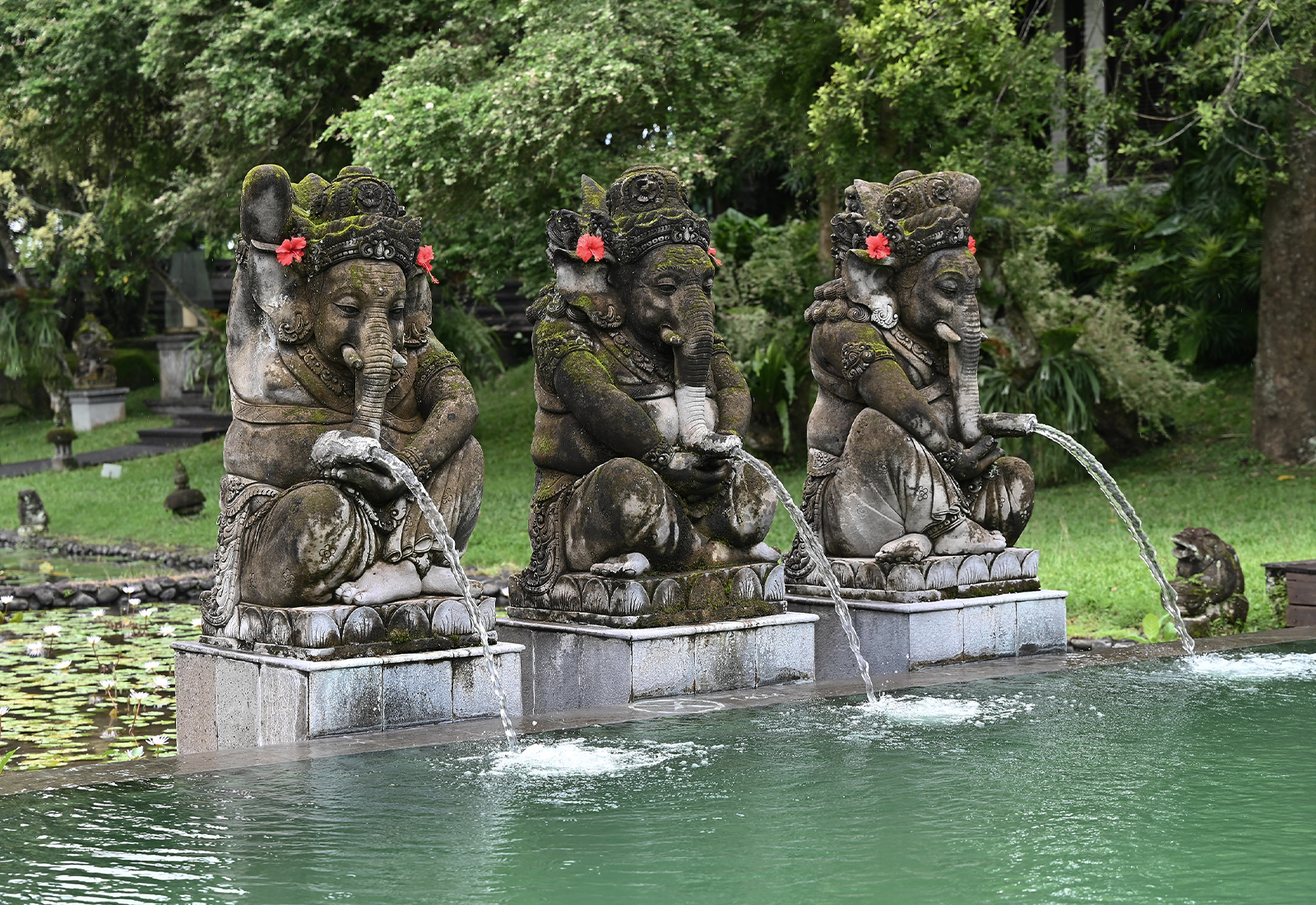
The land itself tells you where you are. Tanah Gajah sits beside Goa Gajah, the ancient Elephant Cave, and the name follows naturally. Not because elephants roam the grounds, but because they quietly inhabit the details: carved into door handles, painted onto ceilings, woven into tapestries, cast in sculpture. The symbolism is everywhere, if you’re paying attention. This attention to meaning is pure Hadiprana.

A FAMILY HOME BEFORE IT WAS A HOTEL
Tanah Gajah began in the 1980s as a private family home, shaped by the vision of Hendra Hadiprana, one of Indonesia’s most influential architects and cultural stewards. After falling in love with Bali on his honeymoon, he slowly acquired parcels of land over decades, building with patience. By the 1990s, the estate had taken form. By 2004, it evolved into a resort. But the DNA never changed. Before check-ins and reservations, there were gatherings. Family New Year celebrations in the lobby. Dance rehearsals in the amphitheater. Artists laying their work against the walls for critique, followed by shared meals. Hospitality wasn’t a concept. It was simply how the house functioned. That rhythm still defines the place today.

ARCHITECTURE THAT REFUSES TO AGE
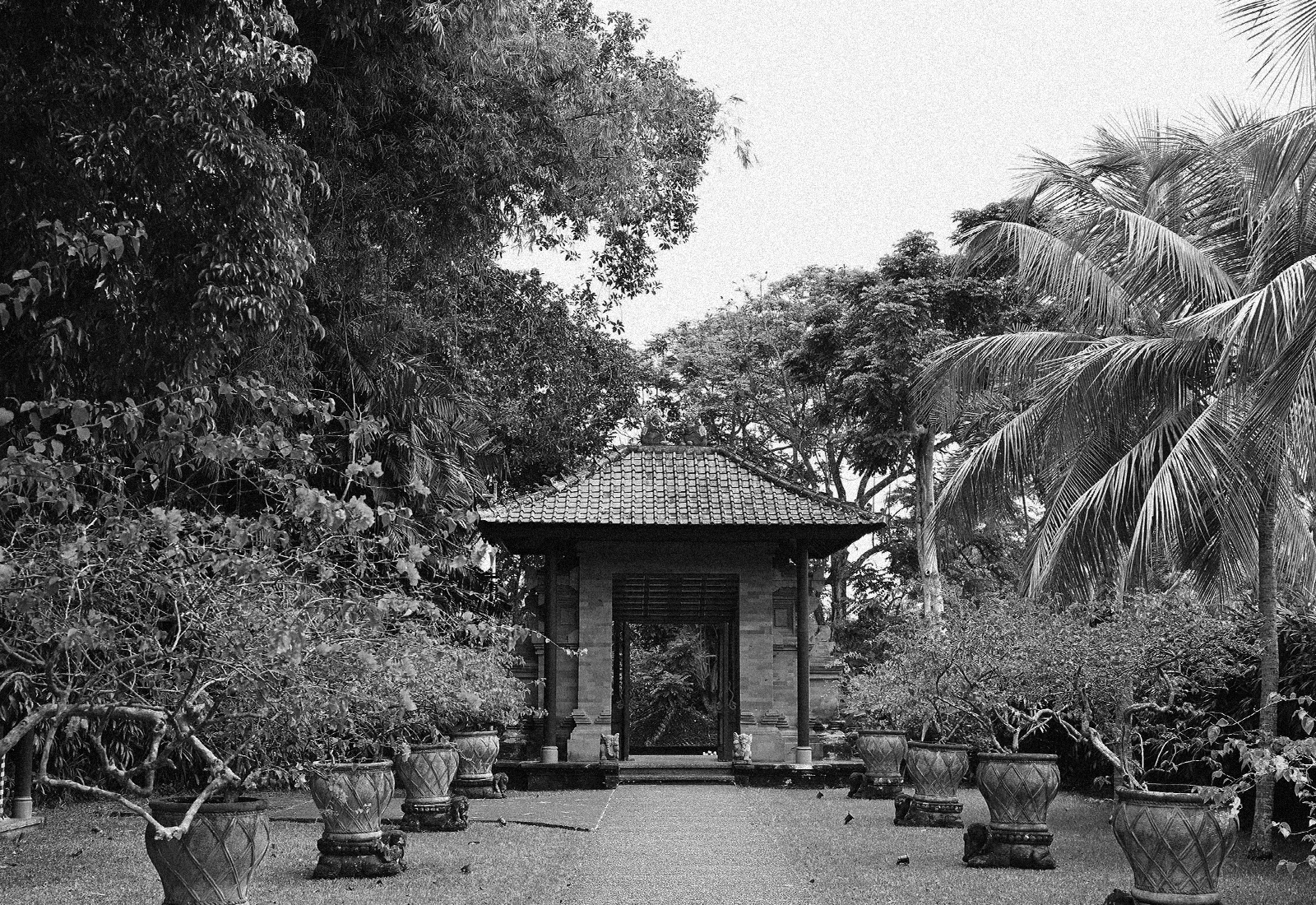
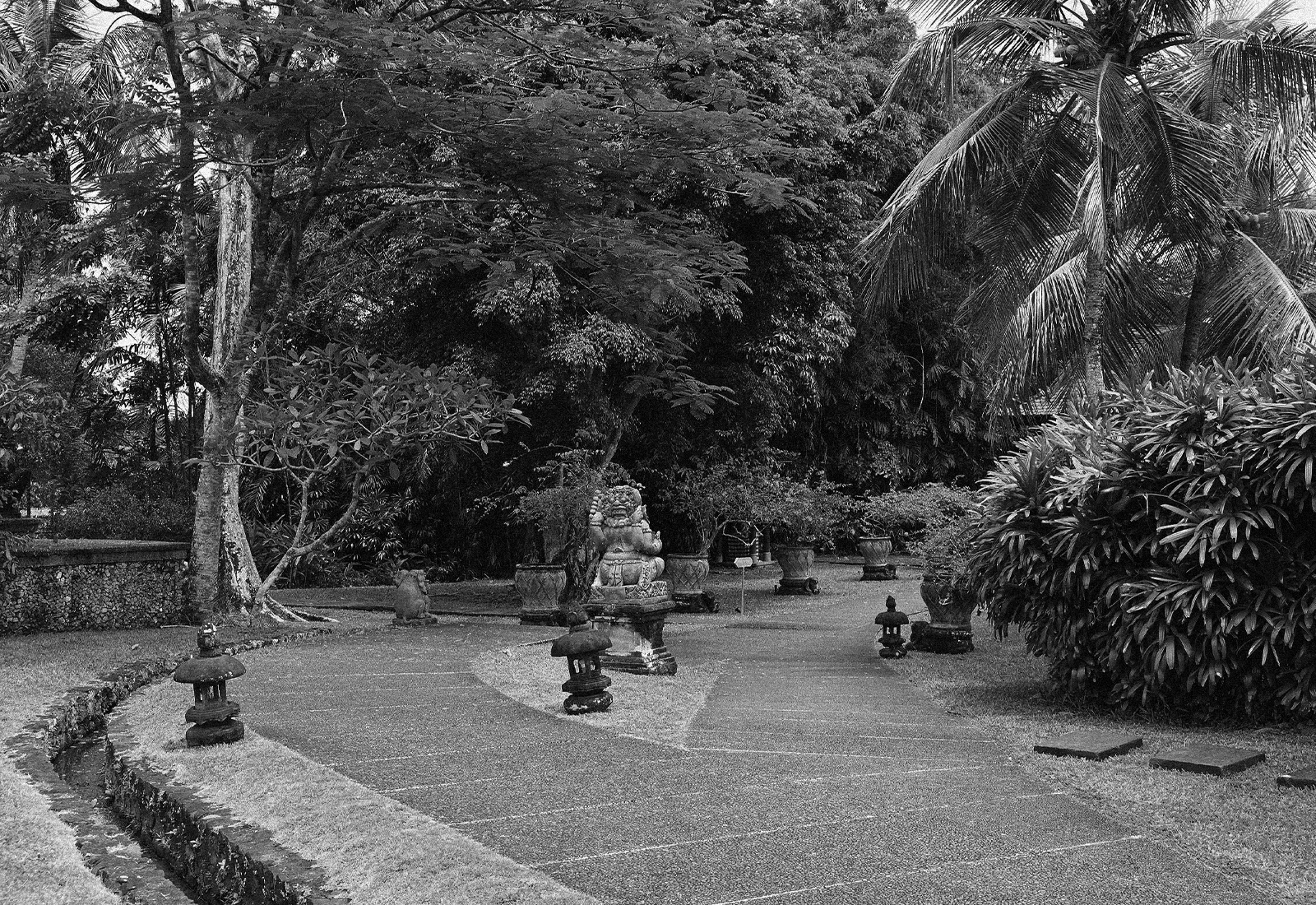
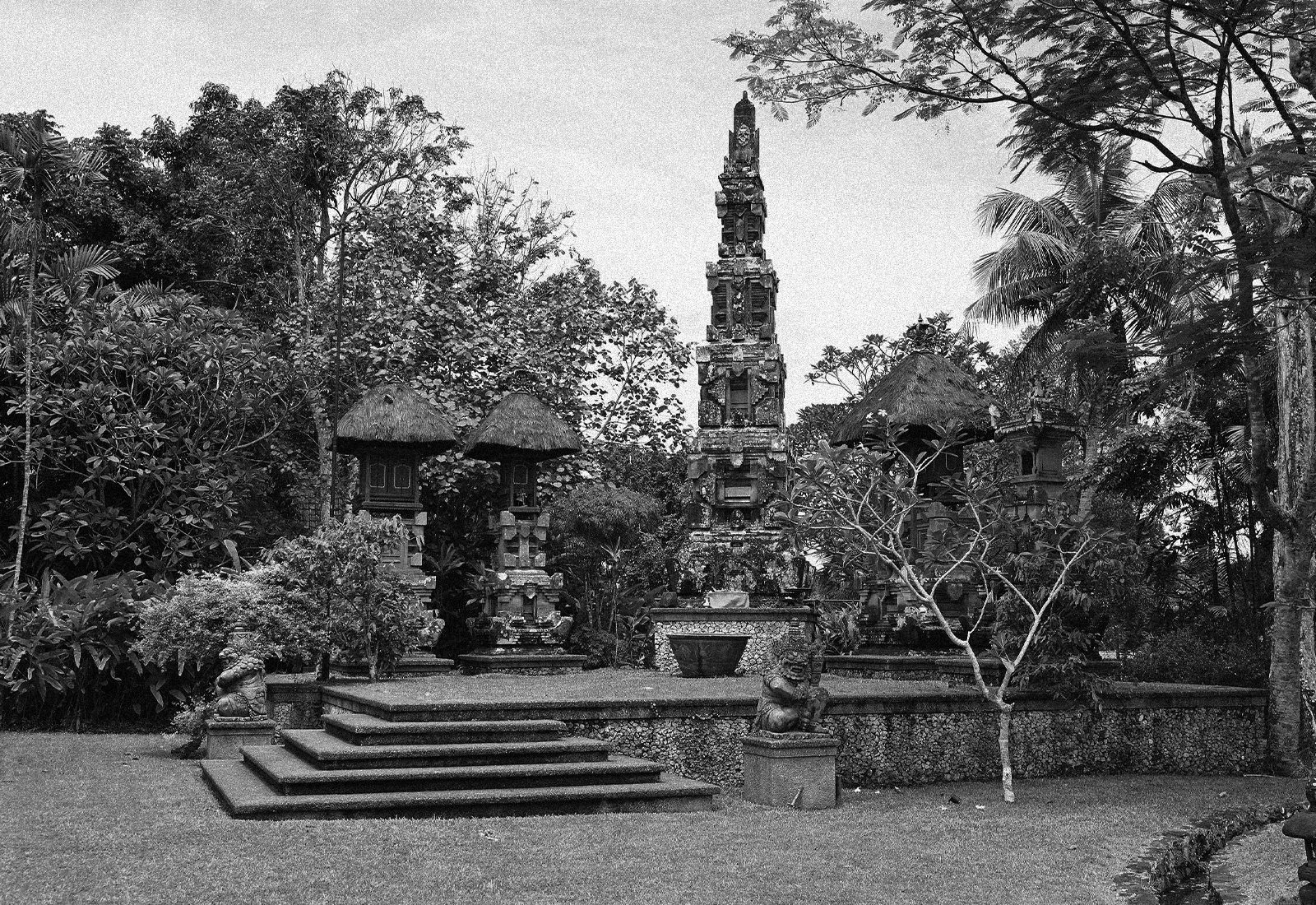
The architecture is grounded in classical Balinese tradition, yet unmistakably eclectic. Hadiprana was known for his refusal to choose between worlds. European proportion meets Indonesian materiality. Doric columns sit comfortably alongside Javanese and Balinese forms. Antique heirlooms live beside contemporary design without apology.
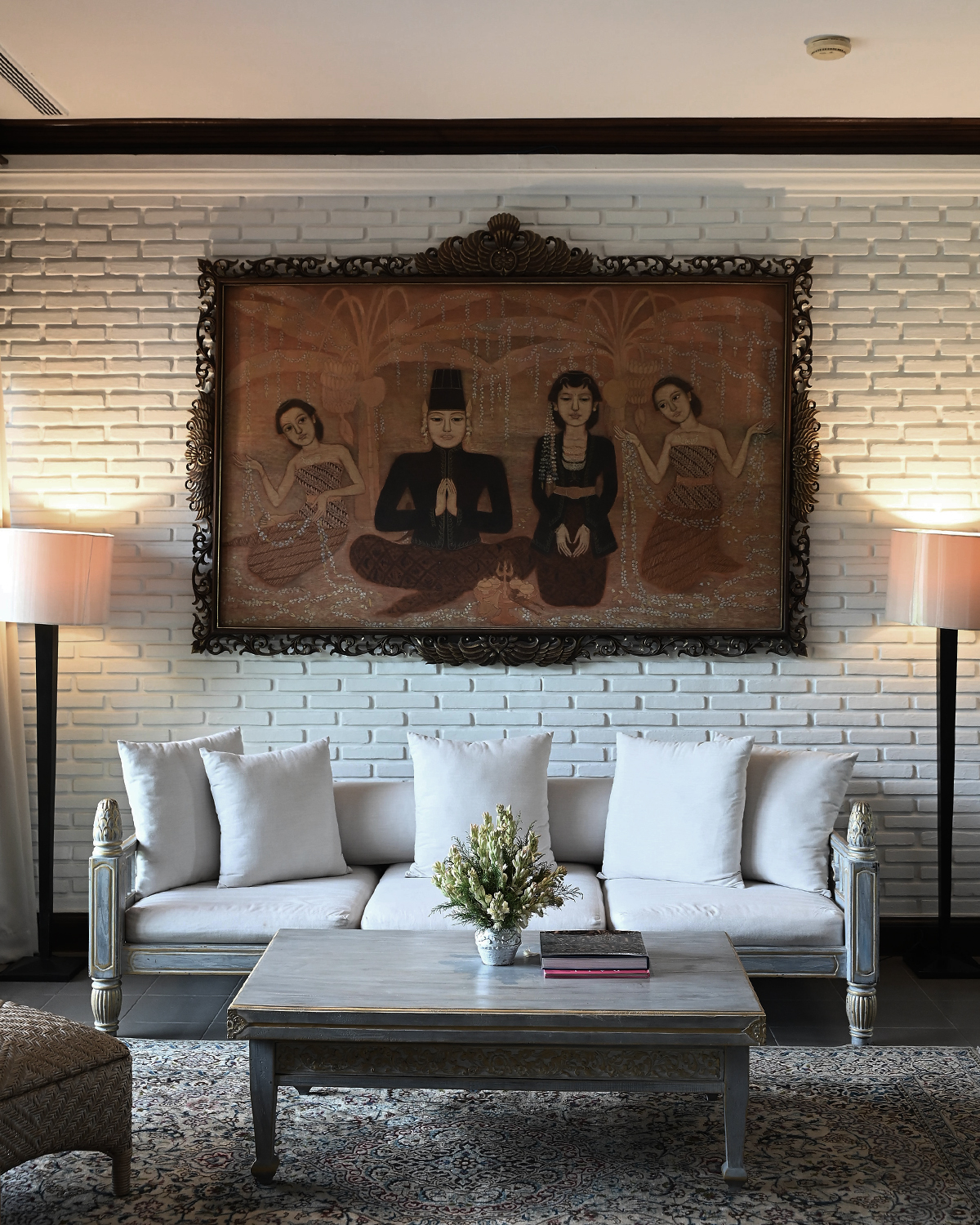
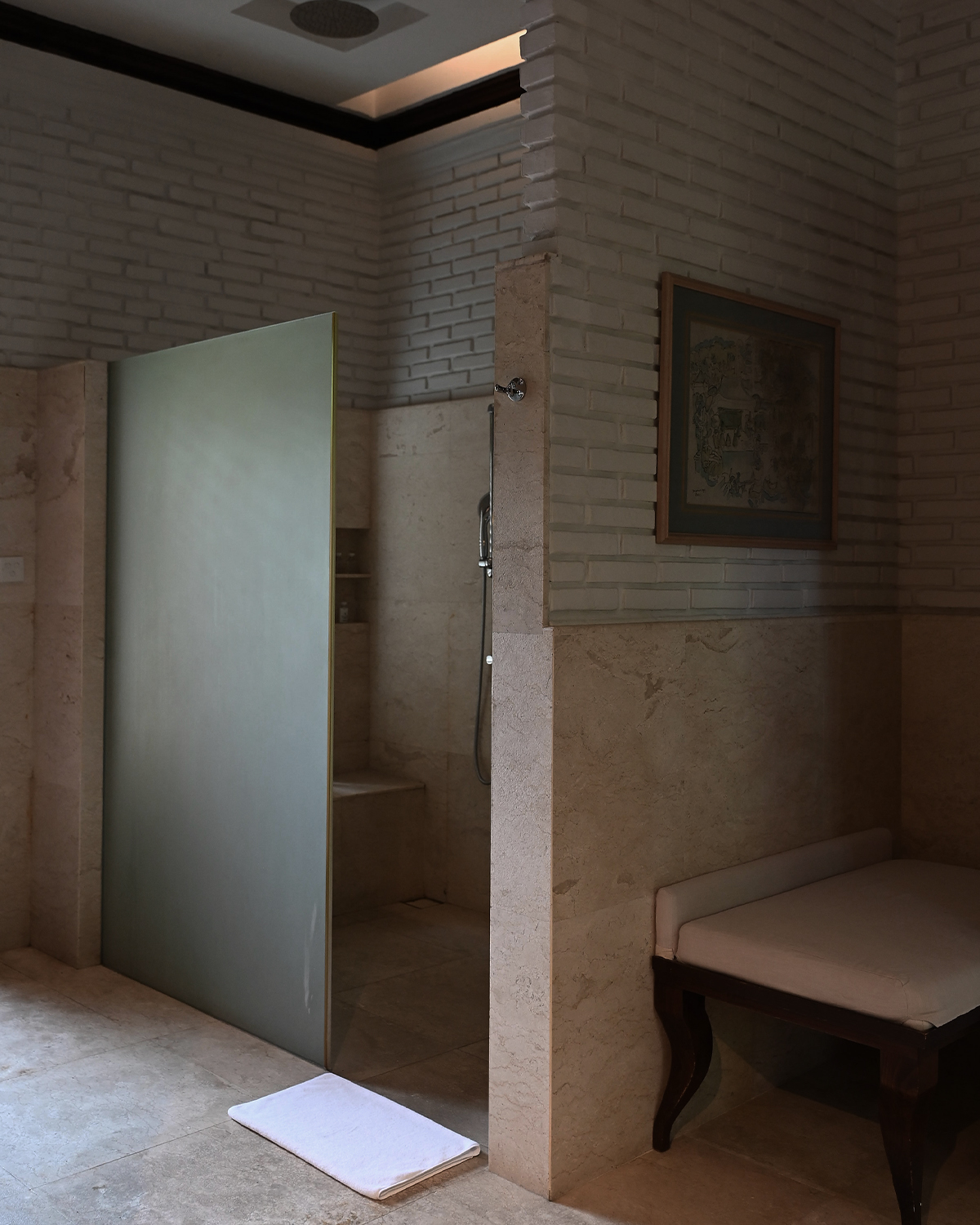
Inside the villas, every placement is deliberate. Paintings echo the palette of the room. Furniture is oversized just enough to ground grand spaces without making them feel cold. Lighting leans bold rather than timid. Even symmetry is used as a quiet guide, pulling you from one space into the next. Nothing here is decorative for decoration’s sake. Everything is doing a job, emotionally and spatially.
LUXURY WITHOUT LOUDNESS
There are just 24 villas and suites, and that restraint matters. It’s what allows Tanah Gajah to feel expansive without being extractive. Luxury here isn’t defined by rare materials or excessive finishes. It’s defined by sequence. By surprise. By the way the lobby opens toward the landscape. By the moment the pool reveals itself. By waking to rice fields instead of walls. Guests often describe feeling transformed, calmer, more grounded. That response isn’t accidental. It’s designed, but never forced.
SUSTAINABILITY AS DAILY PRACTICE, NOT MARKETING COPY
What really sets Tanah Gajah apart is how quietly it approaches sustainability. There are no grand declarations. Just systems that work because they have to. One of the most distinctive examples is the straw cycle. Rice harvested from the estate produces stems that would otherwise go to waste. Instead, they’re processed by a local partner and returned to the resort as usable drinking straws. A closed loop. Practical. Local. Almost stubbornly sensible.
Food waste is handled through on-site composting systems, scaled up as guest numbers increased. The estate’s organic garden supplies herbs and produce. Fish, vegetables, rice, even strawberries from nearby Bedugul are sourced locally whenever possible. Plastic straws were phased out years ago, not as a trend, but because it made sense.
During the pandemic, when many hotels shut their doors, Tanah Gajah stayed open. Staff weren’t sent home. Everyone farmed, gardened, harvested fish, shared food with surrounding communities and staff families. Occupancy didn’t matter. Stewardship did. That’s not a sustainability initiative. That’s a value system under pressure, holding.
CULTURE THAT CONTINUES BECAUSE IT'S USED
Cultural preservation here isn’t locked behind glass. Kecak performances take place twice a week, even if there’s only one guest watching. The dancers span generations, from children to elders, ensuring knowledge isn’t lost to convenience. The same amphitheater that once hosted family rehearsals still serves the community.
Guests are invited into this continuity through cooking classes, village walks, gamelan sessions, painting workshops with artists mentored by Hadiprana himself. Nothing is staged for novelty. These are daily practices, shared generously. Even the farewell matters. Guests leave with grains of rice from the fields and a nasi goreng recipe. The message is simple: take a piece of this home, and keep it alive.
WELLNESS BEYOND THE BODY
Wellness at Tanah Gajah goes beyond spa menus and yoga schedules, though those exist too. Morning stretching faces Mount Agung, grounding breath in landscape. The hot air balloon offers a rare, silent view over the fields, born from a desire to let guests experience what drones could see, but humans couldn’t.
But the deeper wellness is emotional. Staff remember names, preferences, histories. Guests are welcomed back with “welcome home,” and it doesn’t feel like theater. It feels earned. Some guests have been coming since their children were toddlers. Those children now return as adults. Hugs at check-out are common. Tears, not unusual. That kind of loyalty isn’t engineered. It’s built slowly, over decades, through consistency.

GROWING FORWARD WITHOUT LOSING THE PLOT
Tanah Gajah isn’t frozen in time. It evolves carefully. Recent collaborations, like welcoming Kurasu into one of the estate’s oldest structures, reflect a willingness to open the door to new voices, as long as values align. Environmental systems continue to improve. Waste handling adapts. Materials are repaired rather than replaced whenever possible.
The goal isn’t perfection. It’s responsibility, revisited again and again. And, there’s a clear eye on the future. Bringing younger generations into this way of experiencing Bali. Showing that Ubud isn’t something to rush through between cafés, but a place to sit still, listen to birds, watch rice sway, and remember that culture only survives if people choose to stay with it.
A LIVING LANDSCAPE, NOT A LEGACY PIECE
Tanah Gajah succeeds because it understands something many places forget: heritage isn’t preserved by freezing it. It’s preserved by using it well. Here, hospitality serves as stewardship. Luxury walks hand in hand with restraint. Sustainability is practical, local, and sometimes inconvenient. And culture isn’t something you visit. It’s something you’re invited into. What this really means is simple. Tanah Gajah doesn’t ask what hospitality looks like today. It asks what it should still look like fifty years from now. And then it builds quietly, patiently, toward that answer.
EXPLORE THE PUNCH