

FEATURES • DESTINATIONS
Home Over Hype:
Val Gunawan & the Making
of Kindling Jakarta
Words & Interview by The Punch
Photography by Kindling & Jason Wong
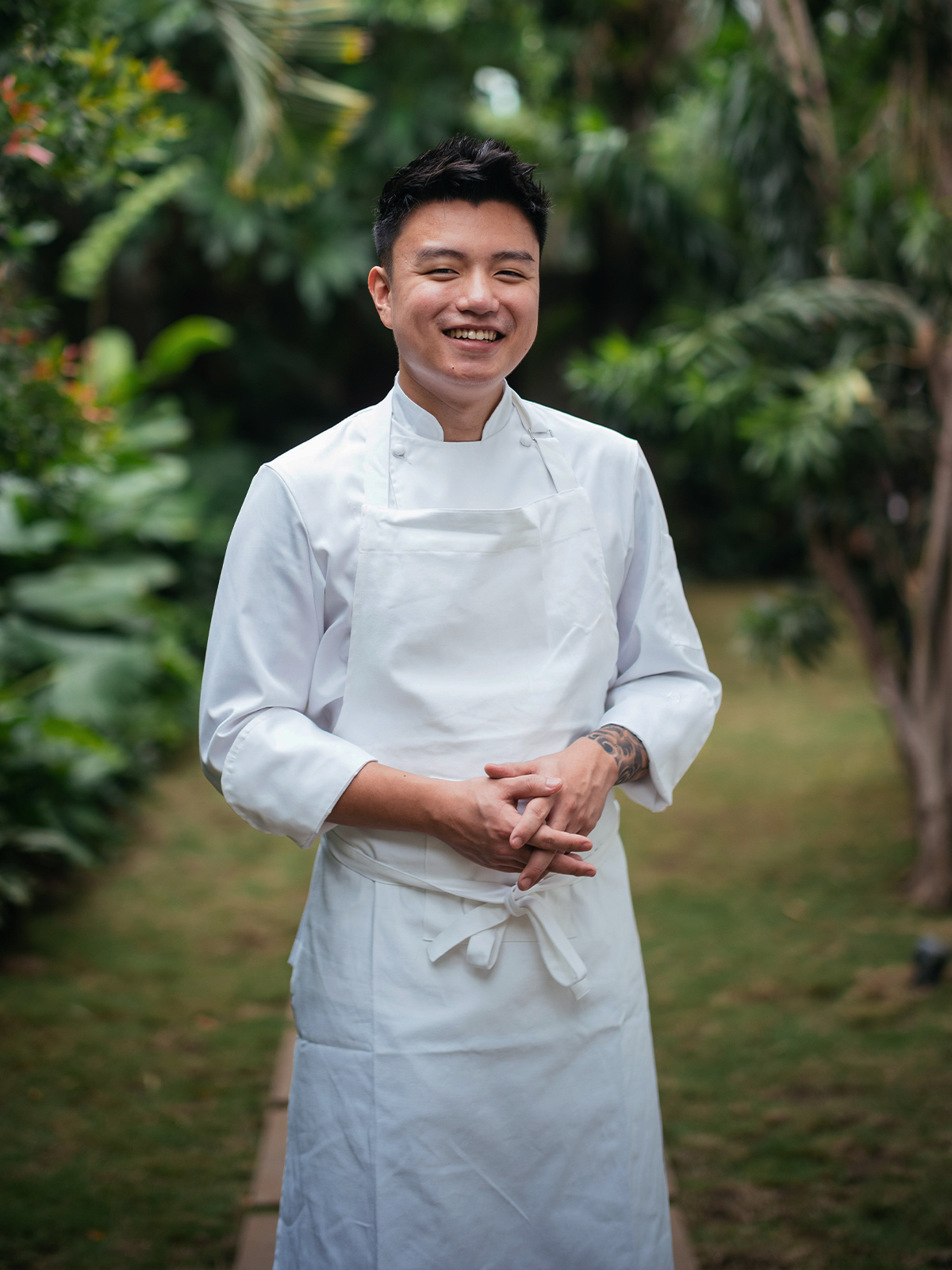
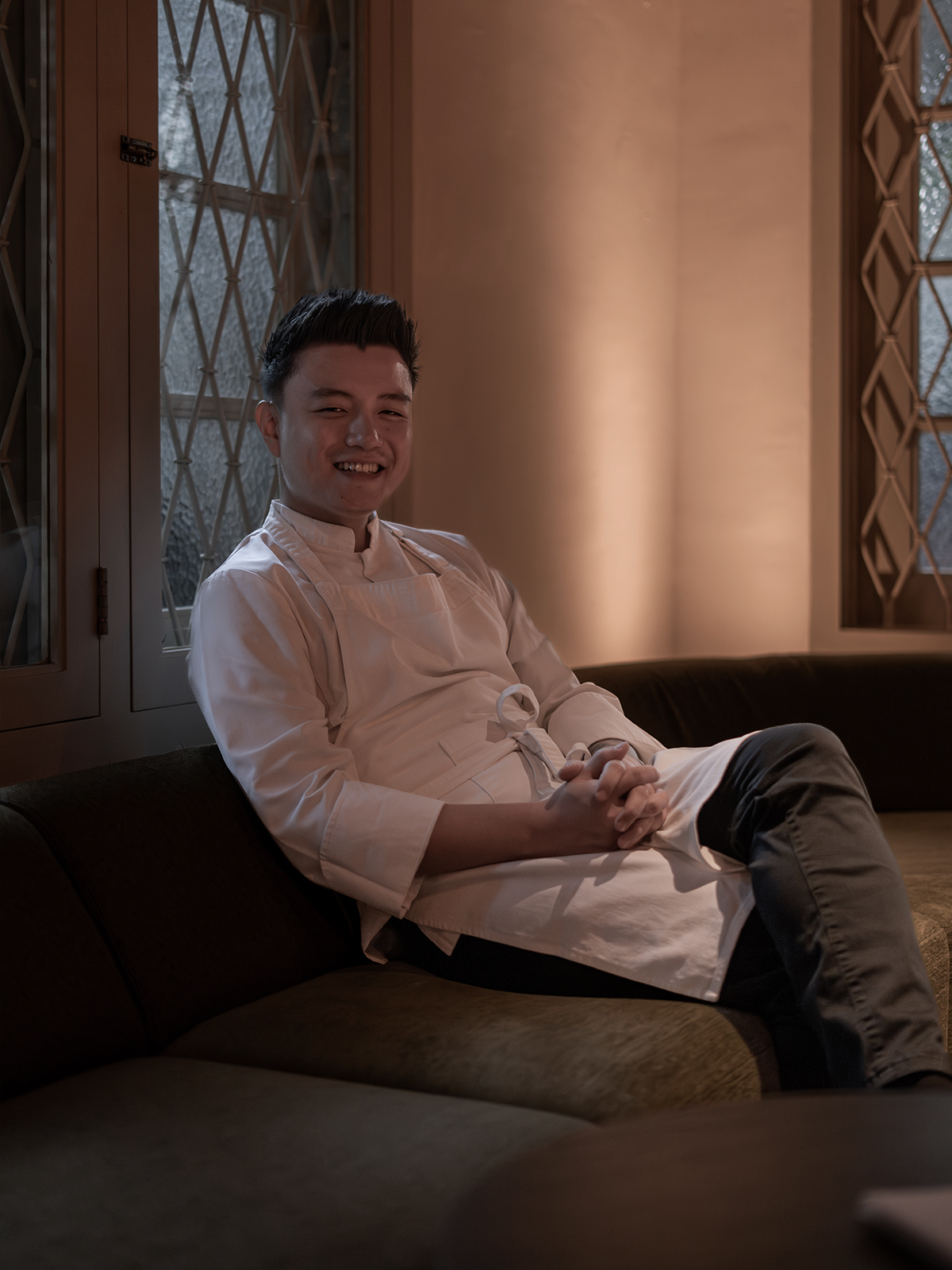
There are restaurants in Jakarta designed to impress. Kindling, the intimate fine dining room inside a century-old colonial house in Cikini, was designed to do something harder: to make people feel at home. Behind it is Val Gunawan, a chef from Medan who came of age in Singapore's demanding kitchens, refined his craft across Asia, and returned to Indonesia with a clear sense of what he wanted to build and, just as importantly, what he wanted to leave out.
Kindling opened in late 2024 and has moved fast: awards, recognition, and a growing sense in Jakarta's dining world that something genuinely different is happening here. But sit down with Val and the conversation quickly moves away from accolades and toward the things that actually matter to him: his grandmother's cooking, the team he built around himself, the radish cakes his mother made for breakfast on weekday mornings, and the stubborn belief that real luxury has nothing to do with marble or chandeliers. This is his story.
Tell us your story. Where you grew up, what food meant in your home, and when you knew cooking was going to be your life?
I grew up in a small town called Medan in Sumatra until I was a teenager, then moved to Singapore to continue my studies. Food was always the one thing that brought my whole family together. It was how we caught up, how we shared what was happening in our lives. My grandmother and my mother were both wonderful cooks, so those moments around the table meant a lot. I had no idea back then that I would end up cooking for a living. That's for sure.

You moved to Singapore at fifteen, alone. What do you remember about that first year and what did it give you?
I remember struggling with English because I had never used it as my first language. Especially in 2008, assimilating was tough. On top of standard English there was Singlish, the local colloquial language, which I also had to get used to. But that first year taught me perseverance. It gave me a thick skin.
After over a decade cooking across some of Asia's greatest kitchens, which one pushed you the hardest, what did you learn, and what finally pulled you back home?
My time at Saint Pierre was the most demanding. It was a small team with huge ambitions. Chef Emmanuel Stroobant was a father figure to us in the kitchen: patient, guiding, but with long hours and a pace where you were never not busy. It taught me a great deal about staying organized, staying ahead, and always anticipating what could go wrong before it did.
In late 2019 I resigned to go work at a restaurant south of Munich in Germany, but as we all know, Covid happened. I found myself unemployed for a while before eventually heading back to Indonesia.
When and why did the idea of Kindling start feeling inevitable?
It was when I felt confident enough to run my own restaurant on my own terms, with values I genuinely believed in, without having to compromise on things that didn't feel right to me. In late 2023 I resigned from my previous role, and not long after I was introduced to my now business partner, Mik Mirdad from BIKO in Jakarta, through a mutual friend.
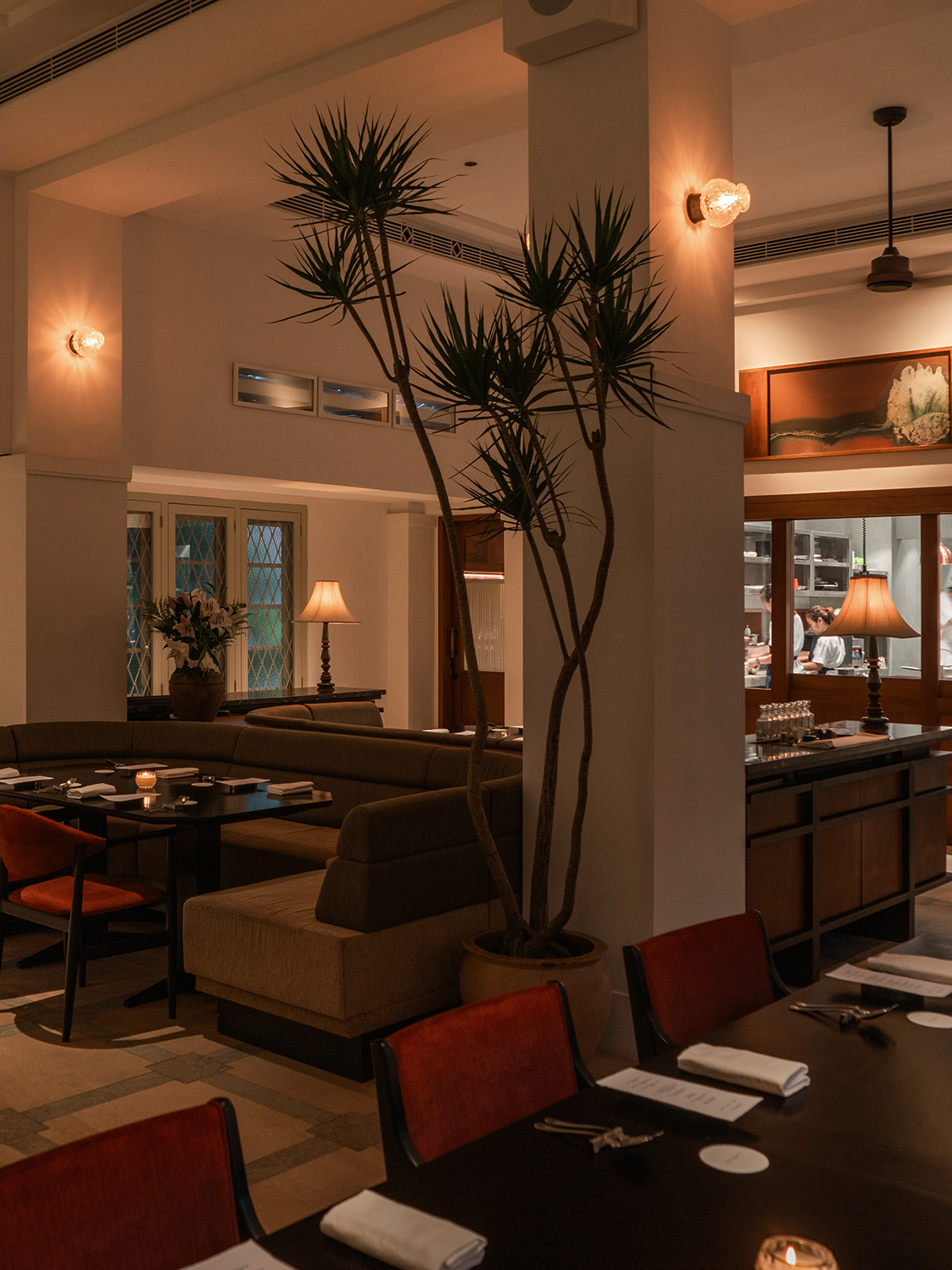
The first time you walked into this 1900s colonial house in Cikini, what did you feel and did you know immediately it was right?
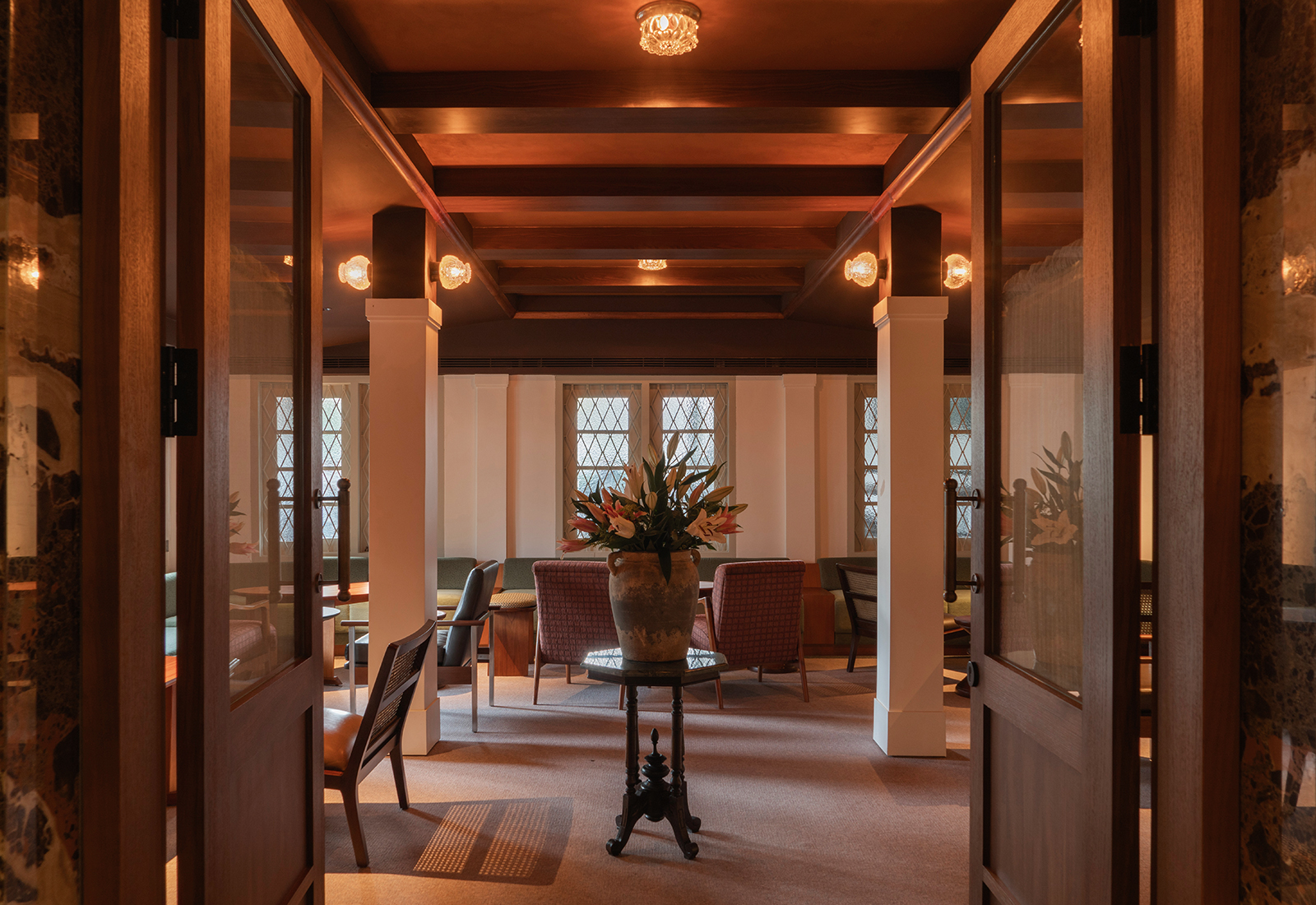
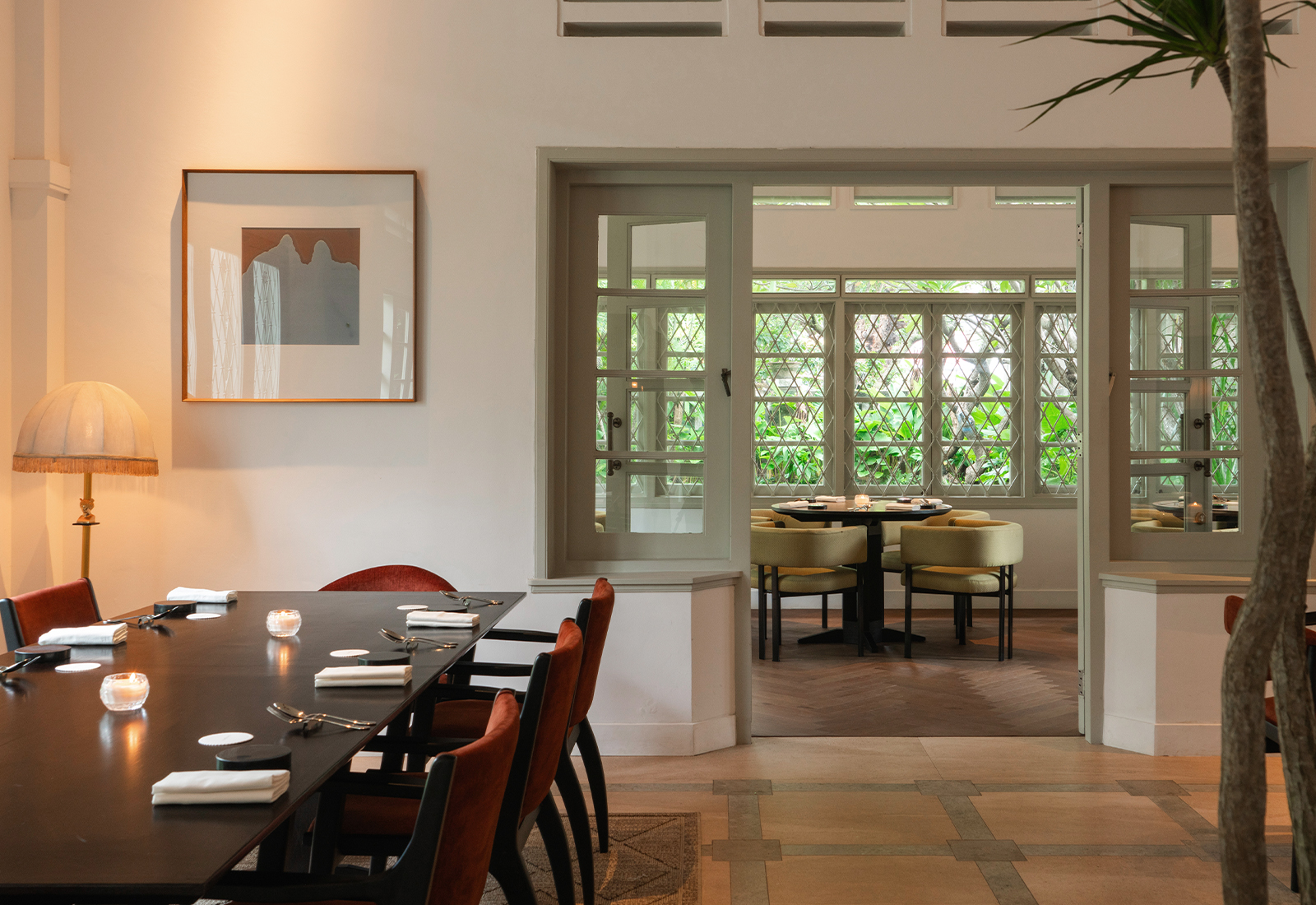
The feeling came the moment I stepped through the front gate. The house had this serene, calm atmosphere, and a huge garden, which is not something you come across easily in Jakarta. It also had real character and the kind of solid structure a restaurant needs. I knew.
This building has survived a century in a city that tears down its past without looking back. What does that heritage mean to you personally, and what did you fight to protect when you restored it?
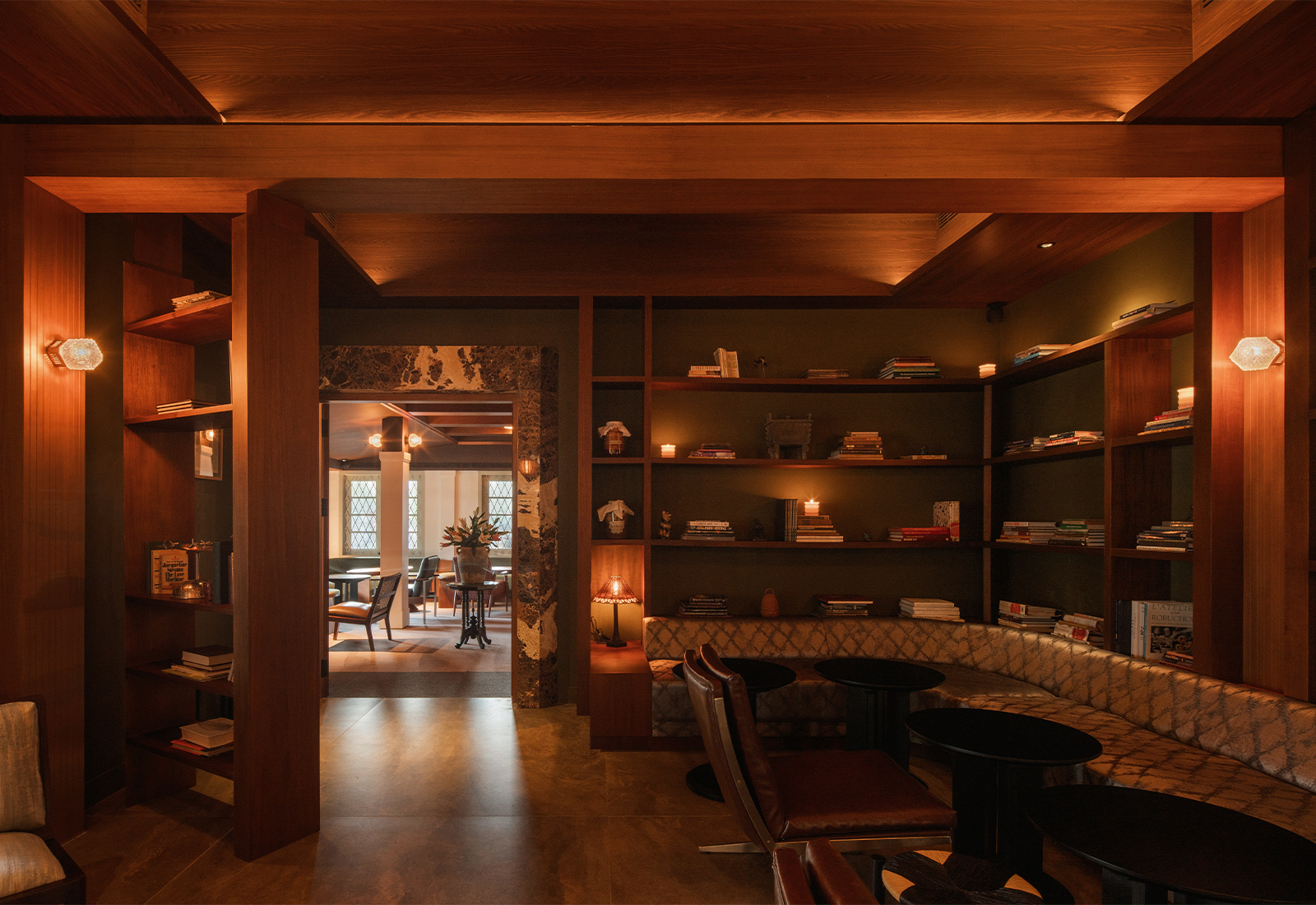
Heritage, to me, means remembering where you came from without being trapped by it, if that makes sense. Time changes our perceptions and brings in new perspectives, but what was left behind by the previous generation gives you something to build from. That is how we approached the restoration: giving the house some tender loving care, carefully considering what needed to be updated and what needed to be left alone. Preserving it as close to the original as possible while giving it a new breath of life.
Your menu carries its own kind of heritage: your mother's pao fan, your childhood in Medan, your years eating across Asia. How do you decide which memories deserve a place on the plate?
Kindling is a special place in every sense and it cannot just be a restaurant. It has to be somewhere that provides warmth and joy alongside nourishment, and we do that by drawing on our own stories. That is not something that can be replicated. It is deeply personal, and I think the people who truly get the message appreciate it on a much deeper level.
Who did you need around you to make this real and how did you find them?
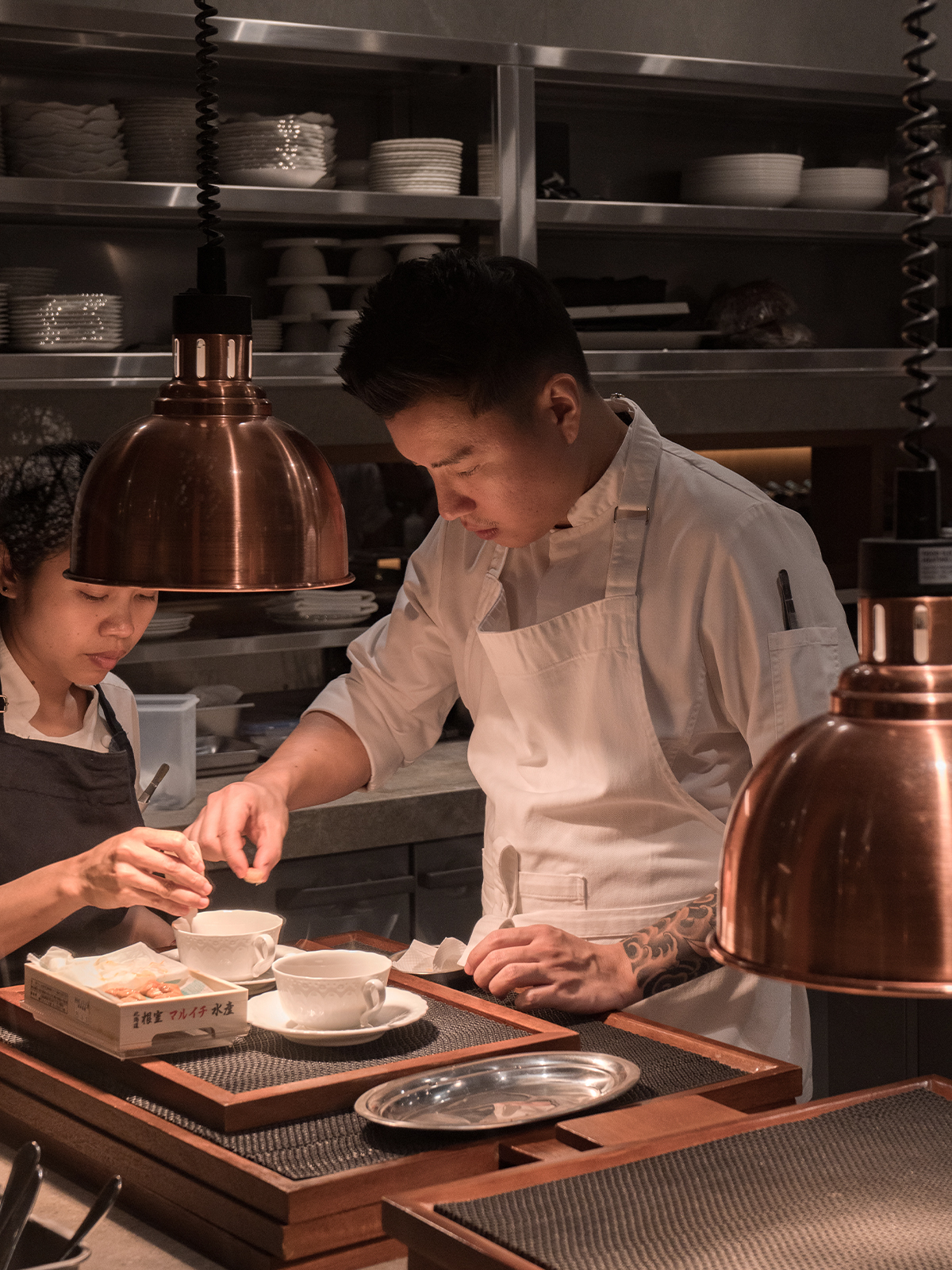
I needed my team, most of whom had been working with me at my previous venue. My sous chefs Rezky and Valencia, our Chef de Rang Sugeng, and the rest of the team: Juni, Malik, Kabul, Sherina, Farel, Verrel, Imam, and Andre. My General Manager is Letashia, a high school friend from my time in Singapore who had also been working in hospitality. They are the foundation of everything.
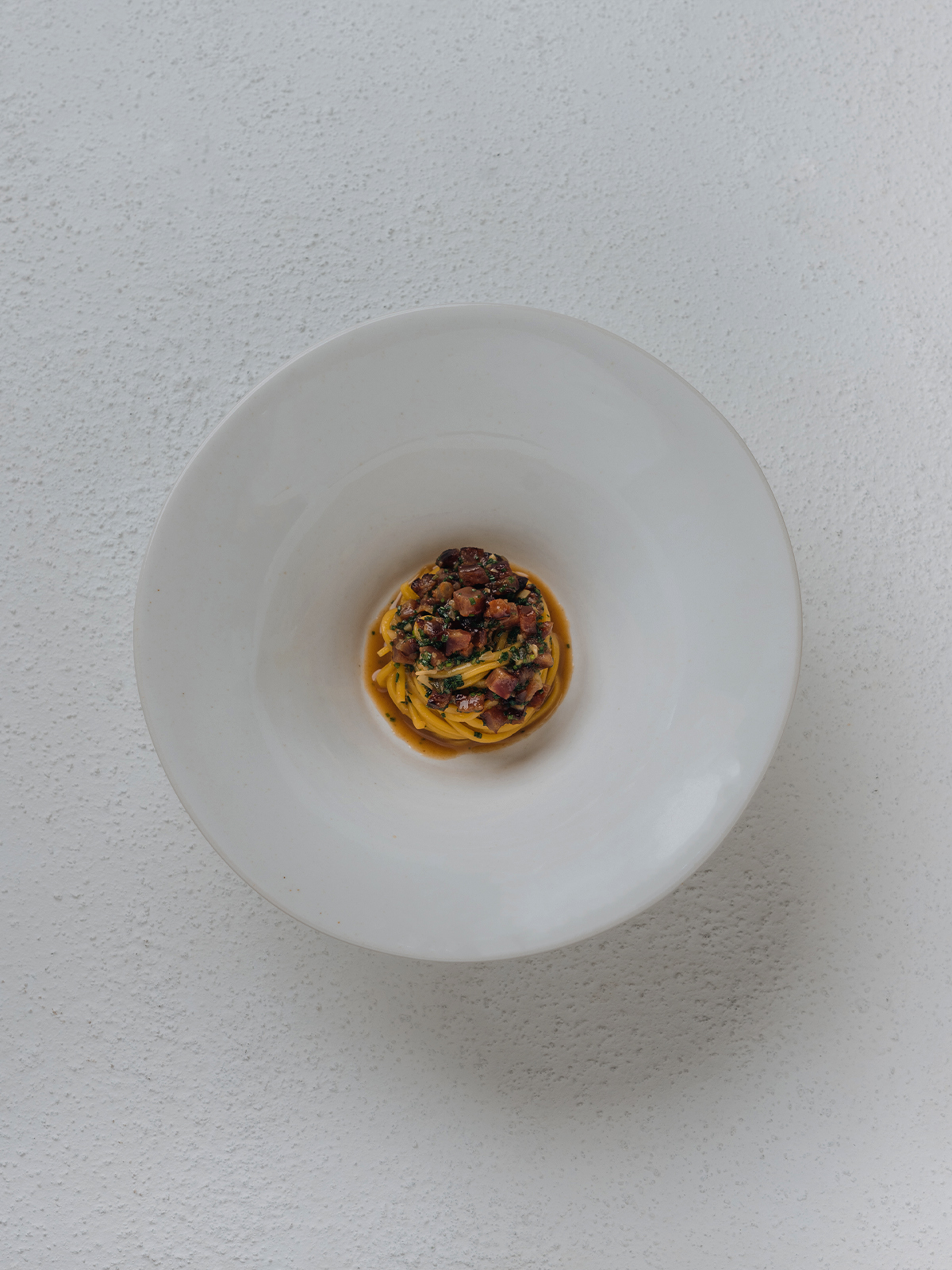
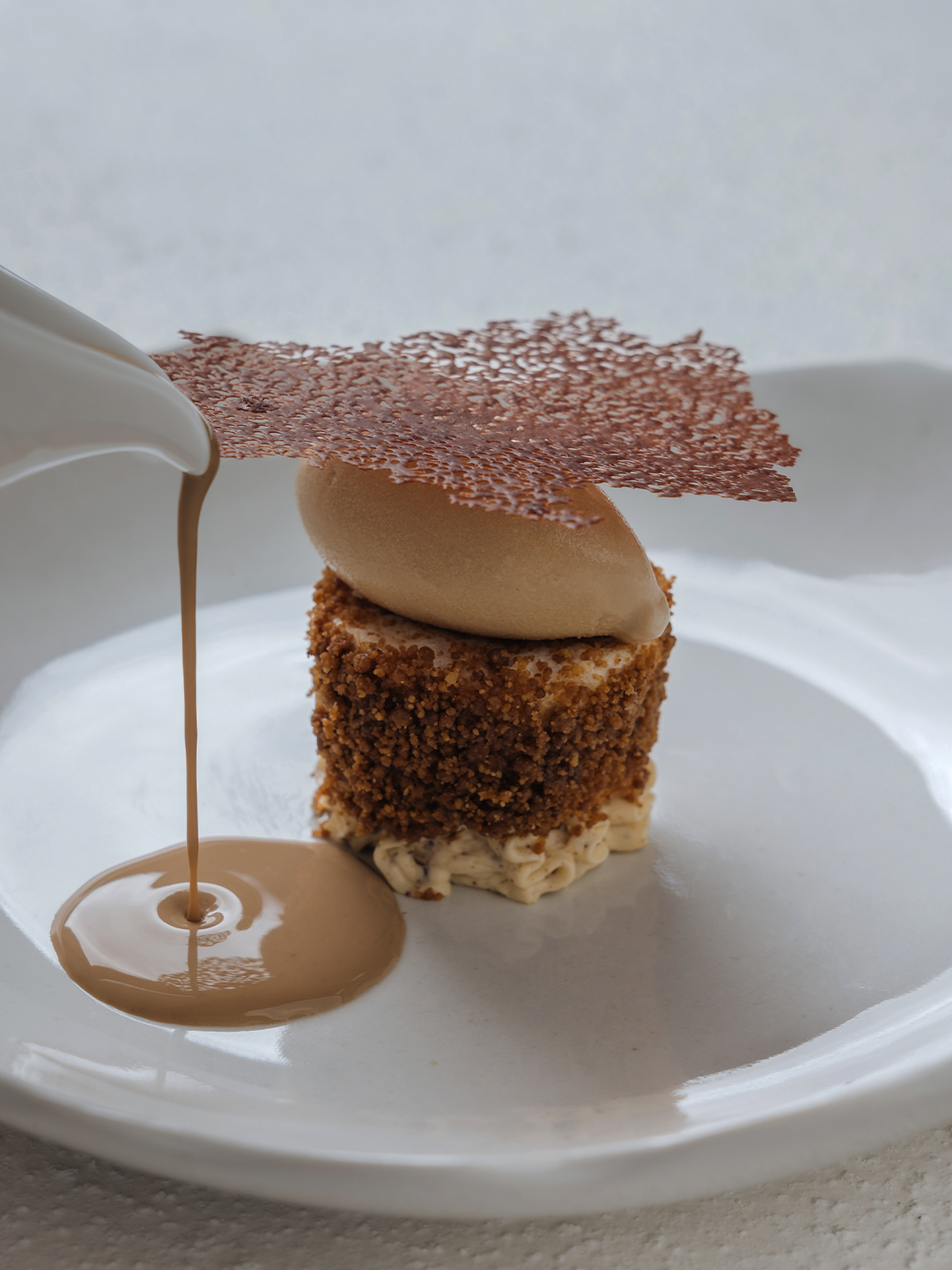
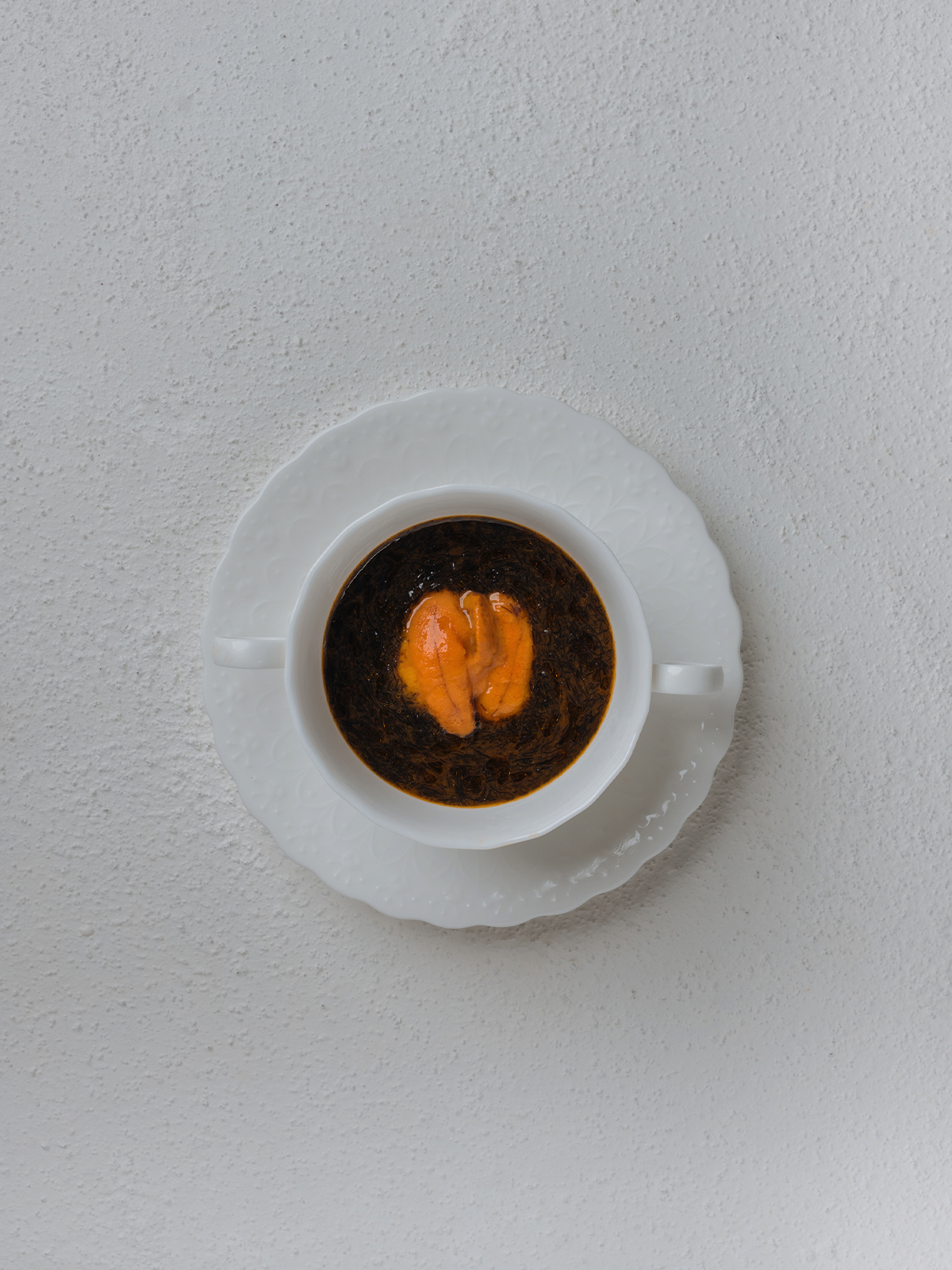
You want guests to feel at home here, not impressed. How do you protect that in a city where fine dining still carries so much status?
We stripped back every element that screams loud luxury: marble, crystal chandeliers, leather seats, all of it. At the end of the day it is about giving an authentic experience. None of us grew up surrounded by those things in our homes, so why would we need them here? Luxury, for us, is something different. Something intangible, the way you make people feel, the care and time you put into your craft. That is luxury. Not spending money on flashy, performative things.
French technique, Asian memory, Indonesian instinct. How do you know when a dish is finished?
We always start developing a dish with a specific flavour profile and ingredient in mind. But a dish is finished when it genuinely tastes right and earns its place on the menu alongside everything else we are serving. You feel it more than you decide it.
Walk us through three dishes on the menu that mean the most to you and why.
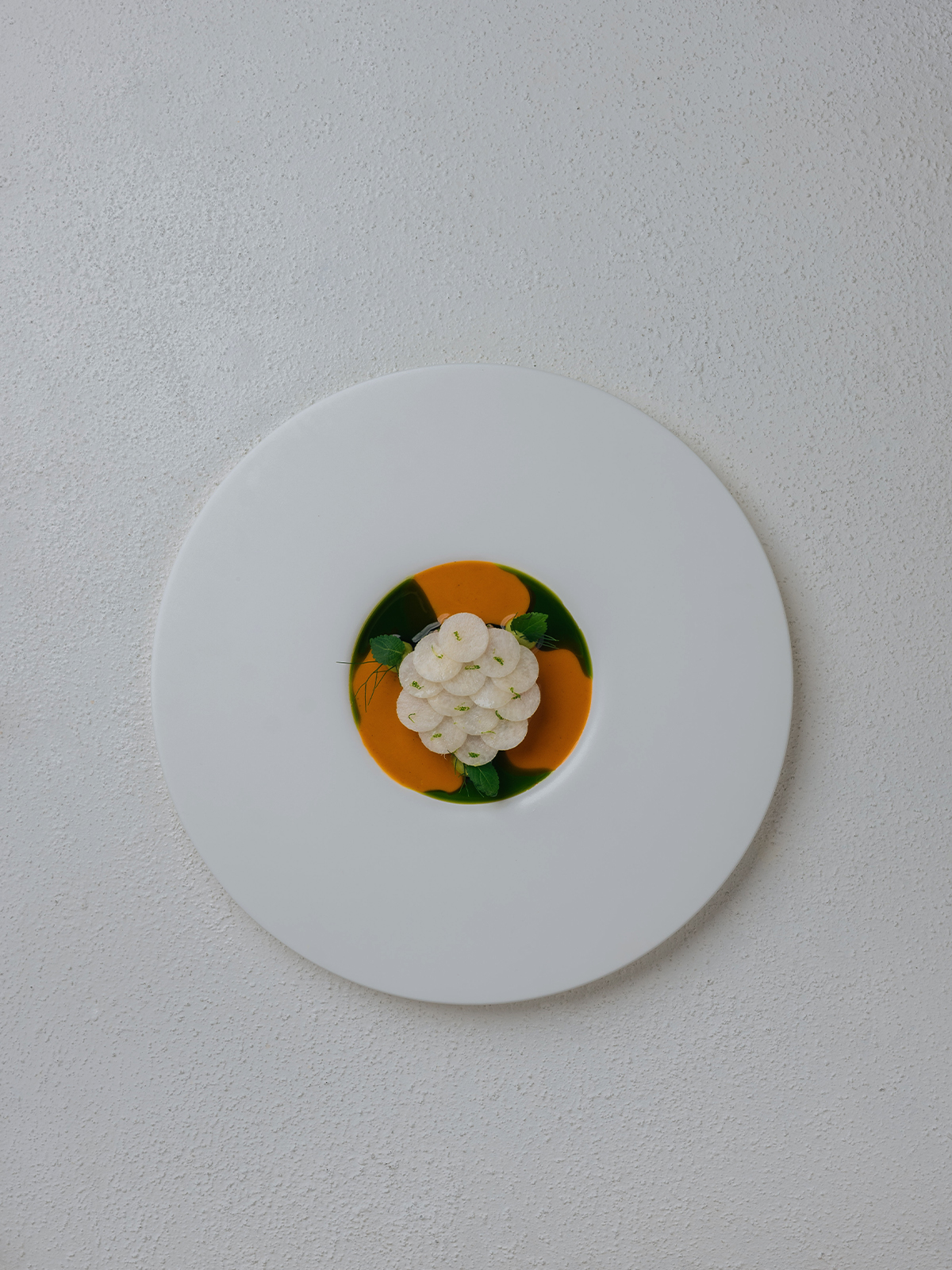
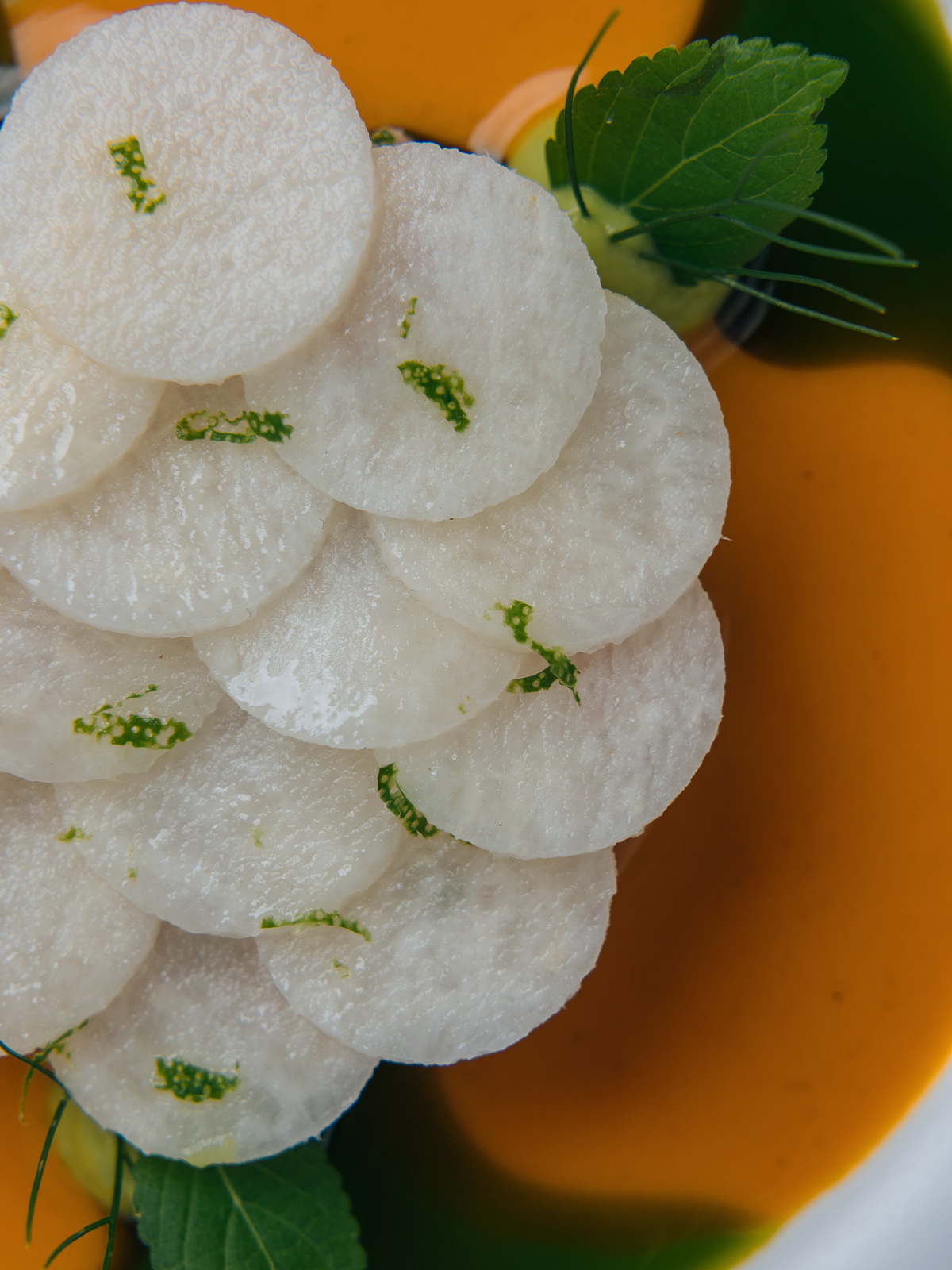
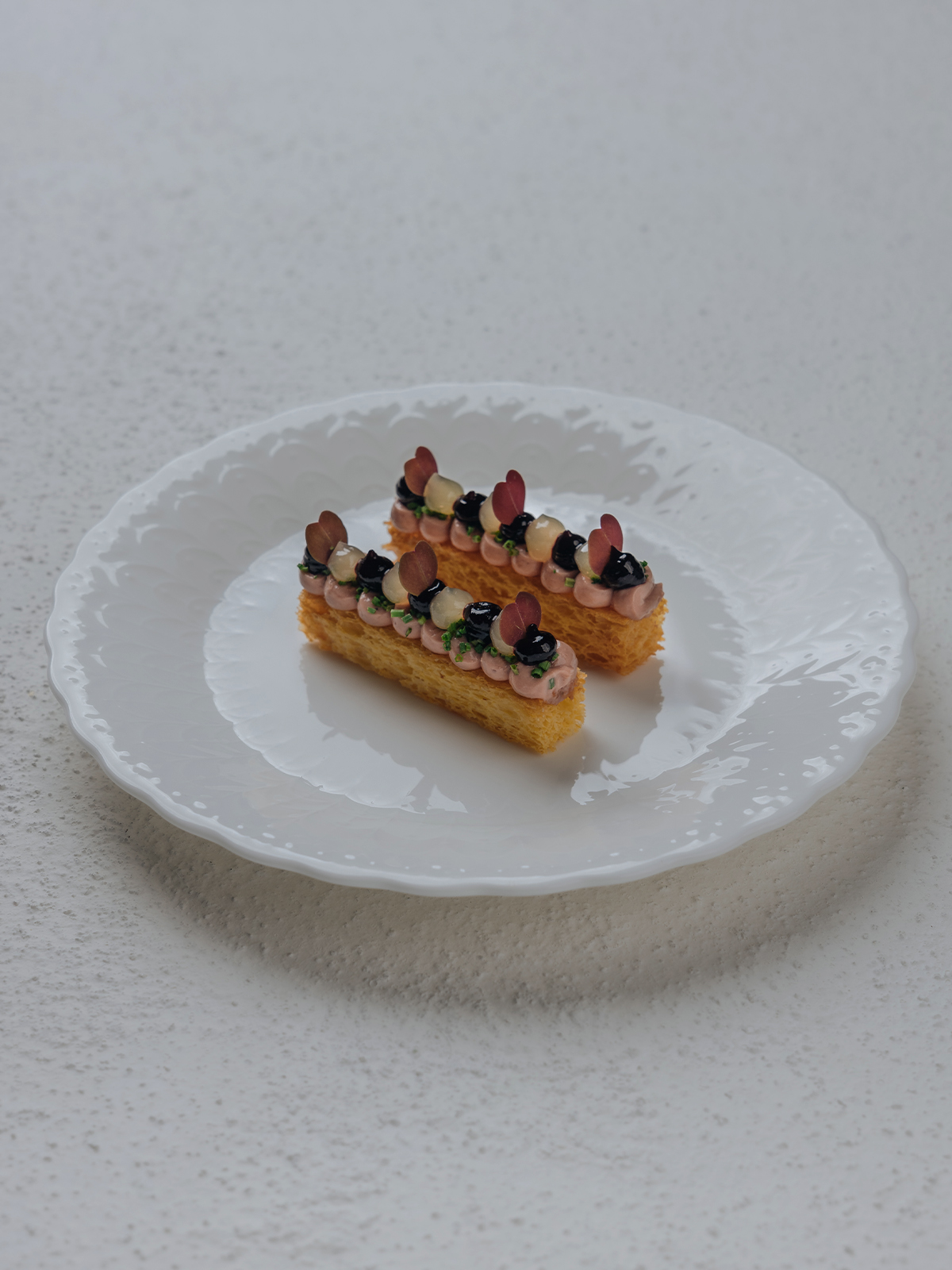
The first is a snack: a turnip cake reimagined as a tartlet. That turnip cake was something I ate constantly as a kid. My mother used to buy it from the local market two or three times a week for my sister and me to have for breakfast. This dish is a direct homage to those mornings.
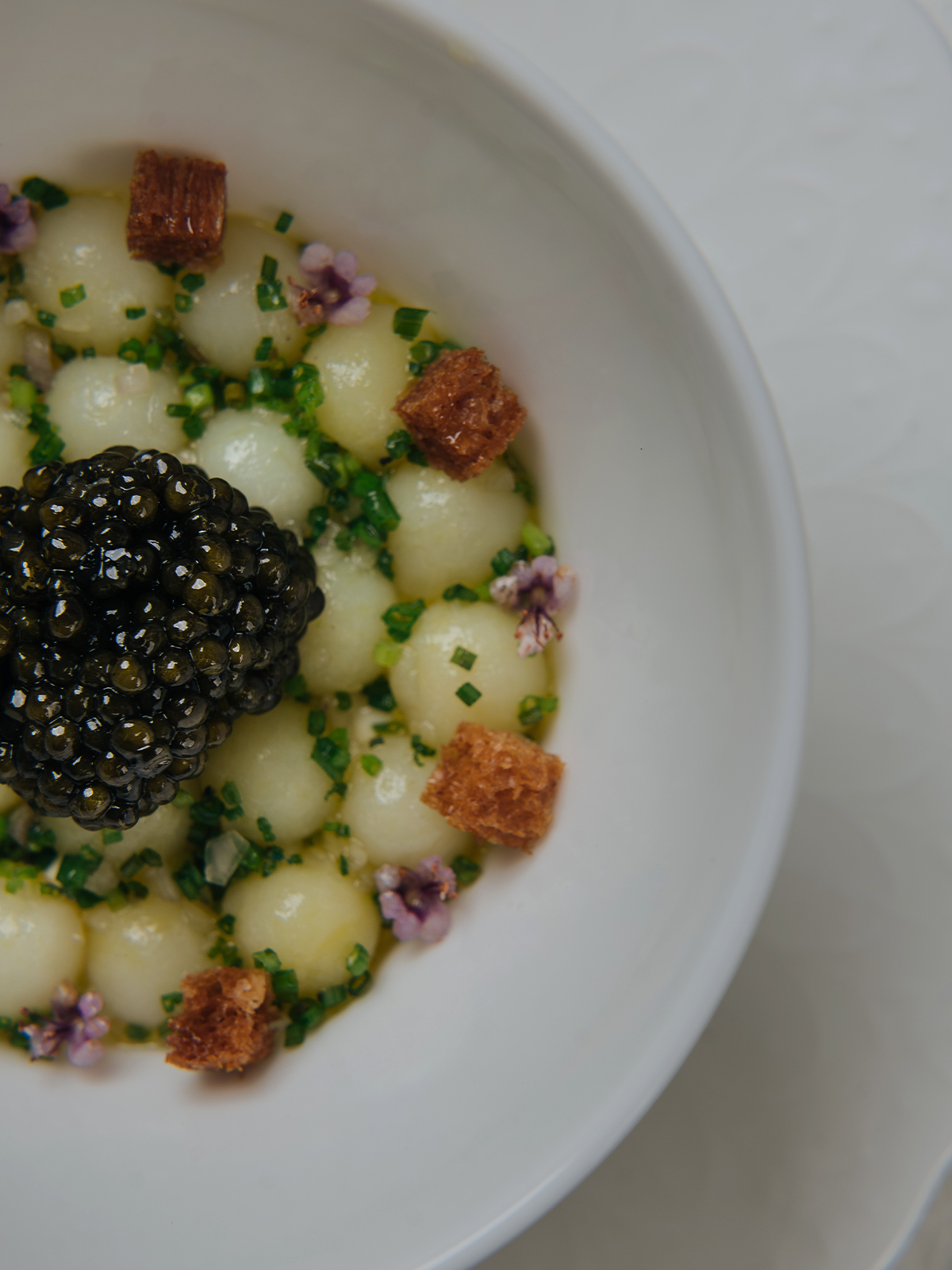
The second is the Alaskan king crab cheong fun. That dish came out of a pop-up I did with Chef Ivan Brehm from Nouri in Singapore. I already had a crab custard and a cheong fun as two separate dishes at Kindling, and during our brainstorming session Ivan asked why we couldn't simply combine them for the pop-up. We did, and then brought the combined dish back to the restaurant with us.
The third is the pao fan. It is the one dish on the menu we revisit seasonally, playing with different ingredients each time. It is a Teochew-Chinese rice dish, traditionally served in claypots with crispy rice on top. We use my mother's herbal chicken broth recipe for the soup. We wanted to offer something comforting and familiar towards the end of the menu, and there is something deeply nostalgic about a bowl of rice and broth at the close of a meal, especially when parts of the recipe were passed down to me.
What makes Kindling genuinely different in your own eyes?
Our team. They are all completely different people with unique personalities, some quite shy, some anything but, and that mix is what makes Kindling what it is today. I could never have done this without them.
You have only been open a few months and the recognition has come fast. What does that feel like from the inside and what are you still trying to get right?
Honestly, sometimes it feels like too much to take in, like we are not quite ready for it yet. The recognition does put pressure on us. But pressure makes diamonds, so maybe that is exactly where we need to be. We are genuinely grateful for every award because it means the team's hard work has not gone unnoticed. We will keep doing everything we can to live up to it and to be better than we were when we received them.
What does the future look like for you and for Kindling?
We will keep working on improving, for our future guests and for our team. We want Kindling to remain an exciting place to be, both to dine at and to work in. Personally, I just want everyone involved to have a great time.
EXPLORE THE PUNCH