

THE PUNCH • STORIES
Kaamala Resort
The Lotus and the Pipework
Curated by The Punch Editors
Category: Lotus-Inspired Eco-Luxury Resort
Location: Jl. Bisma, Ubud, Bali
Accommodation: Private pool villas and suites, 10 room types
Recognition: Gold Badge, Eco Tourism Bali
Local Team: 100% local residents
Distance: 2 hours from Airport
Ubud rarely announces itself gently. The main road is a slow crawl of scooters, smoothie bowls and singing bowls, a town that has spent decades being sold back to itself. Then you turn onto Jalan Bisma and the volume drops. The road runs on past cafés, villas and glimpses of rice field, and the green starts closing in. At number 888A sits Kaamala Resort & Spa Ubud, a resort that keeps its most interesting work out of sight.
It is close enough to the Sacred Monkey Forest that the forest sometimes comes to visit. The resort calls the macaques its Sacred Neighbours and says it manages every encounter so that it stays safe and respectful for guests and monkeys alike. Beyond the infinity pool, the land falls away into a deep green valley. It is the kind of view Ubud resorts trade on, and Kaamala has a good one. But the view is not really the story here. The story is what is happening underneath it.
A Name With Roots
Kaamala comes from kamala, the Sanskrit word for lotus, a flower held sacred in Balinese culture, Hinduism and Buddhism alike. The symbolism is old and well-worn: a plant that pushes up through mud and still blooms clean. Plenty of Bali properties would stop there, hang the metaphor on a sign and call it a brand.
Kaamala takes it further, at least on paper. The resort maps the flower onto six pillars: the root is Balinese culture and ritual, the stem is hospitality, the petals are dining, wellness and romance, the water is what the resort gives back to nature, the soil is its eight guiding mantras, and the leaves are the community and partners around it. For I Wayan Sucitra, the resort's Chief Operating Officer, the test is simpler. “It's not just a name on a sign,” he says. “We want guests to actually feel renewed by the time they leave.” That is a bold promise for any hotel, and also a refreshingly measurable one.

The Man Behind the Operations
Sucitra's road into hospitality has always been tangled up with the island itself: its culture, its landscapes, its people. His conviction fits on a napkin. “Hospitality should respect the place it's built on,” he says, “not just use it as a backdrop.” That belief, he says, is what drew him to Kaamala. What he felt Ubud was missing was not another beautiful wellness resort. The town has those in abundance. It was a property where sustainability was not just a talking point in a brochure but something built into daily operations and decision-making. Ubud has long carried a spirit of renewal and reflection, and the ambition, in his words, was for Kaamala to honour that spirit “rather than borrow it for looks.”
The Sustainability You Don't See
Here is the thing about hotels that are actually sustainable: the good stuff is usually boring to look at. “A lot of our real impact happens quietly, behind the scenes,” Sucitra says, and the list is long. Solar-powered systems and renewable energy, which the resort describes as operations powered by Bali's sun. Smart water treatment. LED lighting, energy-efficient equipment and smart controls. Water-saving fixtures and ongoing monitoring across guest rooms, pools, landscaping, kitchens and housekeeping, with regular checks for leaks. Recycled materials, sustainable landscaping, and the decision to keep existing trees standing.
The waste side is just as unglamorous. Waste is separated into categories across departments before collection, so more of it can be reused or recycled. Packaging made from biodegradable, compostable, recyclable or recycled materials is preferred, single-use plastics are being cut wherever possible, and suppliers are encouraged to follow the same standards. All of it sits inside a documented sustainability plan.
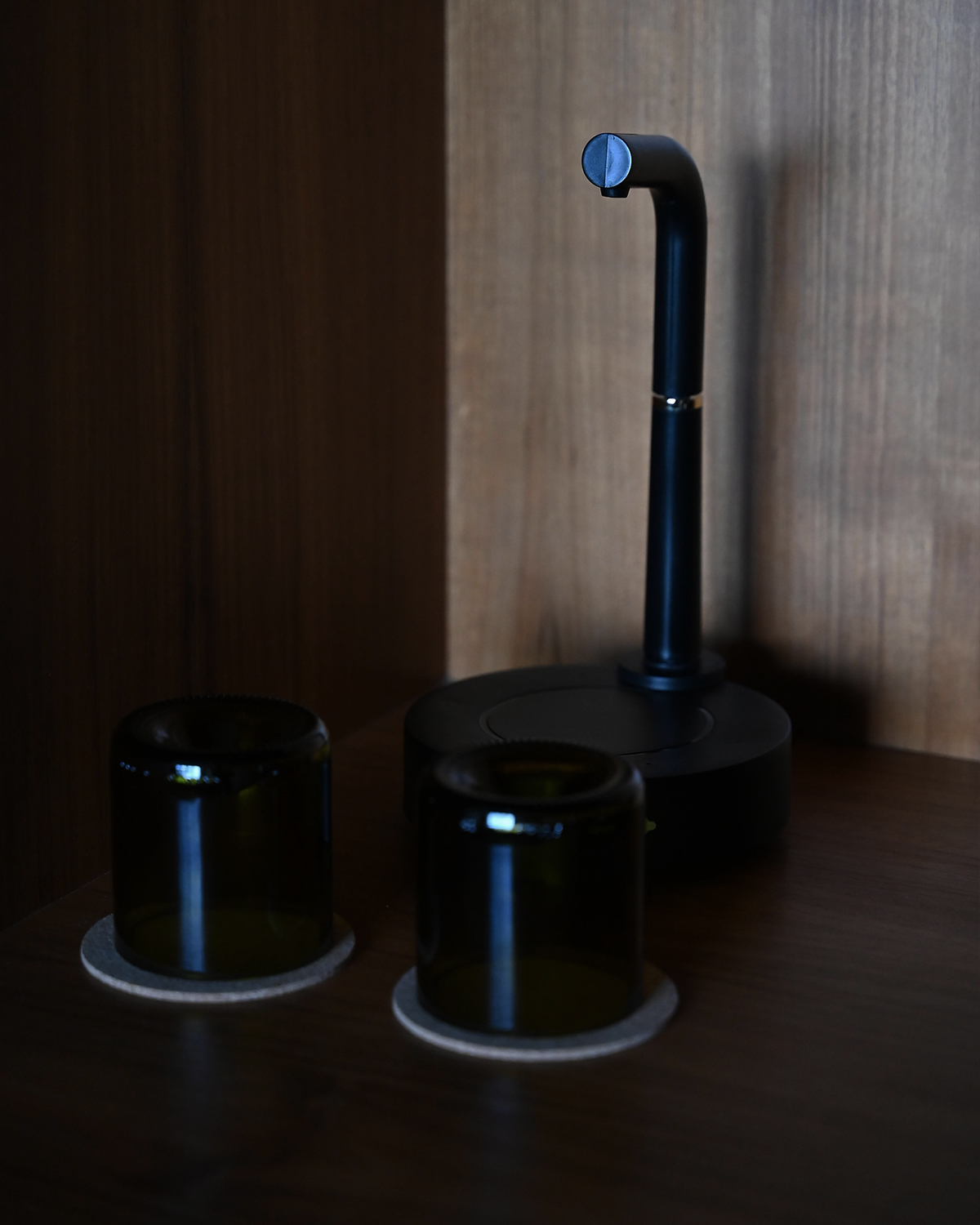
The most visible sign of this is a glass of water. Drinking water at Kaamala runs through a filter from Terra, poured as part of a daily ritual the resort calls The Water of Life, to cut the waste that comes with bottled water. Guests drink it without a second thought, which is rather the point. Terra is one of several partners the resort lists, alongside Sungai Watch, Plastic Bank, Tricycle, Jiwa Garden and Bye Bye Plastic Bags. The resort also holds a Gold Badge from Eco Tourism Bali.
Sucitra calls the approach conscious luxury: the idea that “our guests shouldn't have to choose between comfort and responsibility.” Because the systems are built into the infrastructure rather than screwed on afterwards, nobody is asked to give up comfort for the planet. Several suites still come with a bathtub framed by forest or rice field. You can soak in good faith.
Machines in the Background
Technology is one of Kaamala's eight mantras, and the resort's reading of it is pleasingly restrained. “Technology is a tool that supports hospitality,” Sucitra says. “It's never meant to replace it.” An EV charging station sits on the property. The water treatment runs out of sight. The machinery handles the operational side of sustainability, so the team can do the part no algorithm does well, which is paying attention to people. It is a sensible line to draw in an industry tempted to swap the smile at reception for a QR code.
Rooted, Not Just Located
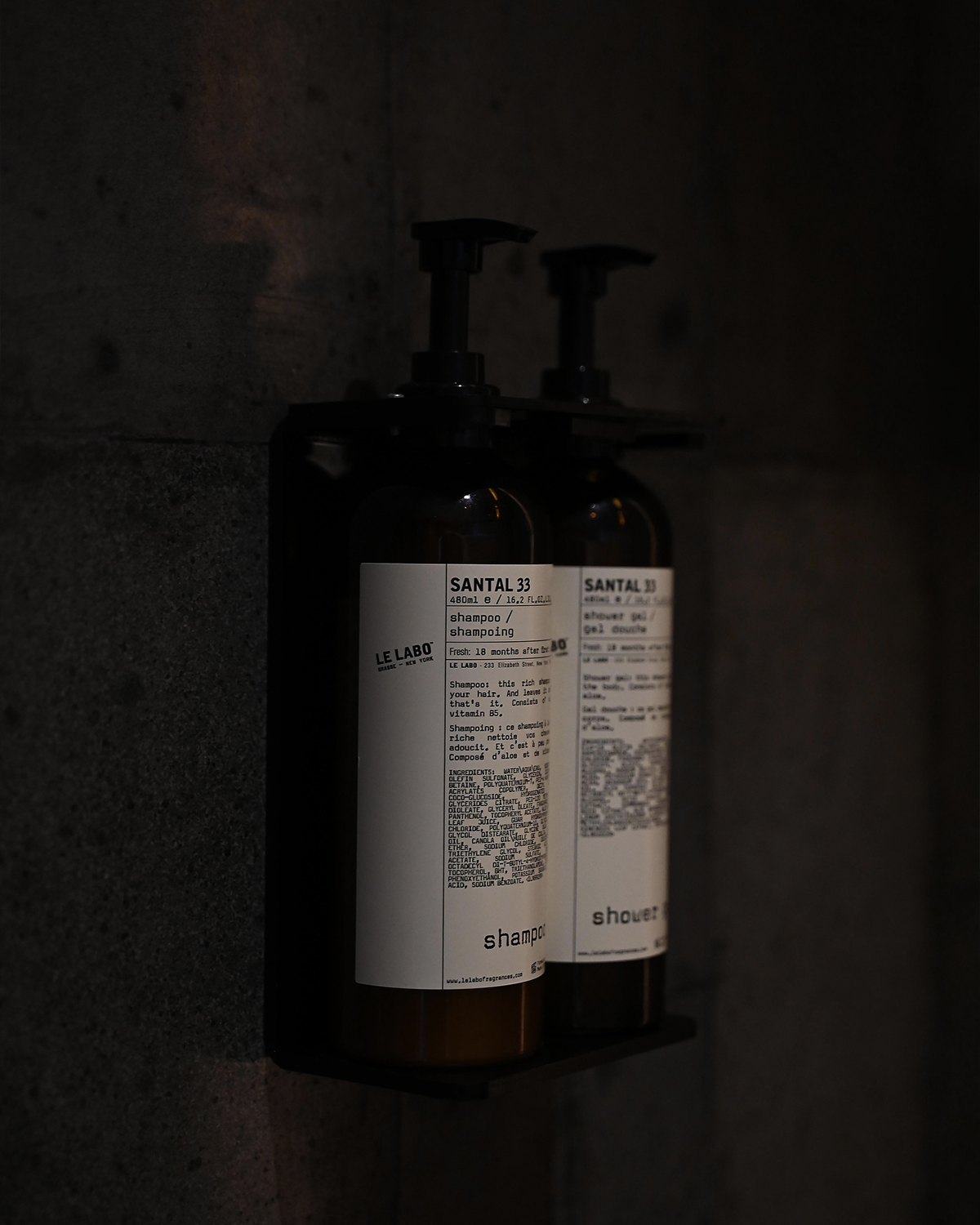
There is a difference between being in Ubud and being of it, and Sucitra is clear about which side Kaamala means to stand on. “It comes down to real relationships, not just proximity,” he says. In practice that means partnerships with local farmers, artisans and businesses; regional ingredients in the kitchens and locally crafted amenities in the rooms; and community-led experiences woven into a stay rather than staged for an audience.
It also means the workforce. The resort gives priority to hiring local residents and supports them with training, cross-department learning, leadership development and paths to promotion. The team is involved in the sustainability work itself, through regular training and open discussion, so that the programme is shaped by the people running it rather than designed once and left to gather dust.
The resort frames its hospitality through Tri Hita Karana, the Balinese philosophy of harmony between people, nature and the divine, and specifically through Sukerta Tata Pawongan, the strand concerned with how people treat one another. “For us, Balinese philosophy isn't decoration,” Sucitra says. “It's something we try to practice in how we run things day to day.” It shapes decisions guests never see, from which trees survive the landscaping to who supplies the kitchen.
Bookends
For all the talk of systems, the moments guests remember tend to be human ones. Arrival begins with a Footwash Ritual and Blessing Water, drawn from Balinese traditions of purification and meant to wash away the road and whatever came with it. Mornings can open with The Offering of Gratitude: canang sari, the small palm-leaf offerings that appear on every Balinese doorstep, followed by a guided walk. Guests can also join tree planting and other activities aimed at restoring green areas around the resort.
And when it is time to leave, a woven Tridatu thread is tied around the wrist. Red, white and black, it stands, in the resort's words, for prayer, protection and gratitude. It is a small gesture, a few lengths of cotton. It also tends to stay on long after the tan has faded.

Unfinished Business
What is most persuasive about Kaamala is not any single initiative. It is the absence of a victory lap. Asked what still needs fixing, Sucitra does not pretend the job is done. “Sustainability is never really finished,” he says. The plan is to deepen partnerships with local farmers and artisans, push renewable energy and waste reduction further, and keep asking the team where the resort could do better.
The resort is also frank about its limits. Its natural setting, multi-level design and stairways can make some areas difficult for guests with limited mobility, and it asks those guests to get in touch before arriving so the team can recommend suitable rooms and arrange help. Kaamala has also yet to publish the figures behind its water monitoring. Sharing them would be the natural next step for a property that already tracks its consumption.
That is not the language of a finished product. It is the language of something still growing up through the mud. Which, if you think about it, is exactly what a lotus does.
EXPLORE THE PUNCH
Celebrating Remarkable
Businesses with Impact