

FEATURES • BRANDS
John Hardy:
Craft as a Living
Culture
Words & Photography by The Punch
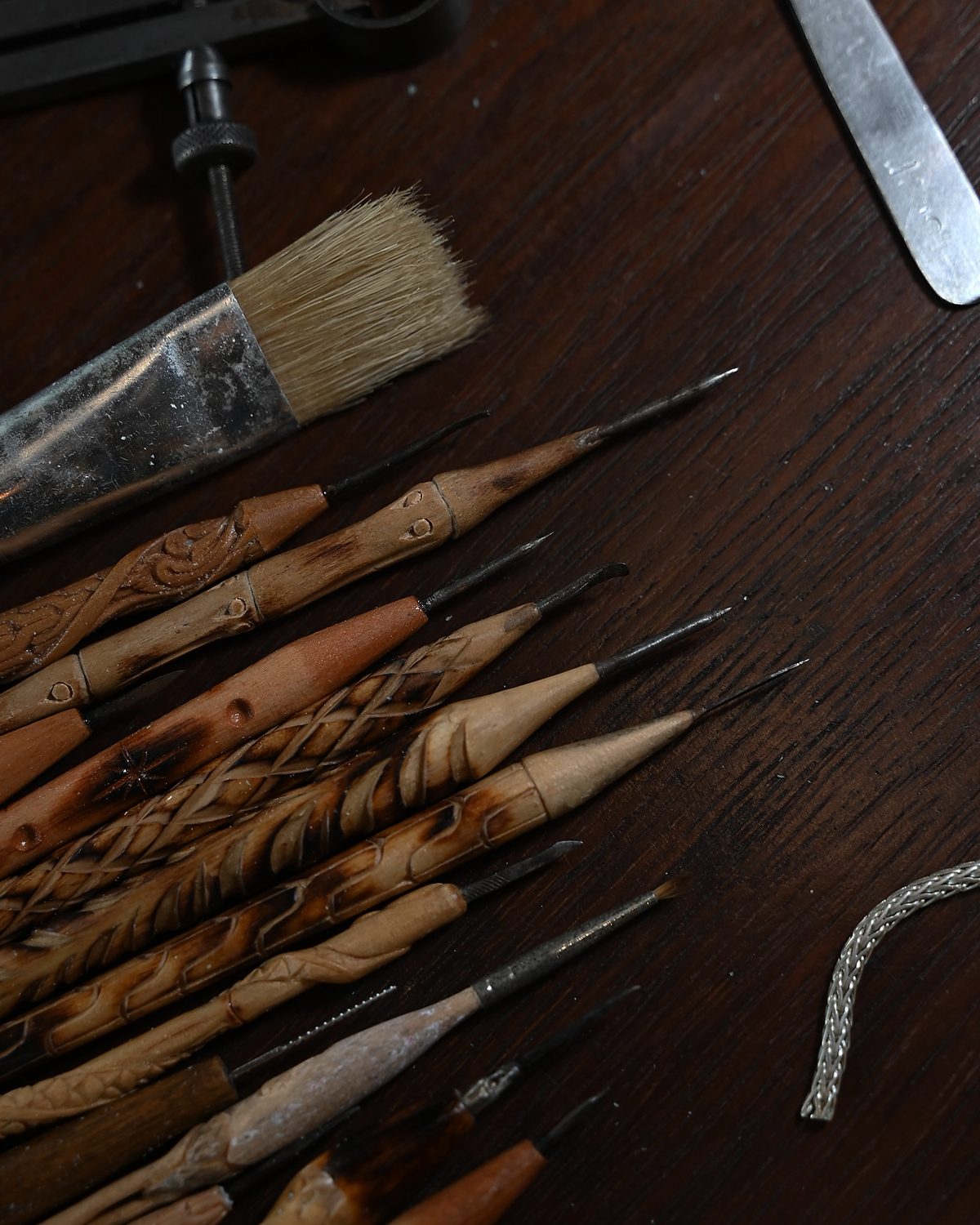
There is a particular kind of calm that settles over the John Hardy workshop in Bali. Not the absence of sound, but a softer frequency altogether. A rhythm shaped by hands at work. Metal warming under touch. Silver drawn patiently into form, never rushed or forced. It is the sound of time being honored.
For John Hardy, jewelry has always been more than ornament. It is lineage made tangible. A record of people, place, and process. A long conversation between generations. And few embody that philosophy as fully as Polly Purser, the brand’s Senior Director of Heritage, who has spent more than two decades shaping and safeguarding its values from within.
Her path to John Hardy feels almost inevitable in retrospect. Trained initially in jewelry and object design, Polly later returned to study community development and social work. Two worlds often kept separate. Here, they meet. “Coming to work at John Hardy was a really beautiful opportunity,” she says, “to create beautiful things, but also things with meaning, purpose, and respect for people and the environment.”
It helps that Bali is not simply a place of work for her. It is home.

A Childhood Rooted in the Island
Polly’s relationship with Bali began long before her professional life. Her parents arrived in the 1960s on what was meant to be a short honeymoon. The island had other plans. They stayed, and Polly spent her earliest years growing up in Batujimbar, Sanur, later moving inland to Ubud. She attended Monkey Forest School before international schools existed, immersed in village life rather than removed from it.
Those early years left a lasting imprint. The smell of incense after rain. The sound of gamelan drifting through open windows. The rhythm of ceremony woven seamlessly into daily life. “Those first eight years really informed who I am,” she reflects. Not as nostalgia, but as orientation. A way of seeing the world that continues to guide her work today.

A Founding Vision Ahead of Its Time
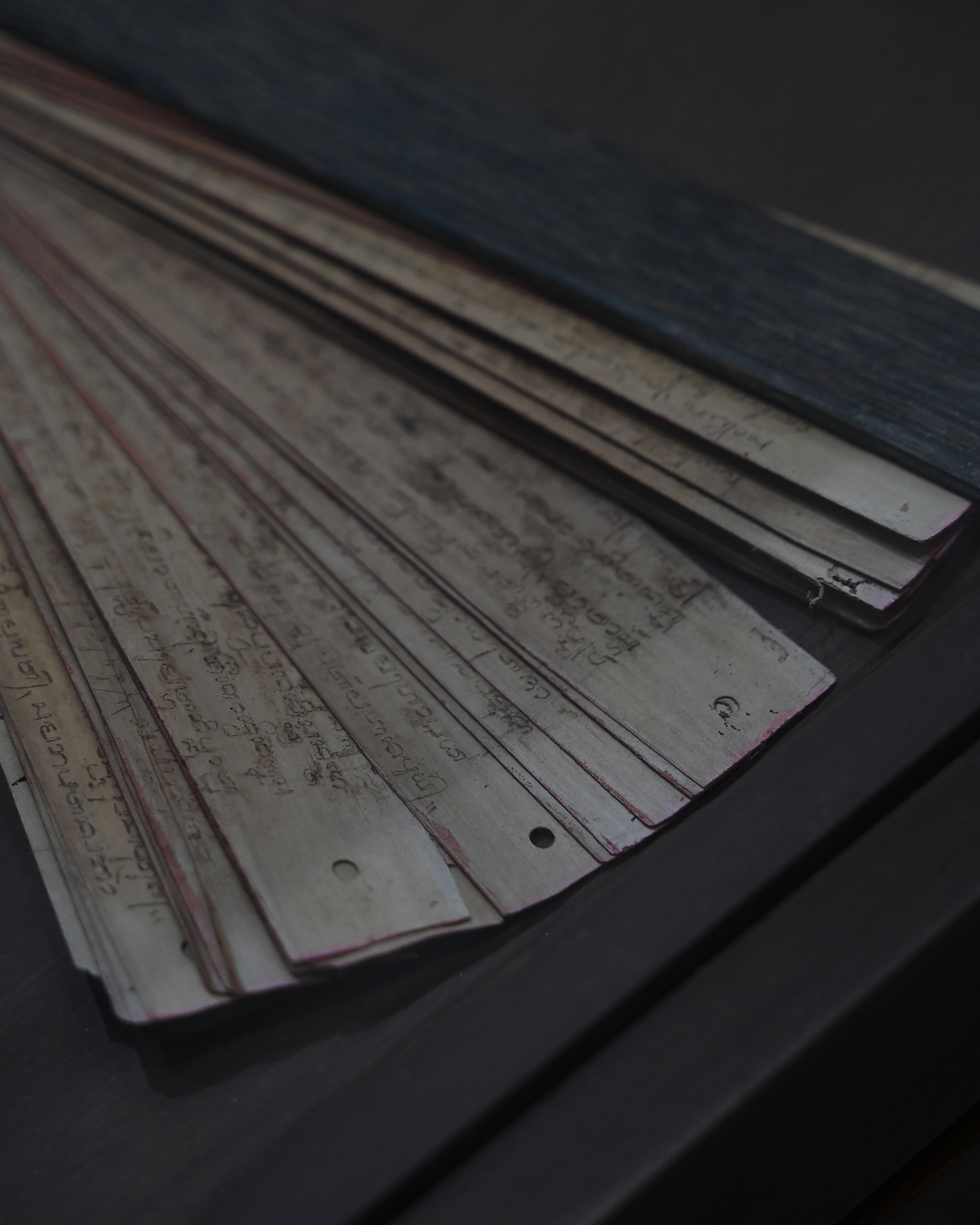
When John Hardy founded the brand in Bali in 1975, his vision ran counter to the norms of the global jewelry industry. Rather than centralizing production or mechanizing craft, he looked to the island itself. To the deep well of artisanal knowledge in Balinese culture. The techniques passed hand to hand, not written down, but remembered through practice.
He understood that artisan ship here was not simply a skill set. It was cultural infrastructure. A living archive. And instead of extracting inspiration, he chose collaboration. From the beginning, the brand was built on the belief that craft, community, and environmental responsibility were inseparable.
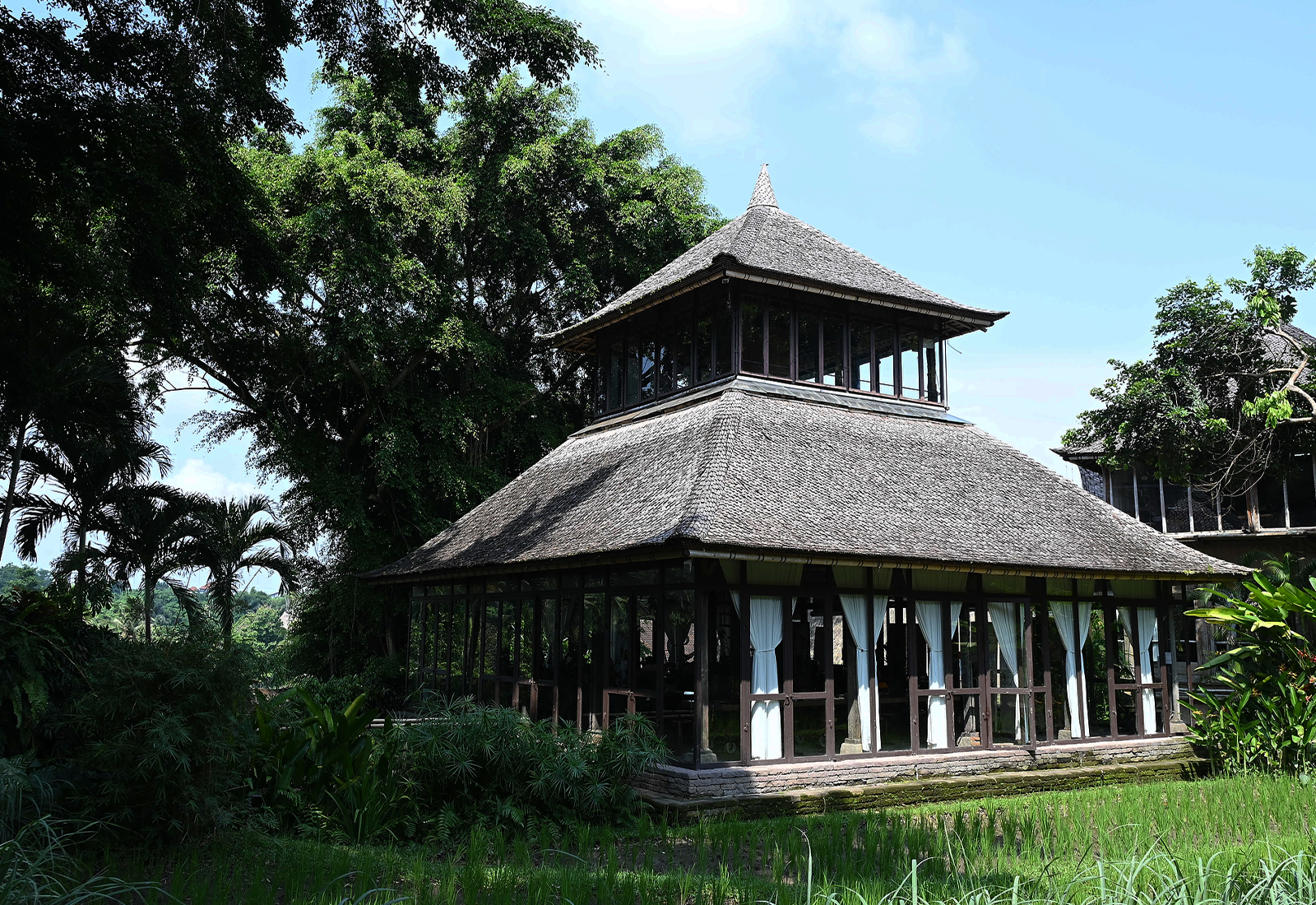
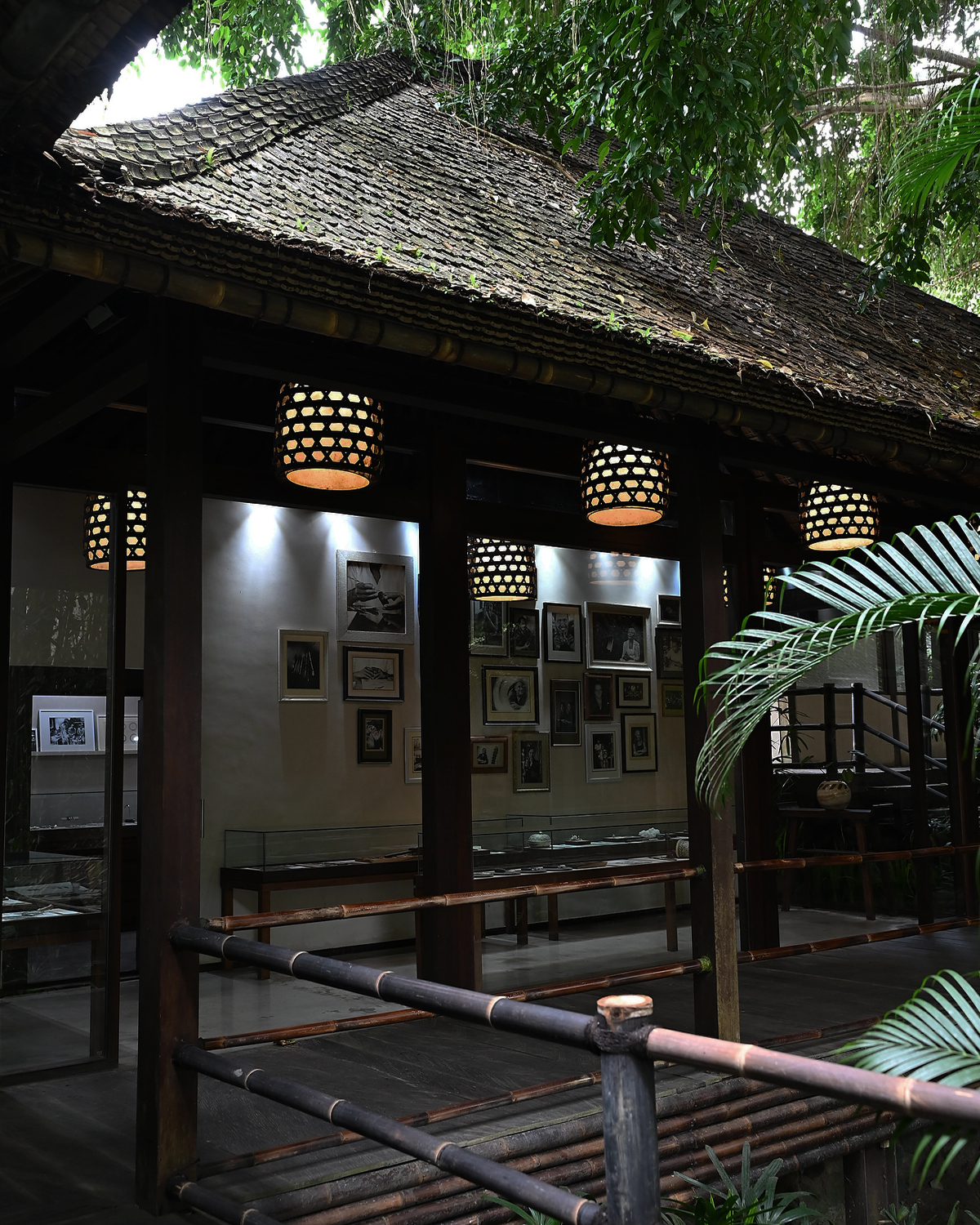
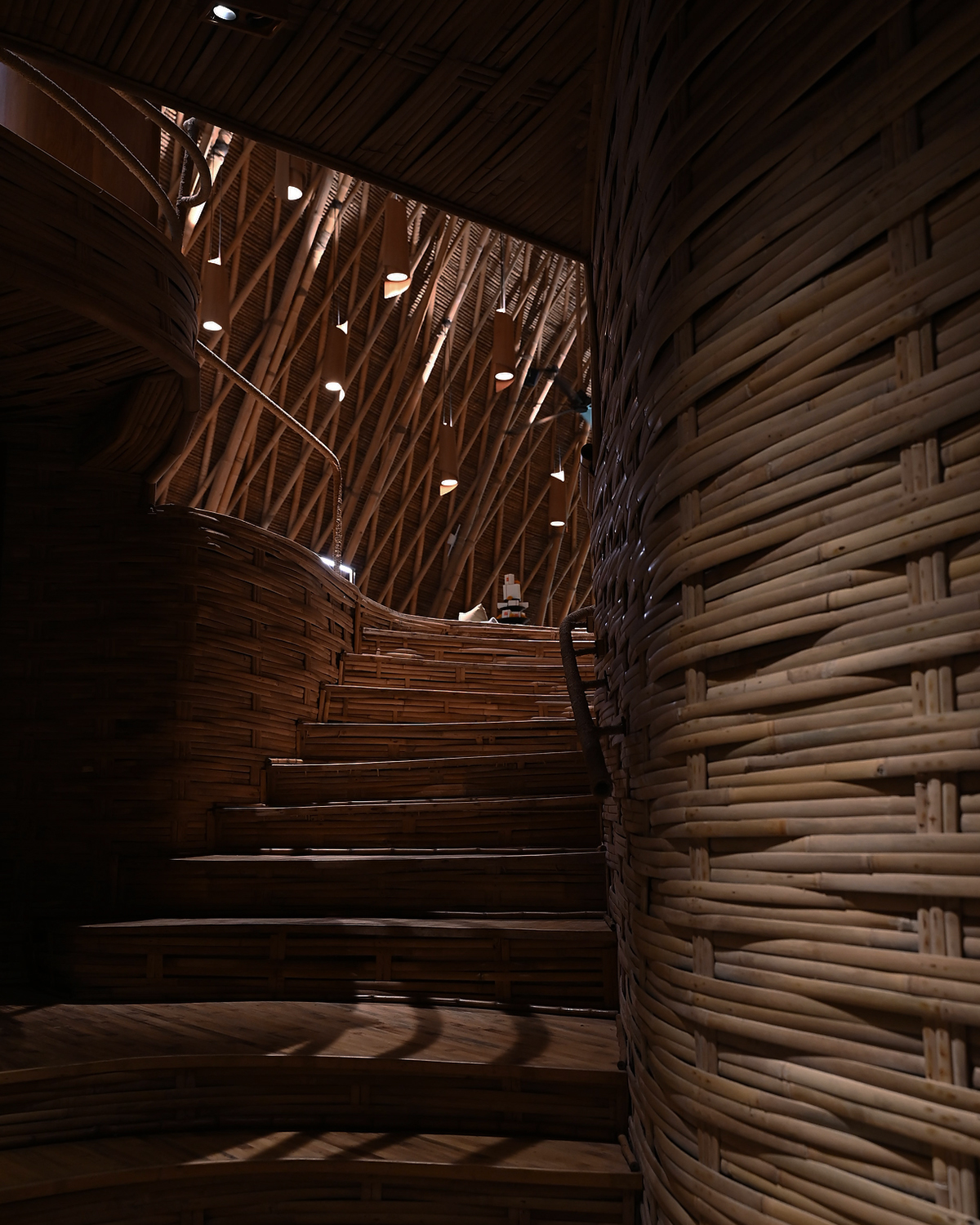
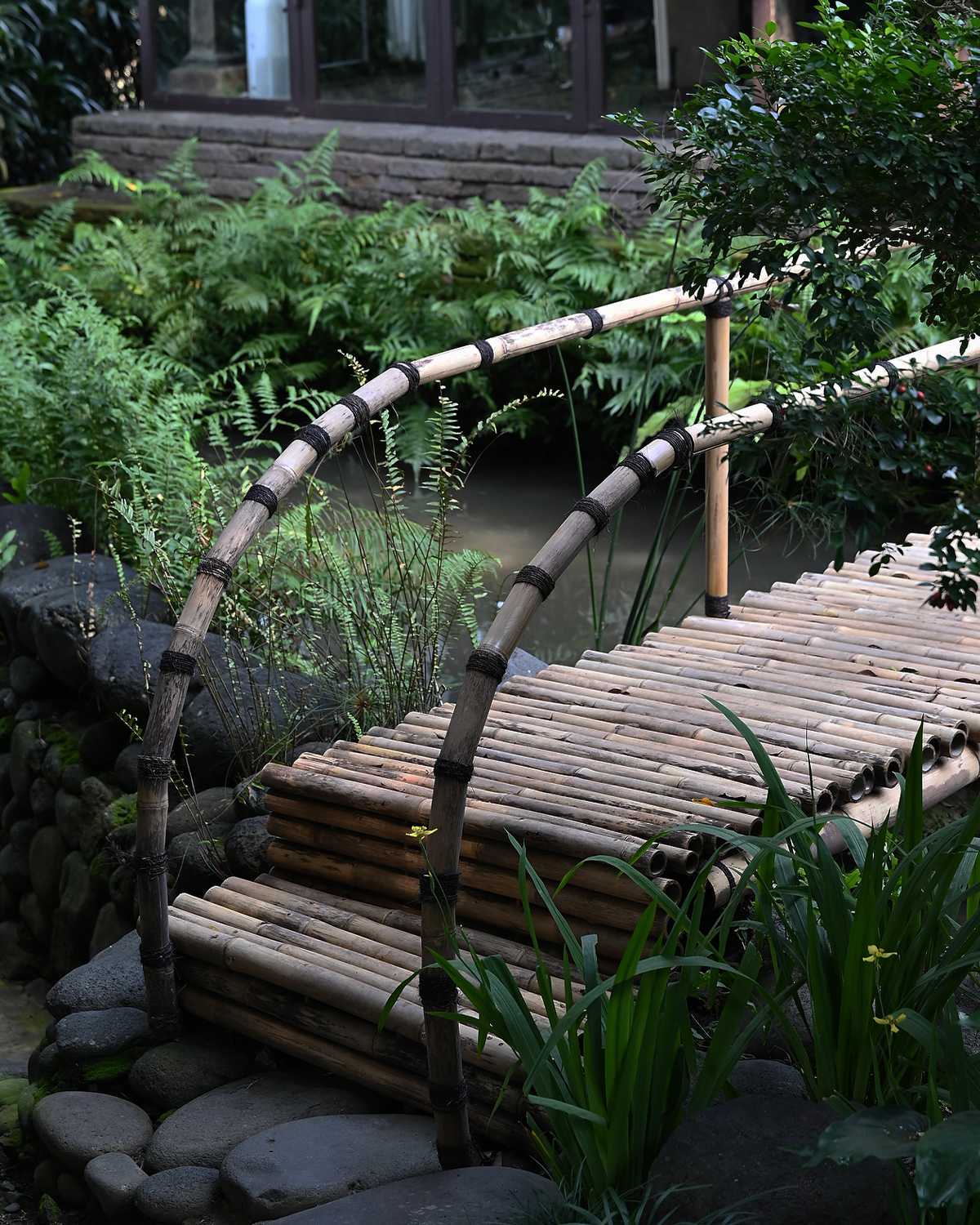
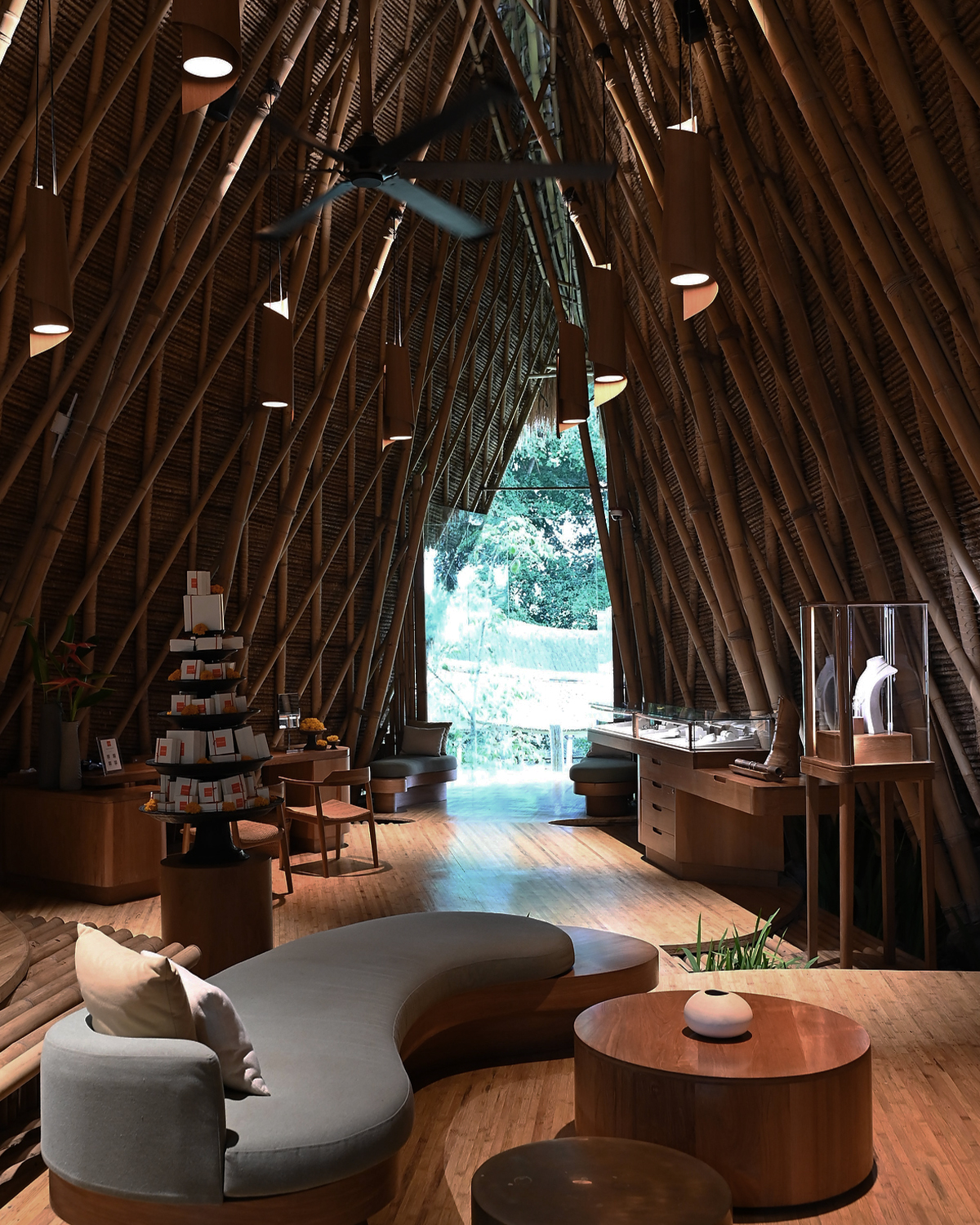
Sustainability, in this context, was never an afterthought or a future ambition. It was foundational. A way of working that acknowledged both the land and the people who shaped it. Today, that philosophy is still visible in the workshop itself. Set within an organic farm, the space is open, porous, and deeply connected to its surroundings. Natural light replaces artificial glare. Air moves freely. It is a daily reminder that making jewelry need not come at the expense of nature.
When Hands Shape Design
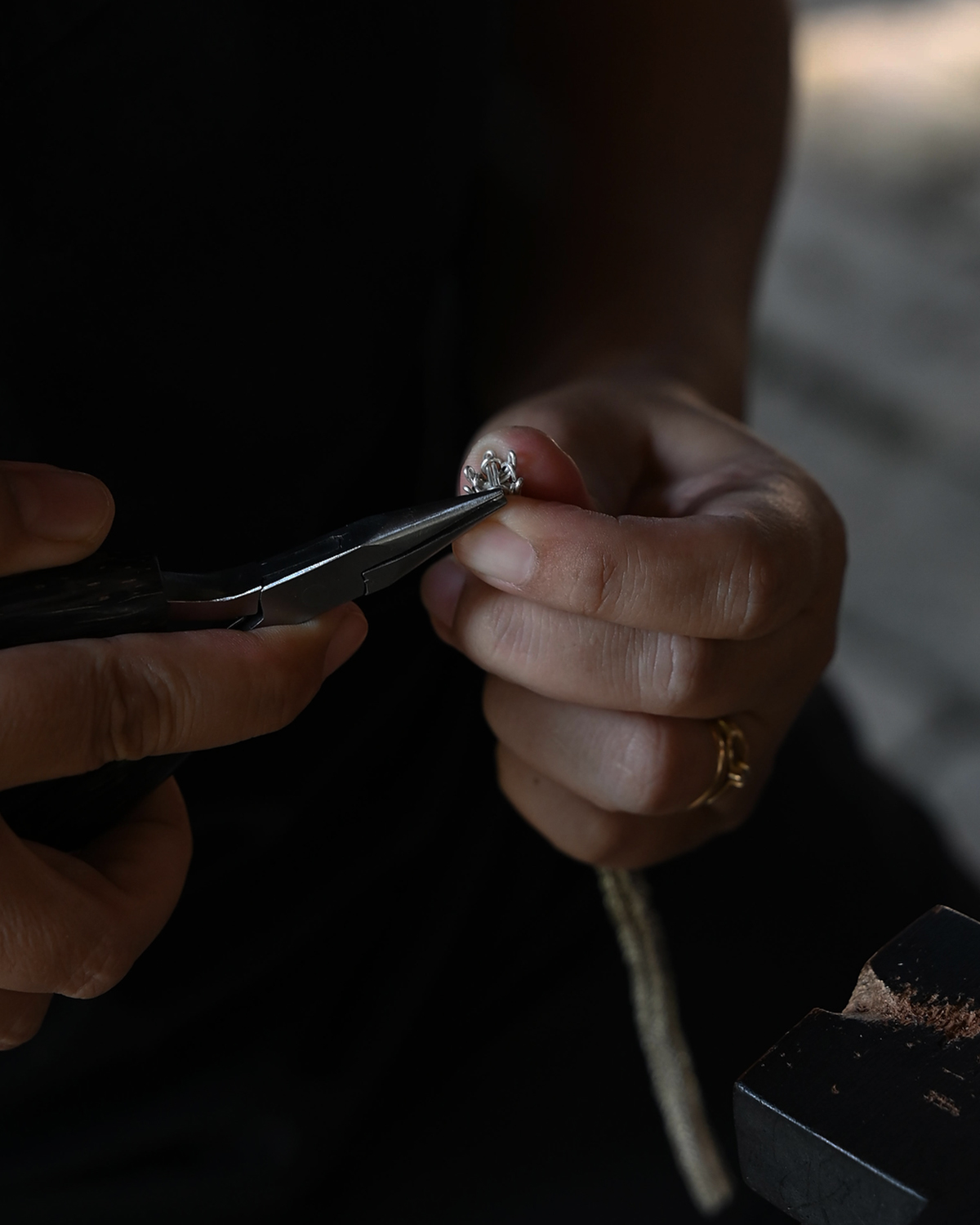
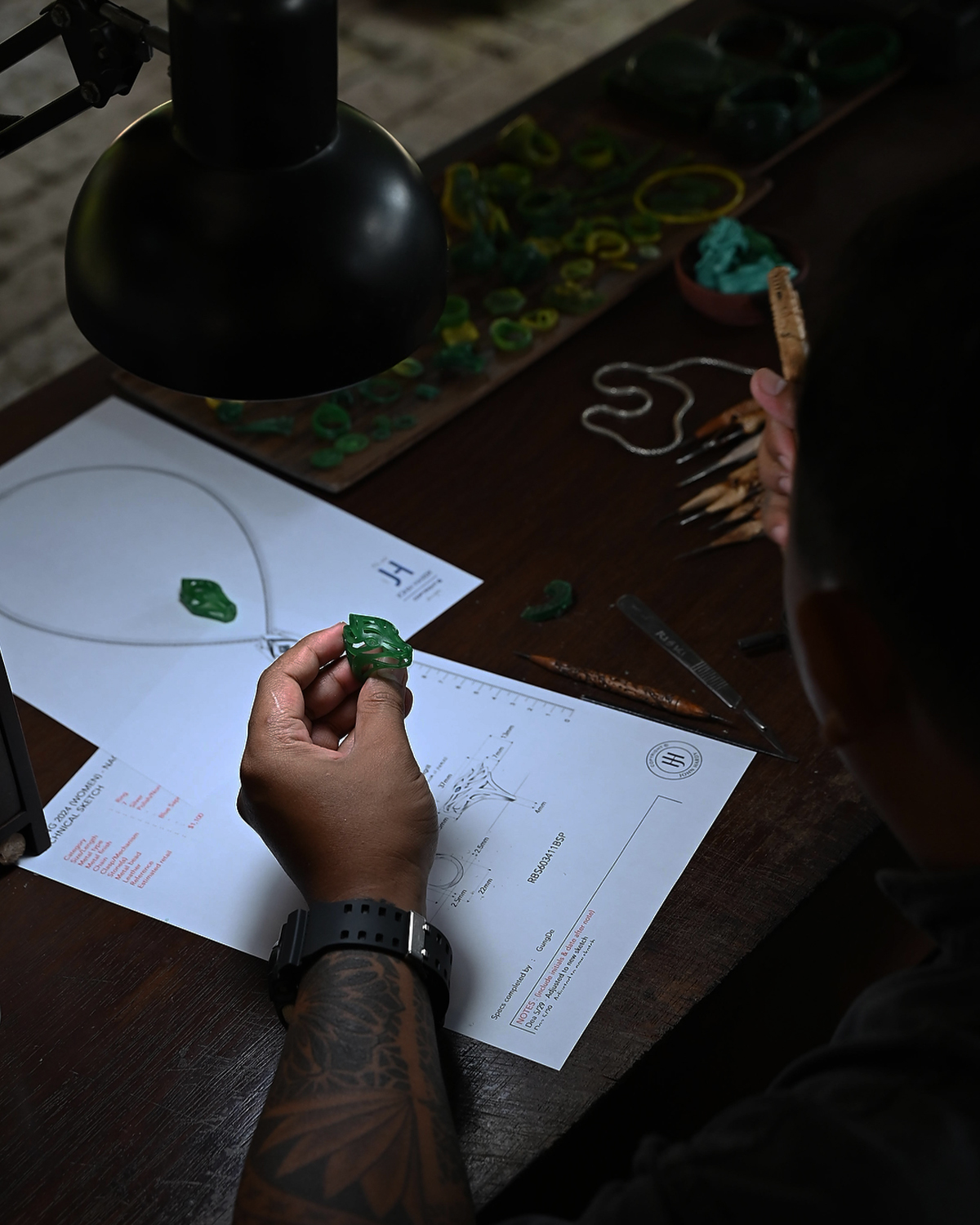
At John Hardy, design does not begin with sketches alone. It begins with hands.
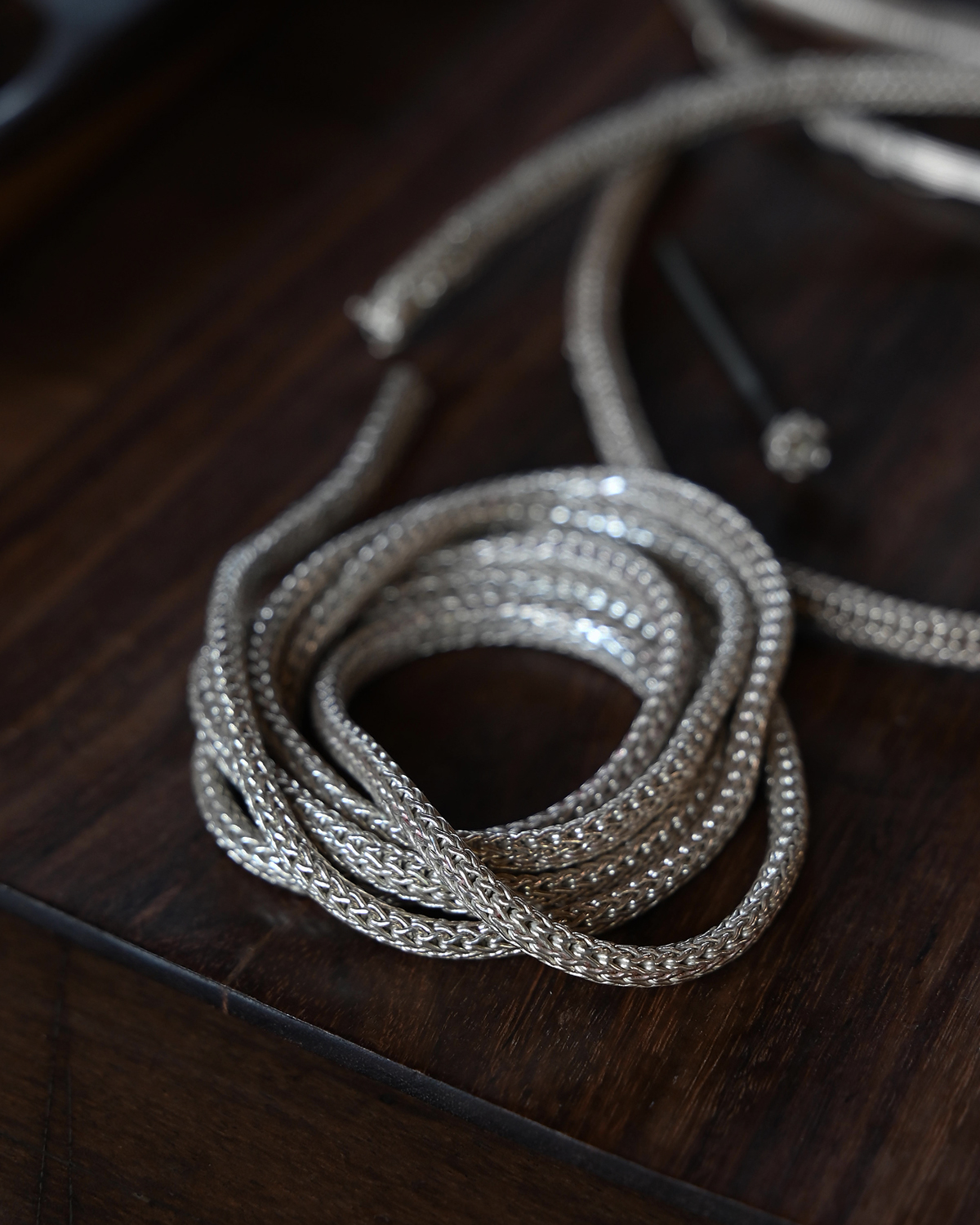
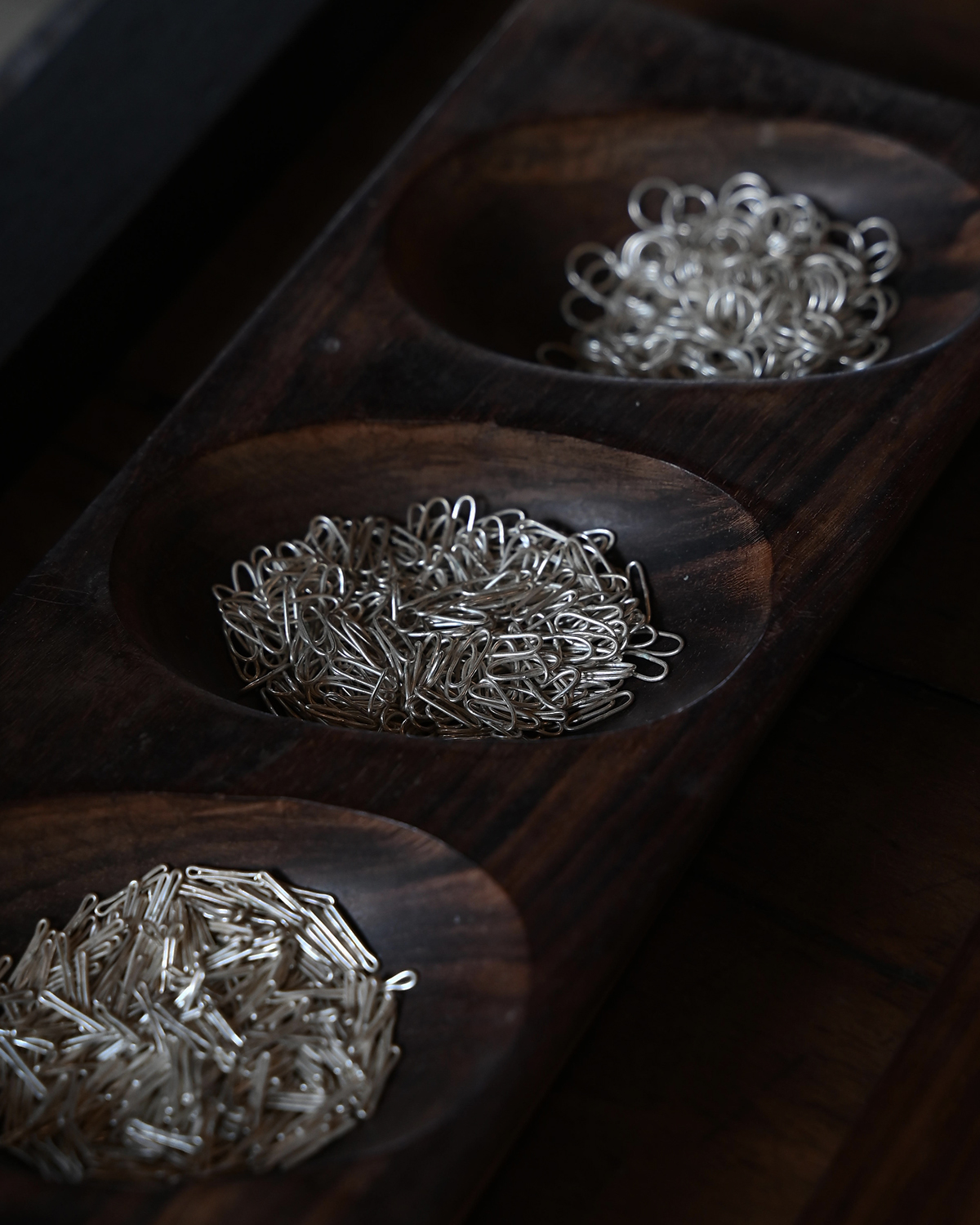
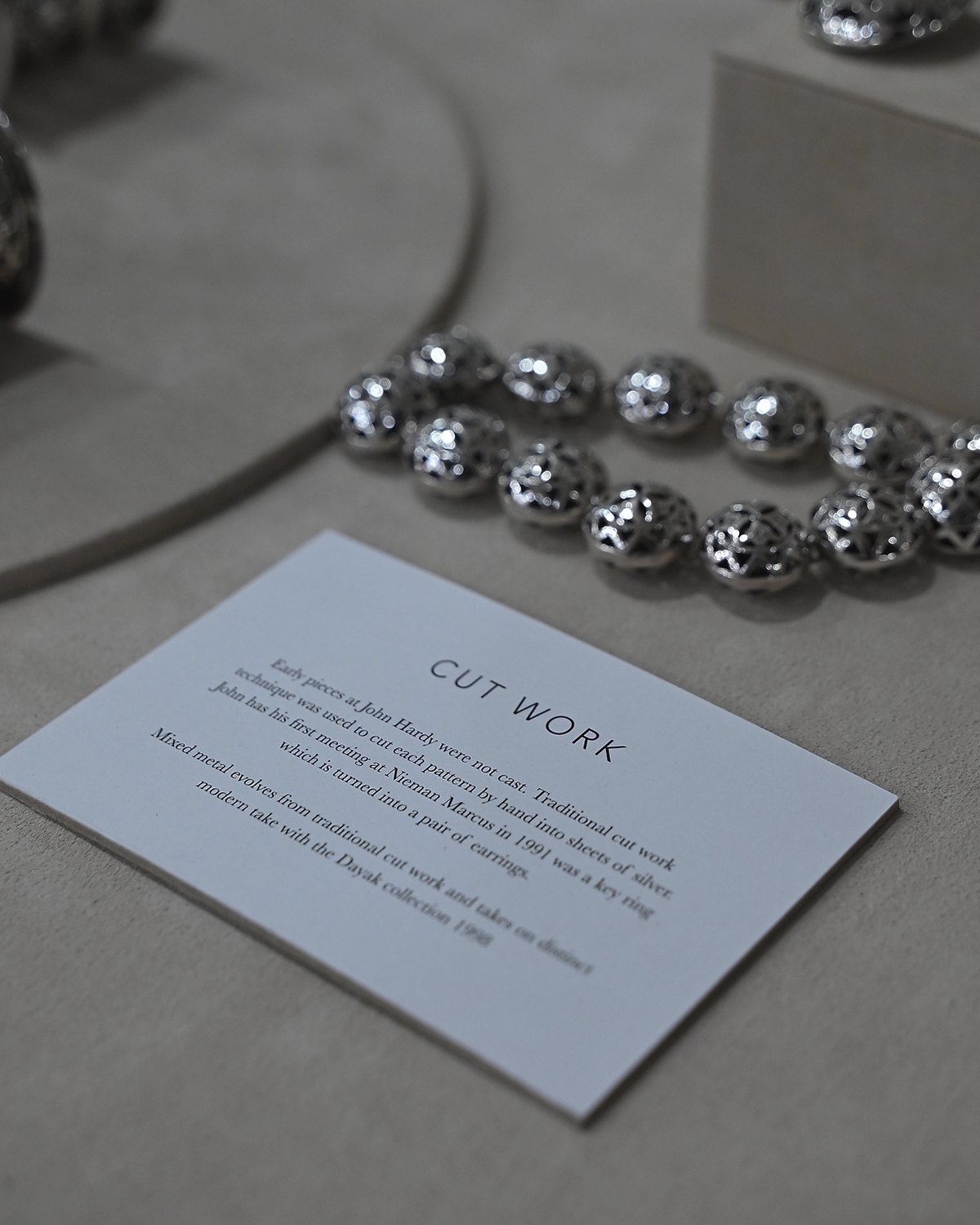
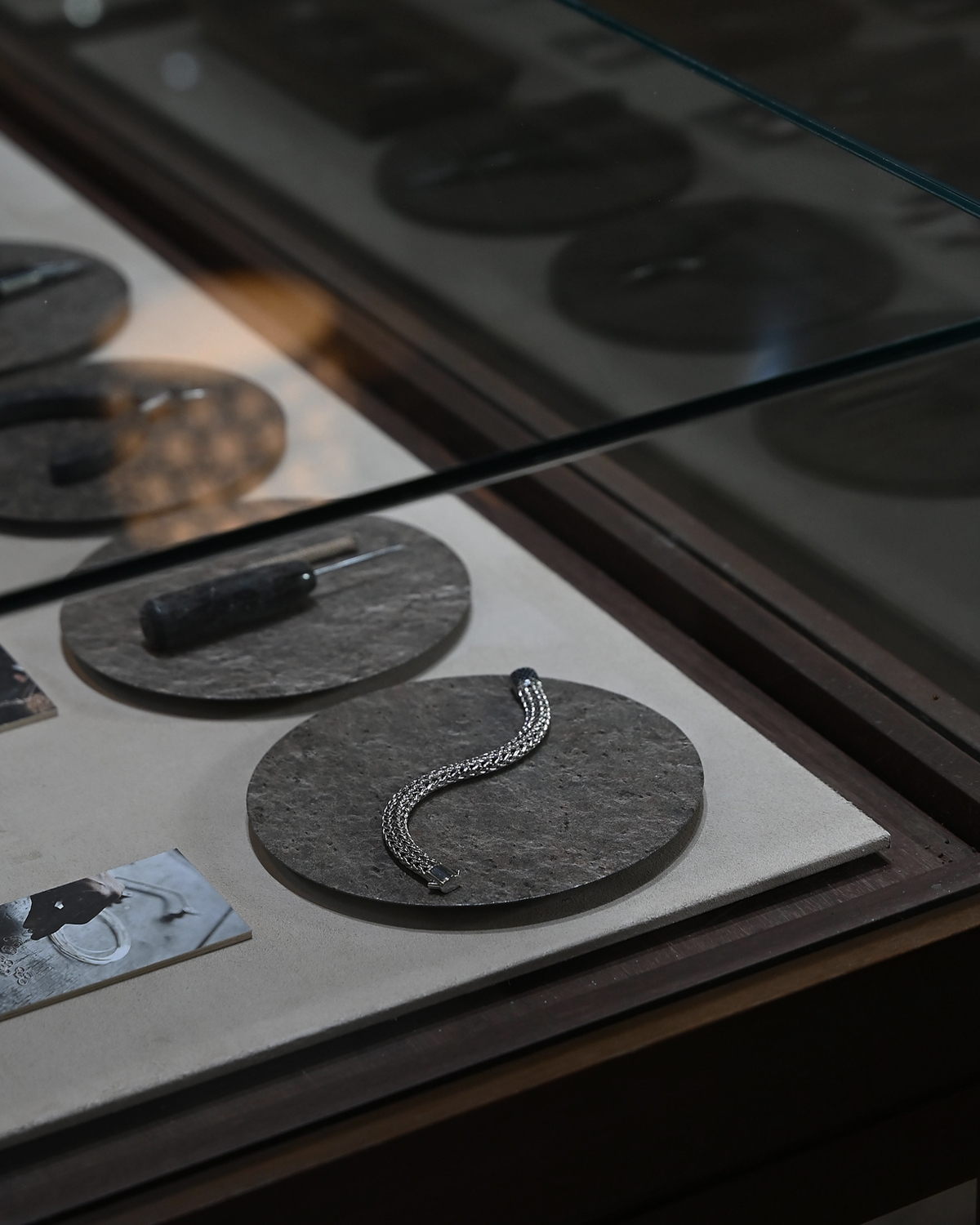
The brand’s iconic chain weave is emblematic of this approach. Rooted in traditional Balinese techniques, the weave evolved into a defining design language. Its interlocking rhythm, subtle tension, and tactile presence all emerge directly from the process of making.
“When jewelry is made by hand, there’s a beauty in the imperfection,” Polly explains. “There’s a human touch. A personality behind the process.” No two pieces are exactly the same. Each carries small variations that speak to the person who made it. Slightly organic. Slightly imperfect. And because of that, entirely complete. This philosophy resists uniformity in favor of character. It values presence over polish. And it reminds the wearer that behind every piece is a human story.
A Material Commitment That Changed Everything
In 2010, John Hardy made a decision that quietly set it apart within the global jewelry landscape: the transition to using 100% reclaimed silver and gold. Not selectively. Not partially. Completely.
Every element, down to the smallest component on the back of an earring, is crafted from recycled precious metal. The shift required a fundamental rethinking of production processes and supply chains. It was complex. It was demanding. And it was non-negotiable.
Three years later, the brand became accredited by the Responsible Jewellery Council, a body that evaluates far more than materials alone. Vendor practices, occupational health and safety, human rights, and environmental governance all fall under its scope. It is a holistic framework that continues to inform how the company operates at every level.
In an industry where only a minority of brands use recycled precious metals, the decision represents a conscious refusal to accept business as usual. A belief that better practices should not be optional extras, but standards.
Closing the Loop
At John Hardy, sustainability is not conceptual. It is operational.
Today, the brand’s production process generates less than 1% waste. Off-cuts from casting are refined and reused. Gypsum mold materials are donated to be repurposed into building bricks. Every by-product is examined for its potential second life.
Even gemstones are approached with the same rigor. All diamonds used are conflict-free and responsibly sourced. More recently, the brand has introduced lab-grown diamond collections, further reducing environmental impact and eliminating the risks associated with mining.
It is not a pursuit of perfection. It is a commitment to progress. Incremental, intentional, and ongoing.
It Takes a Village
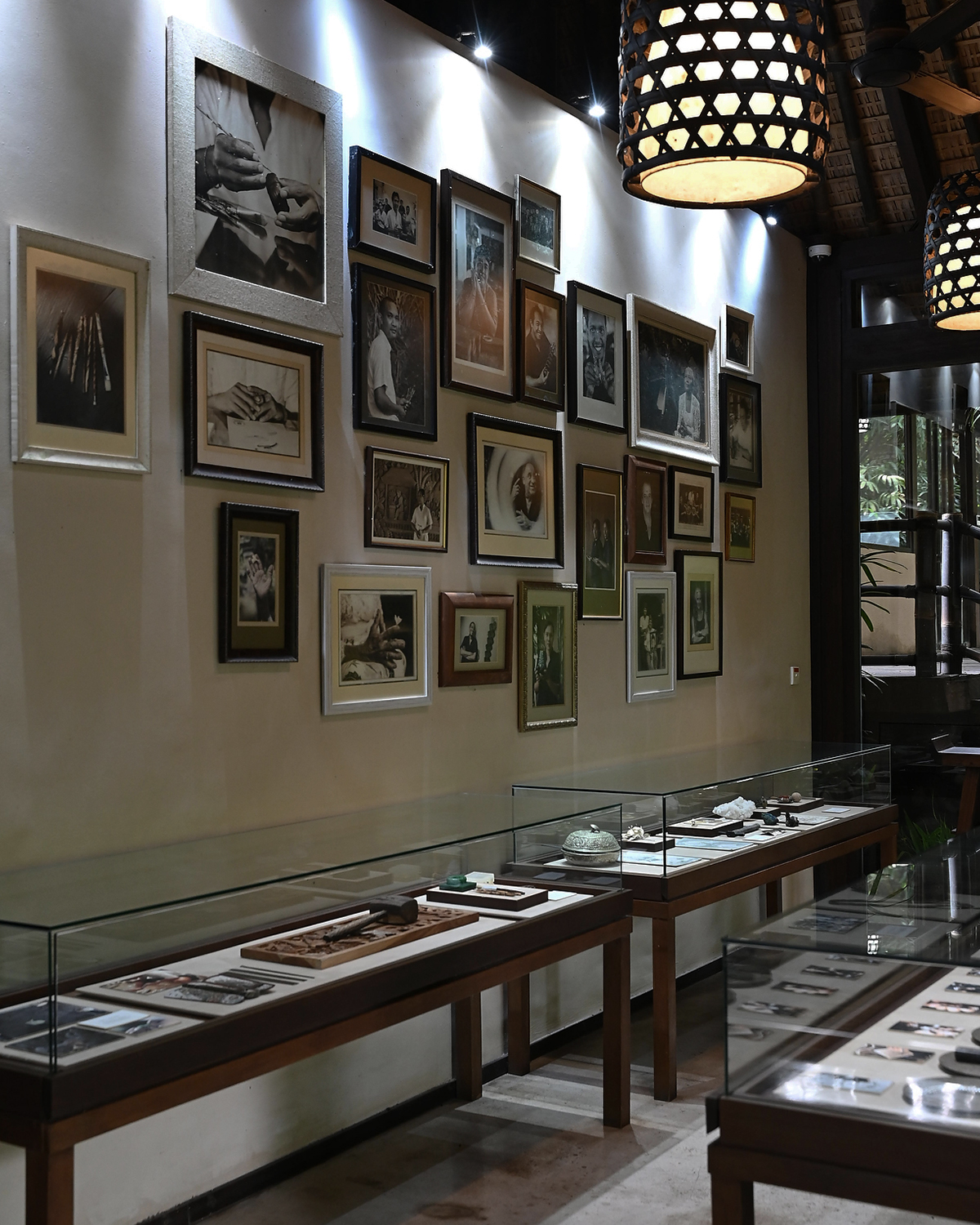
More than 650 people work at John Hardy in Bali. Designers and wax carvers. Silversmiths and goldsmiths. Weavers, engineers, farmers, cooks, and support teams across every department. Each role is interconnected. Each essential.
“We say it takes a village to do what we do,” Polly notes. Here, it is not a metaphor. Jewelry does not move along a conveyor belt. It moves through relationships. Through shared responsibility. Through collective pride in the outcome. Community is not an initiative. It is the culture.
Staying Rooted, Moving Forward
The future of John Hardy sits in a quiet tension. On one side, a growing global appetite for innovation, originality, and quality. On the other, a renewed desire to understand where things come from, who made them, and how.
The challenge lies in honoring both. In designing for the present without erasing the past. In evolving without losing the human hand that defines the work.
If the brand’s history offers any clue, the path forward will be measured rather than rushed. Deliberate rather than reactive. Guided by the same principles that shaped its beginnings nearly five decades ago.
Because at John Hardy, jewelry is not just something you wear. It is something you carry.
EXPLORE THE PUNCH