

FEATURES • DESTINATIONS
Capella Ubud:
The Camp That Listens
to the Forest
Words & Photography by The Punch
You don't arrive at Capella Ubud. You descend into it. The drive north from Ubud's center takes about twenty minutes, winding past rice terraces and smallholder farms until the road narrows, and the canopy closes in above you. By the time you reach the Keliki Valley, the noise of tourist Bali has dissolved completely. What replaces it is something older, denser, and far more interesting.
Set across 3.5 hectares of conserved tropical jungle between the Wos River and terraced rice paddies, Capella Ubud is a tented camp designed by Bill Bensley and inspired by the journeys of early European explorers arriving in Bali during the 1800s. That's the pitch. The reality is stranger and better. This is a place where luxury doesn't announce itself. It simply exists in the space between the trees, quietly, almost reluctantly, like it knows it's a guest here too.

The Man at the Helm
Christian Jaquier, the camp's General Manager, is half Swiss, half Chinese, born in Brazil, educated in the States, and married into an American family. He speaks multiple languages and has spent over two decades in luxury hospitality, including twelve years with Ritz-Carlton. He moved to Bali in 2015, worked at Ayana in Jimbaran, left for Mauritius after COVID, then came back. Bali, it turns out, has a way of pulling people in twice.
"We realized how much my family and I missed the people, the culture, the beauty, and the uniqueness of Bali," he says. There's no corporate polish to it. Just a man who tried leaving and couldn't.
What drew him to Capella specifically was the ethos. "The respect and appreciation for nature and for where we are," he explains. "The thought and dedication put into the design of this camp to really minimize the footprint and impact on nature is best in class."

Architecture That Follows, Not Leads
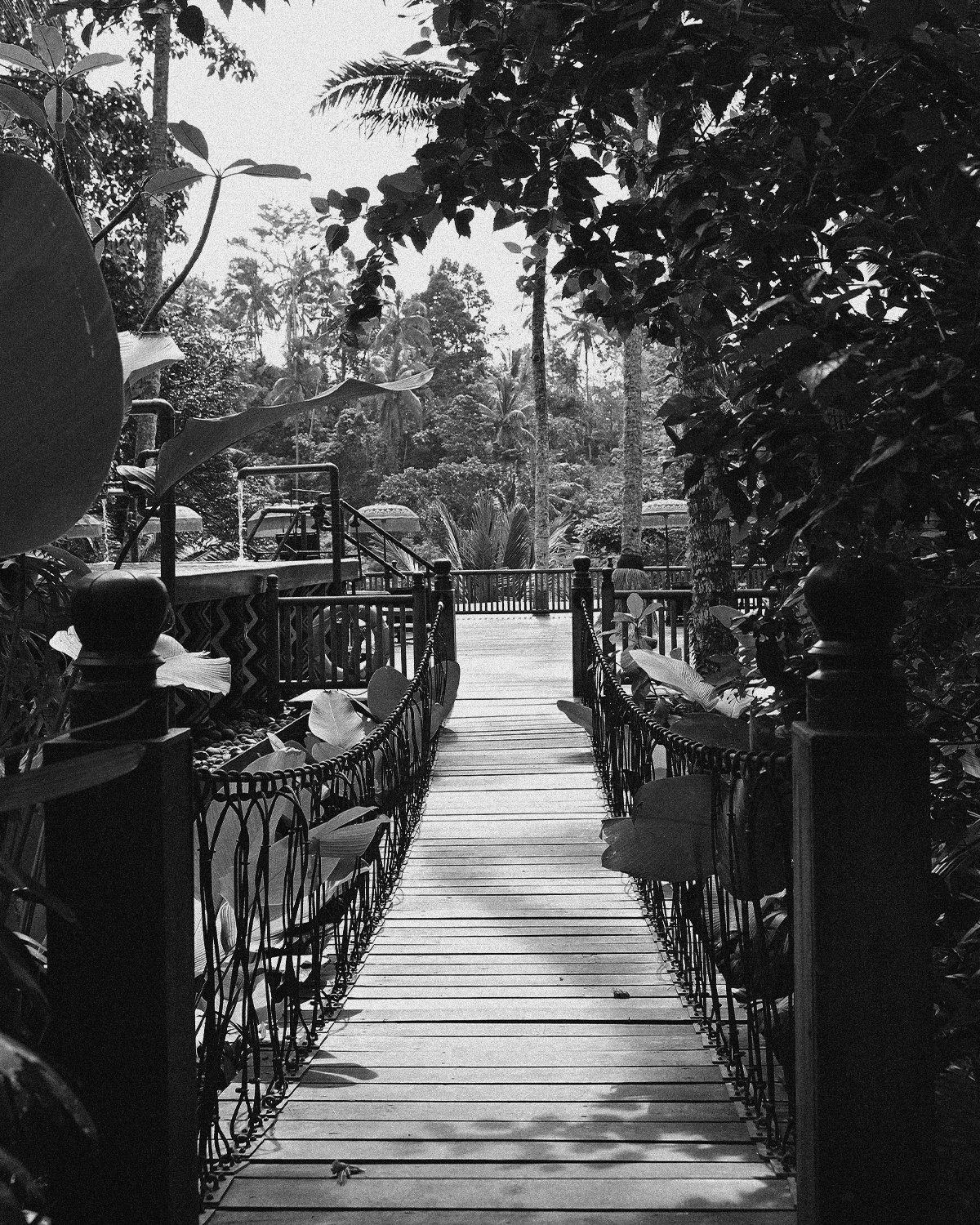
Here's the thing about Capella Ubud that separates it from nearly everything else in Bali's luxury landscape: not a single tree was cut down during construction. That's not marketing language. It's an engineering fact. Bill Bensley, whose career spans over 200 properties across thirty-plus countries, insisted on what he calls minimal intervention. Twenty-three tented accommodations, each positioned using bamboo mockups on-site to find the right spot among the existing trees and terrain.
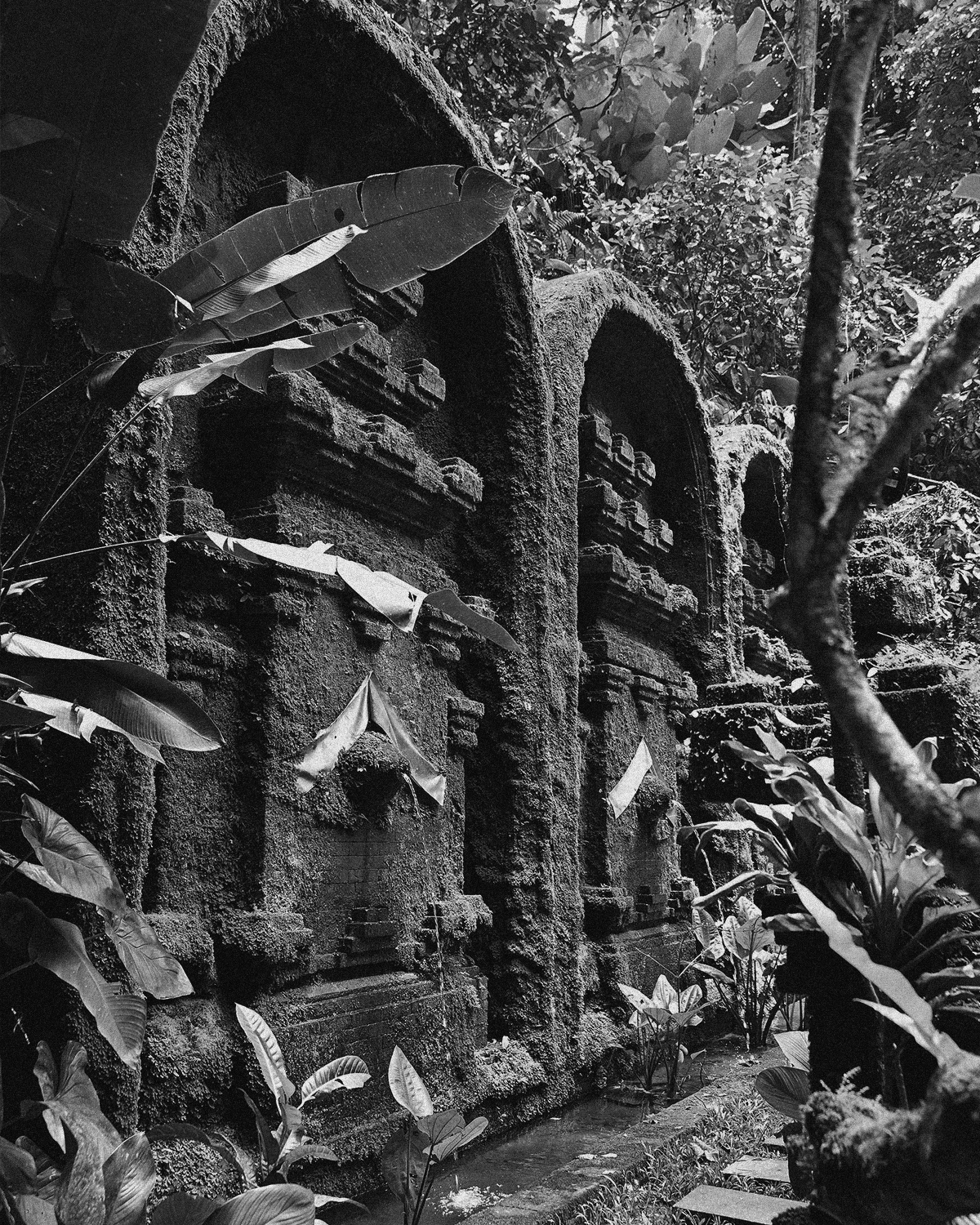
The result is a camp that feels discovered rather than built. Trees grow through terraces. The jungle presses close on every side. You hear it before you see it, and even then, you don't see much. From outside the property, the camp is nearly invisible. Bill Bensley has said he's proud of that, and he should be.
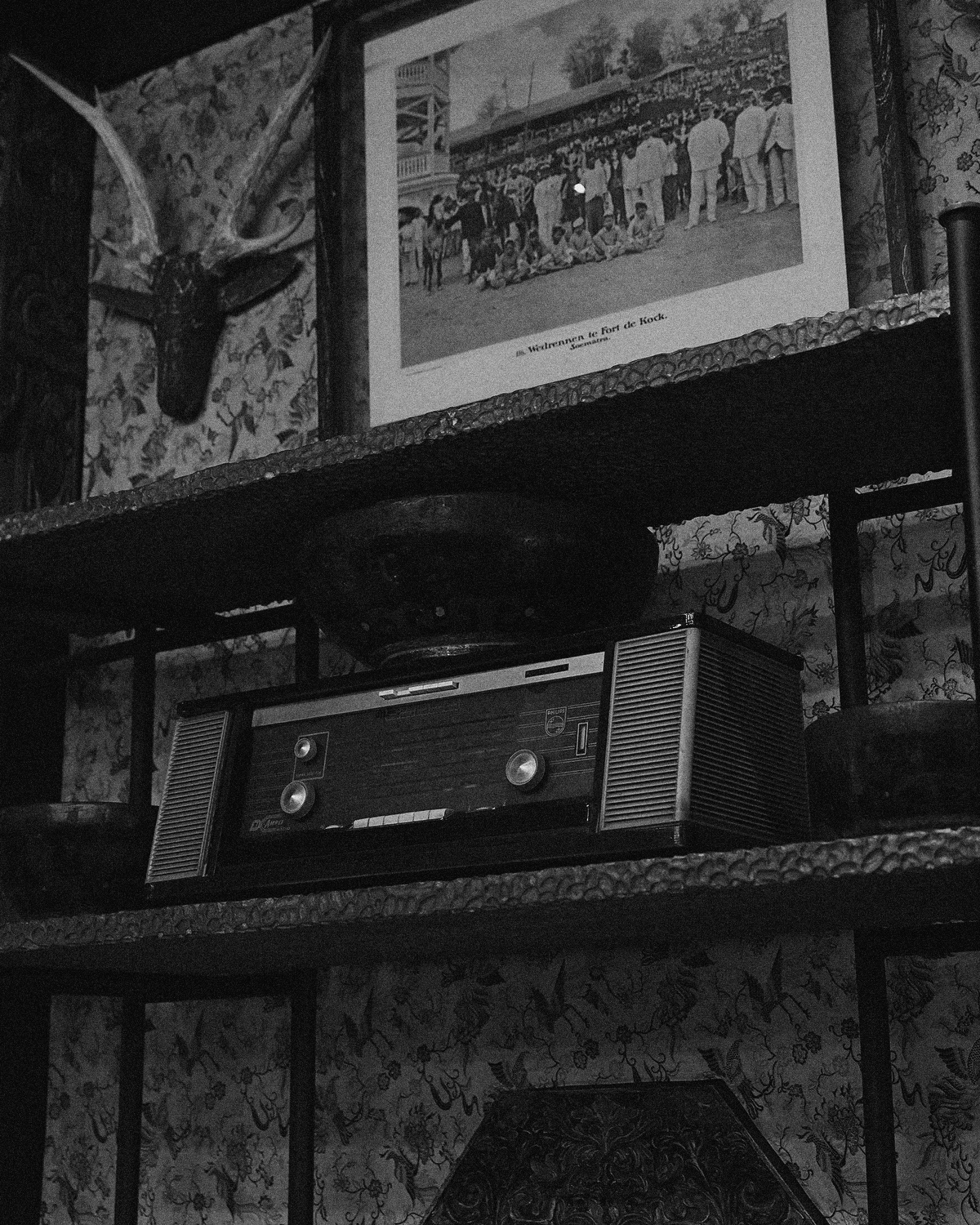
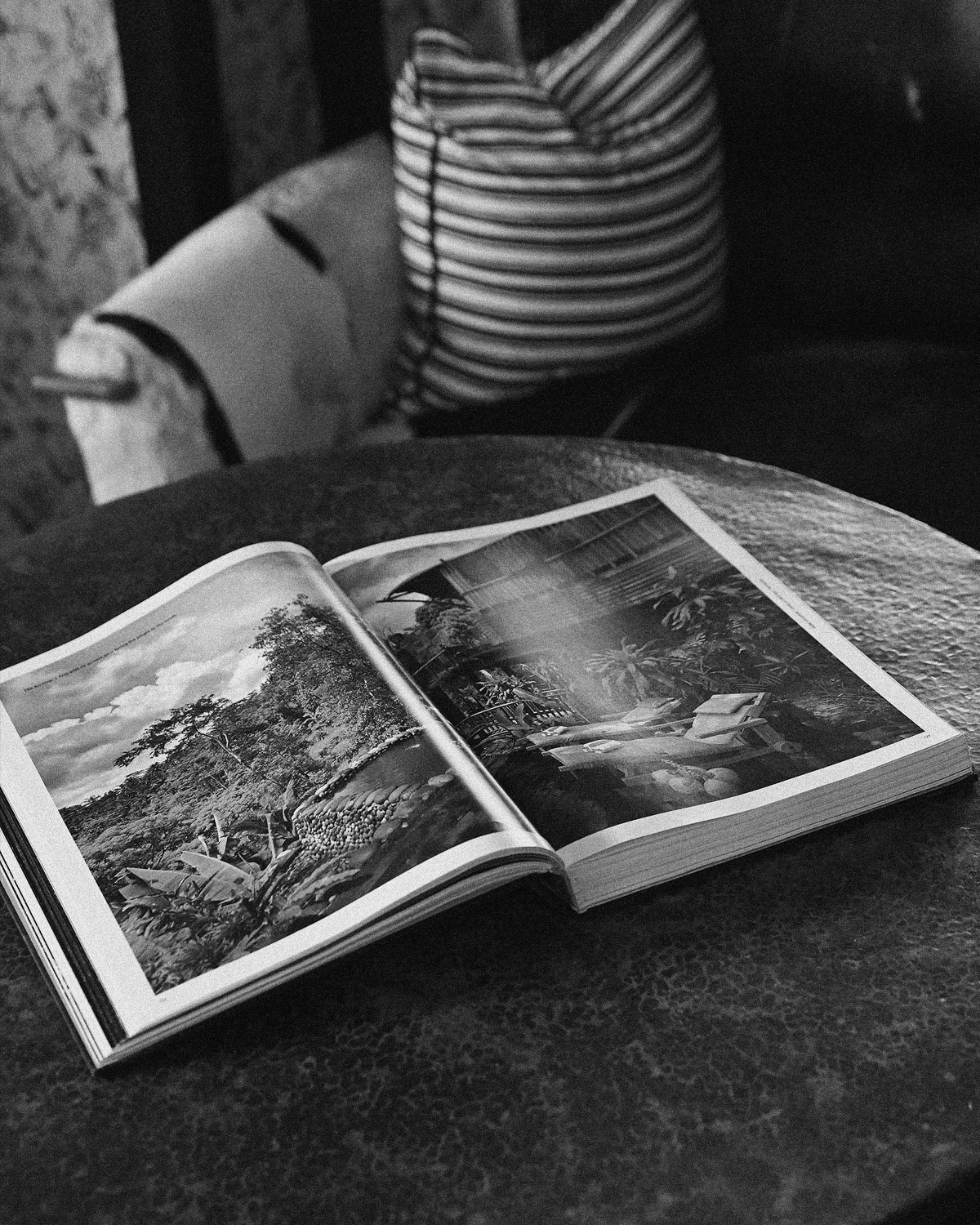
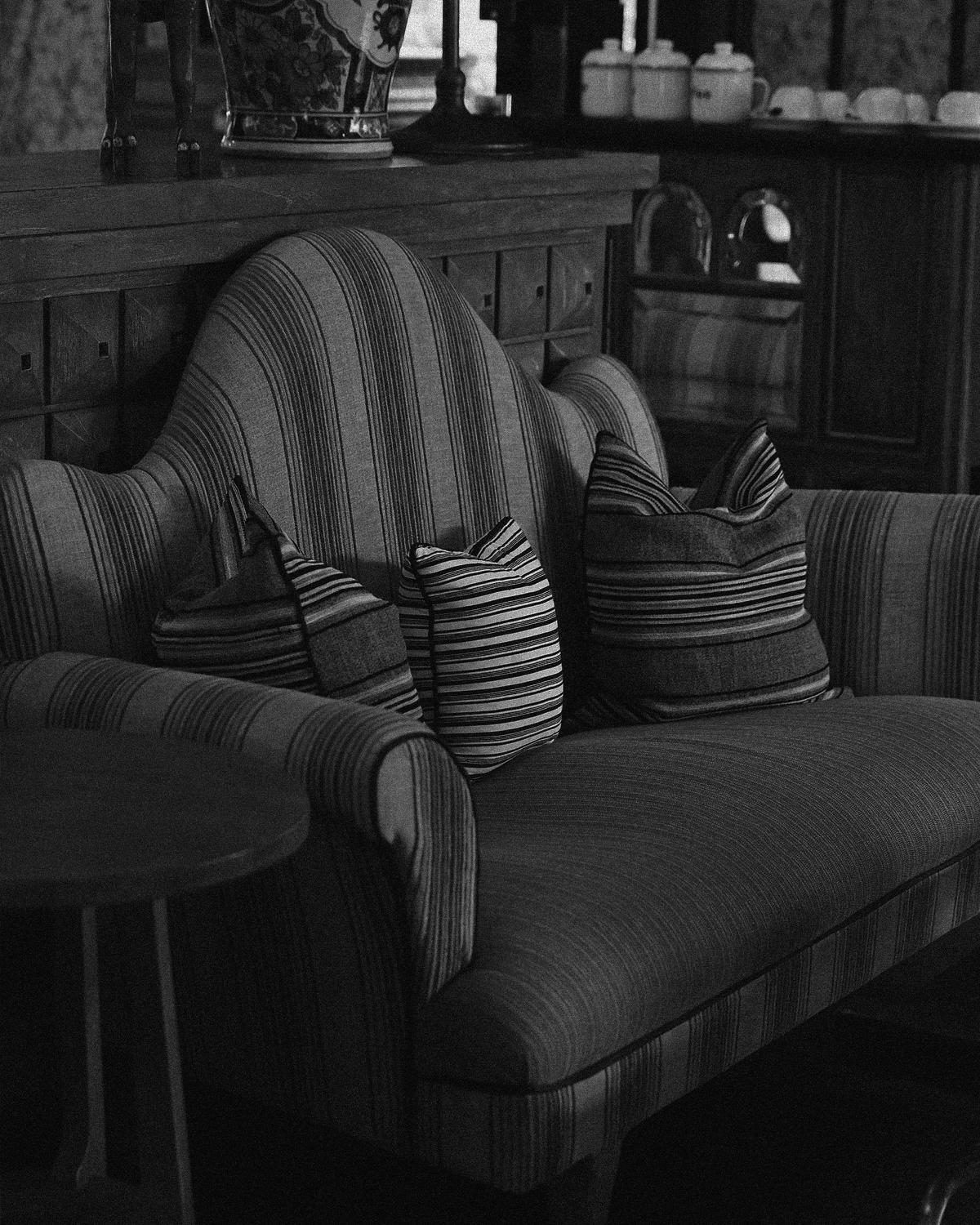
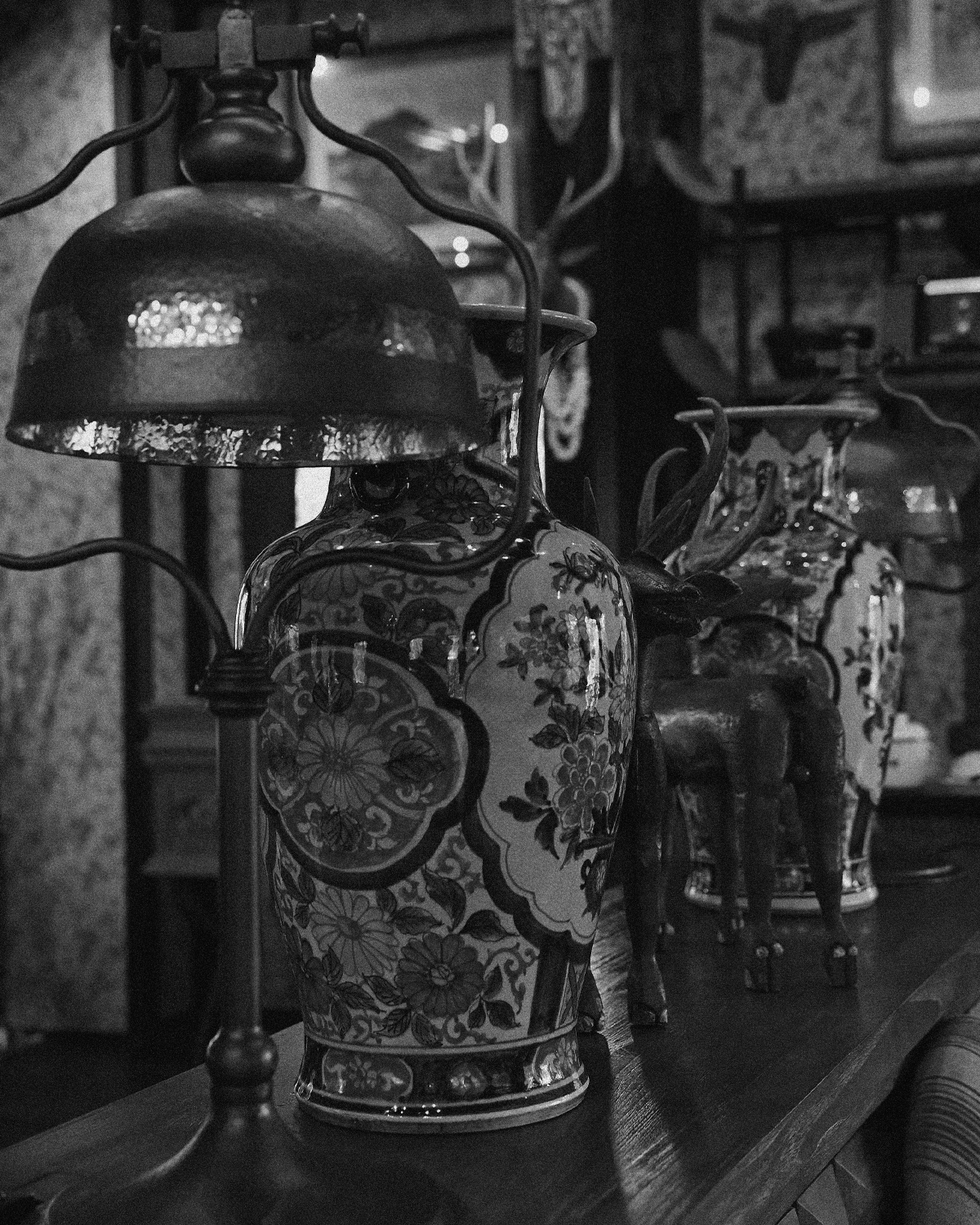
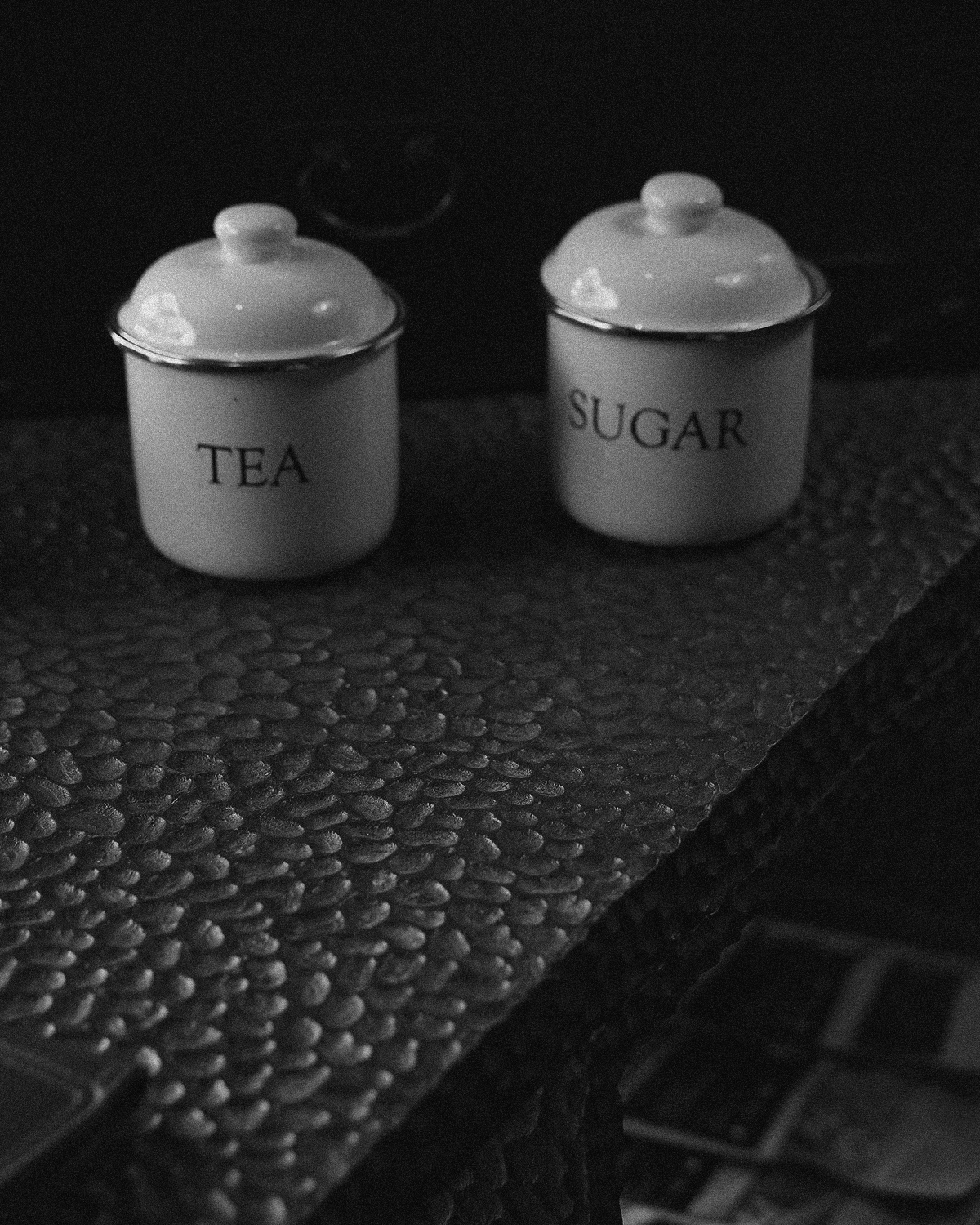
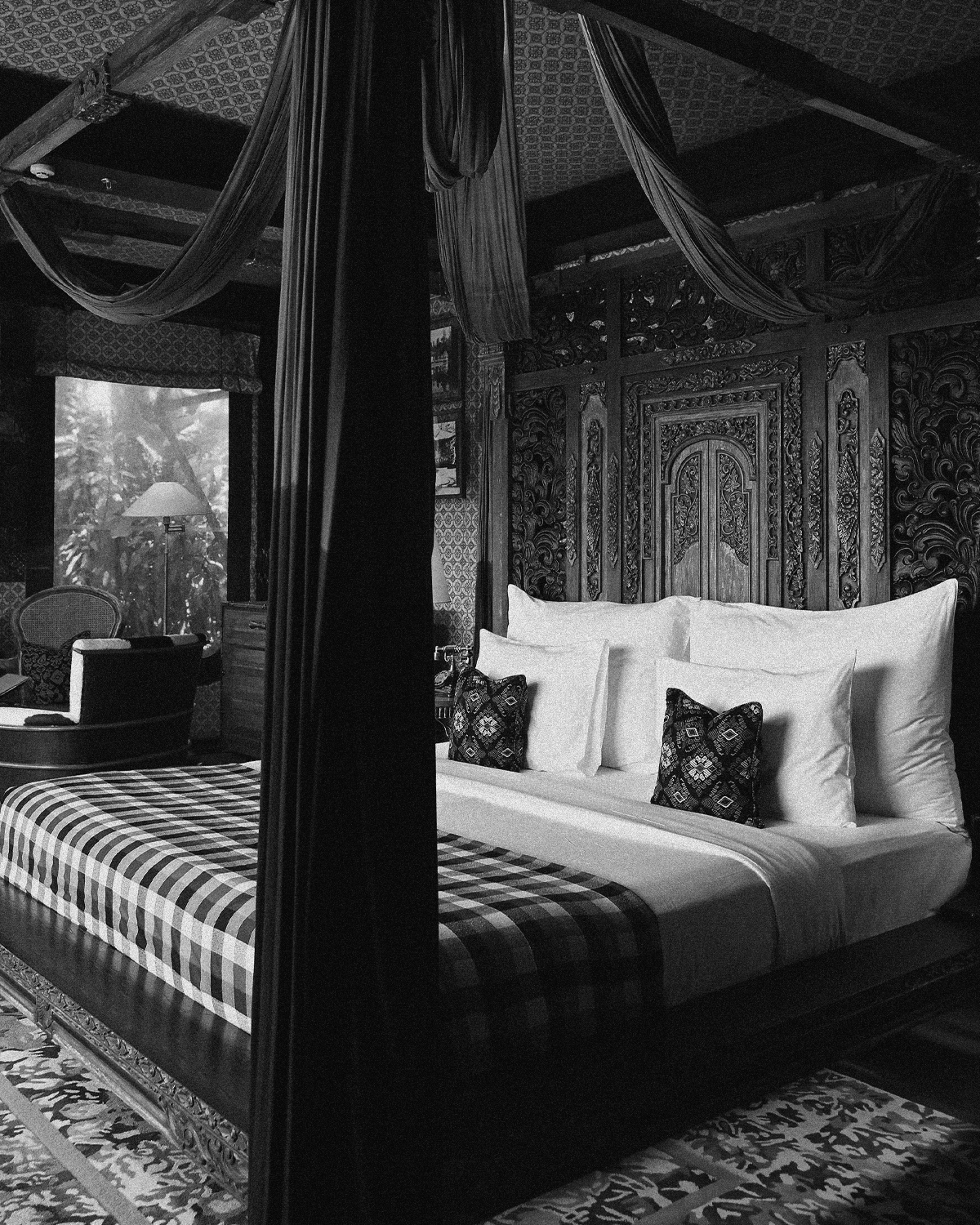
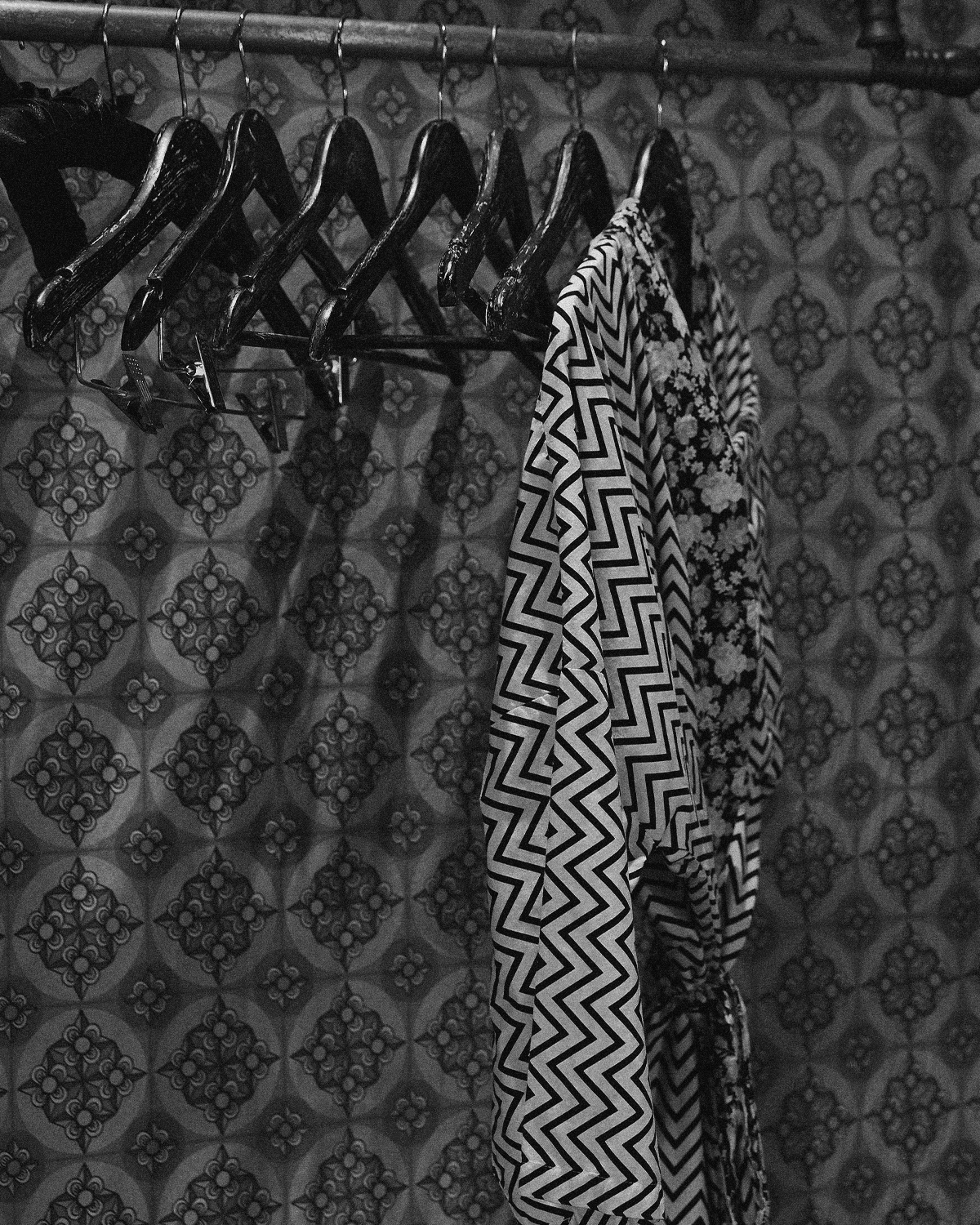
Each of the 23 tents is individually designed, and no two are alike. The interiors tell stories of imagined camp characters: the Explorer, the Cartographer, the Puppet Master. Furniture was sourced from antique shops across Bali, in Kerobokan, Batubulan, and Ubud itself. Floors were handmade from teak in Central Java. Carved Balinese doors took craftsmen a year to complete. Batik linens differ from tent to tent, and the textiles, the woodwork, the art, all of it was sourced locally. This is upcycling done with real conviction. Bill Bensley didn't import grandeur. He found it here, scattered across the island's workshops and second-hand stores, and gave it a second life under canvas.
The Village at the Centre
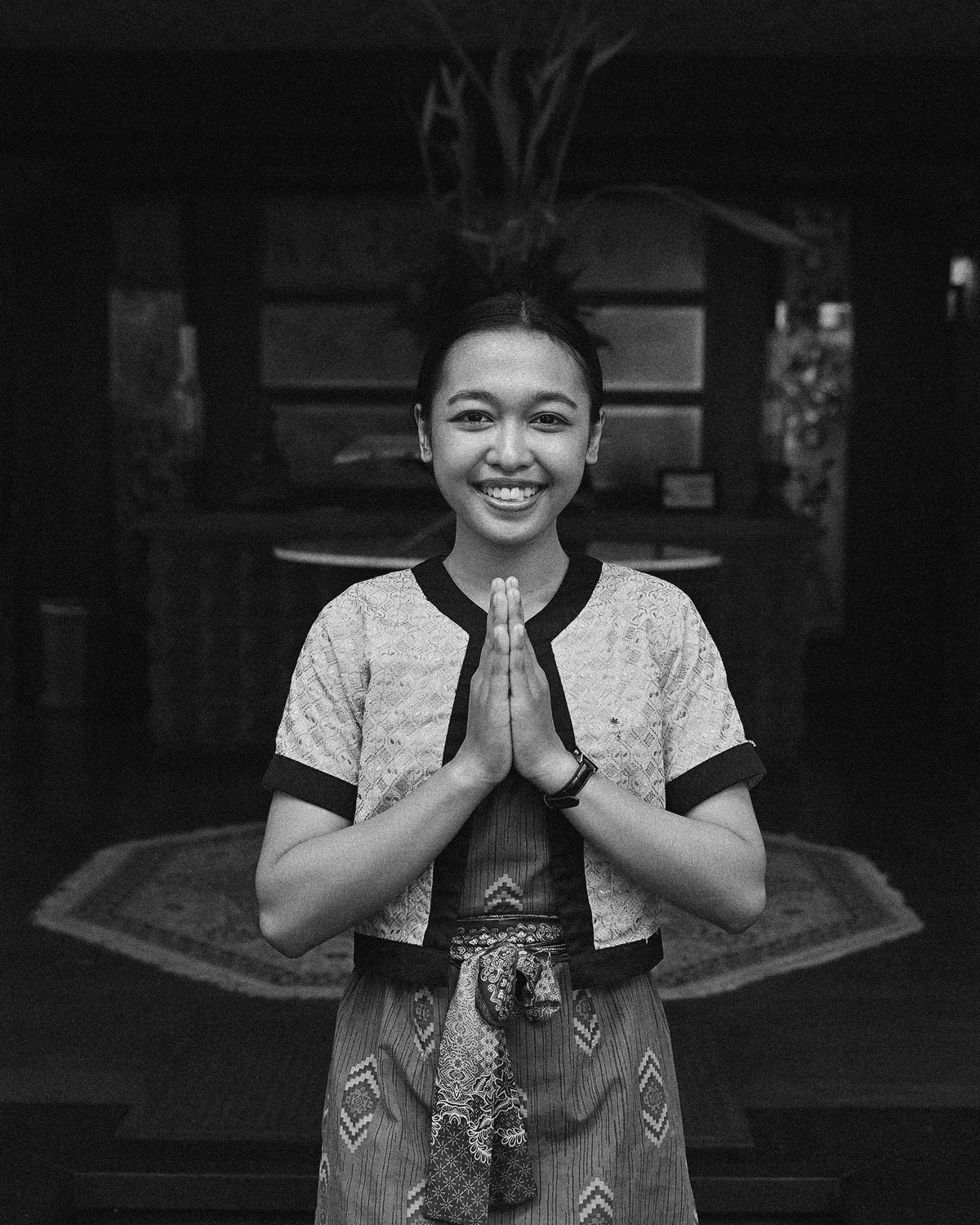
Capella Ubud sits within the village of Keliki, a community of fewer than a thousand people. One in three of the camp's team members comes from this village. That's not a statistic you gloss over. It means the culture you encounter at Capella isn't curated for consumption. It's lived.
"It's very hard to imagine a hotel or camp in Bali without culture," Jaquier says. "Guests come to Bali for its culture. It's what sets Bali apart. Over 90 to 95 percent of our team members are Balinese, so it is only natural and logical for us to integrate that."
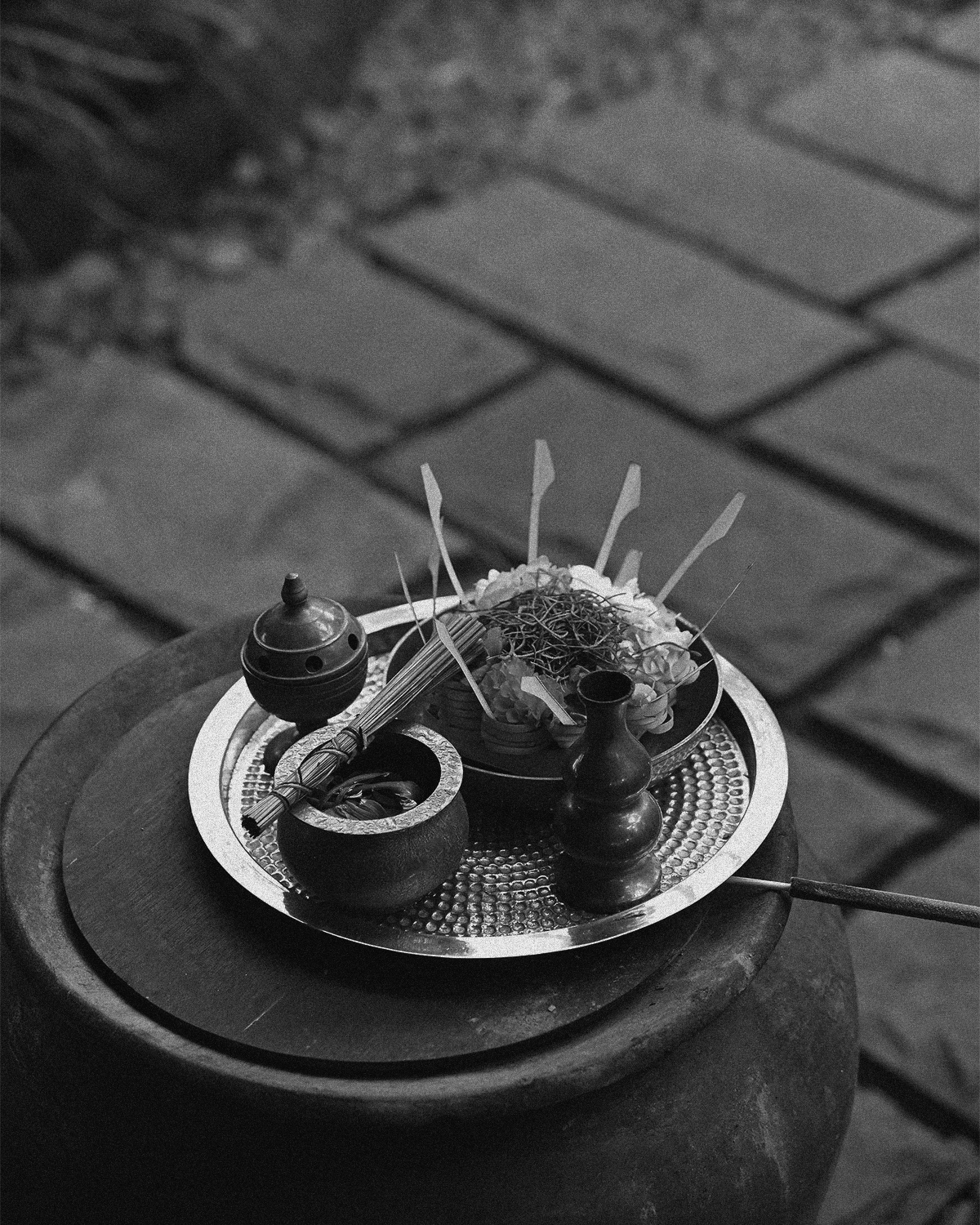
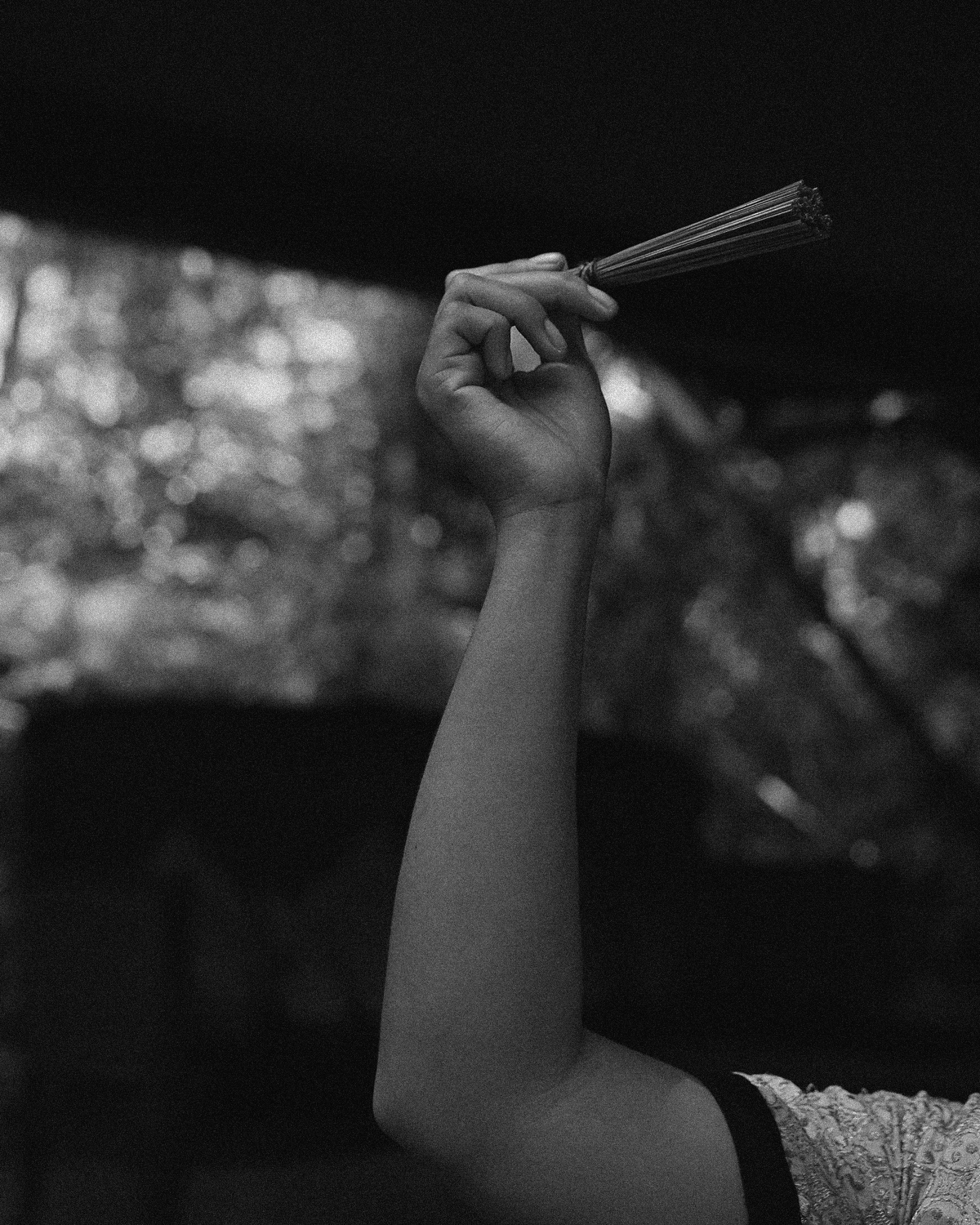
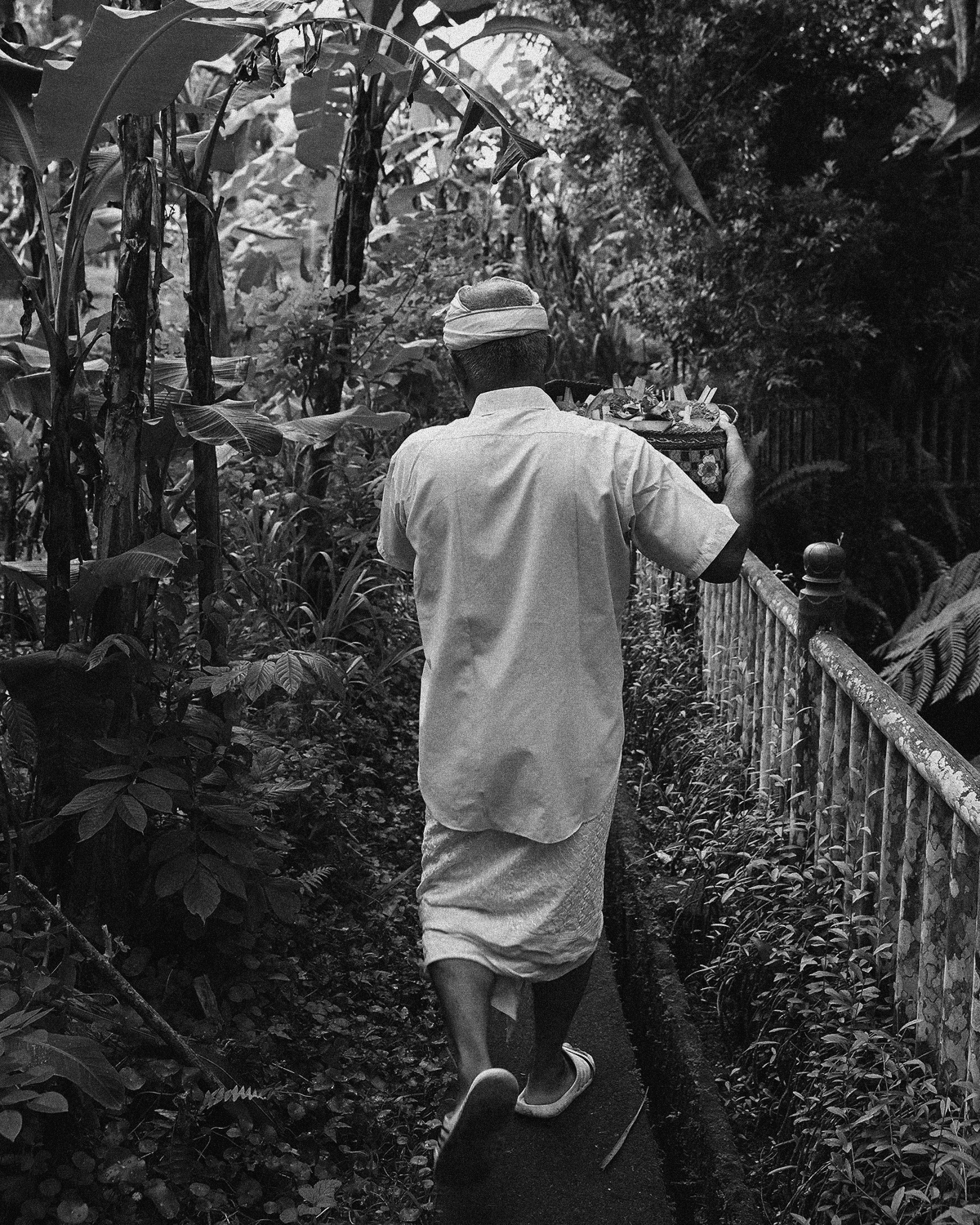
Daily offerings are placed each morning in the ritual of mebanten, an expression of gratitude and balance. A community temple, the Wos River Temple, established in 1940, was restored during the camp's construction and continues to serve as a sacred place for local worship. Guests can participate in Melukat, a Balinese water purification ceremony, conducted with the cooperation and permission of the village at the river temple. These aren't performances staged for visitors. They're practices that would continue whether guests were present or not.
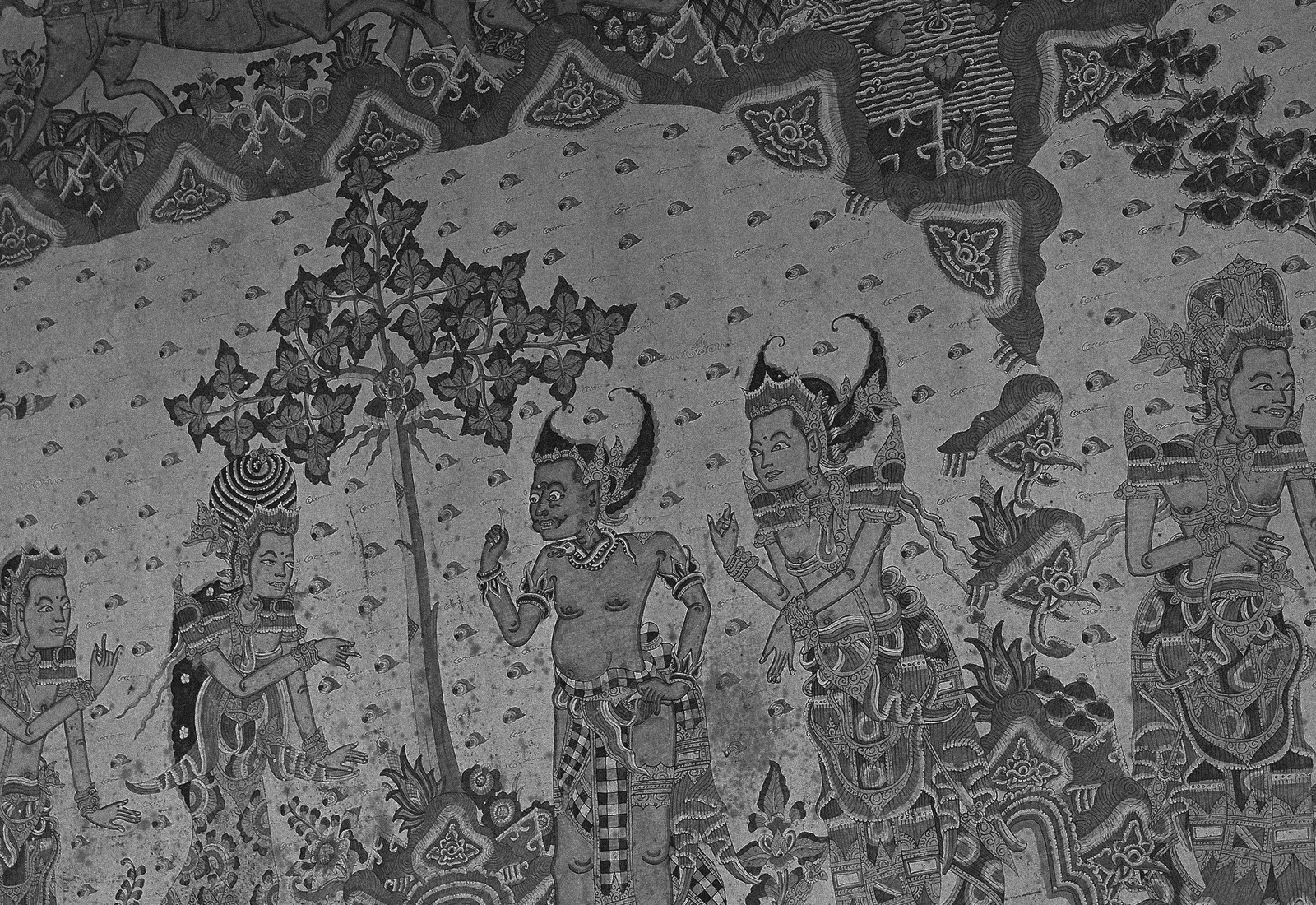
The camp also partners with Keliki's art school to preserve the village's distinctive painting tradition. English classes are sponsored for local primary school children. Over eight years, the relationship between Capella and Keliki has deepened into something that looks less like corporate responsibility and more like genuine partnership.
The Table and the Fire
Dining at Capella Ubud operates across two primary experiences. Mads Lange, named after the Danish spice trader who arrived in Bali around 1840 and became known as the White King of Bali, is the camp's main restaurant, drawing from Indonesian cuisine across the archipelago. Api Jiwa, meaning "Fire to the Soul" in Sanskrit, is the more intimate offering: an interactive, theatrical tasting dinner built around open-fire cooking and locally sourced seasonal ingredients. Every morsel comes from Indonesia.
Then there's the Camp Fire. Literally. Guests gather for pulled hot chocolate, toasted marshmallows, and black-and-white films projected under the stars. It sounds sentimental, and it is. But it works, because nothing about it feels manufactured.
Sustainability as Discipline
Capella Ubud holds EarthCheck Gold Certification, awarded in late 2024 after a five-year journey. The certification measures sustainability across operations and community engagement, covering energy use, water management, waste reduction, and supply chain decisions.
"It provides structure and clarity to our actions and beliefs, and allows us to quantify our positive environmental impact," Jaquier explains. "It also enables us to benchmark ourselves globally and continuously improve."
Beyond the certification, there are quieter efforts. A water bottling plant using nano-membrane filtration eliminates single-use plastics. Used soaps are collected monthly and sent to the ROLE Foundation's Zero Waste Soap initiative in Nusa Dua, where they're reprocessed and redistributed to orphanages and families in need. The culinary team partners with the Green School's BioBus program, which runs on biodiesel made from used cooking oil. In nearby Taro Village, the camp offers access to a community-led firefly conservation program, where local farmers and researchers are working with regenerative practices to restore habitat and support the return of these delicate species.
None of this is shouted from the rooftops. It's embedded in operations, treated as ongoing work rather than a finished story.
What Stays With You
Capella Ubud is now in its eighth year. The jungle has been here far longer, and you feel that imbalance in the best possible way. The camp doesn't dominate the landscape. It defers to it.
People leave talking about the sounds. The river at night. Birdsong at dawn. The particular quality of silence that exists in a place where concrete is absent, and the canopy is close. Others talk about the connection to culture, the way Balinese life continues around and through the camp without interruption or apology.
"Our role is to protect their integrity, to tread lightly, and to make sure that what we leave behind is care, not footprint," Jaquier says.
In a region where luxury development too often means flattening a hillside and importing marble, Capella Ubud chose a radically different path. It followed the trees. It listened to the land. And what it built, it built gently, with the kind of restraint that takes more confidence than spectacle ever could.
EXPLORE THE PUNCH