

FEATURES • DESTINATIONS
Seeds of Change:
Apurva Kempinski Bali's
PTSG Summit 2026
Words & Photography by The Punch
The Apurva Kempinski Bali has spent years turning sustainability from a talking point into an operating system. Now it wants to take the whole industry with it. There is a version of sustainability that lives on public display. You see it in hotel lobbies everywhere, a laminated note about towel reuse, a small recycling bin, maybe a blurb about carbon offsets. It is the sustainability of good intentions dressed up as policy, and it asks very little of anyone. The Apurva Kempinski Bali is not that version.




The Hotel That Wants to Give Bali Back to Itself
Perched on the clifftops of Nusa Dua, the property is one of Indonesia’s more dramatically situated resorts. It has 465 rooms, suites, and villas stacked above the Indian Ocean, its terraced architecture a direct nod to the great rice-field landscapes of the archipelago. It is the kind of place that earns its postcard. But what is more interesting than how it looks is what it has been quietly doing with all that prime real estate and institutional weight.
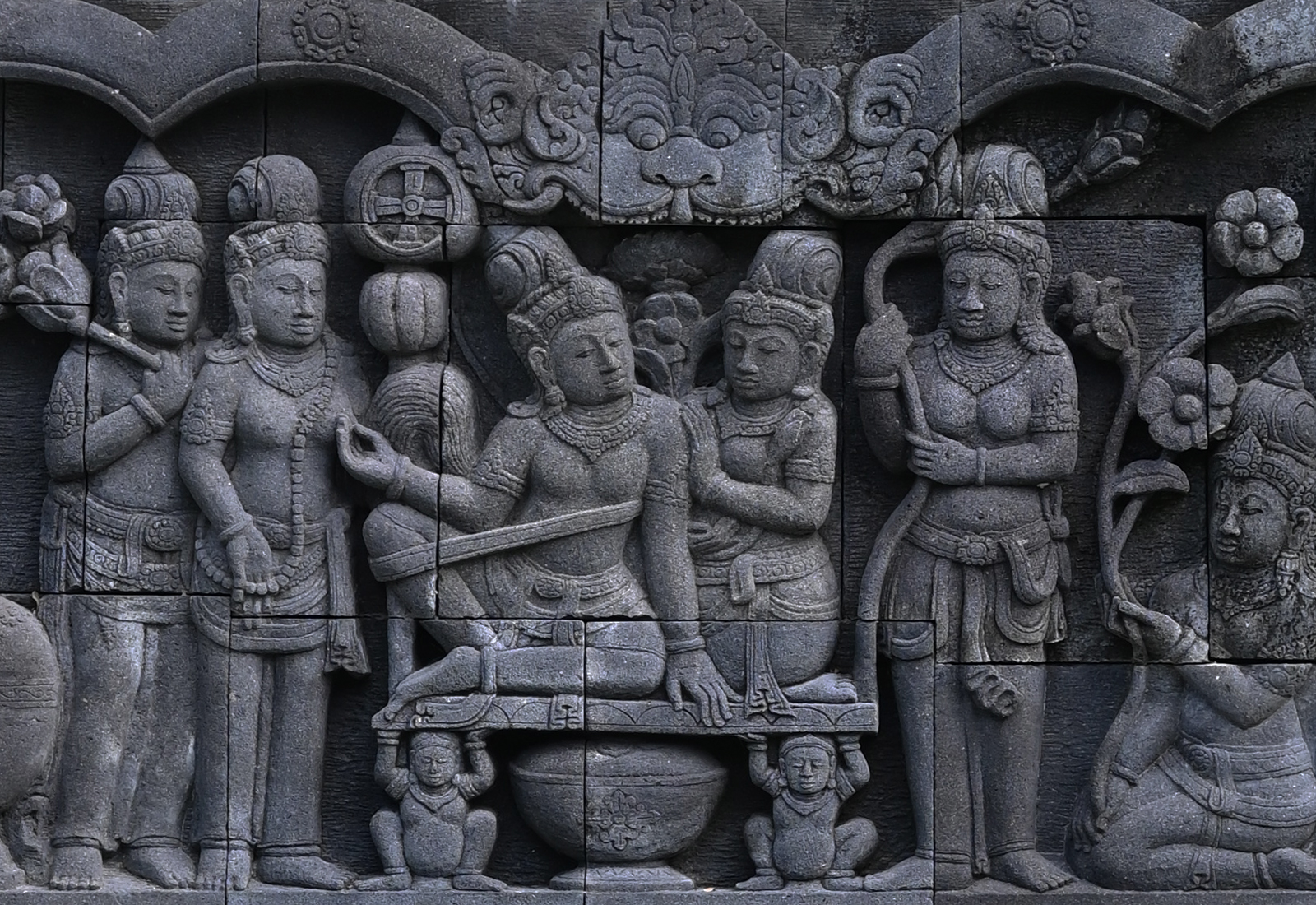
In 2023, The Apurva Kempinski Bali became the first hotel in Indonesia to receive certification from the Global Sustainable Tourism Council, a third-party accreditation that does not come cheap in terms of effort. This was not a marketing exercise. The certification required the team to essentially rebuild the hotel’s operating logic from the ground up: tracking resource consumption obsessively, overhauling supply chains to favor local vendors, embedding social equity into corporate policy, and weaving Indonesian cultural preservation into every guest touchpoint. Staff became cultural ambassadors. Traditional textiles, regional flavors, local artisan workshops–none of it passive, all of it deliberate.
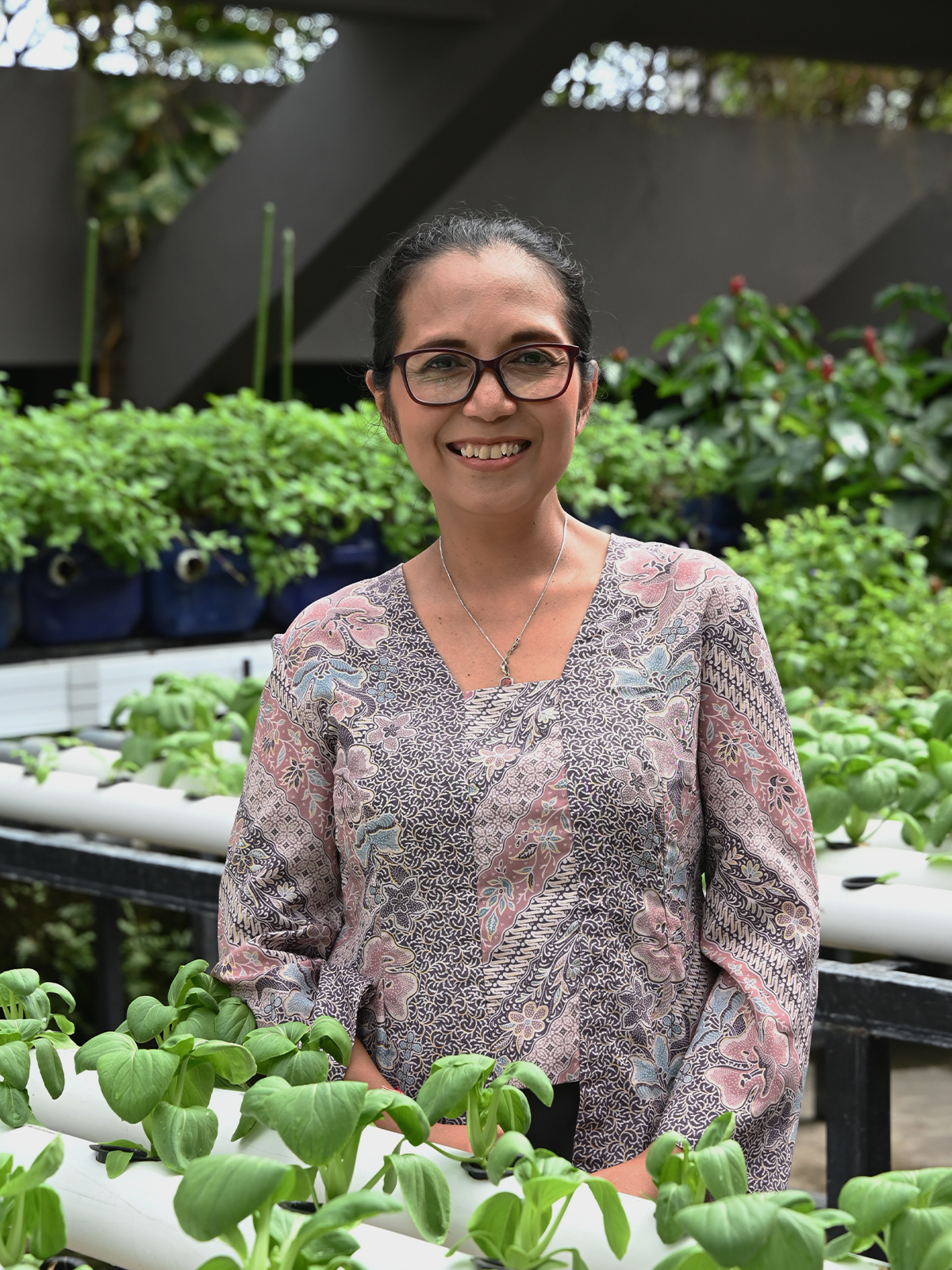
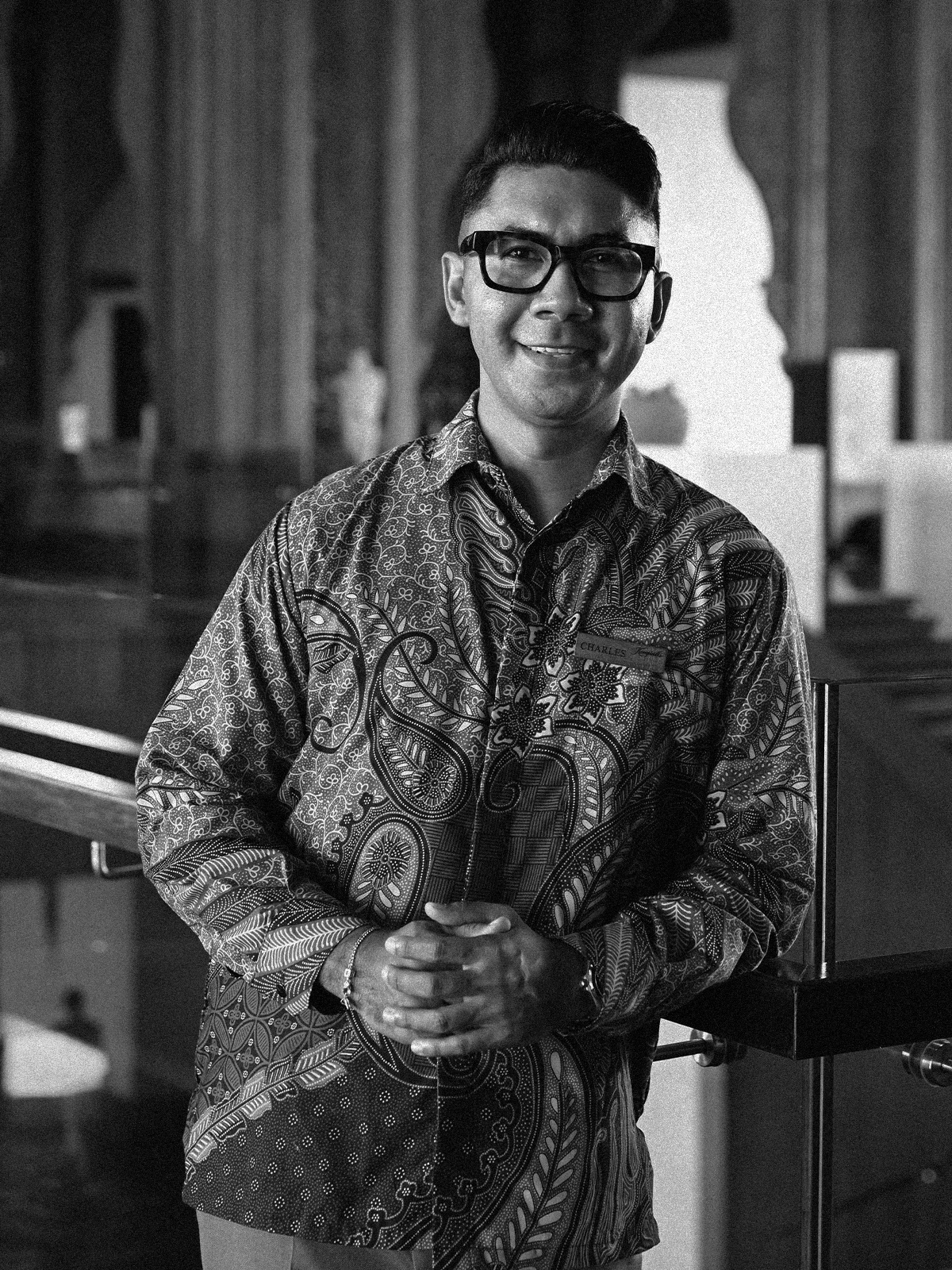
Desak Made Intan Sari, Director of Hygiene, Safety & Sustainability at The Apurva Kempinski Bali
, describes the experience of that certification journey as an eye-opener, one that reframed the entire team’s understanding of what sustainability even means. The cultural shift, she says, was harder to engineer than any single operational change. Choosing long-term responsibility over short-term convenience rarely feels good in the moment. But it changed, fundamentally, who they are as an organization.

A Different Kind of Abundance
The tension at the heart of sustainable luxury hospitality is real and worth naming. Guests expect abundance. Sustainability, in its clumsier incarnations, asks for restraint. These things do not obviously belong together.
Intan's answer to this contradiction is a reframe rather than a compromise. The old model of abundance, she argues, was really just waste in elegant clothing, overfilled buffets, single-use plastics dressed up in hotel branding, mass-produced amenities stripped of any sense of place. The new version of luxury abundance is abundance of care, of authenticity, of craft. Ultra-local farm-to-table dining where every ingredient has a provenance. High-end refillable amenity systems in place of throwaway bottles. Bespoke service where every detail carries a reason and a story.
The guest does not feel restricted. They feel considered. That, apparently, is the trick.
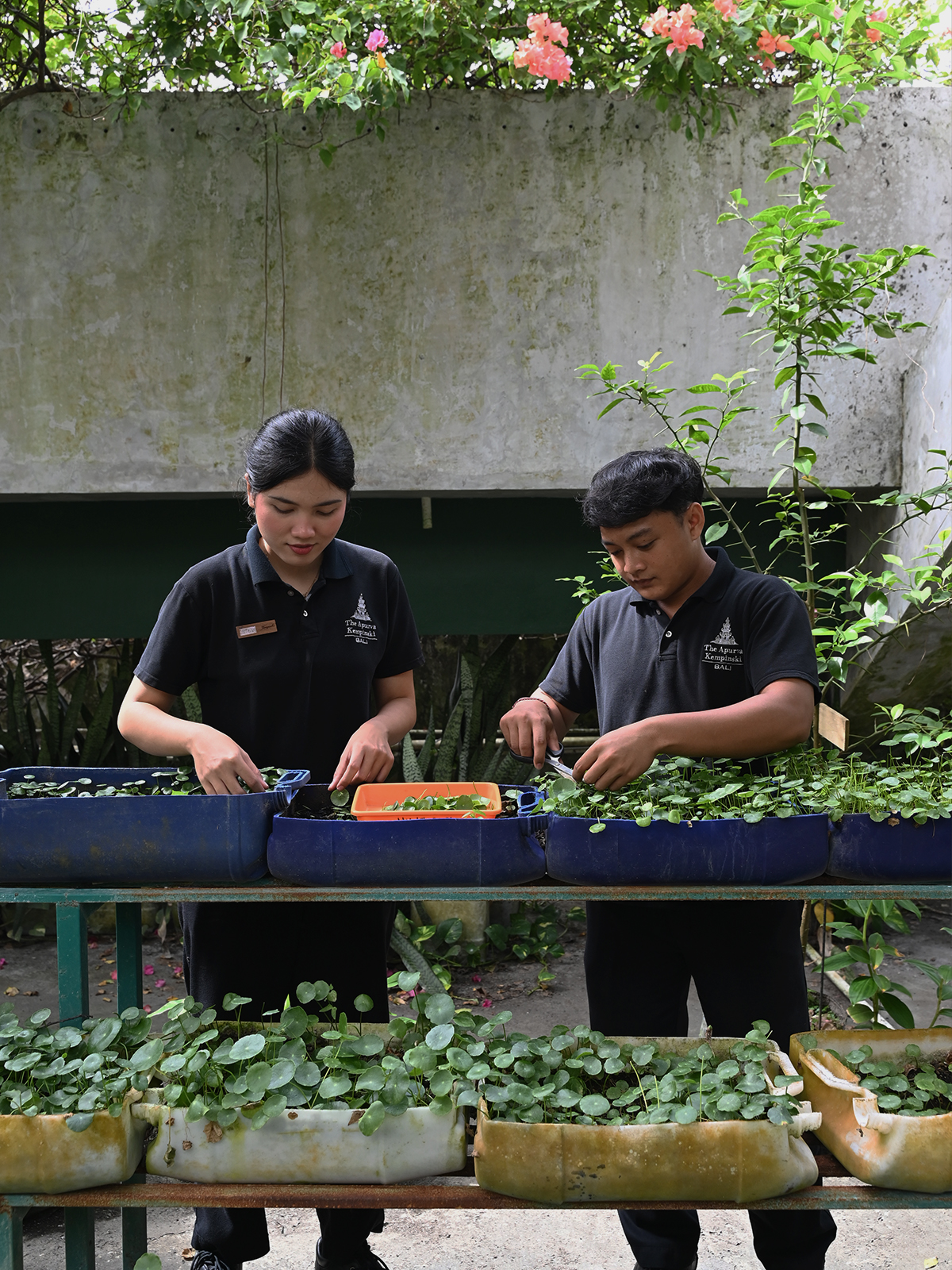
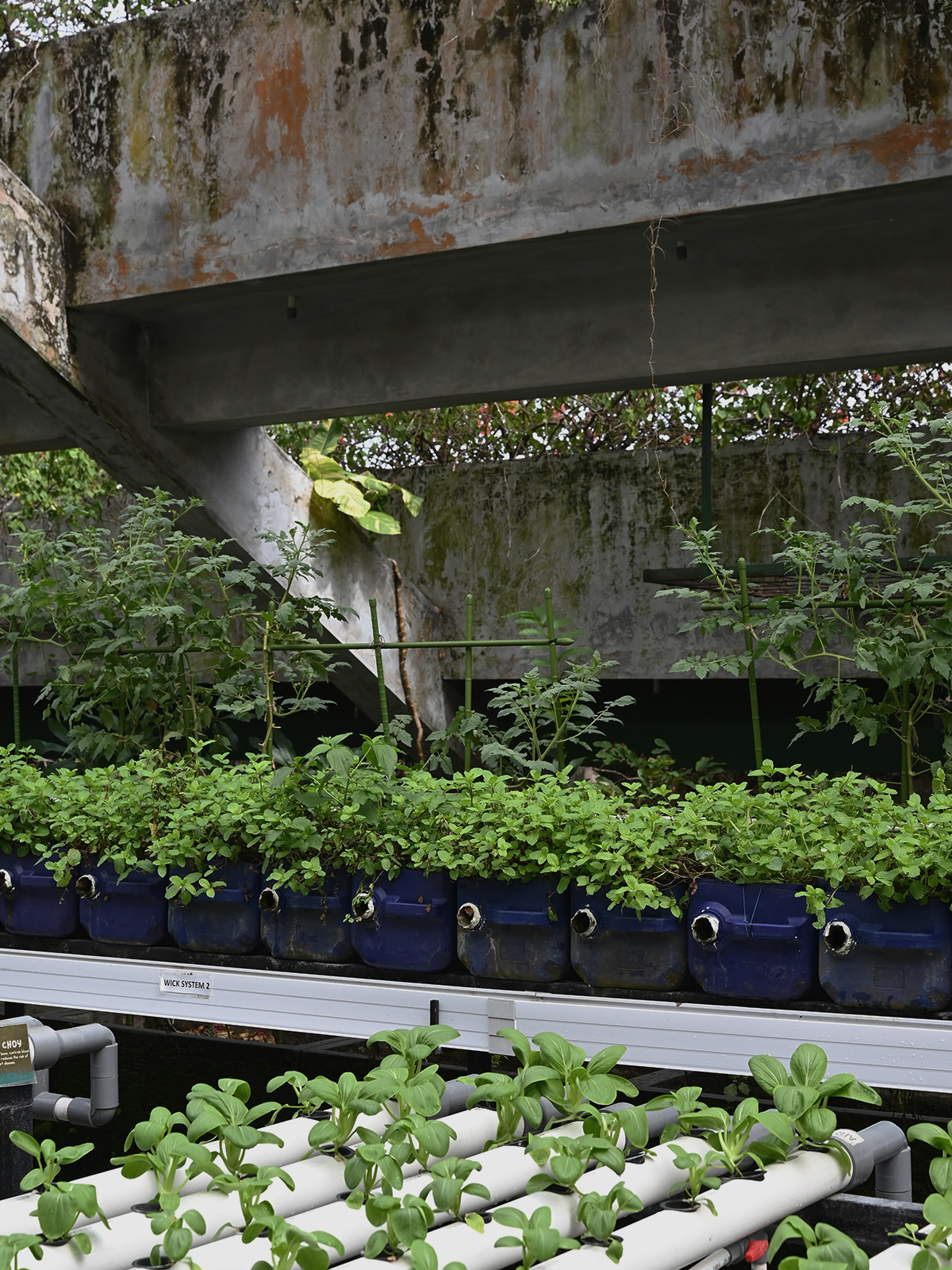
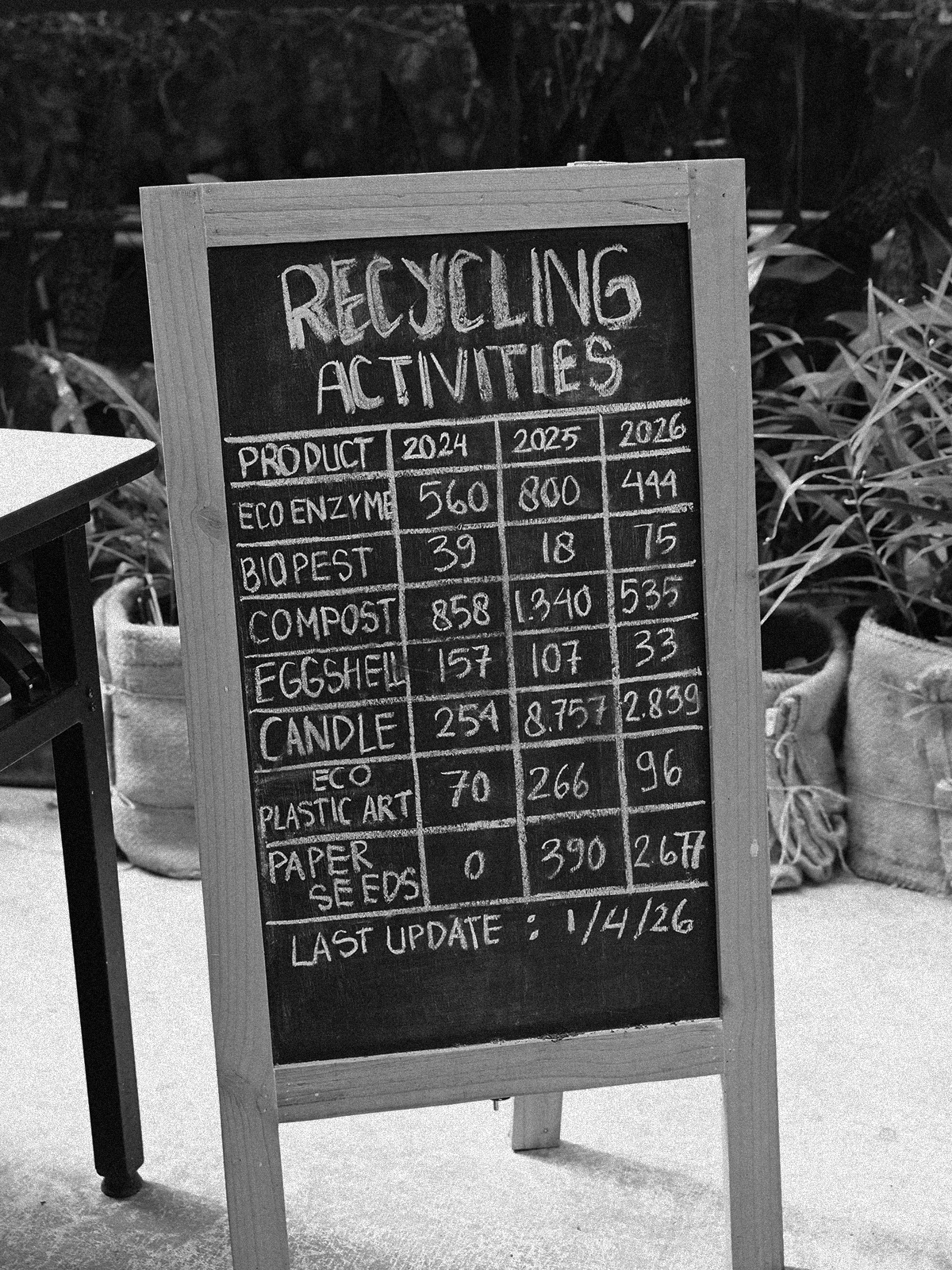
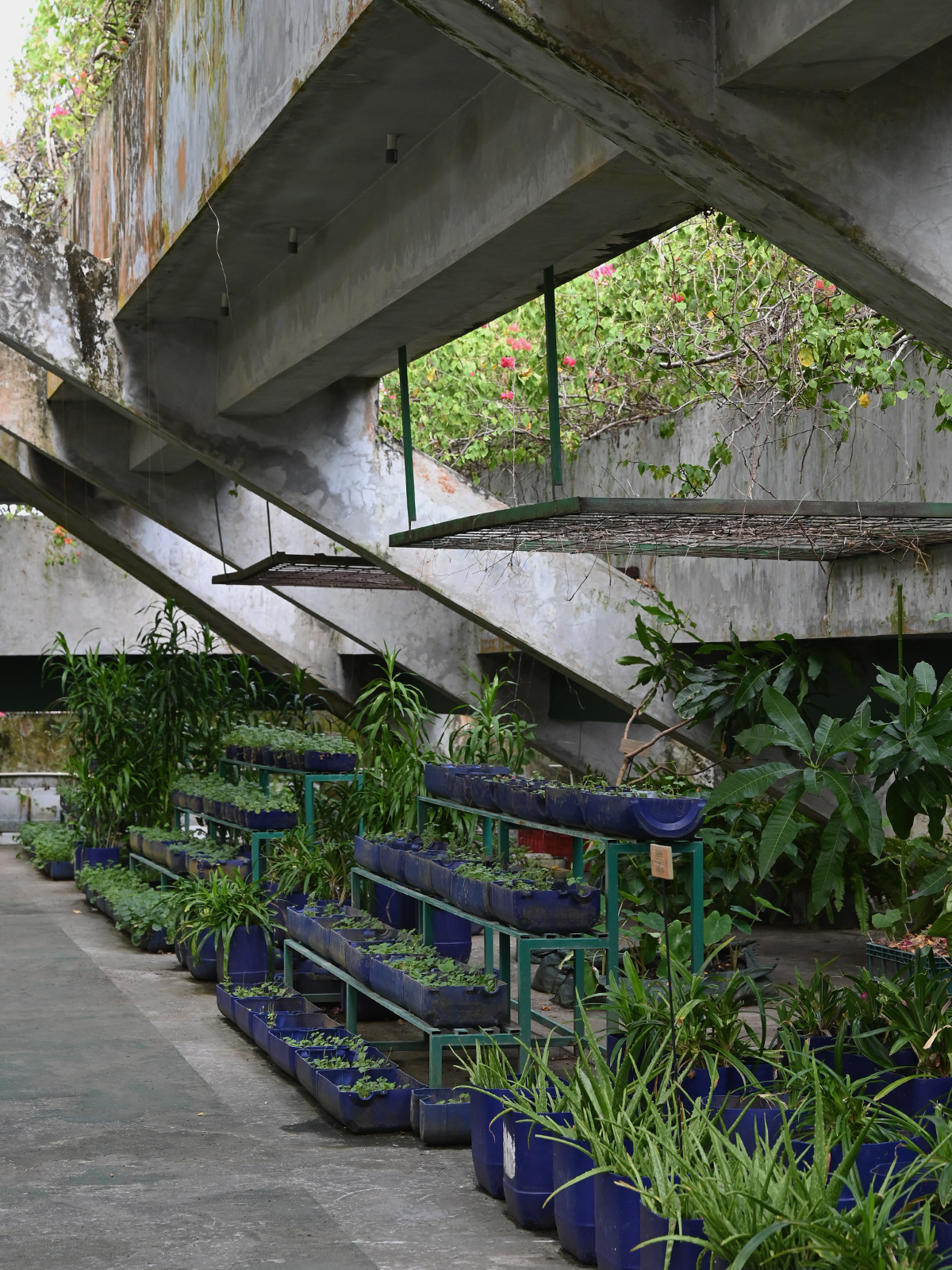
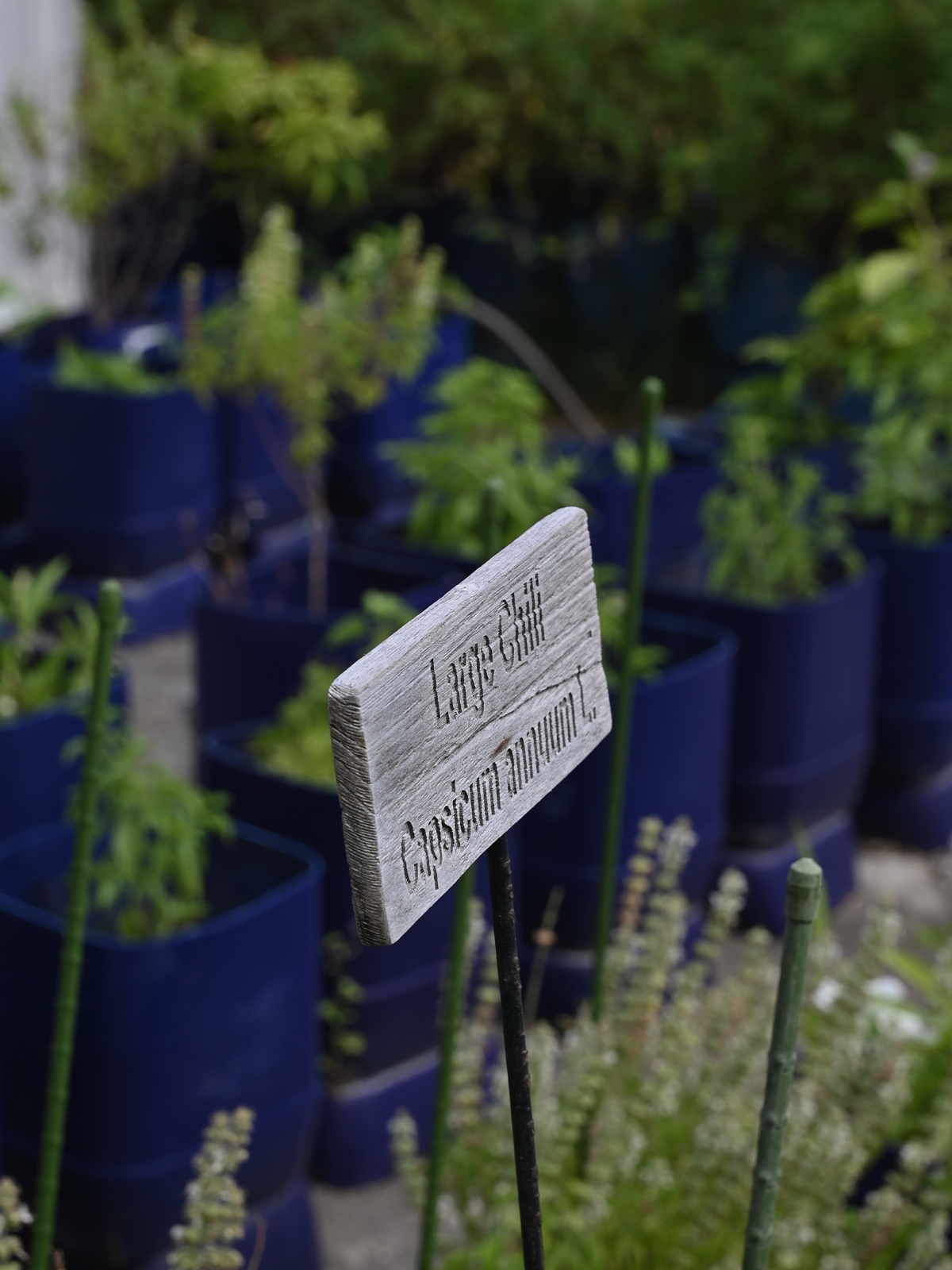
Behind the scenes, the operational logic is similarly circular. Kitchen waste feeds the hydroponic gardens. Clean energy practices reduce the baseline. Nature-based solutions, such as the mangrove planting initiative, offset what remains. The hotel is aiming for carbon neutrality by 2030. To get there, Sari says, we have to stop thinking about these initiatives as separate projects and start treating the whole property as a functioning ecosystem.
The Room the Industry Needs
Path to Sustainable Growth, the PTSG summit, now in its fourth year. It was born out of a specific frustration. For a long time, hospitality and corporate businesses approached sustainability in isolation. Everyone was running their own disconnected projects, cycling through the same surface-level conversations. The industry needed a room where those fragments could actually find each other.
The Apurva Kempinski Bali decided to build that room.
In 2025, the summit drew more than 250 industry professionals. The 2026 edition, taking place on 24 June at the Candi Ballroom, goes further. The theme, ‘Regenerate for the Future’, signals a deliberate shift in the vocabulary. Sustainability, as Sari puts it, is about maintaining the status quo and doing less harm. Regeneration is about actively healing, leaving things better than you found them. The distinction matters enormously for Bali, an island whose ecosystems, cultural heritage, and communities are not merely under pressure but in active need of restoration.
Defensiveness, in other words, is no longer enough. Being offensive, in the sense of actively pushing net-positive impact, is the only position that makes sense at this scale. The 2026 program is built around four panel discussions, each corresponding to one of four strategic pillars: Repurposing, Refreshing Lives, Regenerating, and Rethinking Resources. The speaker roster spans hospitality, finance, agriculture, and the creative economy; the summit’s explicit premise being that these problems cannot be solved within any single sector. Panels move through environmental stewardship, industrial innovation, and human capital. It is a full-day program with a coherent architecture, not a series of loosely connected talks.
The first panel, Legacy, examines the intersection of cultural heritage and future growth, featuring Wulan Tilaar, Vice Chairwoman of Martha Tilaar Group; Mita Alwi, Head of the Board of Trustees at Yayasan Warisan Budaya Banda; Anak Agung Gde Rai, Founder of Agung Rai Museum of Art (ARMA); and Heinz von Holzen, Chef-Founder of Bumbu Bali Restaurant & Cooking School. Preserving the Land and Nature follows with a discussion on environmental stewardship and renewable energy, bringing together representatives from BRI, alongside Tara Susanto-Joseph, Co-Founder of Bumiterra; Jeremy Cooper, Co-Founder of Beemahoney; Chandra Panjiwibowo, Regional Director of Asia Pacific at Rainforest Alliance; and Galih Batara Muda, Founder and CEO of Indonesia Coconut Hub.
The conversation then shifts to Regeneration, focusing on technical innovation and industrial transformation, with insights from Maitri Fischer, CEO of Eco-Mantra; Jelle Therry, Founder of Urban Nature; Valerine Chandrakesuma, CEO and Founder of WeDoo; Syakieb from Corporate & Brand Communications at PT Suparma Tbk; and Philippe Micone, Founder and CEO of Noovoleum. The final panel, Preserving People, centres on human capital, wellness, and social sustainability, featuring Desak Intan, Director of Hygiene, Safety and Sustainability at The Apurva Kempinski Bali; Merta Ada and Nago Tejana, Founders of Bali Usada; Natasha Clairine Mintarga, Founder of Rumah Atsiri Indonesia; and Agatha Anggiya Murni (Angie), Nutrition & Human Performance Strategist at 3C's.
The speaker roster spans hospitality, finance, agriculture, culture, wellness, and the creative economy, reflecting the summit's central premise: that the challenges of regeneration cannot be solved within any single sector. It is a full-day programme with a coherent architecture rather than a series of loosely connected talks, designed to move the conversation from preserving what exists to actively restoring and renewing what comes next.
Seeds of Change
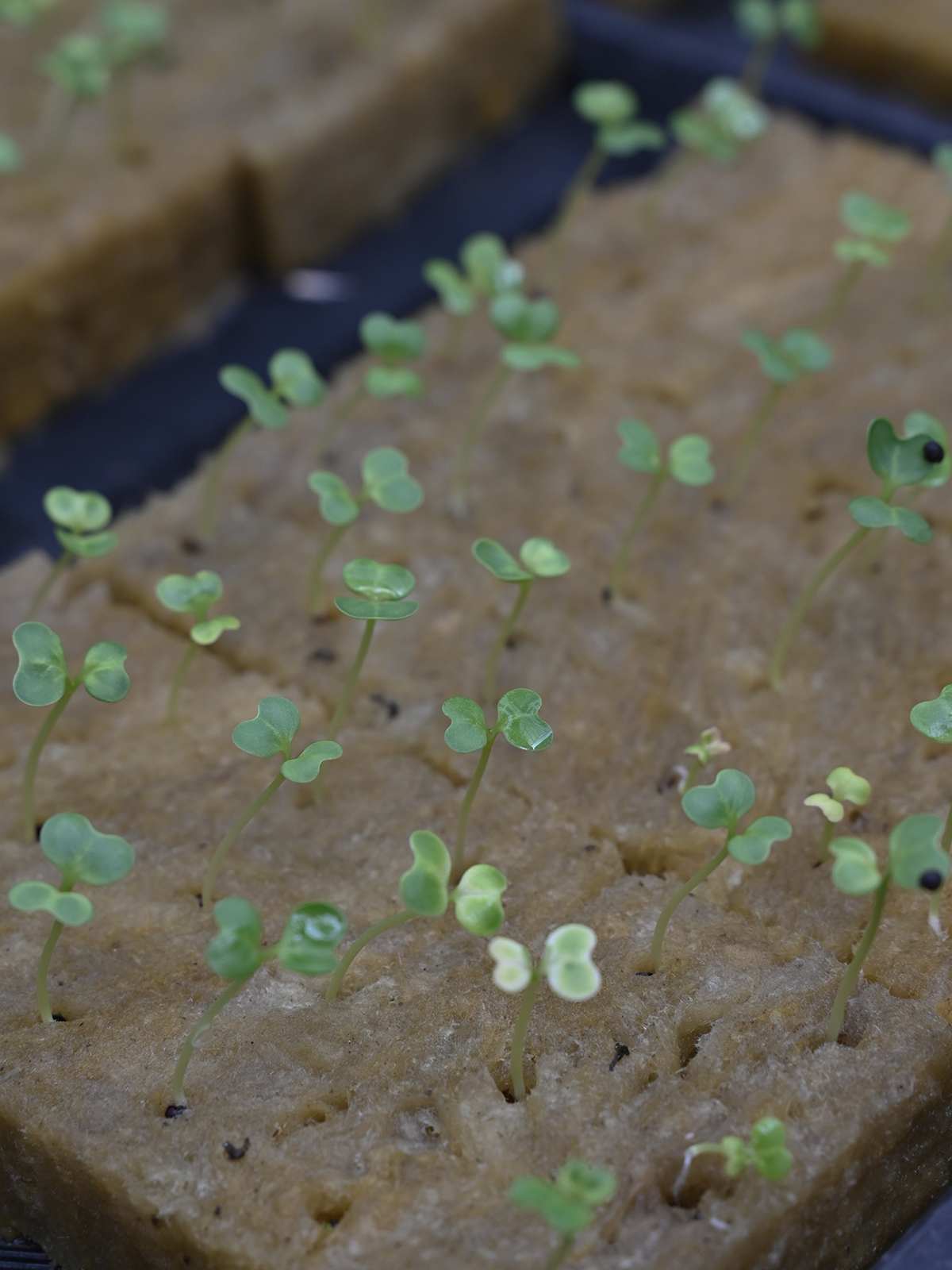
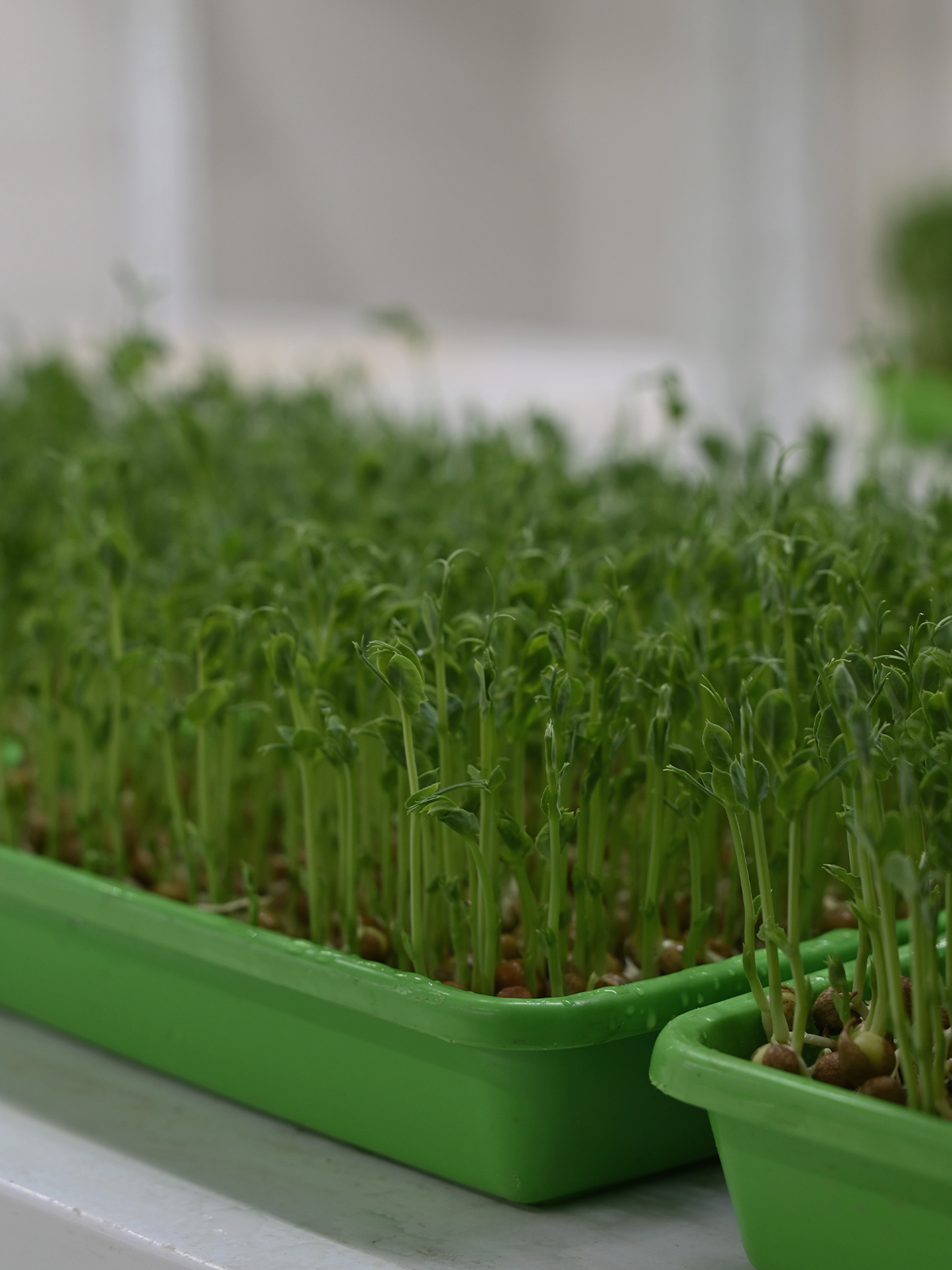
What makes the 2026 edition genuinely interesting is what comes after the summit. Seeds of Change is an eight-week incubation and mentorship program embedded into PTSG’s structure. It is designed to find, develop, and fund Indonesian students and early-stage startups working at the intersection of regenerative tourism and sustainable innovation.
The inspiration, Intan explains, came from a clear pattern: more and more young people and startups are actively choosing sustainability as their core focus. The problem is not a shortage of good ideas. It is a shortage of access, to funding, mentorship, corporate supply chains, and real-world testing environments. Brilliant concepts stay on paper. The hotel, with its operational scale and industry connections, is in a position to change that.
Ten shortlisted applicants will attend the summit in June before entering the eight-week curriculum, which runs July through August covering mentorship, business development, sustainability strategy, and impact refinement. The program culminates with a final business plan submission, followed by grants awarded to the top two teams: IDR 50 million for first place, IDR 20 million for second.
The ideas they’re hoping to attract are specific: smart waste management software, blockchain-verified ethical supply chains, alternative eco-materials, and agriculture tech that supports local farmers. What they want, more than any particular solution, is a dual mindset: a deep love for local heritage combined with the technical ambition to build systems that actually scale.


725 Trees
One of the more quietly powerful things The Apurva Kempinski Bali has committed to is measuring the carbon footprint of PTSG itself, and then physically offsetting it. In 2025, the summit generated 6,537.75 kgCO2e. Neutralizing that figure required 725 mangrove trees, planted in the ground by the hotel’s own team.
Sari says that when you see those numbers, the abstraction of climate science collapses into something uncomfortably concrete. 725 trees that need to exist because this event happened. That visual logic, she argues, is precisely the point, it changes how everyone involved thinks about their responsibility, from event coordinators to corporate sponsors. It turns environmental impact from a vague liability into a debt that has to be actively repaid.
The 2026 summit follows the same framework.
What Success Actually Looks Like
The 2030 carbon neutrality goal sits at the center of everything. But when you ask Sari what success looks like beyond the certification, the answer gets more interesting than any metric.
Success, she says, is when the hotel’s operations no longer leave a footprint but deliver a net-positive impact. It is when the barrier between ‘the luxury resort’ and ‘the local community’ has been dismantled entirely, until the resort and its surroundings are just one living, breathing whole. It is when the team no longer needs a checklist to act sustainably.
When guests feel peace rather than guilt. When the next generation of Indonesian hospitality leaders looks at this property as proof that business prosperity and environmental healing are not opposites. That is a significant ambition for a hotel in Nusa Dua. But then, the building is already perched on a cliff. Modest goals were never really the point.
EXPLORE THE PUNCH