

THE PUNCH • IMPACT STORIES
The Miracle Tree
Treelogy's Regenerative Journey
Written by The Punch
Treelogy is reintroducing Bali's "forgotten superfood" to the world, through moringa grown and crafted to stand for purity, resilience and well-being. Rooted in the volcanic foothills of Mount Agung, on a six-hectare regenerative farm in Datah, Karangasem, the brand applies regenerative principles to every step, from cultivation to the finished product. Named The Punch Sustainable Brand of the Year in 2024, Treelogy saw its Organic Moringa Capsules win The Punch Sustainable Product of the Year in 2025.
Founder Sacha Aguila, from New Caledonia, has known moringa all his life. Forty years ago, his grandparents' foundation, Enfant du Monde, reintroduced the tree to villages in Burkina Faso to fight malnutrition. "I grew up with this tree as a tool of service, not a commodity," he says. During the pandemic, Sacha and his mother saw how heavily Bali depended on tourism, with around 80% of the economy tied to it, and saw moringa as a path to a healthier, more resilient future. Today Treelogy's powder, capsules and cold-pressed seed oil, its three purest forms of moringa, serve both people and land. "I needed to prove that capitalism can be ethical," Sacha says. "Treelogy is my attempt to use that tool the right way."

PEOPLE CARE, EARTH CARE & FUTURE CARE
Treelogy takes its inspiration from Tri Hita Karana, Bali's philosophy of harmony between people, nature and spirit, and its mission is shaped by permaculture. People Care extends to everyone, from customers to farmers, with Treelogy owning every step of production from soil to shelf. Earth Care means working in symbiosis with nature to build an ecosystem that can withstand a changing climate.
Future Care treats the farm as an incubator for future generations, building the knowledge and skills of tomorrow's leaders. And the philosophy is tested when times are hard. When a technical glitch with its advertising account recently cut sales, Treelogy chose to slow the development of its second farm rather than cut salaries or jobs. “Projects can wait. People cannot,” Sacha says. For him, Tri Hita Karana is “not a philosophy reserved for moments of abundance.”

THE MANY BENEFITS OF 'THE MIRACLE TREE'
Moringa, known locally as kelor, earns its "miracle tree" name for its many health benefits, and it grows with very little water. According to Treelogy, its leaves contain 13 vitamins, 10 minerals, 46 antioxidants, 36 anti-inflammatory compounds and all nine essential amino acids. They are traditionally valued for supporting the immune system, skin, vision, bones and energy (through calcium and iron), for protecting against oxidative stress and inflammation, and for aiding digestion through their fibre.
Treelogy's view is that this value lies in the leaf's complete natural profile, with vitamins, minerals, polyphenols, antioxidants, fibre and protein working together, rather than in an extract. That is why it spent more than a year making the scientific case to Indonesia's BPOM until the rules changed to allow 100% pure moringa capsules. Treelogy is now the first and only brand in Indonesia offering moringa in its three purest forms. "Whenever integrity and convenience are in conflict," Sacha says, "integrity comes first."
BEYOND SUSTAINABILITY: A REGENERATIVE APPROACH
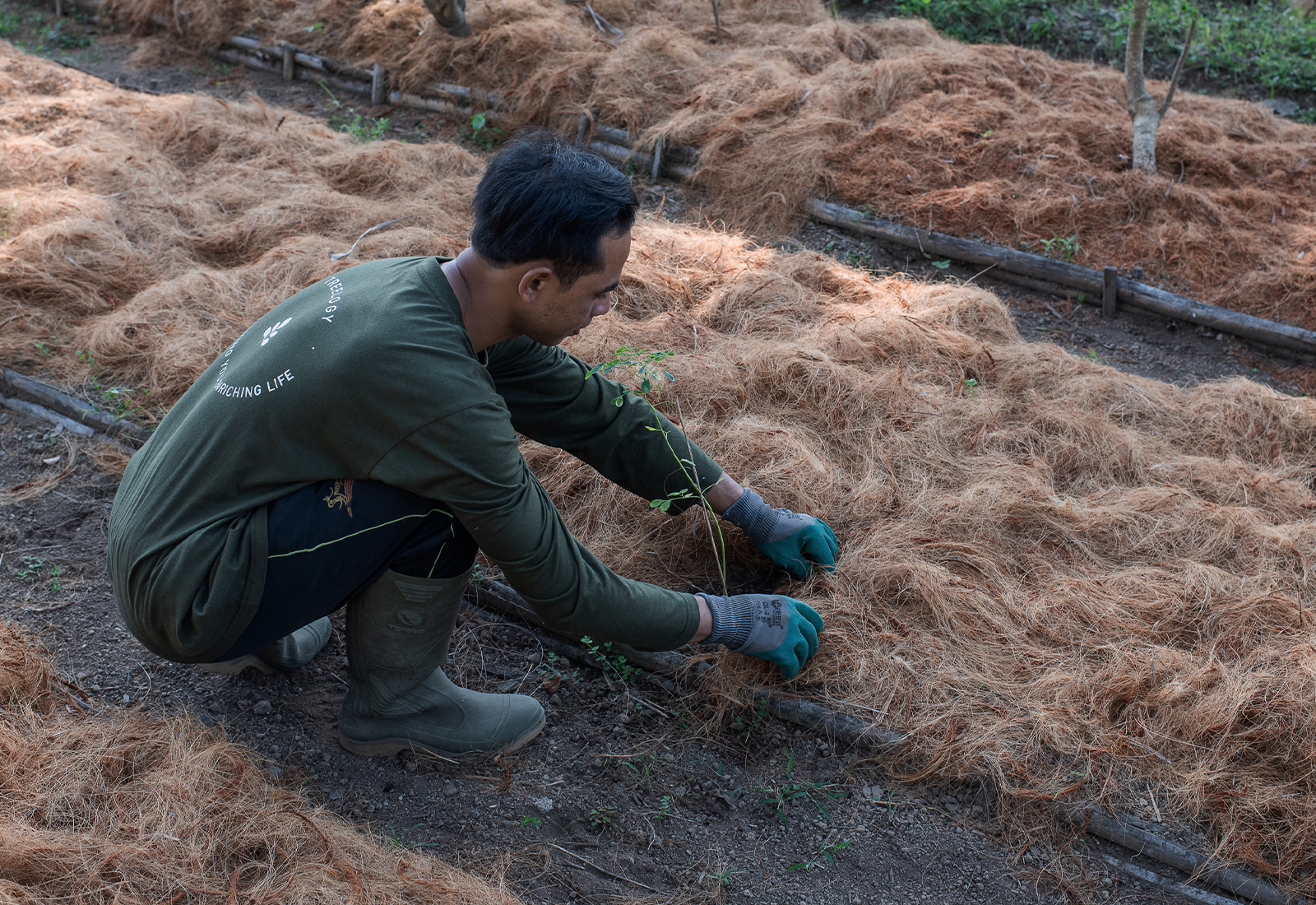
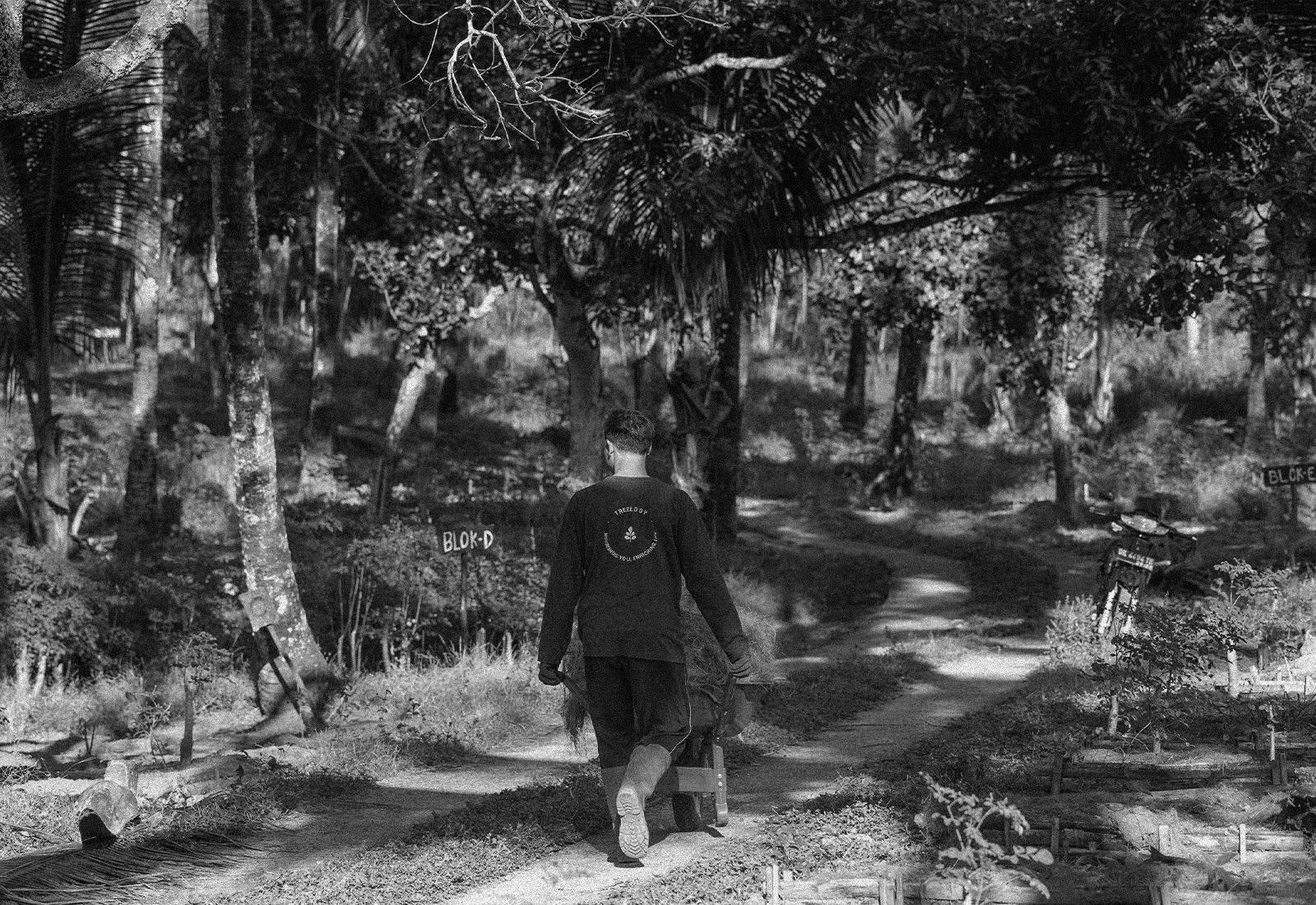
For Sacha, sustainability is only the starting point. The farm runs as a closed loop: nothing is wasted, and everything has a purpose. Thirty-nine goats graze the cover crops in place of machines and synthetic fertilisers, eat the moringa stems and return them to the soil as manure. In its on-farm "Kitchen", the team makes its own compost, vermicompost, biochar and fermented biofertilisers, and even goat urine is collected and fermented into fertiliser. Coconut husks from neighbouring farms are laid around every tree, cutting watering by 30–40% as they feed the soil.
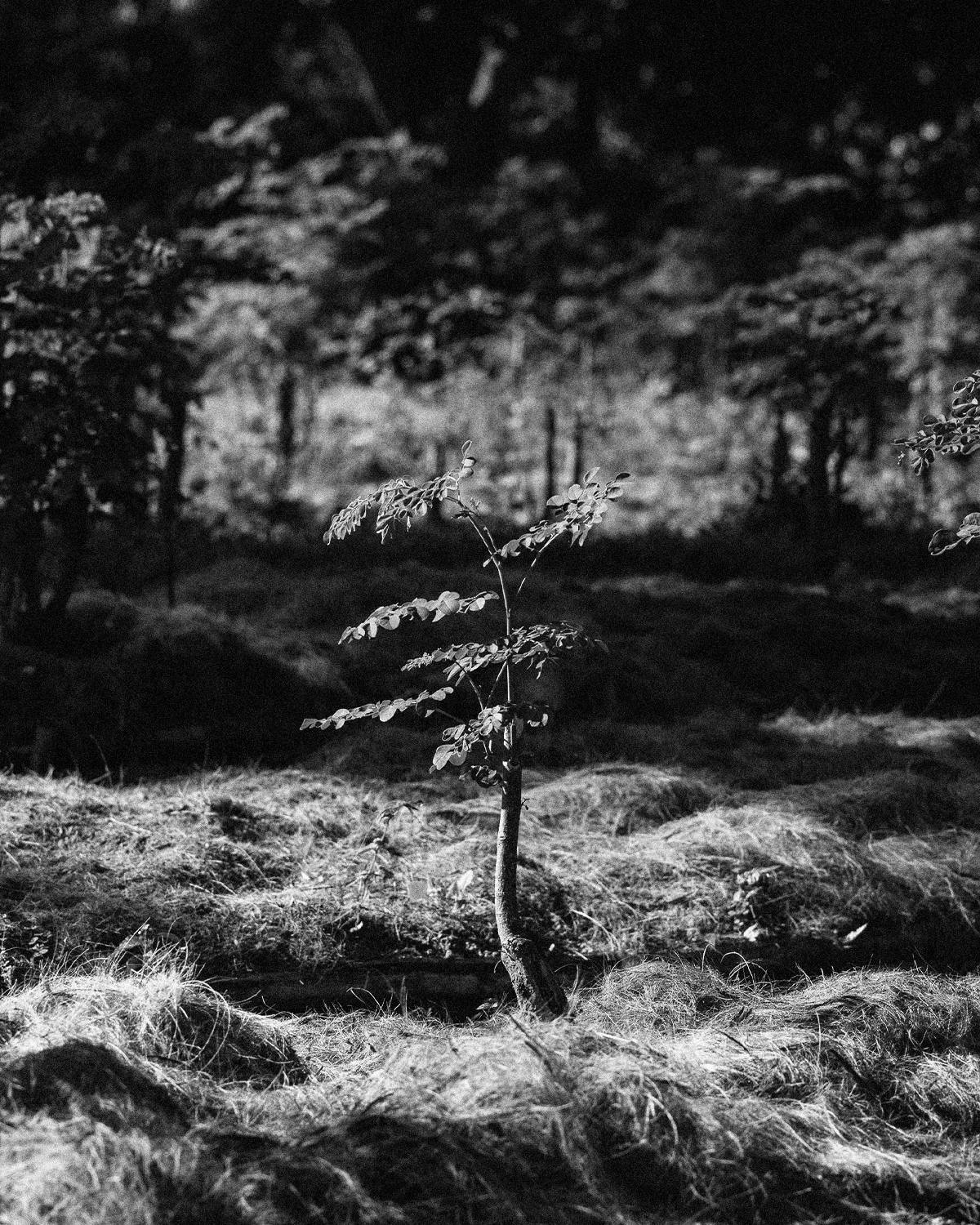
Rainwater is harvested in ponds and tanks, and swales and contour planting catch rain before it runs off. Irrigation is gravity-fed, with no pumps. The whole farm is a no-pesticide zone, protected only by neem oil, garlic sprays, fermented plant extracts and trap crops, while flowering plants and wild corners invite pollinators and wildlife back to the land. No soil is ploughed, and only 30% of each tree's branches are ever harvested. The result is a life-giving cycle that keeps renewing the soil's health, resilience and productivity. Today the farm is home to 16,729 moringa trees.
METICULOUS PROCESS FOR OPTIMAL QUALITY
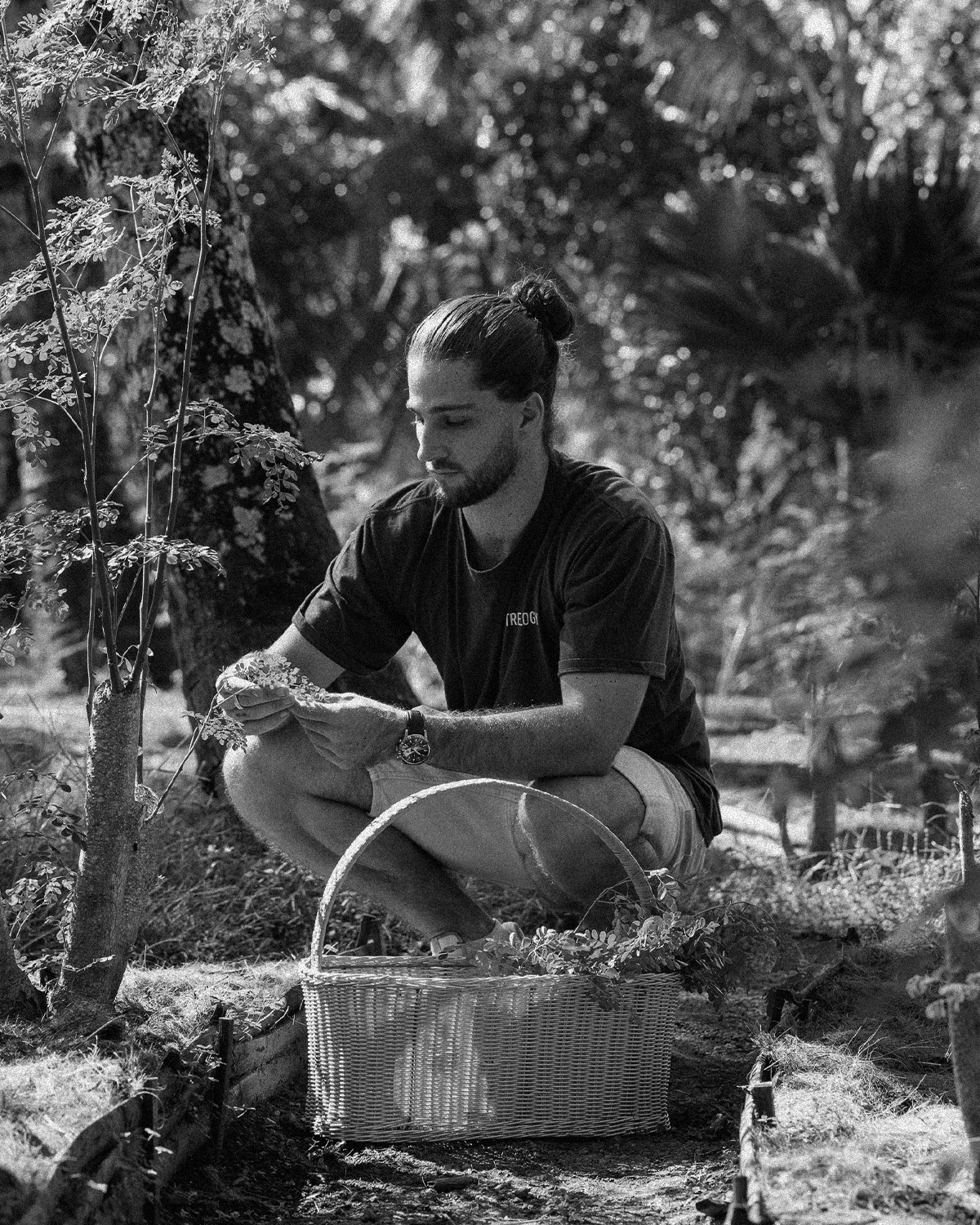
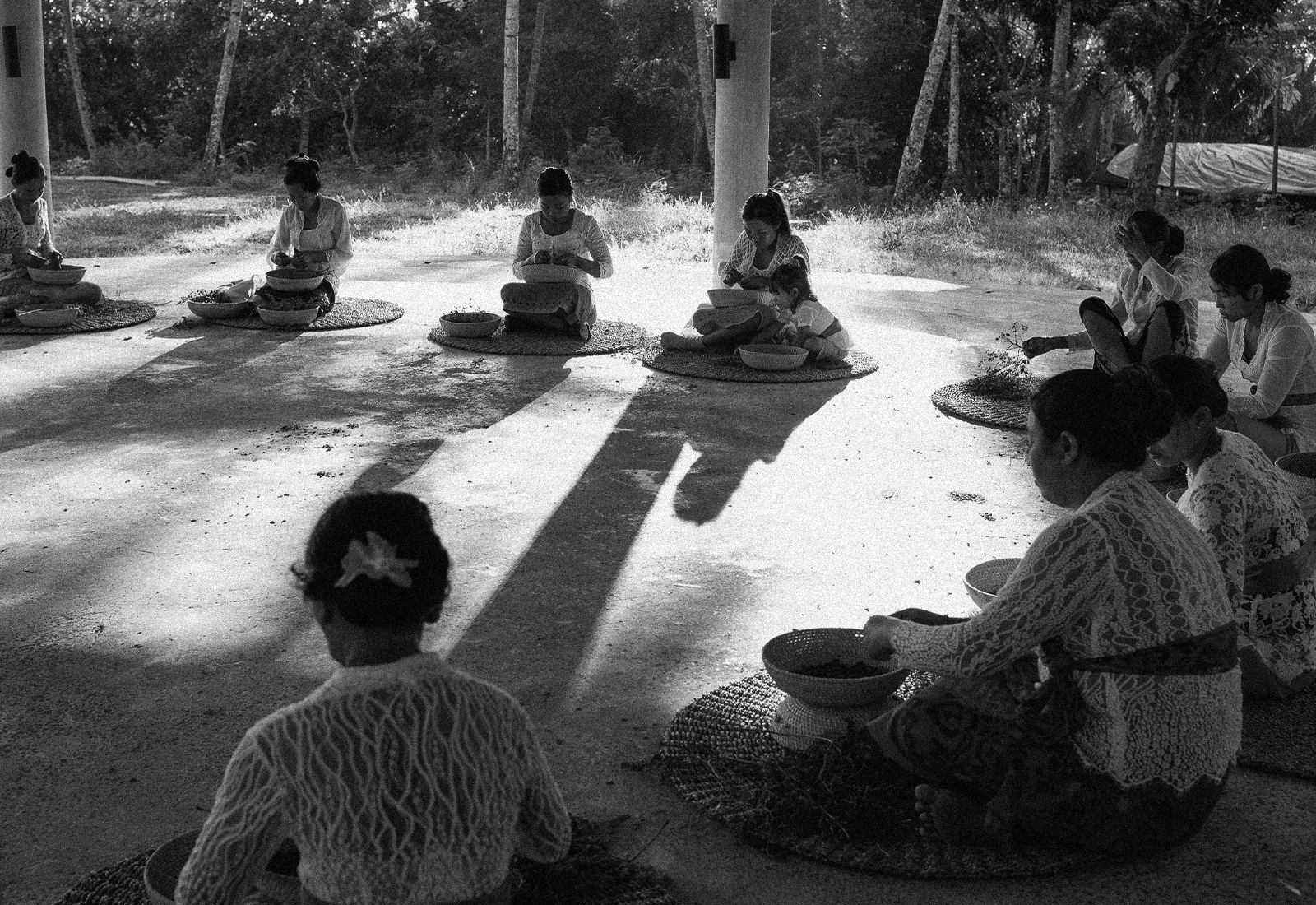
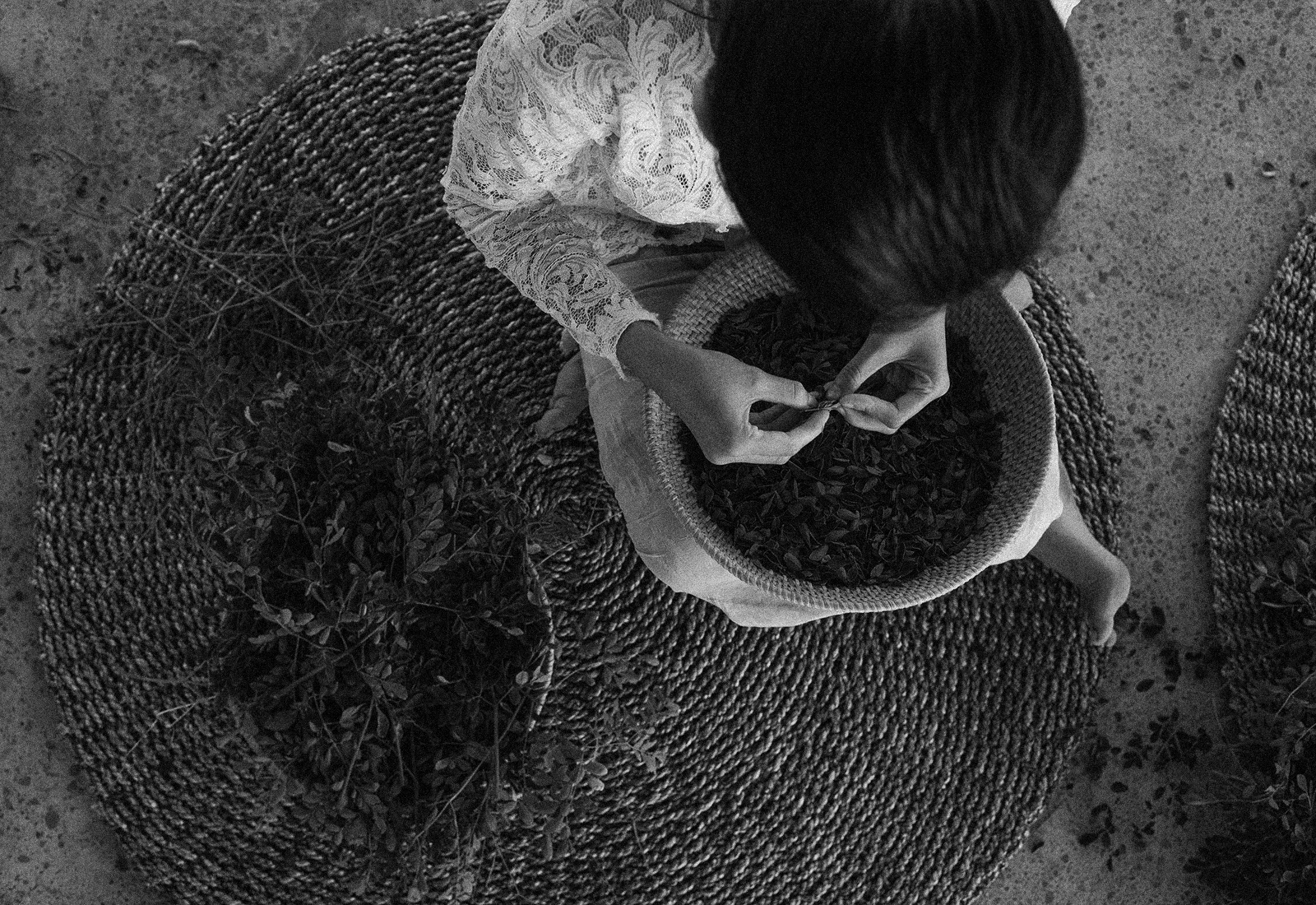
Every morning, as first light reaches the trees, farmers hand-harvest the branches chosen for that day. In the leaf shed, 30 women from the surrounding villages then separate every leaf from its stem by hand, a ritual that preserves the leaf's potency. An hour of their work produces 65 grams of fresh leaf, or just 12 grams of powder. While some processing methods include the stems, Treelogy separates every leaf by hand to create a stem-free powder distinguished by its vibrant green colour and fresh taste. The aim is for every leaf to reach the next stage within four hours.
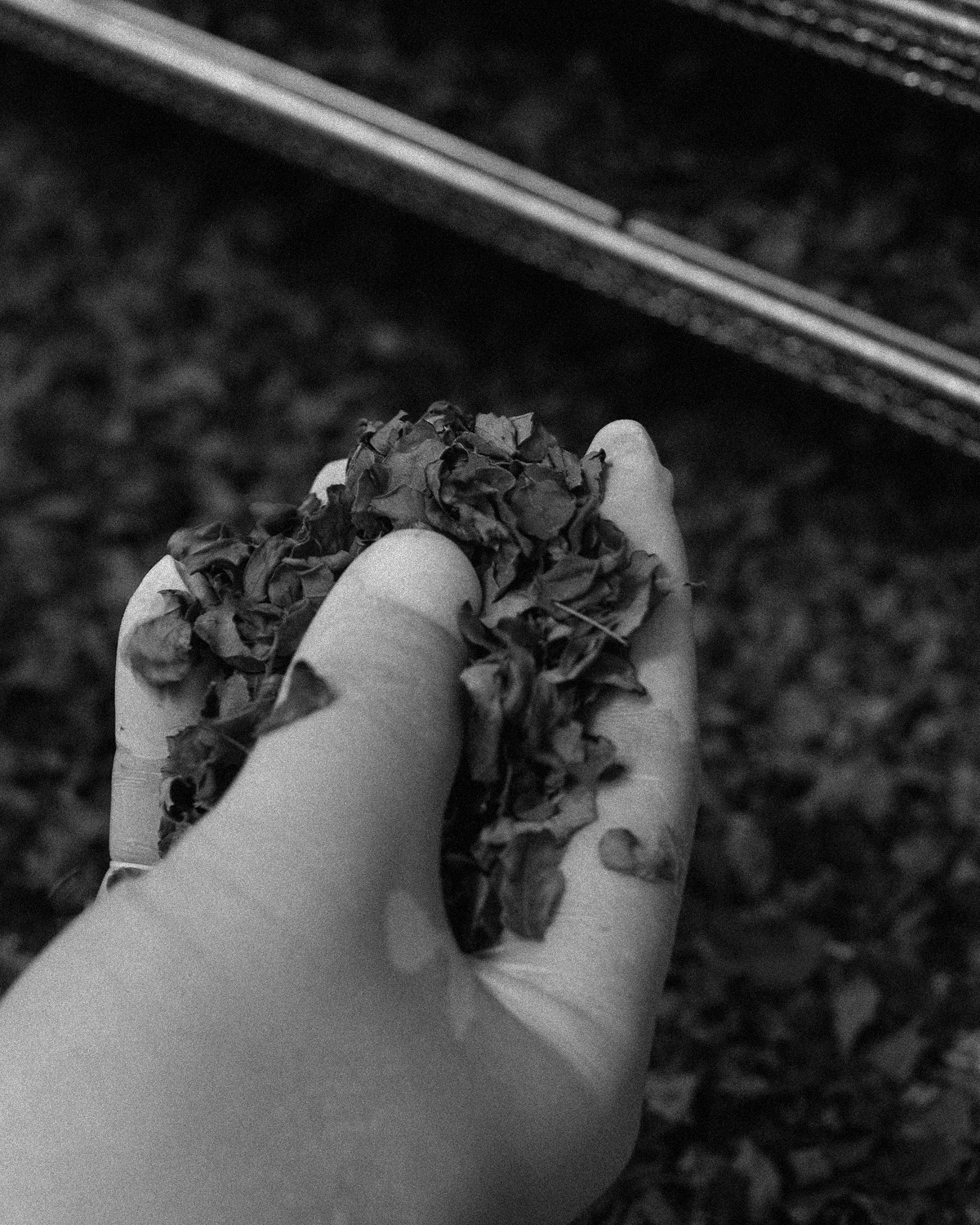
The leaves are washed in ozonated water on the farm, then dried at 38°C for 22 hours to lock in colour, aroma and nutrients. They are then milled, encapsulated and packed minutes away at Treelogy's own 690 m² BPOM-certified facility, which has three licensed labs. The powder goes into reusable tins and the oil into glass, without preservatives, and the mailer boxes and paper bags are FSC-certified. The seeds get the same care: shade-dried and hand-peeled, cold-pressed without heat or solvents, then left to settle naturally for two weeks. The farm is certified organic to USDA, EU and Indonesian SNI standards.
STRONG ETHICS IN BUSINESS OPERATIONS
Treelogy's ethics are tied to both the quality of its products and the conditions of the people who make them. Everyone, daily workers included, earns at least 36.9% above the regional minimum wage, a commitment Sacha made before the company earned its first dollar. "If you truly believe in building an ethical company, those values cannot wait until they are affordable," he says. In June 2026, Treelogy was awarded FairTSA fair-trade certification.
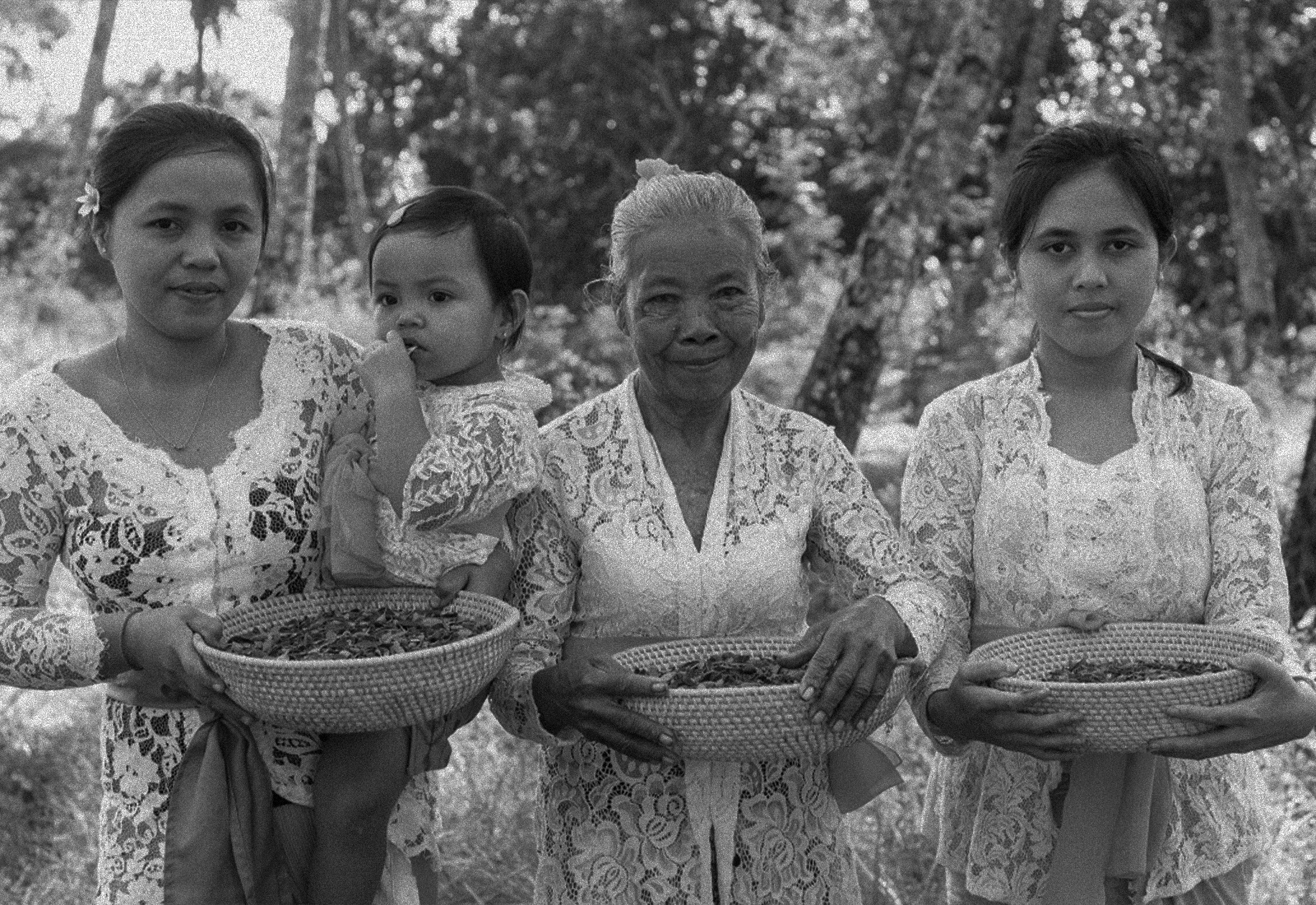
Its founding principle is to "bring the industry to the village, not the village to the industry." Rather than build in an industrial zone, Treelogy built its factory minutes from the farm in Karangasem, Bali's poorest regency, even though it cost 30% more. Of the 72 people at the farm and factory, all but seven come from the surrounding villages. Several generations of a family often work together each morning: a grandmother separating leaves while her son works the farm. That keeps young people connected to their land rather than leaving for the tourism economy. "You cannot harvest vitality from a community that is only just surviving," the team says.


APPROACHING CLIMATE CHALLENGES
Facing climate change takes patience and observation. Treelogy pairs forgotten traditional solutions with innovation and follows nature's rhythms, which brings its own challenges, from managing pests naturally to adapting to unpredictable weather, such as prolonged rains that slow the moringa's growth. Regenerative agriculture goes further than adaptation: it revitalises soil, increases carbon capture and encourages biodiversity, helping to soften climate impacts. For Sacha, these practices are fundamental to long-term self-sufficiency and a more resilient farming system.
Treelogy is now building that resilience into how it grows. Its first farm taught the team that the ideal model is a farm of around three hectares, small enough to keep separating every leaf by hand. Instead of one large plantation, Sacha is building a network of around fifteen such farms across Indonesia, operating as a cooperative, so that if one is hit by drought, flood, earthquake or eruption, the others carry it. A second three-hectare farm began planting in August 2026, and a third is planned for 2027. The farm and factory will run fully on solar power by 2030, and Treelogy is working towards Regenerative Organic Alliance and B Corp certification. "Grandfather," Sacha would tell him today, "my tree is finally rooted. Look how well it grows."
EXPLORE THE PUNCH
Celebrating Remarkable
Businesses with Impact