

THE PUNCH • STORIES
La Mewali Resort
What the Field Is Worth
Curated by The Punch Editors
Category:Eco-Wellness Resort
Location: Jl. Raya Canggu, Bali
Opened: June 2026
Structure: 41 units: 8 Pool Villas and 33 Suites
Design Philosophy: Sculptural, cave-inspired
Local Team: 100% local residents
Distance: 1 hour from Airport
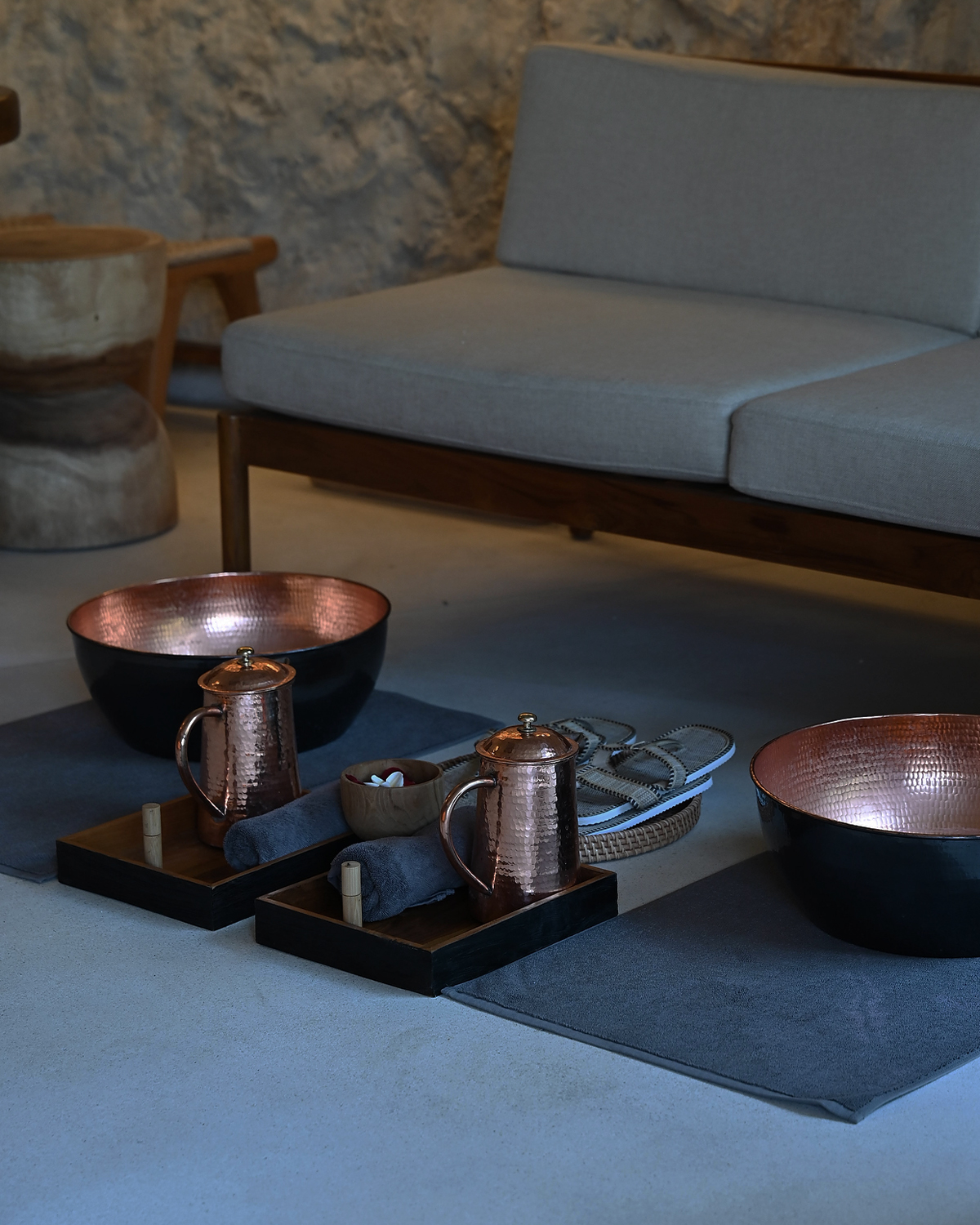
At La Mewali Resort & Spa Canggu, arrival begins with water: a herbal welcome drink, a face mist, a foot wash at check-in. Beyond the lobby, layered lagoon pools wind through the property between 33 suites and eight terracotta villas, with waterfalls, island pools and rooftop water features along the way. All around are rice fields. The resort's name comes from the Balinese word for return.
That setting carries more weight than it used to. In September 2025, flash floods killed at least 18 people in and around Denpasar, and Bali's governor responded by halting new permits for hotels and restaurants on productive land, especially rice fields. In Canggu, built development had already gone from almost none of the land in 1965 to more than half by 2025.
A new resort opening here in June 2026, as La Mewali did, opens into that conversation whether it wants to or not.
La Mewali's answer is to start from the field rather than ignore it, and then to make a series of quieter choices about how it runs. Its team puts the idea simply: personal wellbeing, in their view, is closely connected to the health of the environment and the community around it.
Built From the Field
“The rice fields were our starting point, not a backdrop we designed around,” the team told The Punch. The clearest proof is the eight villas. Each is a sculptural terracotta form inspired by Pocahan Padi, a reference the resort ties to the natural forms and agricultural heritage of Bali. The goal, in the team's words, was for the buildings to feel as though they had grown out of the landscape rather than been placed on top of it.
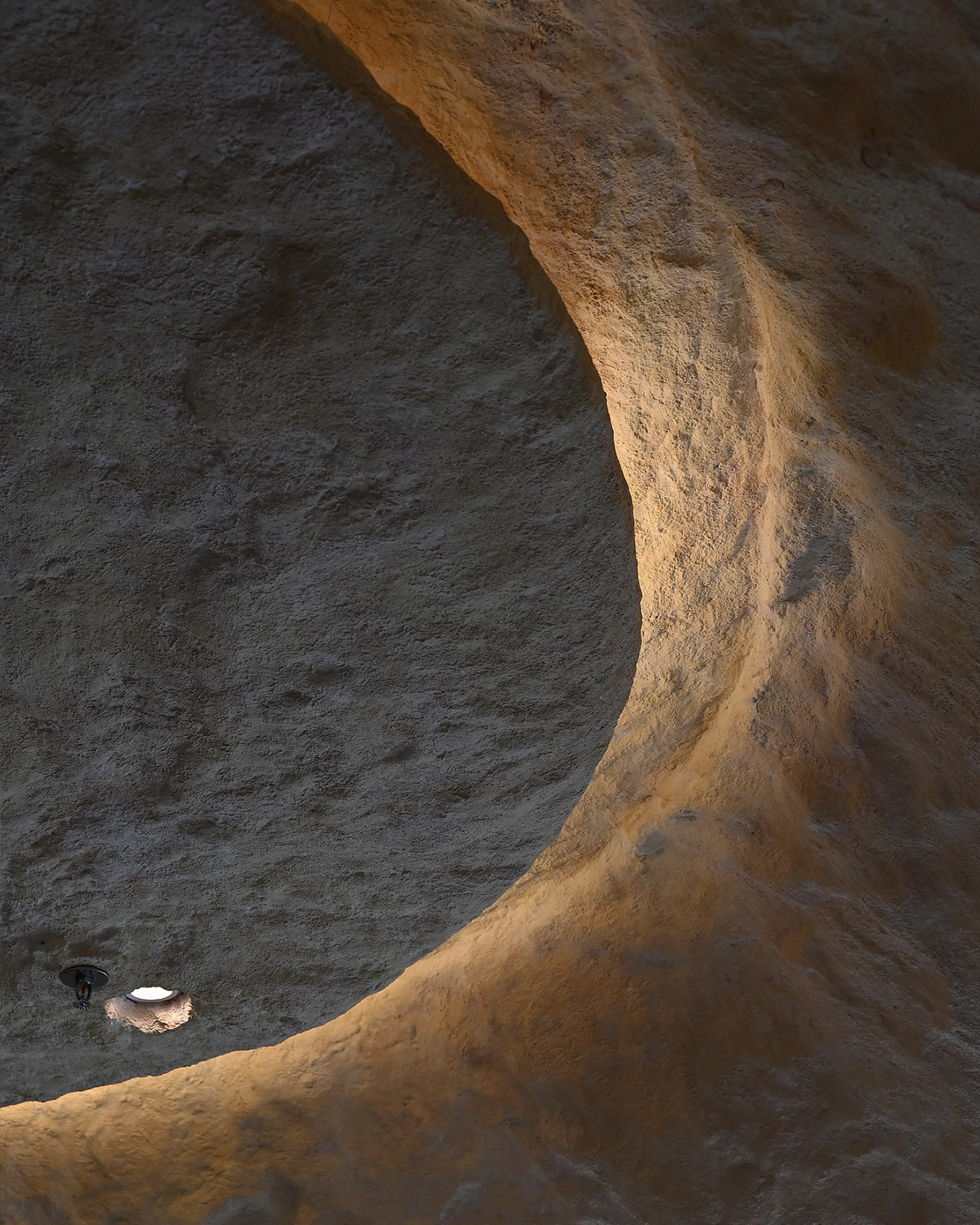
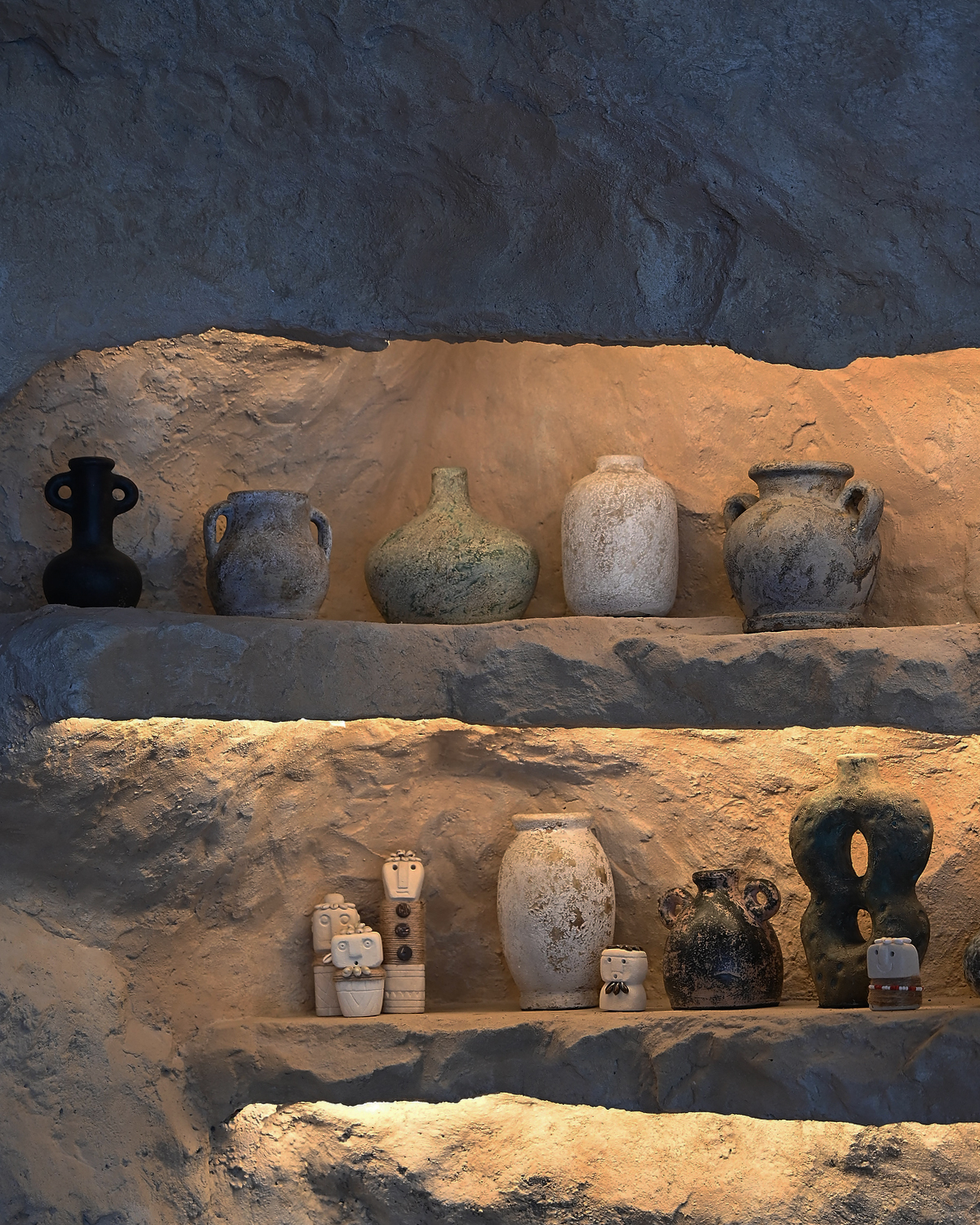
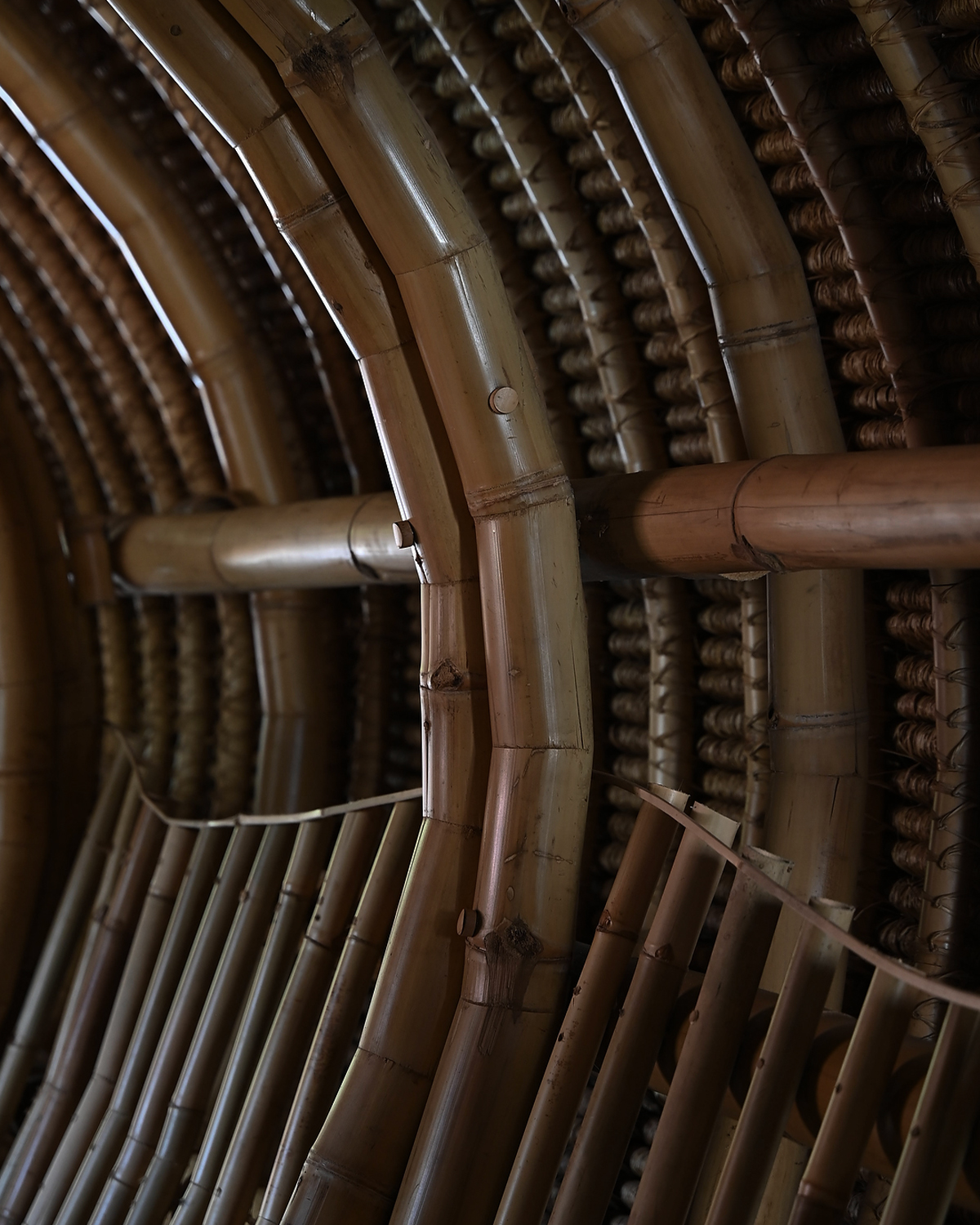
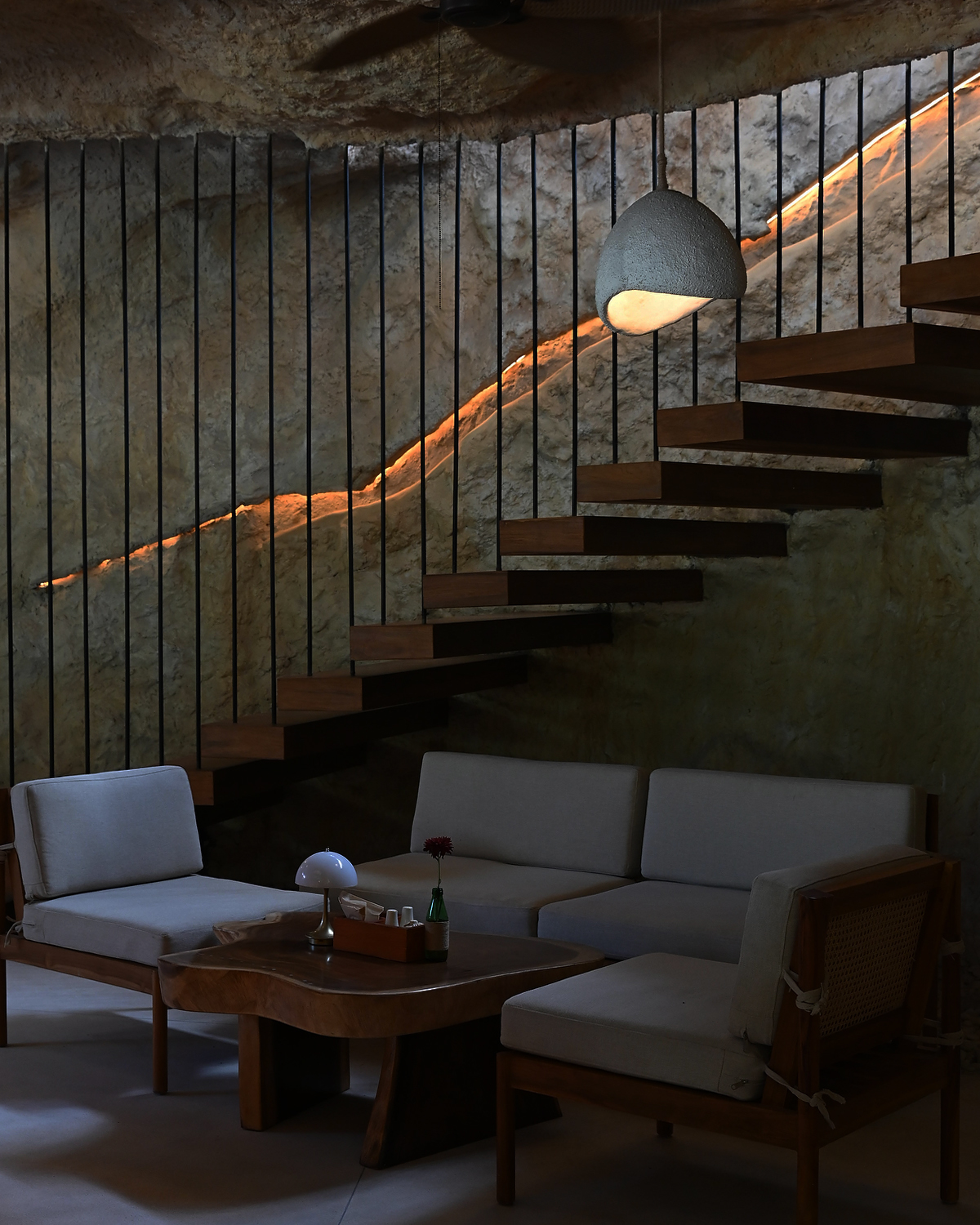
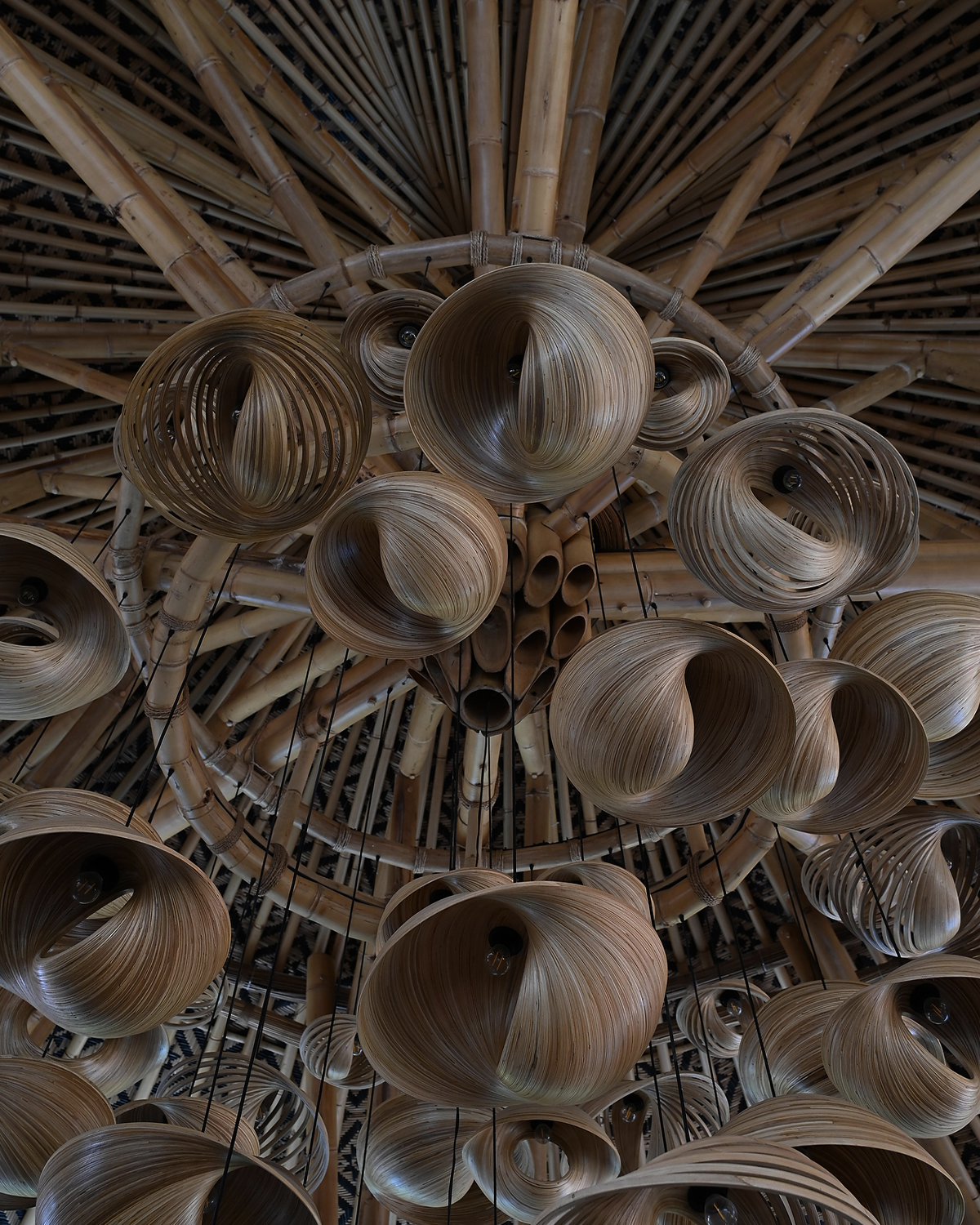
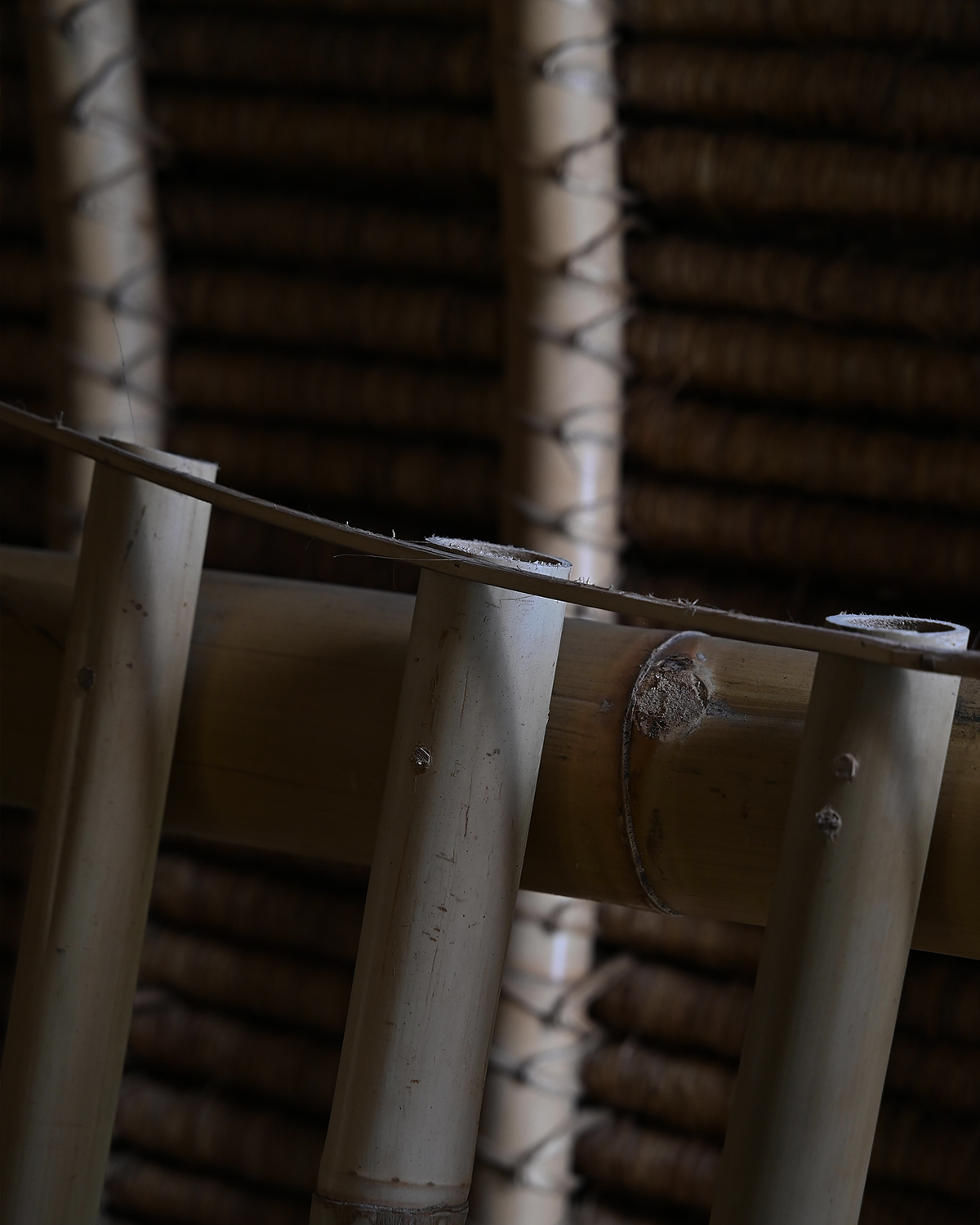
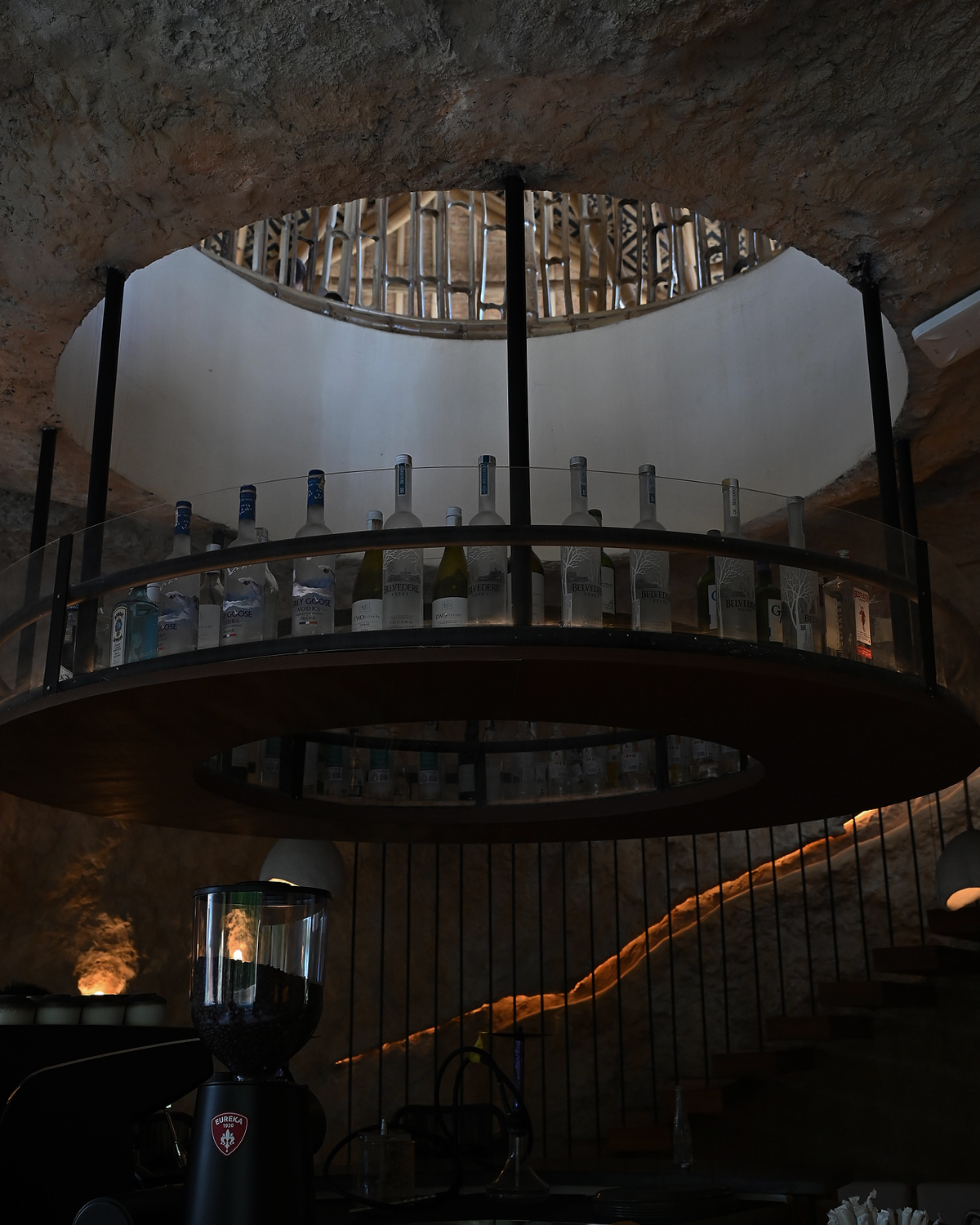
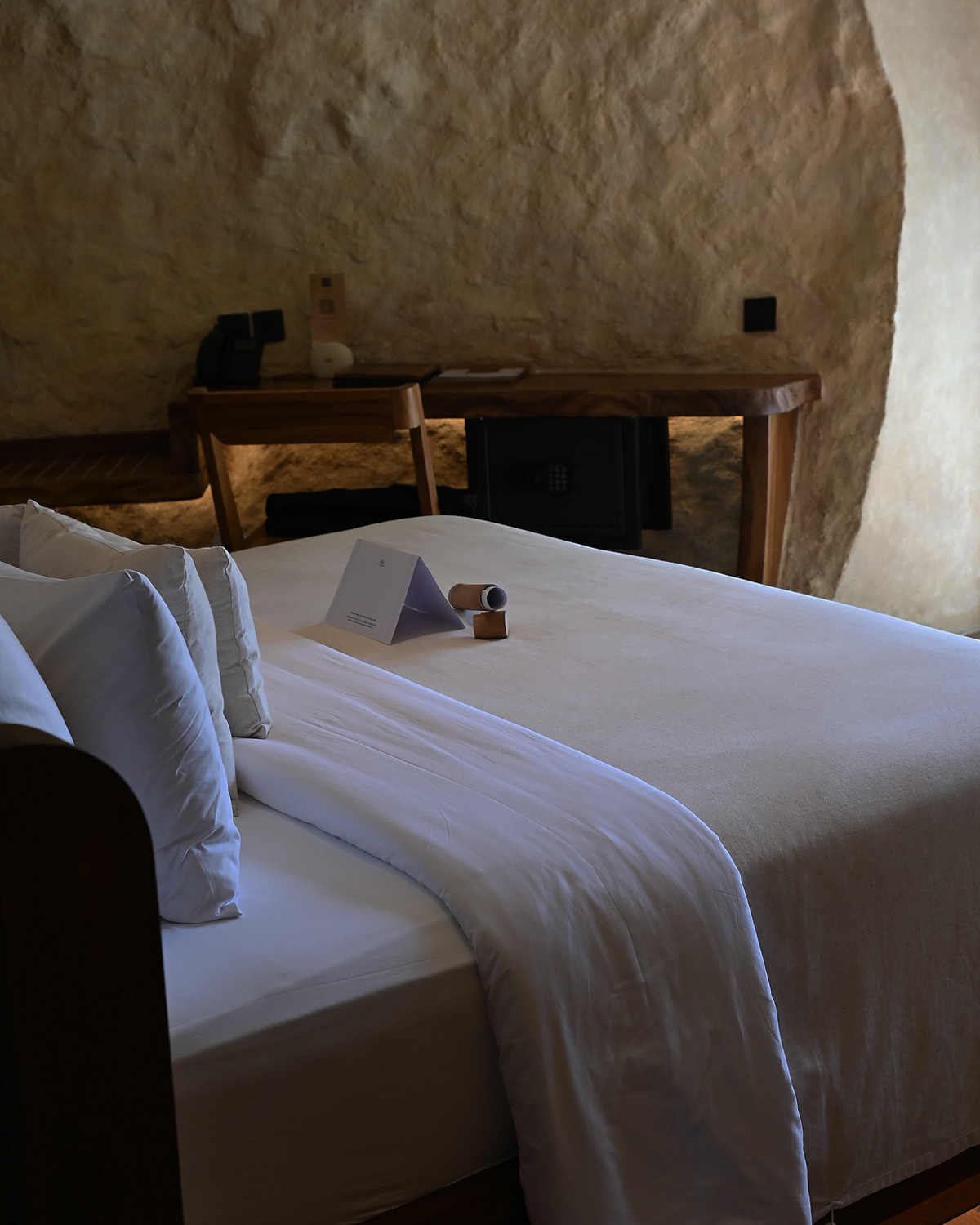
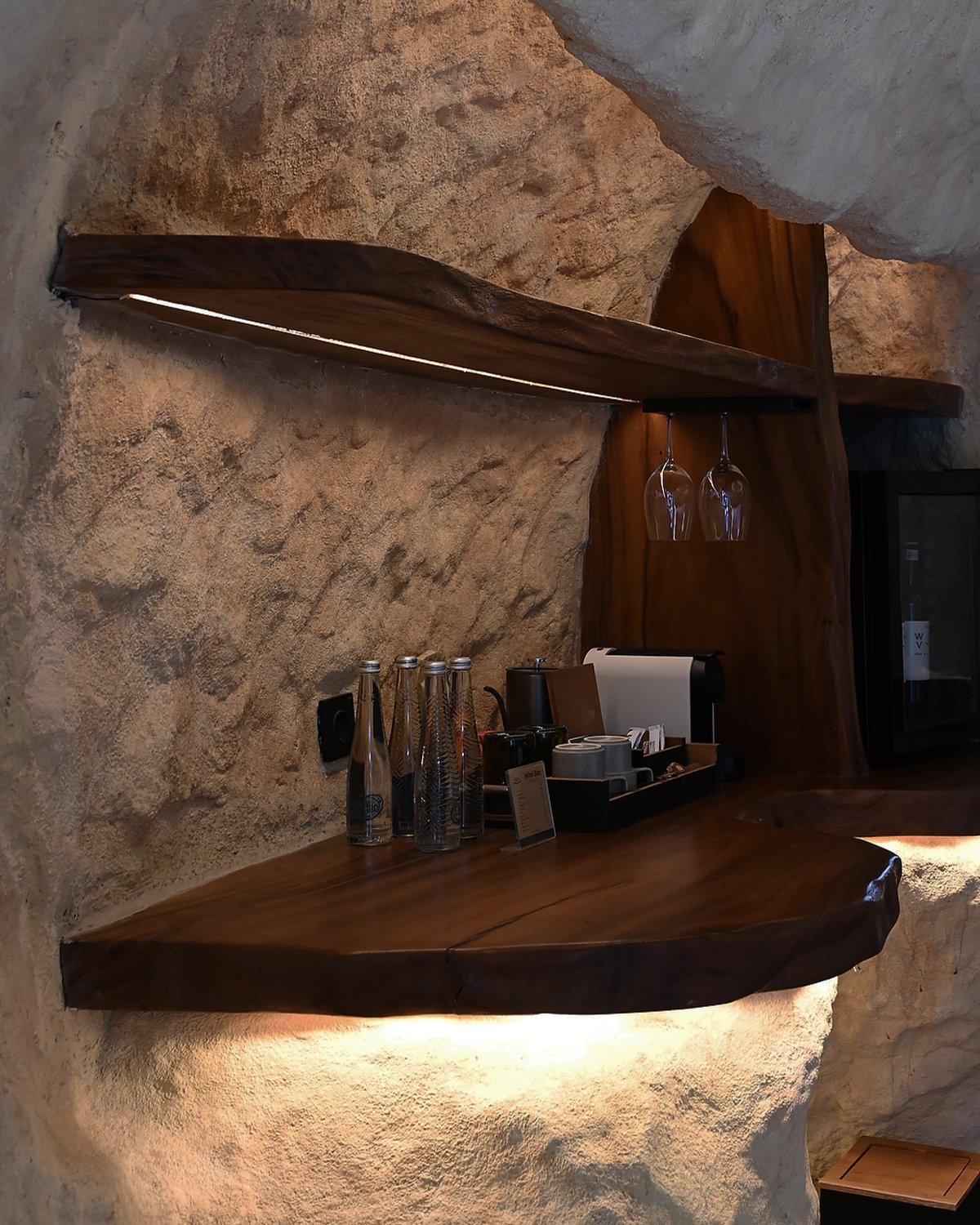
The master plan follows the same logic. It curves instead of running in straight lines, and the team traces the idea, which they call fluid living, to watching how water and light move through Bali's landscape: “nothing forced, everything connected.” Inside, the villas and suites are shaped by cave-inspired walls and finished in bamboo, wood, stone and terracotta. The aim was for guests to feel held, in spaces that curve around you rather than corner you in.
The design is also doing practical work. The resort says its architecture uses natural light, open spaces and considered ventilation to cut unnecessary energy use, and it describes its materials as natural and responsibly considered. Sustainability here begins with the building itself.

The Question of Water
Water is the heart of La Mewali, and on Bali that brings responsibility. The IDEP Foundation, an Indonesian NGO, has estimated that tourism accounts for around 65 percent of the island's water use, and researchers have linked heavy groundwater pumping to falling water tables and salt water entering wells. For a resort whose defining feature is a lagoon, water is the obvious measure of intent.
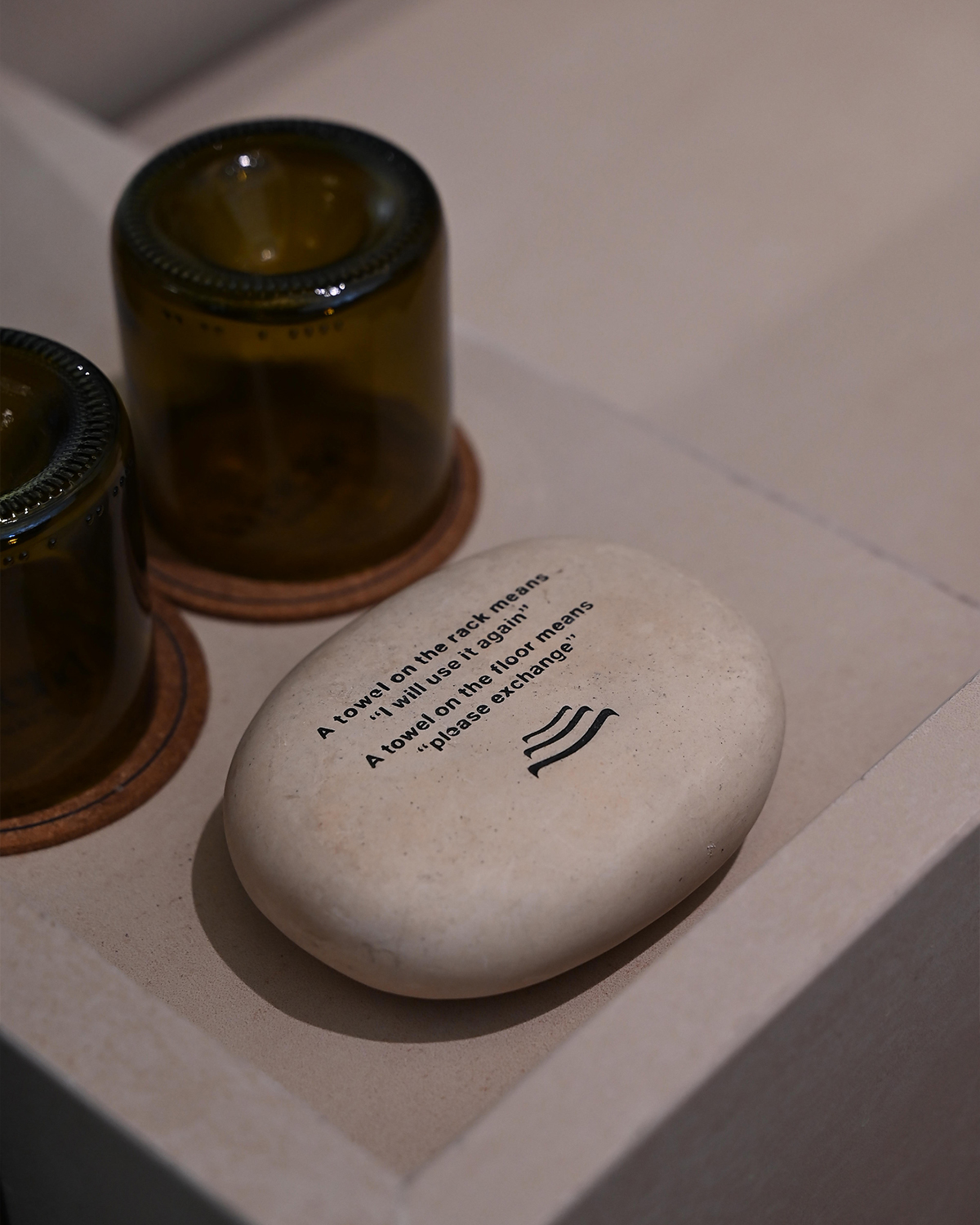
“Water sets the pace here,” the team says. It is calming but alive, always moving, which is why they threaded it through the whole resort rather than confining it to a single pool. Behind the lagoon, the resort describes a more careful system. It says it uses water-efficient systems and runs regular checks across guest rooms, villas, pools, landscaping and public areas to find leaks and inefficiencies, and it is exploring further water-saving fixtures. Guests are asked to play their part too, with in-room information encouraging them to conserve water and reuse towels and linens.
These are the right foundations. The next step, and the one that would set La Mewali apart in Canggu, is to publish what that monitoring shows.
Less Waste, Fewer Plastics
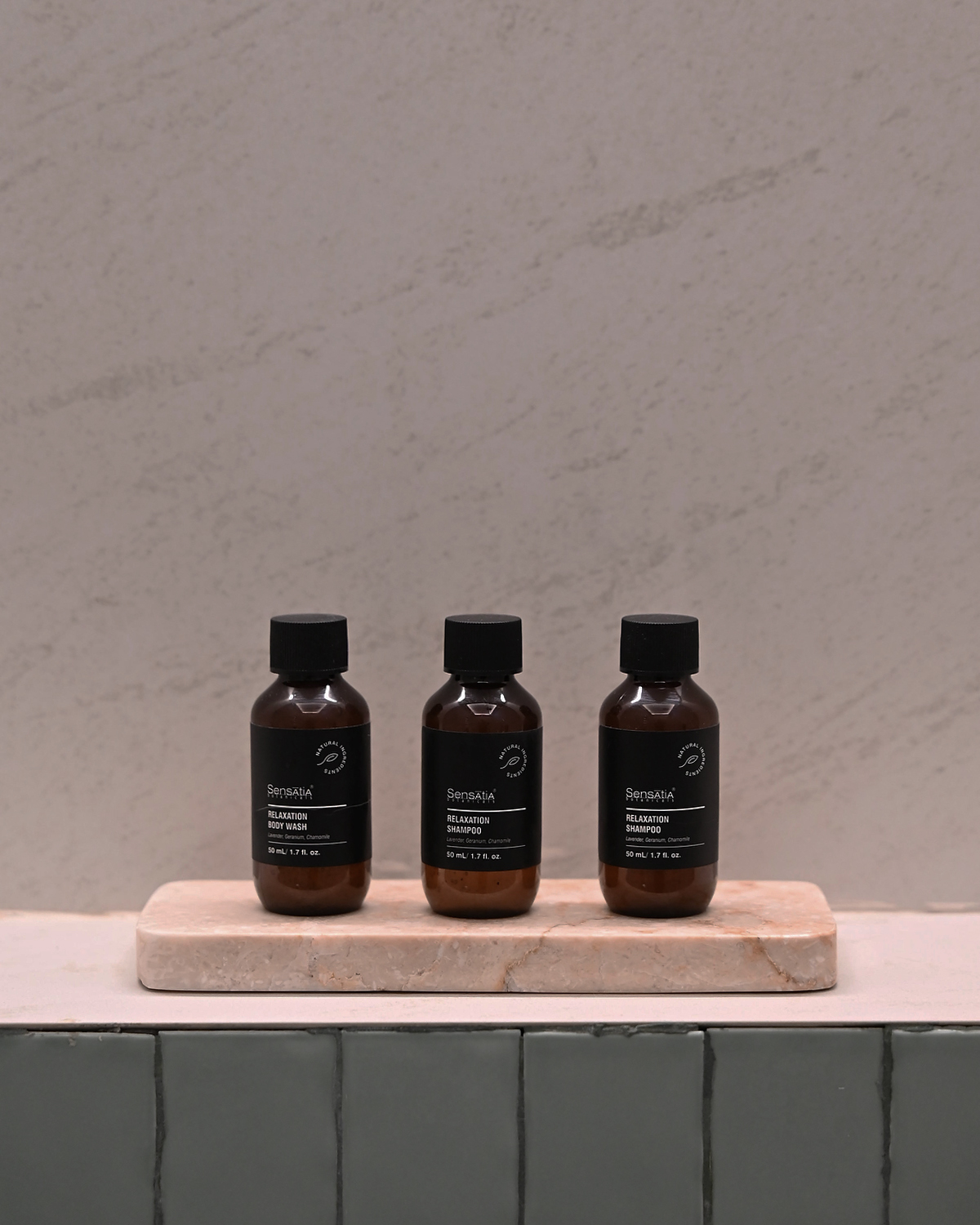
La Mewali maintains a documented sustainability management plan, and much of it is about the unglamorous work of daily operations. The resort is eliminating single-use plastics and replacing them with reusable, biodegradable or non-plastic utensils and amenities. Plastic straws are being phased out, and packaging is reviewed with suppliers to cut what arrives in the first place.
What cannot be avoided is sorted. Waste is separated on site before a local waste-management vendor collects it, and used cooking oil is collected separately and sold to an outside party for further handling or reuse. None of this makes for a brochure photograph, but it is where much of a resort's footprint is decided.
Energy gets similar attention. Timer systems control operating hours in the relevant areas, energy-efficient lighting and equipment are prioritised, and the team is looking at smart controls and other energy-saving technology. For guests choosing cleaner transport, there is electric vehicle charging on site and an EV shuttle.
People Before Product
The resort's contribution to Canggu is meant to show up in who it hires and who it buys from. La Mewali gives priority to local residents in hiring, and supports its team with training, mentoring and paths to promotion. Staff are also trained in the sustainability plan itself, from waste reduction and plastic use to water and electricity, and are encouraged to suggest improvements in their own departments.
On the supply side, the resort works with nearby producers, artisans, suppliers and businesses wherever possible, which keeps money in the local economy and cuts transport. Natural, durable and reusable products are preferred, and organic or recycled options are used where they are suitable. Local artisans, the team says, help keep traditional craftsmanship alive inside the resort, and local customs and traditions are considered in the way it runs day to d
Wellness as a Daily Rhythm
All of this sits inside an idea of wellness that is meant to be lived rather than booked. There are dedicated spaces for yoga, Pilates, meditation and mindful movement, along with a gym. But the team insists the schedule matters less than the rhythm: slow mornings, nature-led movement, creative workshops and botanical discoveries, presented as daily rituals rather than resort activities. The resort also chose not to wall itself off from its neighbourhood. “We didn't want La Mewali to feel like an escape from Canggu,” the team says, “more like a quieter chapter within it.” The rice fields give a sense of separation, but the resort is kept open enough for Canggu's creative, coastal energy to filter in. At Svaha Spa, a sound-healing experience inspired by the nekara, the bronze drums of Bali's ancient past, adds a local note to the wellness offer.
Work in Progress
La Mewali is candid that much of its programme is still being built. More structured biodiversity work, including native planting and habitat protection, is planned rather than in place. Further community partnerships and cultural initiatives are being explored. The energy and packaging reviews are described as ongoing.
That honesty is useful. Months after opening, the resort has the basics most guests never see: a written plan, sorted waste, plastics on the way out, local hiring and monitored water. What will decide its impact is whether those commitments grow into measurable results, and whether it shares them.
The team's hope for guests is a slower sense of pace that stays with them after they leave, closer to nature and to their own rhythm. On an island learning, at some cost, what its rice fields were really for, a resort that takes its shape from the field has a chance to learn from it too. The Punch will be following how far it goes.
EXPLORE THE PUNCH
Celebrating Remarkable
Businesses with Impact