

THE PUNCH PEOPLE • INTERVIEW
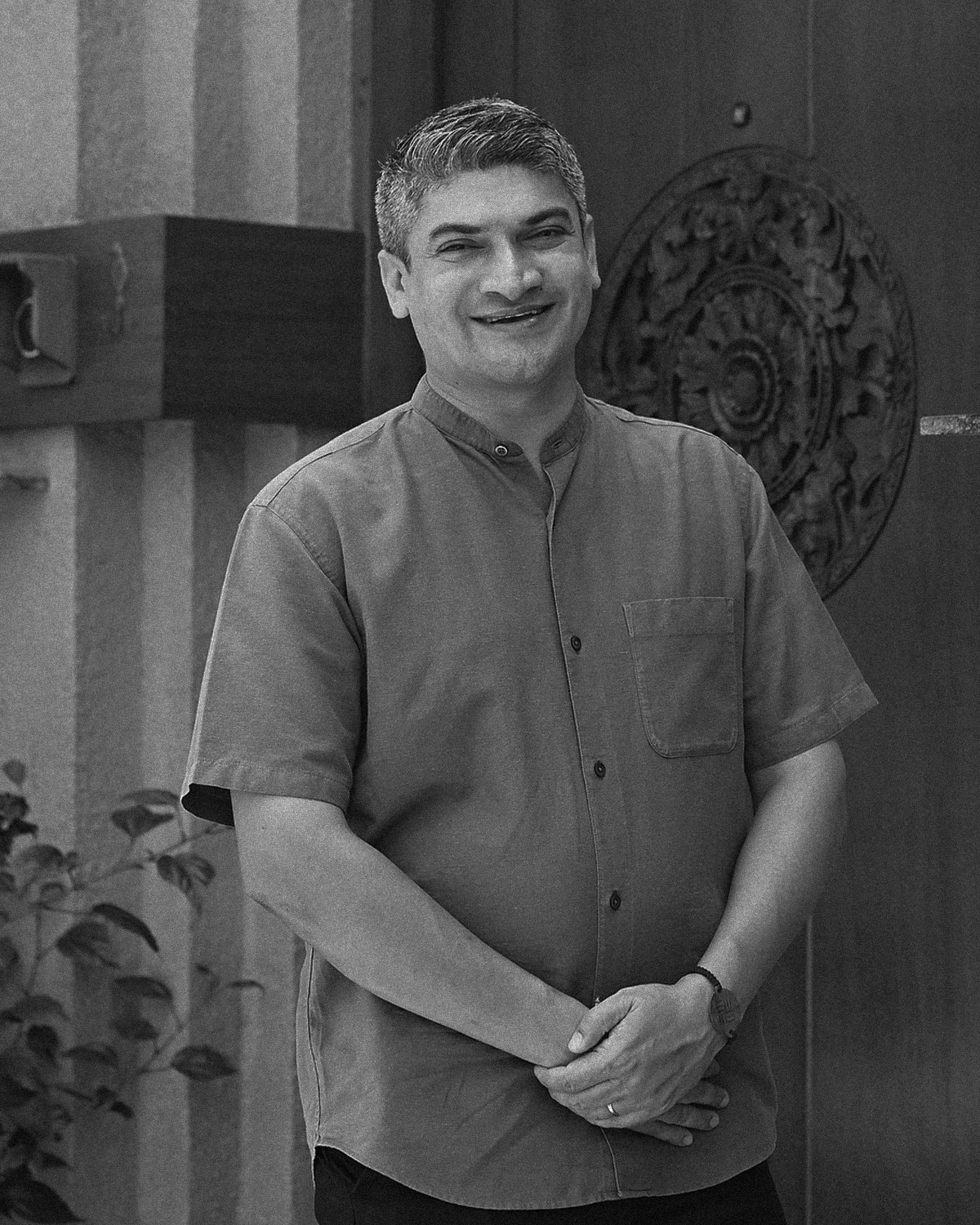
Pradeep Kumar Dhakal
Resort Manager of Equipoise
Interview by The Punch
Published 2026
Pradeep Kumar Dhakal has spent more than 21 years in luxury hospitality across 14 countries, from island resorts in the Maldives to Alila and Hanging Gardens of Bali, with a particular focus on pre-openings. At Equipoise, an adults-only resort of 19 villas on the ridges of Kenderan above Manuaba Waterfall, he helped shape the property from the beginning: its service culture, rituals, wellness concept and relationship with the land around it. He spoke to The Punch about what that work has taught him.
This interview has been edited and condensed for length and clarity.
What drew you to Equipoise?
The most valuable thing my career has taught me is that hospitality is never really about the building. It is about people. A beautiful property can create an impression. A beautiful experience can create a memory. But genuine hospitality can create an emotion that stays with someone long after they have left. When I became involved with the project, I realised we had an opportunity to define something from the beginning: the culture, the service philosophy, the guest journey, the rituals, the wellness concept, the culinary identity and the relationship between the resort and its surroundings. Pre-opening gives you a rare responsibility. You are not inheriting an identity. You are helping create one.

What is Equipoise trying to create?
A place where people can return to themselves. The word equipoise represents balance, but for us balance is not static. It is a living relationship between nature, people, culture, wellness, architecture, hospitality and emotion. We built a philosophy around four words. Escape: leave the noise behind. Exhale: release what you no longer need to carry. Equipoise: return to balance. Exclusivity: hospitality that is deeply personal. These are not four marketing words. They are four stages of the emotional journey we want a guest to experience.
You describe Equipoise as different from conventional luxury. How?
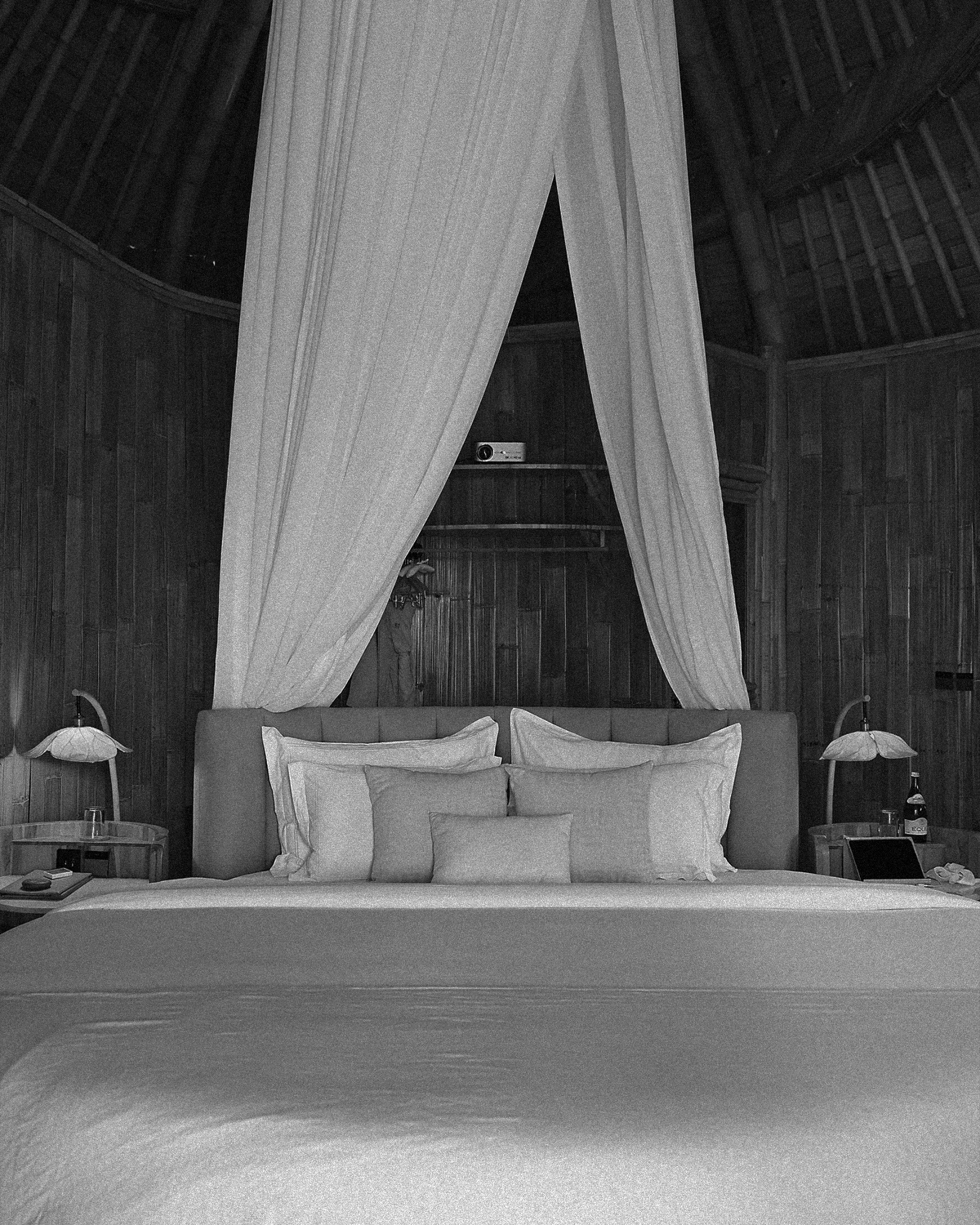
or many years, luxury meant more: more space, more facilities, more amenities, more visible service. The modern luxury traveller is looking for something else. Less noise, more meaning. Less interruption, more privacy. Less excess, more intention. So we ask a very different question: what can we remove so the guest can feel more? That influences everything, from the architecture and the arrival to the dining, the sleep ritual and even the spaces between experiences. Sometimes the greatest luxury we can give someone is simply time and space to breathe.
What happens when a guest arrives?
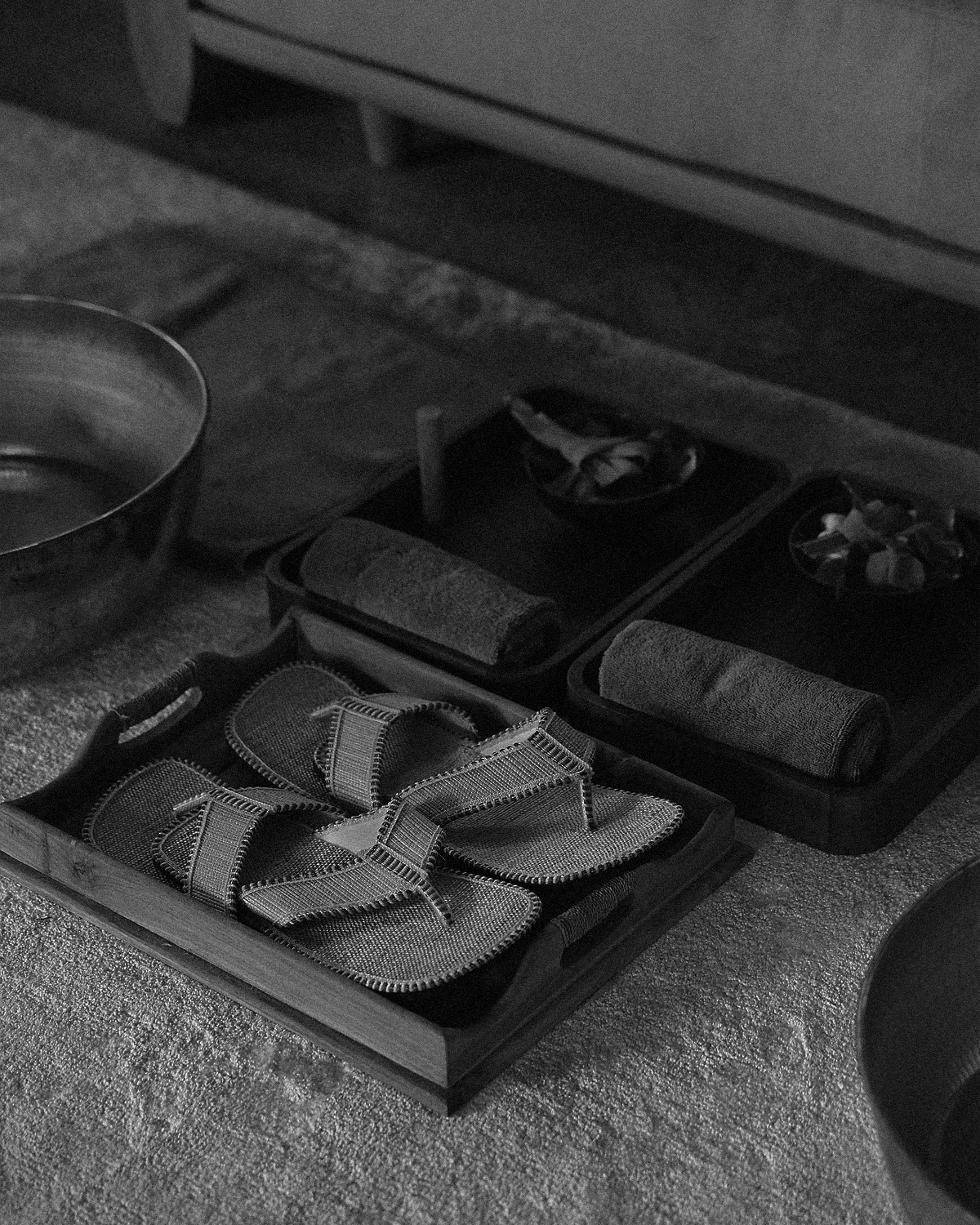
Arrival is not administration. Arrival is transition. A guest may arrive carrying airport stress, traffic, emails and deadlines. We cannot remove their life, but we can create a gradual transition away from it. Our team welcomes them with Om Swastiastu, followed by the ceremonial gong, which marks leaving the external energy behind. Then comes our traditional foot-cleansing ritual and the Tirtha Amrita welcome elixir. The formalities happen quietly in the background. The guest should feel: “I have arrived somewhere different.”
Guests also choose a fragrance on arrival. Why does that small choice matter?
We invite guests to smell seven fragrance profiles, our Seven Wonders of Fragrance, and choose the one that resonates with how they want to feel during their stay. That choice then follows them into the villa. We are not saying, “This is our signature scent. Everyone receives it.” We are saying, “How would you like your sanctuary to feel?” Personalisation is not about collecting information. It is about giving the information meaning. If a guest chooses a fragrance because they want calm, that tells us something. Those small choices allow us to shape the journey around the individual. That is what we mean by exclusivity: not simply having 19 villas, but an experience that feels as though it could only have been created for you.
How is Hammana Spa different from the many spas in Ubud?
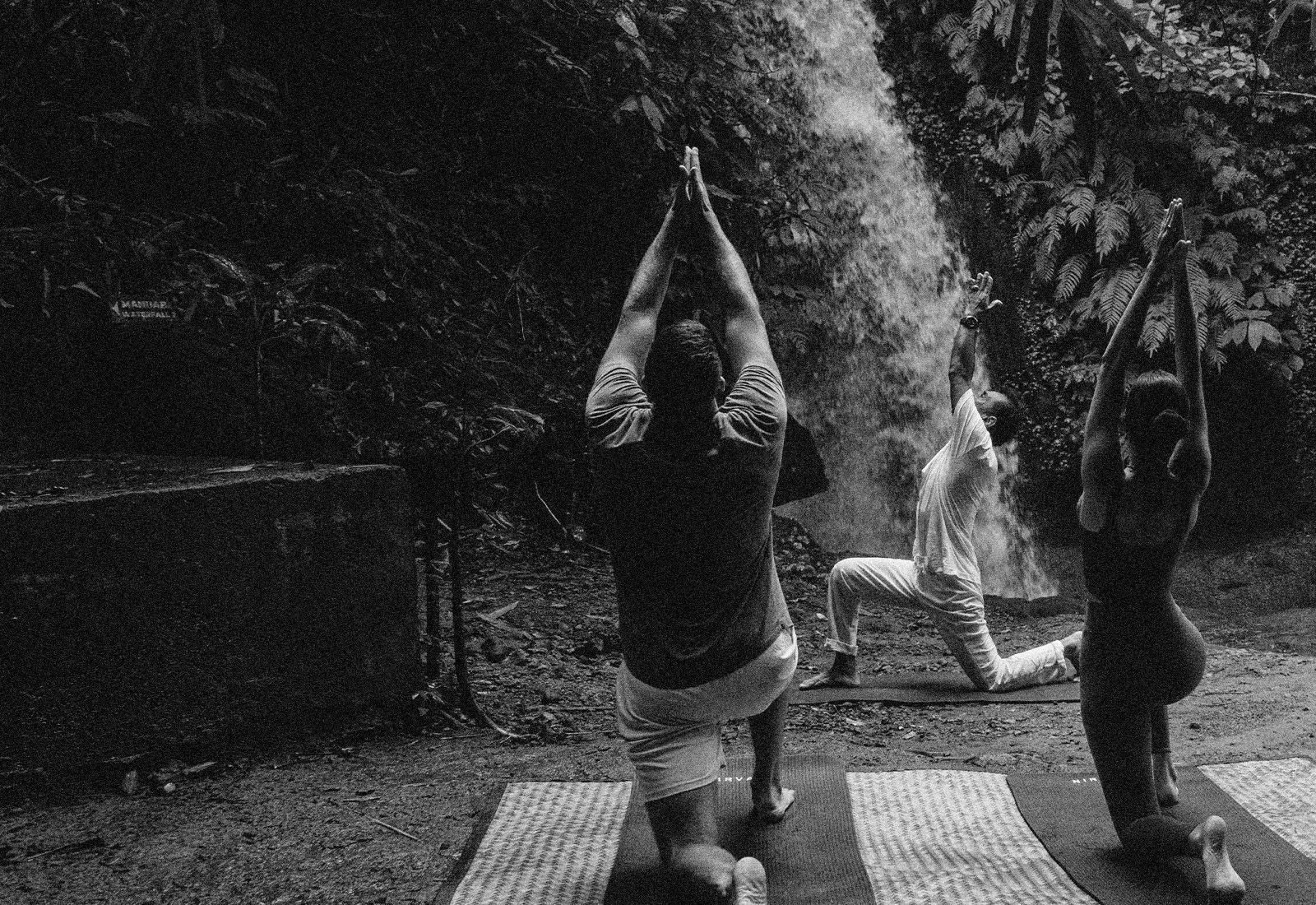
Ubud has many excellent spas. We wanted to ask a more fundamental question: can wellness begin before the treatment? At Hammana, the journey begins with a Wariga Birth Reading. Wariga is an ancient Balinese system of knowledge connected with calendars, time, life cycles and individual characteristics. The guest's birth information becomes a starting point for personalising the treatment, the oils, the aromas, the ritual sequence and the pace. So instead of asking, “Which massage would you like?” we are asking, “What does this person need?” Hammana is wellness that begins with understanding who you are.
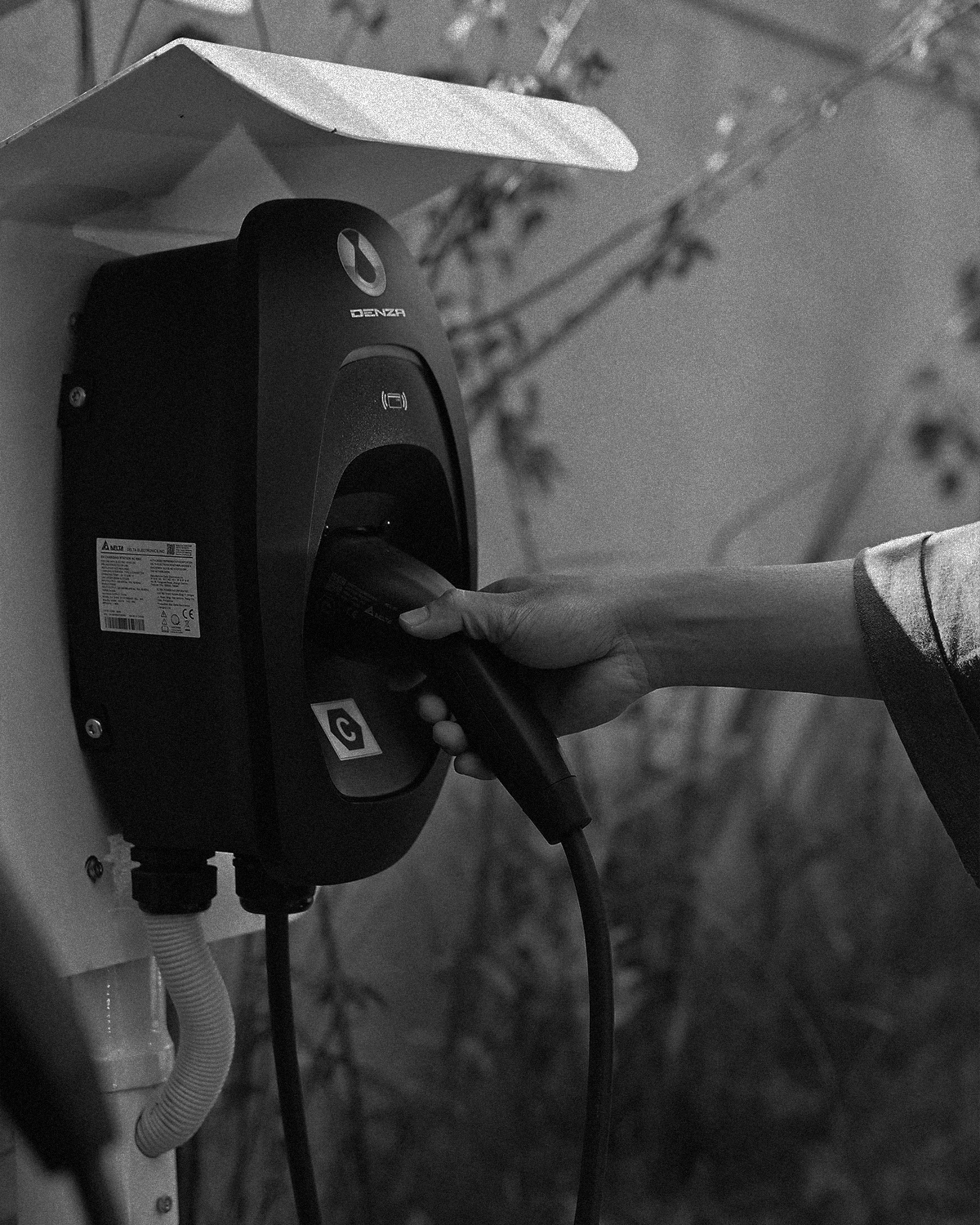
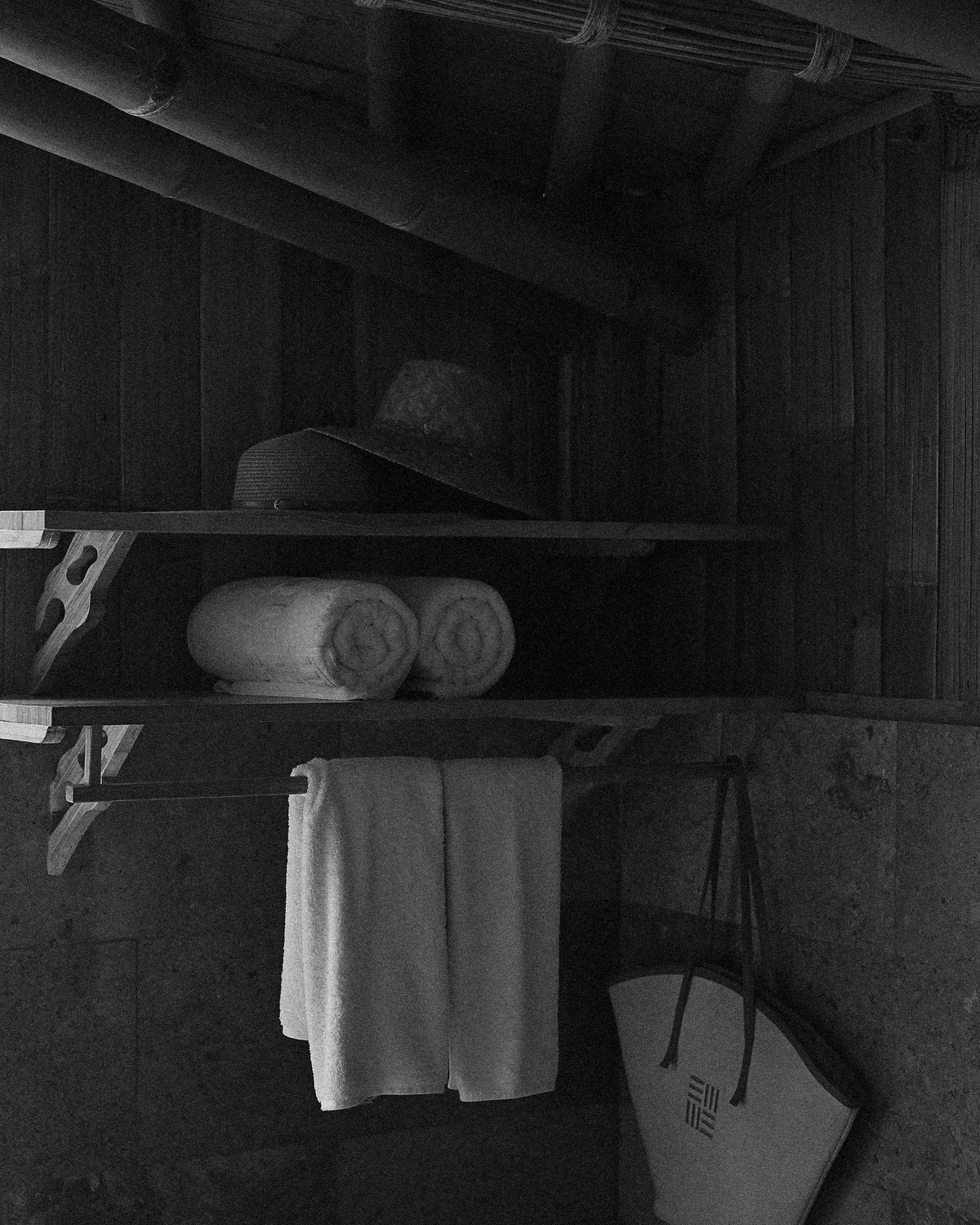
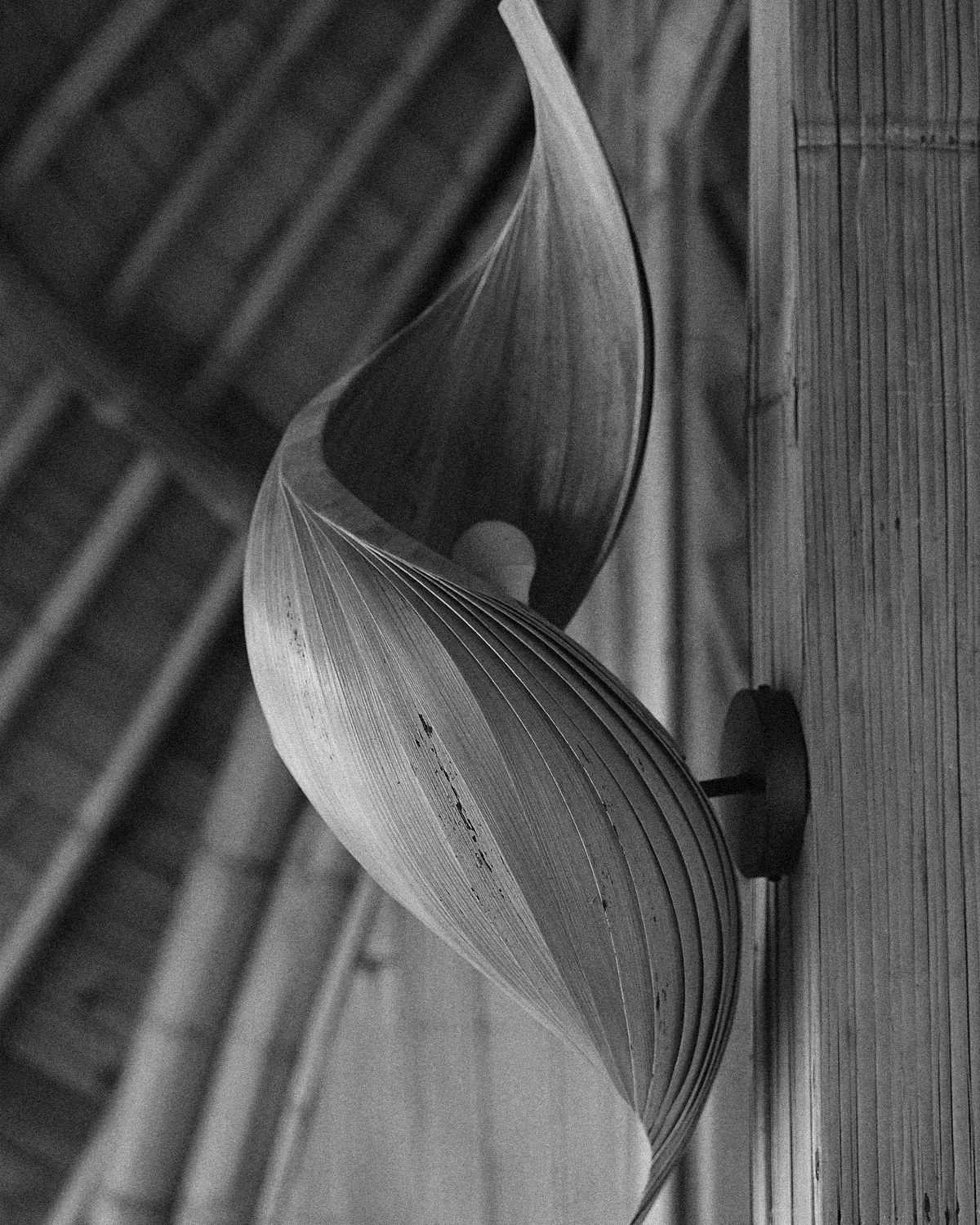
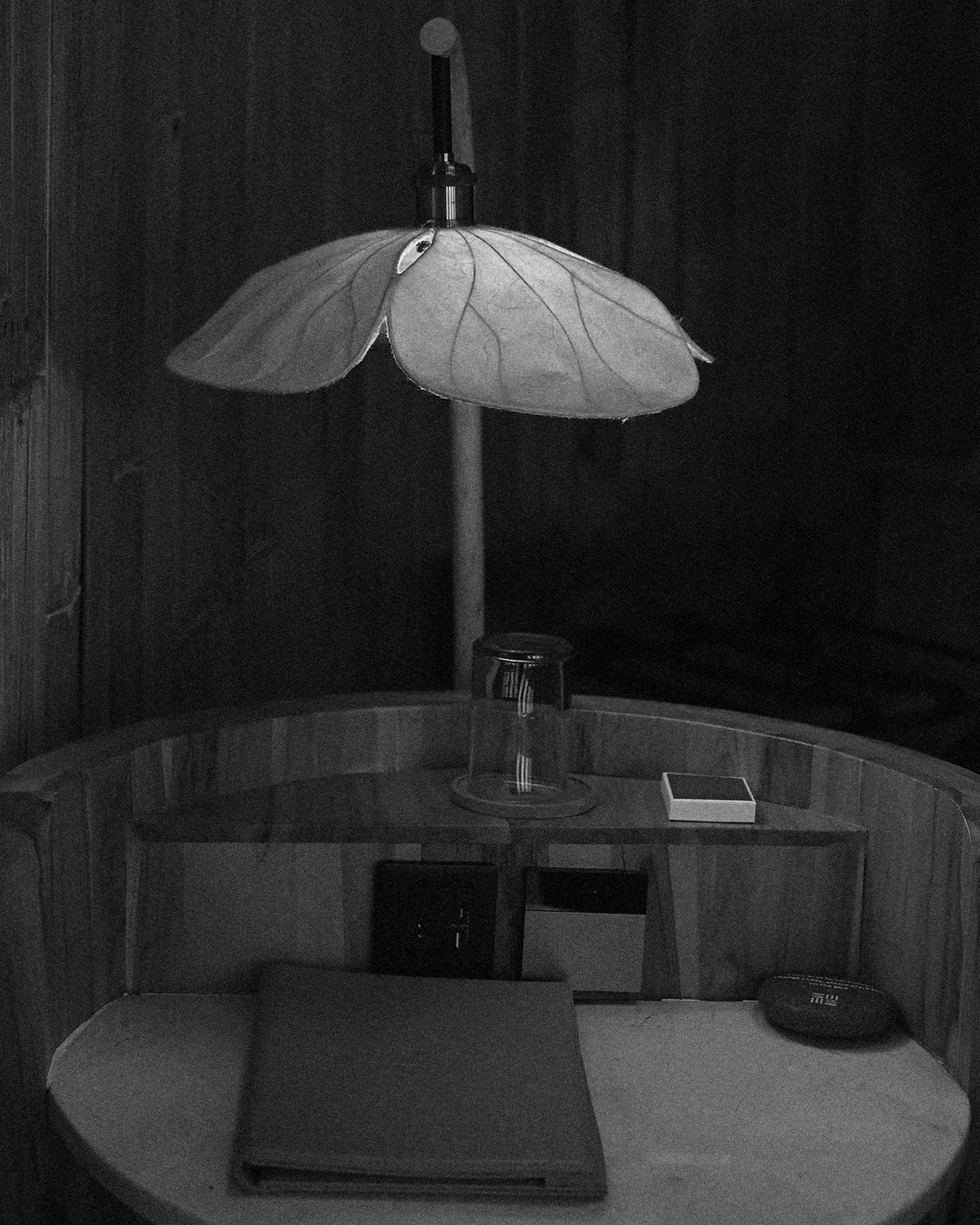
What does the landscape bring that architecture cannot?
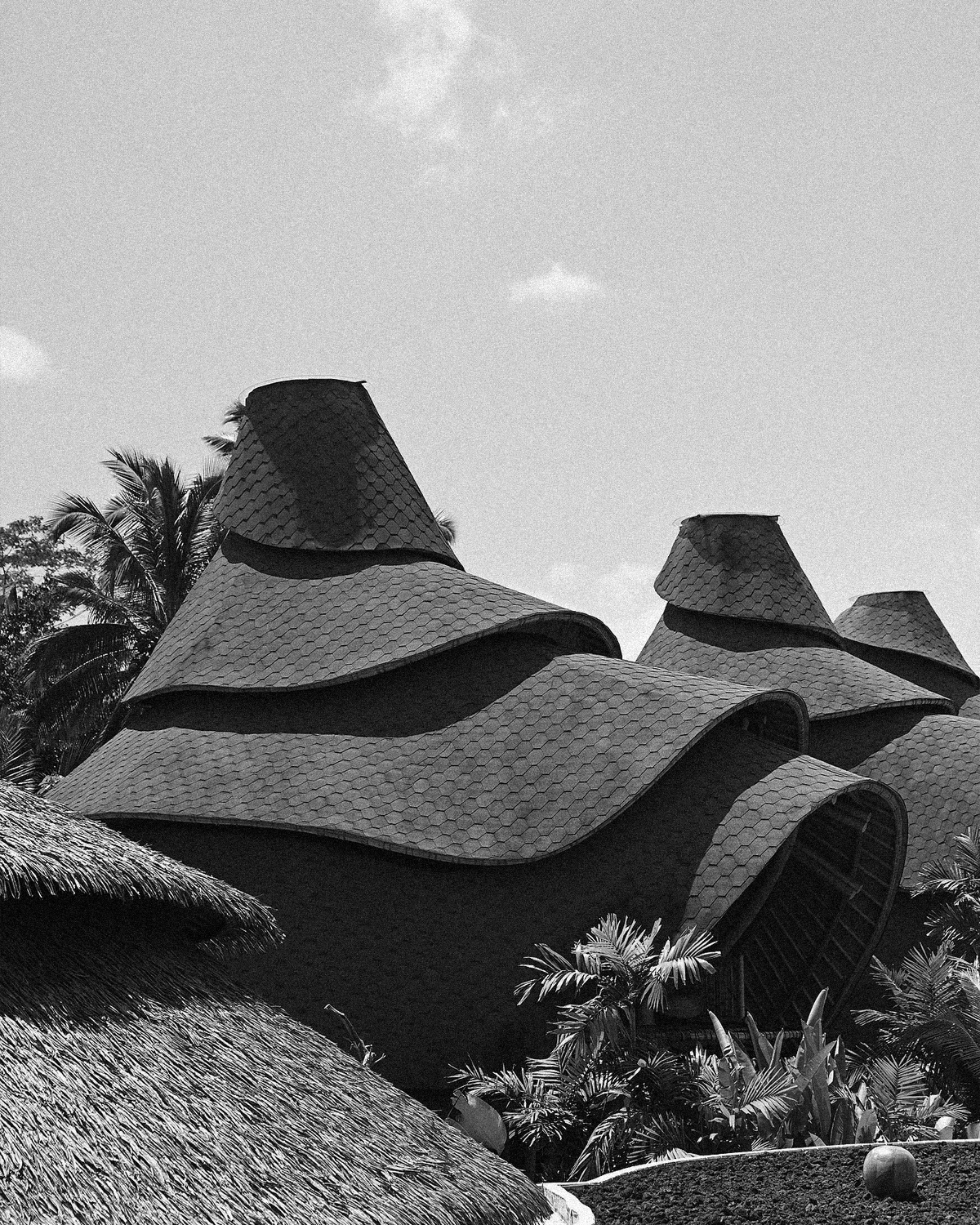
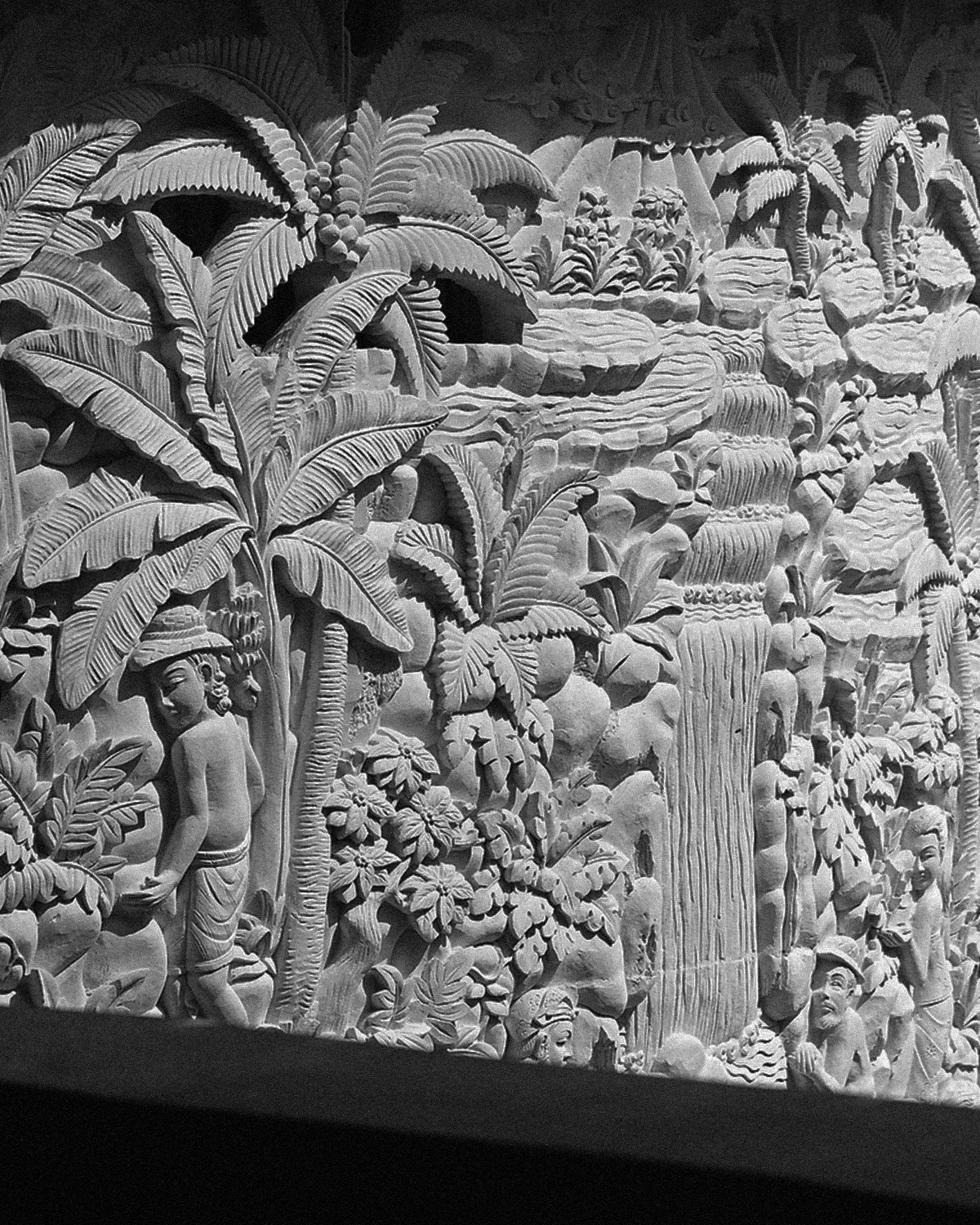
Everything. The rice fields, the valley, the changing light, the sound of water, the village, the farmers, the seasons. These are experiences we cannot manufacture. The landscape is not the backdrop to Equipoise. The landscape is part of the architecture. That is also why we introduce guests to the rice fields with respect. The rice field is not a theme park. It is somebody's livelihood. It is culture, history and spirituality. We want guests to see it not as a backdrop for Instagram, but as a living part of Bali, and to meet the people behind the culture, not simply photograph it.
Why only 19 villas?
Because intimacy is not something you can manufacture through a service standard. Nineteen villas allows us to know our guests, but it also allows us to protect something that has become extremely valuable: privacy. A guest can have a beautiful private pool, but if they feel watched, rushed or constantly approached, the experience is no longer private. Our service philosophy is about being present without being intrusive. We want to anticipate and understand, but also to know when to step away. The highest level of service is sometimes knowing when not to serve.
You often speak about “intentional hospitality.” What does that mean?
Nothing should happen simply because that is what hotels normally do. We ask why. Why do we welcome the guest this way? Why this fragrance, this pillow, this timing, this material? If we cannot answer the question, perhaps we should not be doing it. That mindset changes a hotel's culture. The team stops following instructions mechanically and begins understanding the intention behind them. Once people understand the intention, they can create genuine hospitality rather than reproduce a procedure.
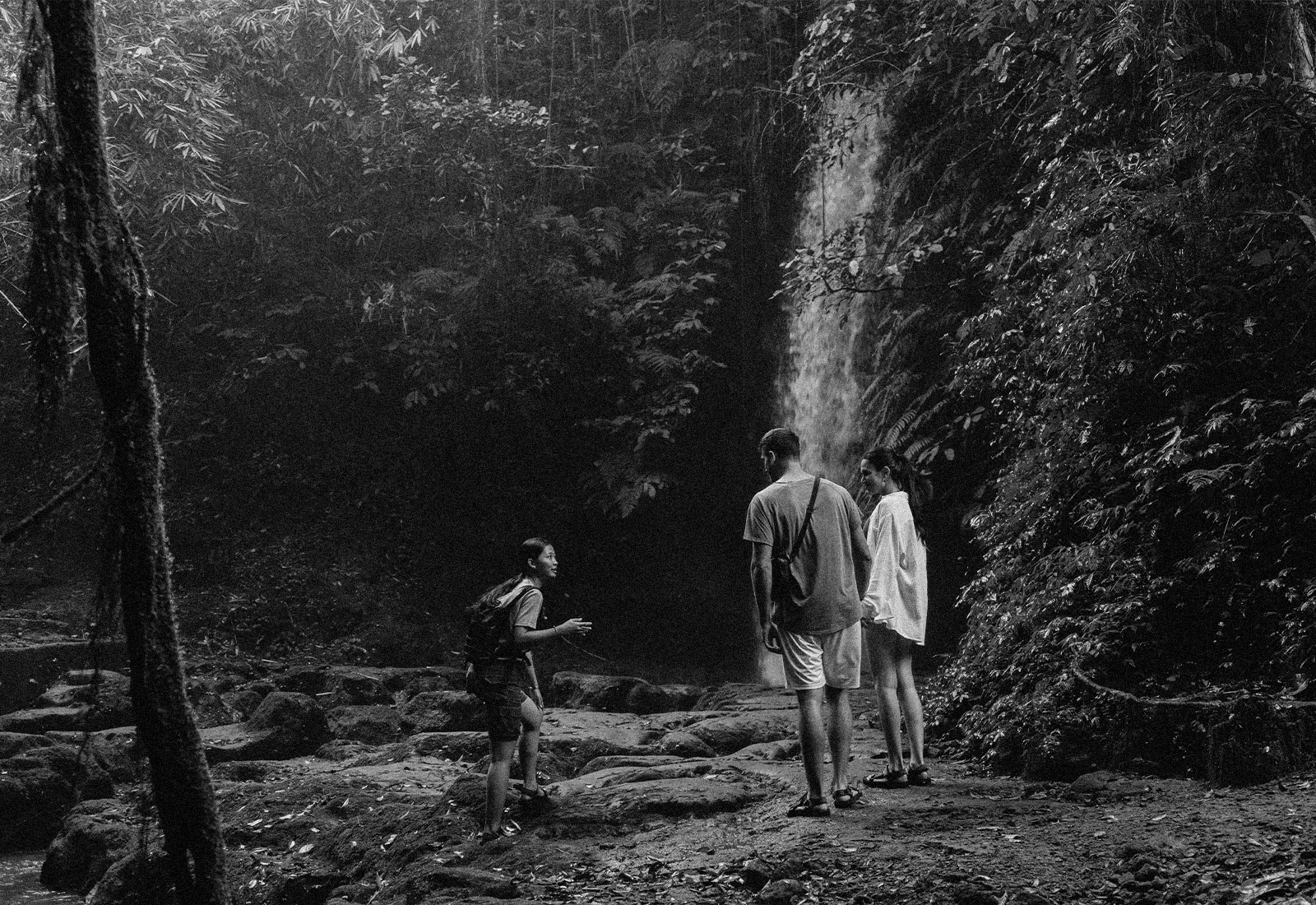
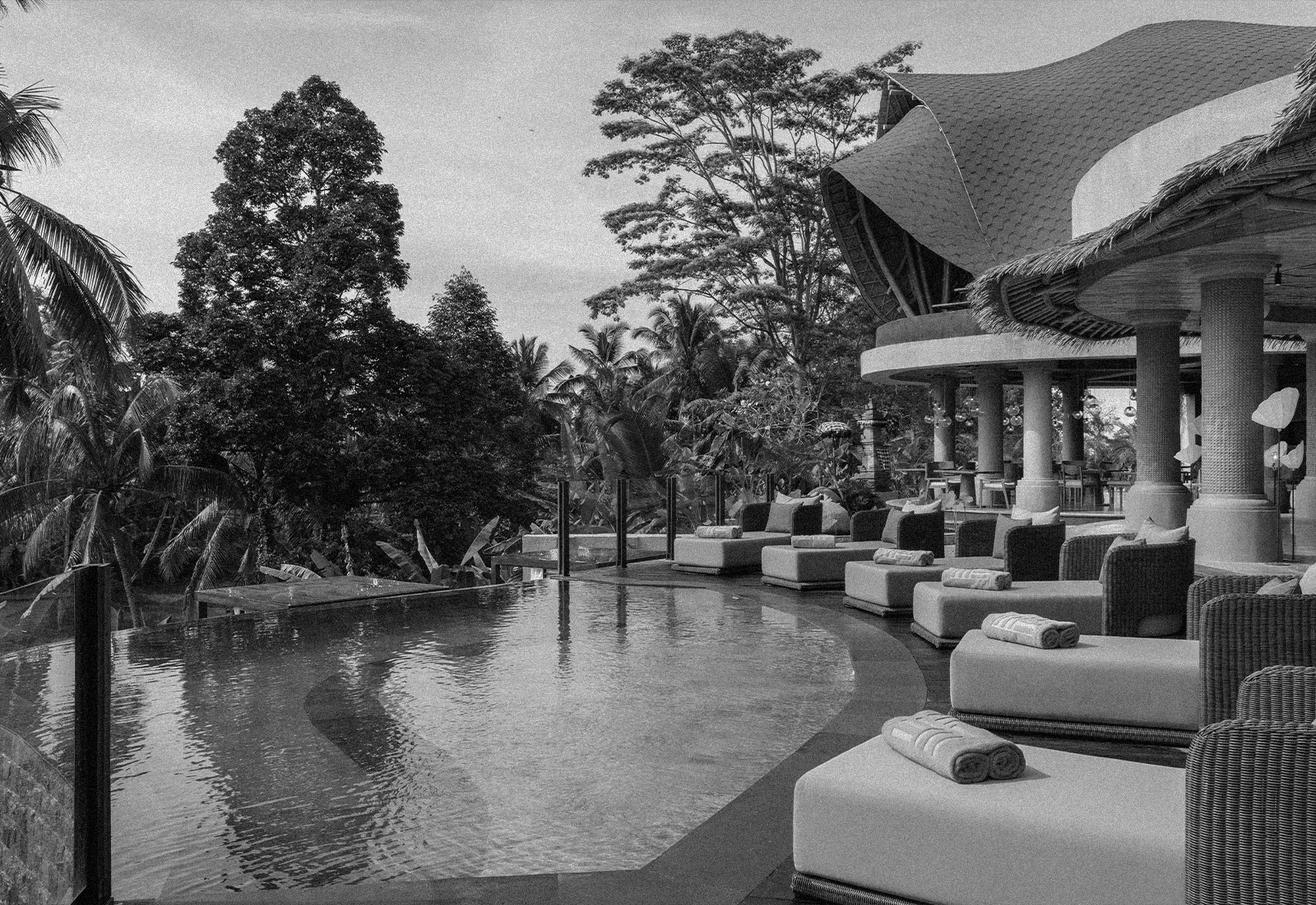
What is the biggest misconception about luxury today?
That luxury means abundance. I think it is increasingly about relevance. The world's most sophisticated travellers can buy almost anything. What they cannot buy is authenticity, more time, genuine human connection or a memory that is uniquely theirs. The future of luxury is not louder. It is quieter, more personal and more conscious.
What do you hope guests remember six months after leaving?
Not the size of their villa, or how many facilities we have. I would want them to remember a feeling. The sound of birds in the morning. The fragrance they chose. The first breath of a Hammana ritual. A dinner around the fire at Riserva. Or simply realising they had not checked their phone for several hours. If they remember that they felt lighter here, calmer here, more connected here, then we have done our job.
And Equipoise in one sentence?
Equipoise is not a place where you come to escape your life. It is a place where you come to reconnect with it. “Balance is not something you find. It is something you return to.”
EXPLORE THE PUNCH
Celebrating Remarkable
Businesses with Impact