

THE PUNCH PEOPLE
Jia CURATED 2026 | Nature Weave
In Conversation with Budiman Ong
Jia CURATED 2026
Interview by The Punch
Photography by Jia Curated
Every August, Bali's design community gathers for Jia CURATED, an immersive weekend dedicated to craft, design, and culture that has grown into one of Southeast Asia's most closely watched creative events. This year marks a genuine turning point: the event moves to Pengembak Beach in Sanur, a site framed by mangroves, pine trees, and open water, and unfolds under the theme Nature Weave, an exploration of how people, design, and natural systems are inseparably connected.
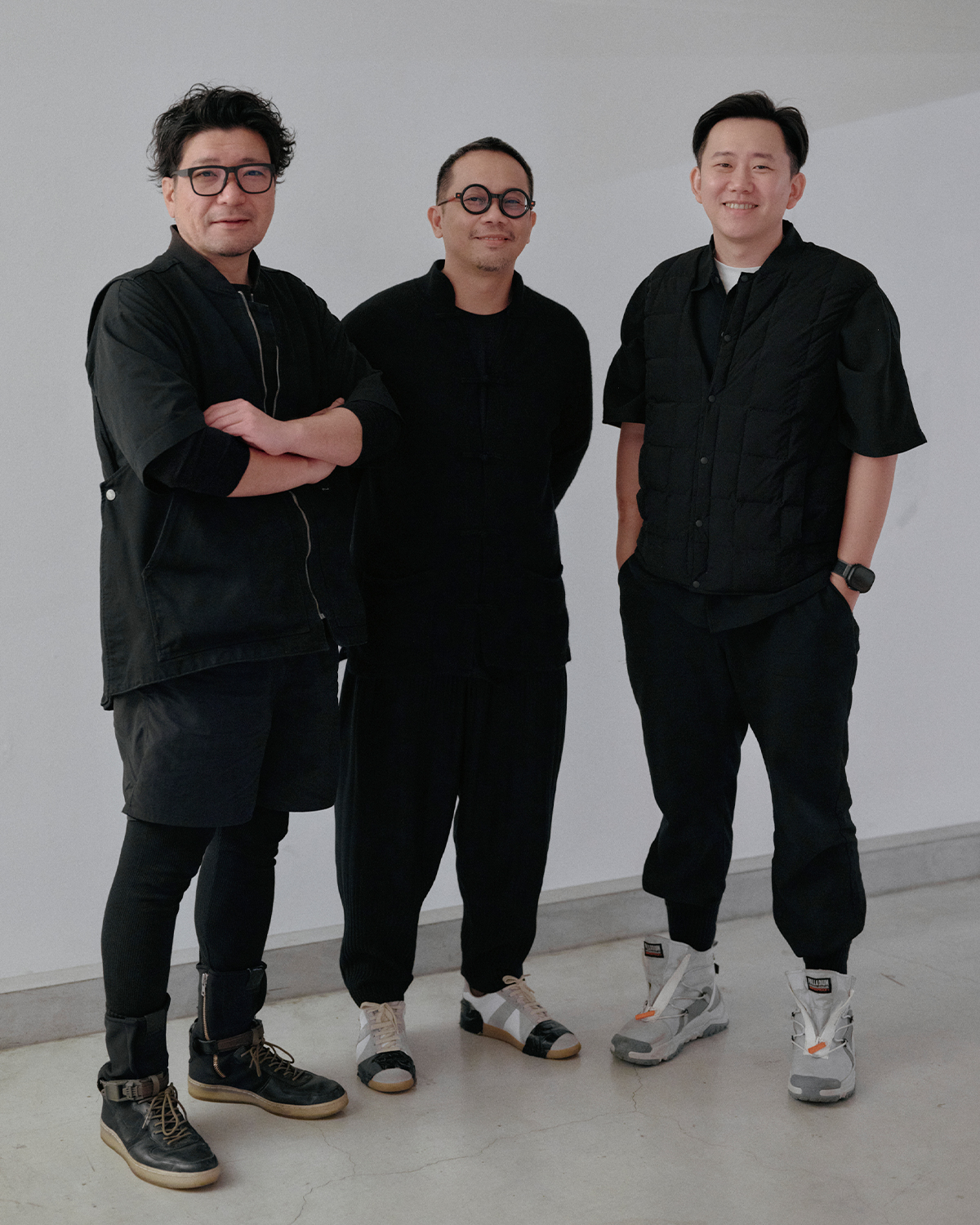
For this conversation, we put our questions to co-founder Budiman Ong, whose own path, from studying Applied Arts in Aberdeen to founding the lighting atelier ONG CEN KUANG, has influenced much of Jia CURATED's identity from the very beginning. Together with partners Rudi Winata and Yang Yang Hartono, Ong built Jia CURATED not as a trade show, but as an ecosystem for Indonesia's creative community, one built on gotong royong, the principle of mutual cooperation.
In his responses, Ong reflects on how that founding vision has evolved, what this year's new venue and theme reveal about the event's values, and how initiatives like Waste to Wonder, Project Benih, and The Story After push the creative industry to think beyond the finished object. It's a conversation about craft, heritage, and what it means to build something with lasting impact, well beyond a single weekend in August.
Before Jia CURATED, there was Budiman Ong. Can you tell us about your journey into the world of design and craft, and what experiences ultimately led you to co-found Jia CURATED?
I am a designer-maker, originally from a small town in Sumatra, Indonesia. My journey in design began at Gray’s School of Art in Aberdeen, Scotland, where I studied Applied Arts.
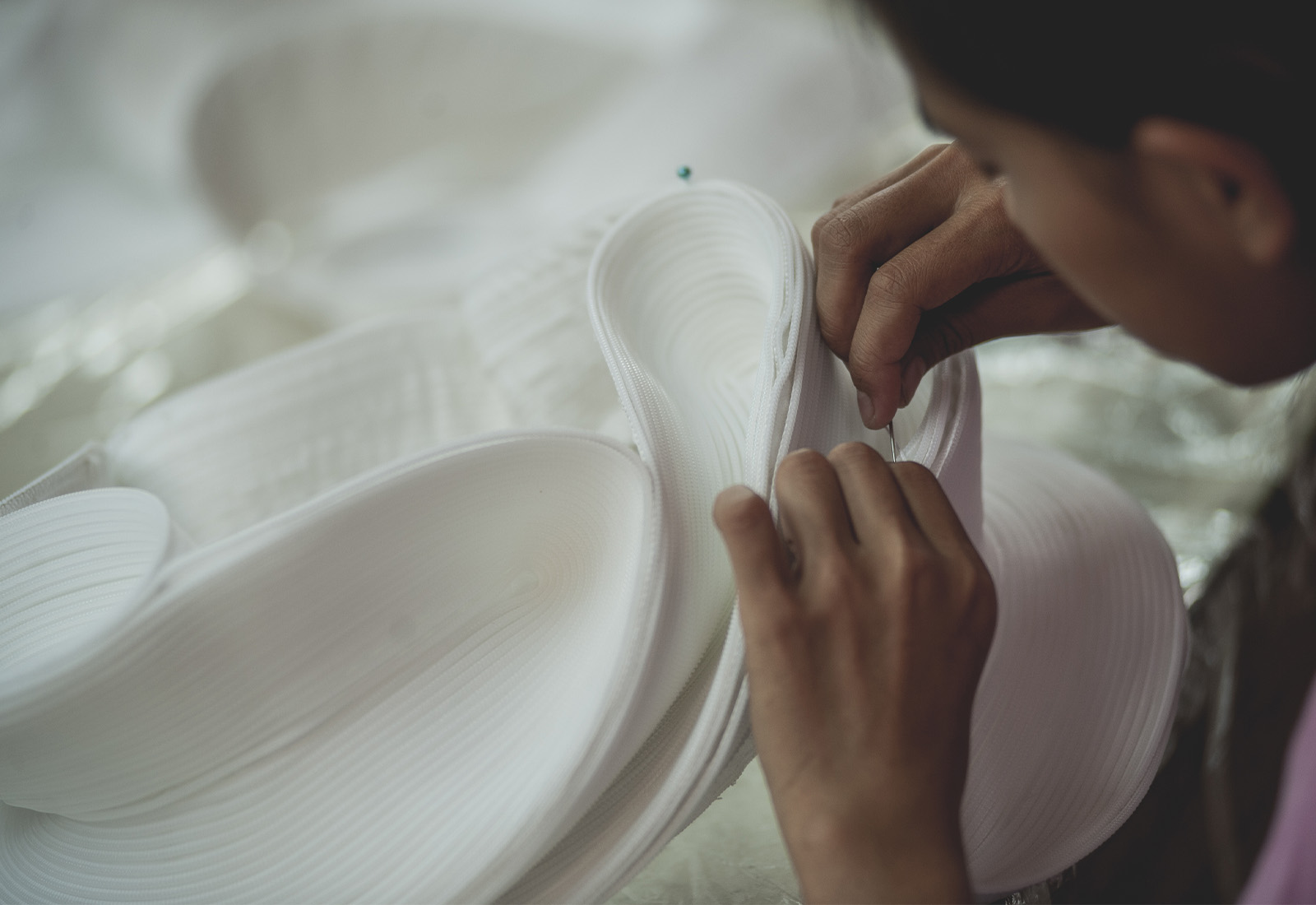
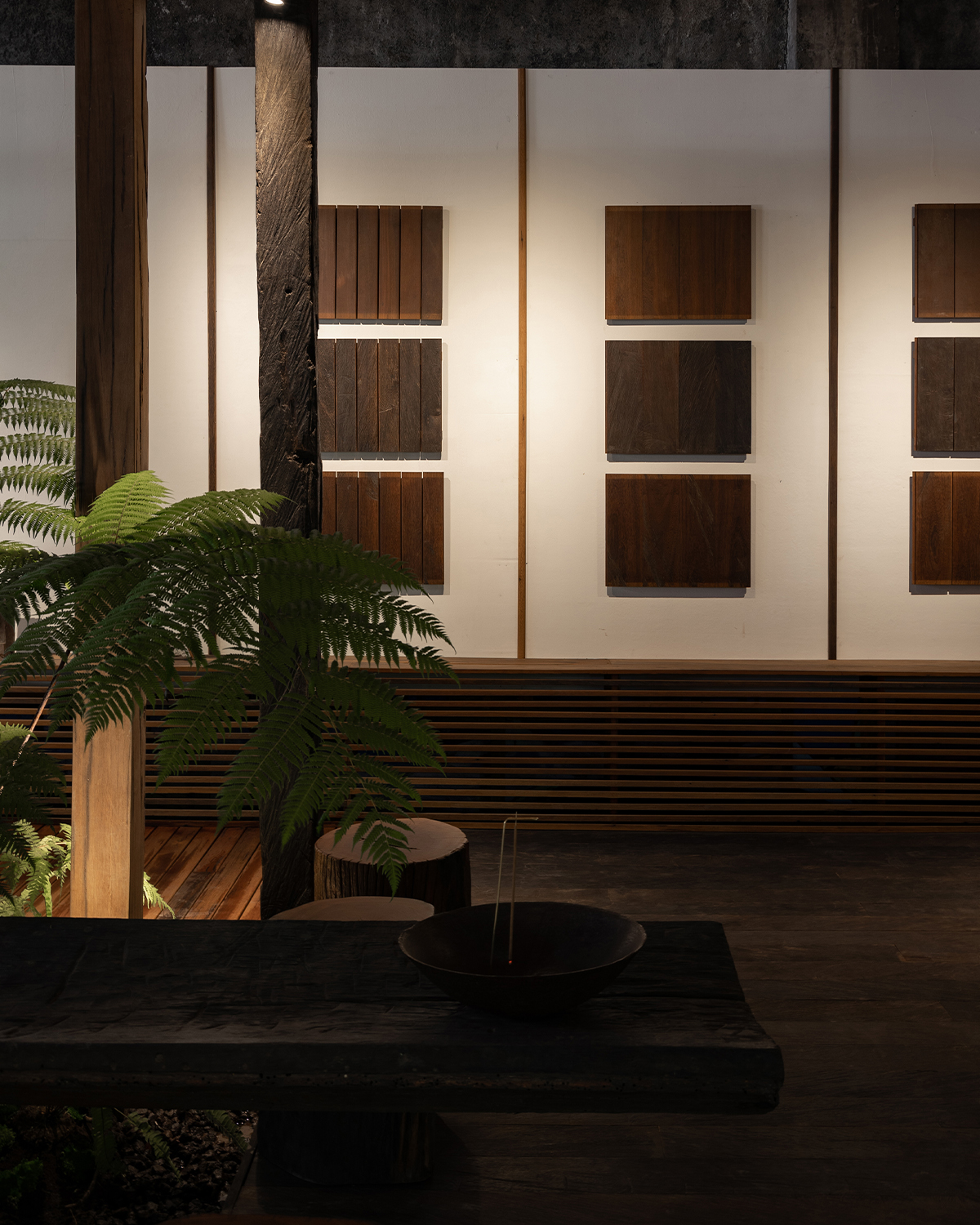
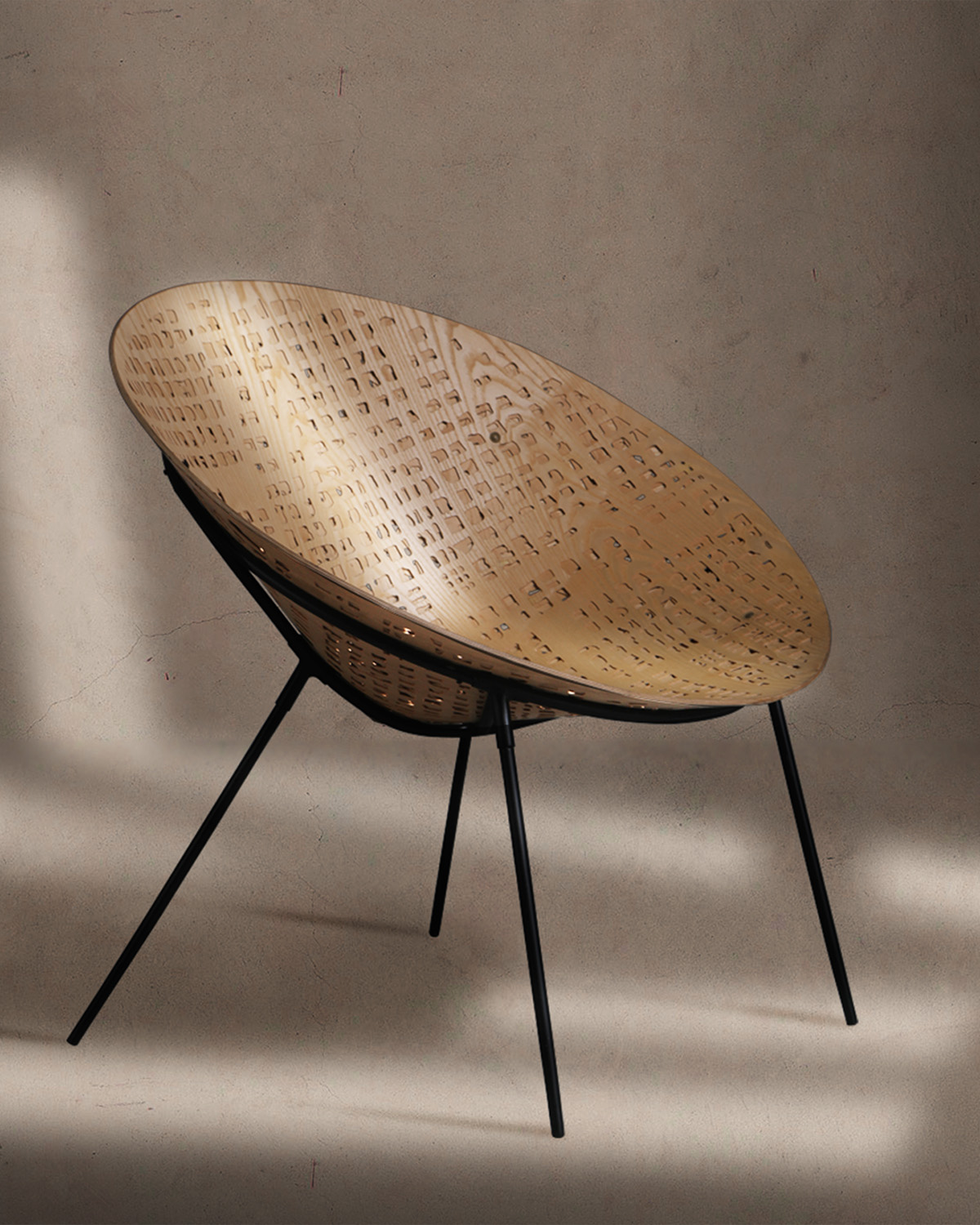
Back in Bali, I joined John Hardy’s team as Head of Lifestyle Design until 2008, when I founded ONG CEN KUANG to focus on decorative lighting. Our products combine traditional craftsmanship and modern design; they are produced by hand, one at a time, by a team of incredibly skilled artisans in our atelier. We focus on craft and materiality.
While ONG CEN KUANG is my personal journey in design, Jia CURATED was born from a desire to open that journey to others. Together with my partners, Rudi Winata and Yang Yang Hartono, we saw a clear demand for high-quality handmade products with meaningful stories. Jia CURATED was born in response to this.
As active creative professionals, the three of us - Rudi, Yang Yang and I - have firsthand experience within the design industry. We had this strong feeling that nothing like this existed in Indonesia - and South East Asia - and that there was a huge appetite for it.
Rather than a business venture, we see Jia CURATED as an ecosystem to nurture and grow the local creative community. The founding principle of Jia CURATED is collaboration. Starting from the way we work collectively with the pavilions, to the collaborations we encourage amongst participants, to the ones that happen naturally during and as a result of Jia CURATED.

What was the original vision behind Jia CURATED, and how has that vision evolved since the first edition?
We wanted to create a platform that celebrates craft, design and culture while building and nurturing a healthy and strong ecosystem for Indonesia’s creative community, where knowledge, experiences and passion can be exchanged.
Our original ambition remains unchanged: to contribute to the growth and development of Indonesia’s creative sector, showcasing diverse voices and perspectives.
What has evolved over the years is our understanding of how best to achieve that goal.
We have connected with the broader international creative community. Our scope has widened and our ambitions have risen. By nurturing local talent, perspectives and industries while actively engaging with global networks, ideas and collaborations, we can create opportunities for mutual learning, exchange and collective progress.
Indonesia has a unique creative voice to offer the world, and at the same time there is much we can gain from being part of a larger international dialogue. We believe these aspirations are deeply interconnected.
Looking back over the past few years, what have been the biggest lessons you’ve learned—not only as a curator, but as someone building a creative community?
One of the biggest lessons has been the importance of collaboration.
We have started to notice, and are often reminded, that we are creating a camaraderie, a bond, a feeling that we are all in the same boat. We truly believe that this sense of unity comes from our underlying pillar, Gotong Royong - the Indonesian principle of communal effort and mutual support.
Rather than organising an event, we see Jia CURATED as an ecosystem. This ecosystem has to be sustainable for it to be successful, requiring components that feed and support one another. In niche sectors, these ingredients are specialism, expertise and purpose. They allow exhibitors, programme partners, collaborators and visitors to be very clear about why they participate.
As a curator, I have also learned that curation goes far beyond selecting participants. It is about applying a design approach to the entire experience, from spatial planning and visitor flow to atmosphere, dialogue and interaction. Ultimately, Jia CURATED is about building connections between designers, craftspeople, brands, institutions and communities across Indonesia and beyond.
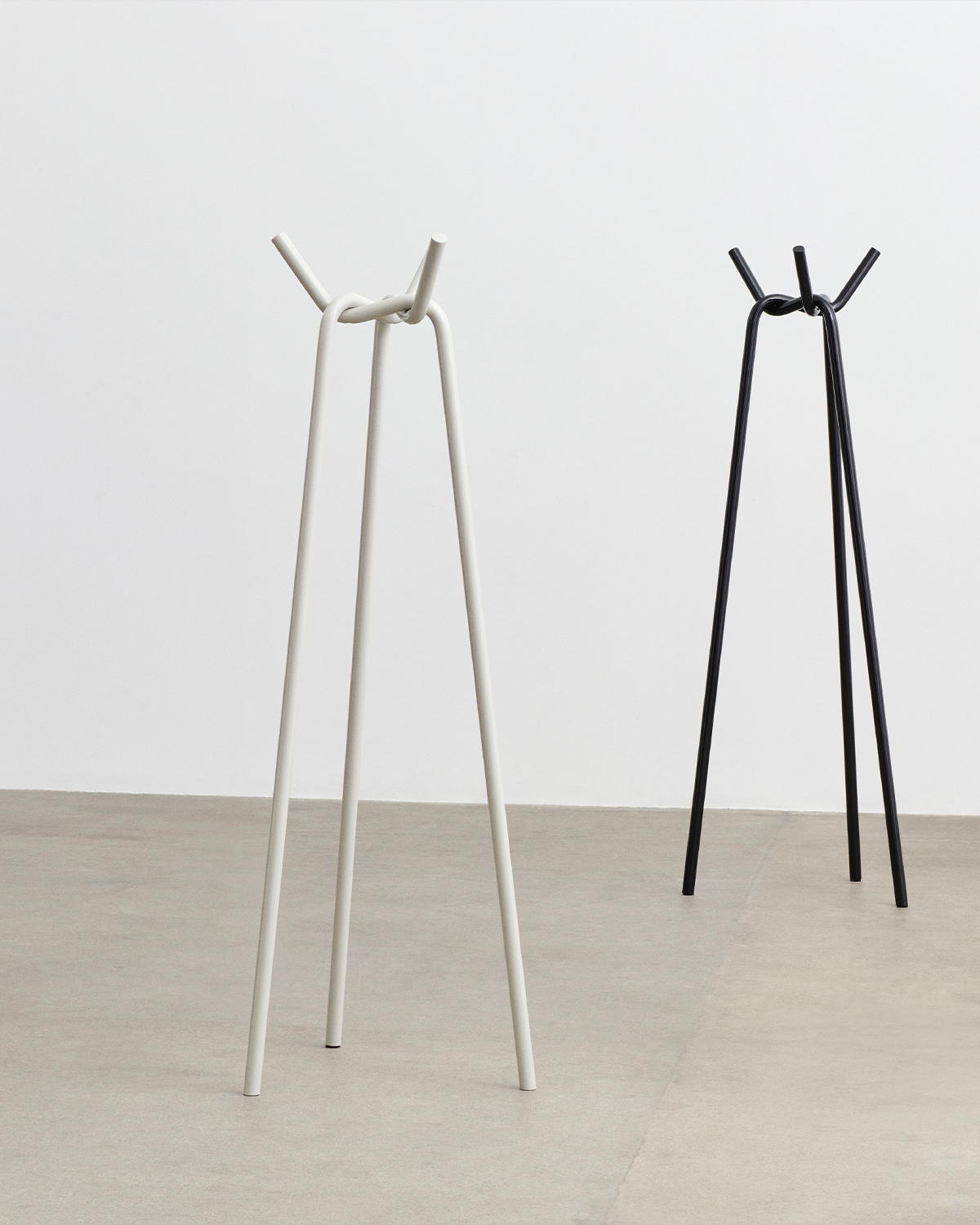
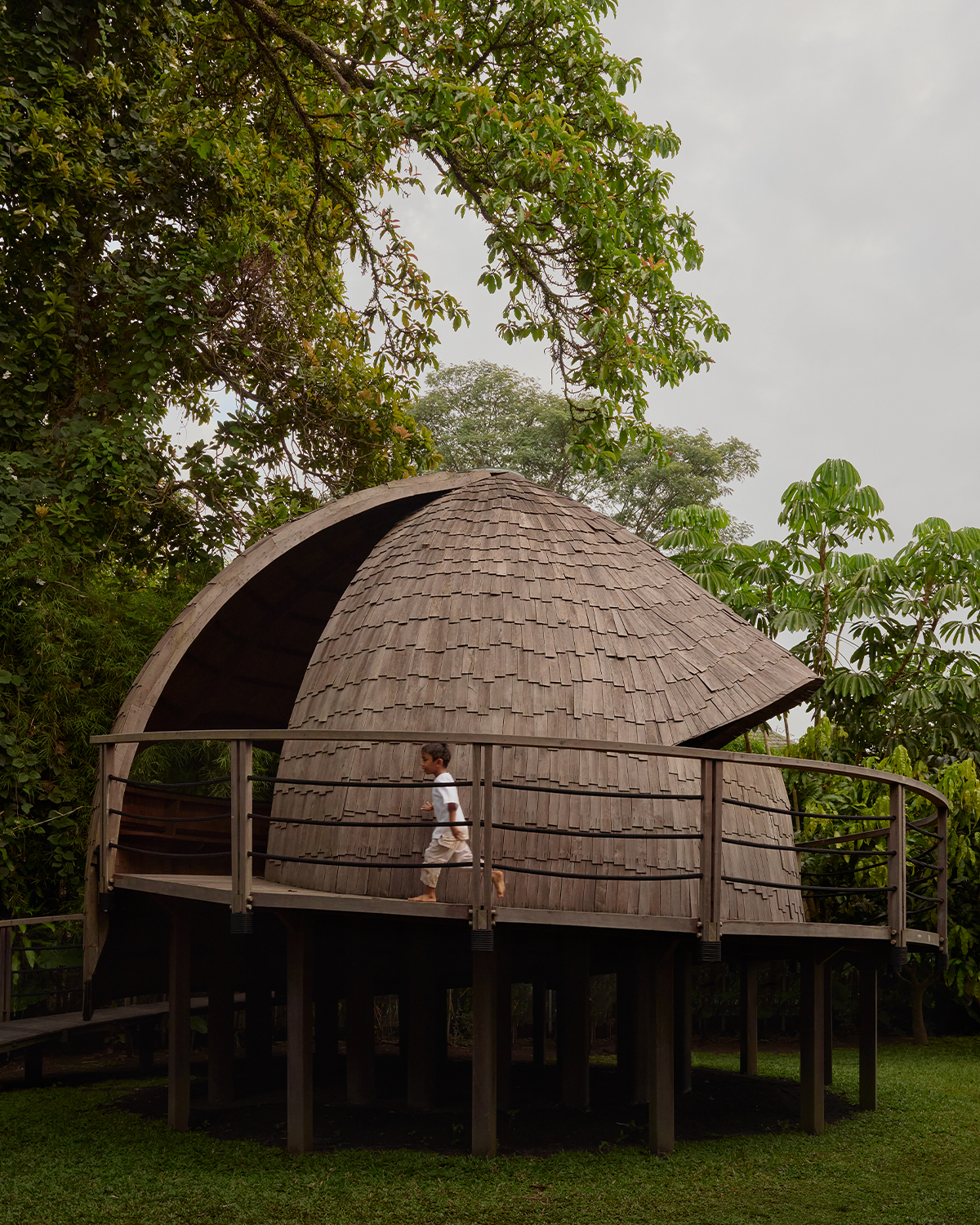
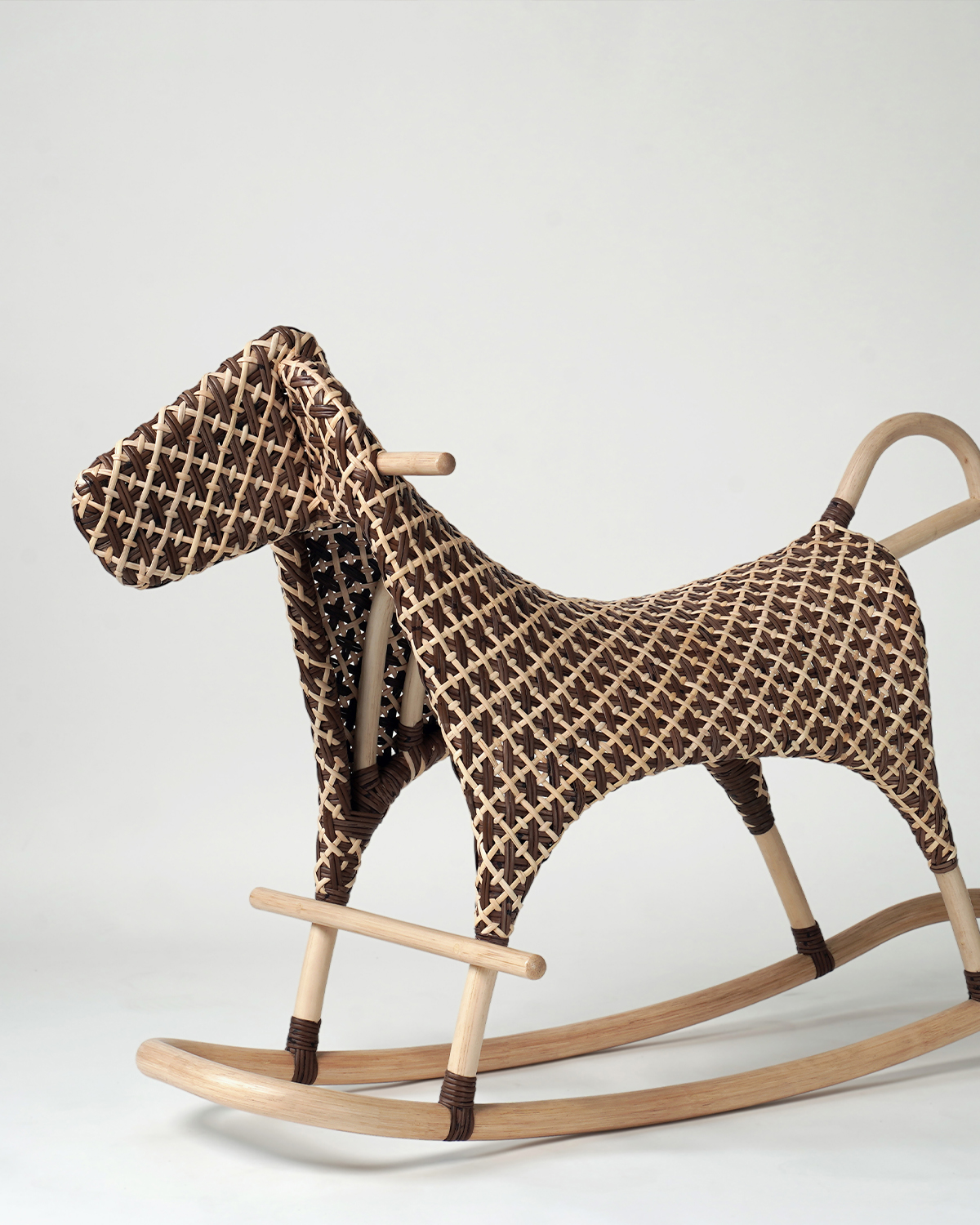
"The question is no longer how we can take inspiration from nature, but how we can work alongside it more thoughtfully."
This year’s edition feels like a significant new chapter. What makes Jia CURATED 2026 different from everything that came before?
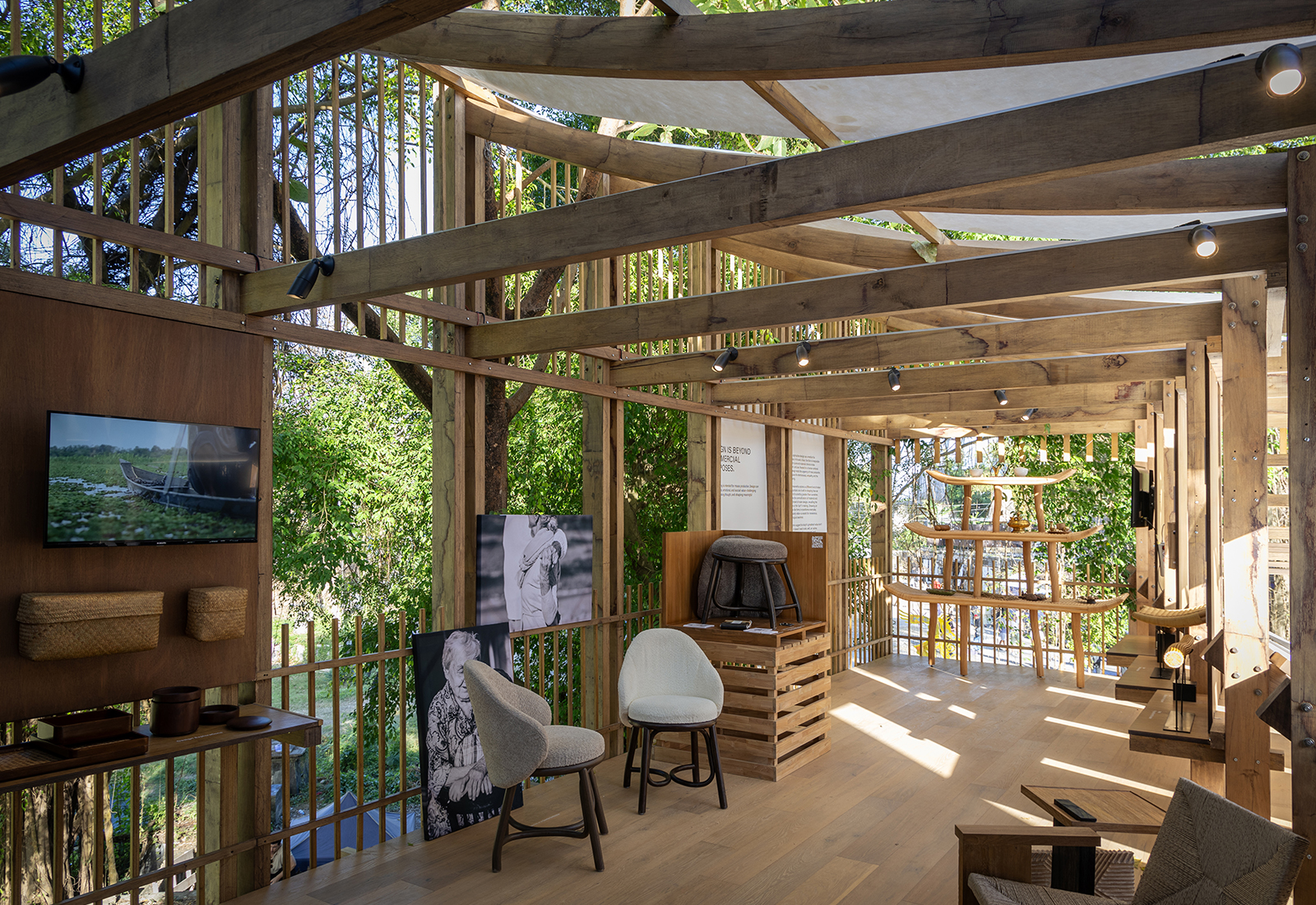
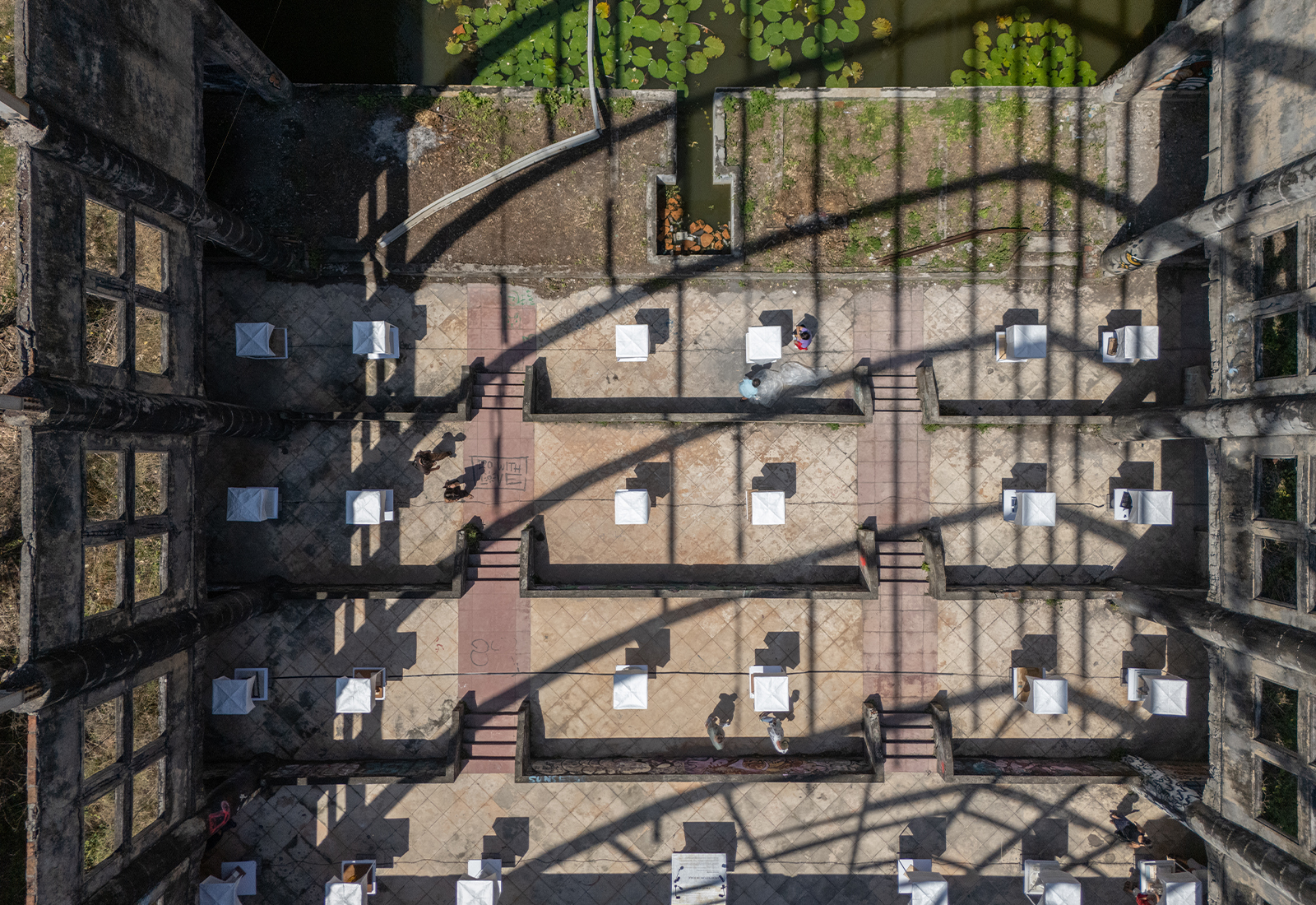
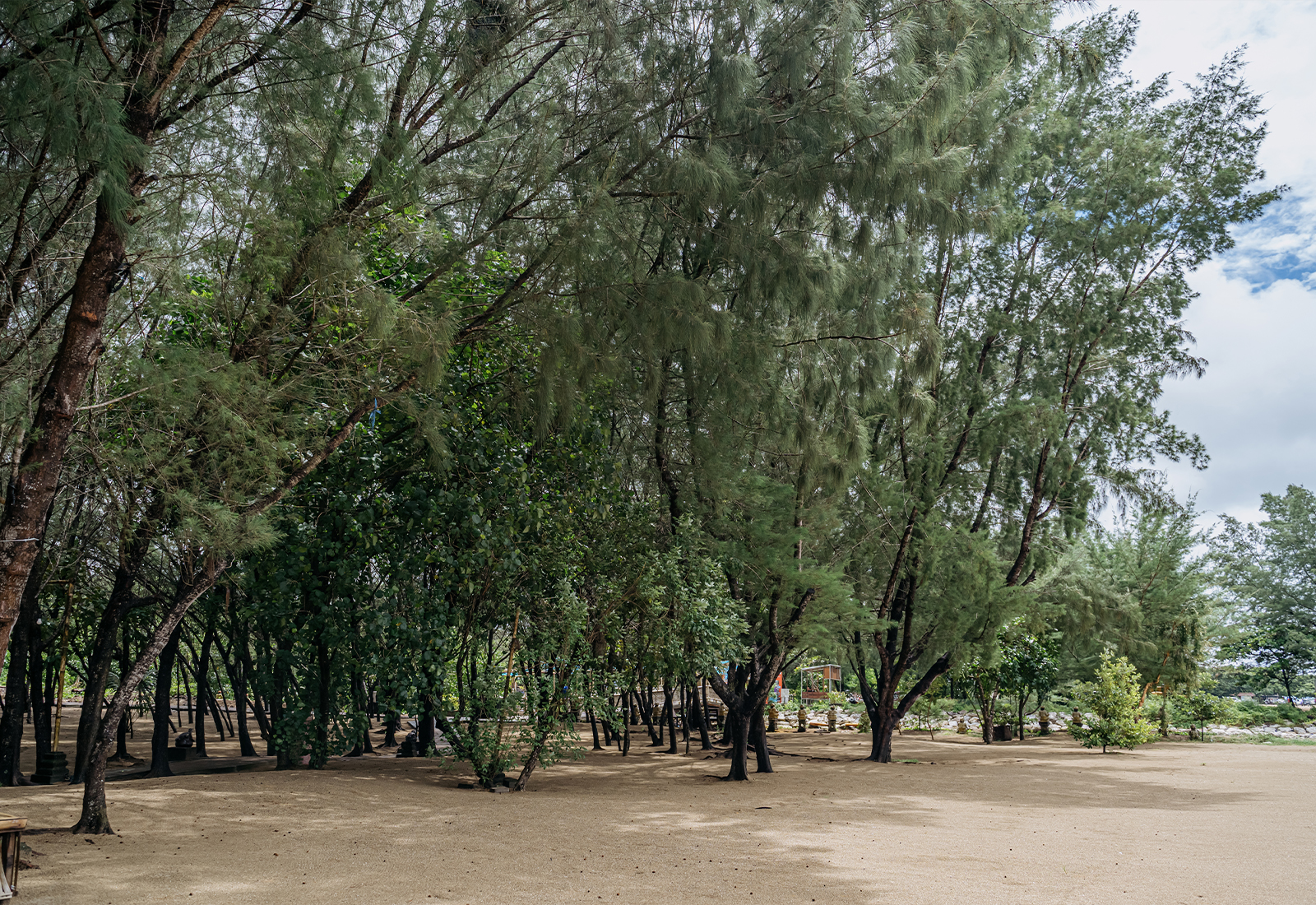
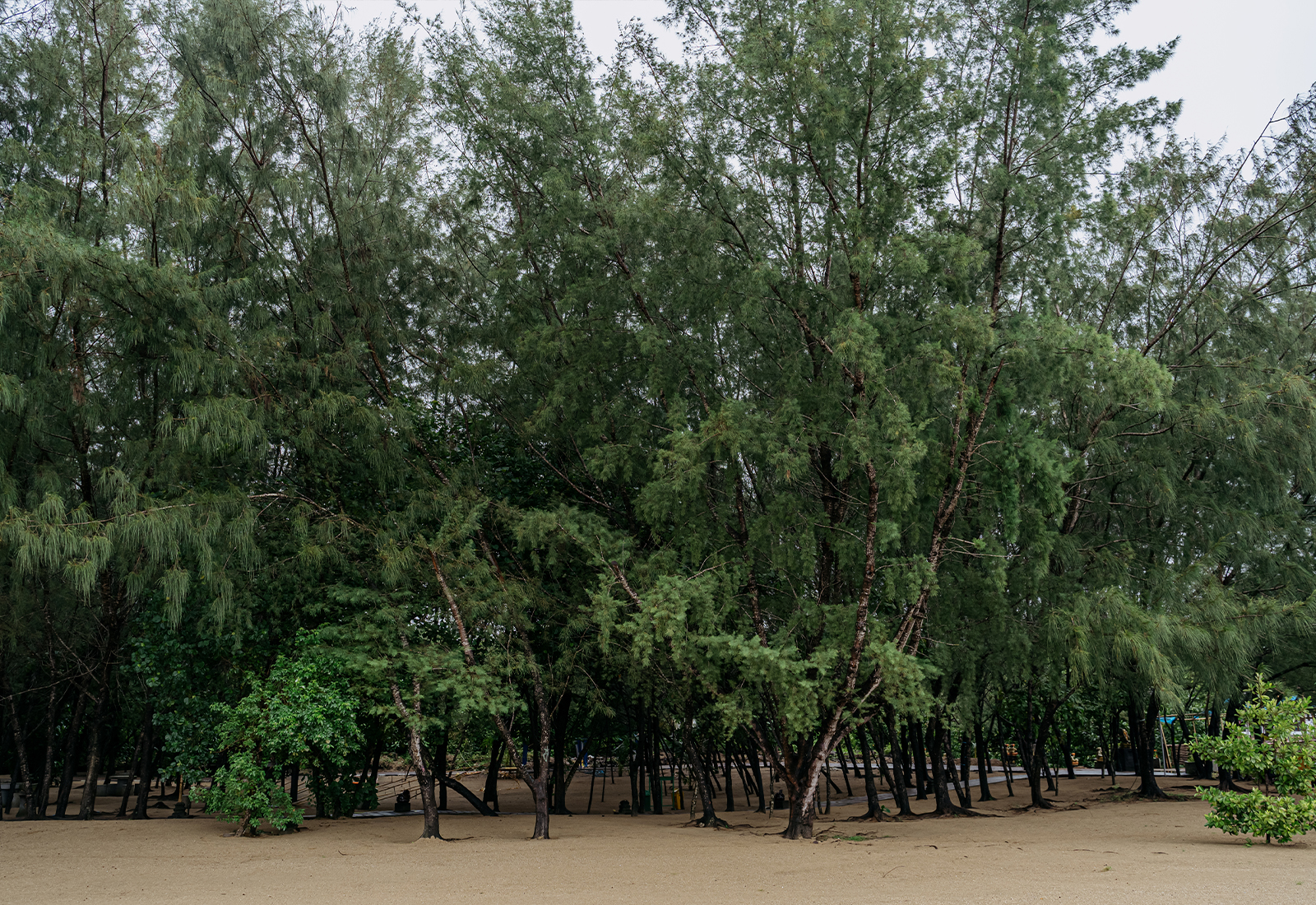
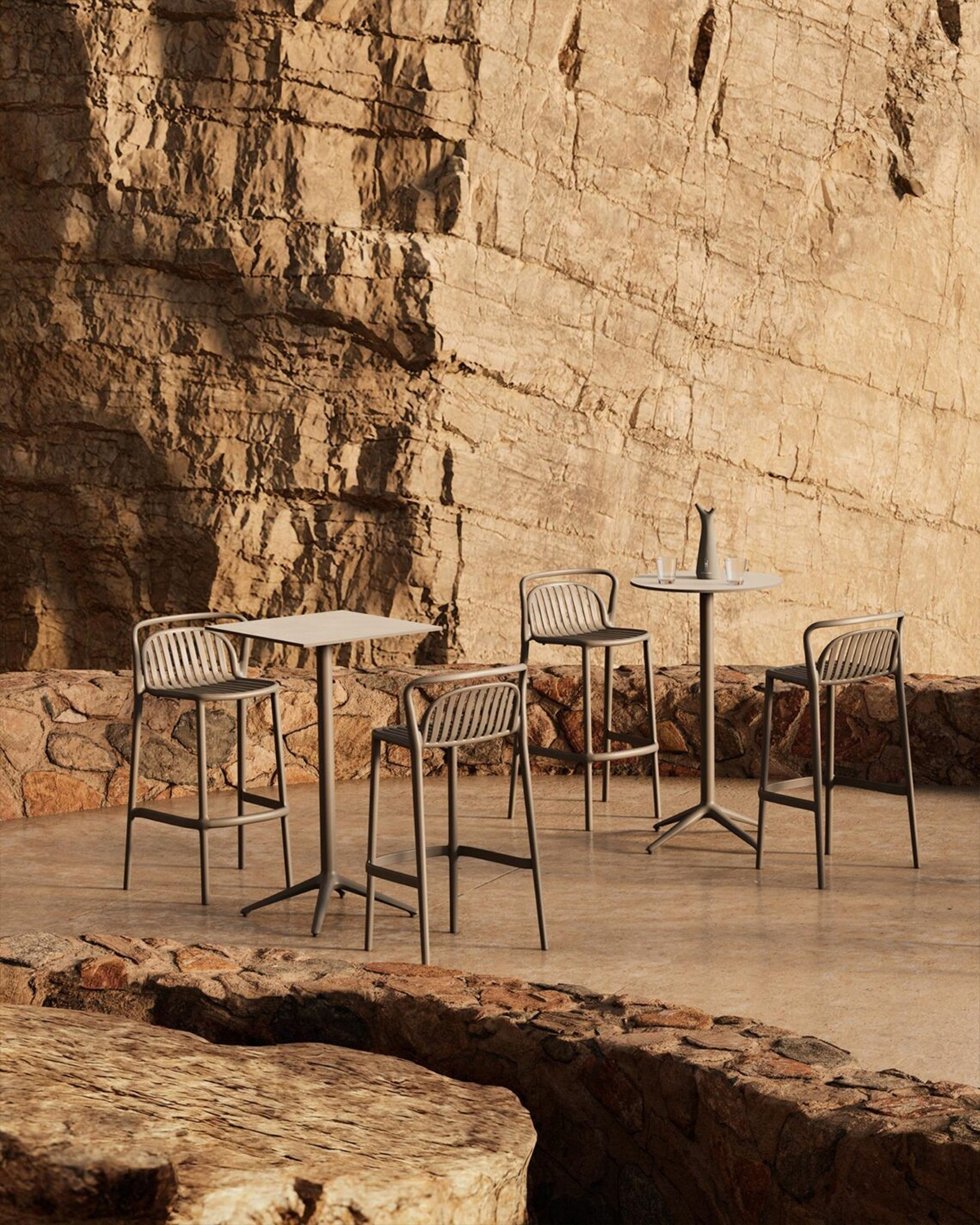
For the first time, Jia CURATED unfolds at Pengembak Beach in Sanur, a landscape where sea, sand, mangroves, river and forest meet. When we first encountered the site, it felt less like a venue and more like a collaborator.
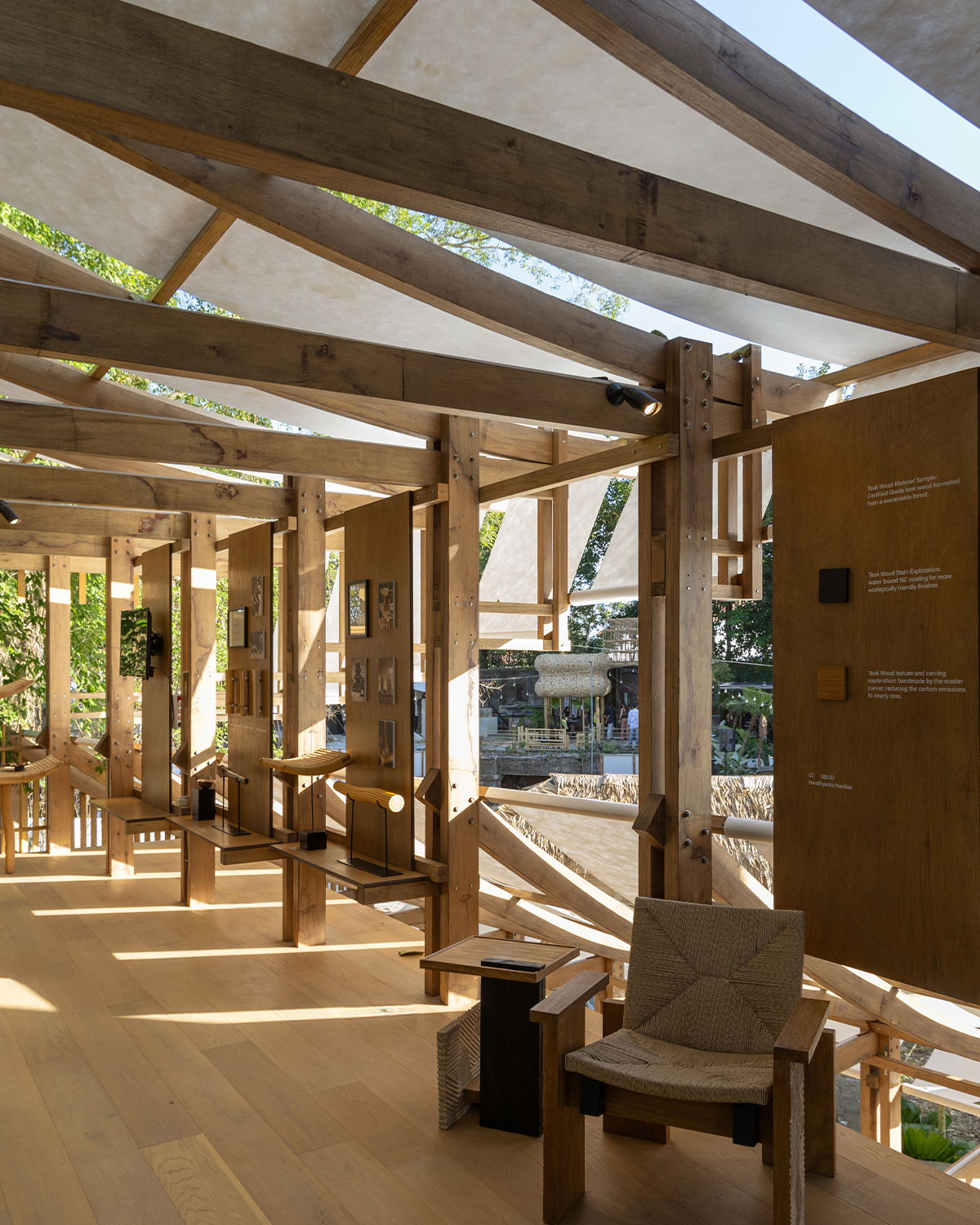
Rather than imposing upon it, we have sought to listen to it. We have invited participants to do the same, allowing the landscape to inform how spaces are conceived, how structures are built and how stories are told. We hope the result is an exhibition that feels rooted in its surroundings and responsive to the rhythms of nature itself.
The natural features and constraints of the site directly inform the curatorial direction, encouraging participants to respond intuitively to the surrounding environment. These conditions resonate deeply with this year’s theme, Nature Weave, which explores the interconnected relationships between people, design and natural systems.
More than simply serving as a venue, the site will play an integral role in shaping the exhibition itself, fostering a meaningful dialogue between design, nature and place.
Nature Weave encourages us to see ourselves as part of nature rather than separate from it. What inspired this theme, and why do you believe this perspective is particularly relevant today?
Having lived in Bali longer than anywhere else in the world, its close connection to nature has profoundly shaped me, both as a person and as a designer. Nature Weave reflects my relationship with the natural world, how I draw inspiration from its beauty and how my constant interaction with it continues to influence my perspective and practice.
There is a tendency to think of nature as something outside ourselves, a landscape to admire, a resource to draw from, or a problem to solve. Yet the longer I spend making, observing and learning, the more I am reminded that nature is not separate from us. We are part of it, shaped by it, and ultimately dependent on it.
As designers, architects, makers and cultural practitioners, we shape the environments around us. The question is no longer how we can take inspiration from nature, but how we can work alongside it more thoughtfully. How do we create in ways that are less extractive and more regenerative? How do we design not only for ourselves, but for the larger systems of which we are a part?
Ultimately, Nature Weave celebrates both the beauty and the wisdom of the natural world. It encourages us to look beyond nature as merely a source of inspiration and instead recognise it as something we are inherently connected to. If this edition encourages us to see those connections more clearly - between people, place, nature and design - then it will have achieved what we hoped for.
With more than 250 participants, how do you decide who becomes part of Jia CURATED? Beyond exceptional design, what qualities or values are you looking for?
From the beginning, Jia CURATED has been guided by a strong emphasis on identity, both individual and cultural.
We look for designers who demonstrate a clear point of view, producing original, often handcrafted work that reflects a genuine connection to their roots. This sensibility is important to us because it brings depth and authenticity to what is presented, moving beyond trends or purely commercial design.
As we began working more closely with designers across Indonesia and the region, it became clear that the most compelling work was often grounded in a strong sense of place, shaped by local materials, craft traditions and personal narratives. These elements create a richness that cannot be replicated and offer a meaningful counterpoint to the homogenisation often seen in global design.
At the same time, this is not about looking backwards. We are interested in how designers reinterpret their heritage in a contemporary way, translating tradition into new forms, processes and ideas that are relevant today.
From my personal perspective, curation is as much about saying “not now” as it is about saying “yes”. While it can be difficult to turn down proposals, the intention is never to exclude, but rather to maintain a clear and coherent vision for the event. Sometimes a project may not be the right fit for the present edition, but that does not mean it cannot become part of the conversation in the future.
Indonesia has an extraordinary craft heritage. How do you see Jia CURATED helping preserve traditional knowledge while encouraging contemporary creativity and innovation?
I believe that the greatest potential within Indonesia’s design sector lies in the ability to connect the existing strengths of the country - natural materials, creative talent and high-quality traditional manufacturing techniques - into a more cohesive ecosystem.
Indonesia is already well-positioned for success, with abundant resources and skilled designers, as well as numerous manufacturers trusted by many well-known international brands as production facilities. However, there is a need to give a little nudge to connect home-grown creative talents with local manufacturers to unlock even greater opportunities. Fostering collaboration between designers, makers and manufacturers is key to achieving this vision.
At the same time, I believe Indonesian designers must carve out their own space on the international stage by embracing Indonesia’s rich cultural heritage in their work.
Design for the sake of aesthetics alone is no longer enough. The market is more informed and sophisticated, and products need to create experiences that are profoundly relevant and resonate with people.
When Indonesian designers embrace their own culture, their designs will not only be seen but also felt and understood. This holistic approach to design is based on a deeper connection with the products and the environments, turning every piece into a story waiting to be told.
Many of this year’s initiatives—from Waste to Wonder to Project Benih and the idea of ‘The Story After’—encourage designers to think beyond the finished object. Do you believe the creative industry has a responsibility to design with long-term environmental and social impact in mind?
Absolutely.
As humans and designers, we play a significant role in shaping the world around us. More than ever, we need to bring nature to the forefront of our thinking and weave it into the fabric of our lives, our spaces and our work. It is essential to be conscious of the environmental footprint we leave behind and to recognise our responsibility in shaping a more sustainable future. We must strive to be less extractive and more respectful of nature, embracing a design approach that works in harmony with the environment rather than at its expense.
Nature teaches us that resilience does not arise from isolation but through connection. Forests, rivers and mangroves thrive through complex networks of interdependence, where each element contributes to the wellbeing of the whole. There is wisdom in these systems, and perhaps a lesson for how we might choose to live, create and collaborate.
Initiatives such as Waste to Wonder, Project Benih and The Story After reflect this thinking. They encourage us to consider the entire life of what we create, and to recognise that creativity, like nature itself, flourishes through exchange, reciprocity and care.
Jia CURATED has become much more than an exhibition; it has become a meeting point for designers, artisans and creative communities across Asia. What kind of ecosystem are you hoping to build over the next decade?
Over the years, Jia CURATED has grown beyond a platform for showcasing work. It has become a meeting point - a place where local and international perspectives can intersect, where traditions and contemporary practices can coexist, and where new collaborations can take root. This evolution has reinforced a belief that feels increasingly important: that nurturing local creative voices and engaging in global dialogue are not opposing ambitions, but interconnected ones.
Our vision is to grow the event’s impact and influence, connecting creators and communities across the region and beyond, making Jia CURATED a key destination for innovation and inspiration in the design world.
Our ambition for Jia CURATED is for it to become the leading design event in Asia, bringing together the best of craft, design, and culture, while fostering a platform that showcases diverse voices and perspectives.
This doesn’t necessary means growing in scale - but rather reaching world-class standards in thinking, execution, and ethos.
World-class, for us, isn’t defined by foreign aesthetics, but by clarity of vision and uncompromised excellence. We want to show the world that Indonesia’s creatives can stand shoulder to shoulder with any other international community - not by imitation, but through authenticity.
If visitors leave Jia CURATED with just one new perspective, what do you hope they carry with them long after the event is over?
We hope visitors will enjoy experiencing the event as much as we have enjoyed developing it. Every year, we strive to create moments that are memorable and meaningful - experiences that stay with people long after the event has ended.
More importantly, we want Jia CURATED to feel welcoming and comfortable. Beyond the exhibitions, installations and programmes, our goal is to create an atmosphere where people can slow down, relax and be themselves. We want visitors to feel at home, at ease, and free to explore, connect and engage with the ideas, people and surroundings at their own pace.
We hope people will forge lasting memories, new perspectives and a genuine sense of belonging.
Ultimately, I hope this edition encourages people to see the connections more clearly - between people, place, nature and design. If visitors leave recognising that creativity, like nature itself, flourishes through collaboration, reciprocity and care, then Nature Weave will have achieved what we wish for.
EXPLORE THE PUNCH
Celebrating Remarkable
Businesses with Impact