

FEATURES • DESTINATIONS
Hengki Adnyana:
Home in the Jungle
Interview & Photography by The Punch
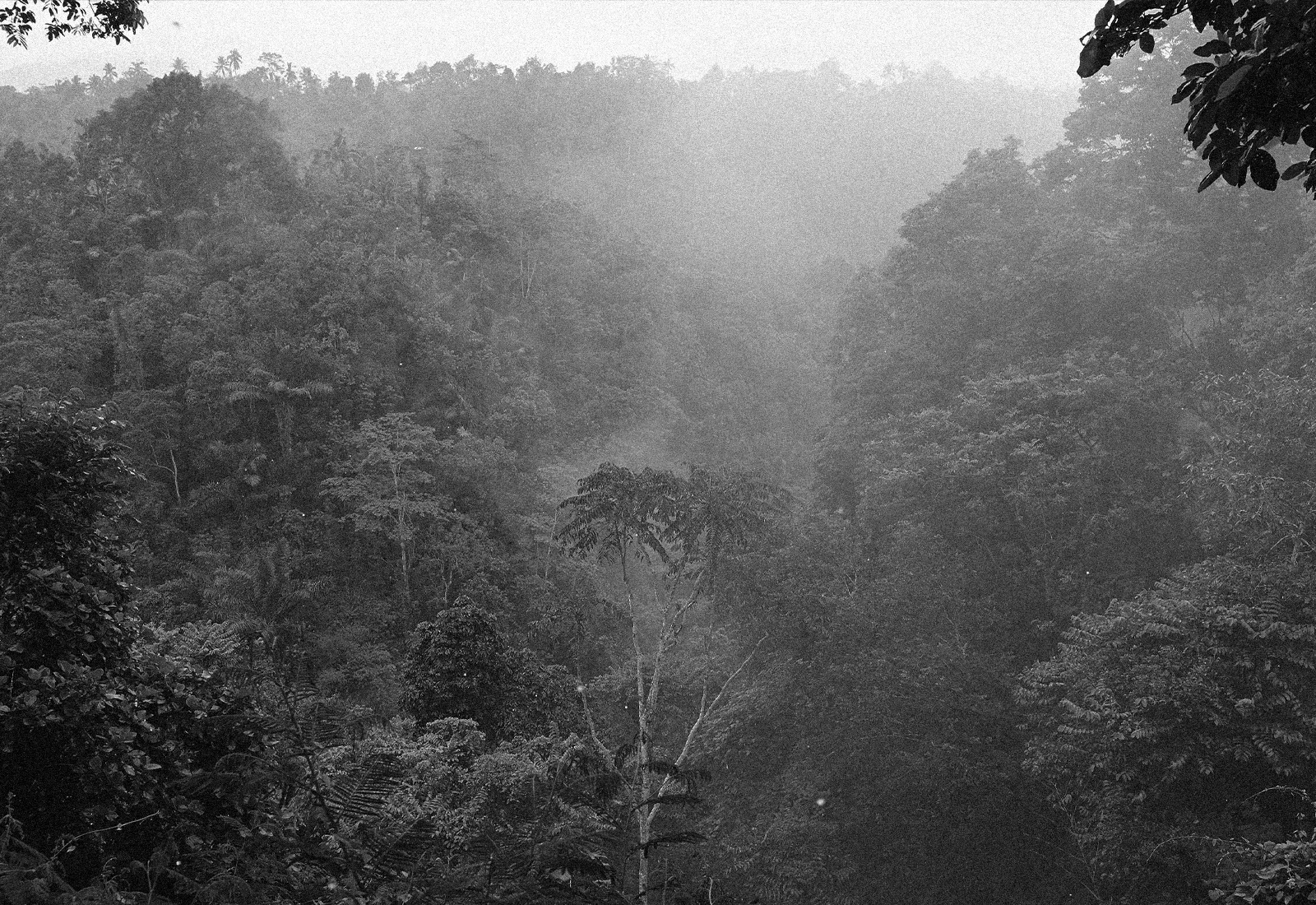
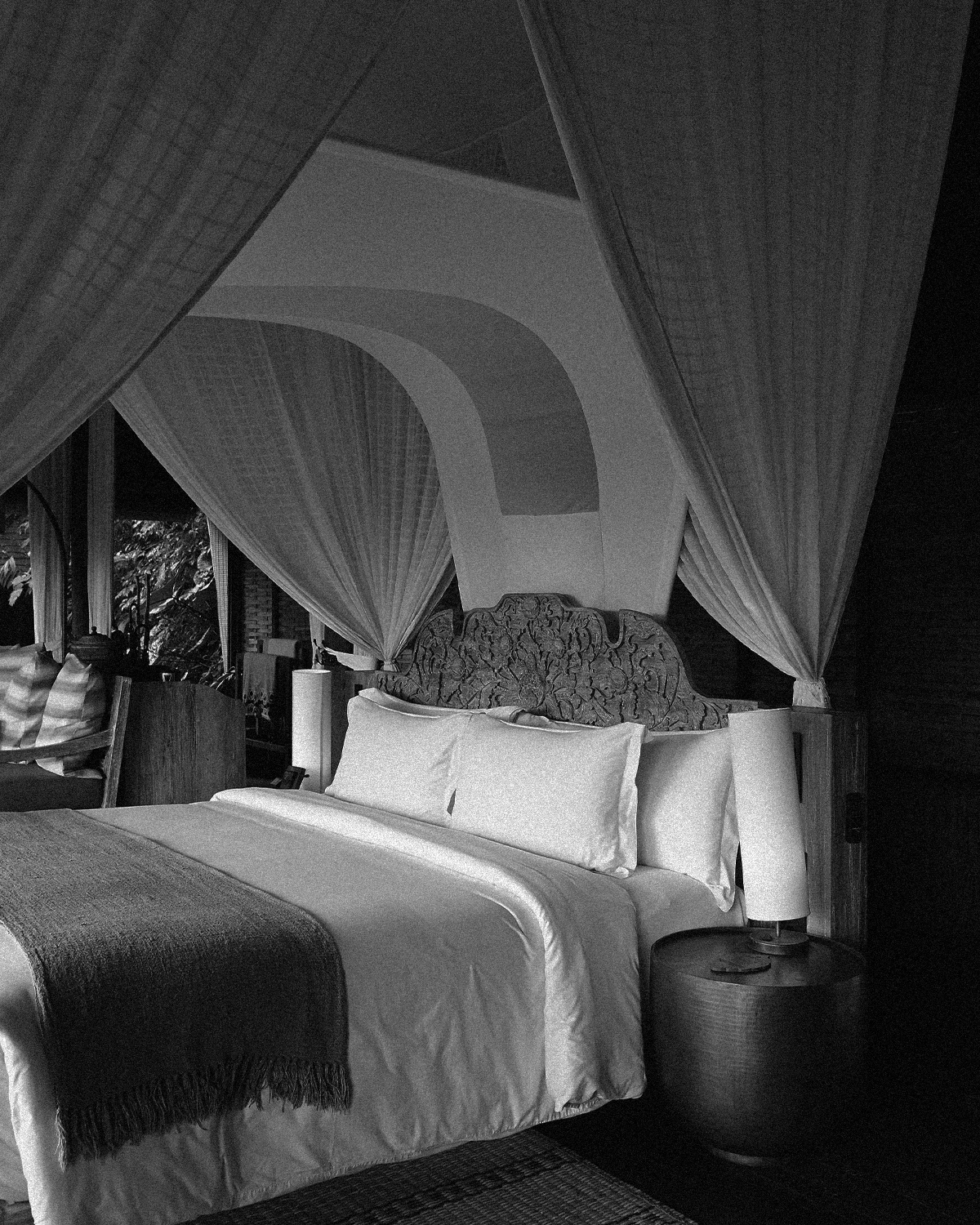
In the highlands of Gianyar, where the Ayung River carves through dense rainforest, sits Buahan, A Banyan Tree Escape, a resort built almost entirely without walls. There are no doors separating guests from the jungle, no glass between the bedroom and the birdsong, no barrier between sleep and the sound of rain on a thatched roof. It is one of the more radical experiments in modern Balinese hospitality, asking guests to give up comforts they may not realise they are attached to: air-conditioning, blackout curtains, the hum of a television, the illusion of control over their environment.
Leading that experiment is Hengki Adnyana, a Balinese hotelier whose own life traces a similar arc, from the limestone cliffs of Ungasan and the beach breaks of Legian, through training at the Oberoi Centre in New Delhi, to some of the island's most thoughtfully designed properties, and finally to Buahan itself. His path back to the jungle is, in many ways, a return.
We sat down with Hengki to talk about running a hotel guided by Tri Hita Karana, the Balinese philosophy of harmony between people, nature and the divine, not as a marketing line but as something he grew up inside. This is his story, in his own words.
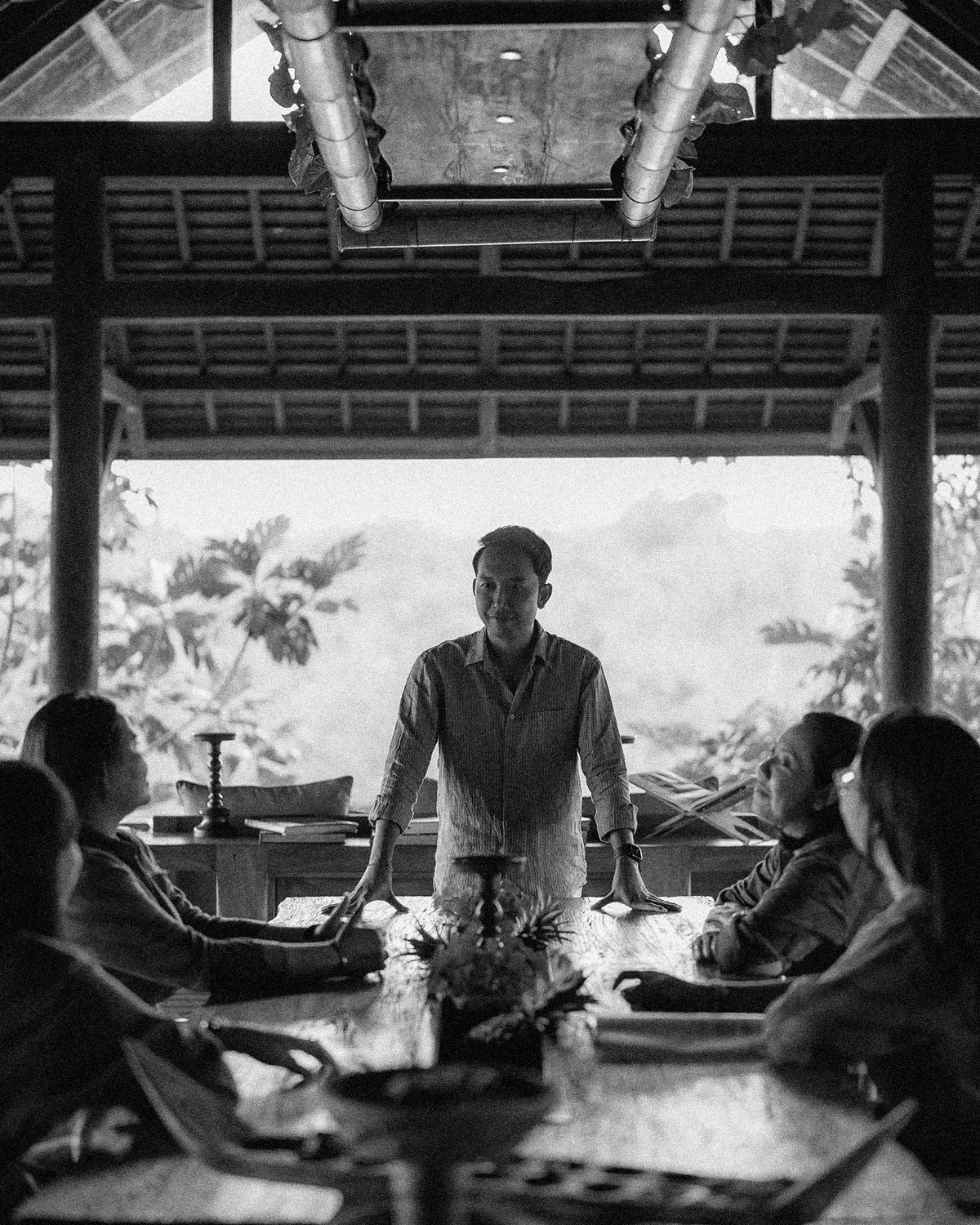
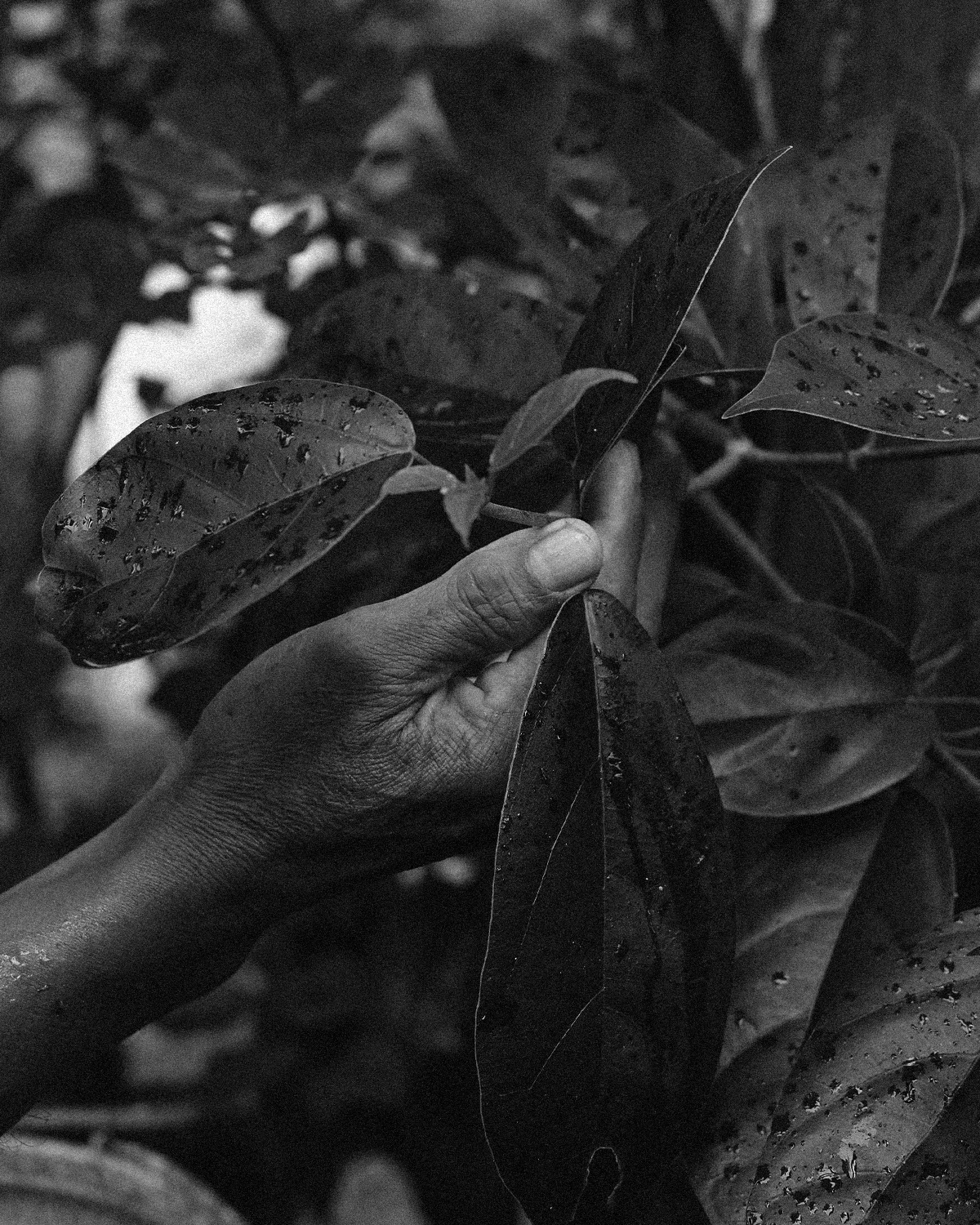
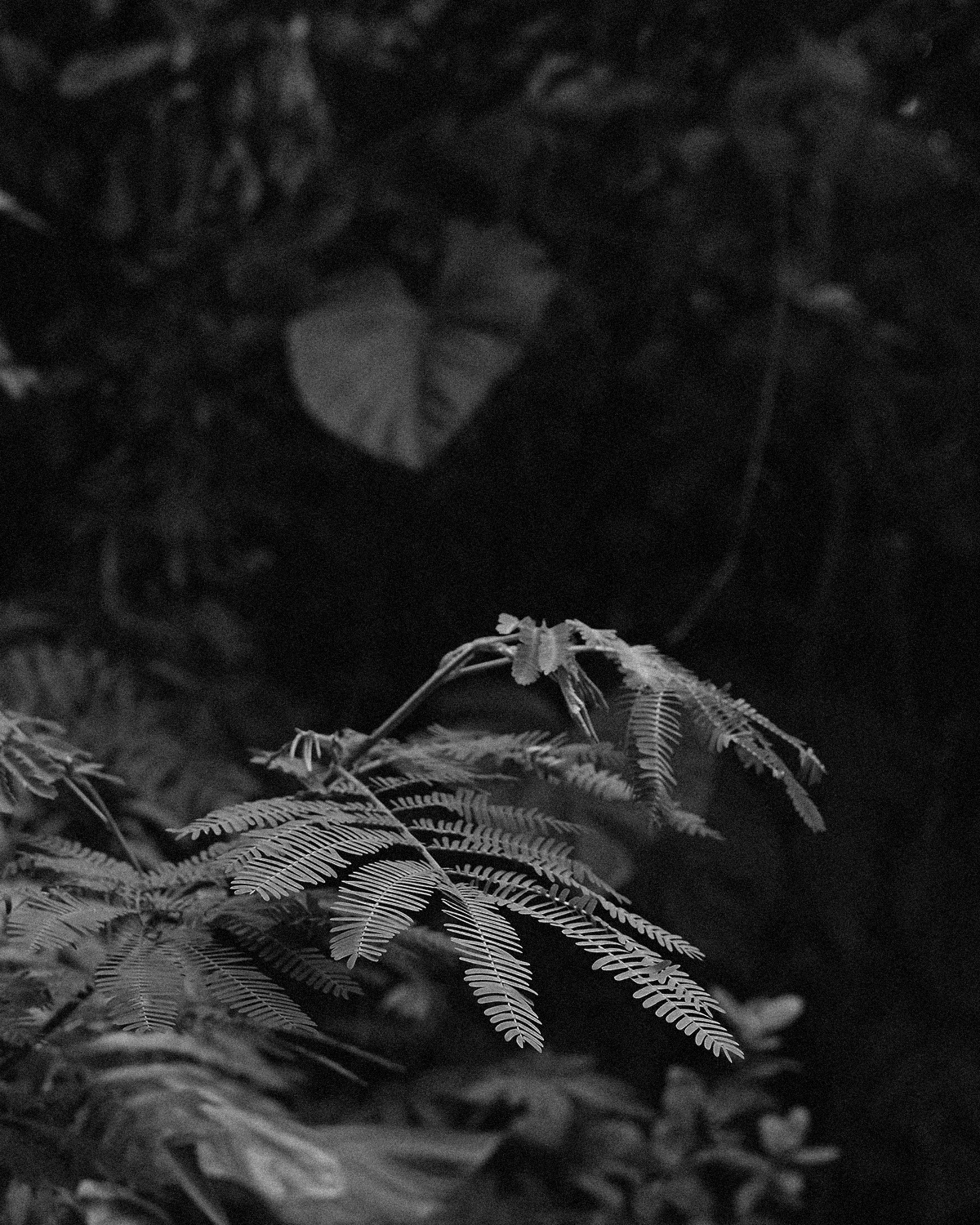
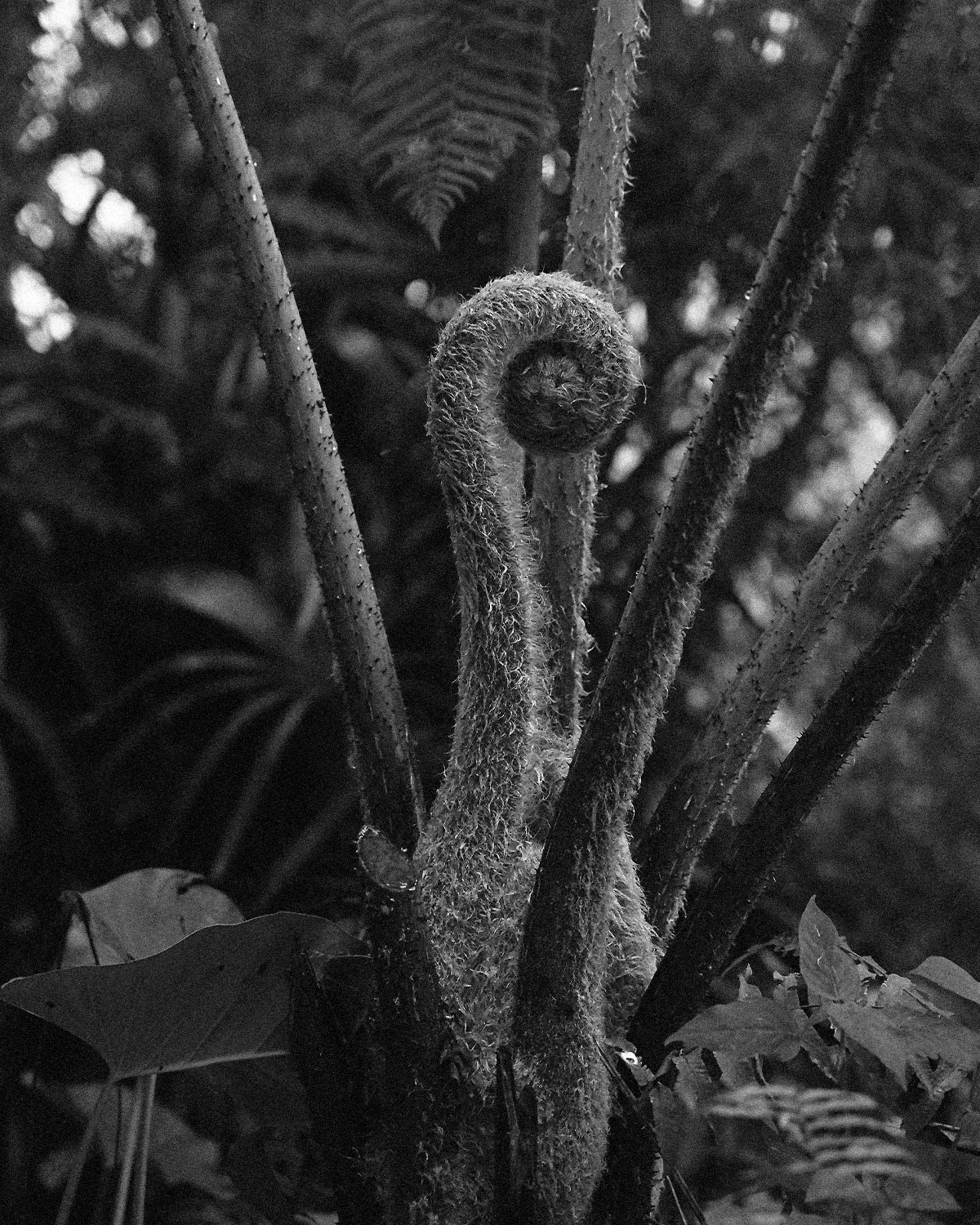
Where did you grow up in Bali and what was your relationship with nature as a child?
I was born in Ungasan, at the southern tip of Bali, and it was a very different place from what people know today.
Back then, there were far fewer hotels and very little development. The landscape was dry and rugged, defined by dramatic limestone cliffs overlooking the Indian Ocean. The beaches that are now famous were almost untouched. I still remember walking down the cliffs for traditional purification ceremonies as a child because there were no roads leading to the beach yet. It was just us, the ocean, and the local fishermen.
I also grew up in Legian, which was a completely different environment. It was already becoming a melting pot of cultures and nationalities, and I spent most of my childhood at the beach. I was a beach boy in every sense of the word. Body surfing after school, spending entire days by the ocean, meeting people from all over the world.
Looking back, nature was always present in my life, whether it was the cliffs of Ungasan, the beaches of Legian, the waters around Lombok and Komodo later in my career, or now the rainforest of Buahan.
As I reflect on my journey, I realise that many of the places I’ve been fortunate enough to work in have shared one thing in common: they are surrounded by extraordinary natural beauty. I think that’s because I’ve always felt most comfortable in places that remind us how small we are in the best possible way.

You trained at the Oberoi Centre in New Delhi, far from everything you knew. What did leaving Bali teach you about yourself?
Leaving Bali was one of the most important experiences of my life.
When you’re young, it’s easy to assume that the world works the way you’ve always known it. Moving to India challenged that assumption very quickly. The Oberoi Centre was demanding and incredibly rewarding, but some of the biggest lessons happened outside the classroom.
Through my training, I had the opportunity to experience different parts of India—from Delhi, Jaipur and Kolkata to Bangalore. Every destination felt different. Every community had its own rhythm, traditions and way of welcoming people.
What stayed with me most was the hospitality. In India, guests are treated almost like royalty. In Bali, guests are treated like family. The styles may be different, but the spirit is remarkably similar. Both cultures place tremendous importance on making people feel cared for.
Being away from home also taught me to appreciate Bali in a much deeper way. Sometimes you need distance to truly understand what makes a place special. The food, the culture, the people, even the small things we often take for granted. I left Bali looking for professional growth, but I came back with a greater appreciation for where I come from.
You have worked at some of Bali’s most considered properties over the years. What were you still looking for when Buahan came along?
I was looking for purpose.
When I first learned about Buahan, I was immediately drawn to its founding philosophy: embracing the environment and empowering people.
As a Balinese hospitality professional, that resonated deeply with me because it aligned with what I believe hospitality should be. Creating meaningful experiences for guests is important, but equally important is the impact we leave on the people and places around us.
What excited me most was that Buahan wasn’t simply talking about sustainability. It was actively trying to create a regenerative future. A future where hospitality contributes positively to nature, supports local communities, and creates opportunities for the people who call this place home.
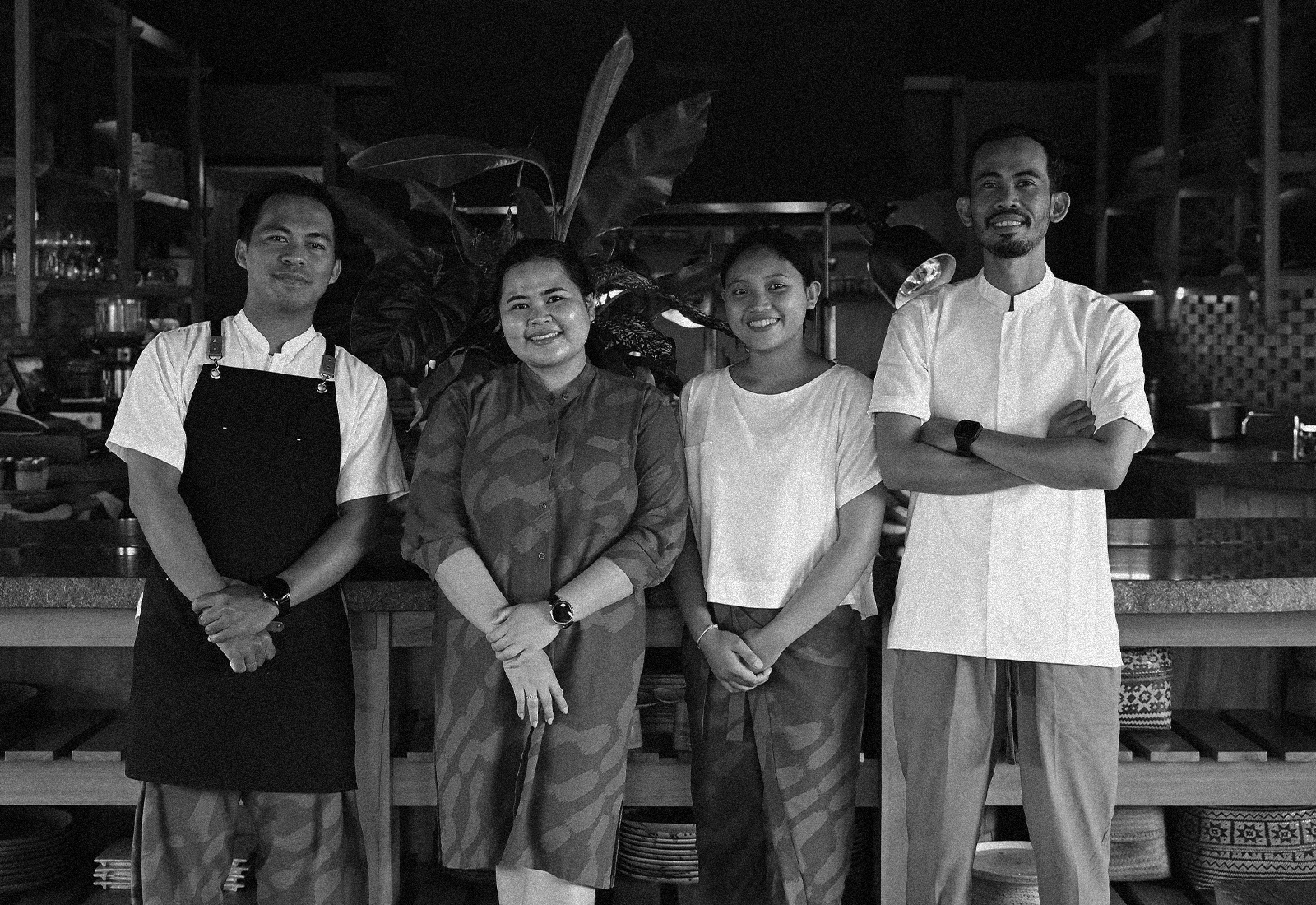
Today, we are proudly a 100% Indonesian team, with many of our associates coming from Gianyar and the surrounding region. Through initiatives like Dukuh Asri and our partnerships with local champions, we’re constantly asking how we can contribute more—not just as a resort, but as a neighbour.
That felt incredibly authentic to me. Buahan isn’t trying to imitate anyone else. It is rooted in its landscape, its culture and its community. That’s what made me want to be part of the story.
The first time you spent a night here with no walls and no doors between you and the jungle — what happened to you personally?
If I’m being honest, I had exactly the same questions many guests have before they arrive.
What about the mosquitoes? What happens when it rains? What does it actually feel like to sleep completely open to nature?
I was curious, but I was also slightly apprehensive.
Then I spent my first night at Buahan.
I slept like a log.
The next morning, I woke naturally around 5:30am to the sound of birds singing, the river flowing through the valley, and sunlight slowly filtering into the bale. There was no alarm clock, no television, no notifications. Just nature gently telling me it was time to wake up.
That experience stayed with me because it reminded me how disconnected many of us have become from natural rhythms. We spend so much of our lives controlling our environments—air-conditioning, artificial lighting, screens, schedules.
At Buahan, nature sets the rhythm instead.
What surprised me most wasn’t the openness. It was how quickly that openness felt natural. You stop resisting it and start relaxing into it. That’s when you begin to understand what Buahan is really about.
You talk about guests going through a softening when they arrive. Tell us about a specific guest moment you witnessed that you have never forgotten.
What stays with me isn’t one particular guest. It’s actually a pattern I see over and over again. Guests often arrive carrying the weight of modern life with them. You can see it immediately. They’re rushing, checking emails, thinking about the next meeting, the next flight, the next thing they need to do. Then I meet them again the following morning. The difference can be remarkable. Their shoulders seem more relaxed. Their pace slows. They’re more present in conversations. They’re noticing things around them rather than looking through them. By the second or third day, many guests tell us the same thing: “I didn’t realise how much I needed this.” I think that’s because Buahan doesn’t try to entertain people every minute of the day. Instead, it creates space. Space to rest. Space to reflect. Space to reconnect with themselves, with nature, and often with the people they’re travelling with. Watching that transformation never gets old.
Every ingredient on your table comes from within 50 kilometres and every person on your team is from the village around you. What does that change about the way this place feels — for them and for you?
It creates a much deeper sense of connection, but also responsibility.
From the outside, local sourcing sounds simple. In reality, it requires a great deal of commitment. You need to build trust, invest in relationships, and grow together over time.
We start by asking what is growing around us, then within the village, then within the surrounding region before looking further afield.
The same philosophy applies to people.
Many of our associates come from Gianyar and neighbouring communities. They’re not presenting someone else’s culture to guests. They’re sharing their own stories, traditions and experiences. I think guests can feel that authenticity.
When a farmer explains how rice is grown, when a host talks about a ceremony they attended with their family, or when a local artisan shares their craft, those stories come from lived experience. They aren’t scripted.
That creates a different kind of hospitality. One that feels personal rather than transactional.
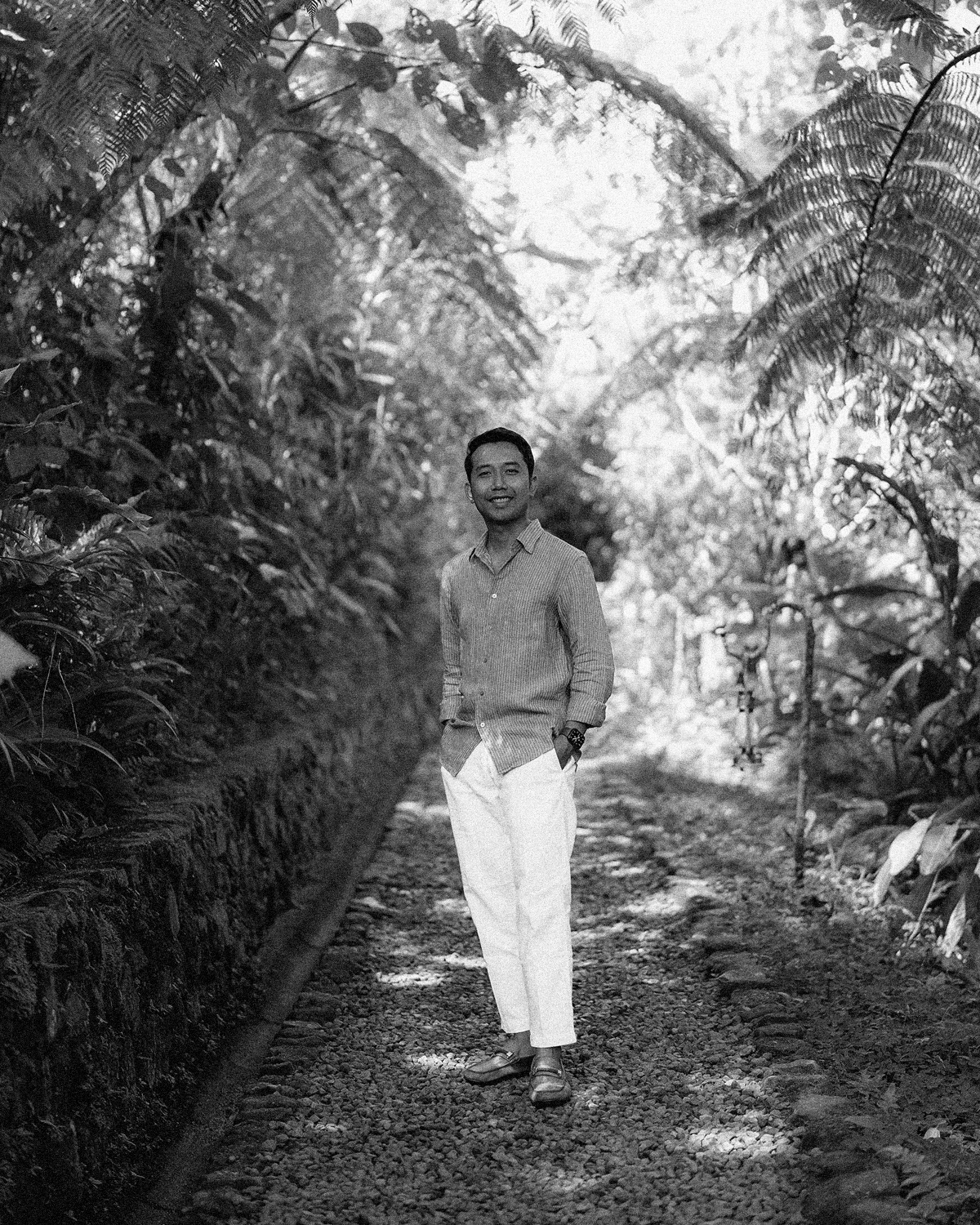
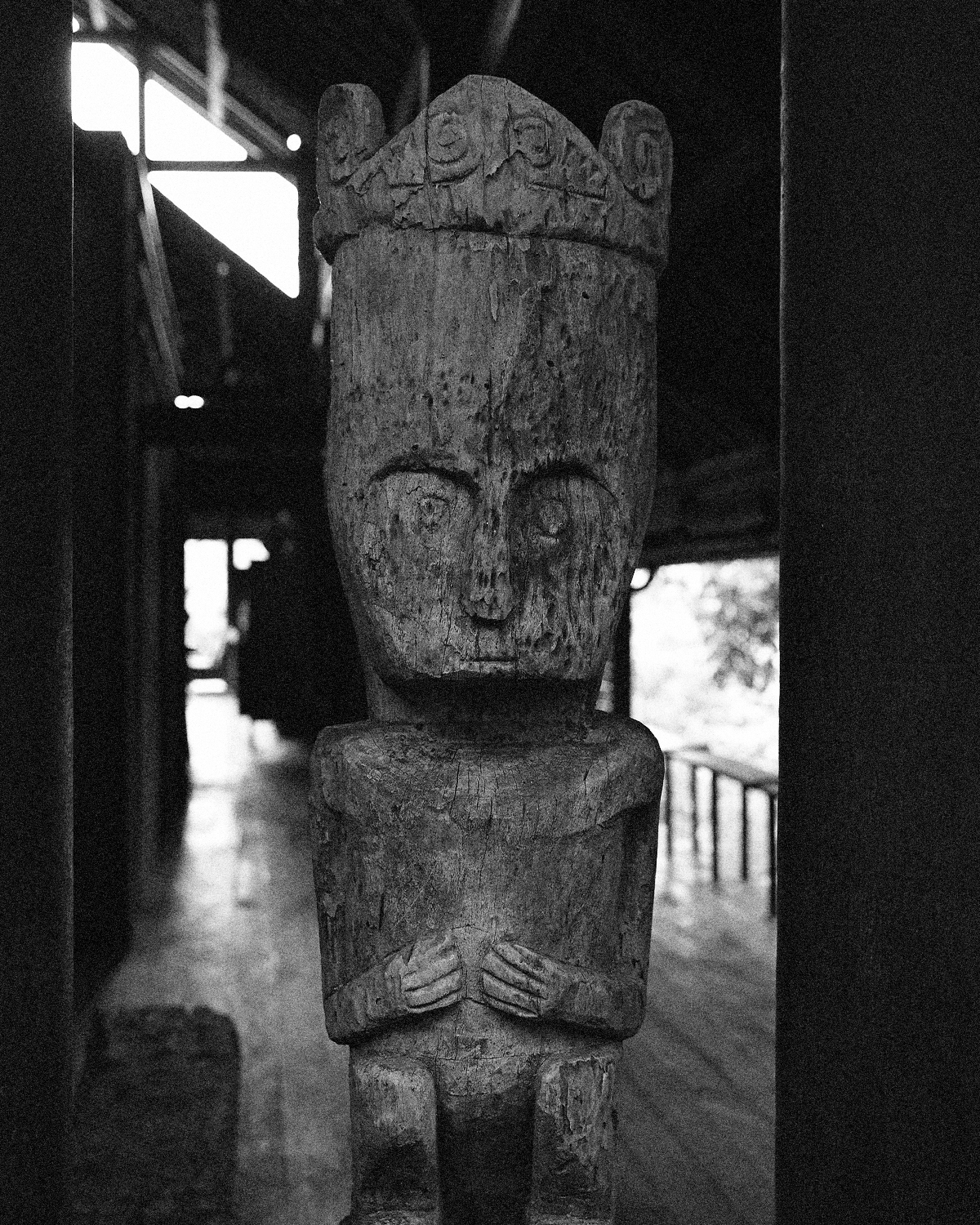
Guests here meet farmers, healers, foragers and artisans — not as a programme but as people. Tell us about one of those relationships and why it matters to you personally
One of the things I appreciate most about Buahan is that many of our strongest partnerships began as relationships rather than business arrangements.
A great example is Bapak Wayan, who has dedicated years of his life to protecting and restoring firefly habitats in the area. His passion is infectious. Every time I spend time with him, I’m reminded that meaningful conservation often starts with individuals who genuinely care about their environment.
I also have tremendous respect for Pak Ketut, who has been championing organic farming practices for decades. His commitment to preserving traditional agricultural knowledge while protecting the land for future generations is incredibly inspiring.
Then there’s Ibu Munanti, whose knowledge of wellbeing and healing traditions has become an important part of the guest experience. Beyond her expertise, she brings warmth, wisdom and genuine care to every interaction.
What connects all of these individuals is that they aren’t participating in a programme. They’re simply sharing who they are.
For me, that’s where the magic of Buahan lives.
Nature immerses guests automatically. But it is people who create the deeper connection. Those human relationships are what guests remember long after they return home.
You are Balinese, and Tri Hita Karana is not a philosophy you learned from a brand document — it is something you grew up inside. What does it actually mean to you in your daily life here?
To be honest, I don’t spend much time thinking about Tri Hita Karana as a philosophy.
For most Balinese people, it’s simply part of how we were raised.
From a young age, you’re taught that your relationship with other people matters. Your relationship with nature matters. Your relationship with something greater than yourself matters. These things aren’t separate—they’re connected.
As a child, I didn’t have a name for it. It was simply the way life worked. You help your neighbours. You respect the land that provides for you. You participate in ceremonies and traditions because they connect you to your community and your beliefs.
At Buahan, I see those same principles reflected every day.
I see it in the relationships we build with local farmers and artisans. I see it in the way our team supports one another. I see it in the way guests respond when they slow down enough to notice the landscape around them.
For me, Tri Hita Karana isn’t something you display on a wall. It’s something you practise through everyday decisions, relationships and actions.
What is the hardest part of running a place like this honestly — the thing that keeps the gap between intention and reality real?
The encouraging thing about Buahan is that our intention and reality are remarkably aligned. We genuinely try to live the values we talk about. There is a strong sense of congruence between what we believe and how we operate. Of course, challenges still exist. We are located in a rainforest. Weather changes. Infrastructure has limitations. Nature doesn’t always follow a schedule. The challenge is rarely the problem itself. Most problems can be solved. The real challenge is how you communicate with guests when things don’t go exactly as planned. Over the years, I’ve learned that transparency and empathy are often more important than perfection. People are surprisingly understanding when they feel respected, informed and genuinely cared for. At the end of the day, hospitality is still about people.
A guest arrives overscheduled, overstimulated and slightly skeptical. Walk us through what Buahan does to them over three days.
The first thing we do is nothing.
Most guests arrive after long flights, multiple time zones, and months of living at a fast pace. They’re tired, overstimulated and still carrying the momentum of everyday life with them.
The first evening is usually about slowing down.
Perhaps it’s a sunset cocktail at The Botanist Bar. A relaxed dinner at Open Kitchen. A wellness treatment to recover from travel. Nothing complicated.
The first night is often the turning point.
This is when guests encounter the openness of Buahan. There are no walls, no doors, and very few distractions. Some people immediately fall in love with that feeling. Others need a little more time to adjust. Both reactions are completely normal.
Then something begins to shift.
They wake up to birdsong. Rainfall. The sound of the river. Sunlight moving across the valley.
Their pace slows down.
They become more curious.
They start engaging with experiences like Soul Freedom Journey, Jungle Cooking at Dukuh Asri, or simply spending time observing the landscape around them.
By the third day, many guests seem lighter.
They laugh more.
They linger longer over meals.
They stop checking the time.
And very often, they ask us the same question:
“What would it take to stay one more night?”
To me, that’s one of the clearest signs that something meaningful has happened during their stay.
What does Buahan give people that they did not know they needed when they booked?
Most people think they’re booking nature. They think they’re booking a beautiful bale, a jungle view, or a unique travel experience. What they often discover is something much more personal. Because there are fewer distractions, because the pace is different, and because nature becomes part of everyday life here, guests suddenly find themselves spending time with their own thoughts. Sometimes that’s comfortable. Sometimes it’s challenging. But it’s almost always meaningful. I think Buahan gives people something many of us don’t realise we’re missing: space. Space to slow down. Space to reflect. Space to reconnect with what matters to them when nobody is asking anything from them. The experience isn’t really about escaping life. It’s about returning to yourself.
Where is Buahan going and what do you want it to still be doing in ten years?
I hope Buahan continues to grow, but I hope it grows in the right way.
Growth is important, but success isn’t measured only by occupancy, awards, or recognition. It’s measured by whether we continue to honour the values that brought us here in the first place.
One of the principles that resonates most with me is the idea of leaving a place better than when we found it. I believe that should apply not only to the environment, but also to the communities around us, the people who work here, and the guests who leave having experienced Buahan.
I’d like to see our regenerative initiatives become even stronger. I’d like to see deeper partnerships with local communities, more opportunities for guests to engage meaningfully with the people around us, and continued investment in protecting the environment that makes this place so special.
Most importantly, I hope we never lose the depth of connection that defines Buahan.
Nature may be what first brings guests here, but meaningful human connection is what they remember.
Ten years from now, I hope guests still arrive and experience the same sense of wonder they feel today. I hope the valley remains protected. I hope our community continues to benefit from our presence. And I hope our team still feels proud to call this place home.
If we can achieve those things, then I think we will have succeeded.