

THE PUNCH • INSPIRATION
How Local Can Dining Really Be?
Testing the Limits of Farm to Table
Curated by The Punch Editors
Words: The Punch Editors
Photography: The Punch Photographer
Location: Ubud, Bali, Indonesia
“Farm to table” is everywhere in Bali. The phrase appears on menus, hotel websites and restaurant walls, often broad enough to cover everything from an on-site herb garden to a relationship with a nearby producer. But the idea becomes more interesting when provenance starts influencing how a restaurant actually operates. Around Ubud, a number of kitchens are taking that relationship with place further. They grow ingredients, work directly with producers, respond to seasonality and make the people behind their food increasingly visible.The result is not simply a more local plate. It is a different way of thinking about what reaches it.

LOCAVORE NXT
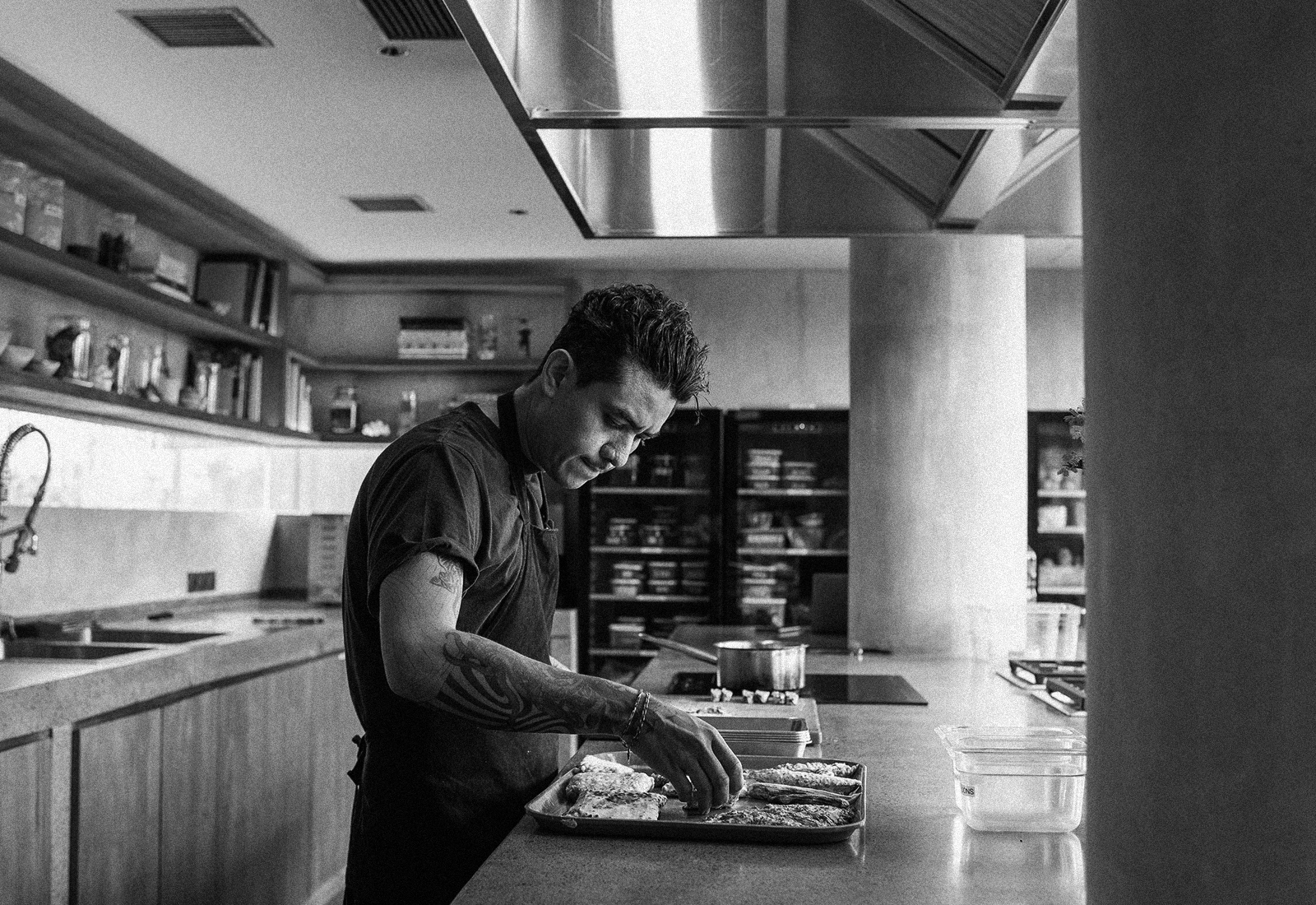
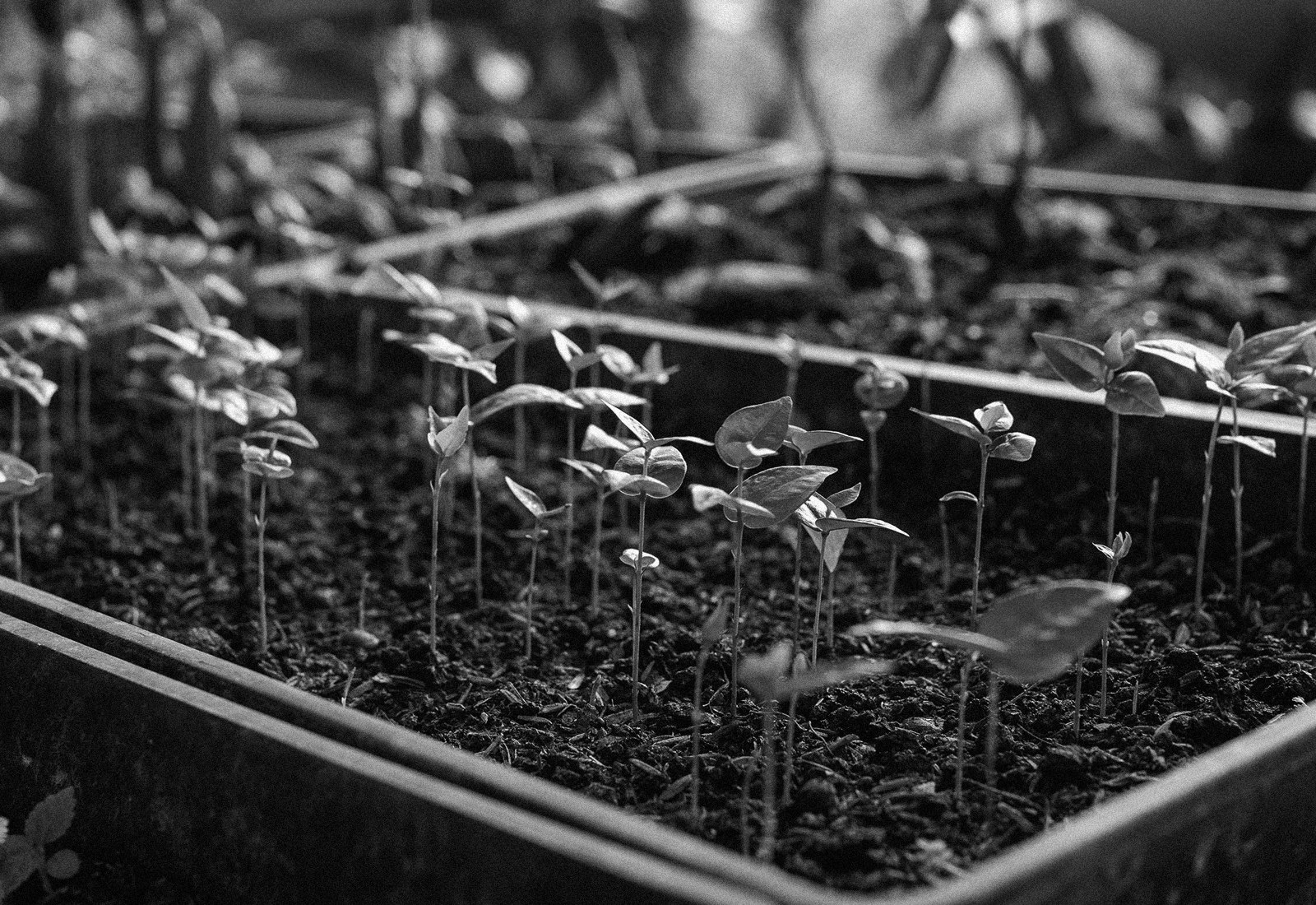
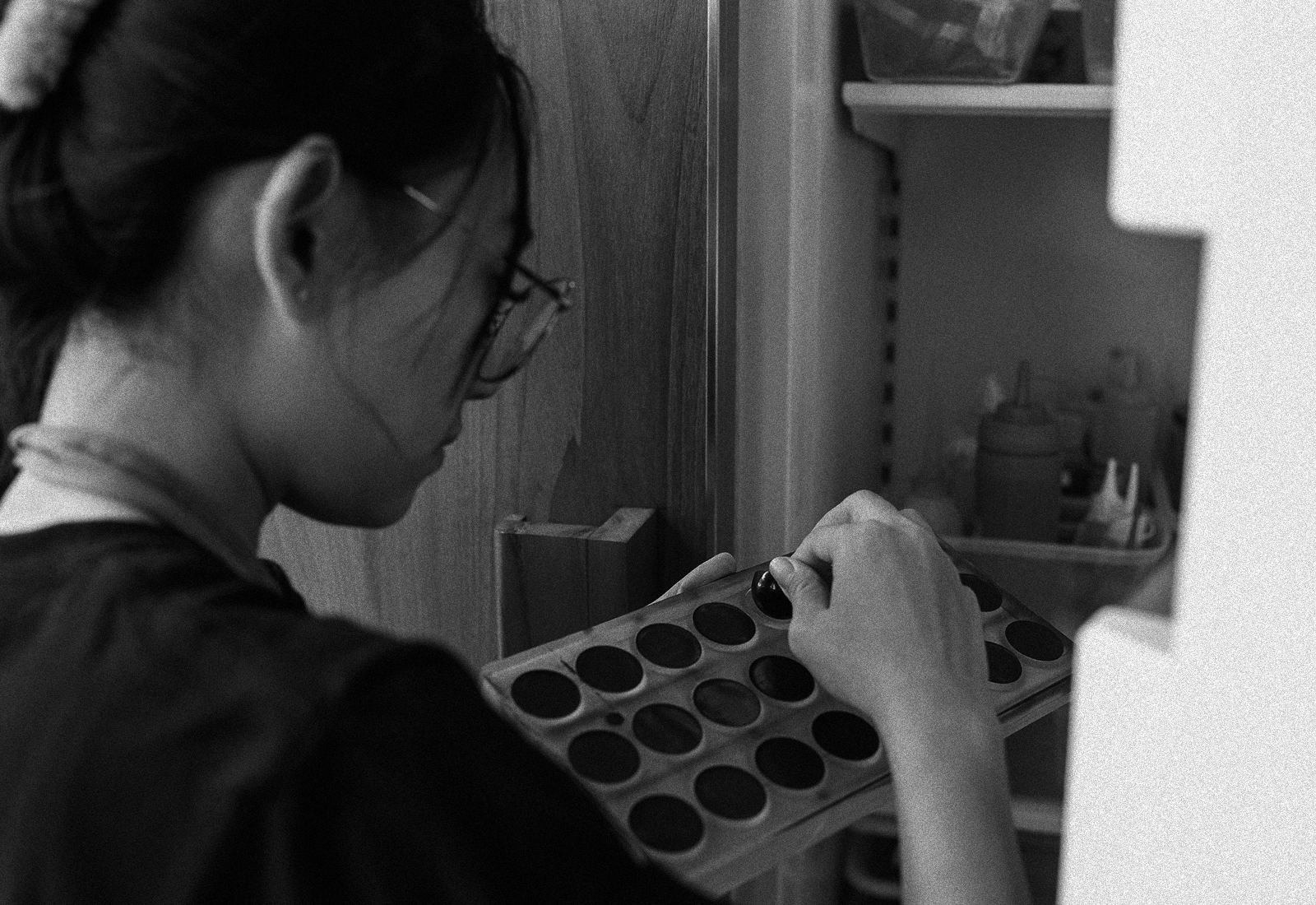
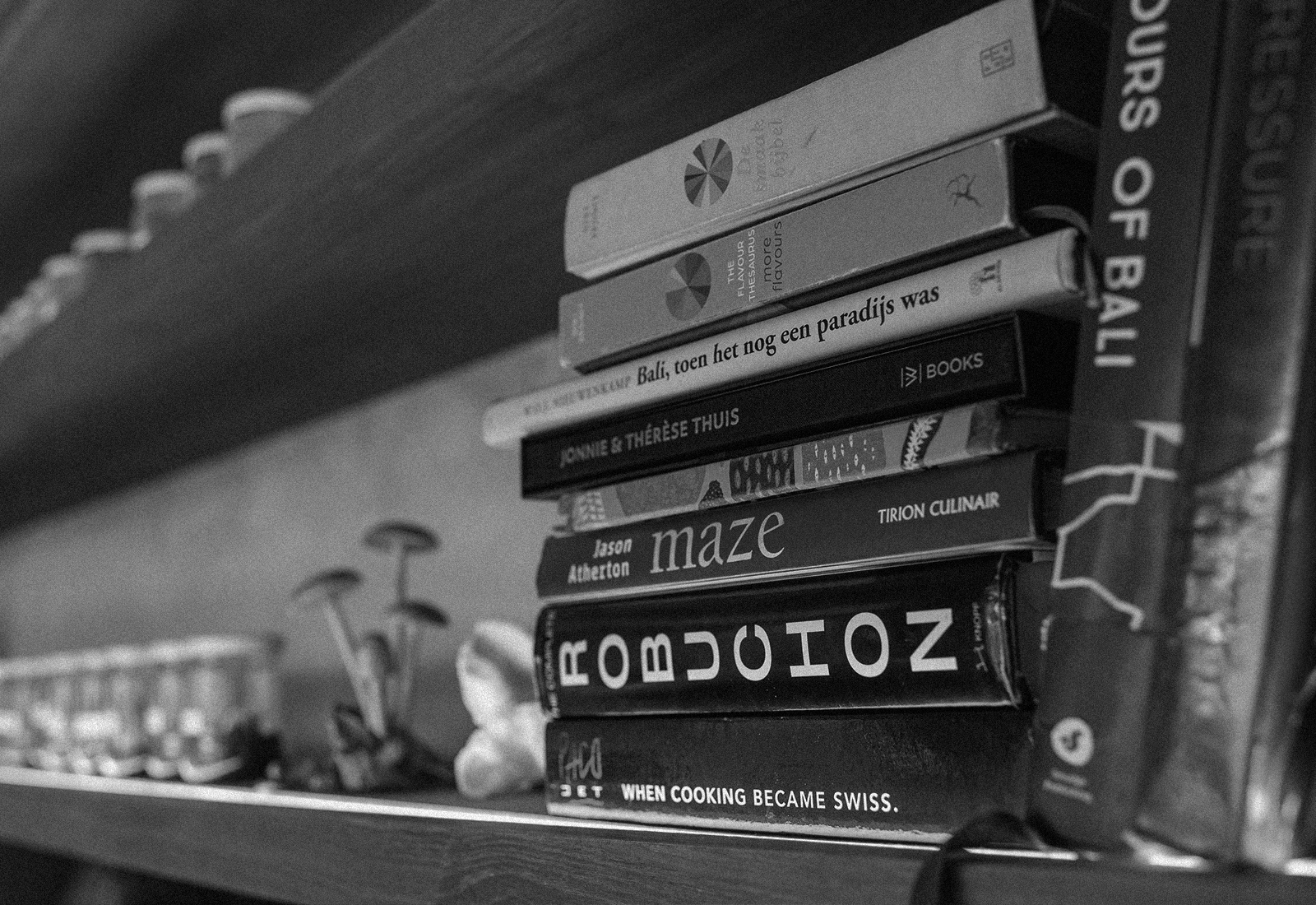
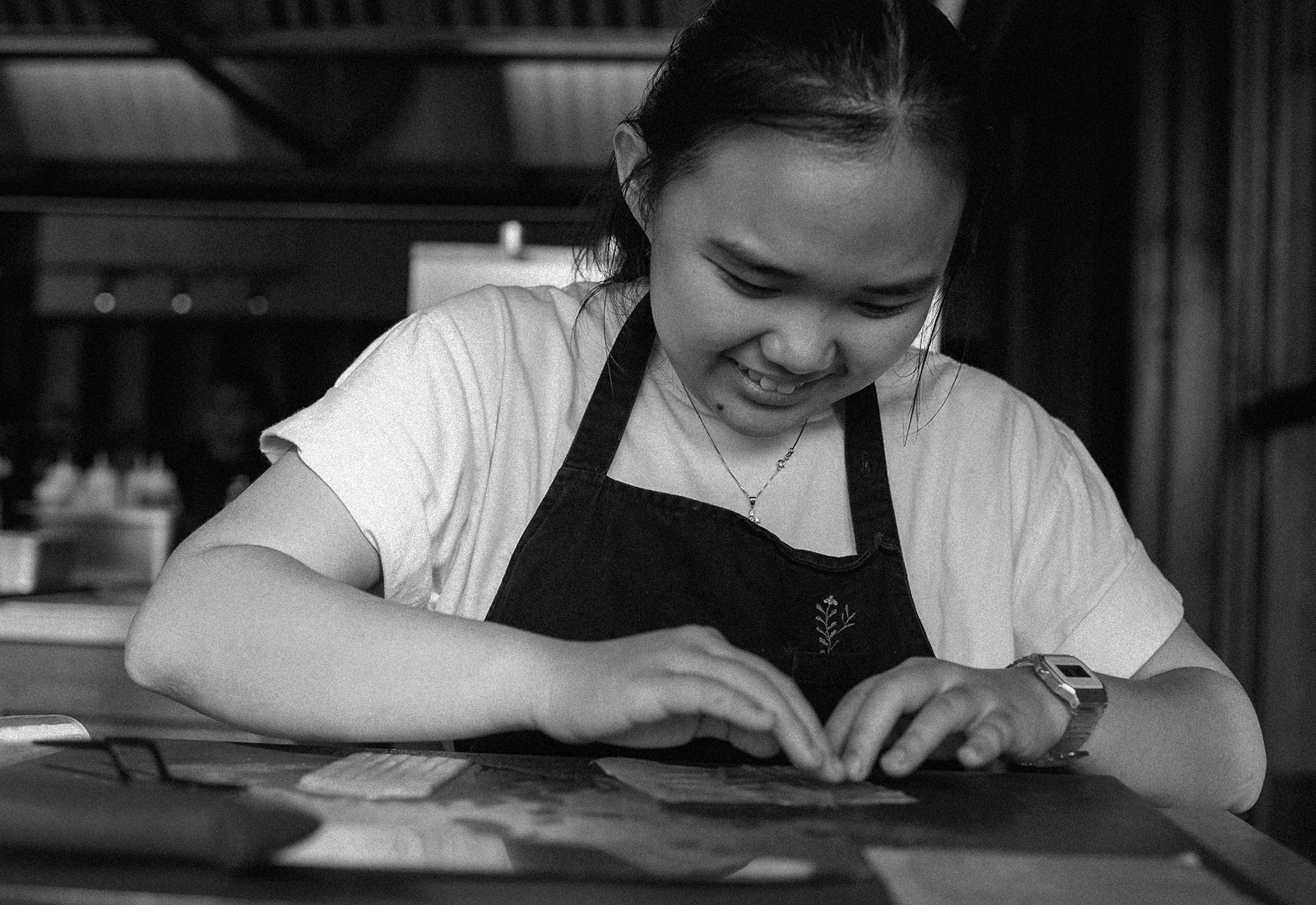
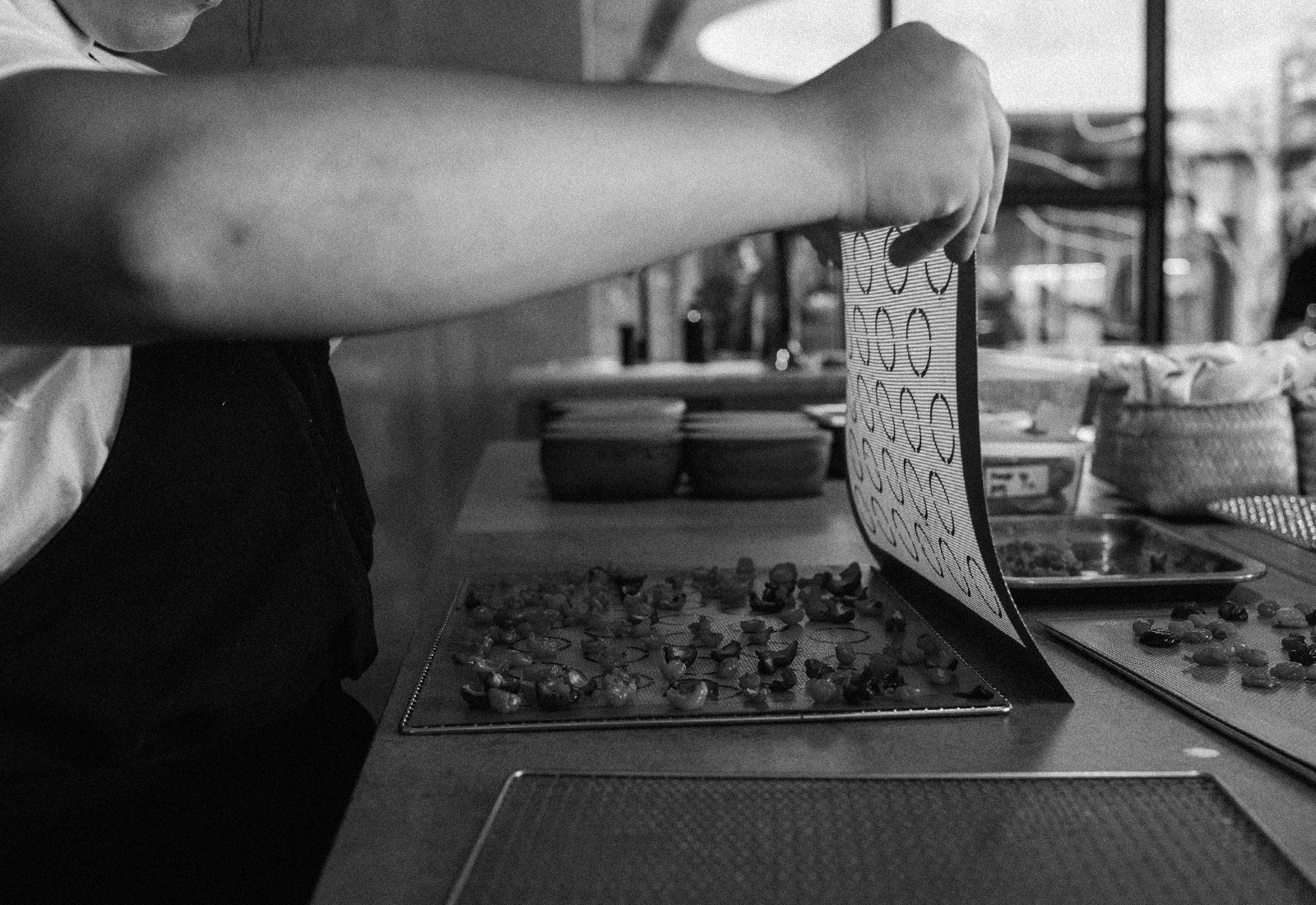
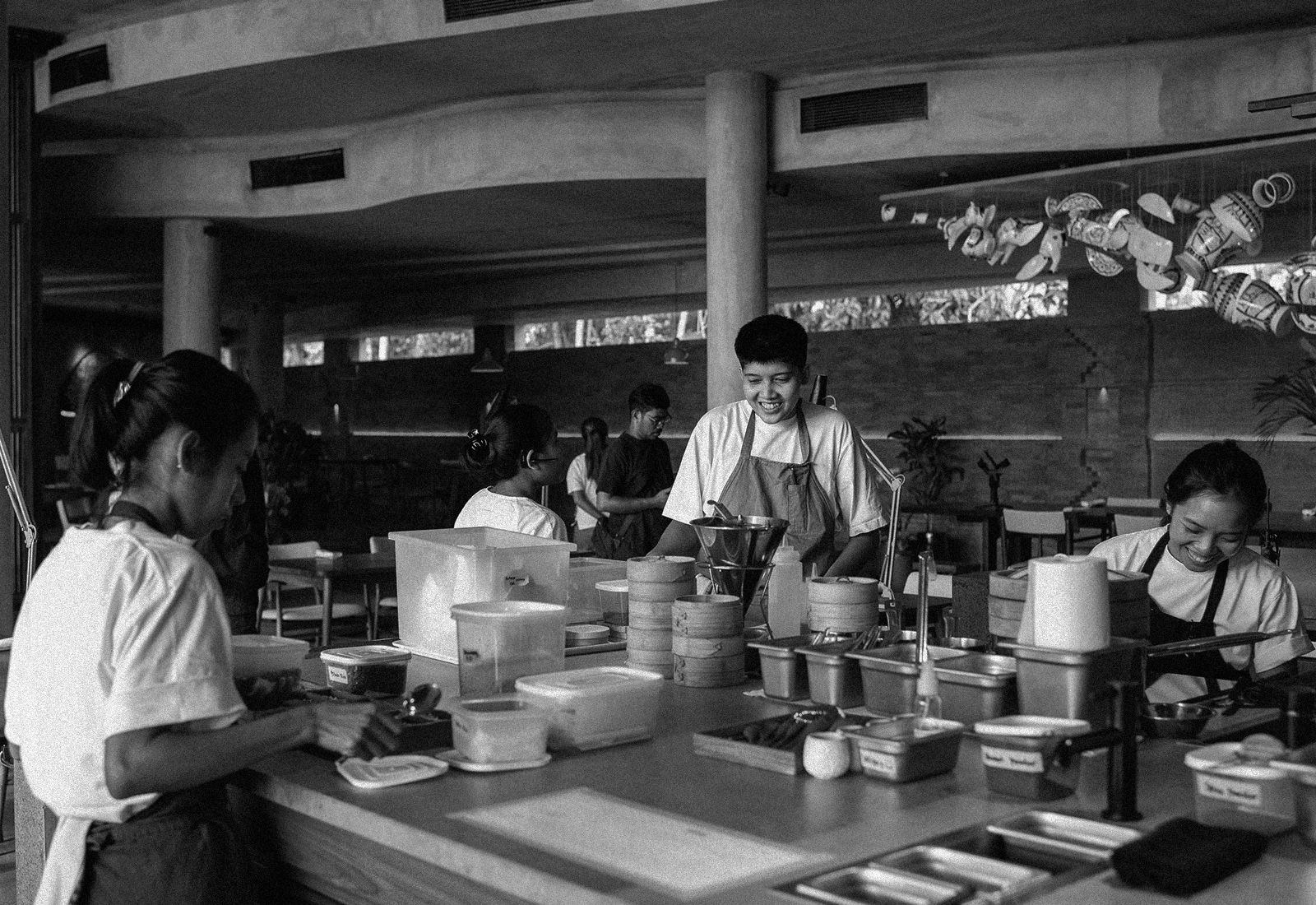
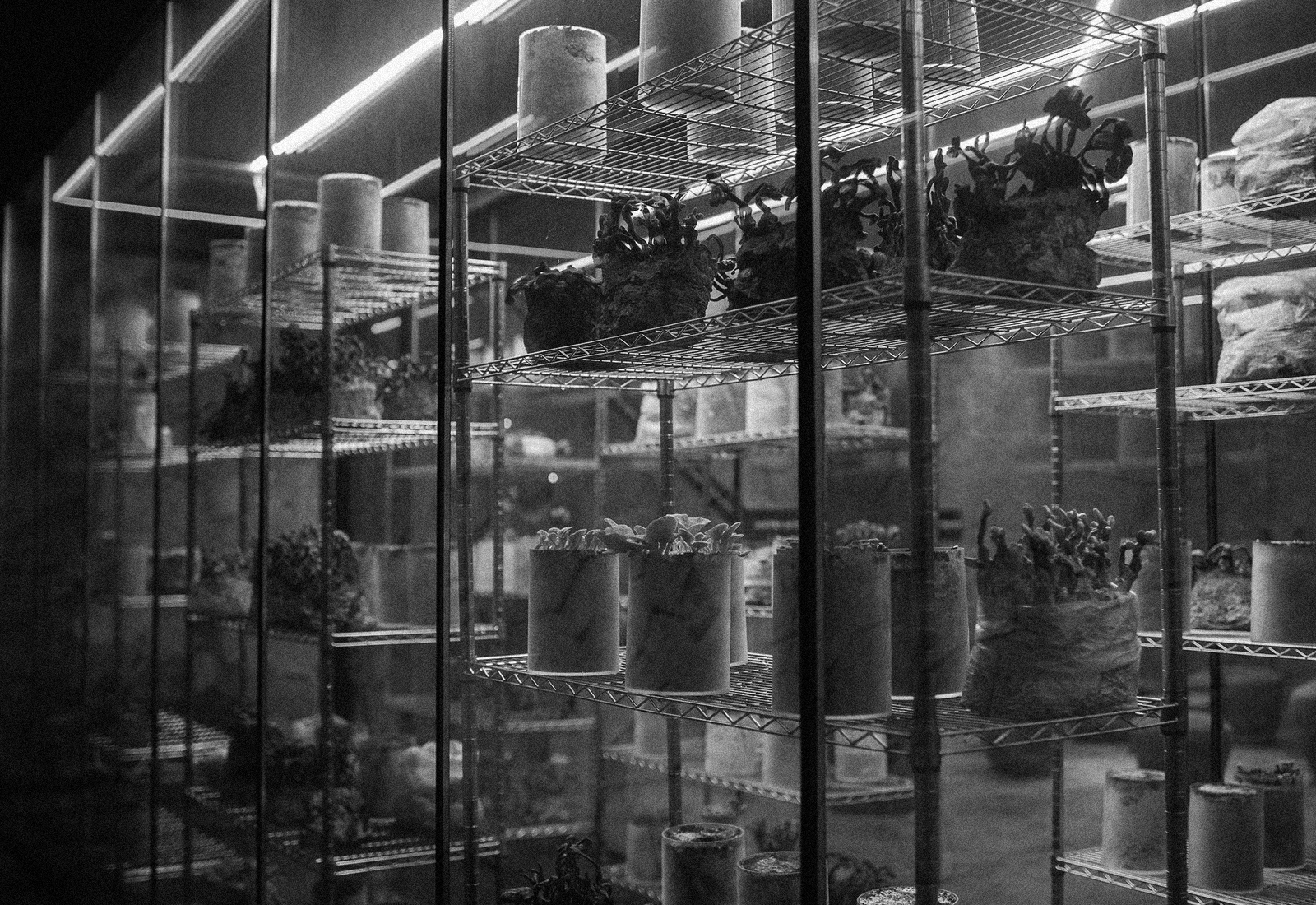
At Locavore NXT, in Lodtunduh, the relationship between kitchen and landscape is unusually close. Its current tasting menu, The Source 2.0, follows a strict no-import rule. Ingredients come from the NXT gardens and Rooftop Food Forest, are foraged across Bali, or are sourced elsewhere in Indonesia through farmers and foragers. The restaurant also operates its own farm and landscape team, mushroom operation and Circular Waste Centre, which it says diverts more than 98% of its waste from landfill.
What makes the model interesting is not the idea of eliminating sourcing altogether. It is the decision to place limits around it. By choosing to work within Indonesia and incorporating ingredients grown and foraged closer to the restaurant, the kitchen accepts that place and availability will play a role in what it can create. Local, here, is not simply a description attached to an ingredient. It becomes one of the parameters within which the restaurant works.

ROOM4DESSERT
At Room4Dessert, Will Goldfarb approaches the relationship between food and place from another direction. Its current seasonal experience is presented across 15 courses, while the restaurant has long highlighted the extraordinary range of ingredients available close to Ubud — from chocolate and coffee to coconuts, spices, sugar and salt. Room4Dessert describes much of this abundance as existing within roughly an hour of the restaurant and has developed its own growing spaces alongside it.
That relationship extends beyond the tasting menu. Nearby Powder Room, part of the Room4Dessert universe, turns local ingredients into pastries, chocolates, candies and other products. Its evolving menu even includes a Second Life section, currently featuring products such as twice-baked croissants, “smookies” and sourdough soft serve. It is a small detail, but an interesting one: ingredients and preparations are not necessarily confined to a single format or moment. Together, the different parts of Room4Dessert show how a restaurant can think beyond the finished dish and consider the wider life of what passes through its kitchen.
SYRCO BASÈ
At Syrco BASÈ, provenance is brought directly into view. Chef Syrco Bakker, who previously led the two-Michelin-starred Pure C in the Netherlands, built the Ubud restaurant around three principles: Traceability, Nature and Transparency. Central to that philosophy are the restaurant's Bali Heroes — the farmers, foragers, fishermen, suppliers and artisans whose work contributes to the experience.
Rather than allowing those relationships to remain invisible behind the kitchen, Syrco BASÈ identifies and celebrates many of the people involved. Its own description of the concept is straightforward: understanding where products come from and remaining connected to the people behind them. It offers a different way of considering value in fine dining. Technique and presentation remain important, but provenance becomes part of the experience too. The ingredient comes with a place, a producer and a story that existed before it entered the restaurant. Transparency, in this sense, is not simply about telling guests that something is local. It is about showing them more of the chain behind it.
mozaic
Mozaic brings longevity to the conversation. Founded by Chris Salans in 2001, the restaurant has been part of Ubud's fine-dining landscape for more than two decades. Its kitchen is now led by chef-owner Blake Thornley alongside Salans. Today, Mozaic says it is committed to sustainable and ethical sourcing practices and works closely with local farmers, fishermen and producers. Its cooking continues to bring Indonesian ingredients into dialogue with European techniques.
There is something significant about that continuity.Relationships with producers can easily become part of a restaurant's opening story. Maintaining a connection to local ingredients over decades requires something different: familiarity with produce, seasons, suppliers and the changing landscape around the restaurant. Mozaic offers a reminder that responsible sourcing is not only about introducing new ideas. Sometimes it is about sustaining them.
begawan biji
Further north, in Bayad Village, Begawan Biji makes the connection between restaurant and agriculture particularly visible. The restaurant sits within regenerative rice fields and permaculture gardens and serves contemporary Indonesian heritage dishes using freshly harvested ingredients cooked over fire. The farming initiative behind it began in 2022 with one farmer working a 0.44-hectare plot in Bayad Village. It has since expanded to include several farmers cultivating Mansur Heritage Rice using chemical-free practices. Begawan provides training, materials and facilities and purchases participating farmers' harvests at premium prices.
Here, the restaurant sits inside a much wider system. Agriculture produces food. The restaurant provides a market. Farmers participate in a programme designed to support both natural cultivation and more stable incomes. The same attention to materials extends to the building itself. Begawan Biji was constructed using reclaimed ironwood from Kalimantan, sandstone from Sumba and eco-certified bamboo, with environmental design systems incorporated to reduce energy use, manage water and turn waste into compost. Farm to table, in this case, is difficult to separate from everything surrounding the table.
SO, HOW LOCAL CAN A RESTAURANT REALLY BE?
There is no single answer. These five restaurants do not operate according to the same sourcing radius. They do not grow the same proportion of their ingredients, follow identical menus or define responsible dining in exactly the same way. And perhaps that is precisely the point.
The more useful question may not be whether a restaurant can call itself “farm to table,” but how much its relationship with place actually influences the way it operates.
Does seasonality affect the menu? Are producers visible? Does the kitchen understand where its ingredients come from? Is food grown as well as purchased? And what happens to ingredients once they enter — and leave — the kitchen?
In Ubud, some of the most interesting restaurants are answering those questions in very different ways. What connects them is not a slogan or a prescribed distance between farm and restaurant. It is the decision to make origin matter. And perhaps that is where “farm to table” becomes meaningful again.
EXPLORE THE PUNCH
Celebrating Remarkable
Businesses with Impact