Closed Loop in the Canopy: The Kayon Jungle Resort
Words & Photography by The Punch
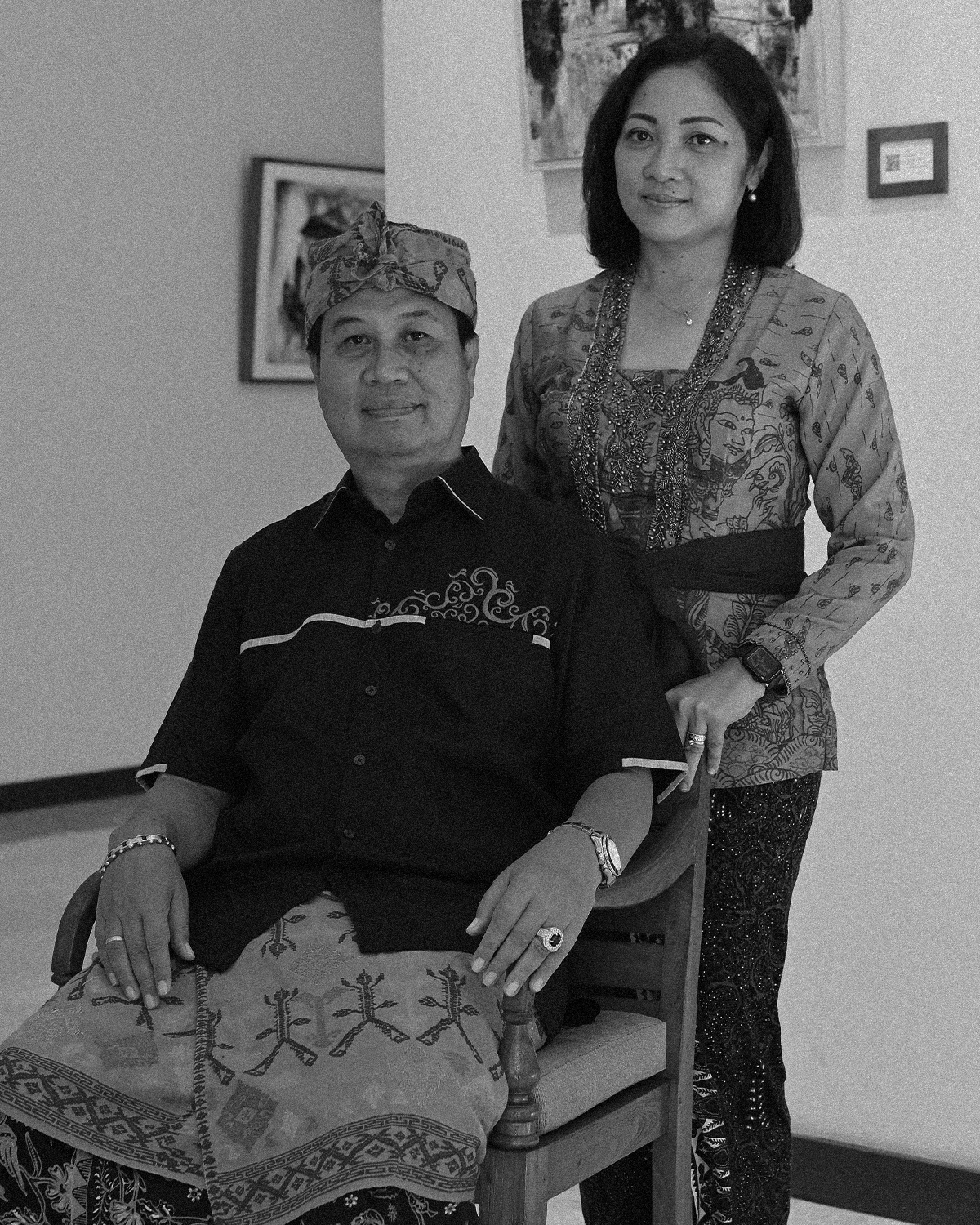
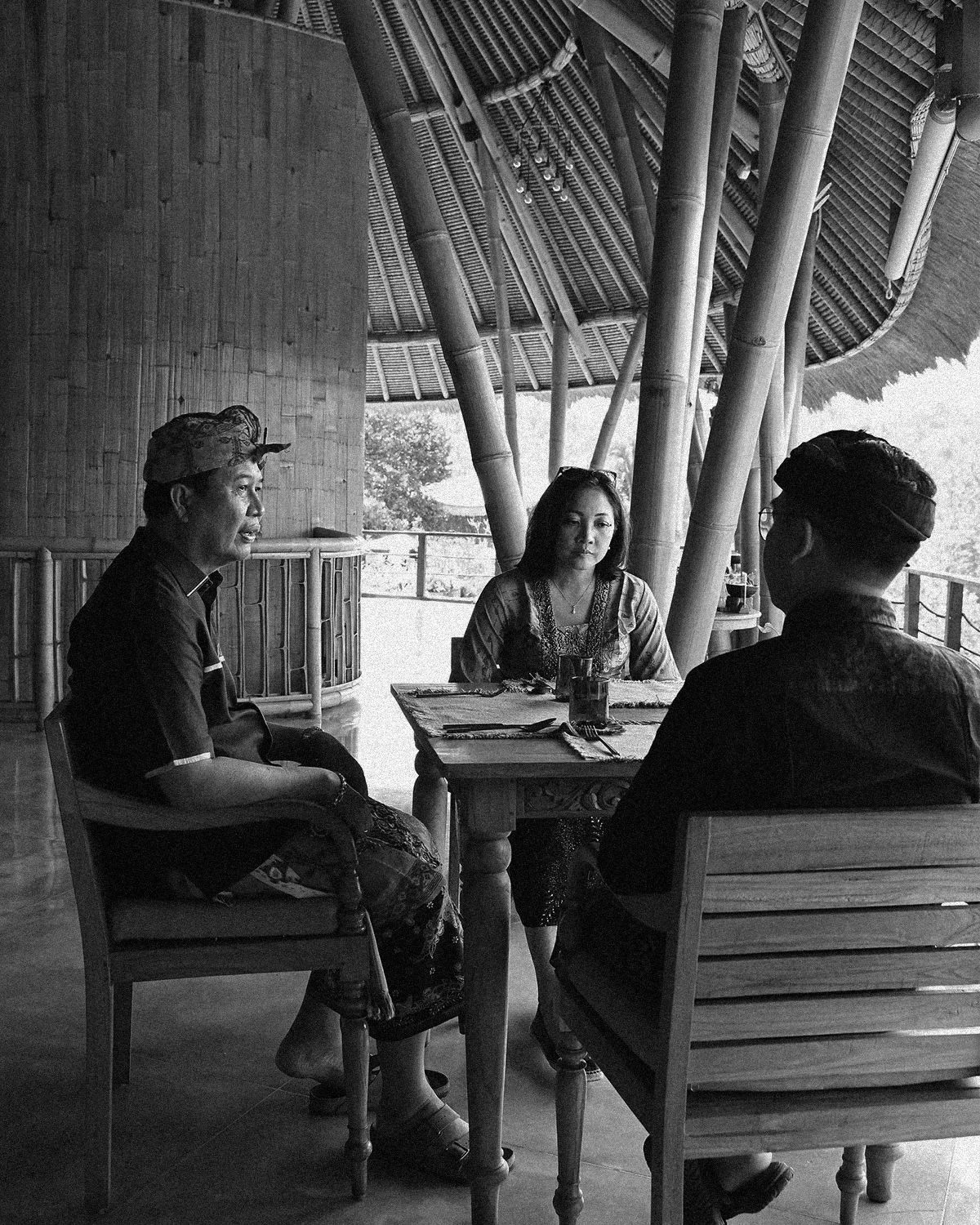
The Kayon Jungle Resort sits in the ravine country outside Ubud, where the land folds in on itself and the rainforest swallows the road behind you. The property reads, at first glance, as another five-star sanctuary in a part of Bali that has plenty of them. Look a little closer and a different operation begins to surface, one where the kitchen waste feeds insects, the plastic feeds generators, and the school fees of local children quietly tick along in the background. The resort was founded by Putu Suryawan, who also founded The Kayon Hotels and Resorts, and his proposition is straightforward enough. A place to stay should be a meaningful experience rather than a transaction, and it should give back as much as it takes.
Origins and Philosophy
The name is taken from Balinese wayang philosophy. Kayon refers to the tree of life, the carved figure that marks the balance between heaven and earth, humanity and the wider universe. Pair it with Sesuluh, meaning light or lantern in Balinese, and the property's guiding phrase, Kayon Sesuluh, becomes a statement of intent rather than decoration. The philosophy is meant to function as illumination rather than a brand line, and Suryawan has built the resort to operate as a working expression of it.
What this looks like in practice begins with recruitment. The property is selective about who joins the team, prioritizing sincerity, respect for nature, and care for others alongside the standard technical skills. Orientation extends beyond operational training into the reasoning behind the work, why the resort exists, who it serves, and what it is protecting. Sincere service, the thinking goes, cannot be drilled in through standard procedures. It has to come from belief, and guests can tell the difference.
The Loop That Feeds Itself
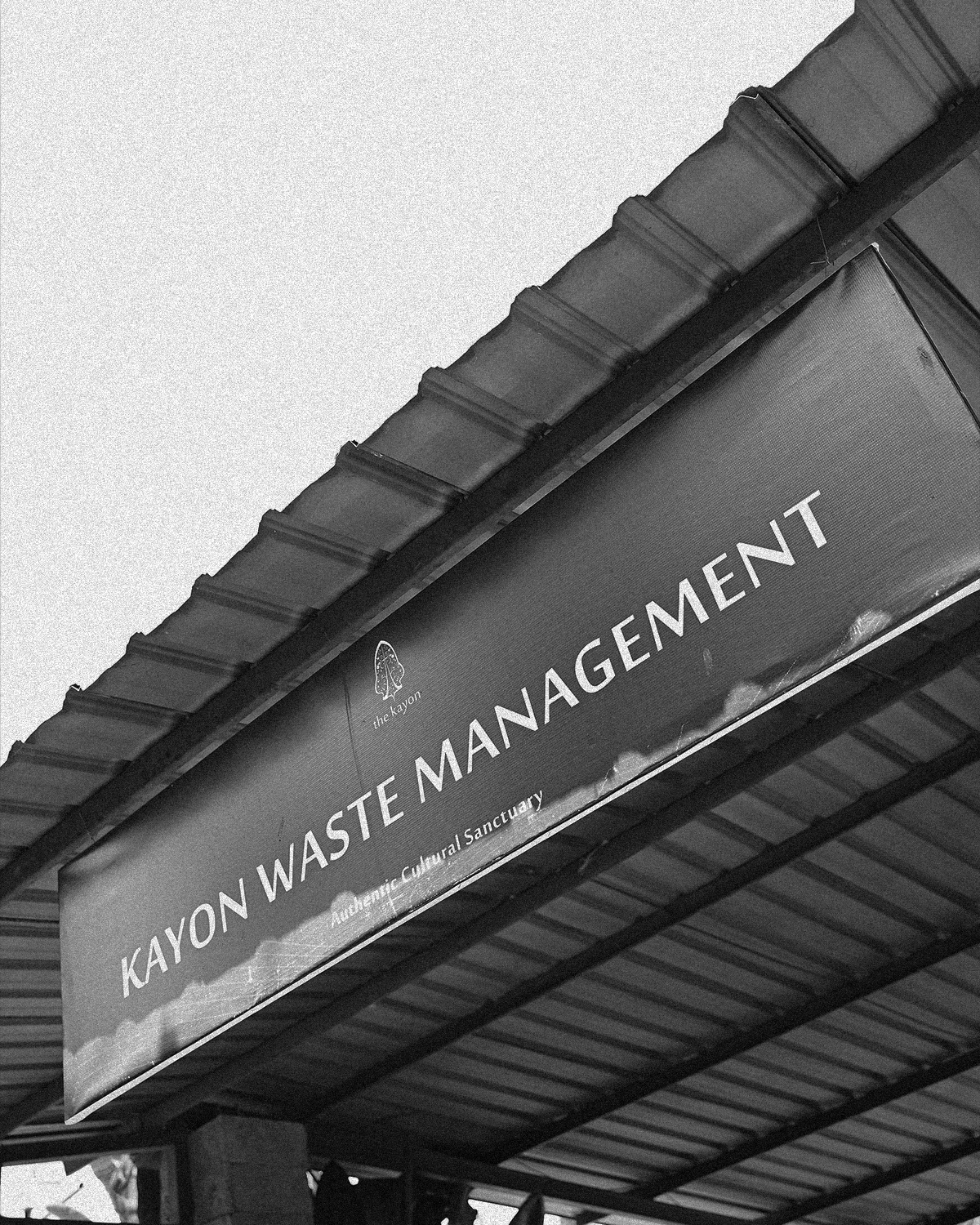
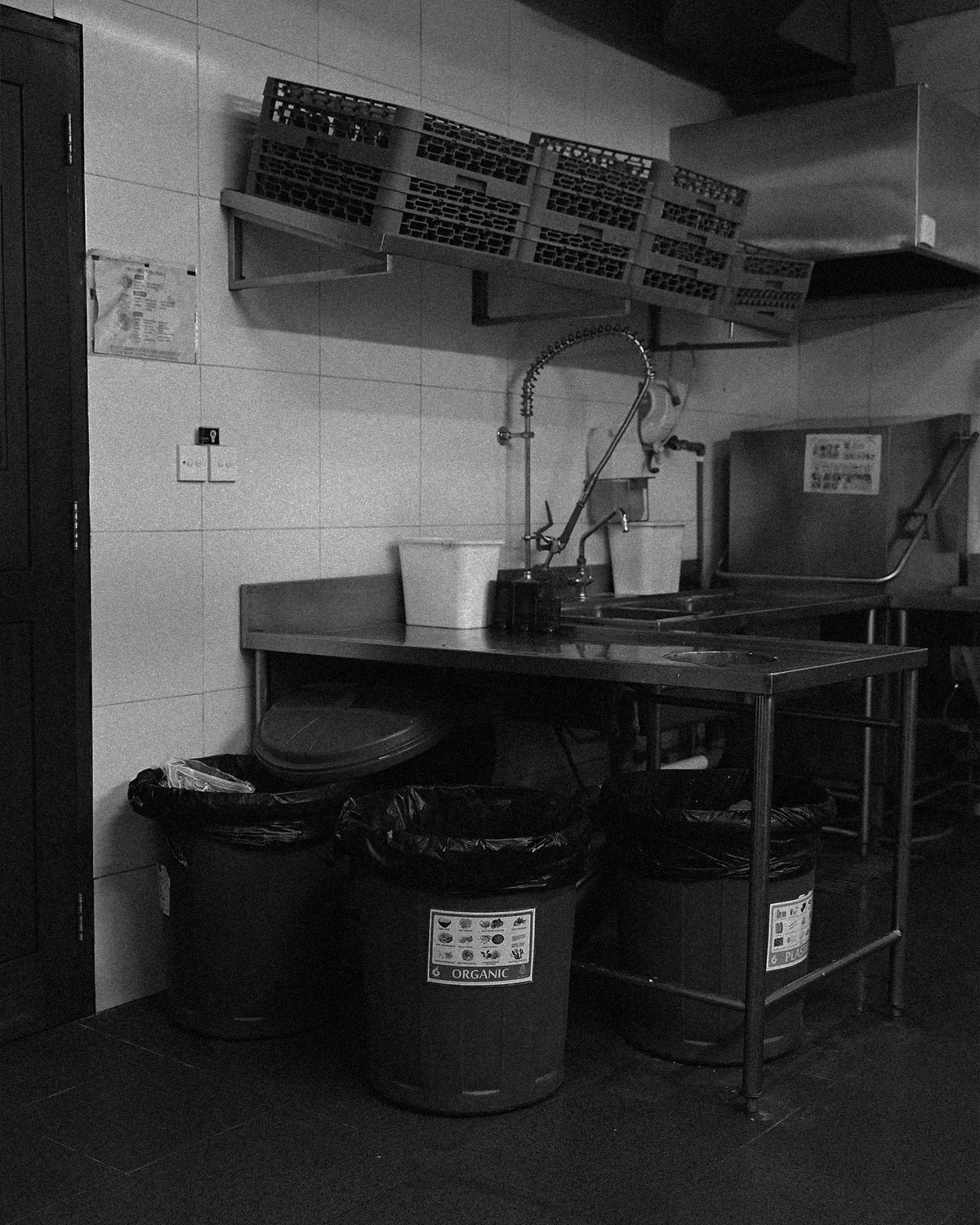
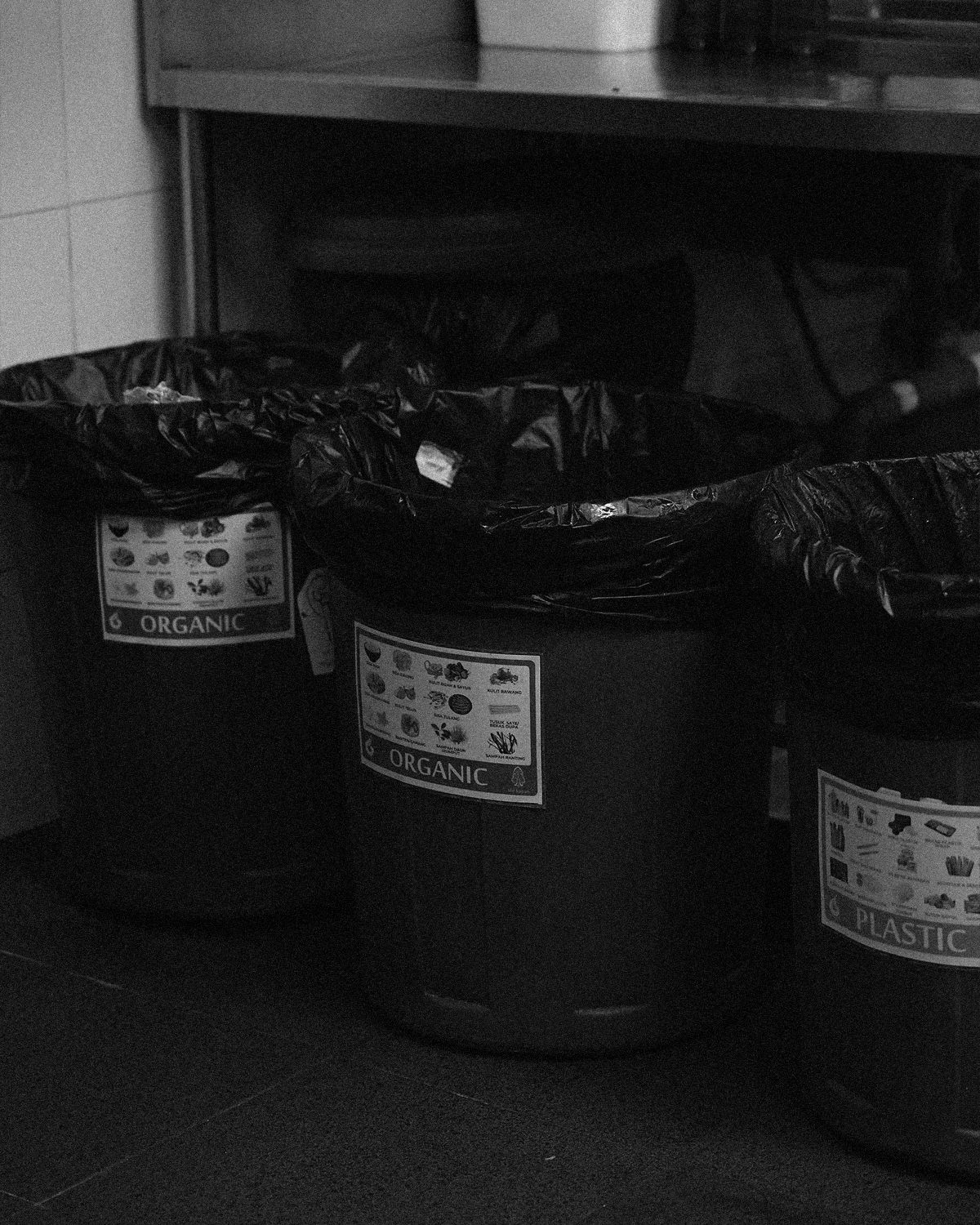
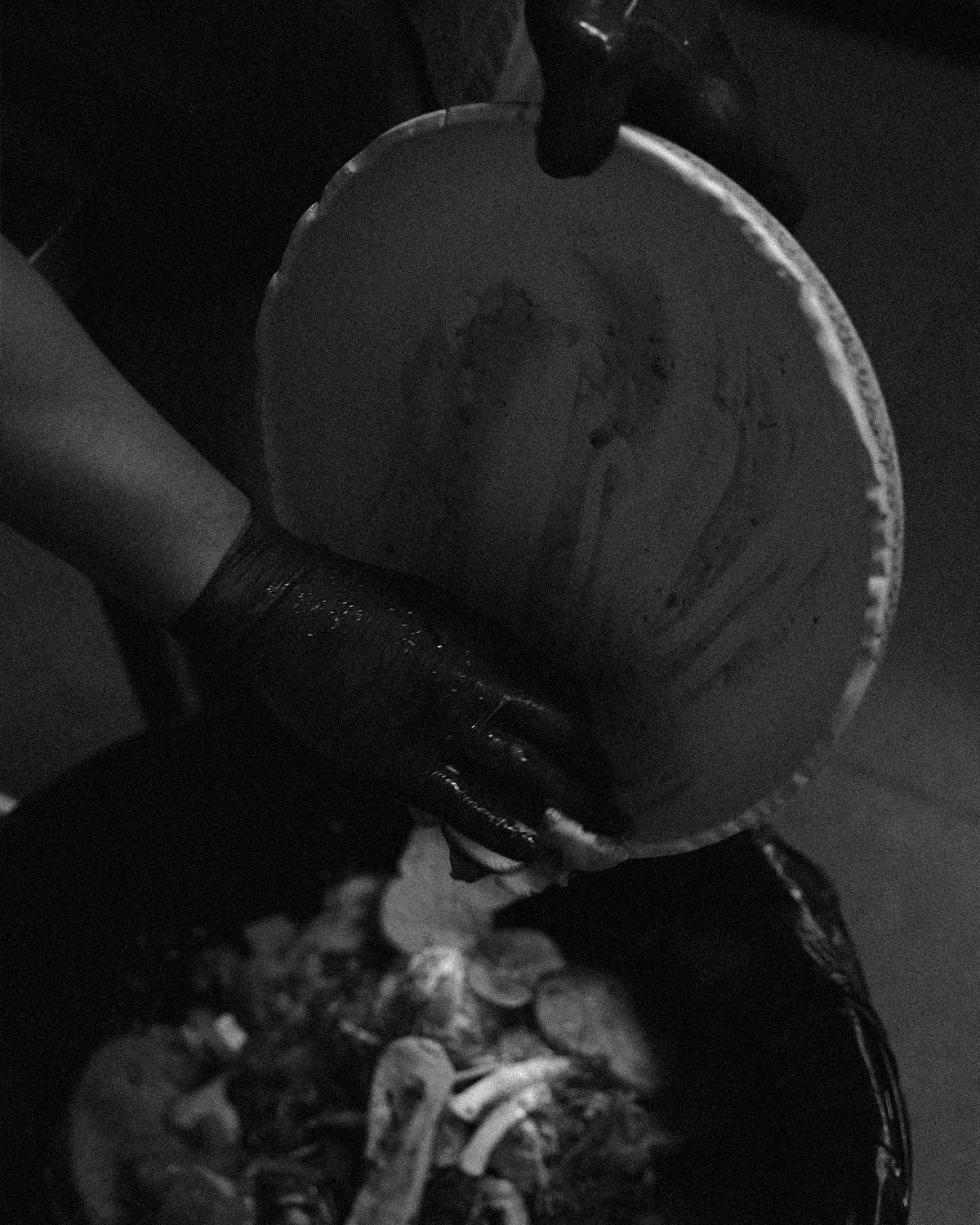
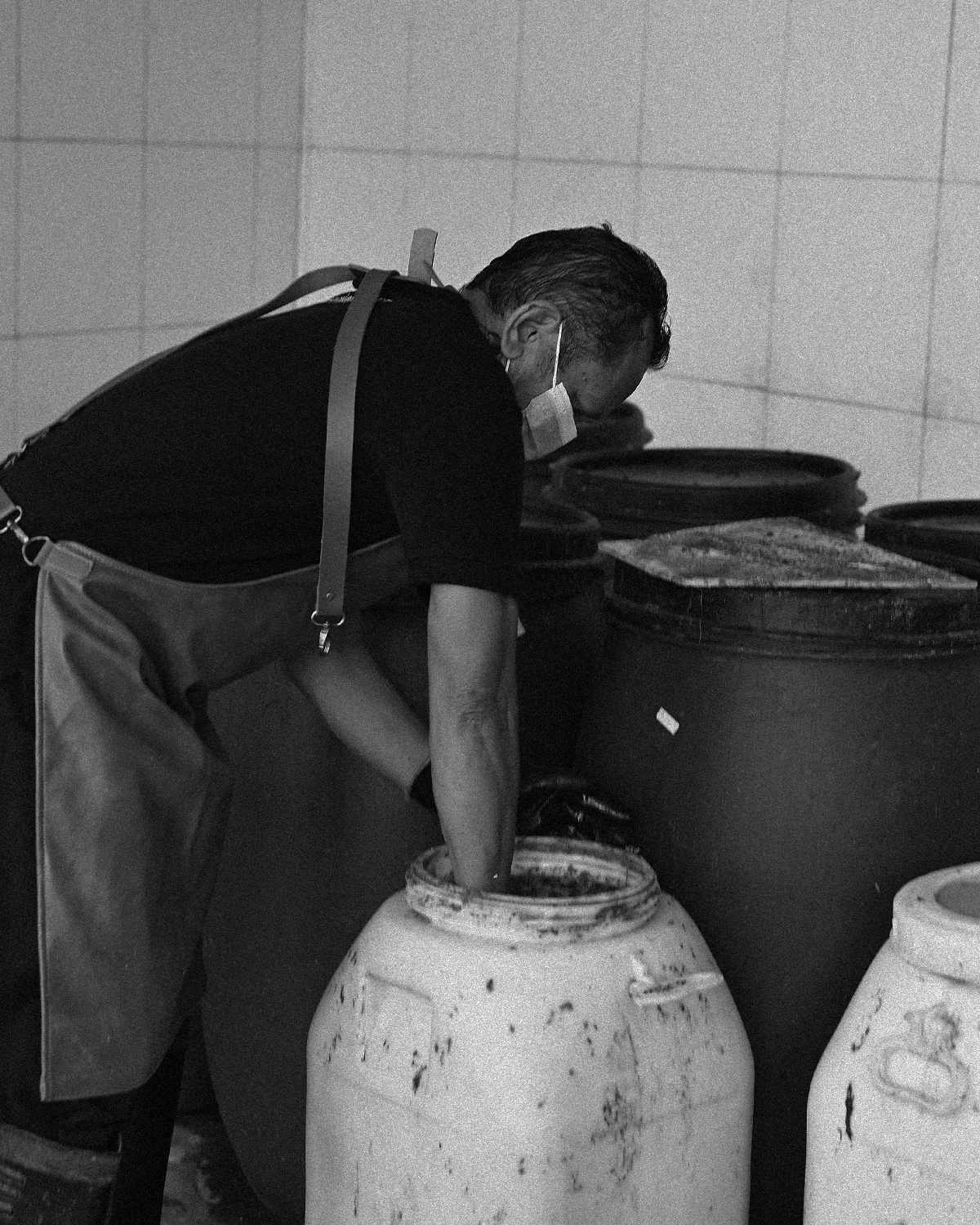
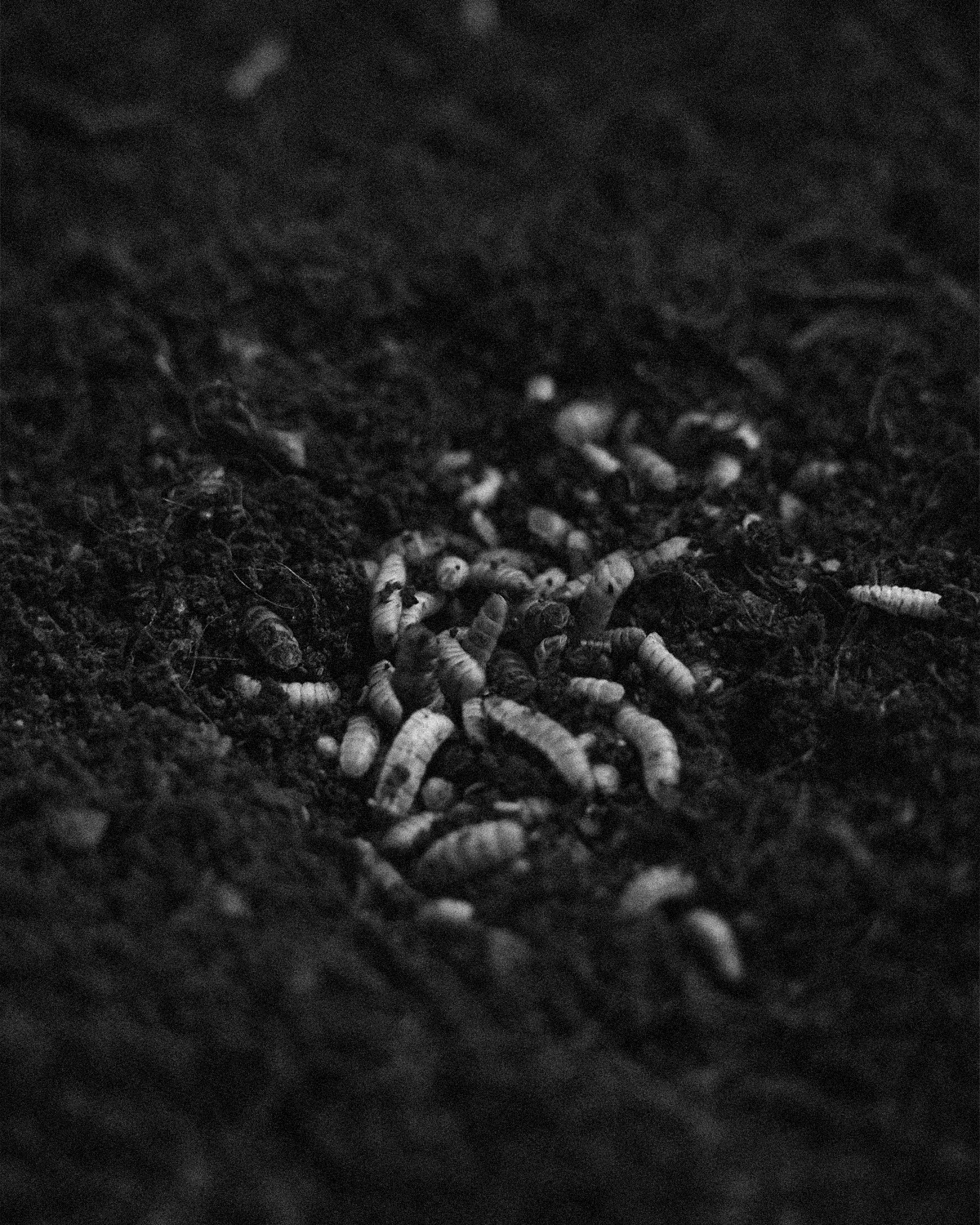
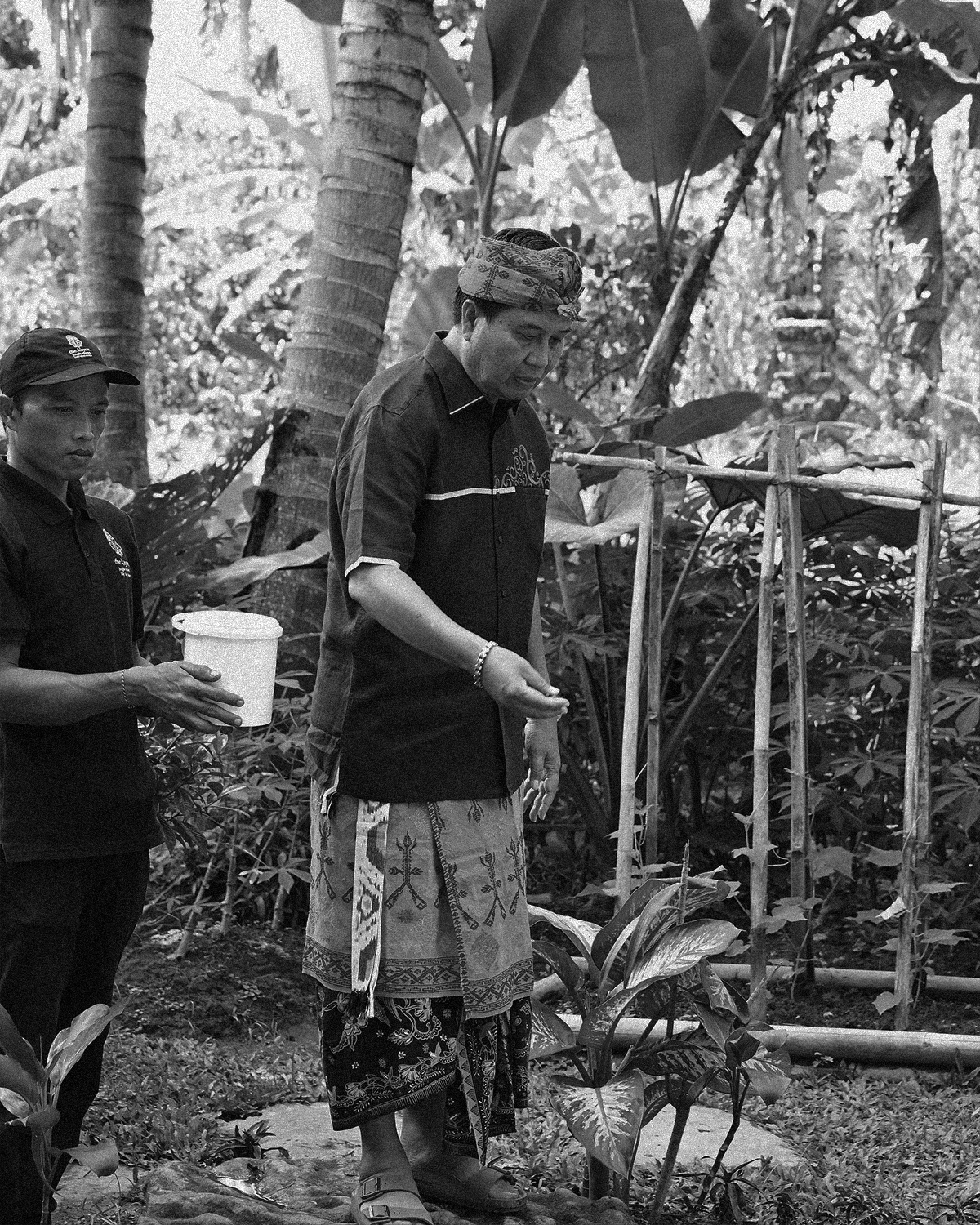
The closed-loop system is the operational backbone of the property. Food waste from the kitchens and restaurants is diverted to black soldier fly larvae, commonly known as maggots, which break it down at speed. The maggots then become livestock feed and the basis for organic fertilizer. The fertilizer feeds the resort's own organic agriculture, and that produce returns to the kitchens, where it is served back to guests. Nothing in the chain is theoretical. The operational, food and beverage, and agricultural teams work in coordination every day to keep the cycle moving.
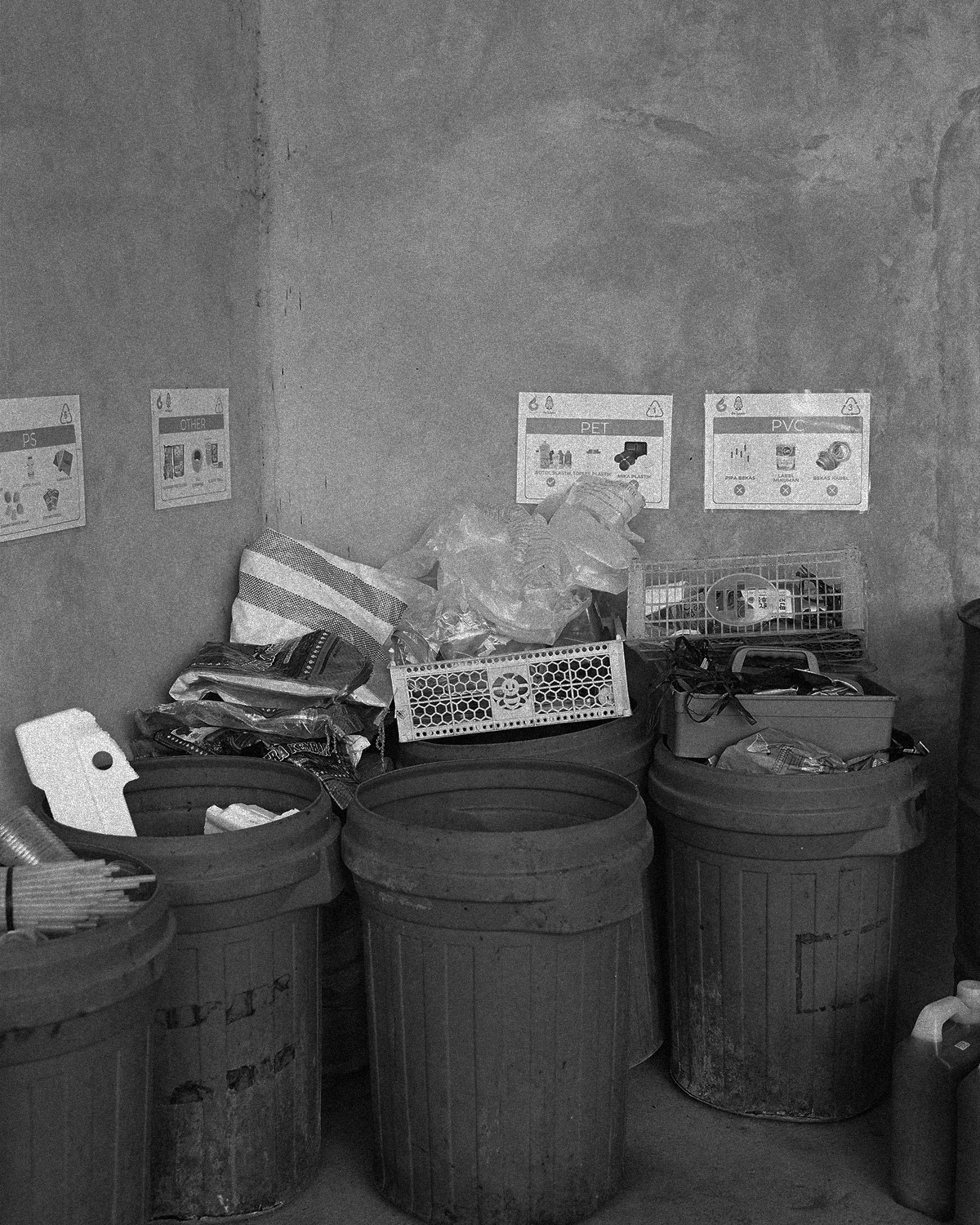
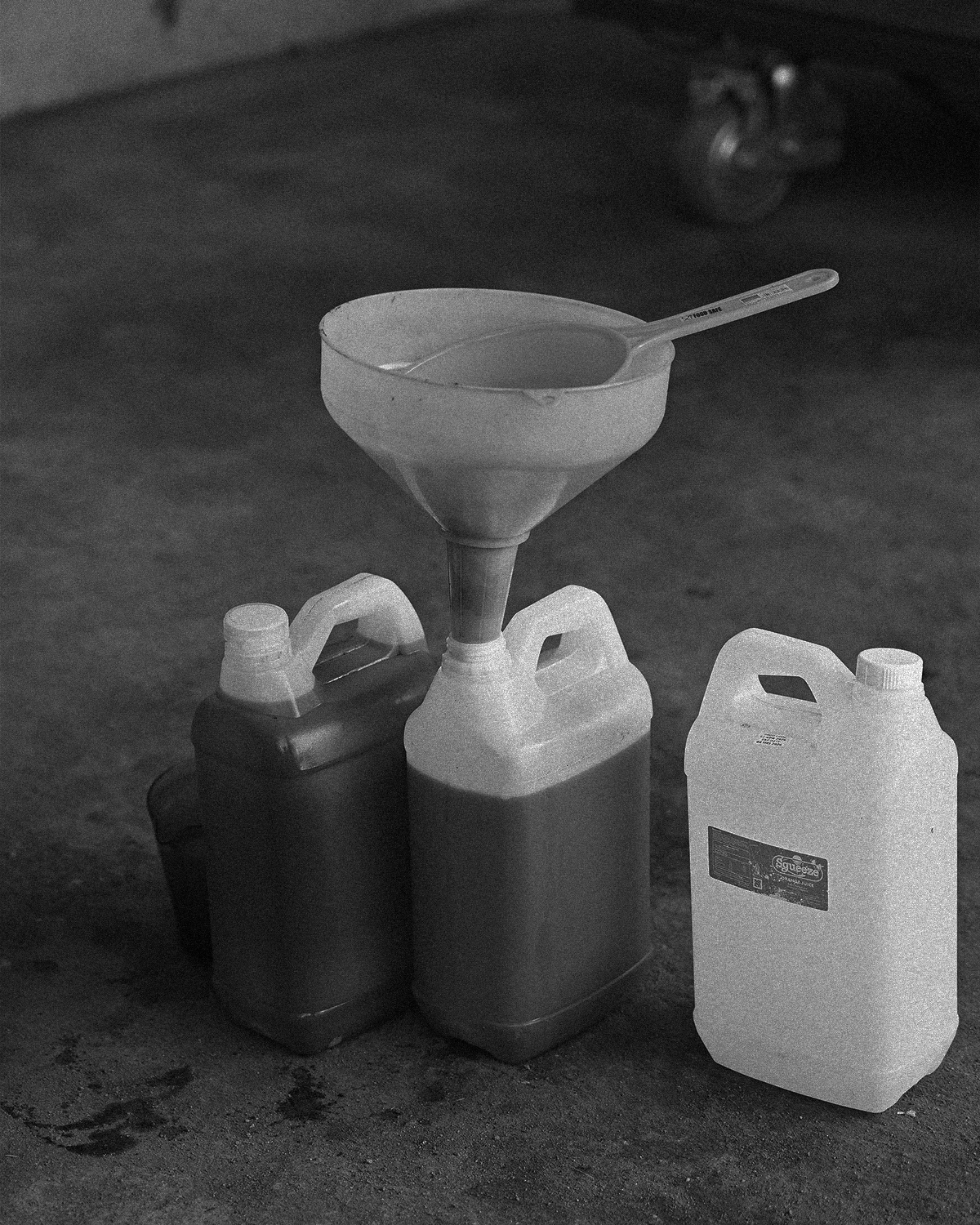
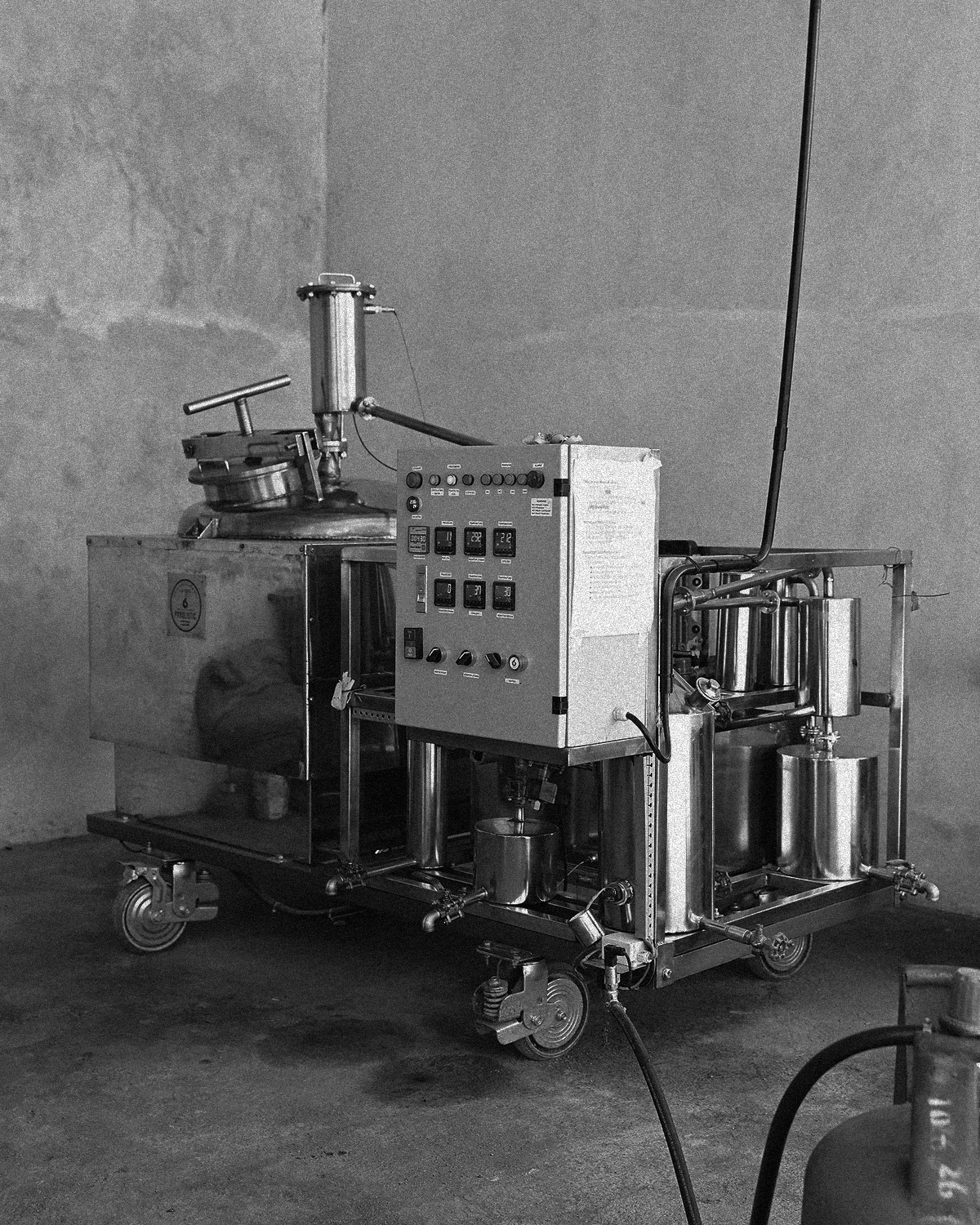
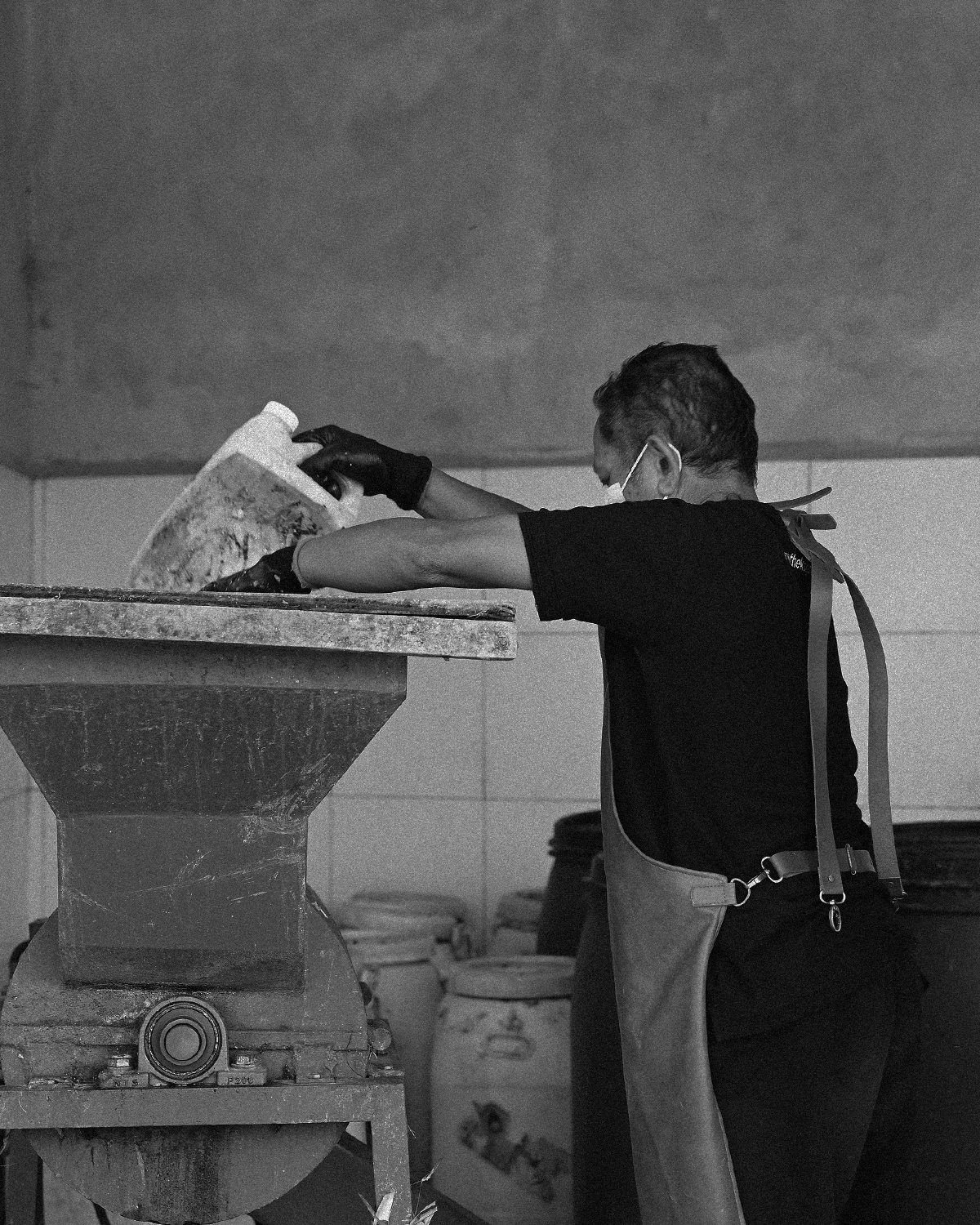
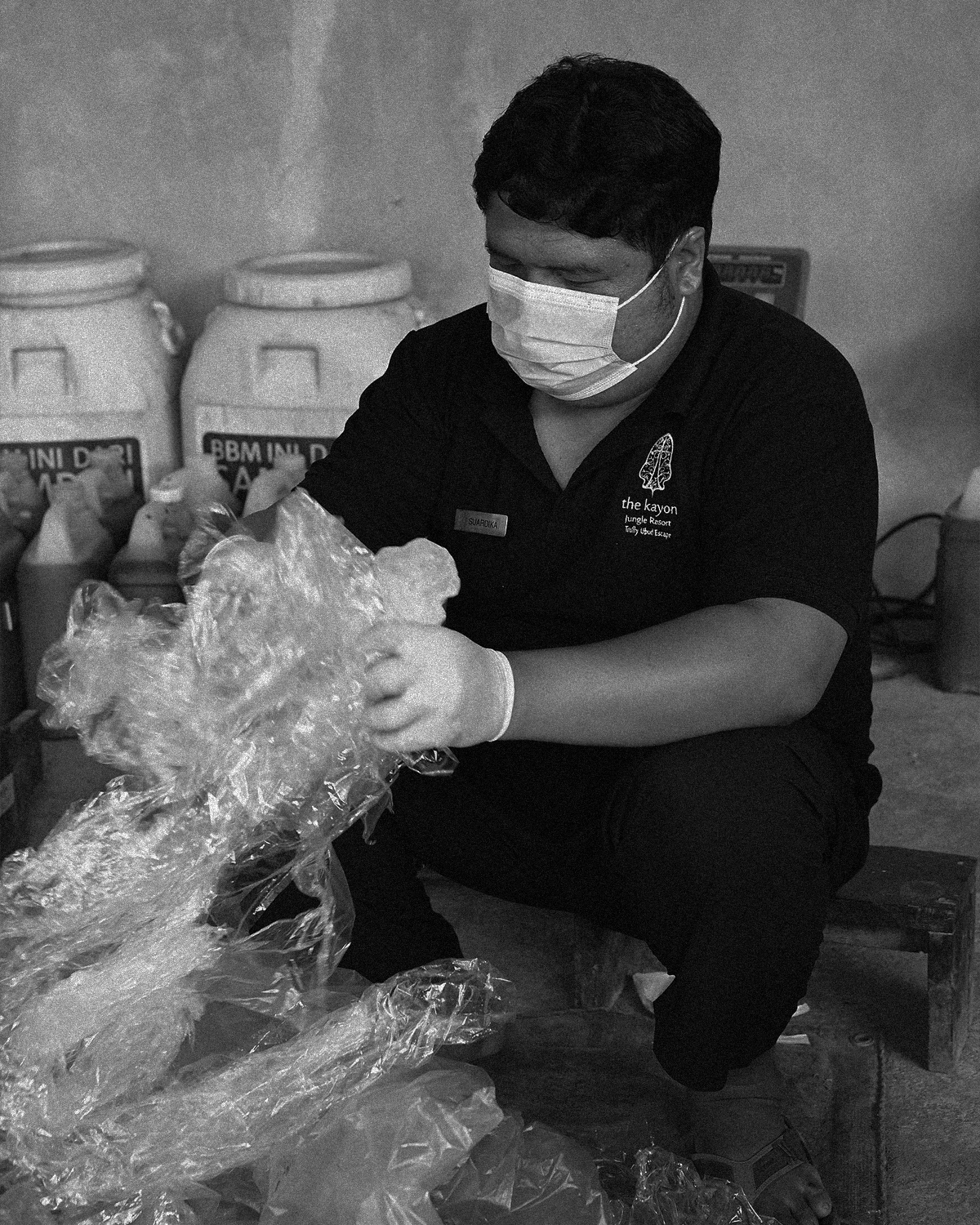
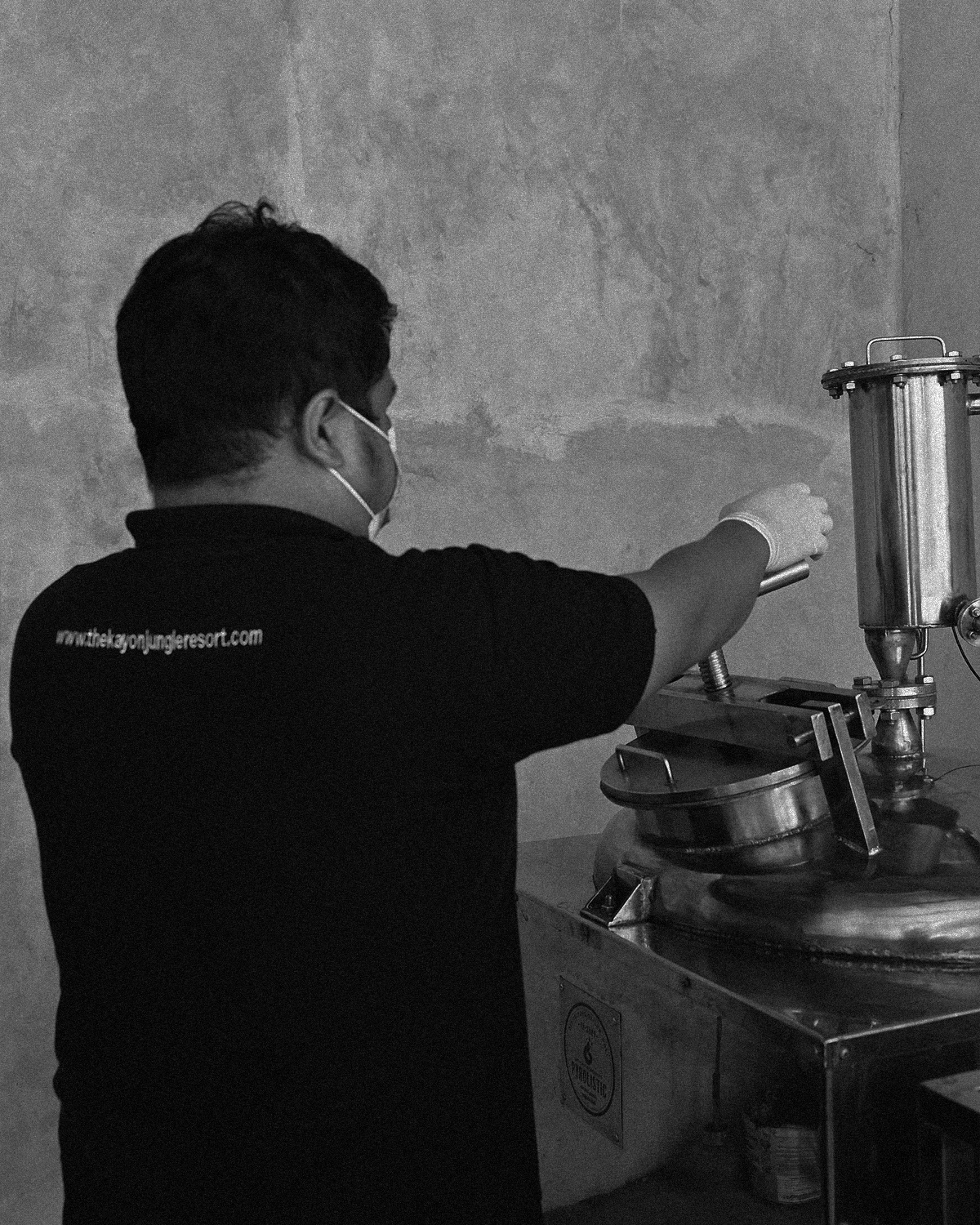
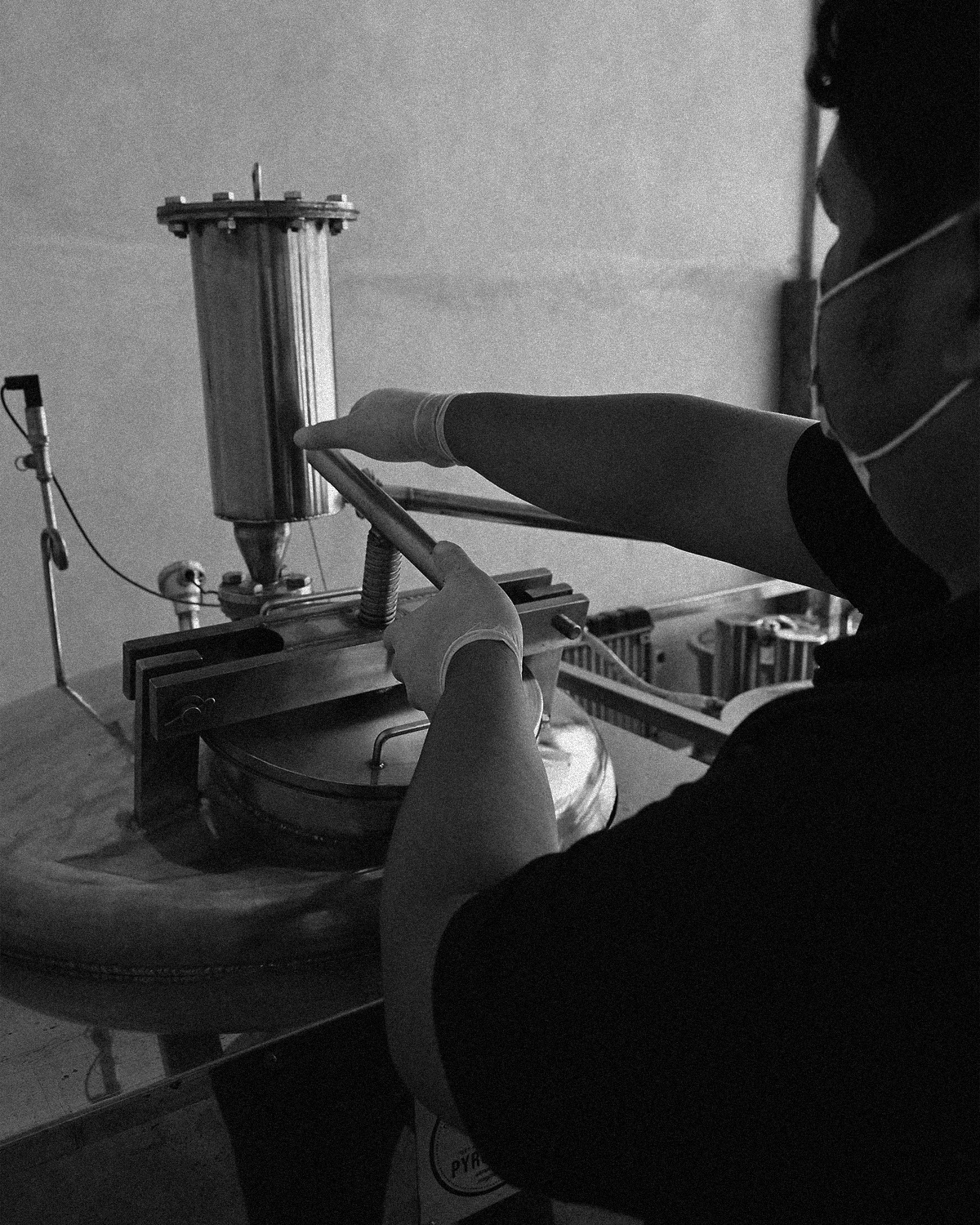
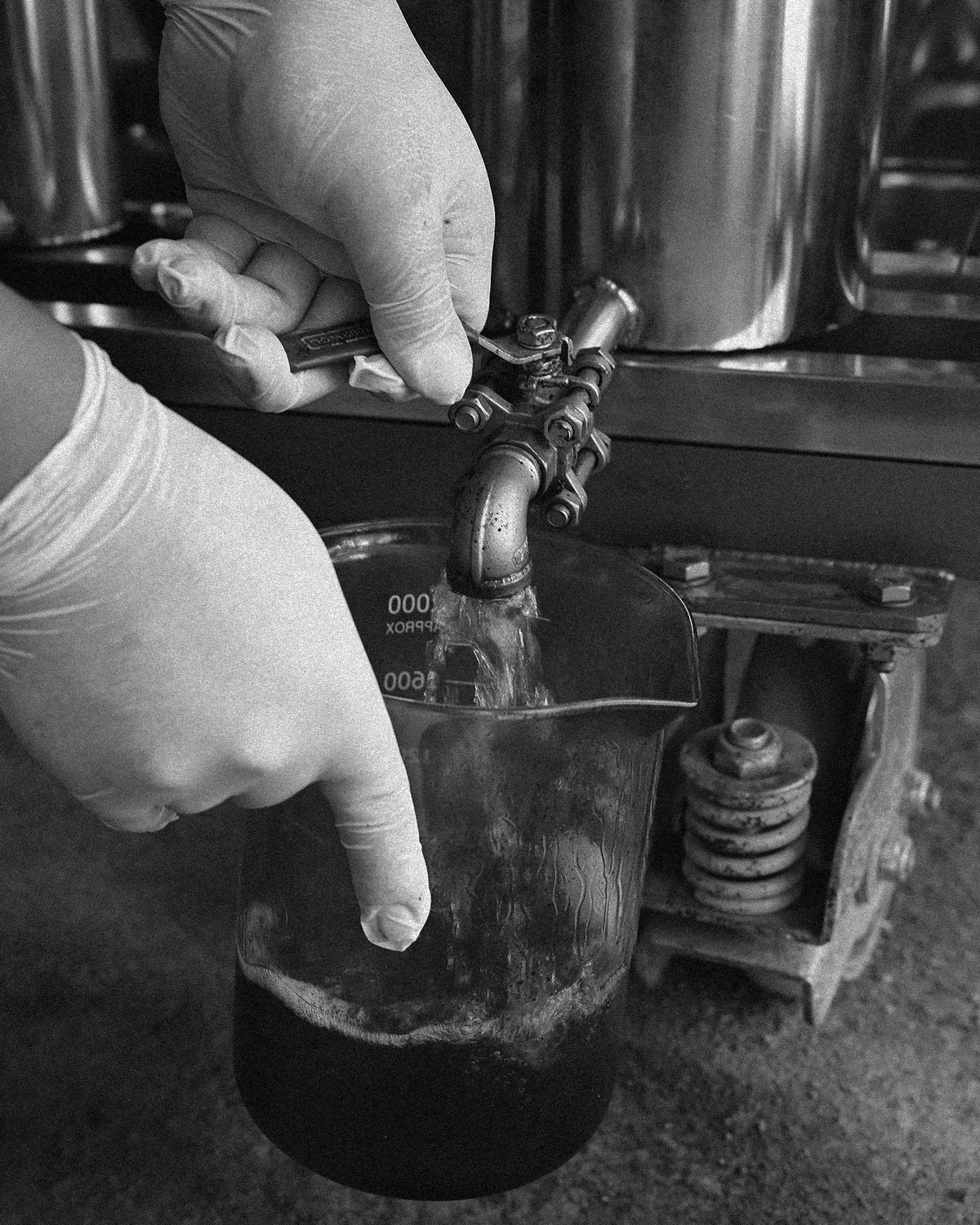
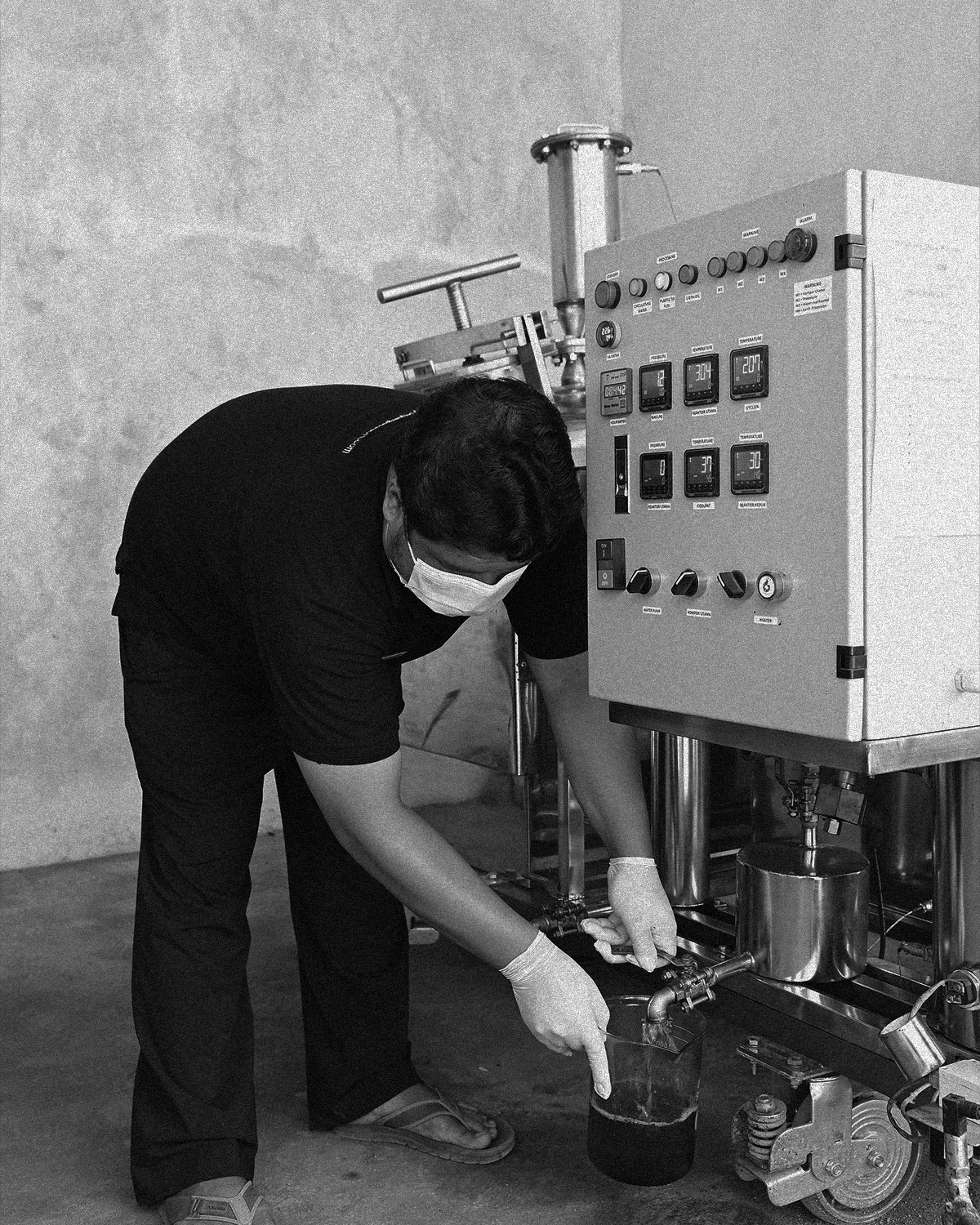
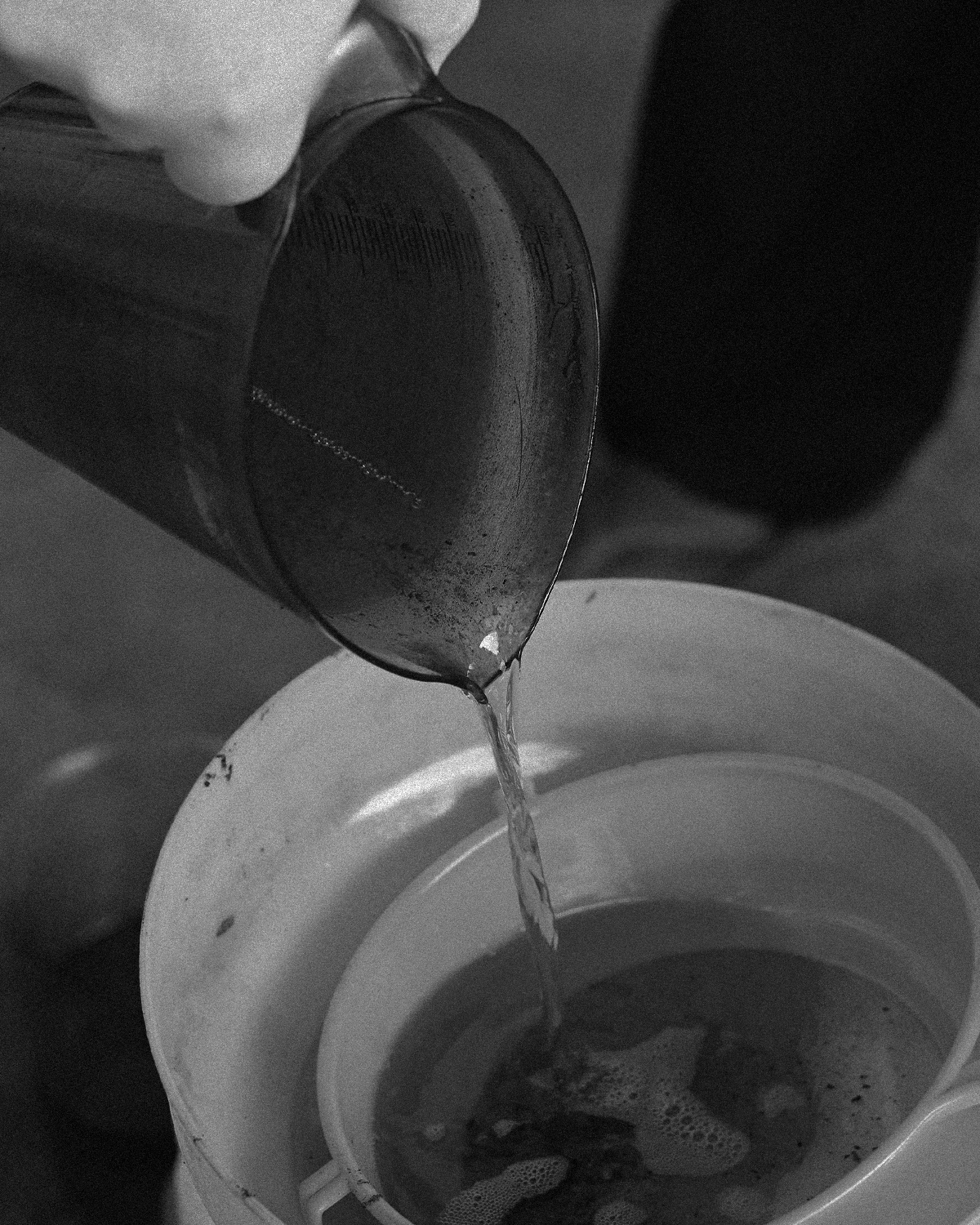
The plastic story runs in parallel. Waste plastic is processed through pyrolysis, a thermal decomposition method that breaks it down into diesel and gasoline. The fuel is then used to run the resort's generators and other operational needs. It is the kind of system most hotels would consider experimental. At The Kayon Jungle Resort it is part of the standard infrastructure.
A Platform, Not a Backdrop
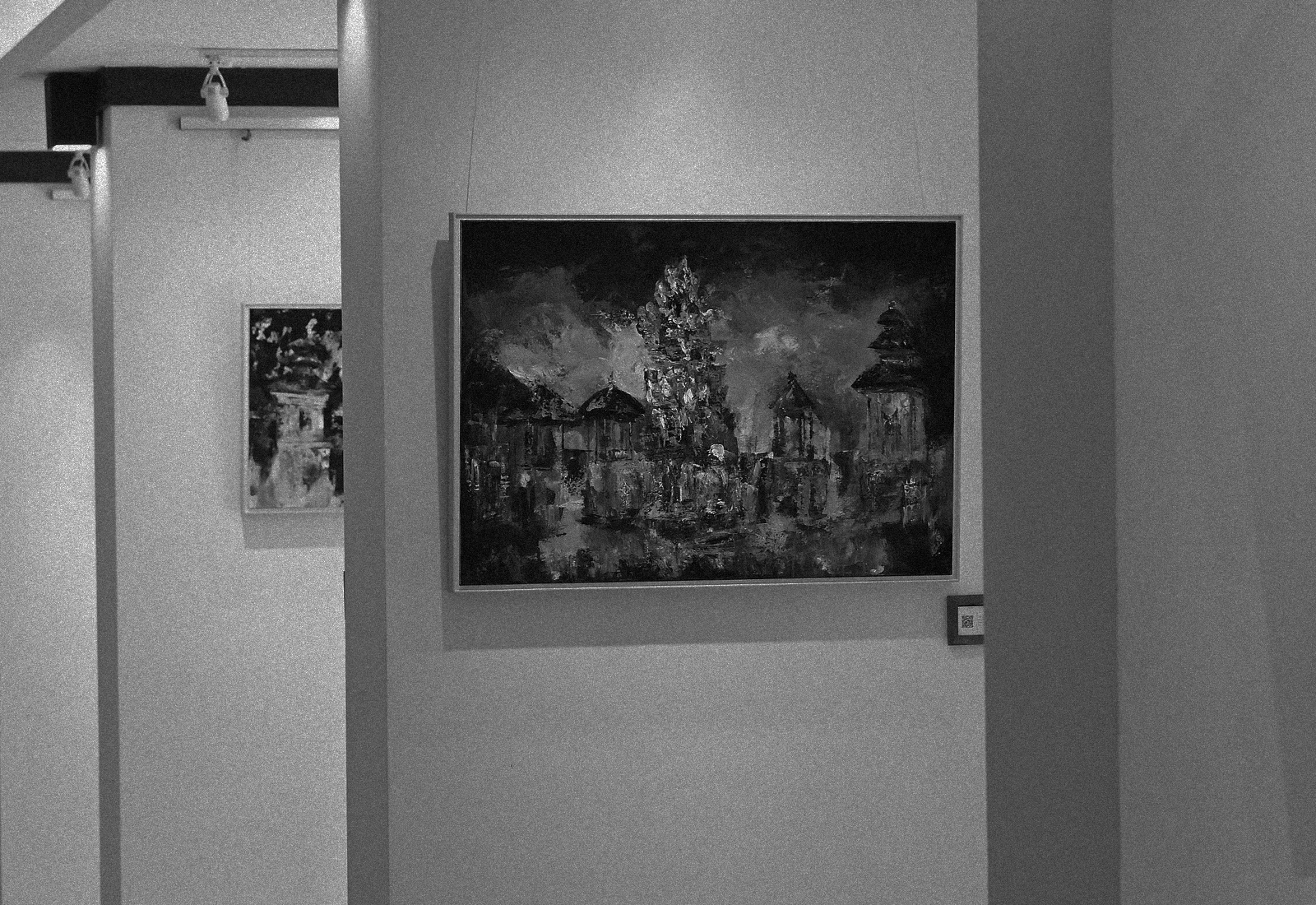
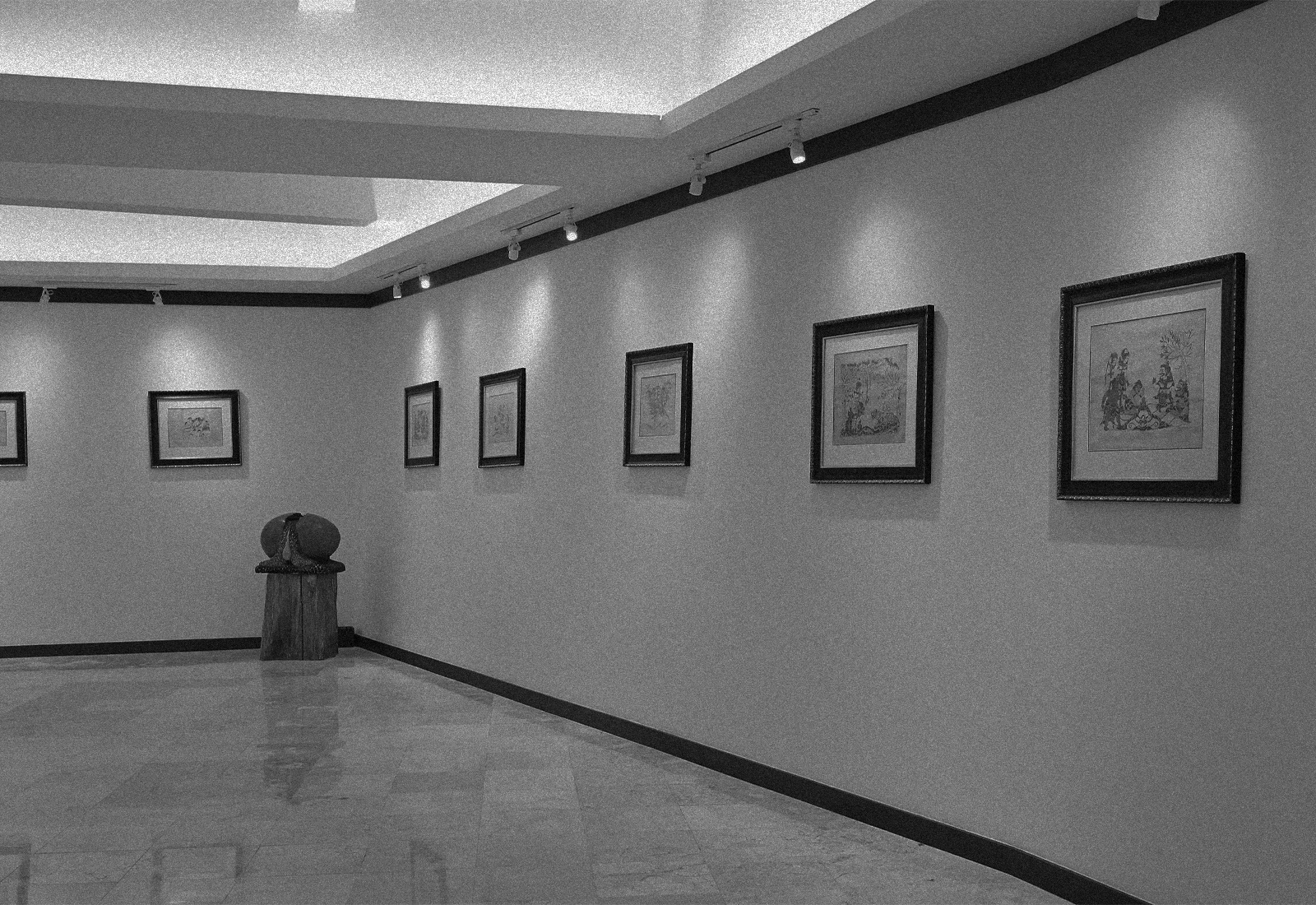
Putu Suryawan also owns Kelir Art Gallery, which holds regular exhibitions and platforms local artists and artisans from Ubud and across Bali, many of whom struggle to find proper visibility for their work. The arrangement is set up as a mutually beneficial ecosystem rather than a charitable gesture. Guests receive an authentic cultural encounter as part of their stay, while the artists gain exposure and income on terms that respect their craft.
Art, in his framing, is treated as an inseparable part of Bali's soul, and the resort is positioned as a home for it rather than a backdrop.
A Foundation Called Friendship
Running alongside the operational systems is the Kayon Pasawitran Foundation. Pasawitran translates from Balinese as friendship or togetherness, and the foundation channels resources into funding the education of children from underprivileged families in the area around Ubud. The reasoning is direct. Bali's future depends on its younger generation, and the work of opening even a single door of opportunity is treated as sufficient justification on its own.
The Challenges of Doing It Properly
None of this comes cheaply or quickly. The closed-loop systems demand significant upfront investment, longer timelines, and an acceptance that short-term operational efficiency will occasionally be sacrificed for longer-term gains. The kitchens face their own version of the same tension. Holding the consistency expected by international guests while sourcing from organic gardens, which produce on their own schedule rather than the resort's, requires continuous creative problem-solving. Suryawan considers the friction part of what makes the operation interesting rather than something to be smoothed away.
What Guests Leave With
The property's headline images, the Kumbakarna Statue and the Wanna Jungle Pool and Bar, are widely photographed and widely shared. The intended takeaway, however, sits somewhere beneath the surface of the postcard. Luxury and responsibility, Suryawan argues, are not a binary. A stay can be part of the solution rather than a contribution to the problem of waste, and the everyday decisions a traveler makes, what they eat, where they sleep, how they move, carry weight that adds up.
Bali as Responsibility, Not Resource
Bali is more than a destination. Those operating businesses on the island carry a responsibility to protect it rather than extract from it. The call is not for sweeping overnight transformation. It is for small, consistent moves: reduced plastic, support for local products, genuine involvement with the surrounding community. Sincere intention and consistency, more than scale or speed, are what build something that lasts.