

FEATURES • DESTINATIONS
Right Living in Balian:
A Conversation with the
Founders of Yama
Interview by The Punch
Photography by Yama Balian
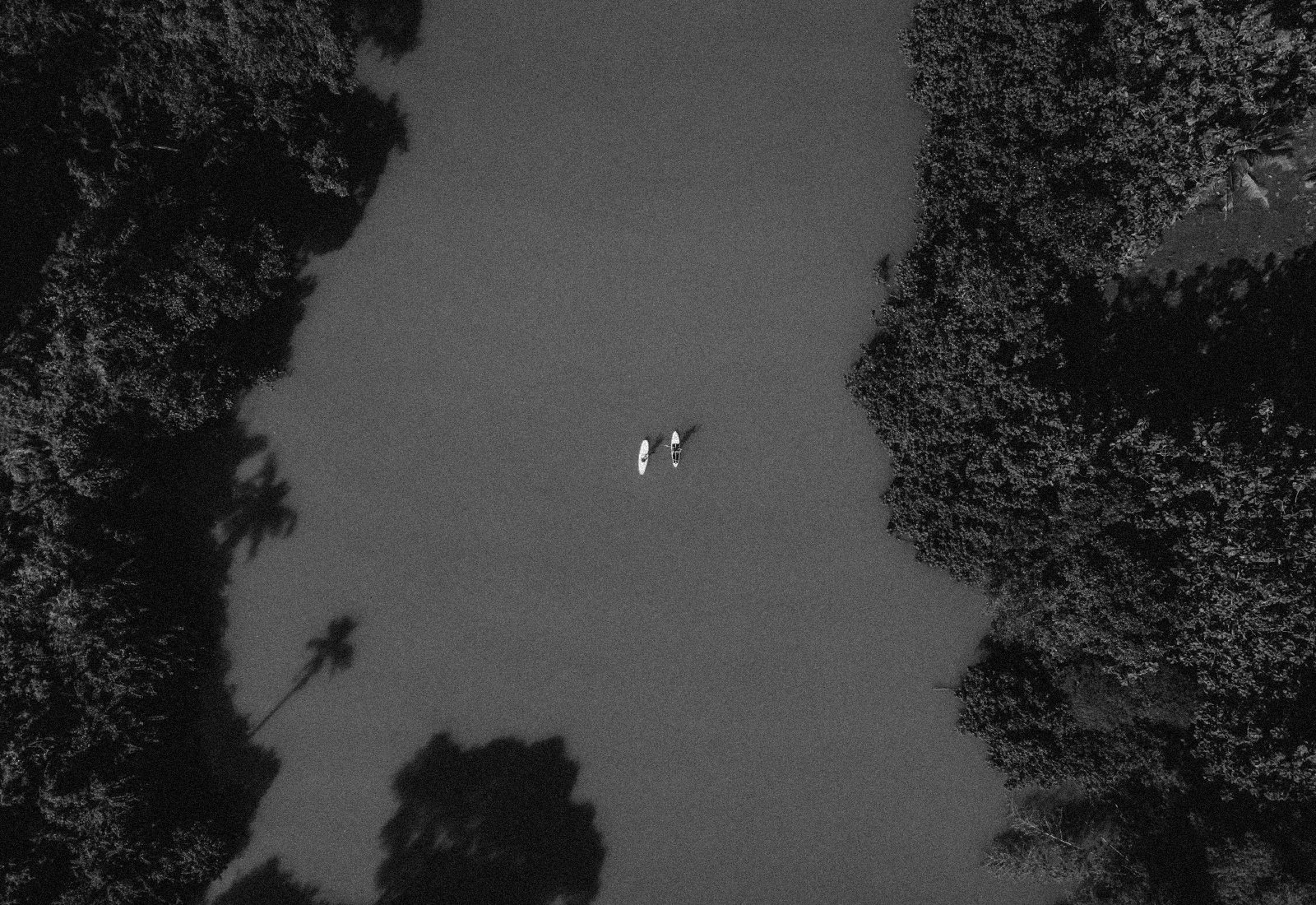
Tucked along the river in Balian, one of Bali's most quietly magnetic corners, Yama is not the kind of place that announces itself loudly. There is no grand entrance, no overdesigned aesthetic trying to impress. What you find instead is something rarer: a space that simply feels right.
Behind it are three founders, JC, David and Toni, who never set out to build a retreat center. What they built instead grew from a feeling, a desire to share a slower rhythm, a deeper presence, a more honest way of living. Today Yama has become a home for retreat leaders, seekers and conscious travelers from around the world, each drawn by something they often struggle to put into words.
We spoke with the three of them to understand the vision behind Yama, what Right Living really means, and why Balian, of all places, was always the only answer.

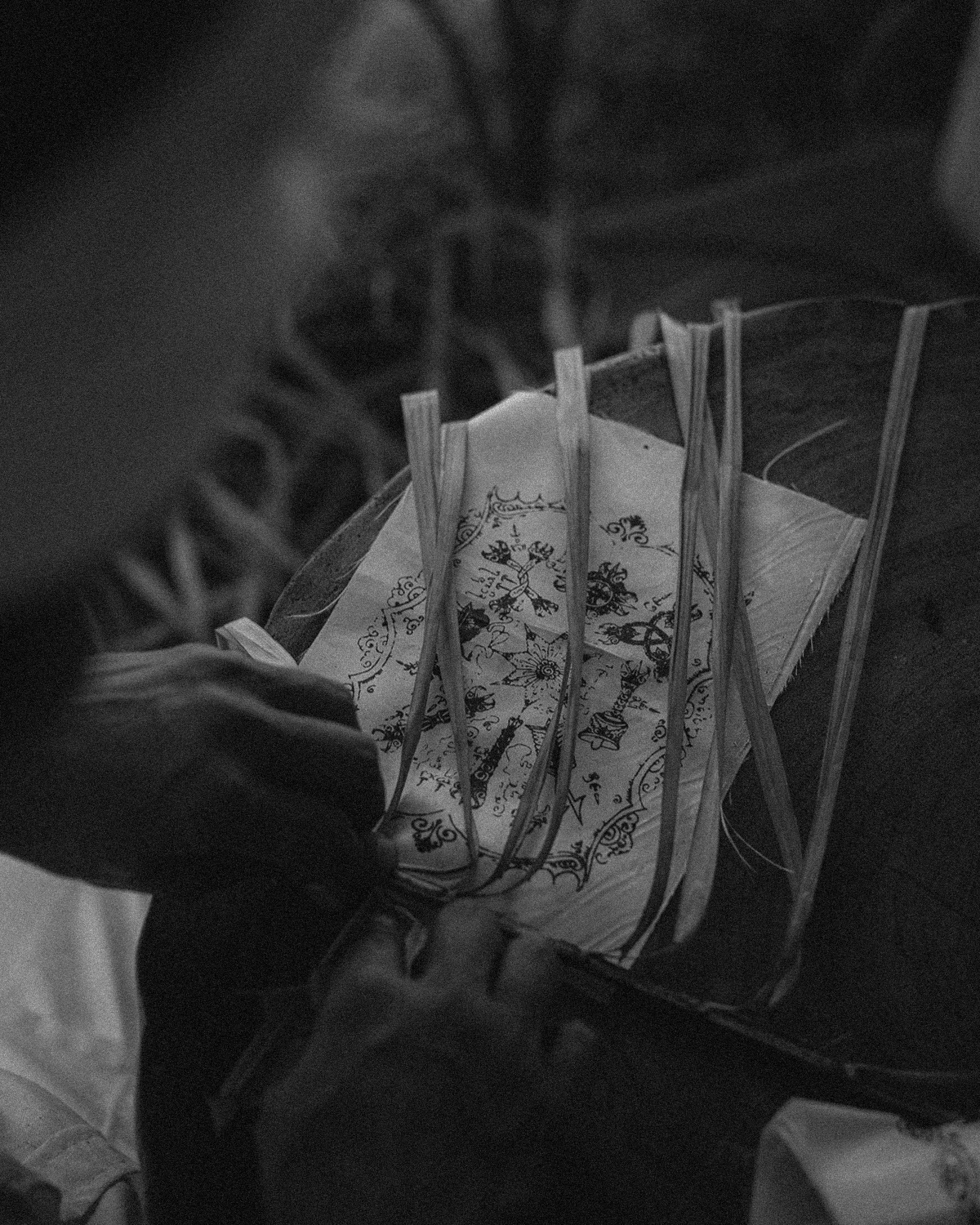
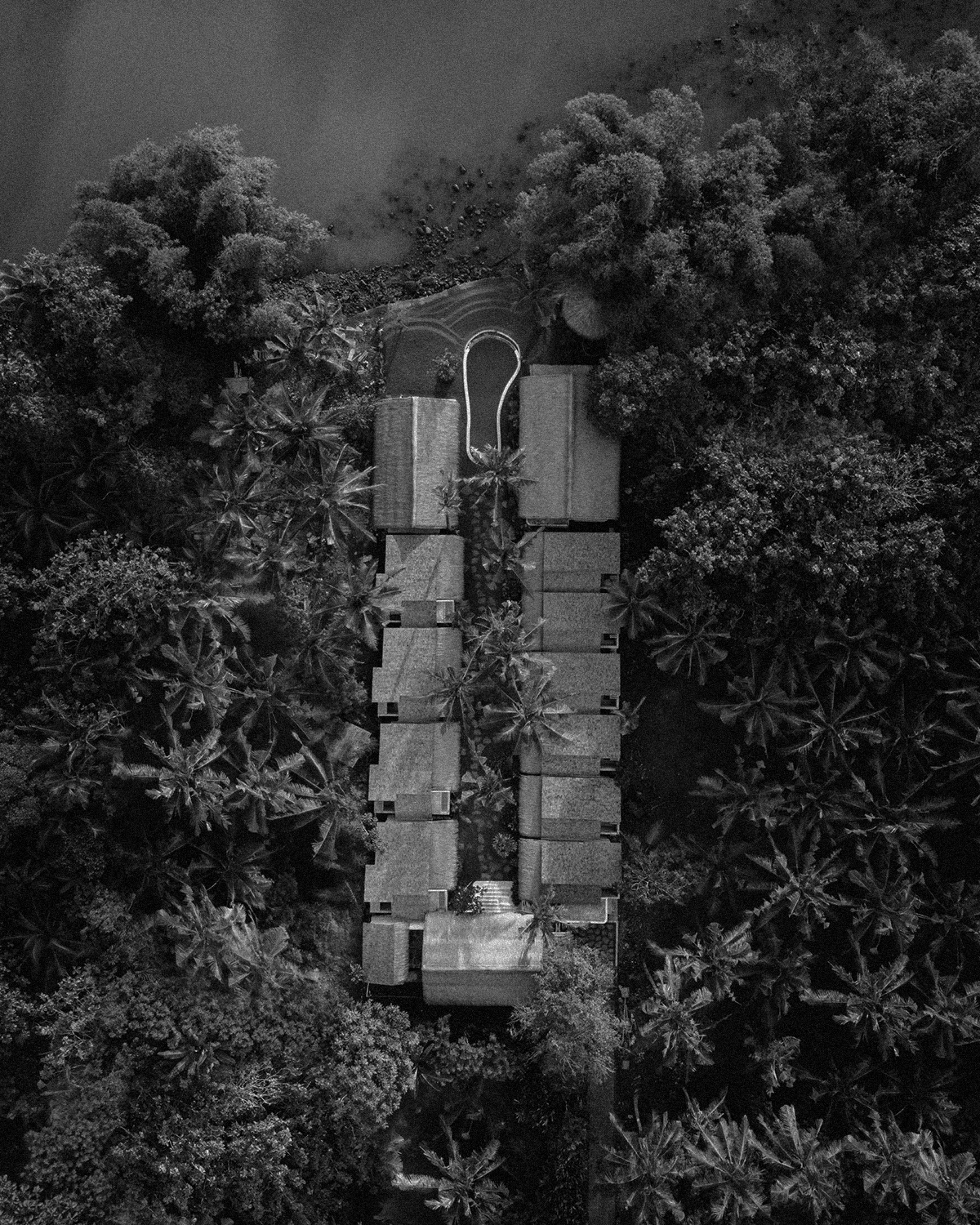
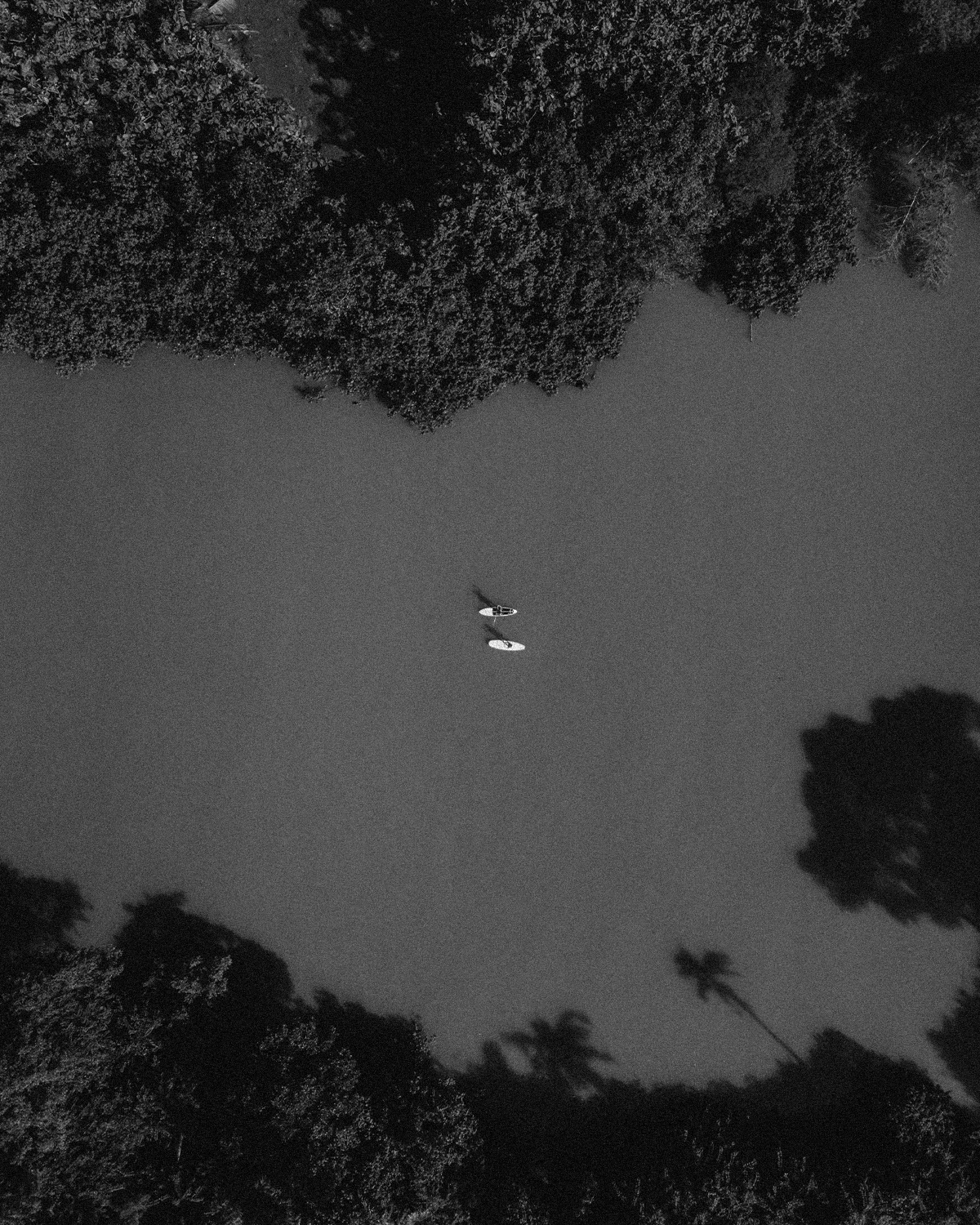
Could you introduce yourselves and tell us how Yama Bali came to life?
We're JC, David, and Toni. Life somehow brought the three of us together in this very specific corner of Bali, at exactly the right moment, and things just flowed naturally from there. Each of us came with different skills and backgrounds, but none of us had ever created anything quite like this before.
The truth is, we never sat down and said, "let's build a retreat center." Yama grew more from a feeling than a business idea. We were simply trying to share the way we were living and what this place was making us feel — a slower rhythm, more connection, more presence.
Without forcing anything, the space slowly took shape. Then people started arriving, bringing their own energy into it, and Yama became what it is today. It feels less like something we built, and more like something that naturally unfolded through all of us together.

Why Balian specifically?
Balian is not for everyone, and honestly, that's exactly why it works.
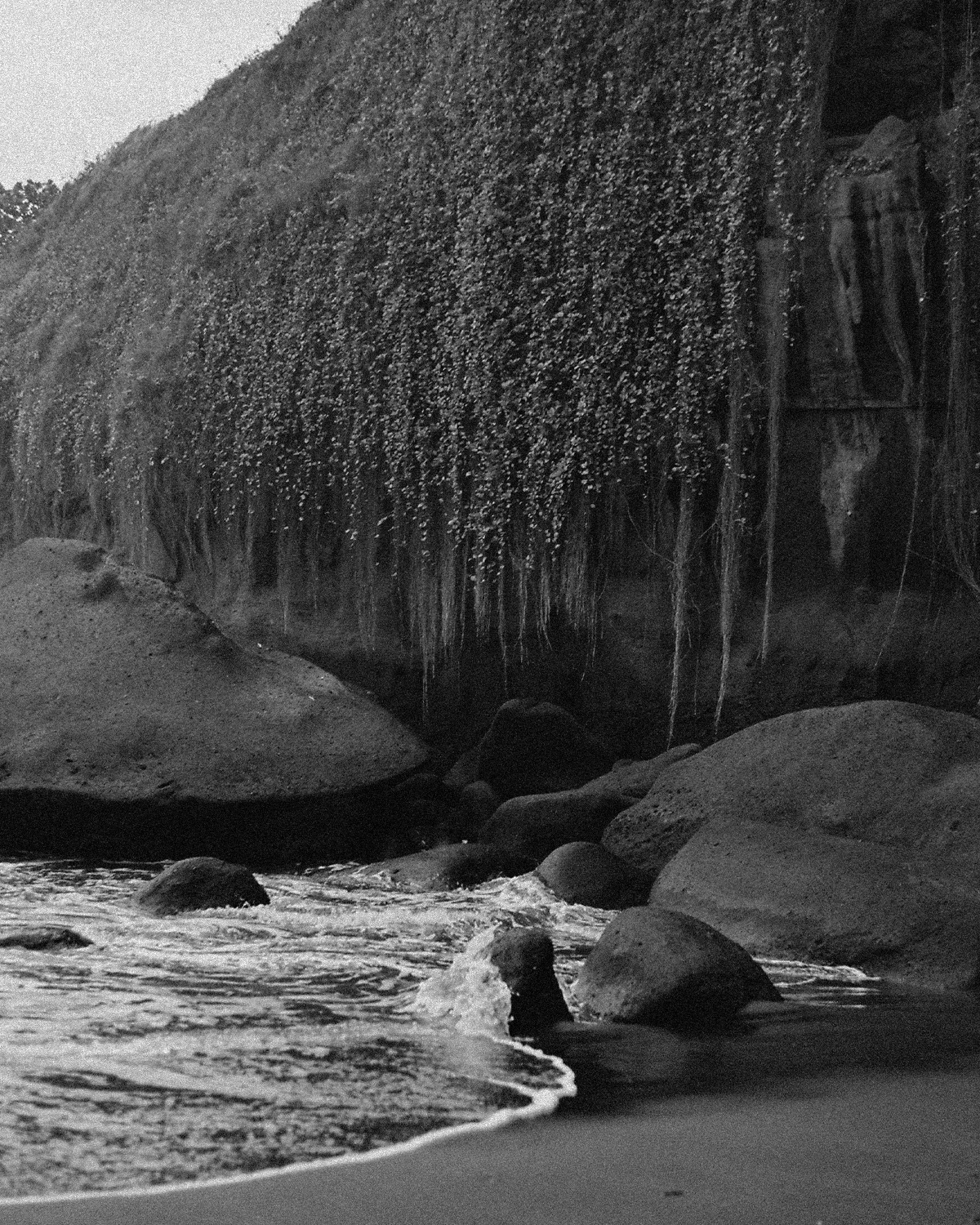
From the beginning, it was Balian or nothing. We never considered another location. There's something about the energy here that feels untouched and honest. It's still a little under the radar, still simple, still raw. We didn't want to fight that or impose something overly designed or polished on top of it. We just tried to listen to the river, to the land, and follow what already existed here.
People arrive and immediately sense that something is different. Not because of any one specific thing, but because the place itself creates the atmosphere. The rhythm is slower, there's less noise, less performance, less distraction. And for retreats, that changes everything.
People don't come here to consume Bali. They come because they're looking for space. Real space. And somehow, Balian naturally attracts the people who are ready for that.
What does 'Right Living' mean to you?
Right Living has been there since the very beginning. It's not something we try to push as a brand concept or over-explain. It's more like an umbrella that quietly covers everything we do.
For us, Right Living is actually very simple. It's waking up slowly. Having nourishing food. Moving your body. Being in nature. Having conversations that mean something. Having enough space in your day to actually feel like yourself again.
At Yama, we always say we try to create a physical space that gives people mental space. Our four values are balance, nature, community and temple, and together they shape what we call the Right Living experience. But at the end of the day, it's not about telling people how to live. It's about creating the conditions where people naturally return to what feels right for them.
What does 'holding space' mean for you?
For us, holding space is deeply intentional.
We sometimes say to our retreat leaders: "we hold you, so you can hold the space." That's really how we see our role. We want facilitators and participants to arrive without having to worry about anything unnecessary, so they can fully focus on why they came.
A retreat experience actually starts months before the retreat itself. Communication, flow, food, timing, energy, logistics, team support... we try to remove every friction point possible so everything feels smooth and natural.
It's not only about providing beautiful rooms or a shala. It's the invisible structure behind everything. The team understands retreats, understands energy, understands when to step in and when to disappear.
In a way, we're always quietly supporting the experience from the background, allowing facilitators to truly do their work and participants to fully open into it.
What creates the transformation people feel at Yama?
It's never just one element. It's the combination of everything.
The architecture grounds you, nature expands you, and the team holds everything together. Over the years we've also kept refining the space based on real retreat experiences, making small changes that make the whole flow smoother and more supportive.
Our team now deeply understands what it means to hold space for retreats. Even the food is part of that understanding. Knowing what kind of nourishment people need during intense emotional or physical processes, what rhythm works best, how energy shifts throughout a retreat.
When all those pieces align naturally, people soften. The experience stops feeling forced and starts feeling effortless.
How did you design the space?
Designing Yama was actually a challenge because the land itself is not that big. So instead of trying to create something grand, we tried to create something honest.
One sentence someone once told us really stayed with us. They said: "it feels like the shala and restaurant were already here before." And honestly, that's probably the best compliment we could ever receive.
We tried to understand the river, the land, the light, the breeze, and simply work with them instead of against them.
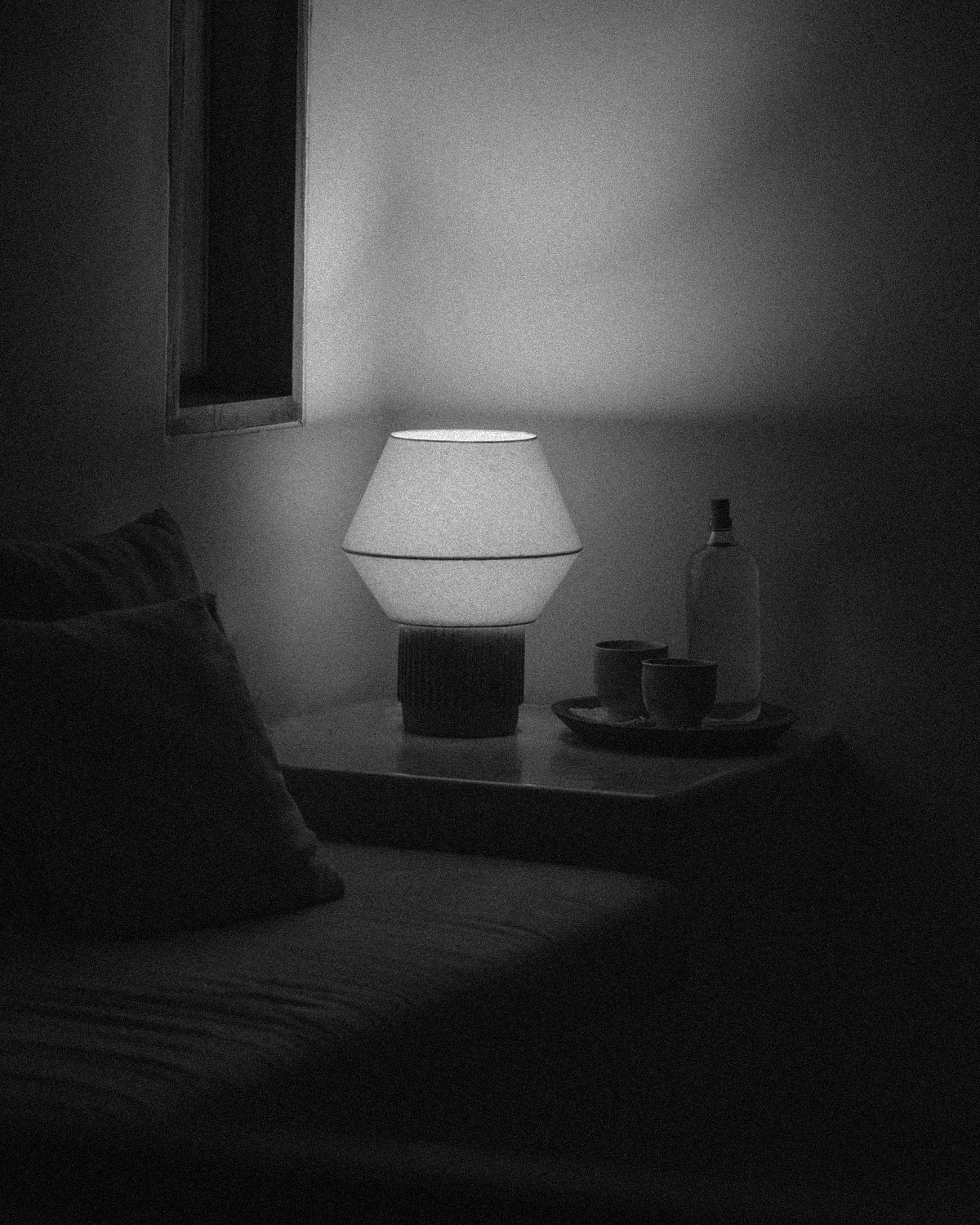
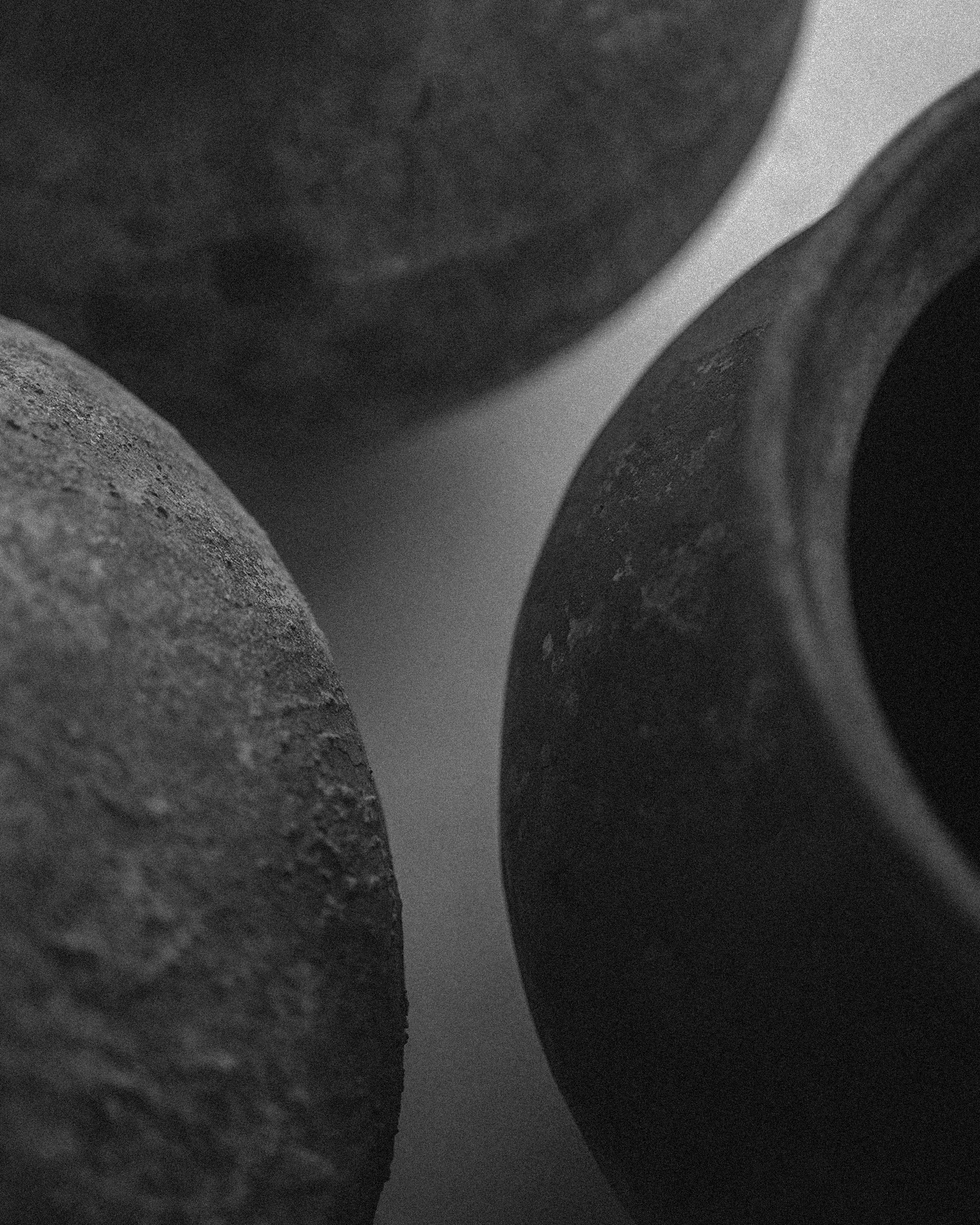
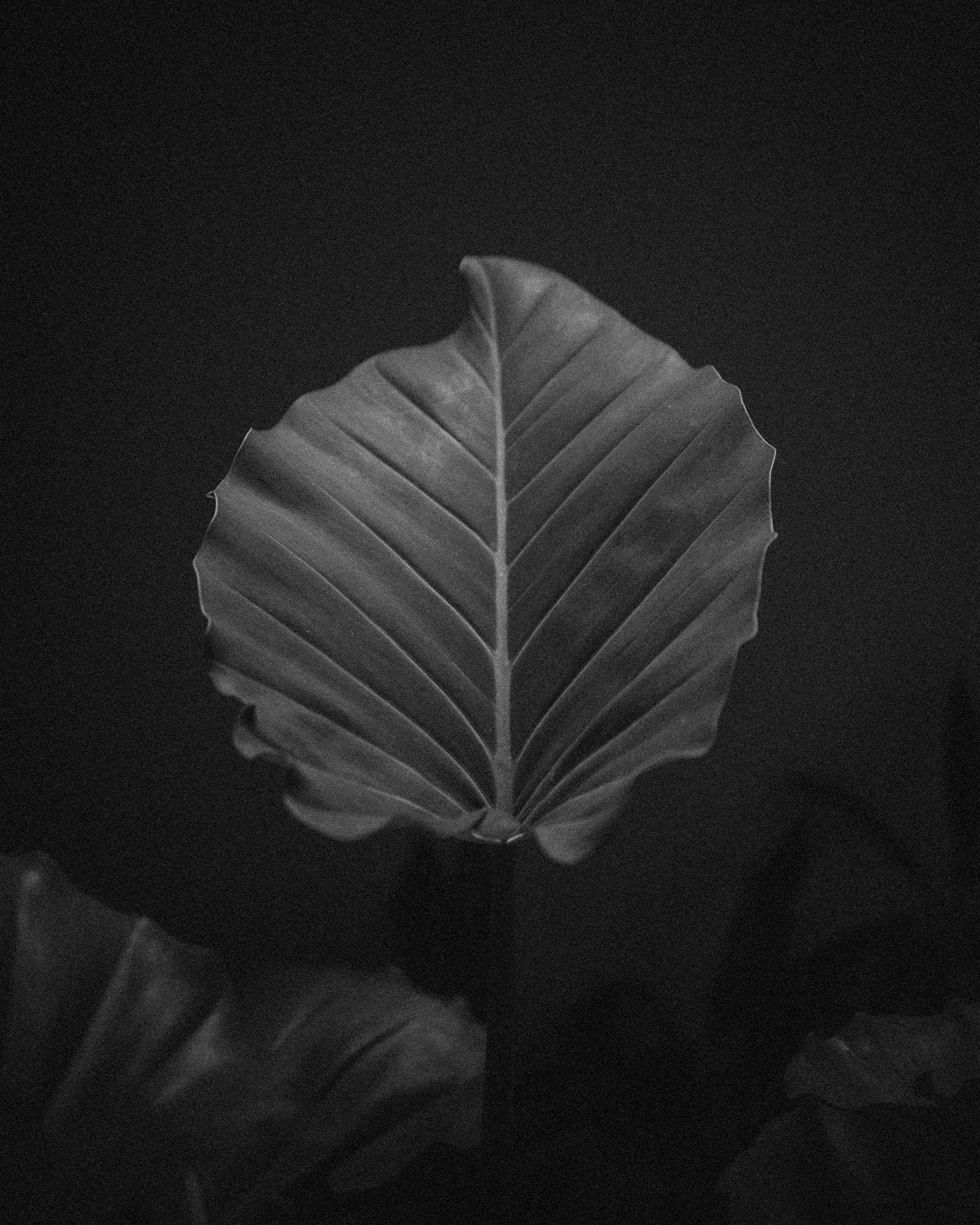
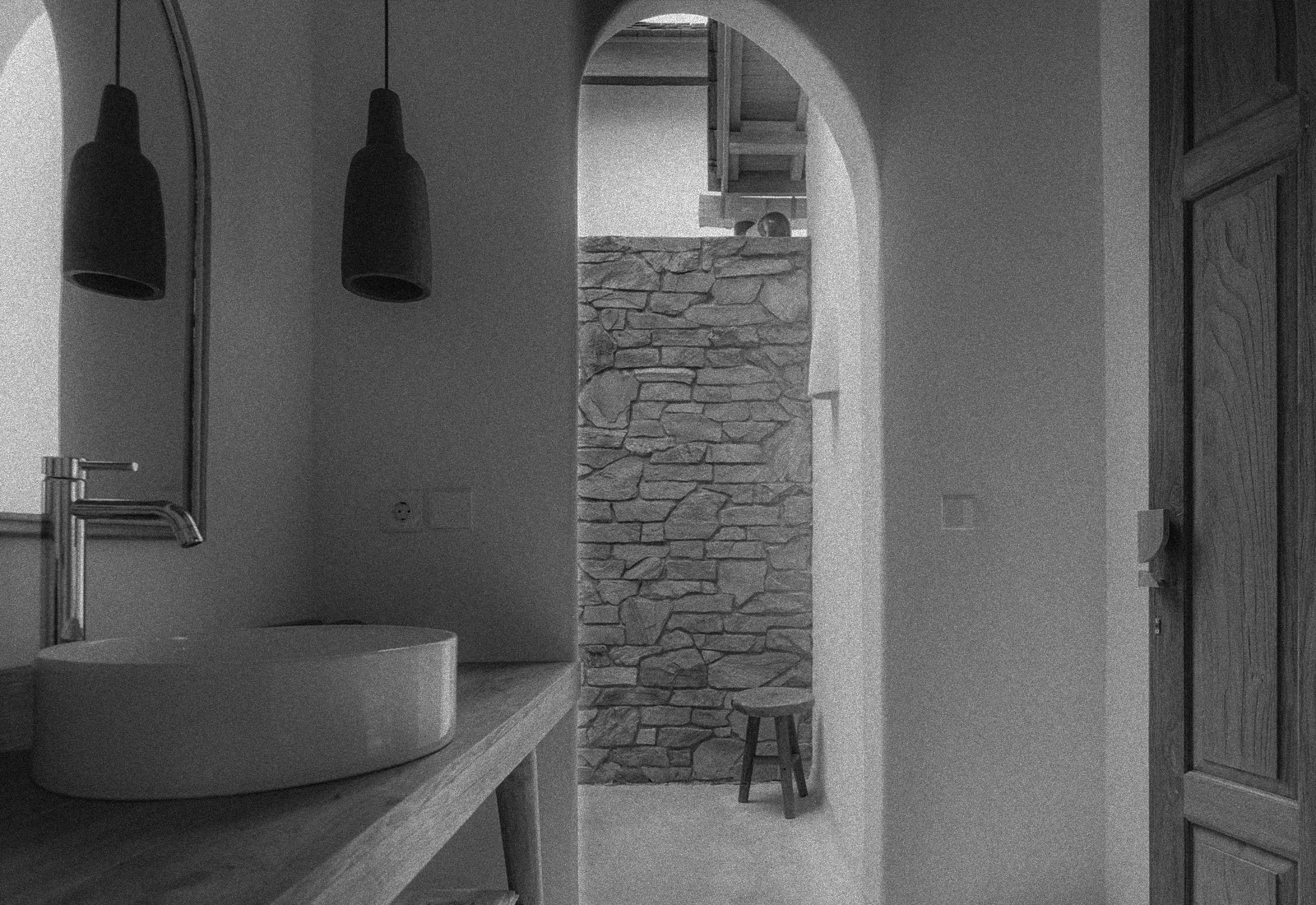
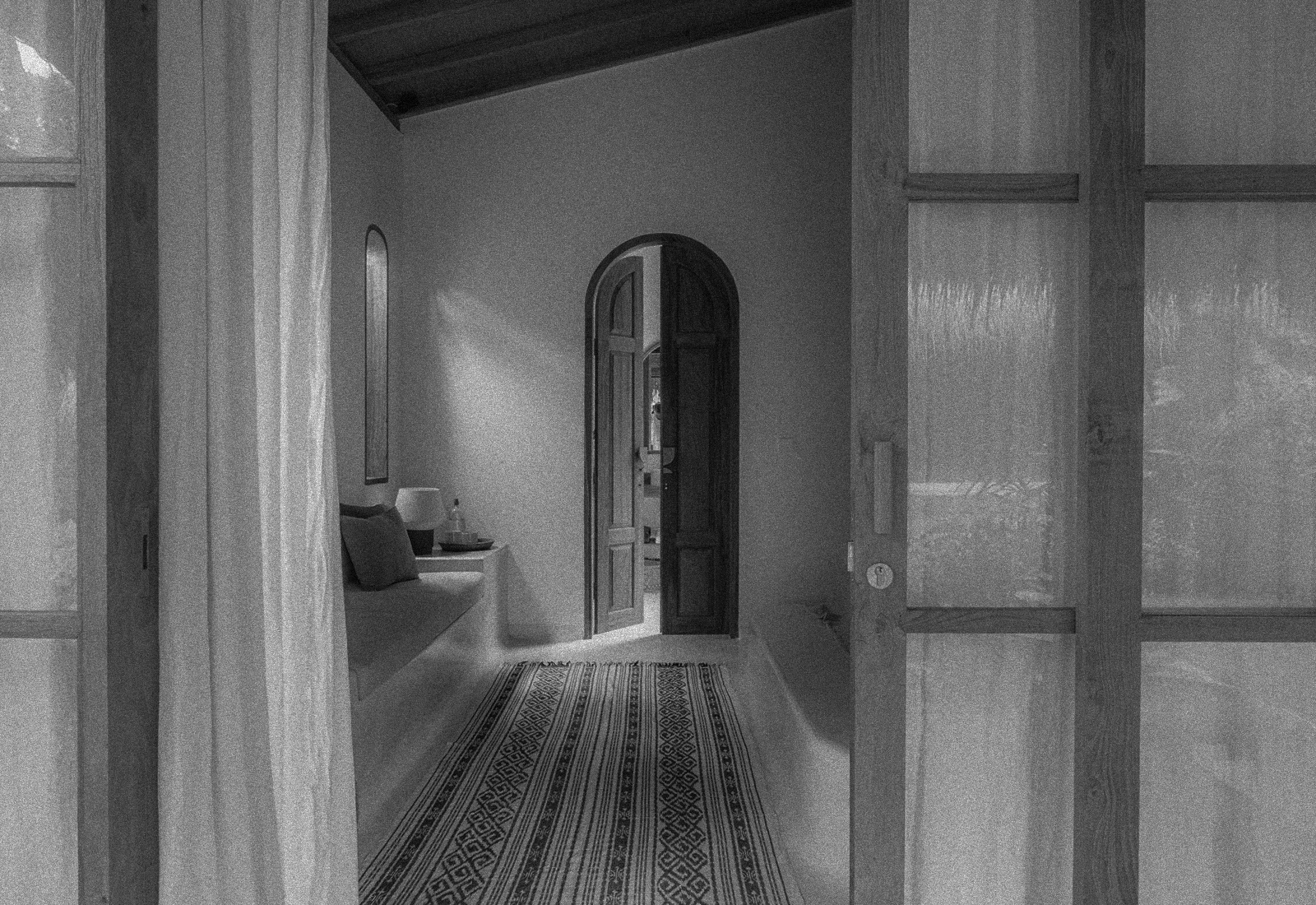
Nothing is screaming for attention. The architecture feels connected to the place, using local materials, local textures and forms that already belong to Bali. And then inside the rooms, we added softness and intimacy through fabrics, textures and small thoughtful touches.
One thing we especially love are the little terraces outside every room. They create a beautiful middle point between privacy and connection. Not fully public, not fully private. And it's wonderful to see how naturally people gather there, having deep conversations or quiet moments we never planned for. That's when the space really feels alive.
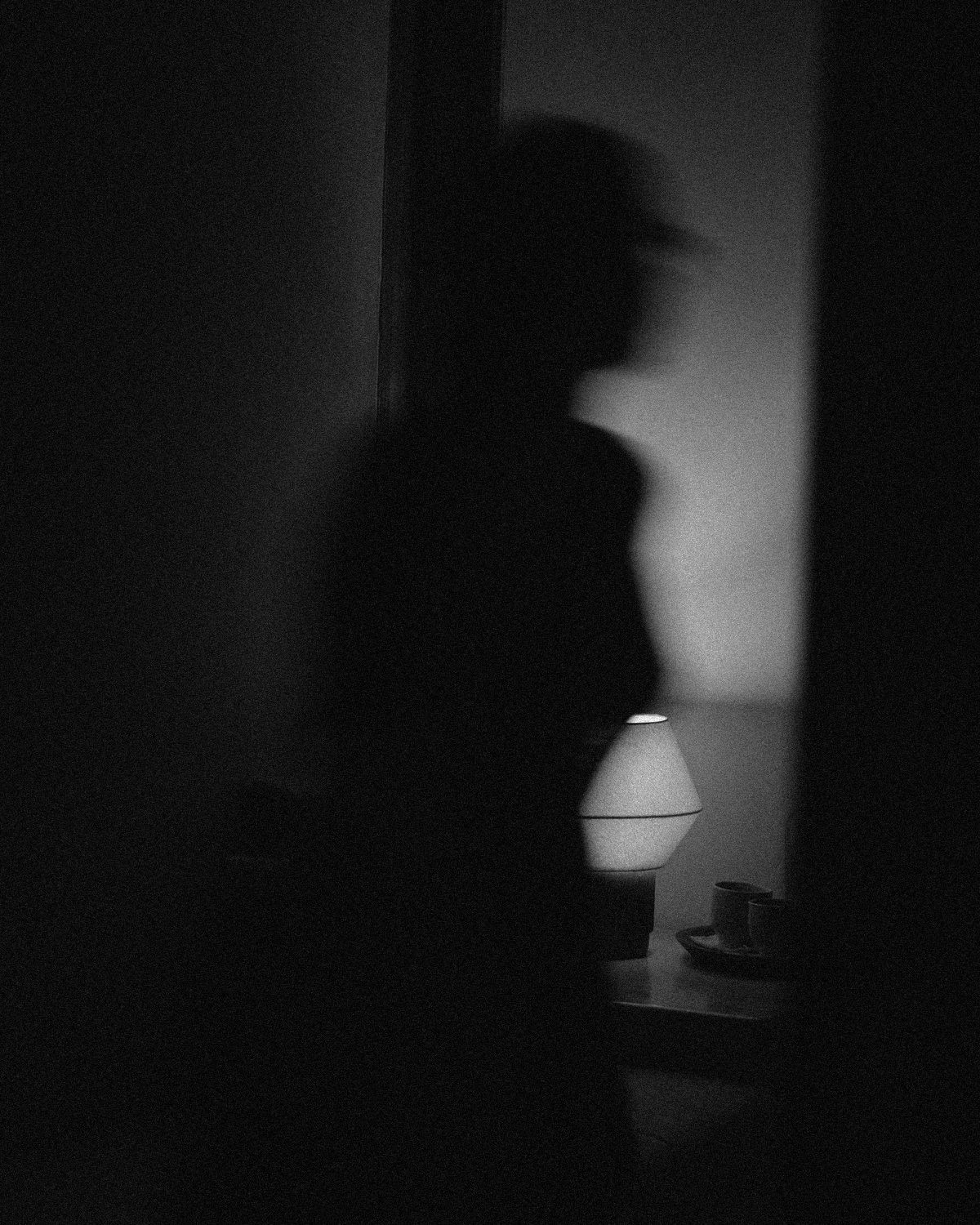

What do you hope people feel when they arrive?
More than anything, mental space.
We believe calm and clarity come after that. First the mind needs to become lighter. So we try to create an environment with very little friction. No pressure, no noise, no overstimulation. Then nature does the rest.
Usually people arrive, sit down by the river for a few minutes, and you can almost see their nervous system slowing down. The mind starts becoming quieter, lighter. That naturally creates calm. And after a few hours, or maybe the next morning, clarity begins to appear too.
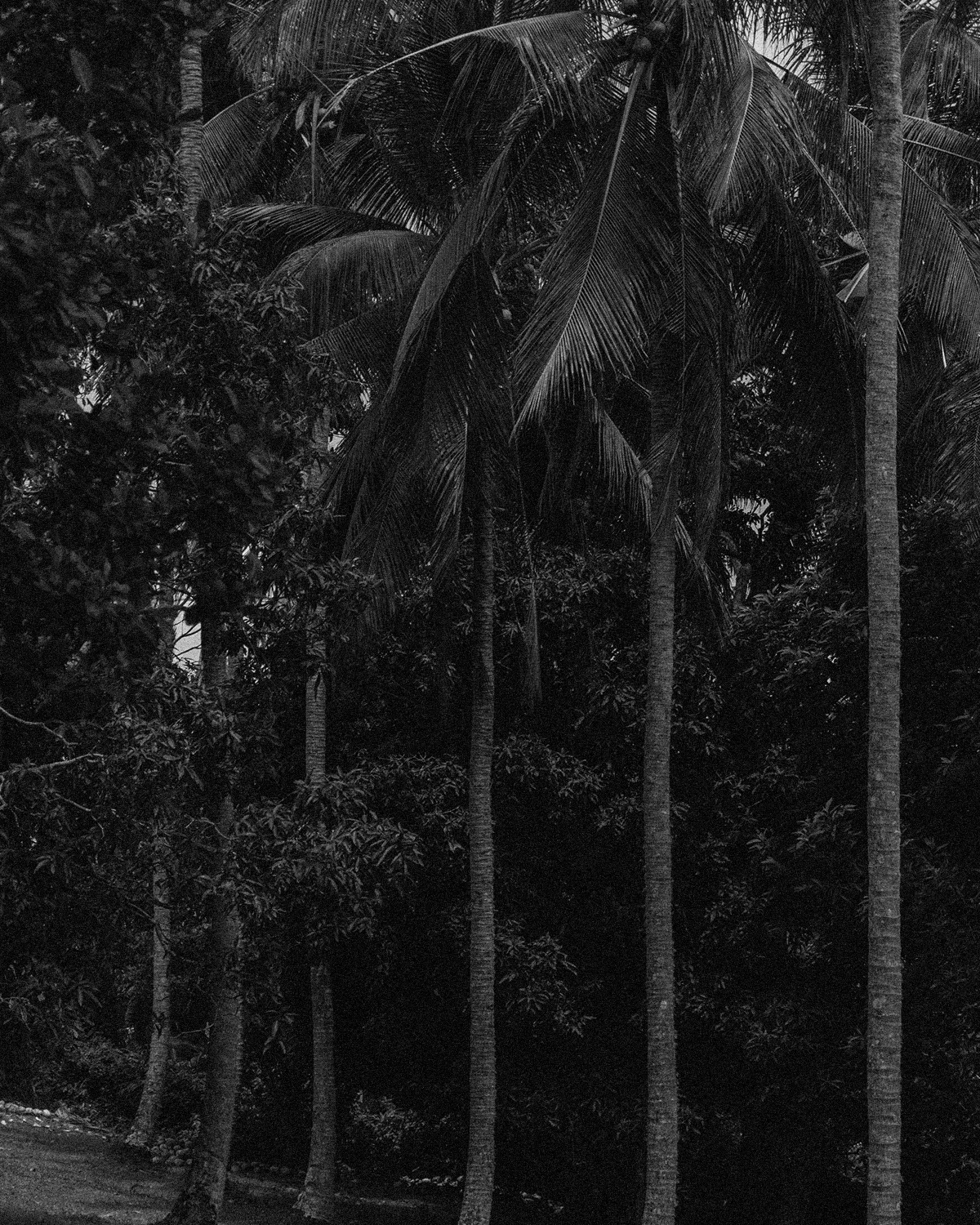
The design supports this without demanding attention. Nothing is trying too hard. The river, the breeze, the palms, the sunrise, the sounds... they slowly guide you back into yourself without forcing anything.
Can you describe a typical wellness ritual at Yama?
We usually work closely with retreat leaders to shape rituals around the energy they want to create.
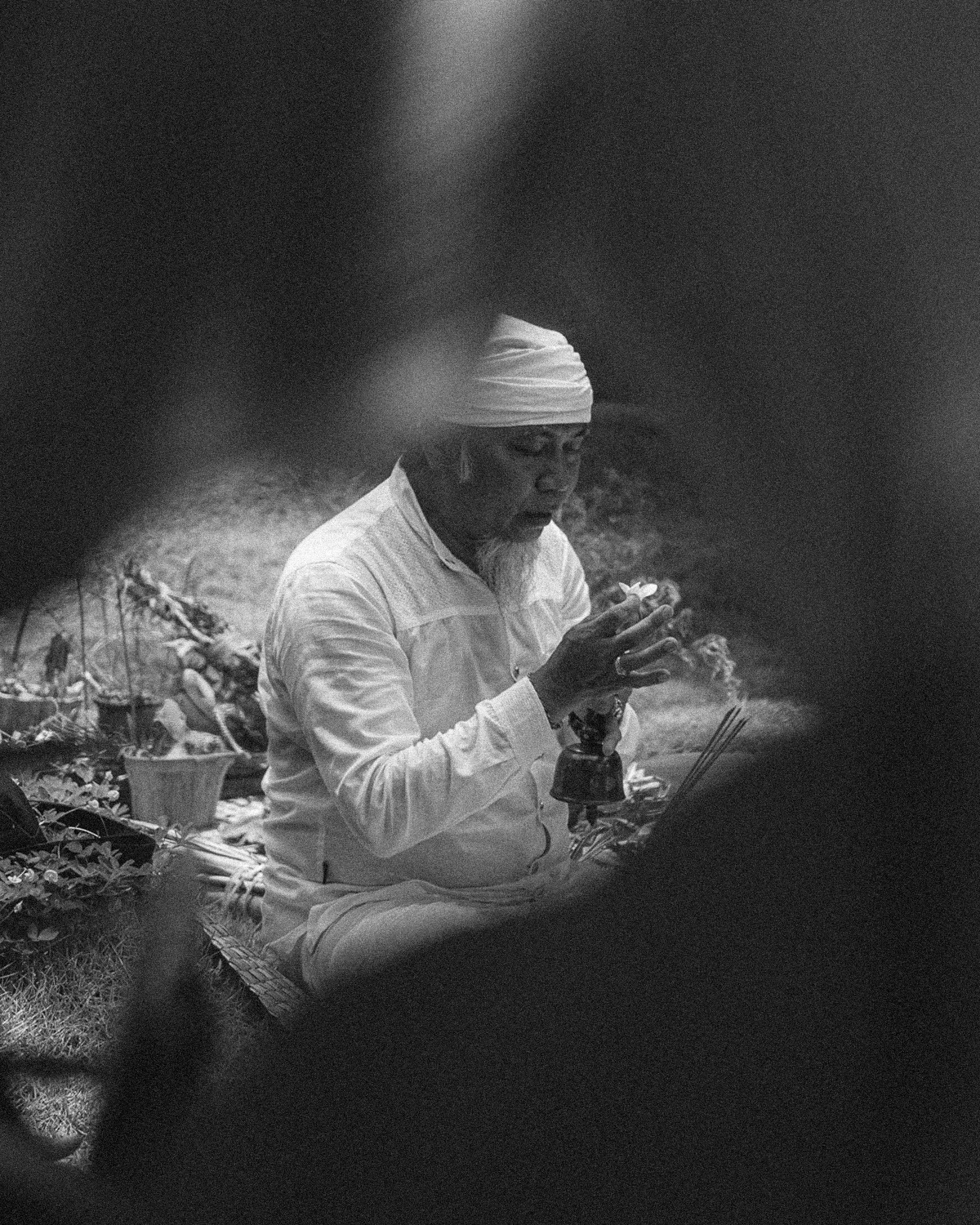
But personally, we love starting the day very slowly. Early morning in the shala is magical. The sunrise light reflecting off the river almost feels unreal. Starting with meditation, breathwork or gentle movement there already changes the whole tone of the day.
Then maybe sauna, ice bath and some rest afterward, followed by nourishing food.
Honestly, once your morning starts like that, the day already feels aligned.
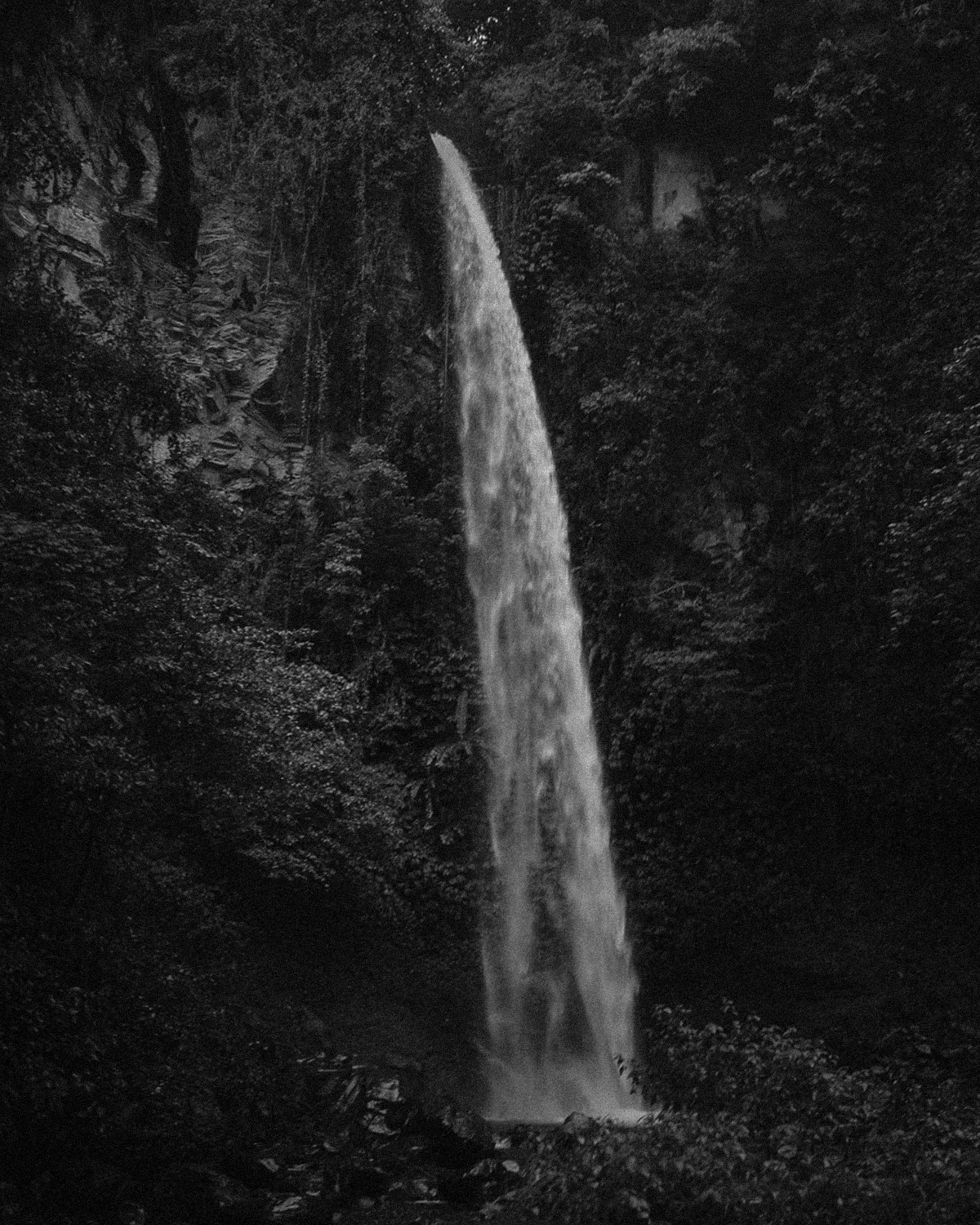
Later there can be more activation. Beach walks, movement, training, exploring waterfalls or the nature around Balian. Then in the evening, everything softens again. Gathering in the shala with candles or fire, journaling, sharing circles, community moments.
We have all these natural tools around us: the river, the ocean, the sauna, the contrast therapy, the jungle, the sunsets. And together they help create rituals that bring people back into balance in a very natural way.
How do you balance privacy and togetherness?
For us, true luxury today is having the choice.
Yama itself already feels like a cocoon, and then each room becomes its own smaller cocoon inside that. People can fully retreat into their private space whenever they need to.
At the same time, the little terraces create a beautiful transition between private and communal.
You can invite someone for a deep conversation without fully opening your inner world.
Then the rest of the property naturally opens into community. The restaurant, the sofas, the pool, the riverfront... people come together very organically.
Nothing is imposed. There's no pressure to socialize or to isolate. The balance just naturally happens depending on what each person needs in that moment.
How do you see the future of conscious living spaces?
I think it will become very clear which places were created from trends, and which ones were created from something deeper.
People today are not only looking for beautiful spaces anymore. They're looking for stories they can connect to, communities they can feel part of, places with soul.
The physical space itself is only one layer now. Photography, rituals, materials, communication, collaborators, the team, the atmosphere... everything becomes part of the story people are stepping into.
So our responsibility is to never take this for granted. To stay grounded, grateful and intentional, and to keep protecting the essence of what made people connect with this place in the first place.
Wellness can easily become another form of consumption. We try to remember that the real purpose is reconnection. Less performance, less excess, more honesty.
I think the future will move more and more toward conscious living, slower living, more intentional living. And people will keep searching for places that genuinely help them feel part of something meaningful again.