

FEATURES • BRANDS
Bali Sama Sama:
Giving New Value to
What Was Left
Behind
Words & Photography by The Punch
Bali has always known how to work with what’s at hand. Long before sustainability became a talking point, the island was already practicing it, through ritual, craft, and quiet ingenuity. Bali Sama Sama sits firmly in that tradition, not as a revivalist gesture, but as a living, working example of how design, livelihood, and environmental care can move together.
Founded in 2020, Bali Sama Sama is a Bali-based creative enterprise producing hand-blown glassware and candles with a clear social purpose. From the beginning, it was never about creating a lifestyle brand for the sake of it. The intention was more pragmatic, and more ambitious: to build something on the island that could support local skills, generate meaningful work, and open pathways beyond Bali’s dependence on tourism alone.

TWO PATHS, ONE SHARED DIRECTION
The brand began with Julie’s response to a moment of crisis. After decades of travelling to Bali and eventually making the island her home, she had come to understand its rhythm, its craftsmanship, and its depth of talent. When tourism came to a standstill during COVID, she saw how fragile the local economy could be. The idea for Bali Sama Sama did not come from a longing to build something personal, but from a desire to harness that talent and create work when it was needed most. The initial concept was simple: begin with a candle range, produce locally, and generate income at a time when opportunities had all but disappeared.
As she began searching for resources and collaborators on the island, Julie met Mischa. Originally from the Netherlands and already experienced in working with Indonesian suppliers, Mischa joined Bali Sama Sama later in 2020. Her contribution in those early months proved invaluable. Her ability to scout ideas, navigate local communities, and communicate in Bahasa strengthened the groundwork Julie had laid. It was through this collaboration that the brand began to evolve – testing, learning, and exploring what was truly possible, one deliberate step at a time.

Beginning with candles, guided by restraint
The starting point was candles. It was a known market Julie understood and could realistically enter. In the uncertainty of COVID, familiarity mattered. Candles offered a clear path to create product, generate income, and begin building something tangible with local makers.
From the outset, the intention was to create a clean, conscious candle. That meant thinking beyond scent alone. The vessel itself would be sustainably made from recycled glass. The wax would be plant-based. The ingredients would be considered and transparent, free from synthetic fragrances, unnecessary chemicals, and filler materials designed simply to amplify projection. The aim was not to chase intensity, but integrity.
Scent followed the same philosophy. Bali Sama Sama committed to using pure essential oils grown in Indonesia. This immediately shaped the creative process. Oils commonly used in European perfumery were excluded, not out of limitation, but out of alignment. What remained were roughly 15 locally grown options. From these, blends emerged that felt unmistakably of the island: frangipani, cempaka, and other florals were in the daily Balinese life. The fragrances were designed to sit gently in a room, present but never overpowering, echoing the quiet rituals they were made to accompany.
When the vessel became the focus
From the outset, the candle’s vessel mattered as much as what went inside it. The glass needed to be something worth keeping, refilling, or repurposing, not something destined for landfill once the wick burned out. As experimentation continued at a small glass workshop in Gianyar, something shifted. Shapes emerged that didn’t suit candles at all. Larger forms, unexpected proportions, colors that felt more sculptural than functional. Slowly, the question surfaced: was Bali Sama Sama a candle company, or something else?
The answer took time. For nearly three years, the team invested heavily in research and development, testing durability, refining forms, sourcing packaging, and learning what handmade glass could and couldn’t do. It wasn’t until early 2023 that the first standalone glass pieces were sold. By then, the decision was clear. Bali Sama Sama was a glass company that also made candles.
Discovering the story inside the material
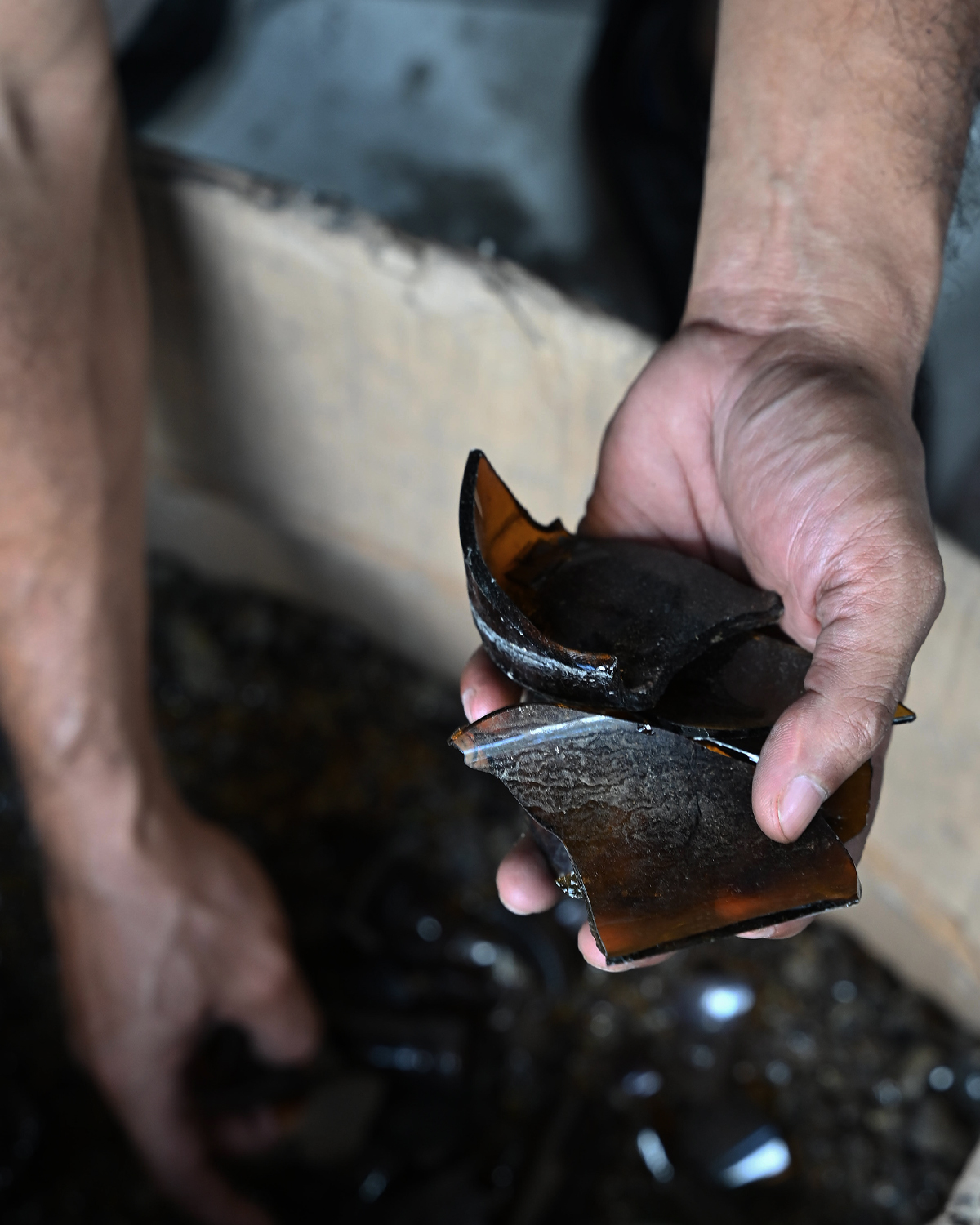
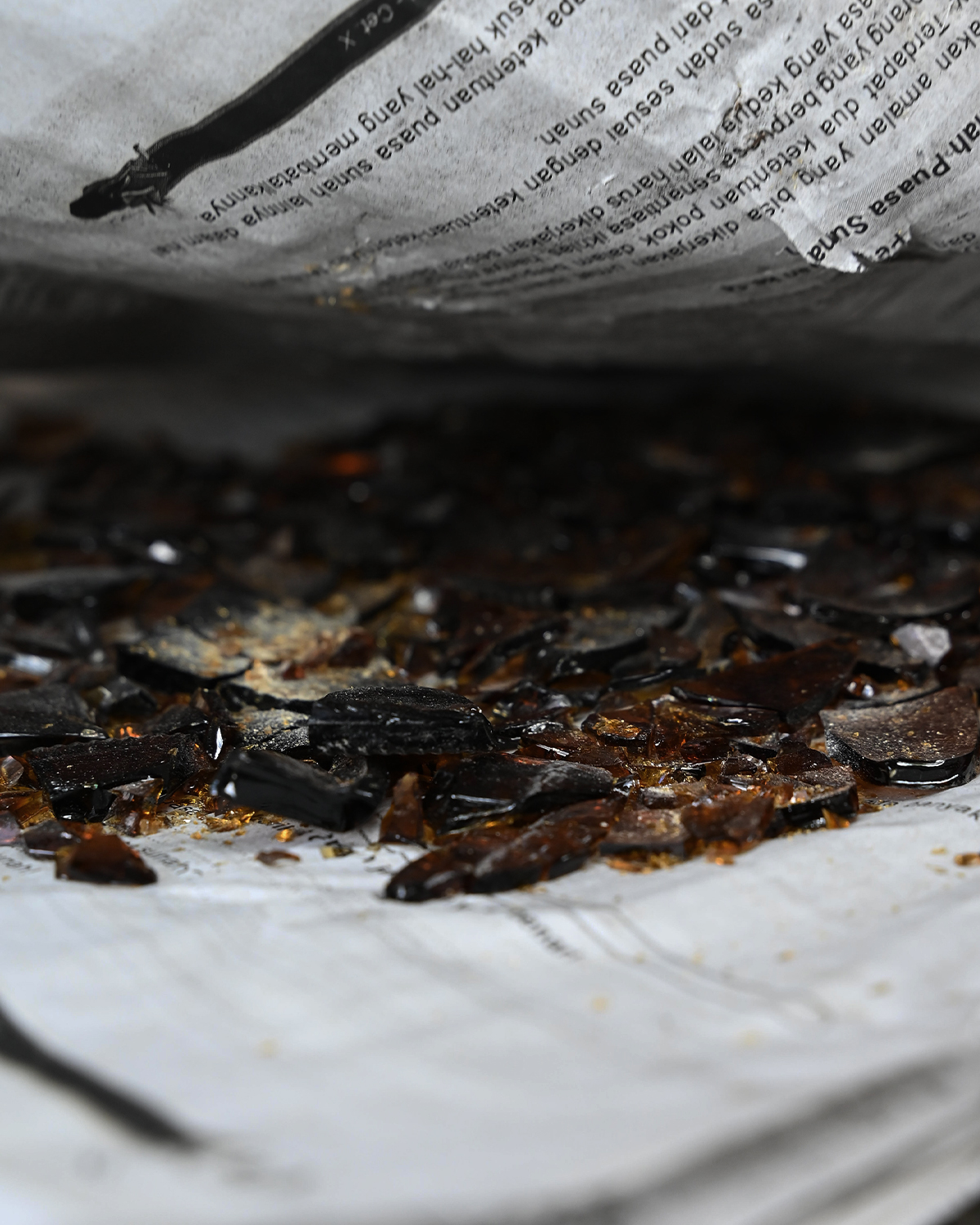
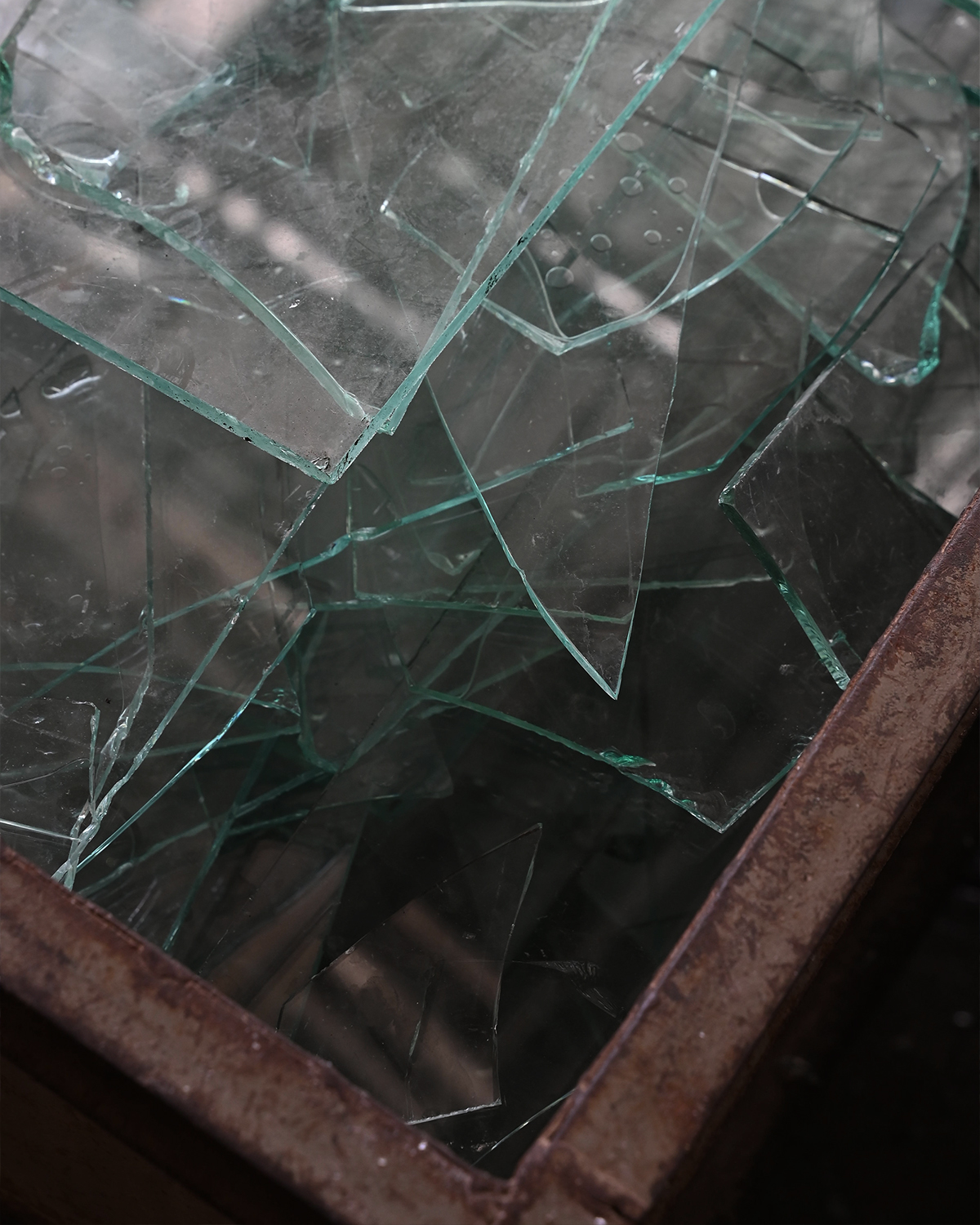
The commitment to recycled glass came not from a grand environmental plan, but from direct exposure. While exploring glass production, the founders were confronted with the sheer volume of discarded bottles. The realization followed naturally: bringing new raw glass into the island made no sense when so much already existed as waste.
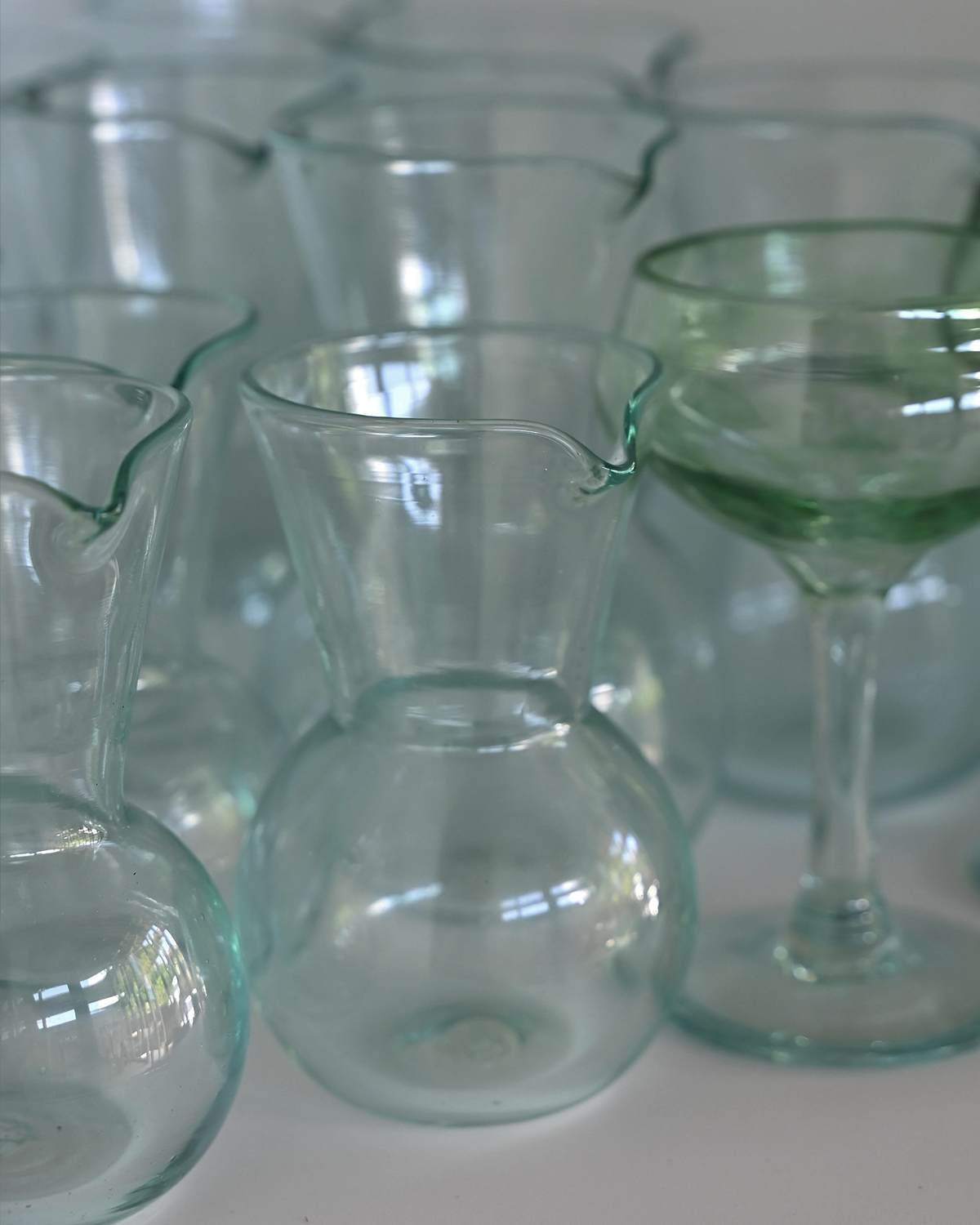
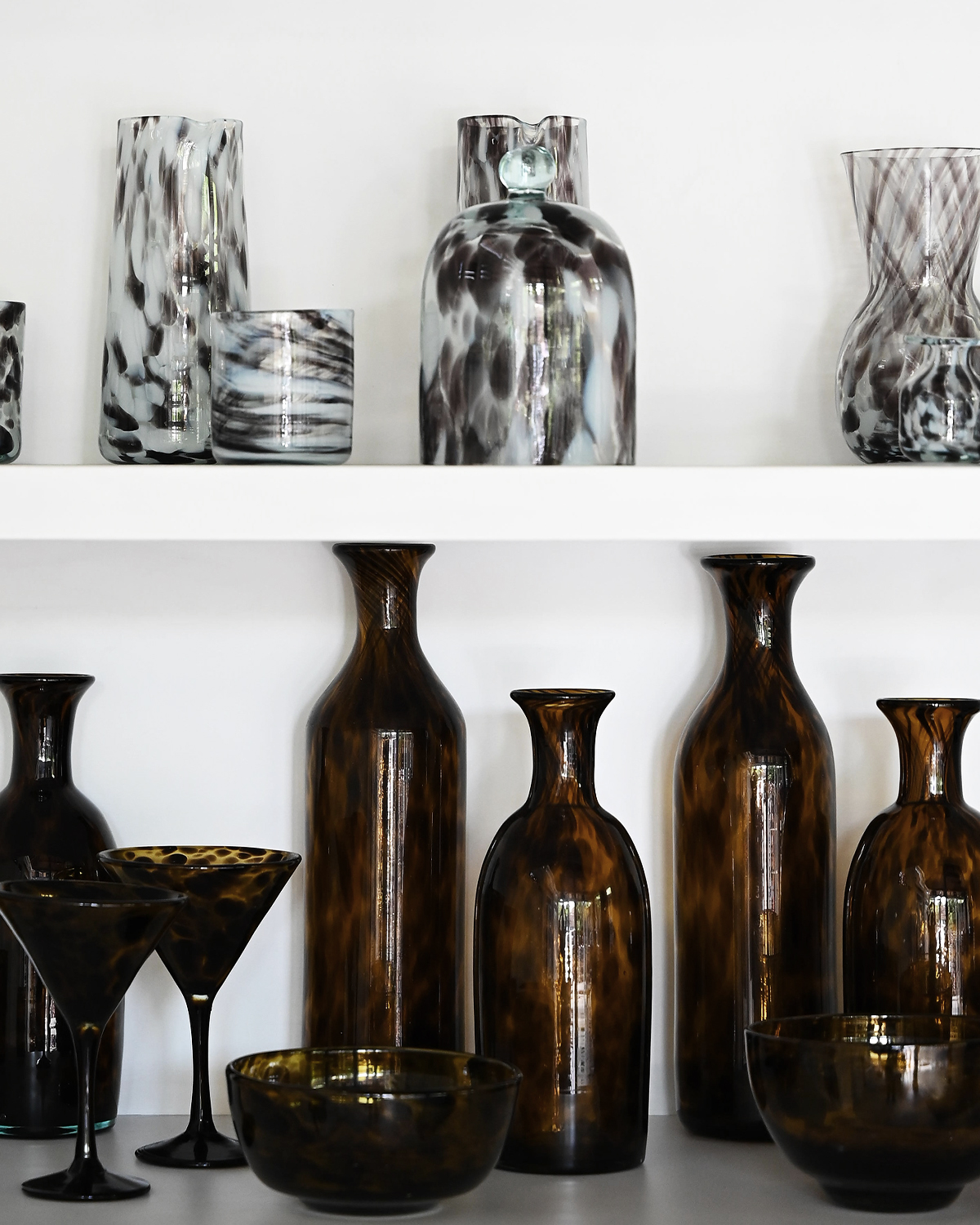
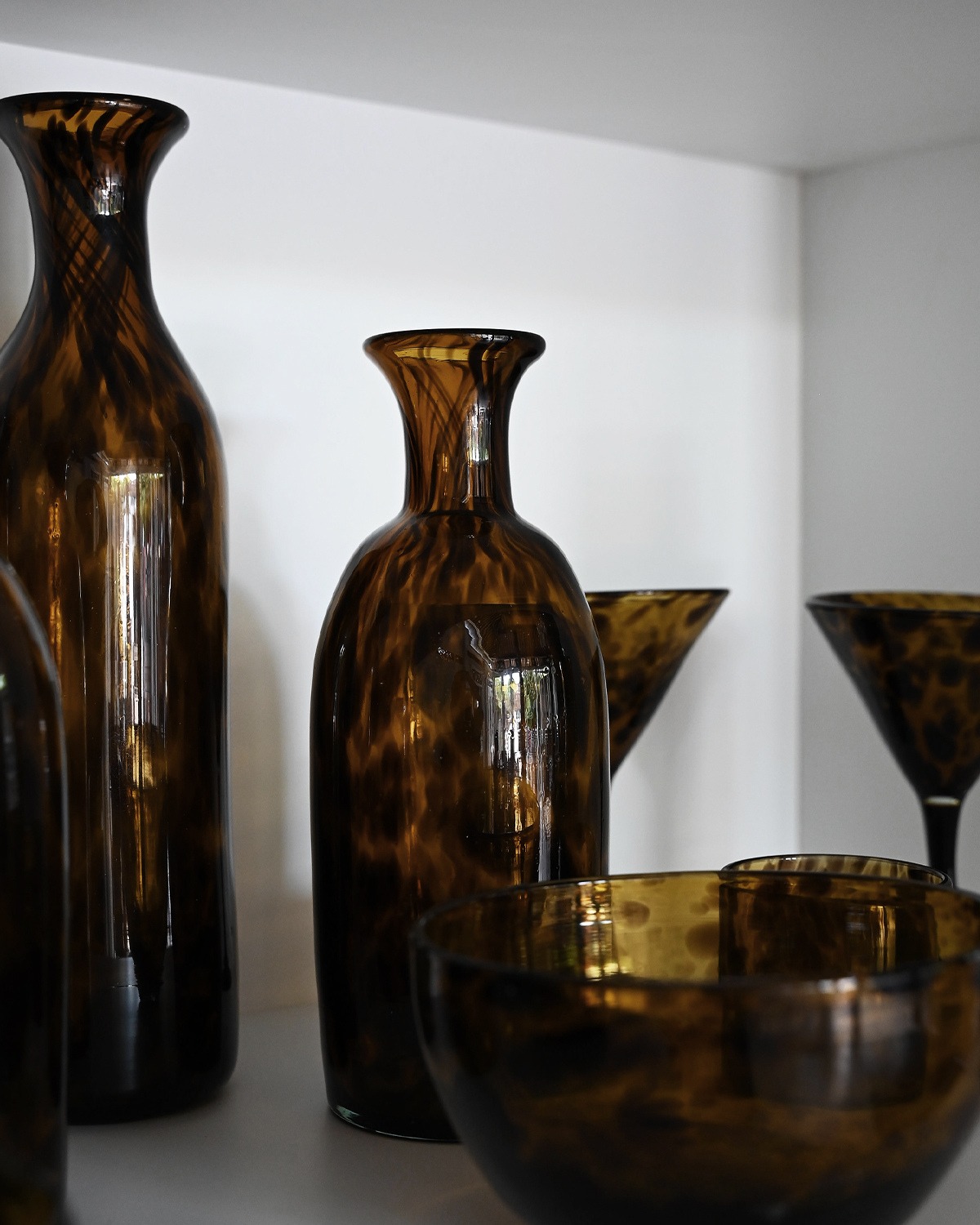
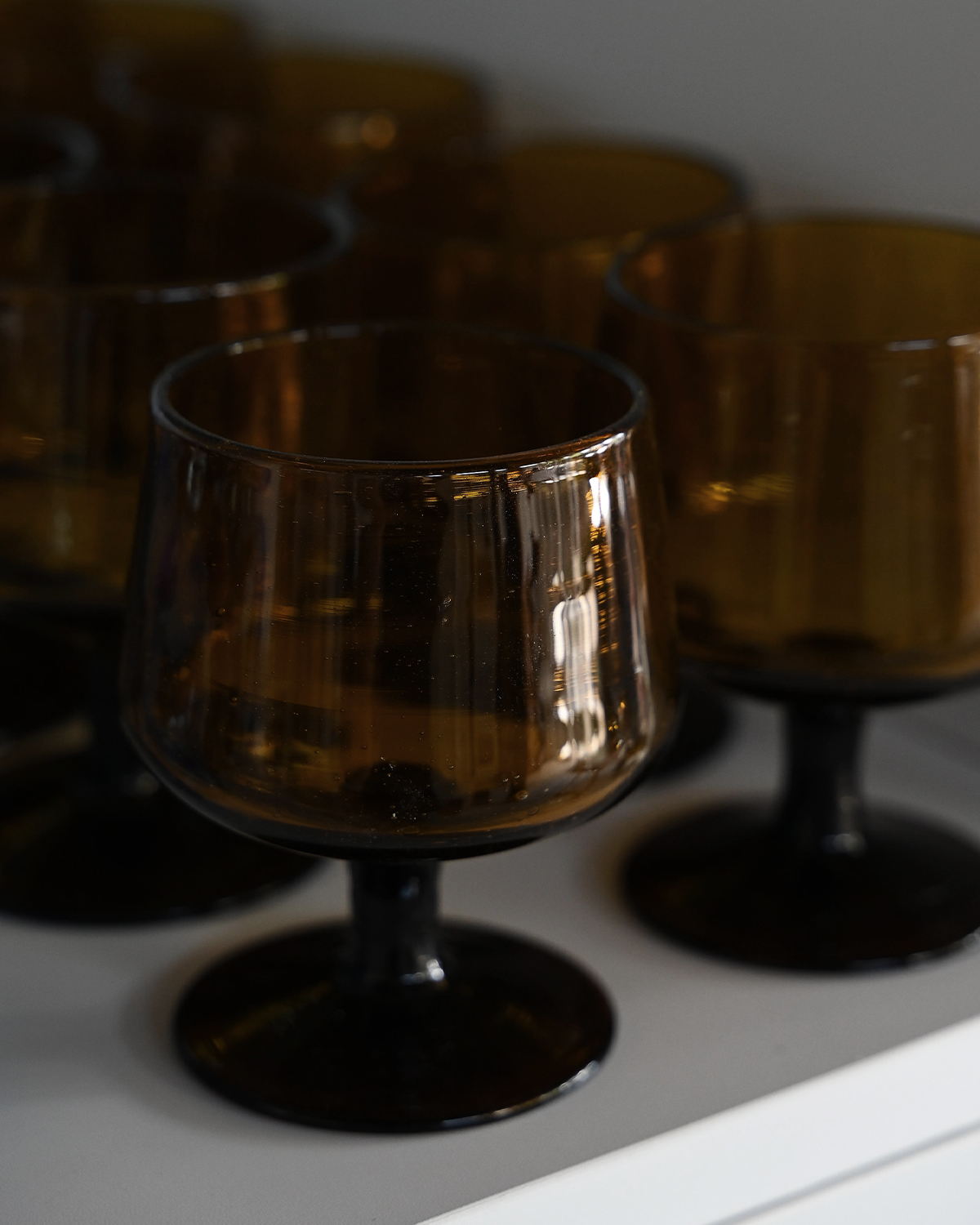
Using recycled glass became a non-negotiable. Bottles collected from across Gianyar and surrounding areas are melted down and hand-blown and given a new life. Colors are mixed by what’s available, amber, green, clear, creating natural variation from batch to batch. Bali Sama Sama deliberately chose not to insert itself into existing collection systems. Local networks already existed, with individuals earning income by gathering and selling glass. Disrupting that balance wasn’t the goal. Instead, the brand focused on transformation, turning discarded material into high-quality objects that could command respect and value.
Craft that requires people, not machines
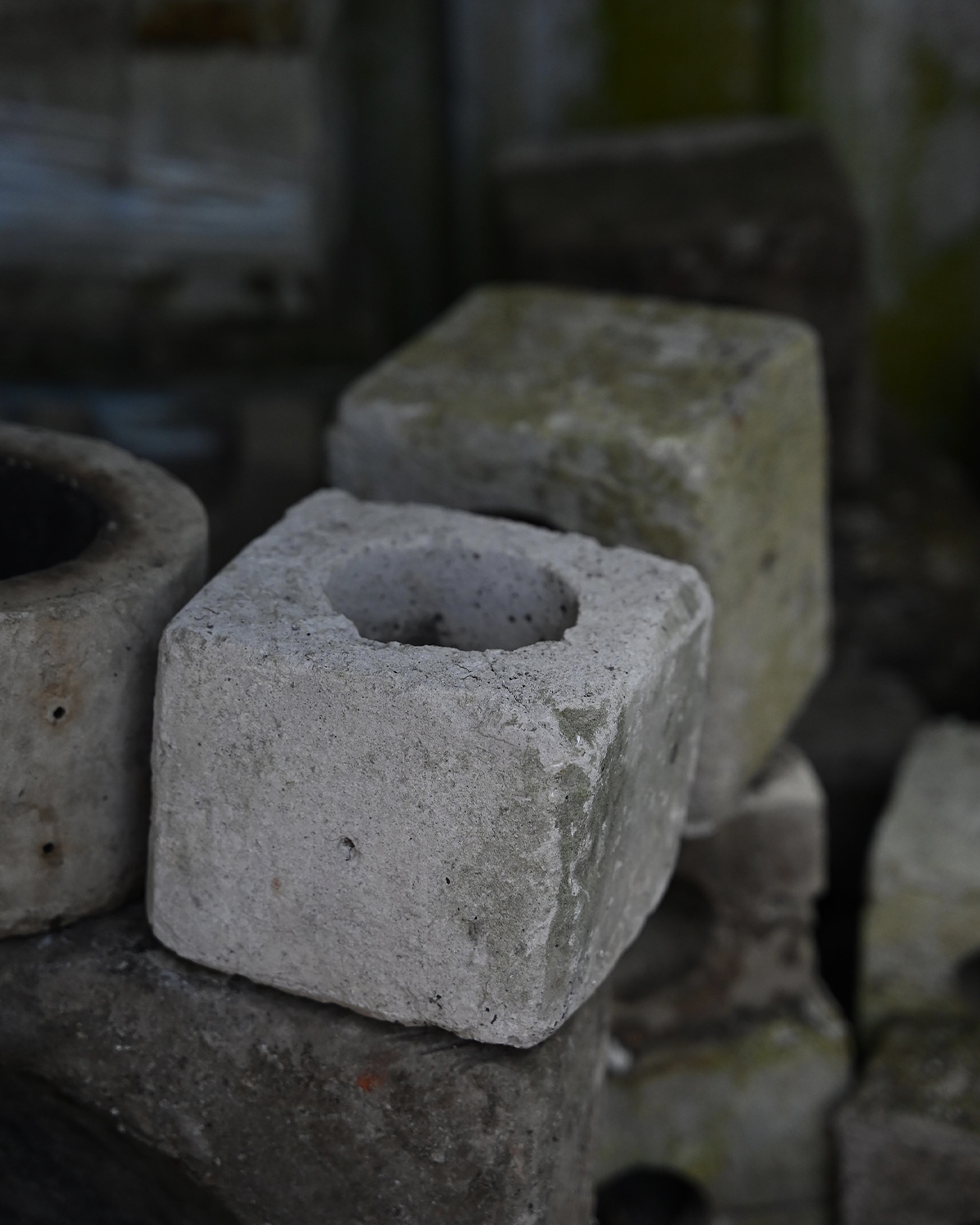
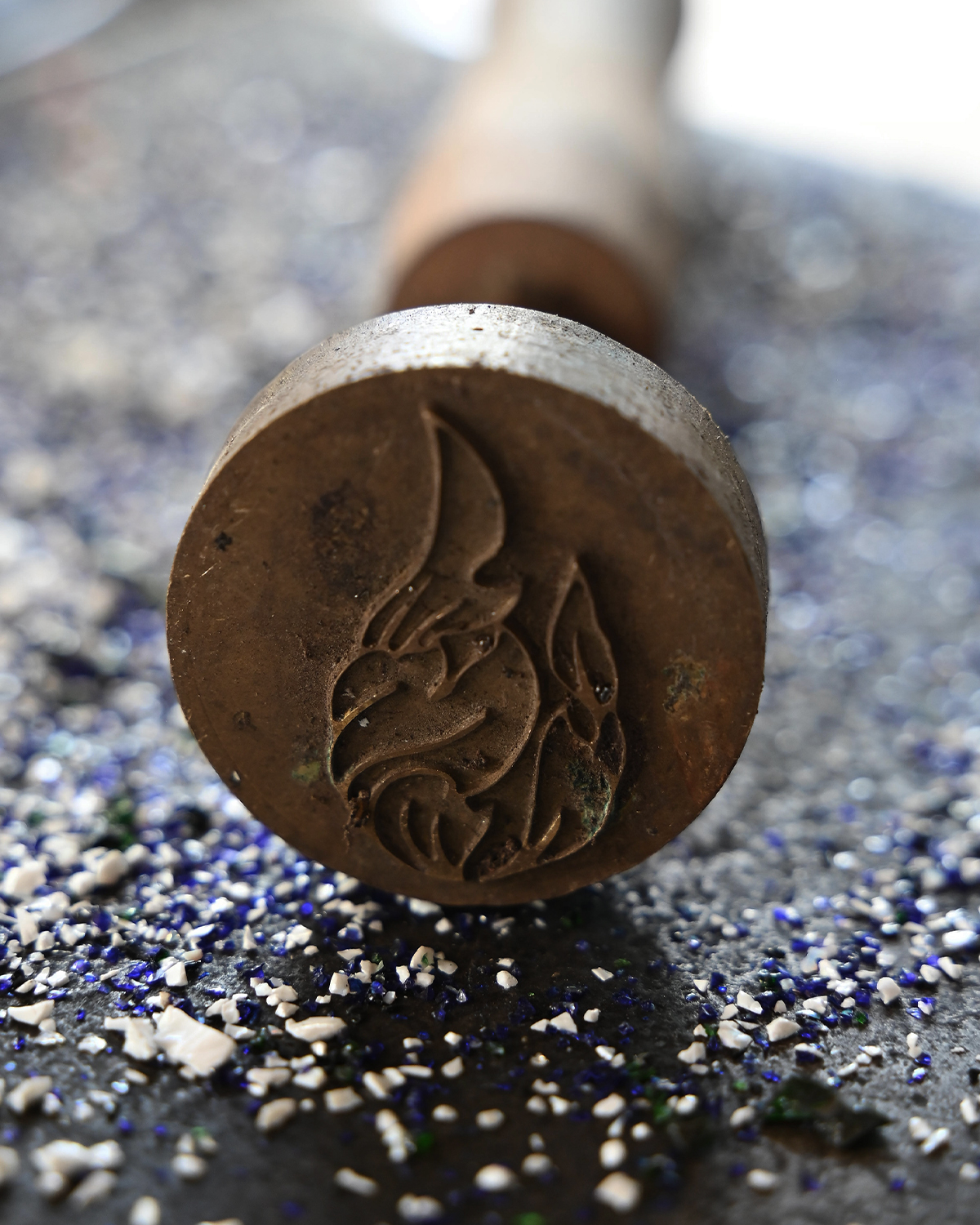
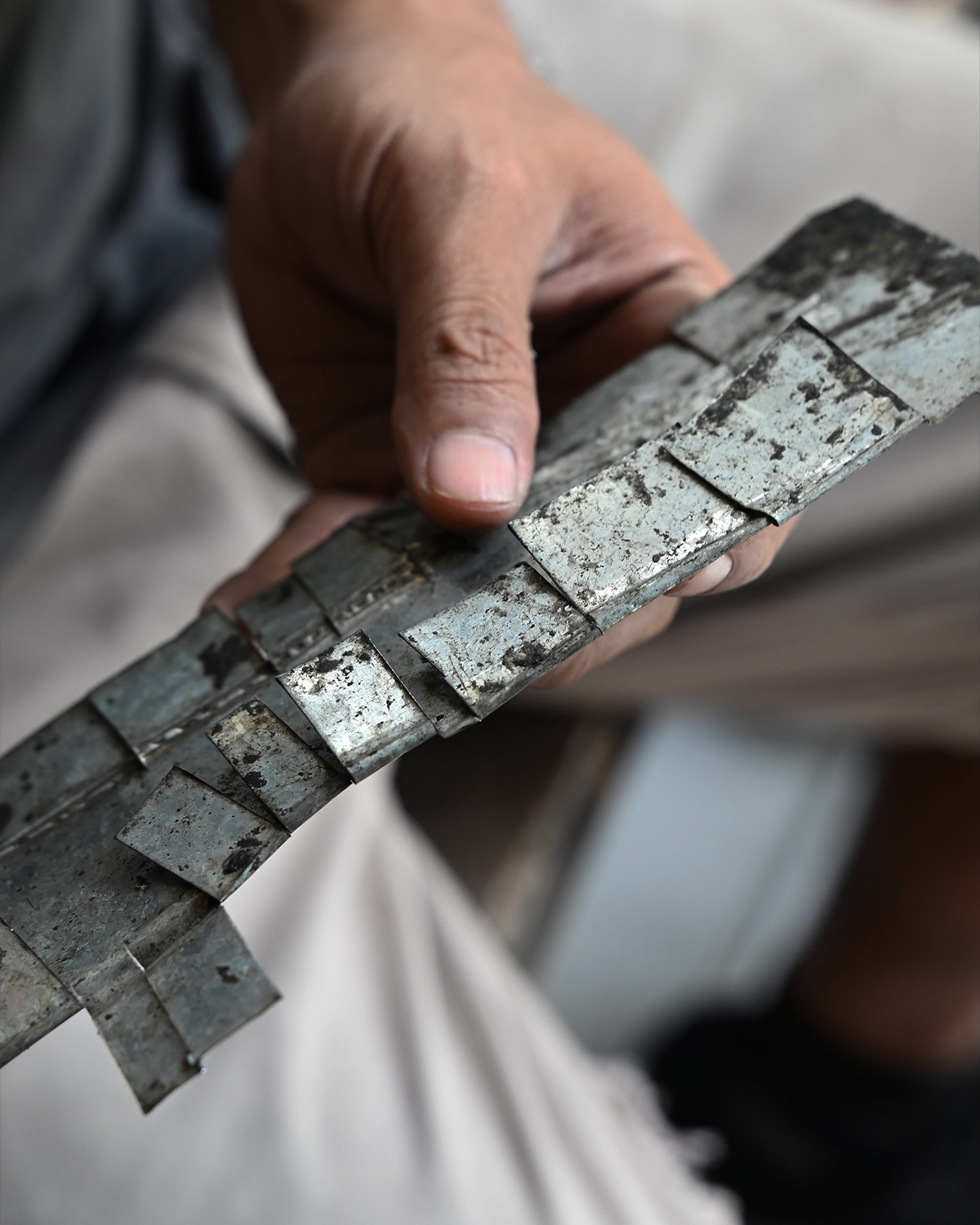
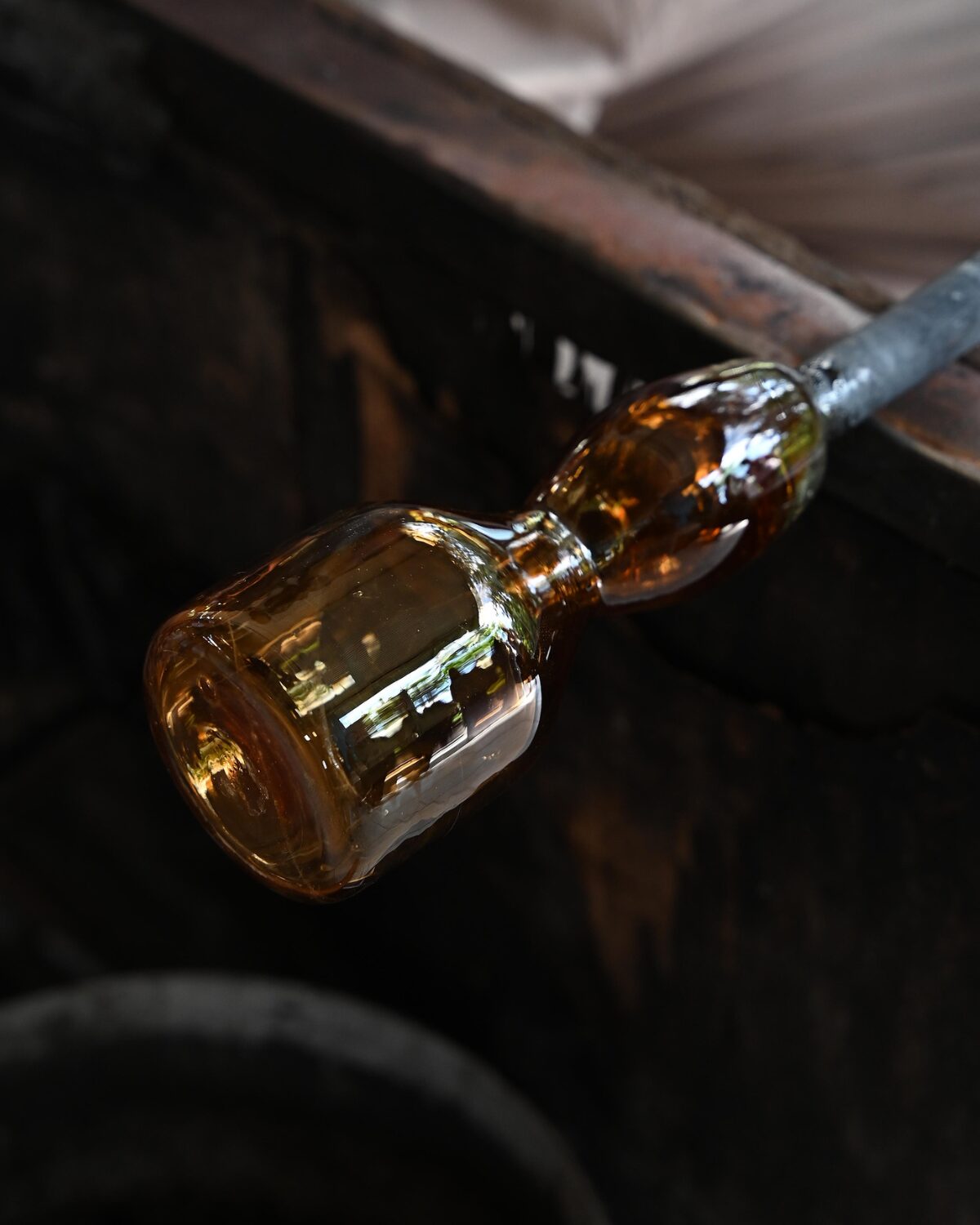
Inside the workshop, production remains resolutely hands-on. Furnaces, rods, and simple tools dominate the space. Techniques passed down over decades are still in use, taught by hand, refined through repetition. Automation has no role here. This choice shapes the rhythm of everything that follows. Handmade production asks for more people, more time, more patience. It slows the process in a way that feels intentional rather than inefficient. In return, it creates steady livelihoods, keeping skills alive and hands employed instead of trading them for speed.
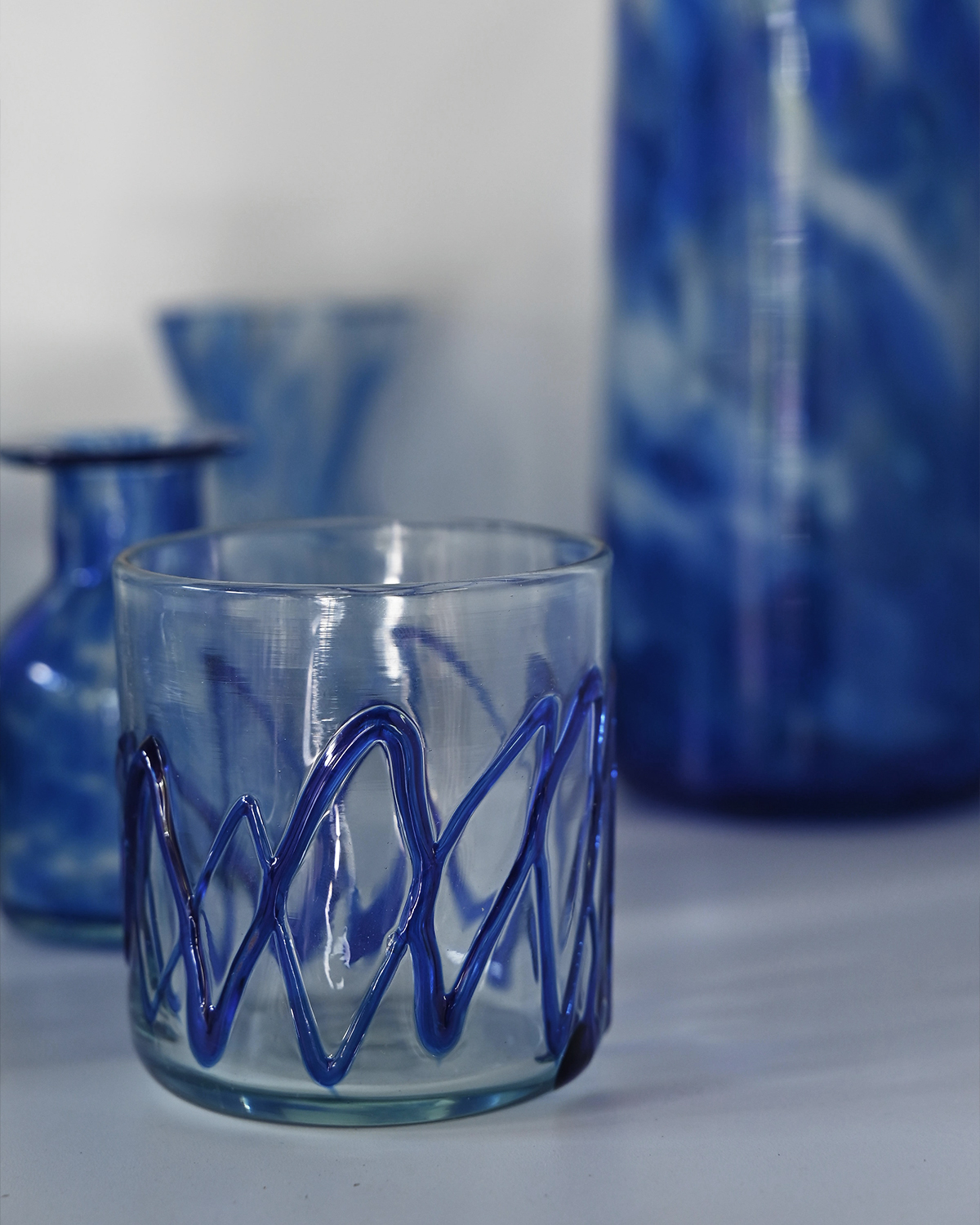
Each piece carries small variations, slight differences in thickness, the occasional air bubble. These details, once seen as flaws, have become points of connection for clients. Chefs and hospitality professionals recognize them as markers of authenticity, proof that what they’re holding was shaped by a person, not a mold. Mistakes, too, are part of the process. Some of Bali Sama Sama’s most successful designs often emerged through exploration rather than strict adherence to a brief. Proportions shifted. Sizes evolved. What may not have aligned perfectly on paper sometimes felt unexpectedly right when held in the hand. Rather than discarding these outcomes, the team learned to follow them, adjusting and refining until something unexpected emerged.
A different proposition for hospitality
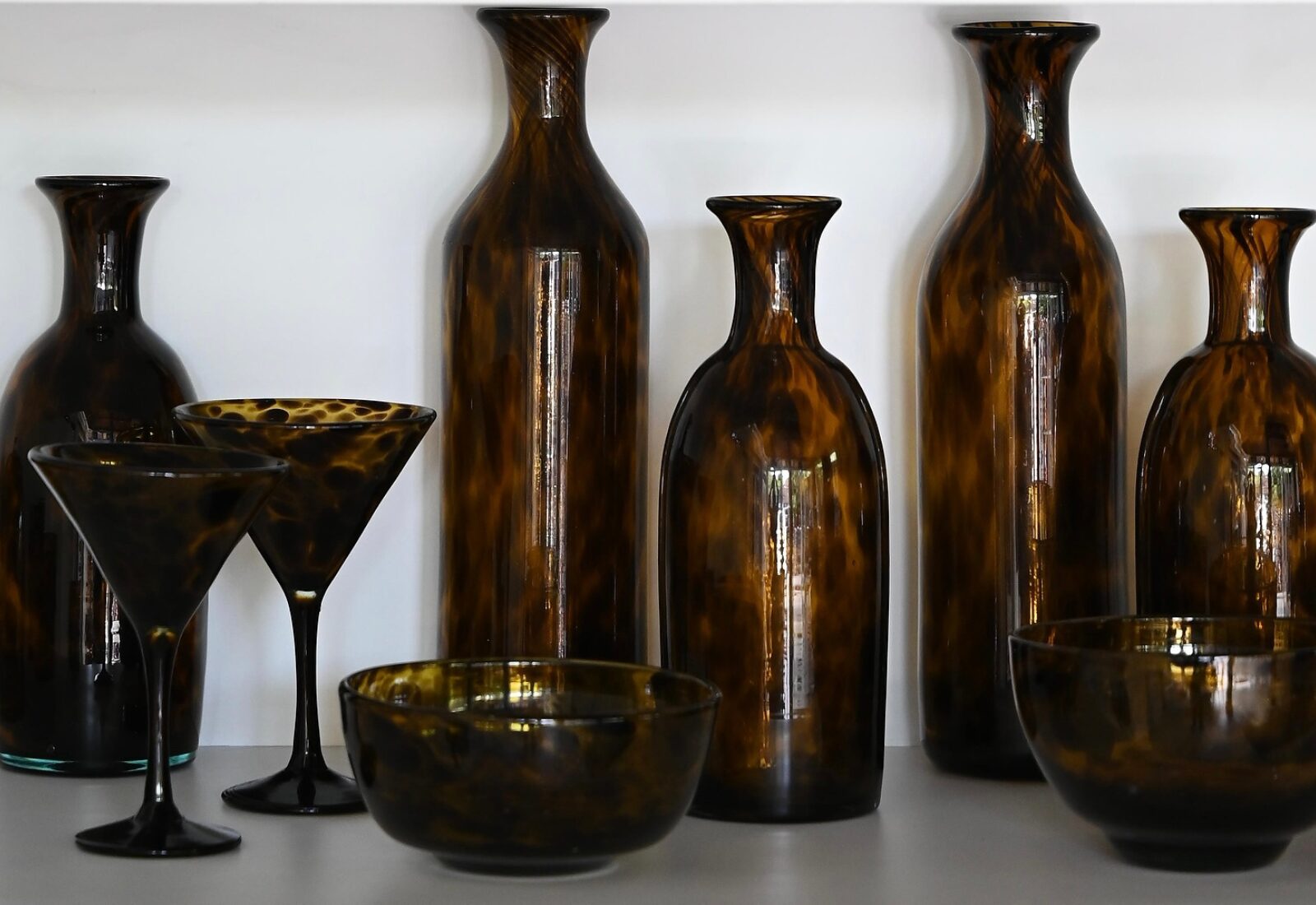
Today, Bali Sama Sama works primarily with hotels, spas, and restaurants, supplying glassware, spa pieces, vases, lighting, and bespoke commissions. The appeal goes beyond aesthetics. For hospitality venues, choosing locally made, upcycled glassware allows them to share a deeper story with guests. A glass once discarded on the island, reshaped by Balinese artisans, becomes part of the dining or wellness experience. It connects environmental responsibility with local livelihoods in a way that feels tangible, not performative.
Orders don’t need to be large. Small runs and exclusive designs are welcomed. For Bali Sama Sama, every order supports the same chain of people, from collectors to artisans to their extended families.
Slow glass, by choice
Working with recycled, hand-blown glass comes with its own natural parameters. Not every color can be mixed. Not every size can be replicated exactly. Production takes time, and each piece carries the subtle variations of the hands that shaped it. That rhythm is not something Bali Sama Sama resists. It is something the brand protects.
They are at their best when partnering with clients who value the process as much as the finished piece, those who appreciate the patience, craft, and care behind handmade production. The beauty lies not only in the final object, but in the journey of how it came to be.
The work is not designed for fast, mass-produced, or low-cost outcomes. It is created for those seeking considered design, individuality, and pieces with a story. Objects shaped by human hands, not machines.
A future built on reciprocity
Looking ahead, Bali Sama Sama’s focus remains on the island. The ambition is to become the supplier of choice for glassware across Bali’s hospitality sector, a natural first call when venues need to reorder or rethink their spaces. While Bali remains the priority, the brand is also exploring opportunities on other islands in Indonesia and responding to growing export inquiries, expanding thoughtfully as interest arises. Contribution comes first.
The name Bali Sama Sama was chosen deliberately. It reflects a belief in reciprocity, that what is created with care returns value to many. For the Bali Sama Sama team, success is not measured by visibility, but by the quiet accumulation of impact: families supported, skills preserved, waste transformed into something worth keeping. In a place often defined by consumption, Bali Sama Sama offers a quieter proposition. One where beauty, responsibility, and art move together.
EXPLORE THE PUNCH