

THE PUNCH • IMPACT STORIES
Analog
Still Rewinding to Move Forward
Words by The Punch
Photography by The Punch & Analog
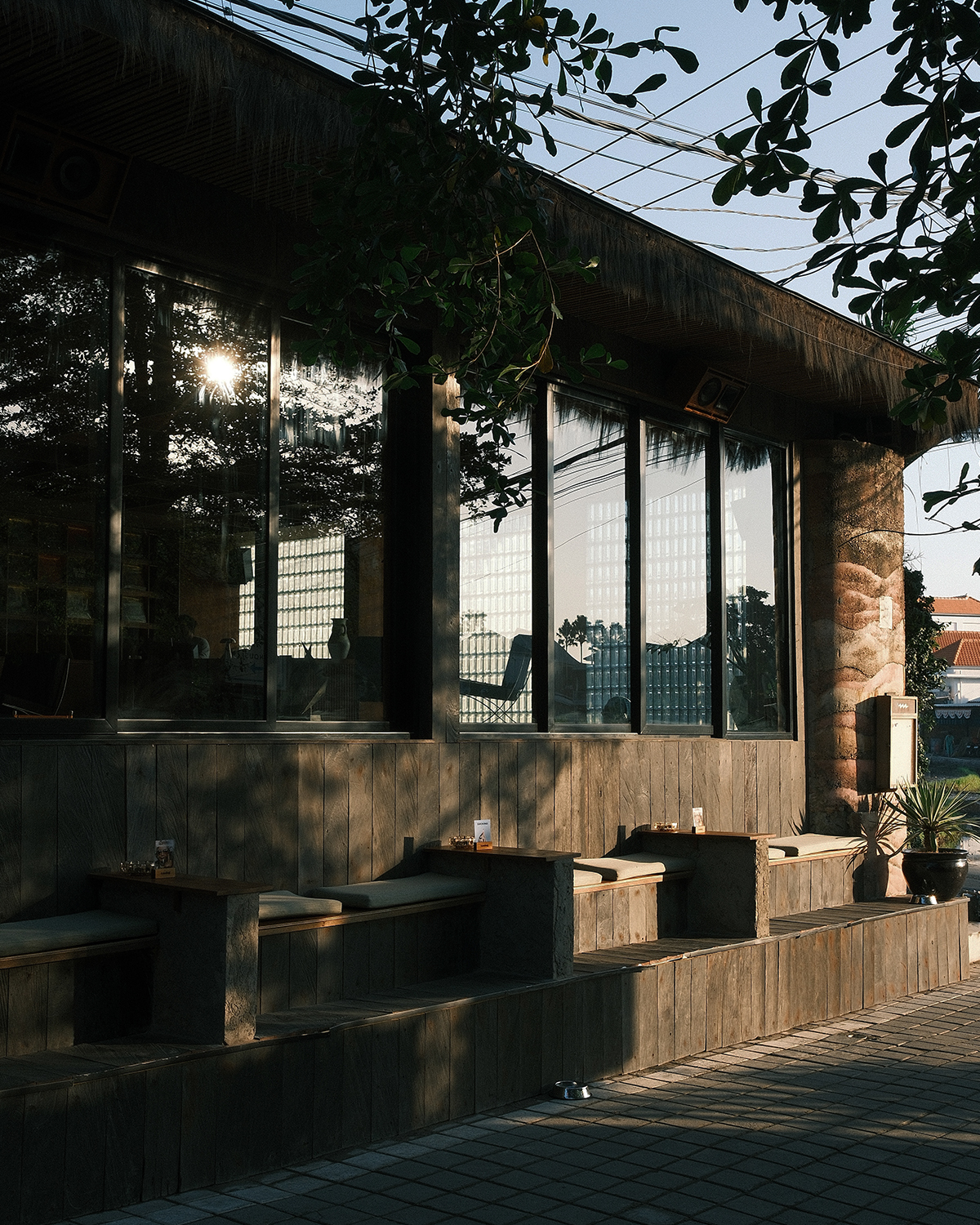
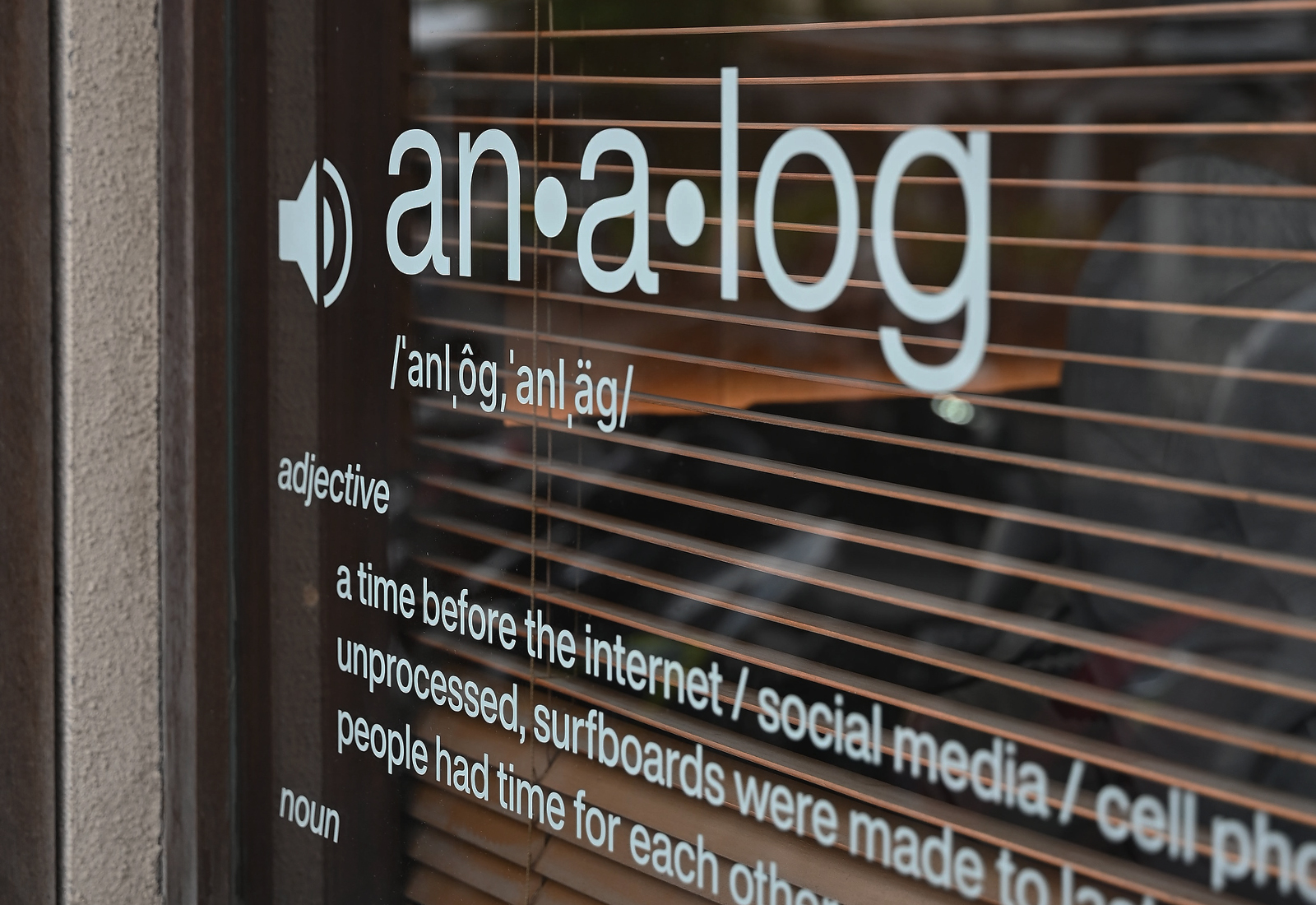
You don't find Analog by accident. The Uluwatu venue is tucked discretely between a yoga studio and surfboard repair shop. The Canggu venue is tucked behind a surf shop on the shortcut of all places, hidden in plain view. No big signs or sandwich boards out front. Herein lies part of the charm.
You need to follow them online or have a friend refer you. When walk through the doors, you’re transported into a world of vinyl music, coffee and cocktails.
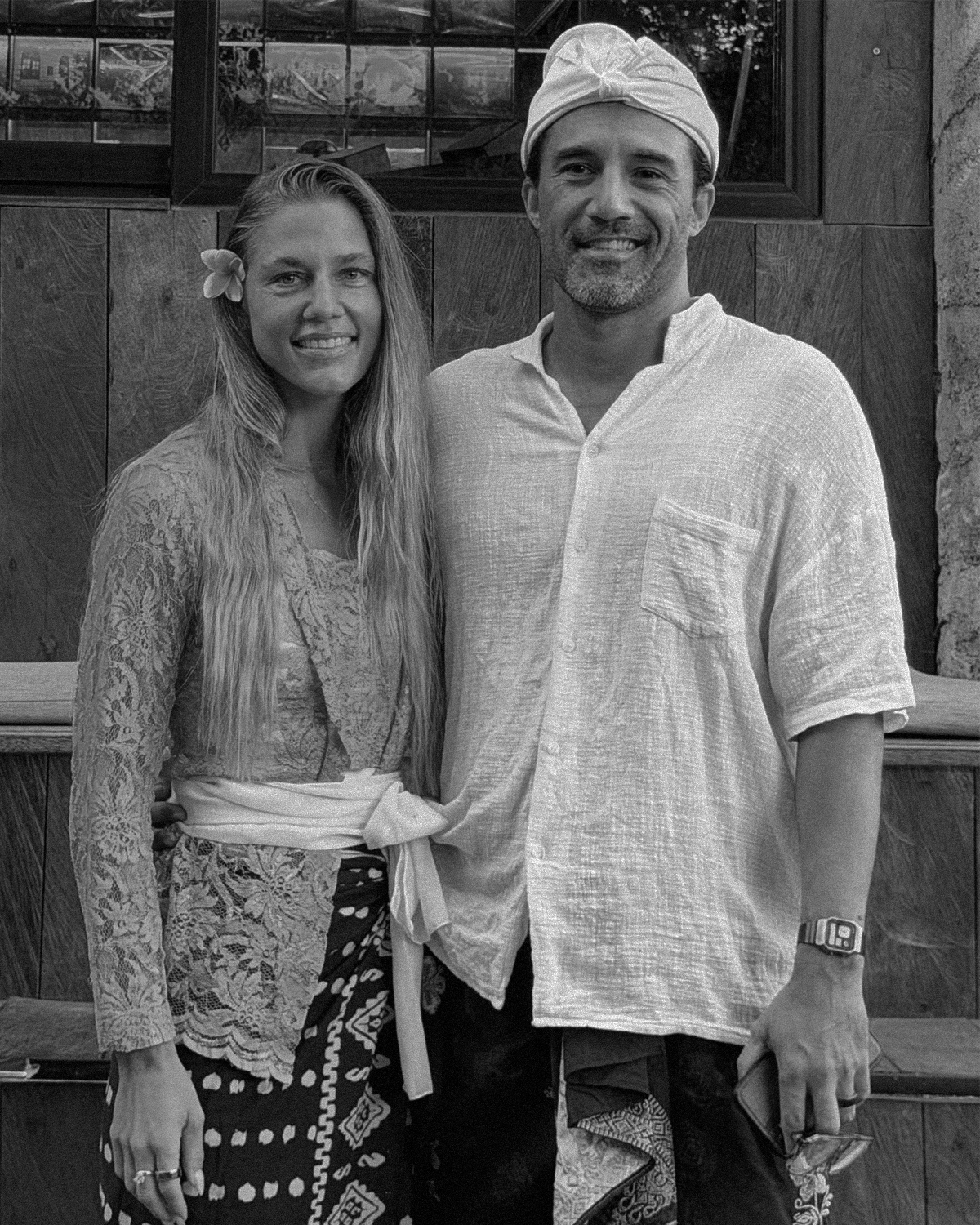
Behind Analog are Izzy and Stew, a Norwegian-Kiwi duo whose combined decades across Indonesia and Japan have given them a sharp read on what this island needs and, more importantly, what it has too much of. Izzy brings a barista's obsession with coffee and a health-conscious lifestyle. Stew brings a surfer's intuition for rhythm, a deep love of 70s counterculture, and the kind of restless creativity that refuses to sit still.
The café wasn't born from a business plan. It was born from a gap. They wanted a place that felt like home in an area that had become relentlessly transient and touristy. Somewhere you could walk in, be known by name, and leave feeling like you belonged to something. Not a brand. A neighbourhood. That impulse still runs through everything here. Analog doesn't try to impress you. It tries to include you.
No Nonsense on the Plate
Here's the thing about Analog's food. It's not wellness food. It's not trend food. It's food made properly, from scratch, by people who actually care what goes into it. Almost everything is produced in-house. The granola, the yogurt, the bread, the sauces, the nut milks. That's rare for a café, because its expensive and slow. But the reasoning is straightforward. Modern food, particularly in Indonesia, is loaded with seed oils, preservatives, fillers, excess sugar, and flavor enhancers that most people don't even know they're consuming. Izzy's own experience with food intolerances sharpened that awareness into a non-negotiable kitchen standard.
Every dish on the menu can be made gluten-free or dairy-free. Staff are trained to understand allergies and substitutions properly, not as a box-ticking exercise, but because for some guests it's the difference between feeling good and feeling terrible for the rest of the day. Natural here means unprocessed. As close to its original form as possible. Organic and free-range where supply allows, though Analog is honest about the fact that consistency on that front is difficult. The philosophy isn't about perfection. It's about doing better, deliberately, and being transparent about the parts that are still a work in progress. Regulars notice the difference. Many say they feel genuinely well after eating here, then lousy after eating elsewhere. That's not marketing. That's body talk.

Sound, Surface, and the Small Details
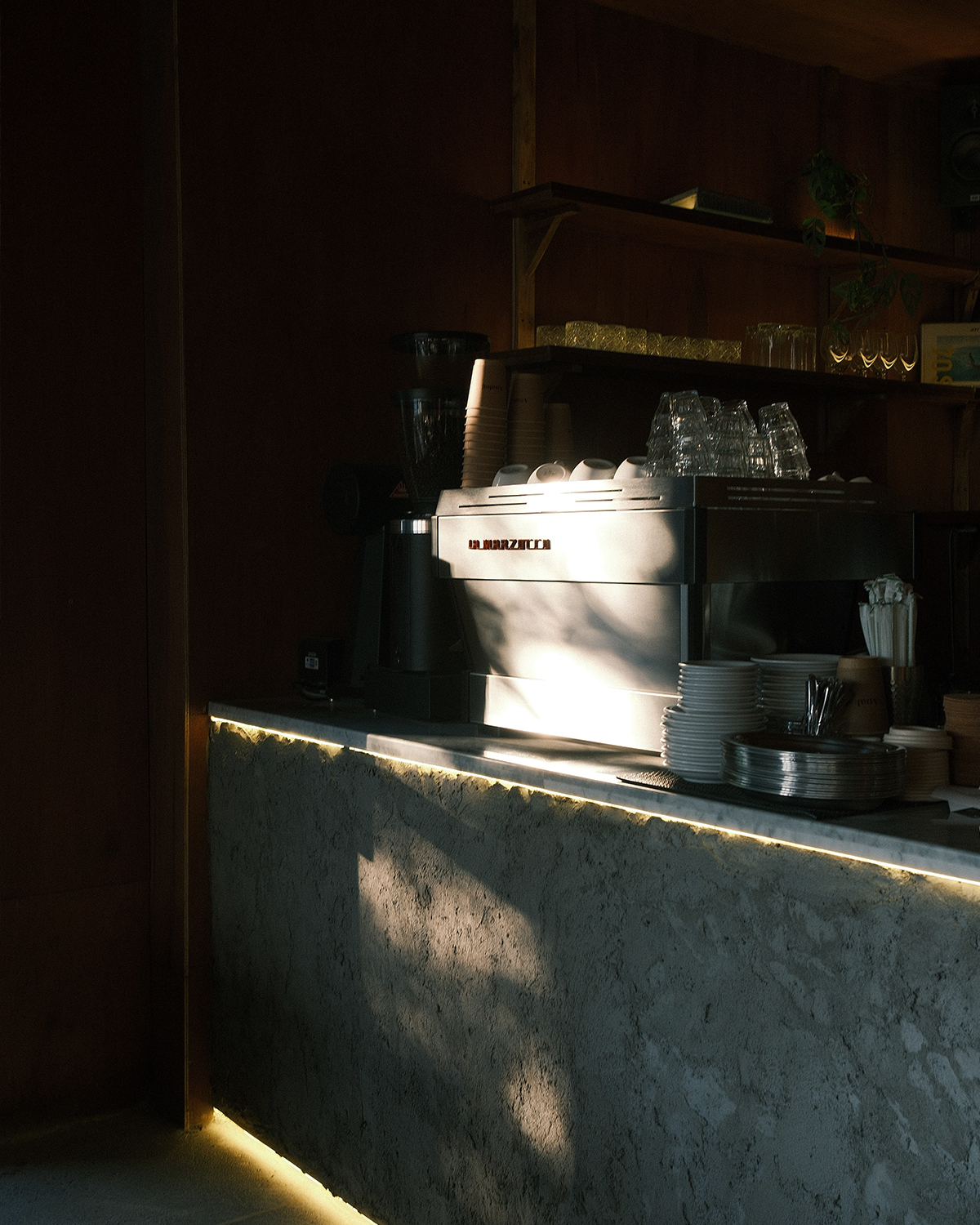
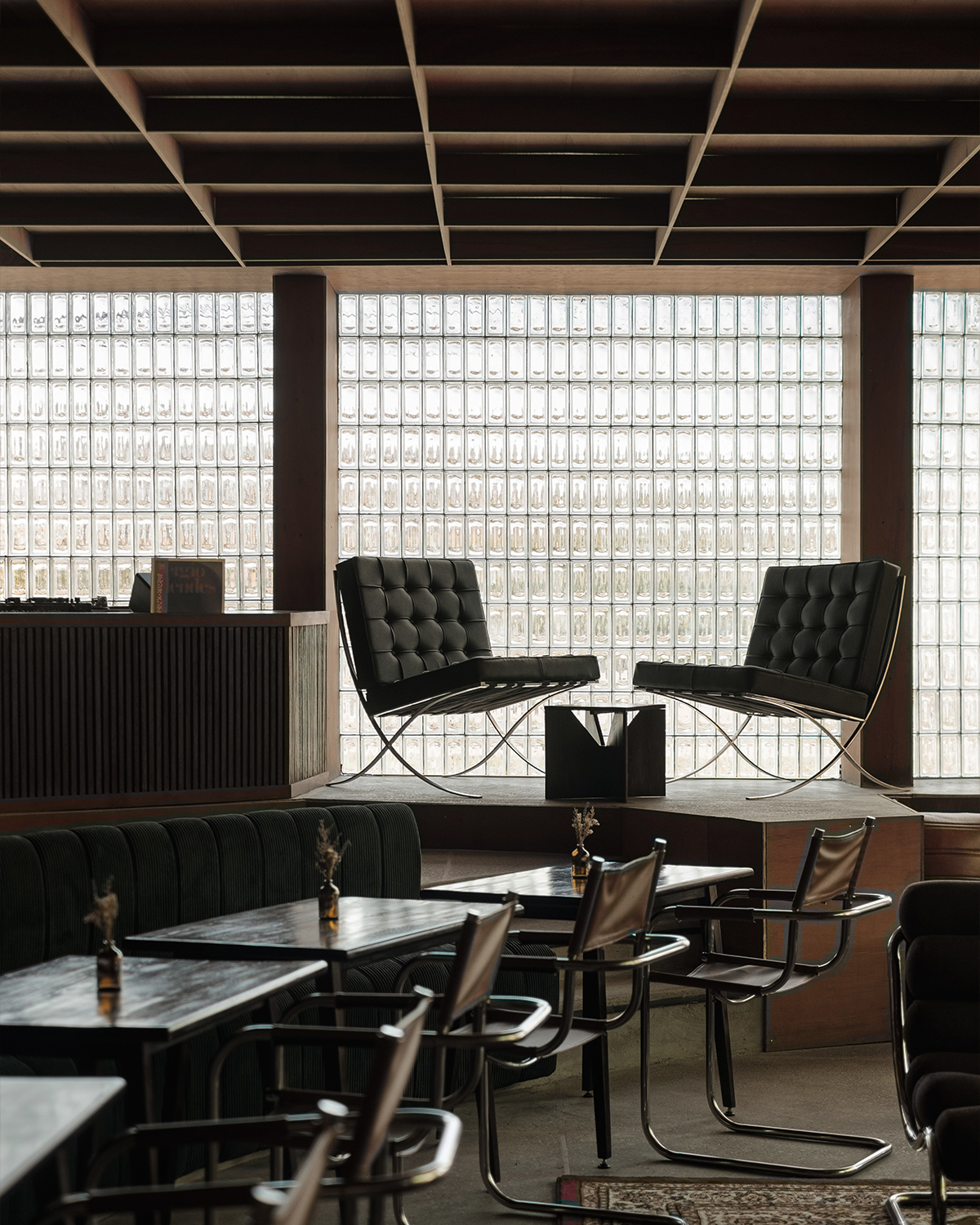
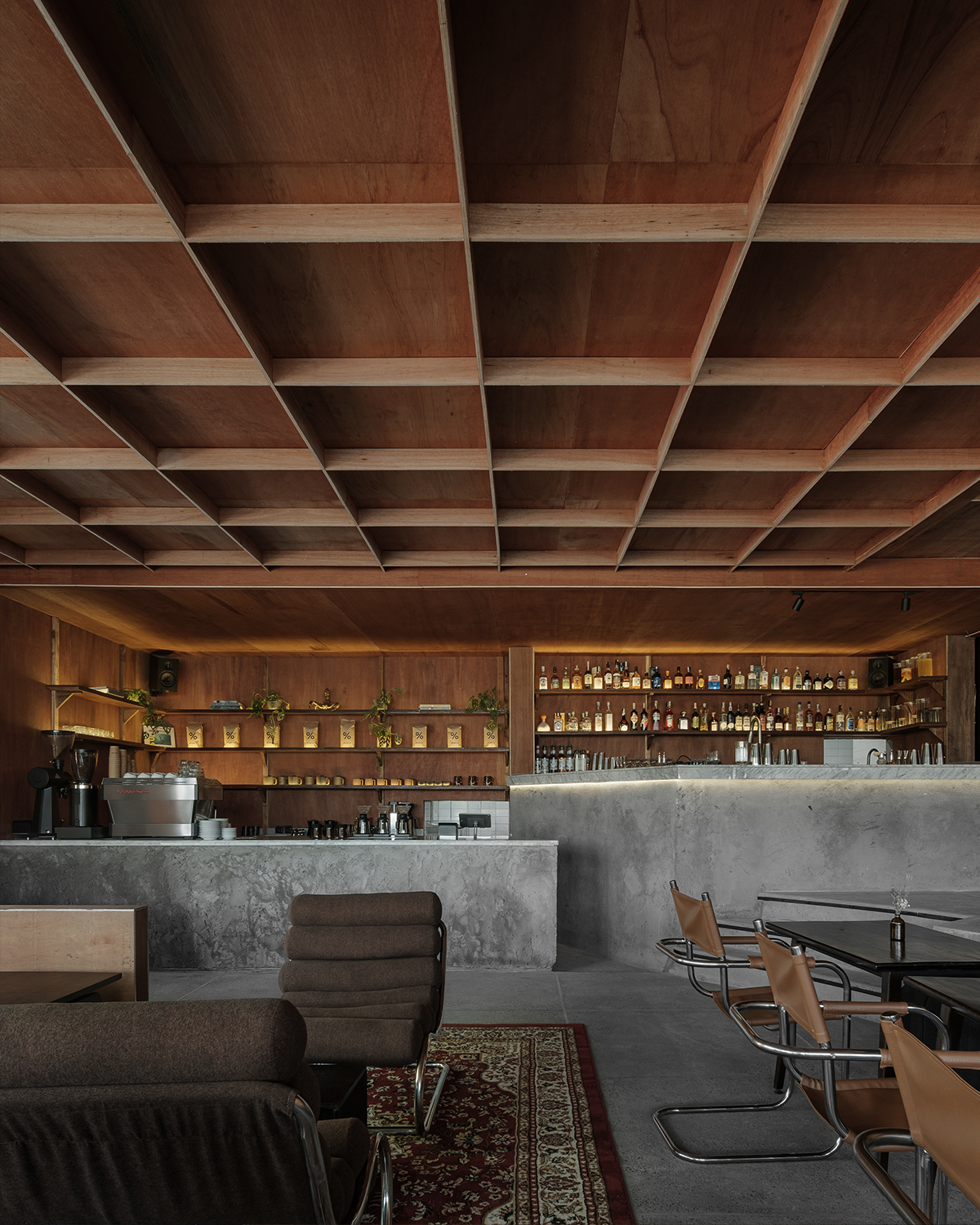
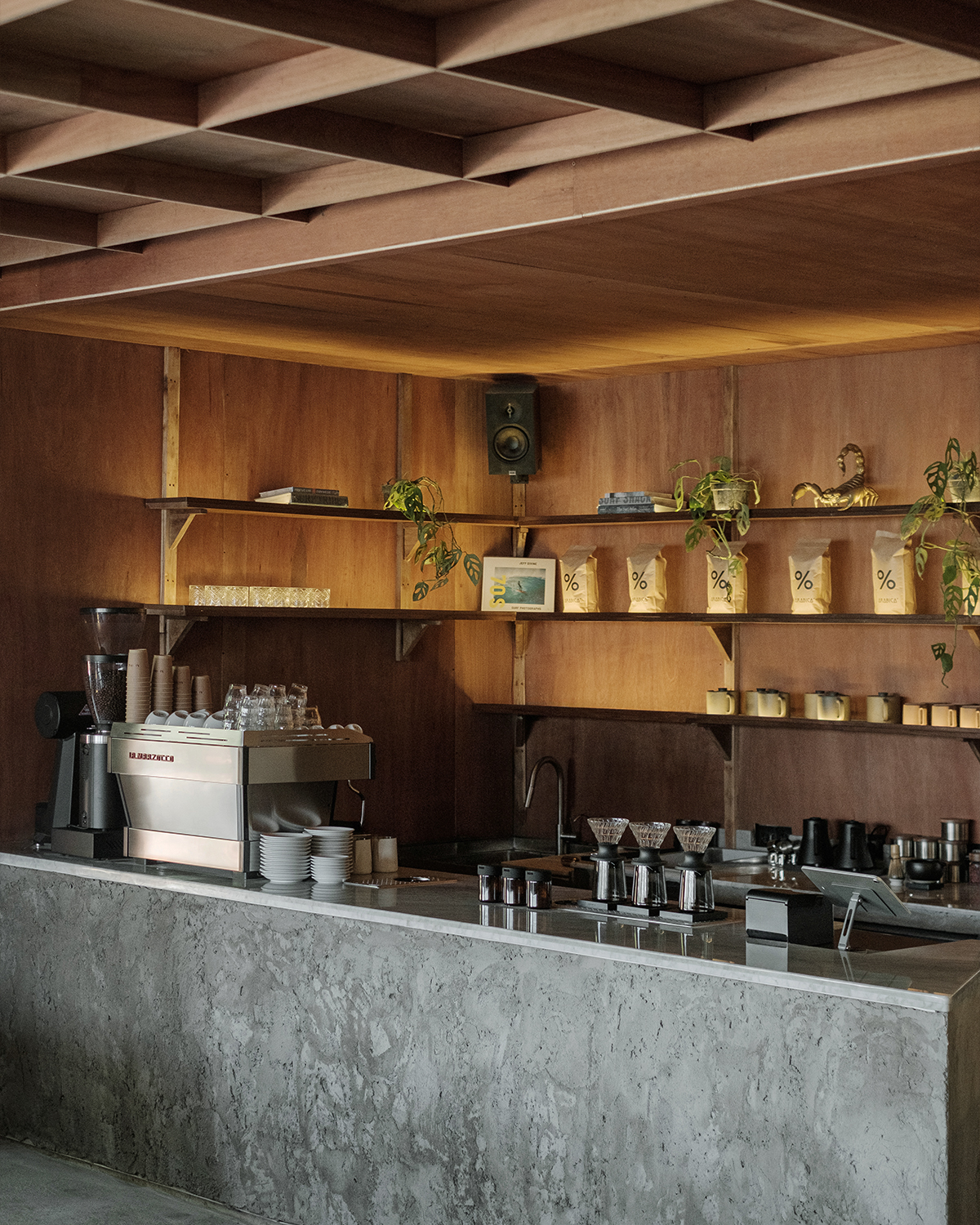
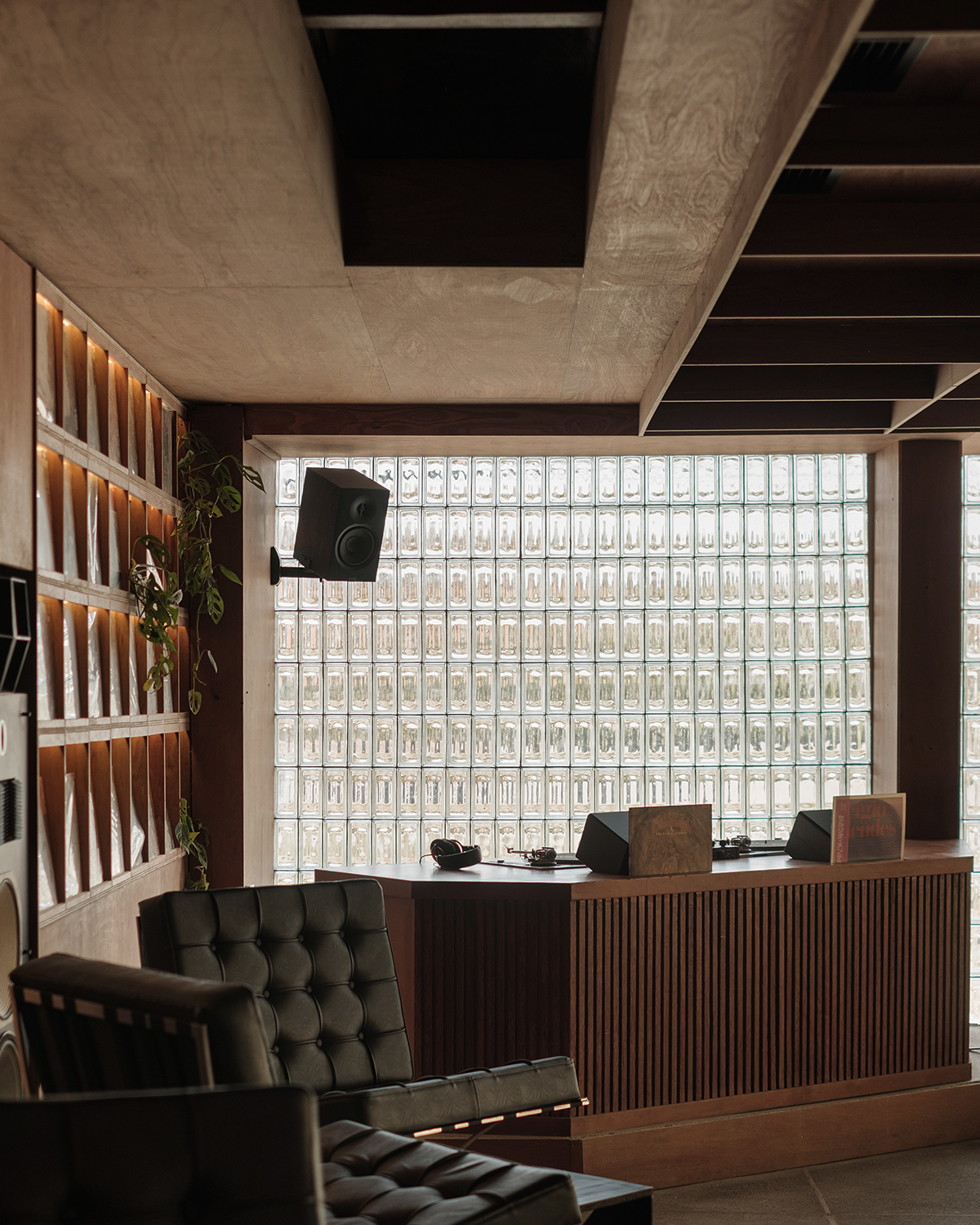
Analog's interior draws from two traditions you wouldn't expect to meet. Japanese listening bars and Scandinavian cabin design. Izzy's Oslo roots and Stew's years in Japan mix together in a space lined with plywood, furnished with retro velvet, and lit with the kind of warm, considered glow that makes you want to stay longer than you planned.
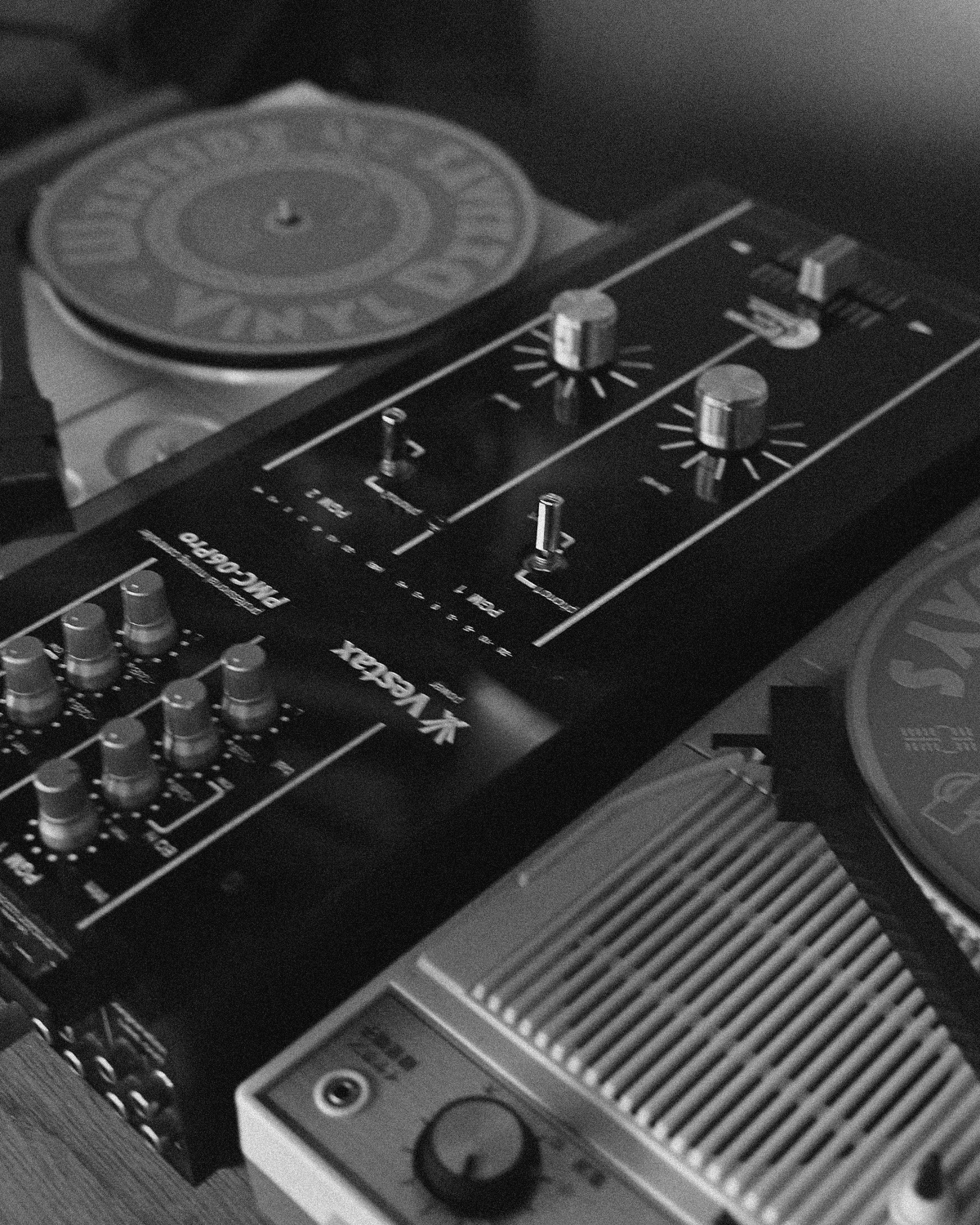
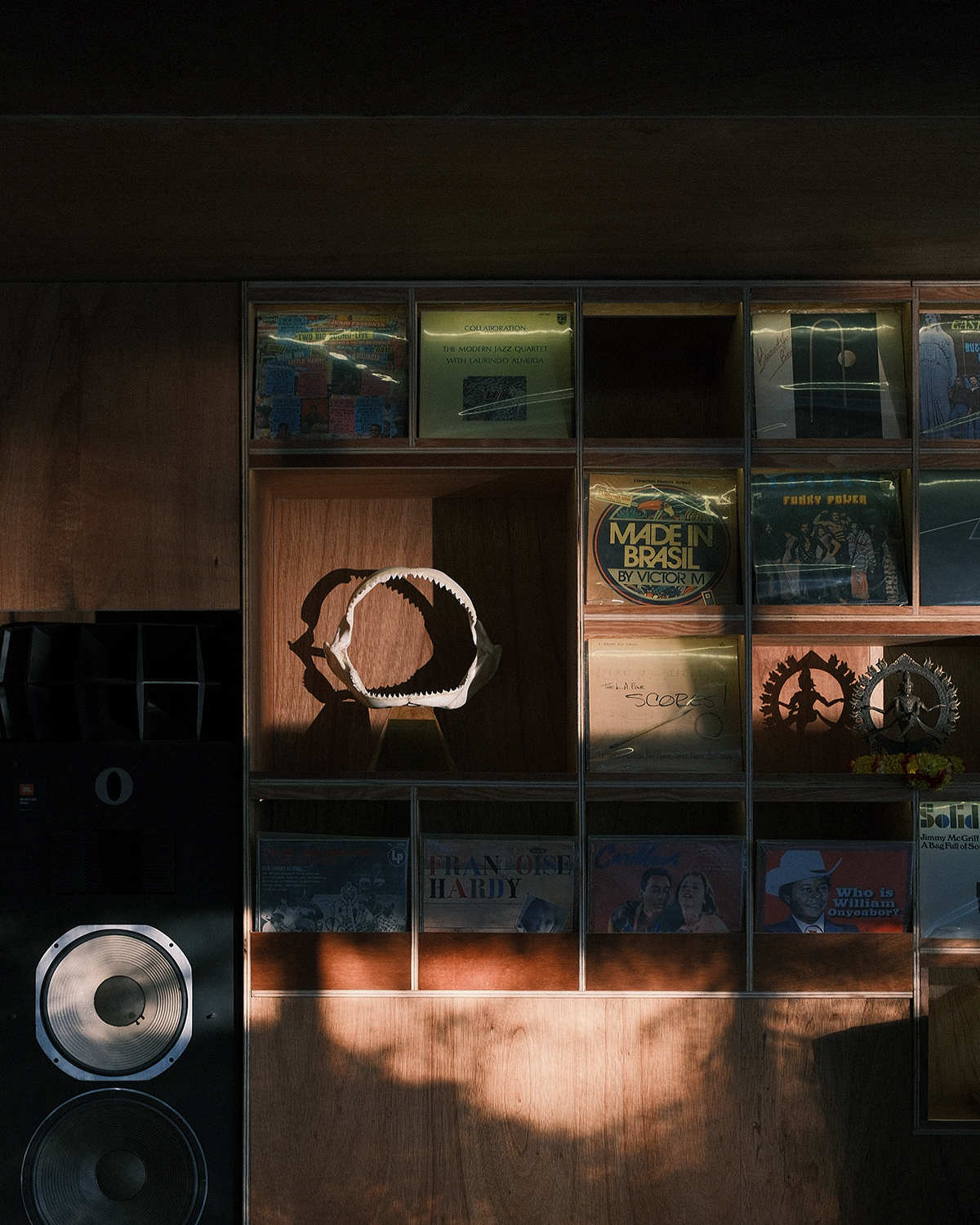
The original concept was modelled on post-war Japanese listening bars, those basement rooms where a collector would open his vinyl library to the public, serve one drink, and ask everyone to sit down and listen. Analog had to adapt that for a café setting, obviously. People like to talk. But the bones of that idea remain. The music is played on vinyl. The volume is deliberately loud. This is not a coworking space, and it makes no apologies for that.
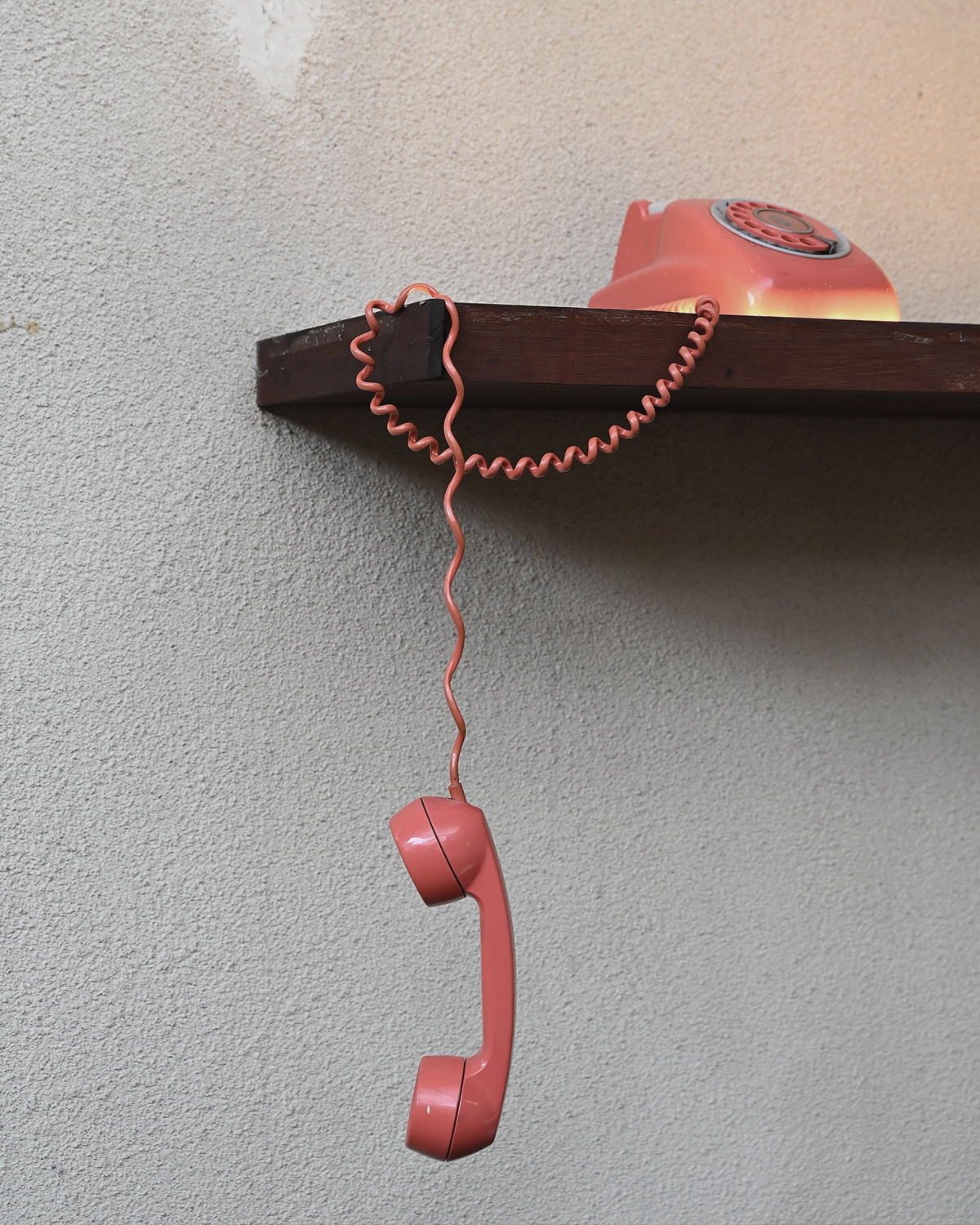
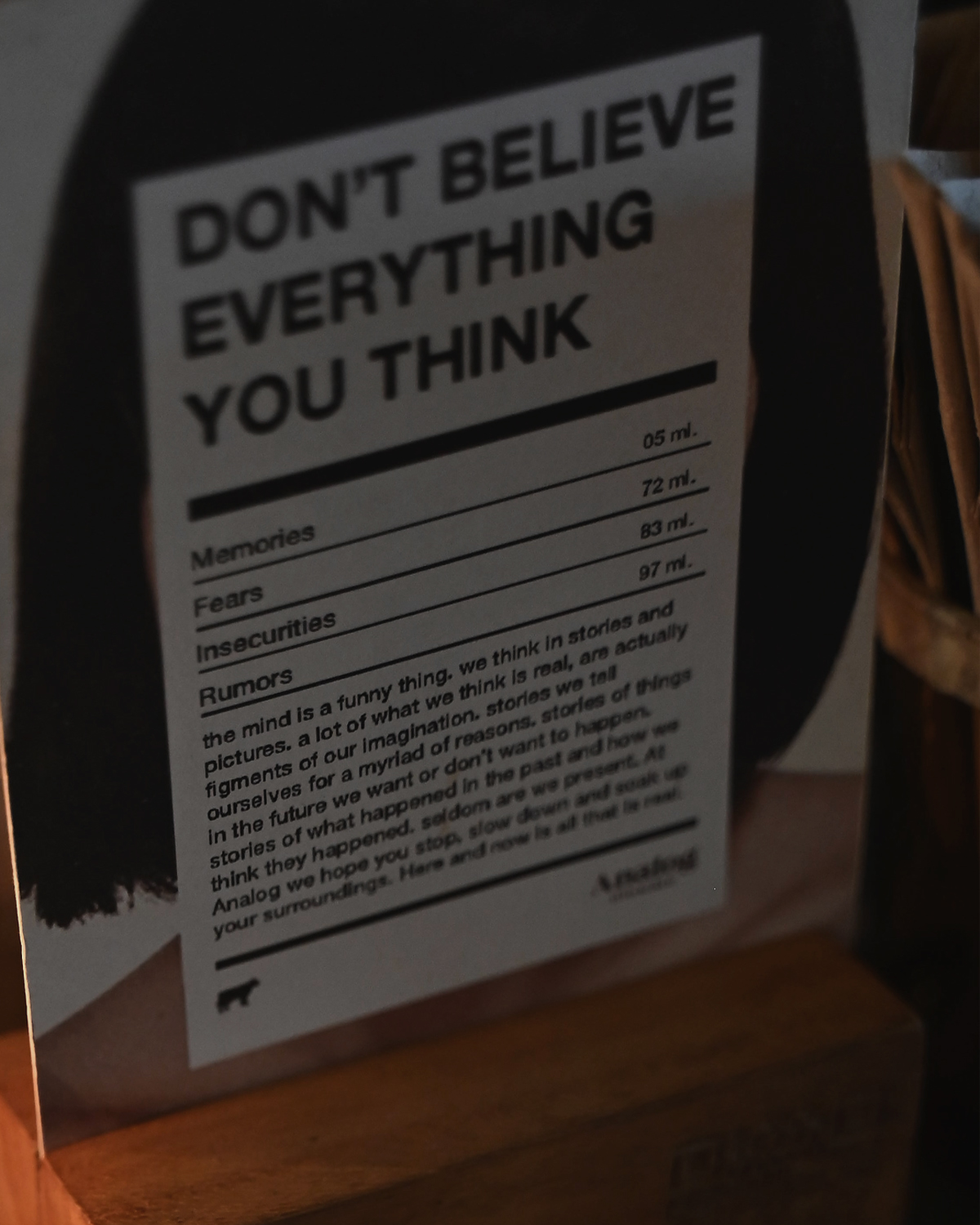
What sets Analog apart from its neighbors is the layering. Messages hidden on the bottom of coffee cups. Art installations that rotate monthly. Place cards on tables that aren't trying to sell you happy hour, just spark a thought or raise a smile. Johnny Cash plays in the toilet. If you come back in six months, half the details will have changed. It's a space that refuses to become stale, because the people who built it refuse to be bored in it.
Surf Culture, Before It Got Serious
The surfboards mounted around Analog aren't trophies. They're a statement of intent. Vintage-inspired shapes built with modern features and materials, designed more for fun than high performance. When Uluwatu was first discovered by surfers in 1972, the culture was communal, loose, and deeply inclusive. If you surfed, you belonged. No rankings, no aggression, no personal branding. It was a lifestyle, not a sport. That spirit has largely been lost to crowds, competition, and commercialization.
Analog's response is their soon to launch community initiative - Analog Surf Club. Borrow a board, meet at the café for a morning coffee, join a road trip to wherever the swell is good, and just go have fun. No skill requirements. No posturing. Just sun, sea, good company, and a reminder that surfing was always supposed to feel like play. In a world where people have never been more connected and never felt more alone, a morning in the water with strangers who become friends isn't a small thing. It's the whole point.
Responsibility Without the Lecture
Bali is under enormous pressure. Stew has watched the development cycle firsthand, from the quiet rice paddies of early Canggu to the rapid, largely unregulated construction now consuming the Bukit. The environmental toll is visible. Cliff collapses, water stress, plastic waste, and a coastline struggling to keep up with the tourism machine feeding off it.
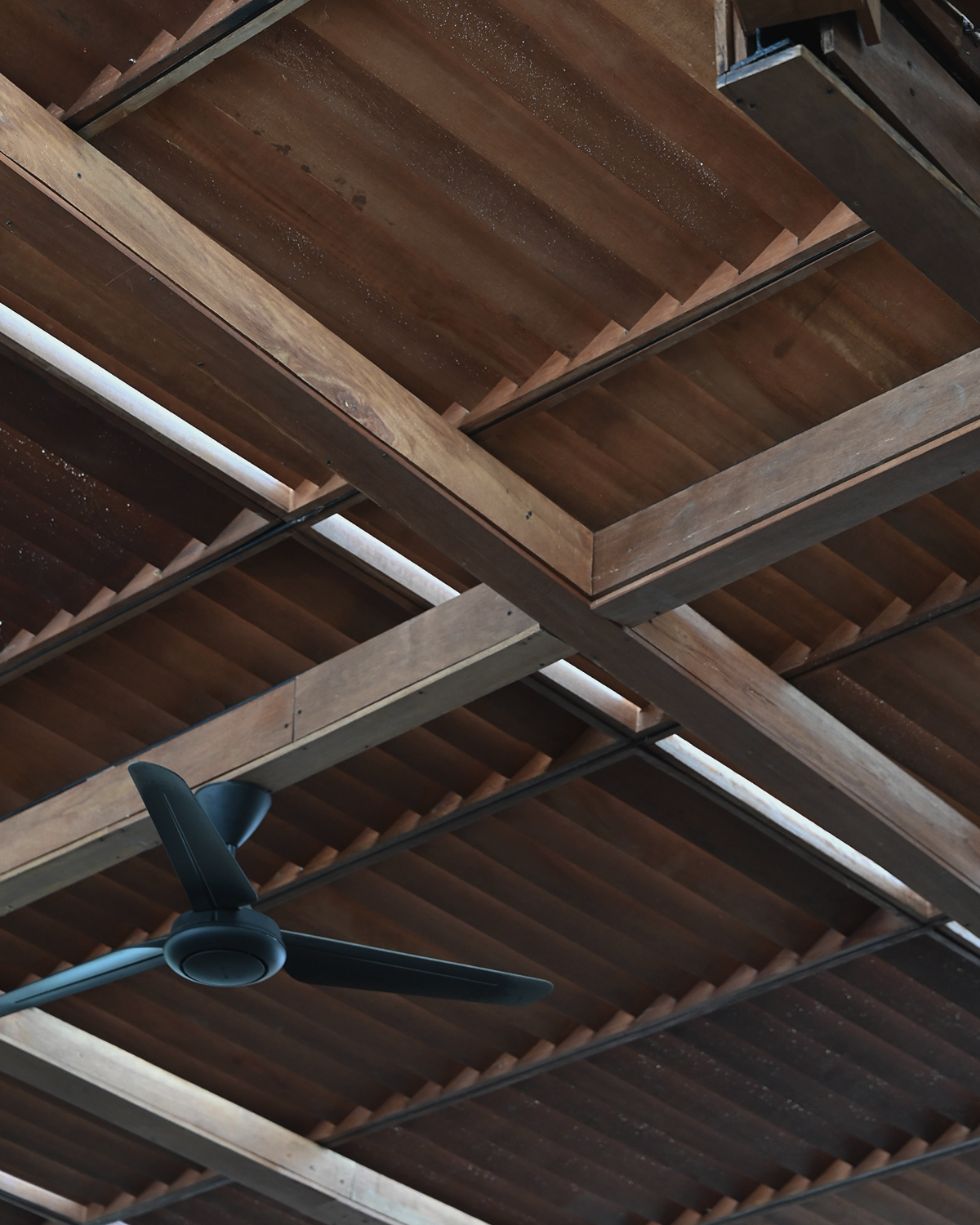
Analog doesn't pretend to have all the answers, but it refuses to pretend the problem doesn't exist. Rainwater is harvested from all roof surfaces, cutting reliance on bore water and trucks. A reverse osmosis filtration system reduces external water demand by thousands of gallons. The building uses passive solar design, cross ventilation, insulation, LED lighting, and ceiling fans to keep energy consumption down. Packaging alternatives are cassava-based and bio degradable.
On waste, Analog partners with UrbanCompost to separate and process organic kitchen waste into compost. It's a quiet first step, but a critical one. Clean waste is recyclable waste. Dirty waste is landfill. A newly launched carbon offset program invites guests to participate in tree-planting. It's not performative. It's participatory. Sustainability here is treated as an ongoing operational responsibility, not a campaign or marketing tool.
What Stays With You
People leave Analog talking about different things. The coffee. The music. The high-five from the security guard. The fact that the barista remembered their name after one visit. The feeling of being somewhere that isn't trying to extract anything from you. With a second venue recently opened in Canggu through a partnership with Earth Island, Analog is quietly building something that looks less like a café chain and more like a community with a kitchen. It doesn't preach. It doesn't perform. It just keeps showing up, day after day, doing the work properly, and trusting that the right people will notice. Evolving over time.
EXPLORE THE PUNCH
Celebrating Remarkable
Businesses with Impact