

UNCOVERED SERIES • SINGAPORE
Air CCCC:
Exploring
The New
Language
Of Food
& Thought
Interviewed by The Punch
Photography by Air CCCC
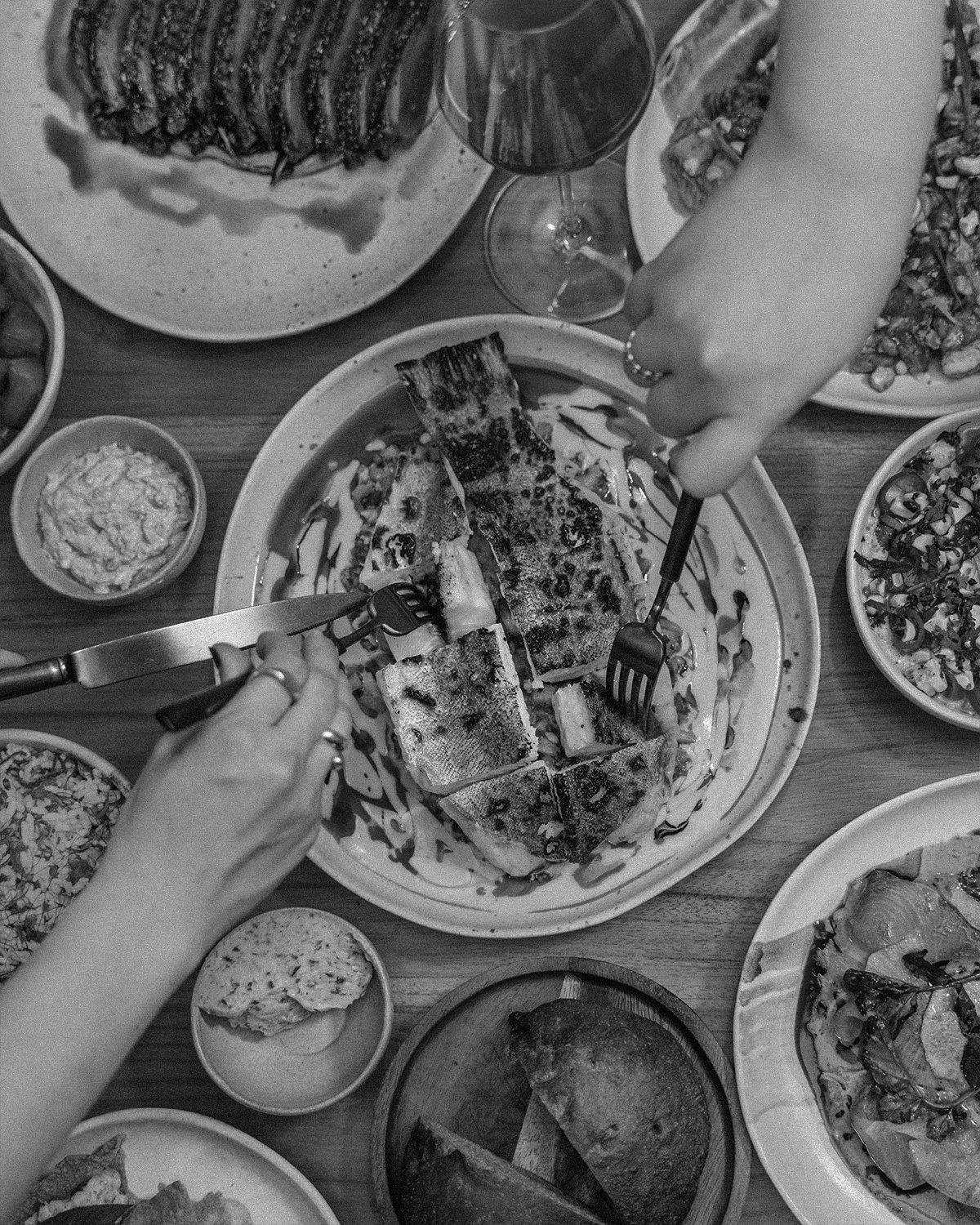
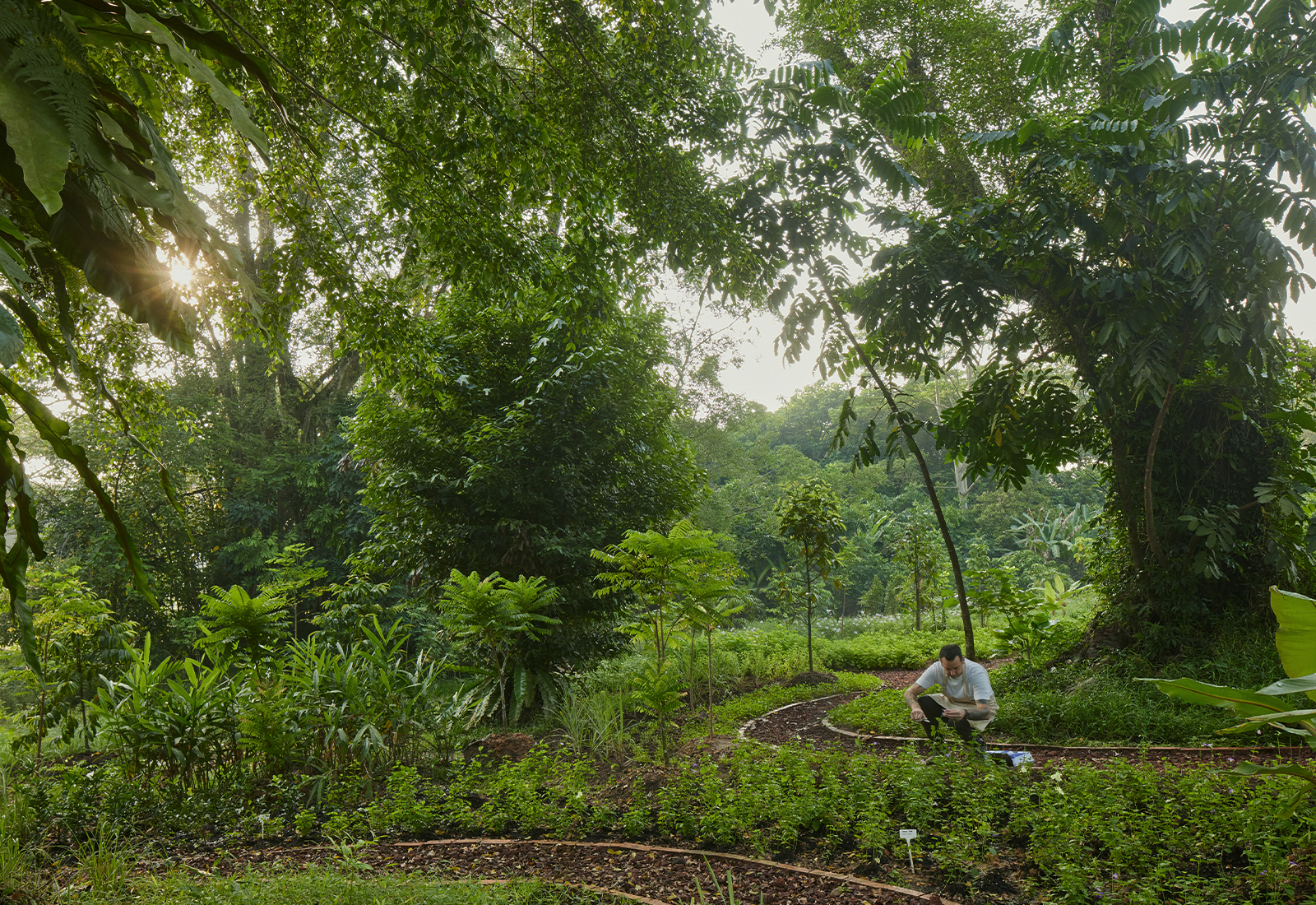
For our Uncovered Series, we had the chance to visit Chef Will at AIR CCCC — to walk through the gardens with him, step into the lab, and taste what the kitchen has been dreaming up. It’s one of those places you don’t just see — you experience. Ideas, soil, craft, and curiosity all seem to grow from the same ground.
Later, Chef Will answered a series of questions for us, offering a deeper look into the thinking behind AIR — its architecture, its purpose, and its hope for the future of food.
Here, he shares that vision — in his own words.
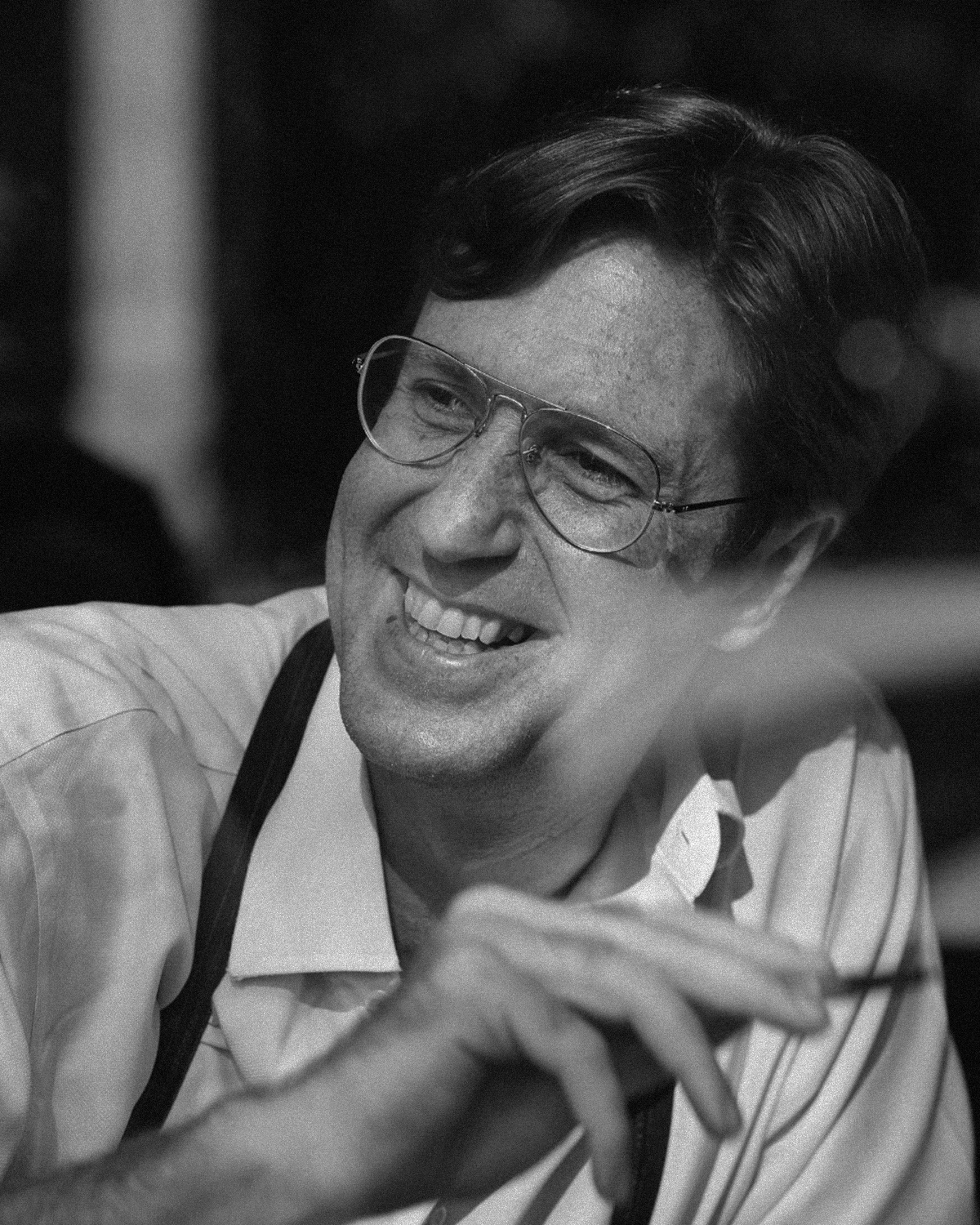
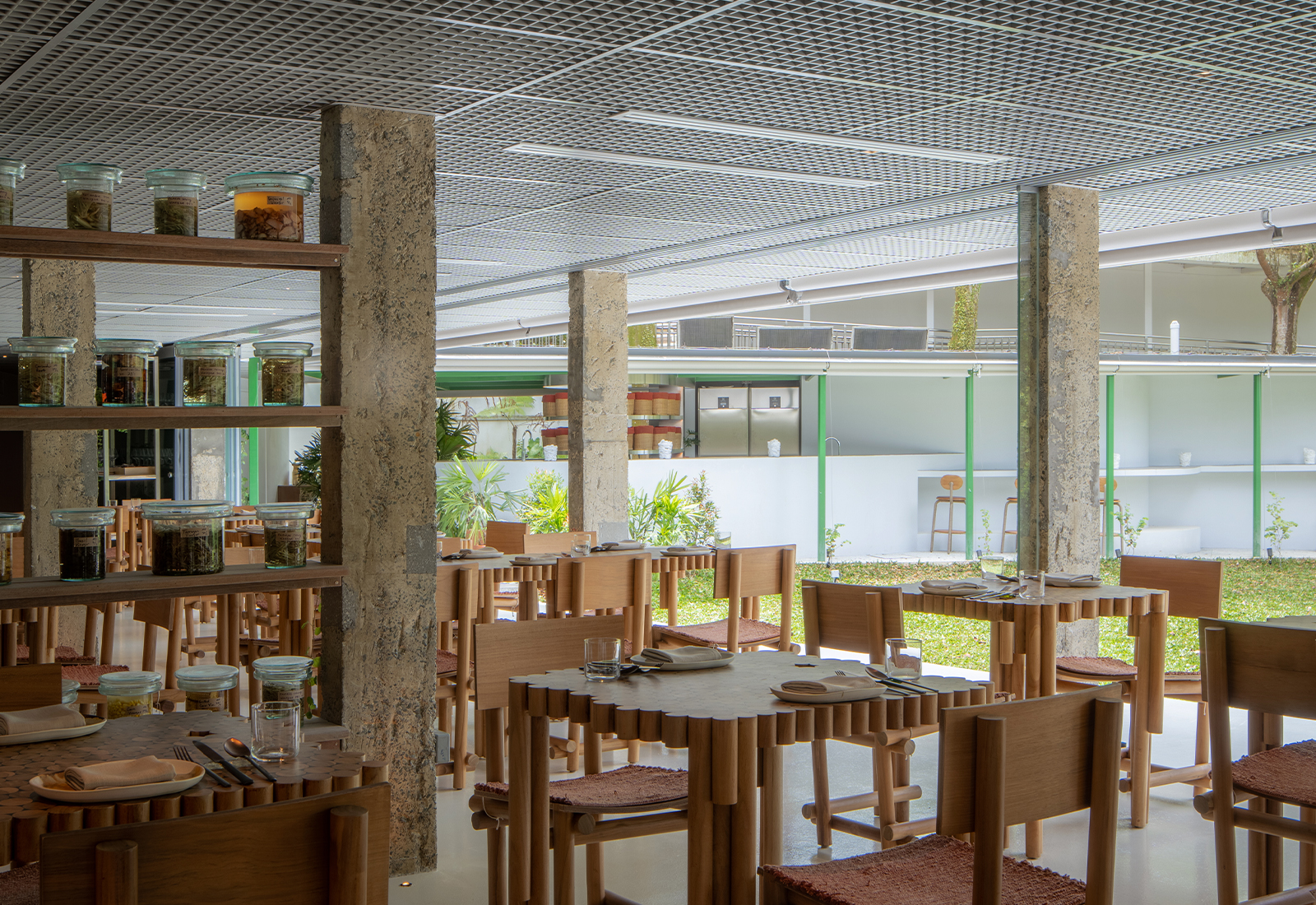
CHEF WILL, You’ve built a legacy of regenerative and zero-waste gastronomy in Bali. What inspired you to bring that philosophy to Singapore?
Legacy is a big word, but its one that keeps up humble and honest. We want to make sure that we build up using the traditional wisdom of the Balinese and Singaporeans to maximise positive impact, and minimise waste.

Bali offers abundance and craft, Singapore offers structure and innovation. How do both worlds shape your creativity, sourcing, and responsibility?
Singapore and Bali are brothers and sisters. Feet on the ground and head in the clouds. Some days its hard to tell where we are. Understanding how to integrate the natural world into the daily big city life is an ongoing lesson.
Awareness. Impact. Responsibility. How do these pillars translate into daily life at AIR — in the kitchen, the classroom, and the wider community?
Our continuous attempts to become more aware, understand our impact, and re-evaluate our responsibility keep us grounded: Eyes first in the kitchen, listening to the students, and reaching out to the community.
AIR is part campus, part lab, part dining space. What drove you to merge these worlds instead of keeping them separate?
I love to eat, to teach, and to learn. I never want to lose that hunger. There’s nothing to blur — AIR was never meant to fit into a single category. It was built as one living organism with many expressions, more like a maison than a restaurant: one identity, many platforms. From ready-to-wear to couture, from garden to classroom, from plate to page — every branch shares the same DNA, but each speaks a different language. The restaurant feeds you, the lab expands your thinking, and the campus invites you to play, question, and imagine what’s next.
AIR’s architecture reflects your sustainability ethos. How does the space itself encourage more conscious behavior from chefs, guests, and collaborators?
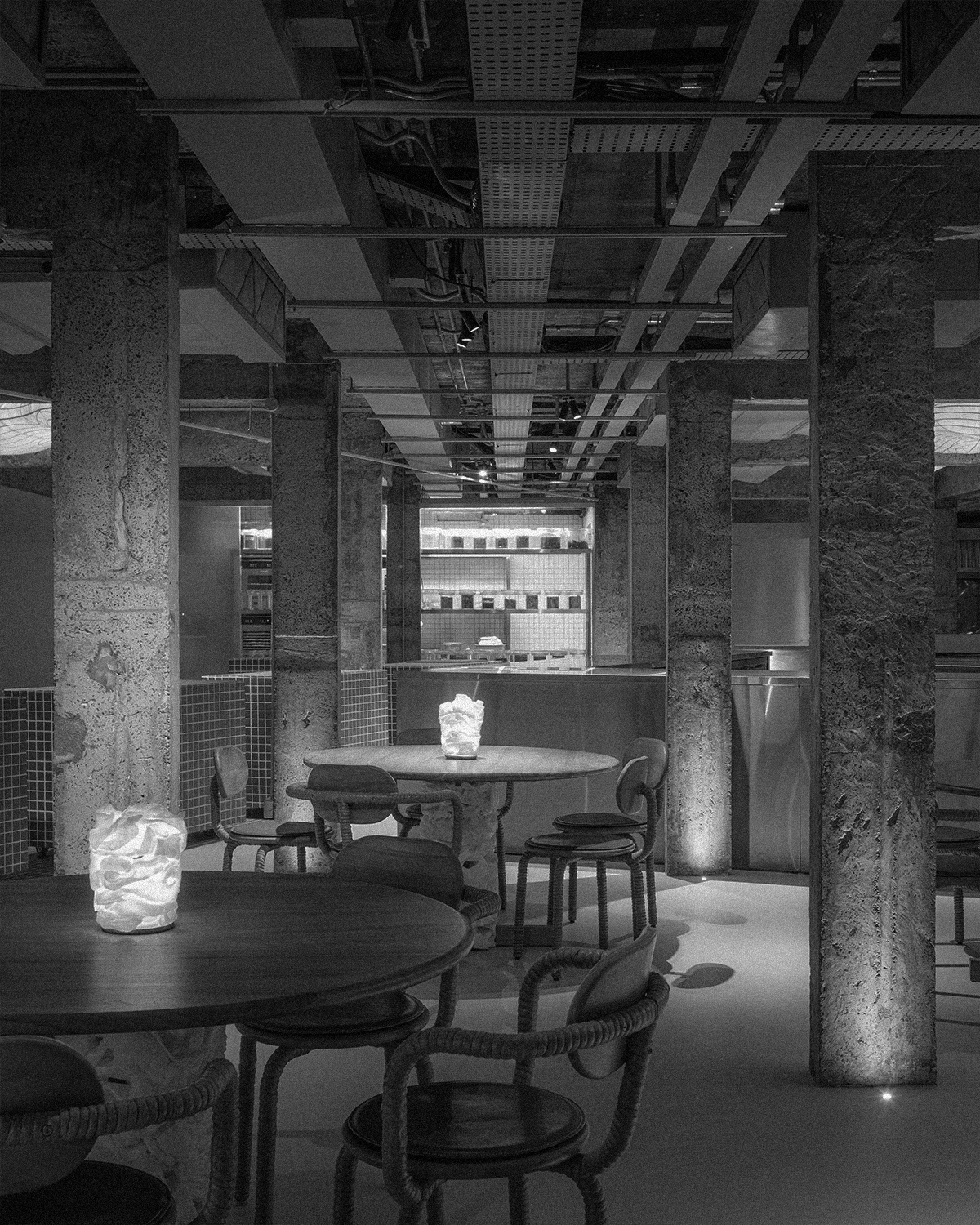
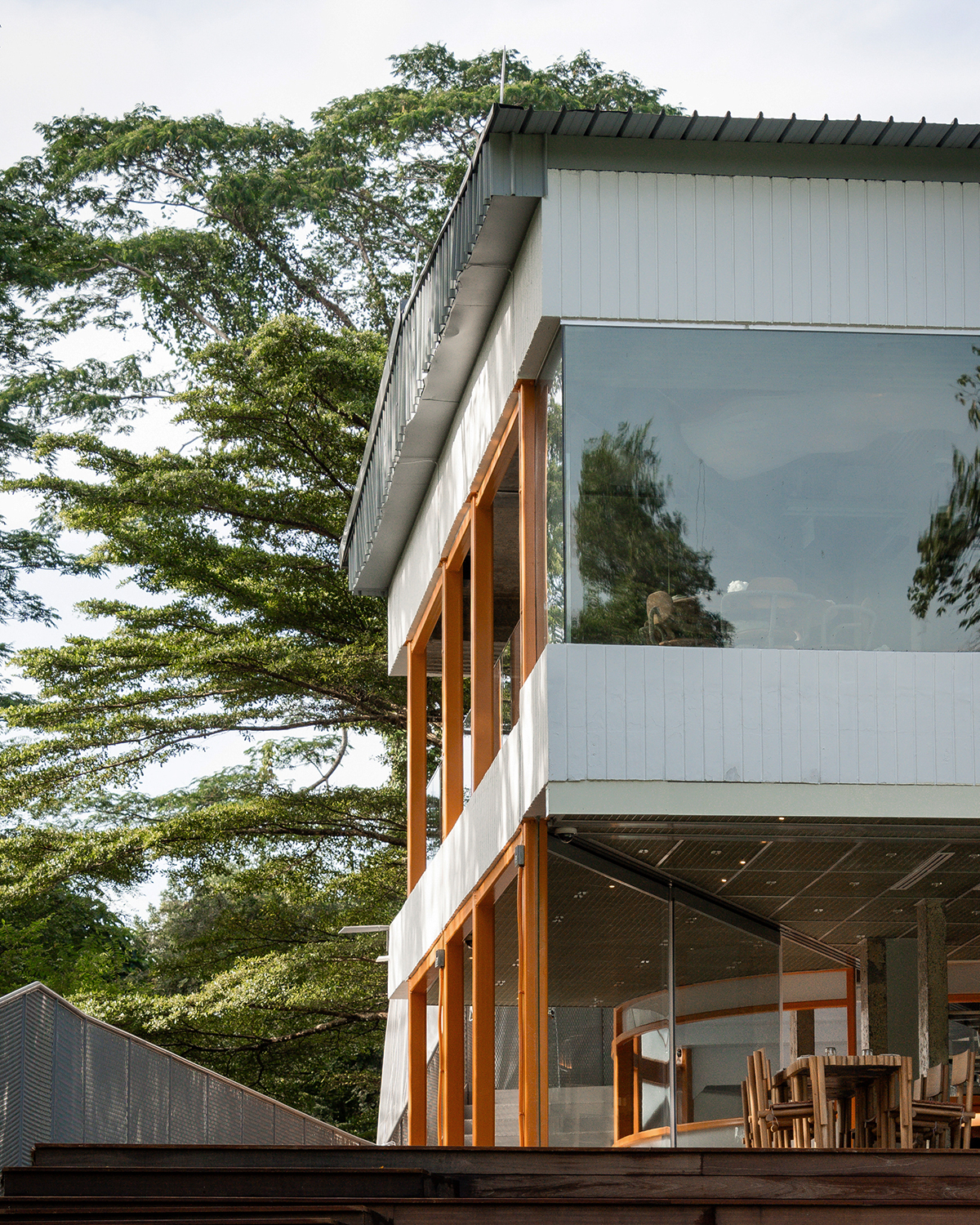
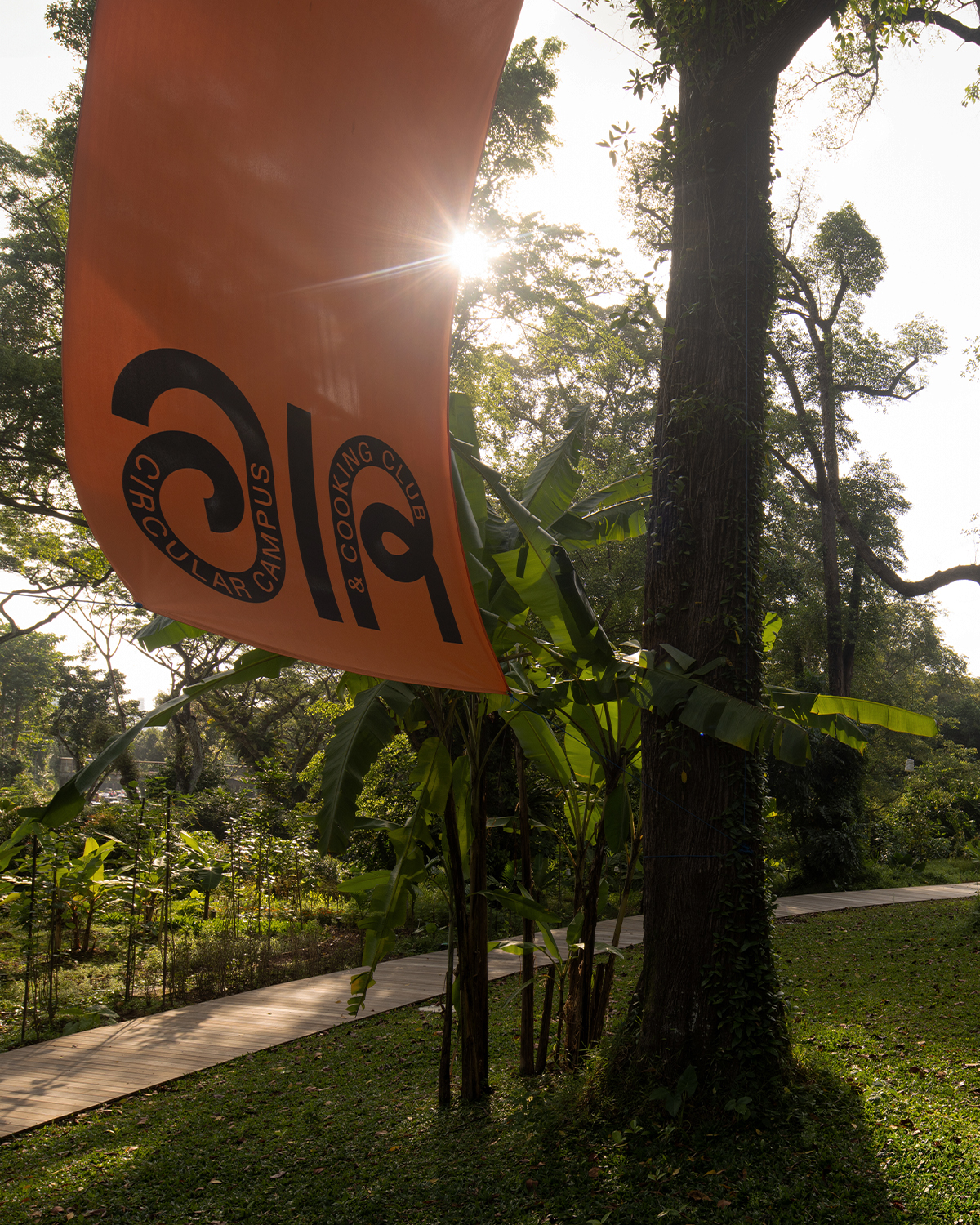
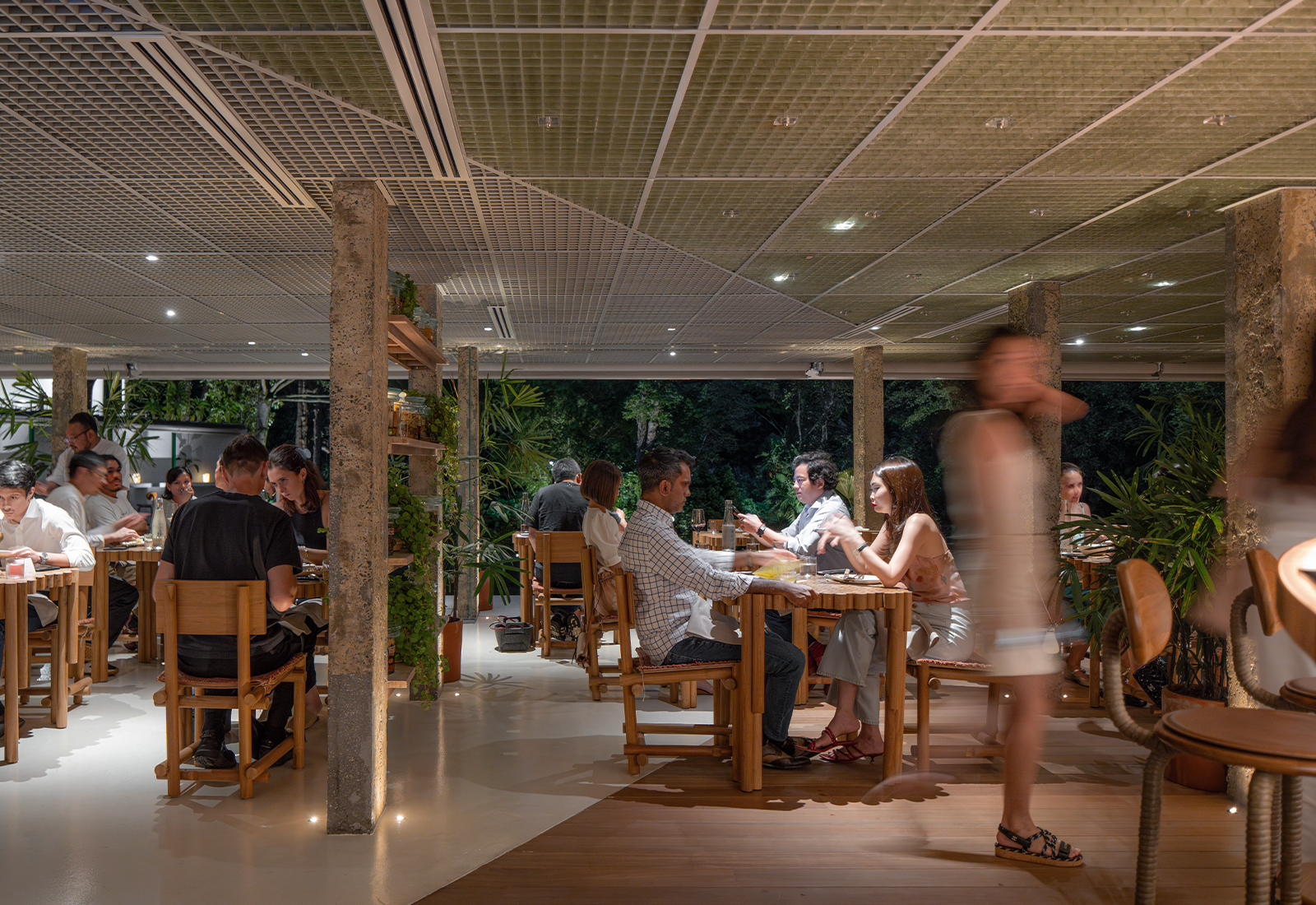
OMA’s David Gianotten and Shinji Takagi dealt us a great hand. Our open AIR environment shapes all our interactions, from the outdoor garden to the open kitchen and classroom. Special note to Andreu Carulla for the hyper-aware conversion of waste into treasured objets. What they created with us was more than a space — they transformed a 1970s civil service clubhouse on Dempsey Hill into a living ecosystem across 40,000 square feet of green. The design folds the garden directly into our daily rhythm; you feel it in the 100-meter edible walkway, in the open façades that connect diners to the lawn and cooks to the soil.
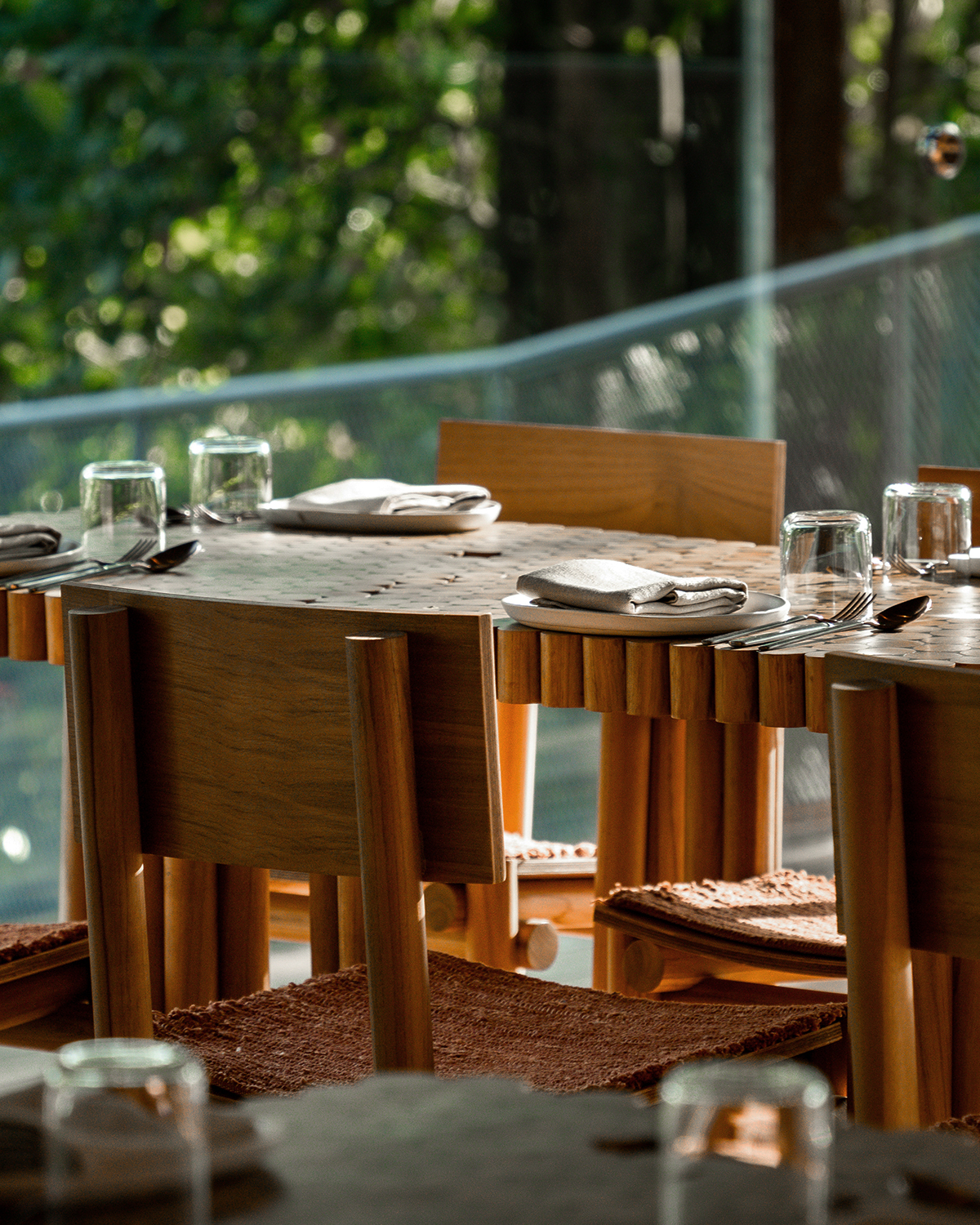
Andreu’s fixtures and furniture, all built from recycled timber, HDPE bottles, even old Styrofoam sculptures, remind us that waste isn’t the end of an object — just a starting point. AIR is proof of that. It’s not just architecture, it’s a blueprint for how conscious design can reshape how we eat, think, work, and collaborate.
Singapore has strict food safety and waste regulations. How do you turn these limitations into catalysts for innovation rather than obstacles to creativity?
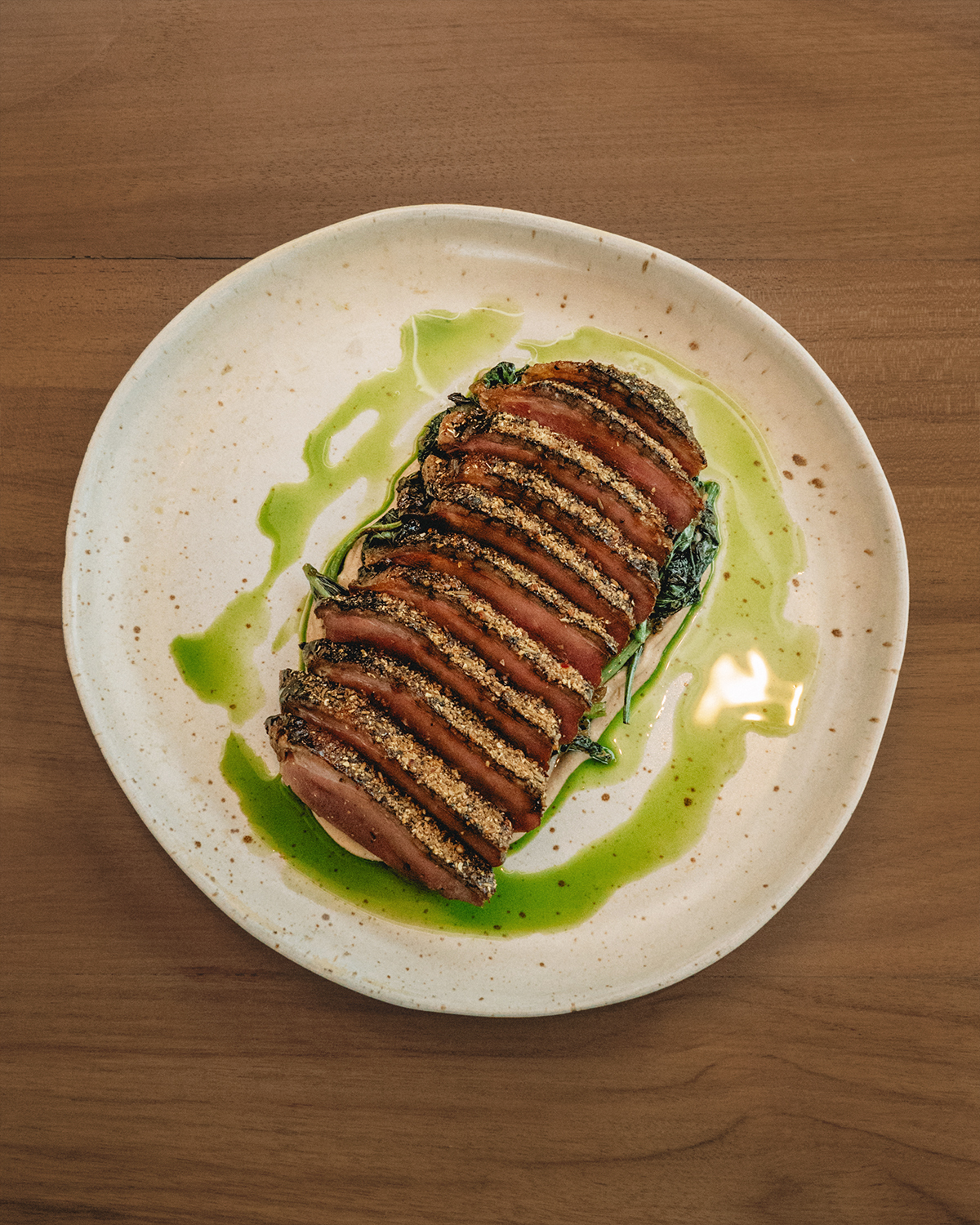
It’s important to have a flavour driven mindset. This helps us to extract flavour where we otherwise see rubbish. We celebrate any restrictions as they make us more creative.
Education is central to AIR. What is the most transformative lesson you hope people take away?
The most powerful lesson we share is that awareness precedes transformation. Whether it’s a chef, a guest, or a child visiting the garden, the goal isn’t to preach sustainability — it’s to let people feel connected again. Education here isn’t a classroom; it’s a meal, a conversation, a walk through the lawn. We teach by doing, by tasting, by touching the soil and understanding that food is the first language of empathy. If someone leaves AIR thinking differently about waste, water, or value, that’s already change.
With AIR linking circular cooking, research, and community learning, what does success look like if this approach spreads across Asia and beyond?
If our model works, success won’t look like expansion — it’ll look like replication. AIR CCCC is designed to be the most generous and gracious, not the biggest. We want every chef, farmer, and community in Asia to see that circular systems aren’t abstract — they’re practical, profitable, and beautiful when done with care. The dream is to turn awareness into infrastructure, to see restaurants evolve into micro-ecosystems where every plate regenerates something, from soil, spirit, or community.
AIR brings together global chefs, designers, and thinkers. How do you encourage collaboration among such diverse minds while keeping the focus on real, measurable environmental impact?
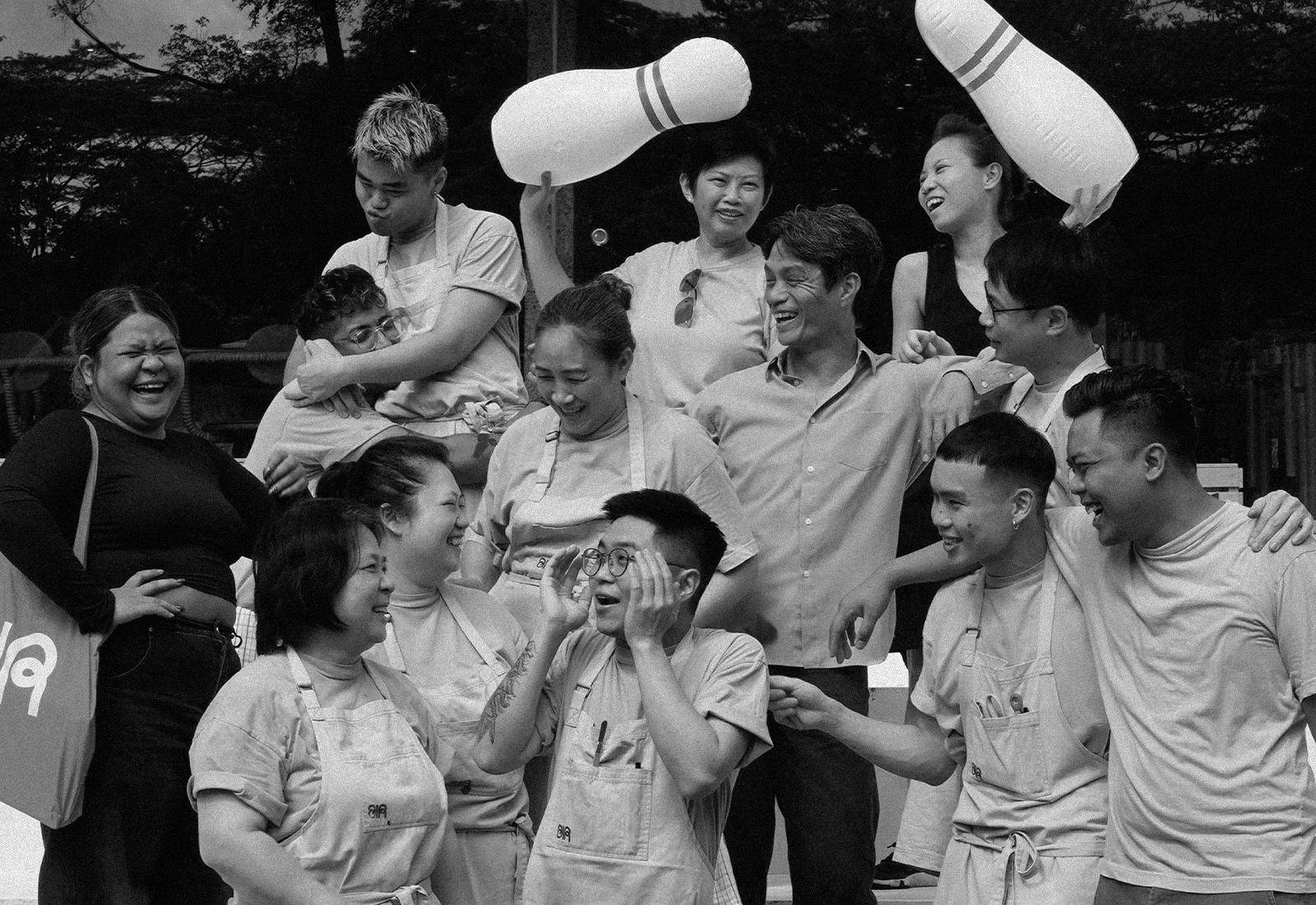
It all starts with curiosity. Everyone who comes here already shares the same drive — to make something that matters. That’s the easy part. What we try to do is turn that energy into something real: food, ideas, action. The focus stays simple: what can we make better, together? The measurable impact comes naturally when everyone’s pulling in the same direction.
Looking ahead, what is your long-term vision for AIR CCCC, and how do you hope it shapes future chefs and the way the world thinks about food?
AIR CCCC is not the finish line, it’s the next verse. Our hope is that it becomes a blueprint for how the next generation of chefs think — not just about flavor, but about function and sustainability in the bigger picture. If we can help them see that a restaurant can be a school, a lab, a farm, and a community hub all at once, then we’ve done our job. My long-term vision is simple: to make sustainability so normal it no longer needs to be defined. The legacy isn’t the food we cook, but the systems we leave behind.
EXPLORE THE PUNCH