

UNCOVERED SERIES • SINGAPORE
FURA: Rethinking
Flavor Through a
Future-Focused
Lens
Interviewed by The Punch
Photography by Fura Singapore
Christina, can you share a little about your background and the journey that led you to create FURA?
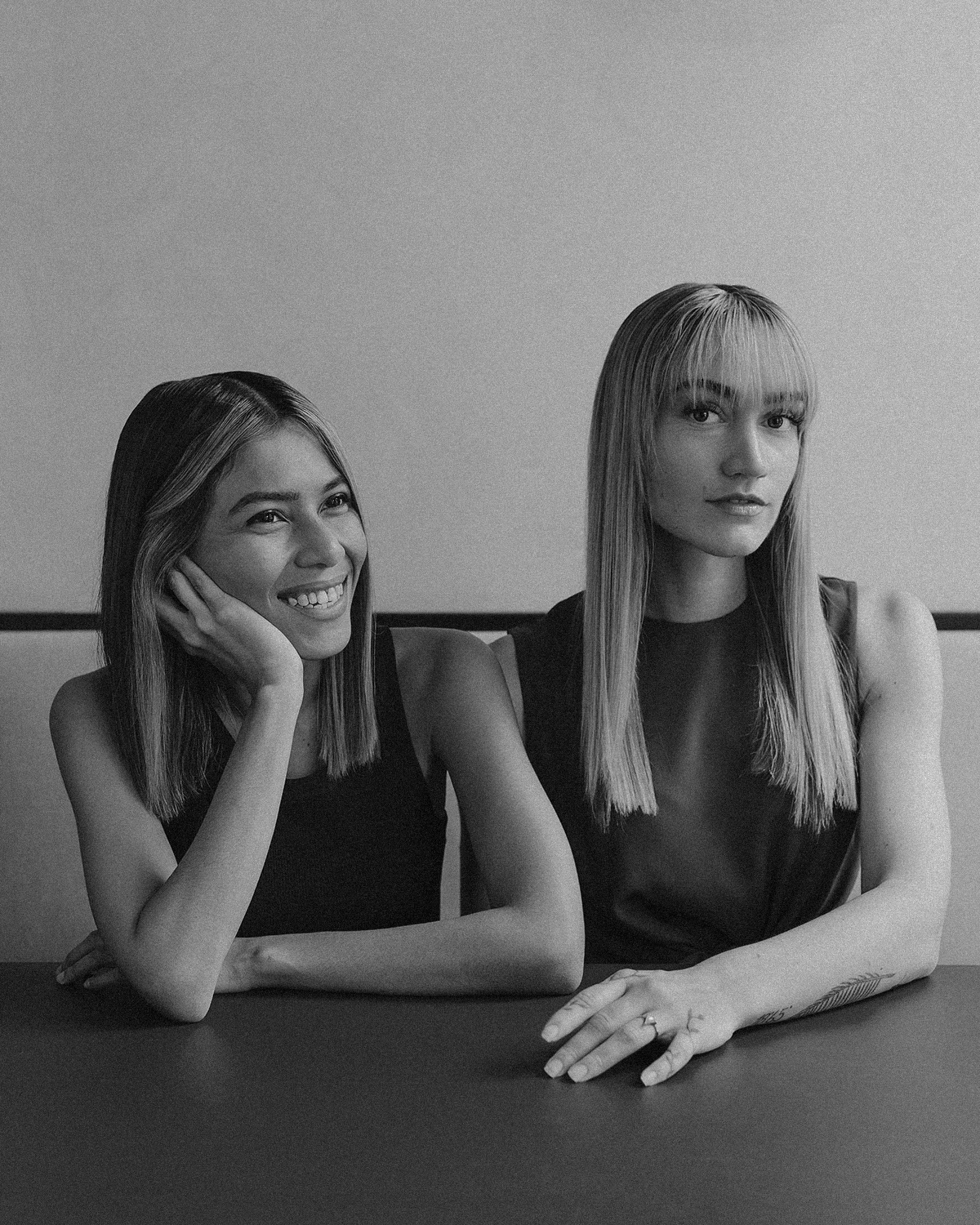
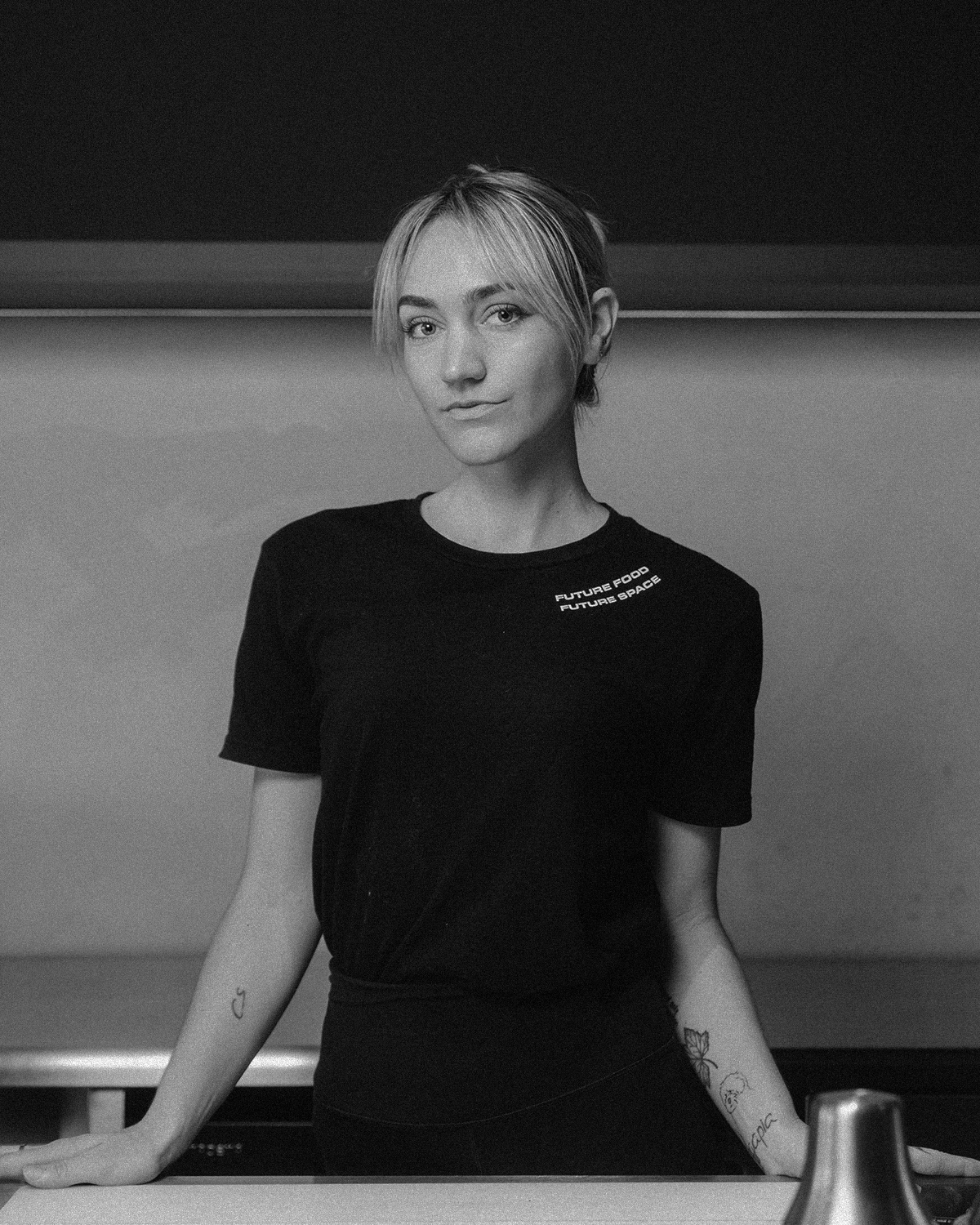
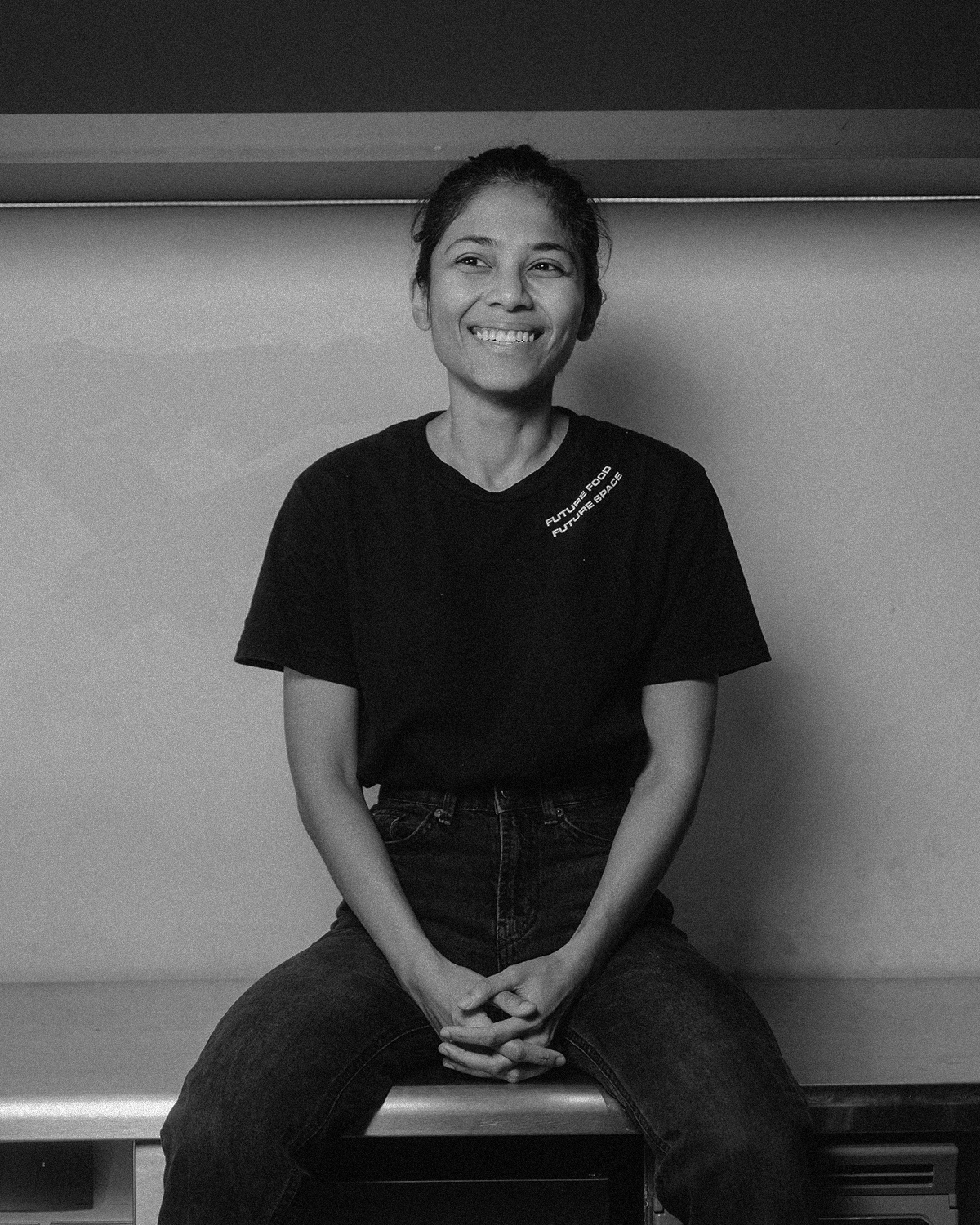
Sasha and I met in Copenhagen when I was working at Noma and she was working at Empirical in 2019. Fura is very personal to Sasha and me. It came about after we moved to Singapore from Copenhagen in 2022. As we discussed having a family one day, it really put everything into perspective and gave us momentum to create a space that represented how we want future systems to work on a large scale. I’ve always had a passion and deep desire to live with an awareness that your actions and consumption have a profound effect on the rest of the world. You might only think of yourself as one person, but collectively we all think that—and now we’re 9 billion people. My previous job also gave me a unique perspective on nature’s fragility and abundance that left a lasting impression.
My job as a forager was to pick wild ingredients from all types of landscapes like beach dunes, grasslands, forests, waterways, etc. Working for a restaurant, it was my responsibility to be resourceful and know what locations could grow what ingredients during various seasons. I would have interns from the restaurant join me to learn and pack ingredients too, sometimes working 14–18 hours in the summer and driving nearly 500 km in a day.
There was a key moment for me that led to the initial brainstorming that is now FURA. I visited the same terrains day after day, season after season for years. I knew each path, hill, and bend like the back of my hand—they felt like a second home. Specifically, there was a beautiful forest just north of Copenhagen that I visited almost daily for five years, with incredibly tall trees and the sun peeking through the canopy—straight out of a fairy tale. I returned a season later and all the trees had been chopped down. The grasses, ferns, and ant hills had been destroyed, all to make way for more mountain biking paths.
It was this moment that I realised what had been done there was just a tiny scale of what is happening to our whole earth. When you have a personal connection to nature, it is especially heart-breaking to see the changes brought about by climate change and human impact. The harm we’re doing to our environment is no longer distant—it has become personal.

Since opening in October 2023, how has FURA transformed—whether in philosophy, menu, or the way people interact with it?
Through these conversations and lived experiences, the ideas that define FURA began to take shape. FURA looks ahead—to the future, and for the future. Our vision is to explore how our diet may need to adapt in the years ahead as climate change shifts what grows, thrives, or becomes scarce. The concept and menu highlight ingredients that are invasive, abundant, or emerging due to ecological imbalance, with a naturally lower carbon impact.
We know not everyone will choose a fully plant-based lifestyle, but we want to show that conscious dining can remain fun, flavour-forward and not rooted in sacrifice. Change happens collectively, and every choice matters. Build a lifestyle with longevity—and do it with intention.
The market has shifted quickly over the past few years, so we adjust and adapt to what guests respond to, without compromising our ethos. We've made small refinements in how dishes are developed and presented, but the foundation remains strong. Two years in, FURA still carries the same heartbeat—just with more clarity, confidence, and momentum.

FURA translates to “pine” in Swedish, symbolizing collaboration and survival. How does this idea guide the way you approach food and drink?
Our food menu reflects this through producer-driven collaboration, drawing attention to farms, farmers, and artisans whose practices and craft uphold resilience. In contrast, the drink menu is driven by flavour and ingredients, with each cocktail built around a future-proof highlight—whether it’s a potential future protein source, an ingredient linked to social awareness, or something overly abundant within the ecosystem.
Your menu introduces guests to future foods such as insect proteins, cell-cultured products, and invasive species. What makes these ingredients important for the future of dining?
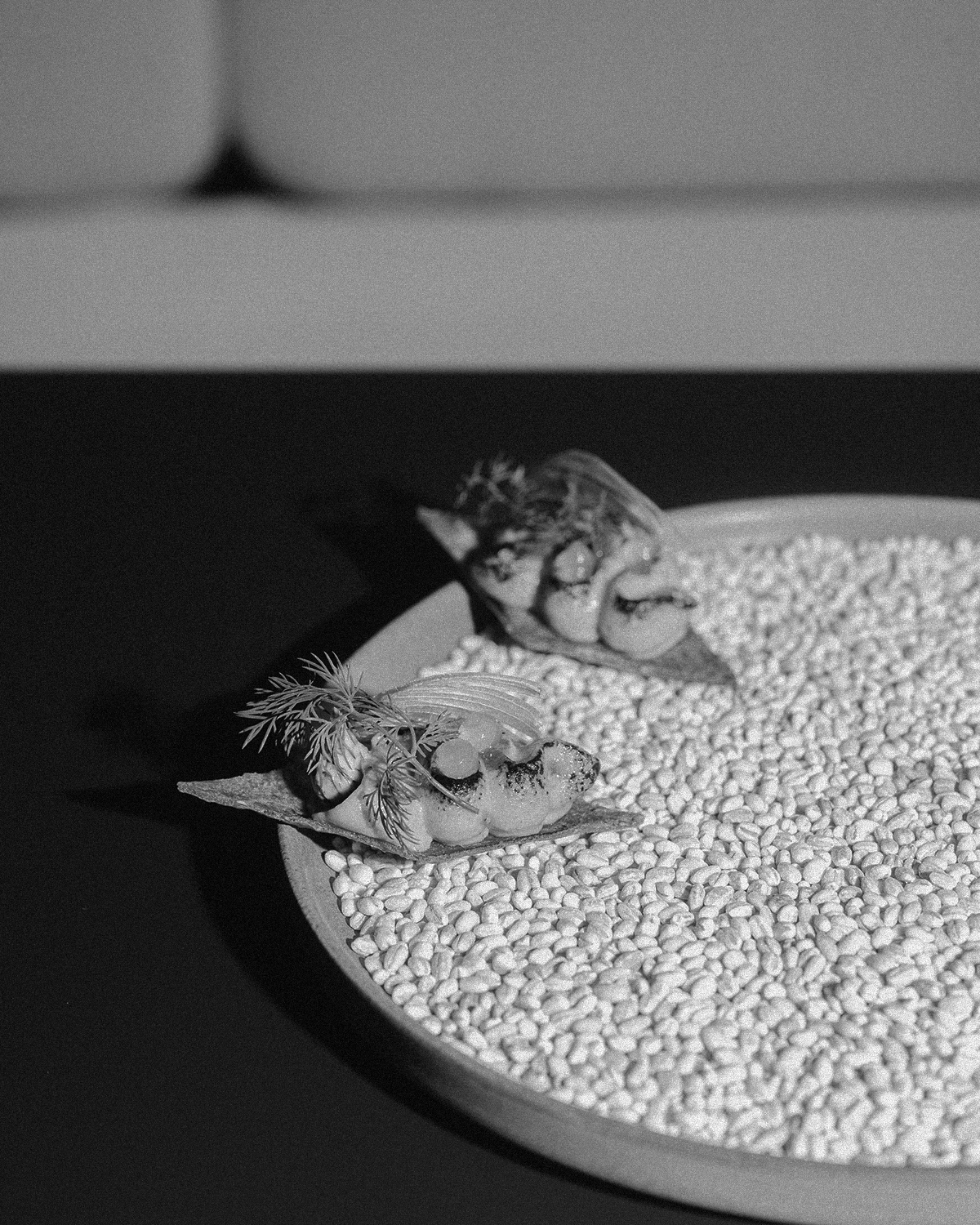
With carbon emissions as our guiding metric, we look at all the factors that influence impact — from resources needed for production to processing, food miles, storage, and land use. There isn’t one single path to sustainability, so the menu showcases multiple approaches. One section might feature produce grown just 5 km away, while another reuses ingredients that would otherwise become food waste, even if grown across the world.
We recognise that not everyone will shift entirely to plant-based eating, so we explore proteins that align with where the future is heading. Insects, for example, are an incredible protein source with extremely low resource demand, and they can be reproduced at scale. Cell-based milk and meat are still new to the market, but they offer promising benefits — significantly reduced land, water, and feed usage, and the ability to produce protein without animal exploitation.
You also highlight abundant crops and work with local hydroponic farmers like GreenLoop Farms. How does this sourcing approach support both sustainability and creativity?
We love working with like-minded people — it’s often the smaller producers who take the extra steps that truly make a difference. Building personal relationships with the people who grow our food is essential to understanding food systems, having honest conversations about where we can improve, and ultimately sourcing the best ingredients to work with.
Sharing passion with others is incredibly inspiring, and it carries through to the guest experience. When our team can speak about a dish’s origin or the inspiration behind a drink — not just the flavour but the farmer, the method, the journey — it creates connection. These relationships are at the heart of fixing how we source food and how those systems can evolve.

FURA is known for turning unusual ingredients—like mealworms or jellyfish—into exciting dishes and cocktails. How do you encourage guests to approach these experiences with curiosity rather than hesitation?
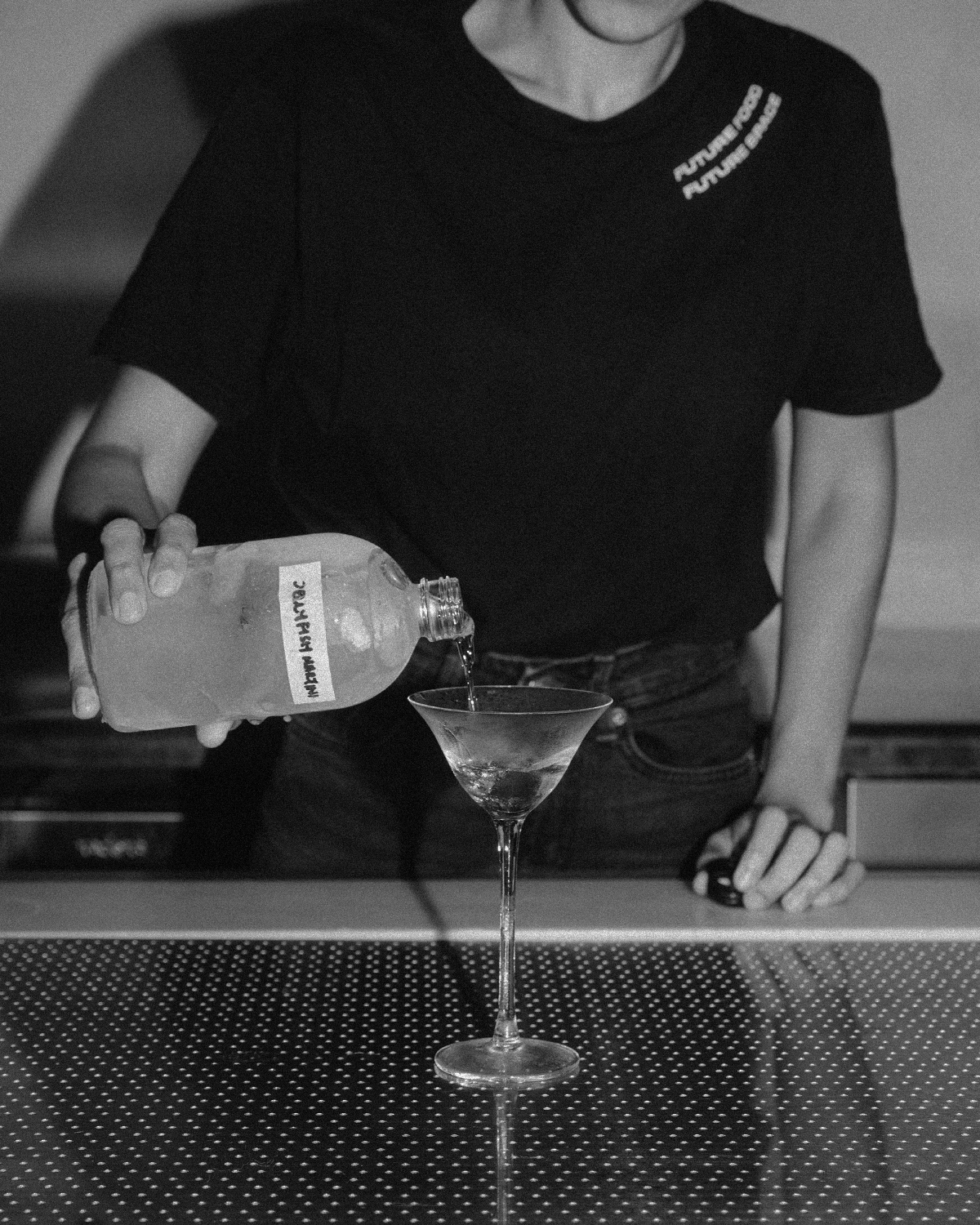
While our food menu isn’t tied to a specific cuisine or style, our drinks follow a similar approach — not built on the classics, except when using niche ingredients. Guests place their trust in us to deliver something delicious, but familiarity can be an important bridge. When we introduce a more unusual ingredient, we pair it with something recognisable so people have a reference point. For example, mealworm becomes a spicy, savoury margarita. Jellyfish is transformed into a clean, crisp dry martini. By grounding the unfamiliar in something known, guests feel comfortable enough to explore — and curiosity naturally takes over.
How do you balance being thought-provoking about sustainability while still keeping the dining experience fun, enjoyable, and memorable?
No matter what, we are hospitality first. We build everything backwards from the feeling we want guests to leave with — fun, enjoyable, memorable — and then work through how to shape those moments in a more thoughtful way. It’s important for us to show that conscious consumption can still be deeply satisfying, exciting, and full of pleasure.

Your 'UGLY DELICIOUS' fermentation project gives new life to produce that would otherwise be wasted. What has this process taught you?
You must be patient and flexible with your ingredients — things take time, and many processes can’t be rushed without consequence.
What do you hope FURA will inspire—not only for your guests, but for the future of food and drink more broadly?
To develop a relationship with where your food comes from. You gain a much deeper respect for what you eat when you know its origin. I’ve seen this first-hand with interns at the restaurant — after spending hours foraging in the forest, they handled the ingredients with far more care. Waste was minimal, and the respect was profound.
It’s the same when a friend shares vegetables from their backyard garden — you won’t let that pumpkin or those tomatoes rot in the fridge, because you understand the effort and passion behind them. If we can deepen our education around food systems and truly understand our impact as consumers, we will be better equipped to make conscious, thoughtful decisions. This applies at every scale.
What does the future look like for FURA—are there any new projects, features, or directions you’re excited to share?
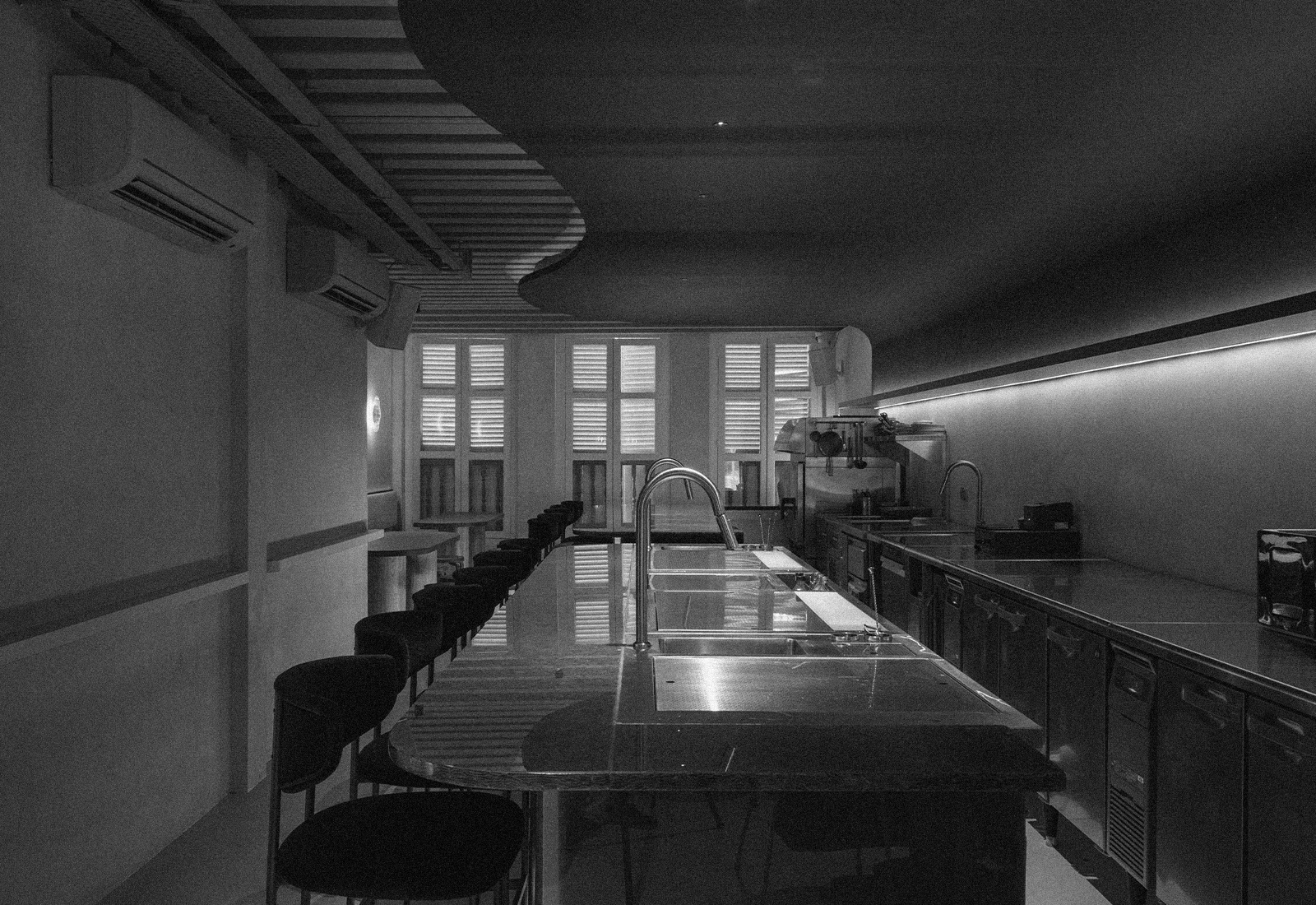
We want our impact to reach beyond our four walls through future collaborations that can scale sustainably. We already have several projects underway — transforming waste into fabric, working with a zero-alcohol movement start-up, and exploring lifestyle-focused developments. For now, we’re simply grateful to spend our weeks in conversation with guests, hoping those exchanges inspire small changes that lead to lasting impact.
EXPLORE THE PUNCH