

UNCOVERED SERIES • SINGAPORE
The Warehouse
Hotel: Grace in the
Flow of History
Reviewed by The Audrey Petrelluzzi
Photography by The Warehouse
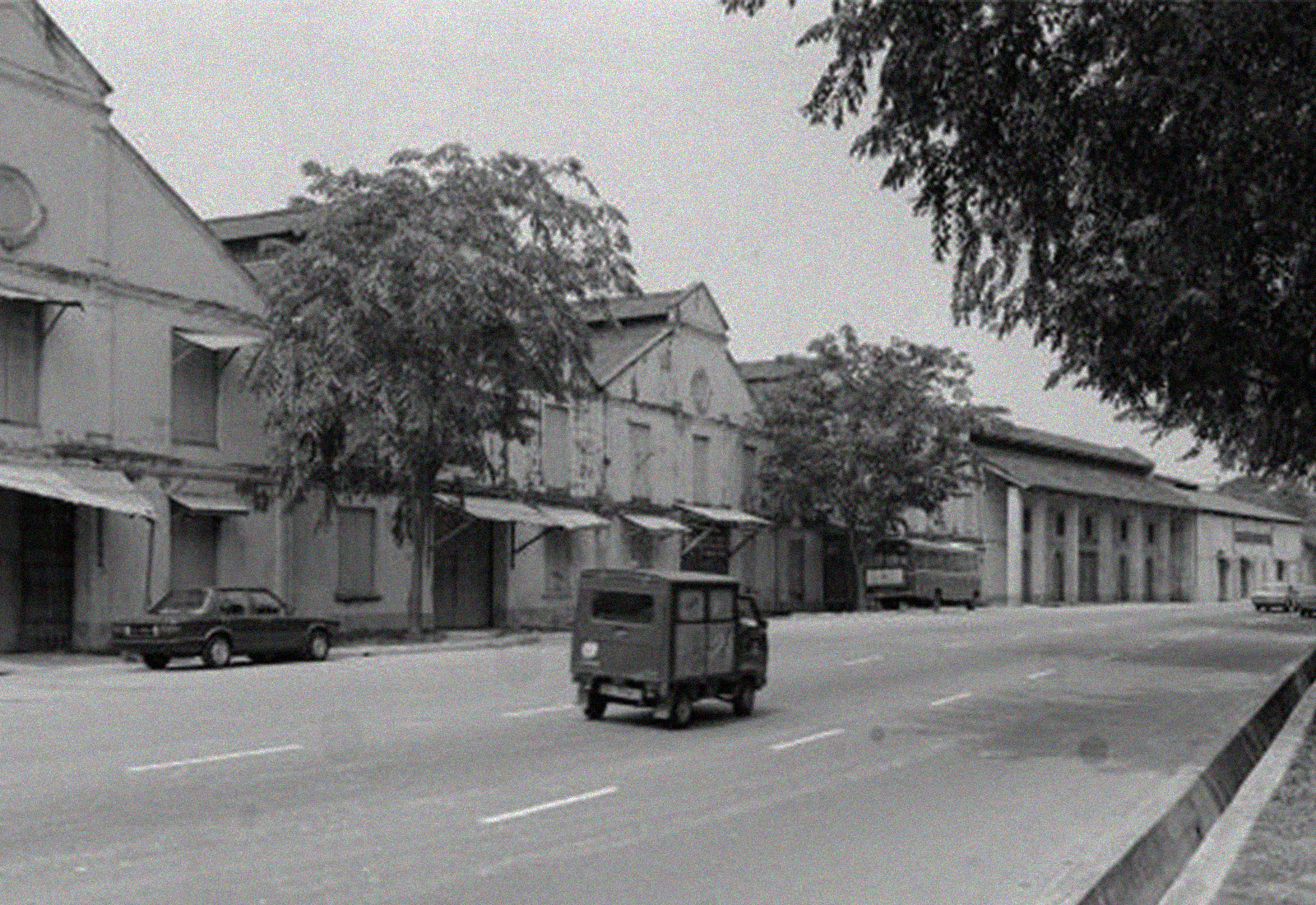
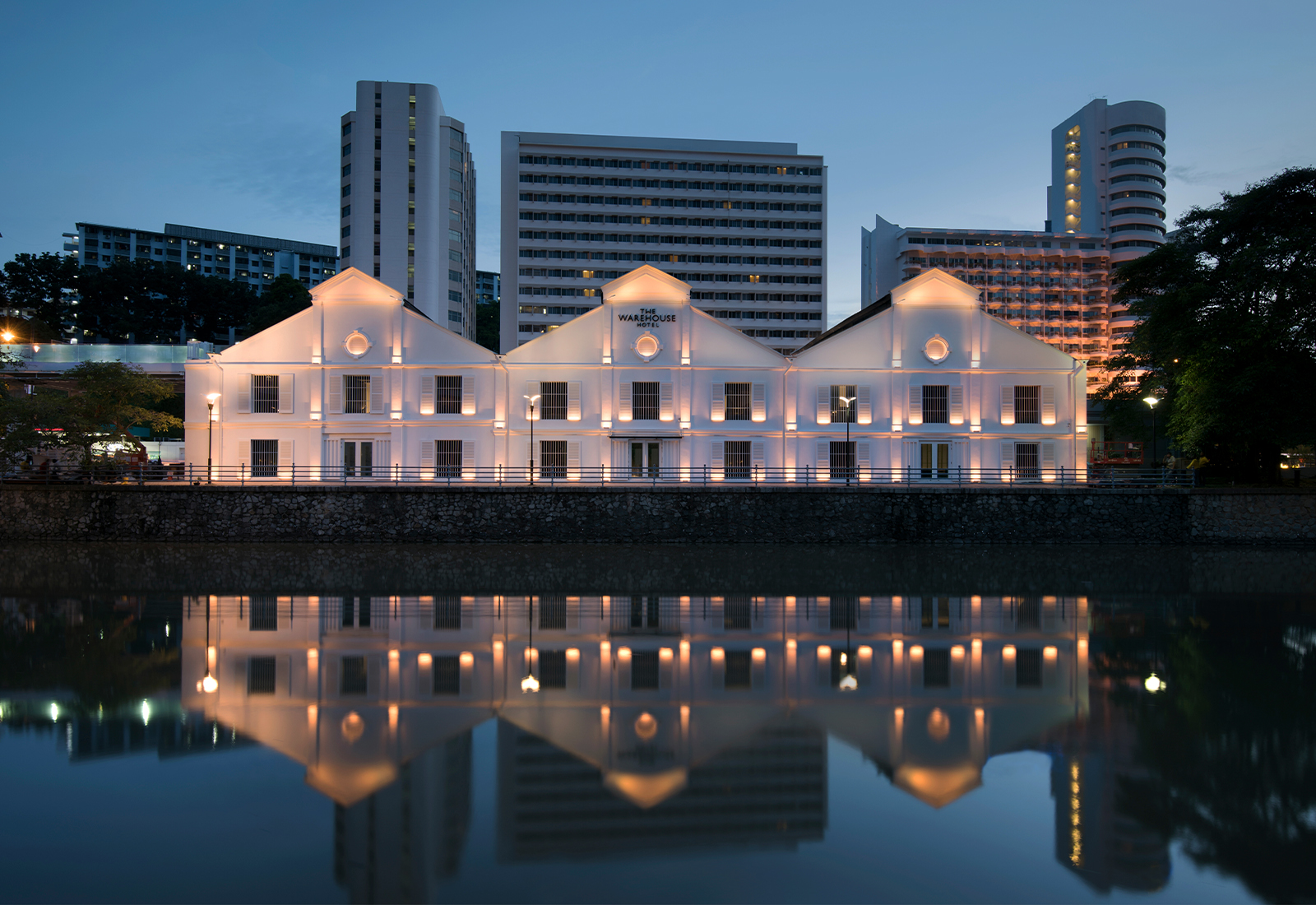
Along the banks of the Singapore River stands a building that has witnessed the city grow, shift, and reinvent itself. Built in 1895, The Warehouse Hotel began as a godown–a storage house for traders navigating the Straits of Malacca. The area once pulsed with spice merchants, liquor distilleries, and whispers of secret societies. Known locally as Chiu Long Lo, or Spirits Shed Street, it was a place where commerce met vice, and the rhythm of trade mirrored the restless heartbeat of a rising Singapore.
More than a century later, this same structure has been meticulously revived into a 37-room boutique hotel that honors the past while embracing the present. Restored and reopened in 2017, The Warehouse Hotel transforms industrial bones into a quiet monument of design and cultural memory: a reminder that true luxury lies in what endures.
“The Warehouse Hotel is deeply entwined with Singapore’s history,” says General Manager Shue. “It has lived many lives–a spice warehouse, an alcohol distillery, even a discotheque. By preserving the building, we’re not just saving bricks and beams but honoring the layered identity of the city.”
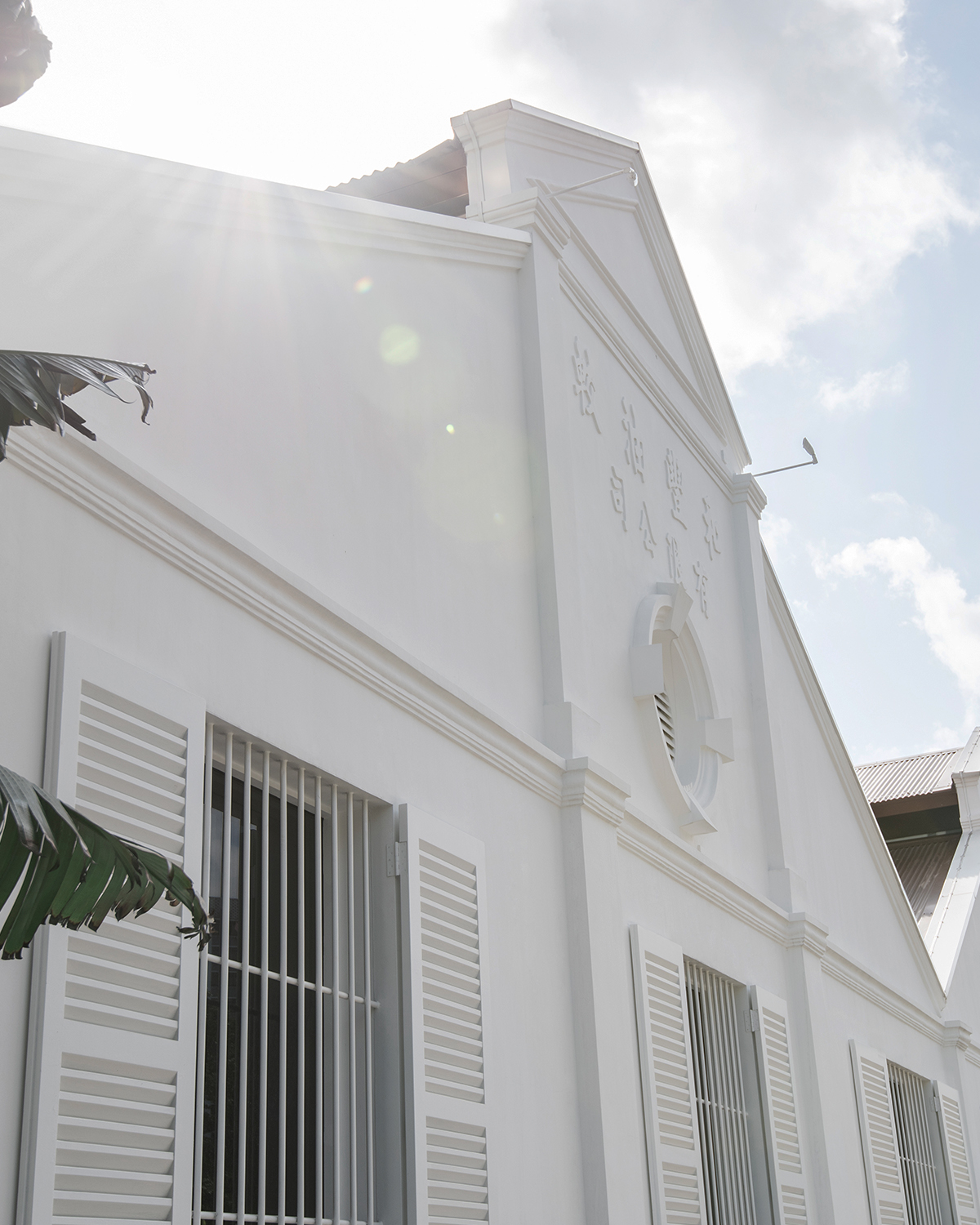
When I arrived, I could still feel those layers. The building seemed to hum with memory, its peaked roof and aged brickwork catching the afternoon light. From the riverbank, I imagined boats gliding past the same waters that once carried barrels of spices. The air smelled faintly of rain and wood; time itself felt slower here.


Echoes in Brick and Timber
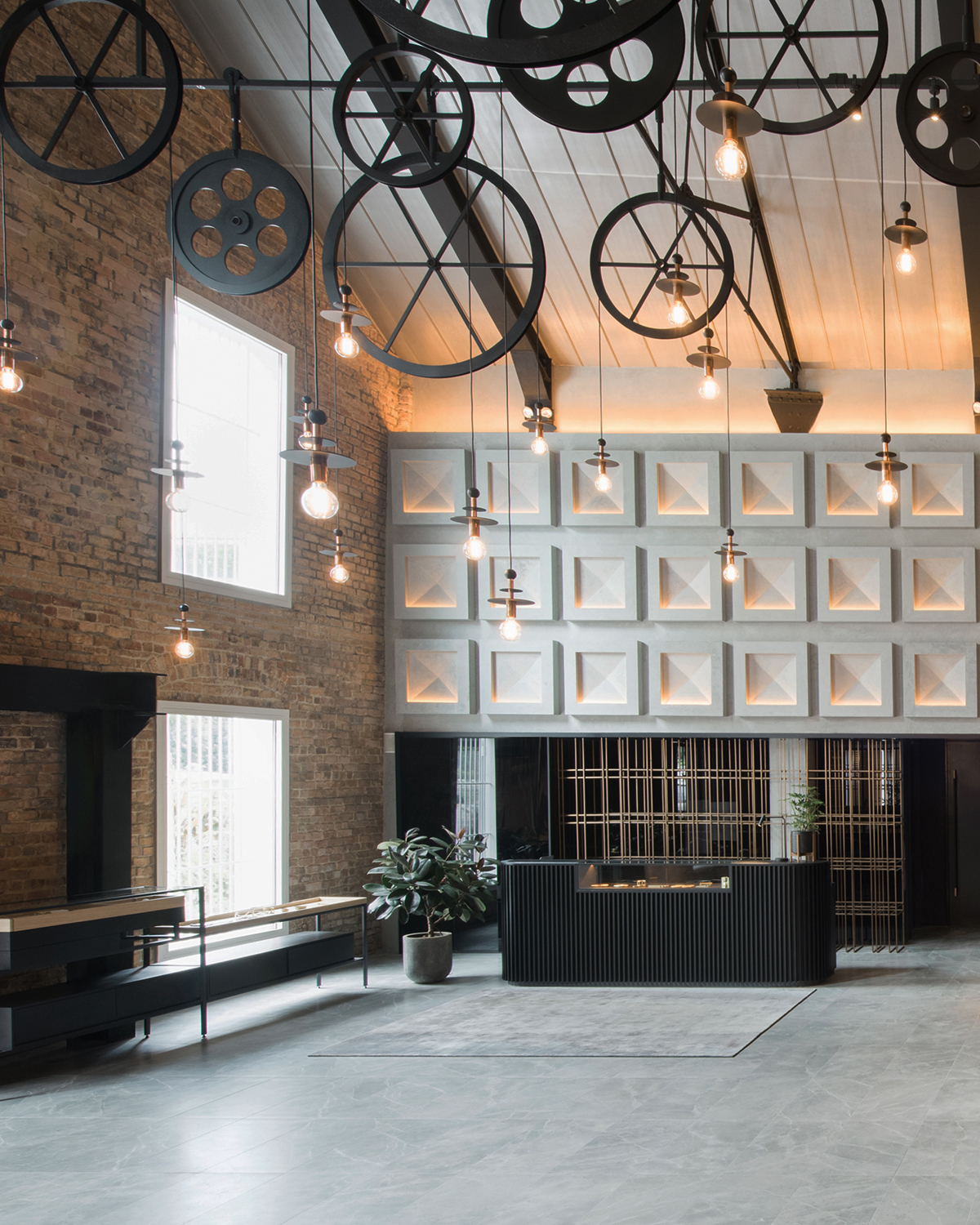
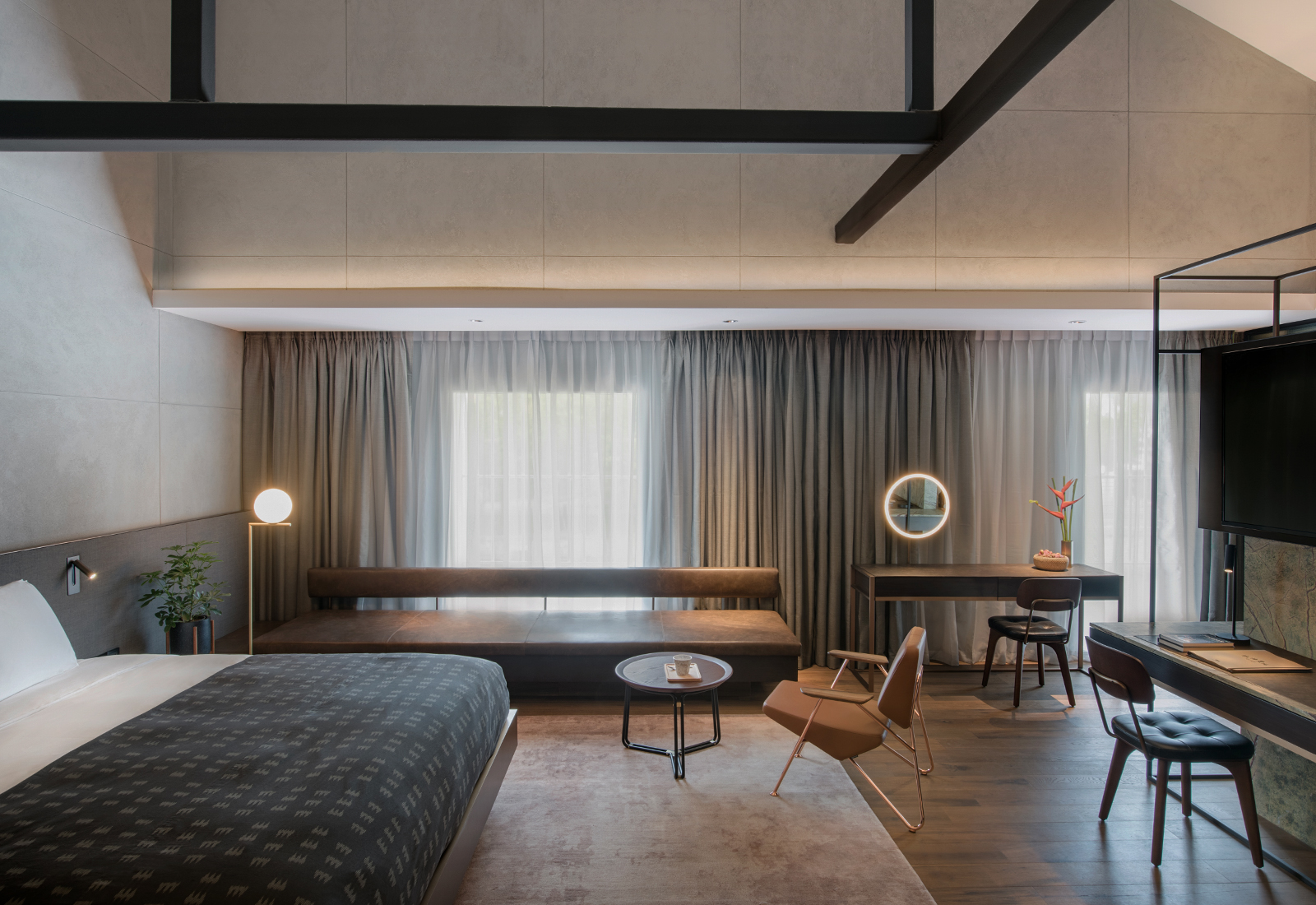
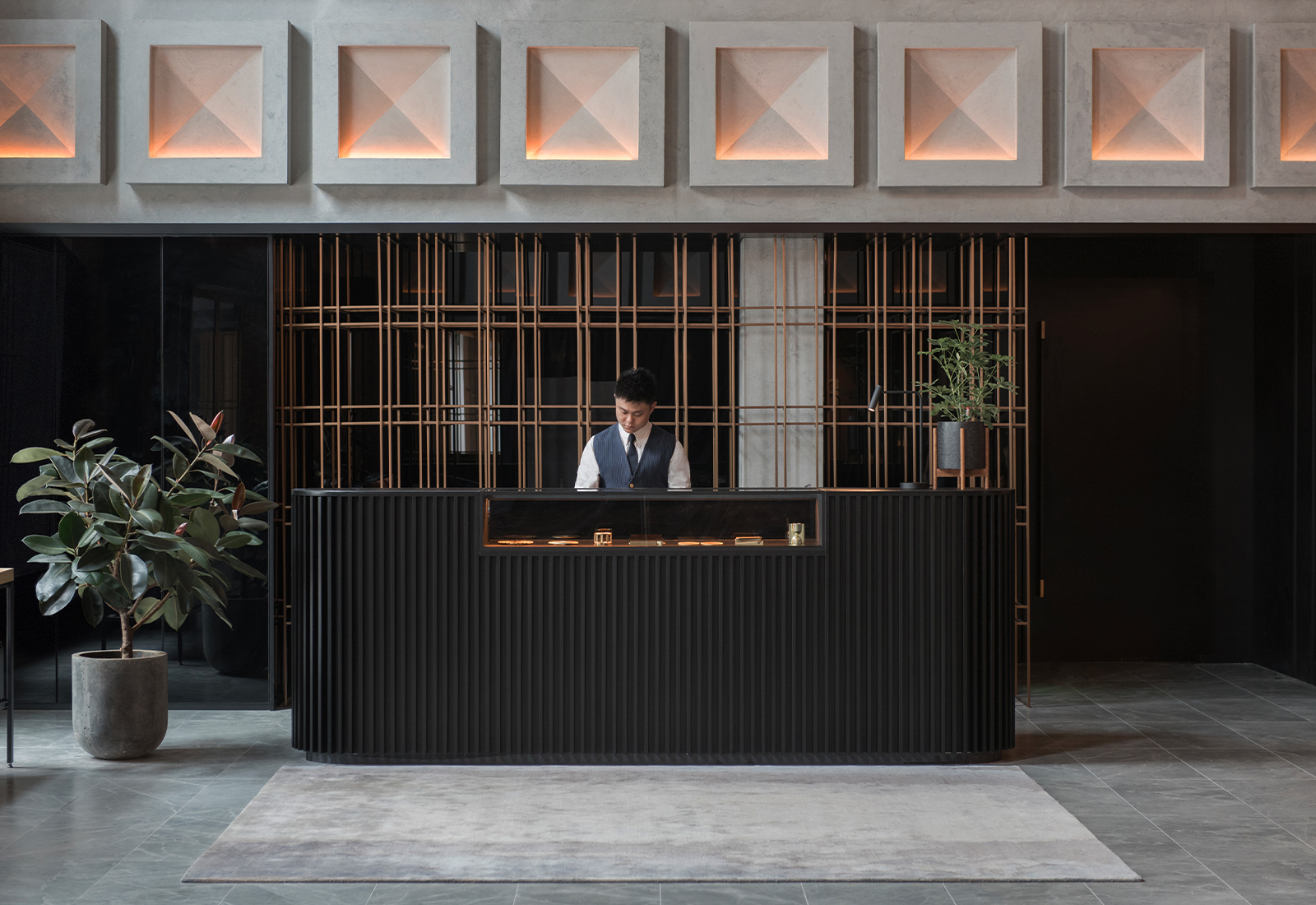
The first impression is one of reverence. The hotel kept its original masonry and timber trusses–details Shue describes as “part of the visual language of 19th-century warehouses.” Inside, steel beams rise toward the gabled ceiling, forming an architectural bridge between history and modernity. Instead of concealing age, the designers celebrated it. The softened patina of metal, the warmth of old wood, and the faint imperfections in the brick all tell the story of a place that has lived many lives.
As I walked through the lobby, I felt a deep respect for its restraint. Nothing shouts; everything speaks softly. You sense the courage it took to restore rather than rebuild–a slower, more deliberate way of doing things, one that Shue calls “a powerful act of conservation.”

Design with a Conscience
Sustainability here is subtle–dipped into daily life rather than announced with signage. “To us, sustainability starts with not building anew,” Shue explains. Restoring the original structure drastically reduced environmental impact while safeguarding cultural memory.
Inside, natural light spills through restored windows, reducing the need for artificial brightness. Water arrives in glass bottles; bath products are refillable; power pauses when you remove the key card. These small gestures create awareness without intrusion.
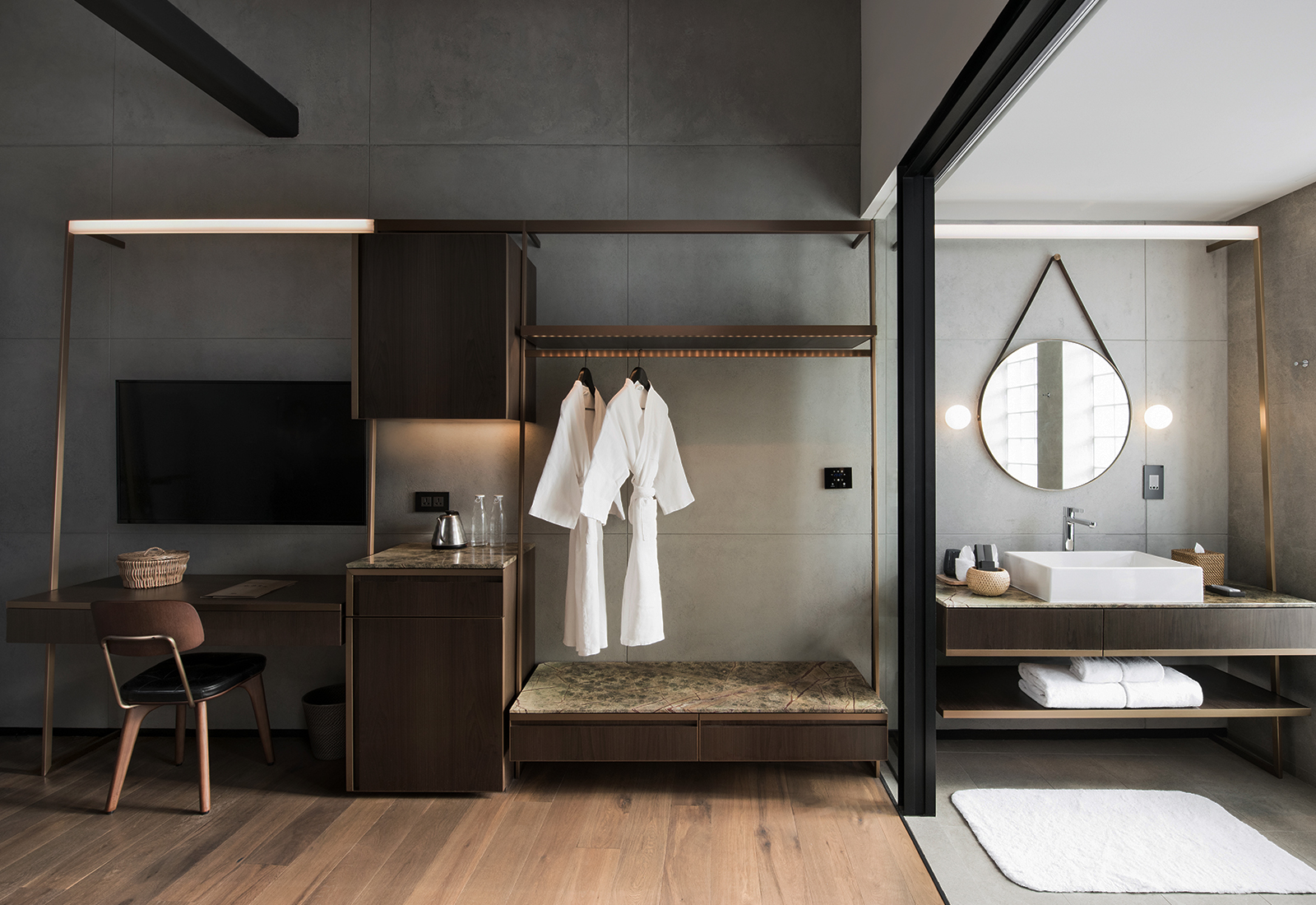
In my River Room, I noticed how everything felt intentional. The clean lines, natural tones, nothing too much. The furniture looked custom-made, crafted to echo the building’s quiet masculinity. The textures–linen, timber, concrete–were tactile and grounding, a calm dialogue between history and design. Sustainability felt lived-in, not performative; thoughtful in the right places, quiet in its confidence.
The Rhythm of the River
From my window, the Singapore River shimmered in morning gold. The view was hypnotic: boats drifting, cyclists passing, the city slowly stirring. At night, the sounds softened to laughter, footsteps, and the hush of water. The Warehouse doesn’t isolate you from the city; it immerses you in it. Robertson Quay sits gently below, and the hotel feels like part of its pulse.
Inside, comfort unfolds quietly. Locally made ceramic mugs rest near the entrance’s minibar, where a discreet curation of indulgences–some for sipping, others a playful whisper of the building’s wilder past that invite curiosity. Soft cotton robes crafted by Singaporean artisans hang in the wardrobe, while the scent of Ashley & Co bath products lingers gently in the air, warm and intimate. Music hums through a Bang & Olufsen speaker, perfect for slow jazz as the river becomes your rhythm.
The service mirrors the space: warm, intuitive, and unhurried. Leaving the room for a walk and returning to everything refreshed feels like an unspoken rhythm of care. There’s no grandeur here, only grace.
Po: A Story Told Through Food
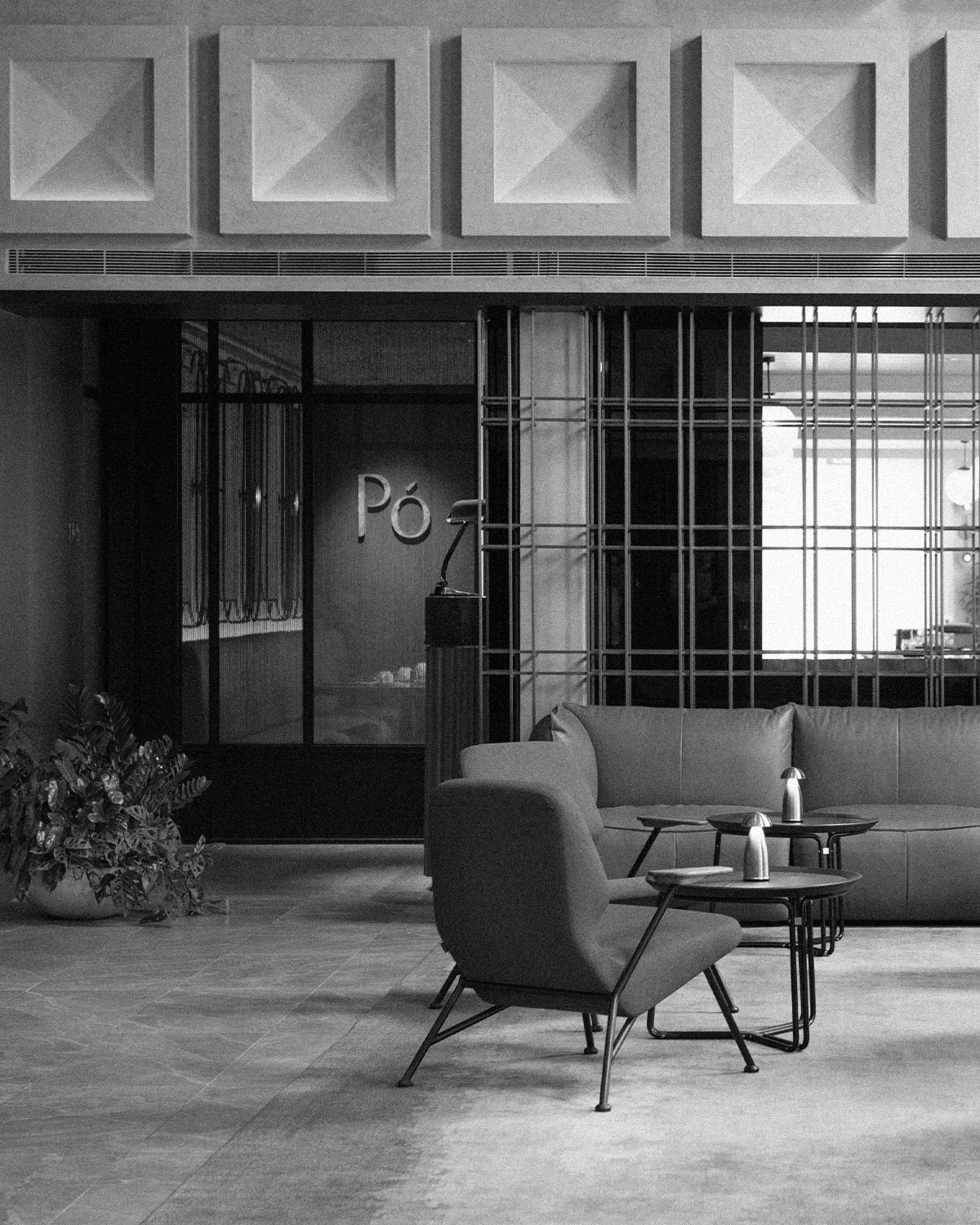
At Po, the hotel’s restaurant, heritage meets refinement. Named after the affectionate term for “grandmother,” it reimagines familiar Singaporean dishes with modern balance. “Through food, design, and thoughtful partnerships, we support local traditions and tell stories that matter,” Shue shares.
Lunch at Po felt like an elevated market experience–comforting flavors reinterpreted with elegance. Popiah arrived paper-thin and fresh; prawn noodles tasted both nostalgic and new. Each bite carried memory, yet everything felt contemporary, alive.
Beside the lobby, the bar glows under amber light and exposed beams, its industrial bones softened by the hum of conversation. The Singapore Sling–balanced, aromatic, never cloying–is the best I’ve had. I sipped it slowly, surrounded by the warehouse’s raw charm: brick walls, timber trusses, and the faint echo of stories once lived within these walls. At that moment, it felt like being inside the city’s heartbeat: bold, timeless, and beautifully unguarded.

Spaces for Celebration
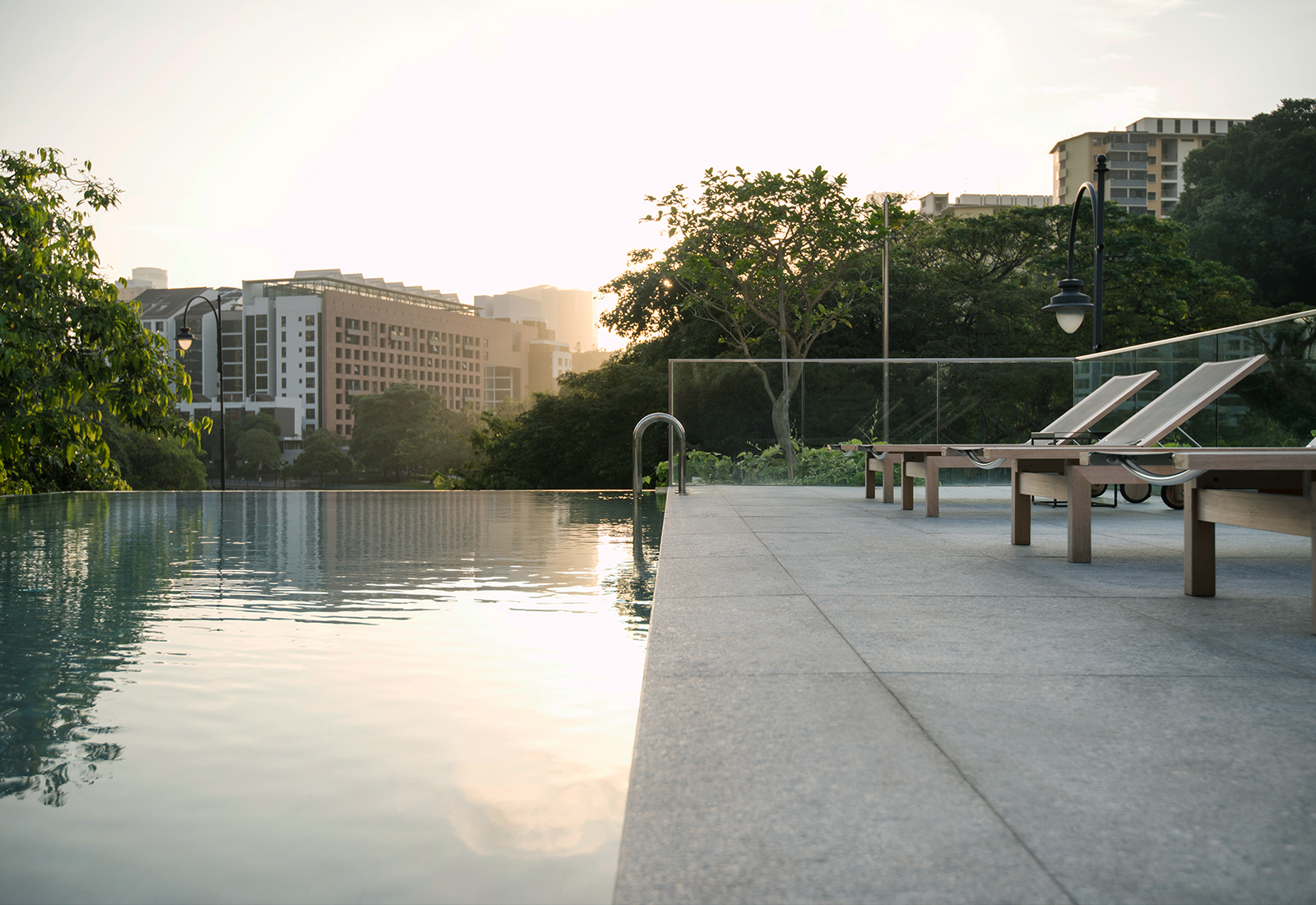
The Warehouse isn’t just a hotel, it’s a space for connection. Its lounge, The Den, feels intimate and refined, made for quiet gatherings and creative exchange. Shue describes it as a venue that “holds conversation rather than amplifies it.” Events here inherit the building’s character: discreet, textured, and deeply personal. Upstairs, the rooftop pool waits like a secret. Minimalist and calm, it overlooks the river and skyline. Floating there at dusk, I watched the city’s lights flicker on, a moment of stillness between past and present.
The Art of Preservation
Managing a heritage property means constant creativity. Retrofitting efficient systems into a 130-year-old shell isn’t easy. “It’s slower, but more rewarding,” Shue notes. Ventilation, insulation, and water systems all had to be reinvented within old bones–a meticulous process that turned limitation into identity.
What stands out most is how preservation here extends beyond structure. The hotel works with Singaporean artisans, designers, and small businesses, from the handmade ceramics in the rooms to the textiles woven locally. Sustainability is as cultural as it is environmental, a living ecosystem of craft and community.
As I wandered back to my room one night, I thought about how few places manage this balance–where design, heritage, and conscience exist in harmony rather than competition.
Accolades and Legacy
Since opening, The Warehouse Hotel has earned global acclaim: a Condé Nast Traveler Hot List mention, four AHEAD Asia awards including Hotel of the Year, and Singapore’s President’s Design Award for Design of the Year. Each recognition celebrates more than beauty; it honors the spirit of authenticity and innovation that defines the property. Yet beyond accolades, its success lies in how it makes you feel. Staying here leaves you quieter, more attentive. You’re aware of the layers beneath the city’s sleek exterior. You don’t leave with souvenirs, but with perspective: a deeper appreciation for what it means to preserve, not just build.
A Living Story
The Warehouse Hotel is not merely a place to stay; it’s a living archive of Singapore’s soul. Within its walls, time moves differently. The past and present flowing together like the river outside. You sense the traders, dreamers, and revelers who once walked these floors, their stories lingering in the air.
Shue sees it as “a portal to local culture, a way to keep the Singaporean story alive.” And it does just that. The hotel reminds you that history doesn’t have to be distant; it can live in texture, scent, and sound–in a door handle’s weight or the echo of footsteps on timber.
When I finally stepped out onto Havelock Road, the city felt softer somehow. The river glided past, timeless as ever, carrying stories from one century into the next. The Warehouse Hotel stood by its banks, watching, remembering, and beginning again with quiet grace.
EXPLORE THE PUNCH